
The Digital Shift: Why Email Marketing is the New Engine of Automotive Sales
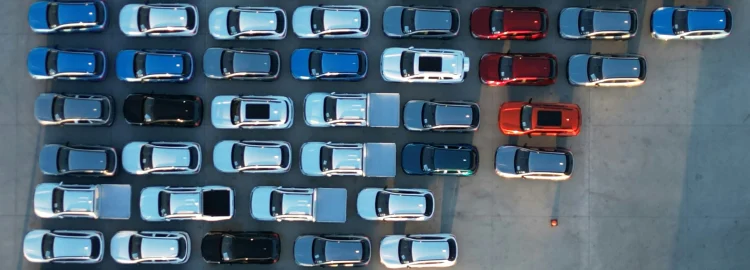
The landscape of the automotive industry has undergone a seismic shift. For decades, the dealership model was defined by "foot traffic"—the physical act of a customer walking onto a lot, wandering through rows of inventory, and waiting for a salesperson to make the first move. Today, that model is effectively obsolete. The modern car buyer is hyper-informed, skeptical of traditional sales tactics, and largely invisible until they are deep into the decision-making process.
Research shows that the majority of prospective buyers conduct extensive digital due diligence—comparing vehicle specifications, scouring independent reviews, and calculating financing options—long before they ever make contact with a physical location. In this environment, the dealerships that are thriving are not the ones with the largest billboard budgets, but those that have mastered the art of meeting the customer exactly where they live: in their inbox.
The Evolution of Automotive Consumer Behavior
The End of the "Walk-In" Era
Historically, automotive marketing relied on a "spray and pray" approach: radio spots, regional television advertisements, and aggressive direct mailers. While these channels still maintain a level of brand awareness, they fail to address the nuance of the modern consumer’s journey.
Today’s buyer is on a journey that is fragmented across devices and platforms. A potential customer might watch a YouTube review on their commute, visit a dealership’s inventory page on their phone during lunch, and use an online calculator to determine their monthly payments that evening. The challenge for dealerships is that the window of influence has moved upstream. If a dealership waits for the customer to show up in person, they have likely already lost the sale to a competitor who engaged them digitally weeks prior.
The Opportunity in Direct Communication
Email marketing bridges this gap. Unlike social media algorithms that hide content or search engine rankings that fluctuate, email provides a direct, low-cost line of communication to the consumer. It is a persistent, reliable channel that allows a business to stay top-of-mind from the moment of initial interest through the post-purchase ownership phase. By moving from a passive "wait-and-see" approach to a proactive communication strategy, dealerships can nurture relationships that turn casual window shoppers into qualified leads.
Strategic Lead Generation: Turning Clicks into Keys
The most immediate challenge for any digital storefront is the "bounce rate." Every visitor to a dealership’s website represents a potential sale, yet the vast majority of these visitors leave without taking any action. Capturing this traffic requires a transition from passive viewing to active engagement.
The Power of Data Capture
The implementation of well-placed signup forms—whether they are tied to inventory alerts, newsletters, or financing pre-qualification tools—acts as the digital version of a salesperson greeting a customer at the door. When a user provides their email address in exchange for value (such as a price drop notification or a specific vehicle availability alert), they are signaling intent.
Once that contact information is captured, the dealership moves from an anonymous traffic source to a known lead. This data is the lifeblood of modern automotive marketing. By segmenting these leads based on their stated preferences—such as preferred vehicle type, budget constraints, or interest in specific models—dealerships can deliver highly relevant, timely content that guides the lead toward a credit application or a test drive appointment.
Automation: The Dealership’s Silent Salesperson
One of the primary friction points in automotive marketing is the "resource gap." Many dealership teams are lean, with the same individuals responsible for inventory management, customer service, and floor sales. They simply do not have the time to manually track every lead, follow up on every inquiry, or send personalized emails to thousands of potential customers.
Efficiency Through Workflow Design
Email automation serves as a force multiplier for these lean teams. By setting up automated workflows, a dealership can ensure that no lead falls through the cracks:
- Immediate Response: When a lead fills out a credit application, an automated email provides instant confirmation and outlines the next steps, keeping the momentum alive.
- Recovery Sequences: If a customer starts an online financing application but abandons it, a triggered email can be sent after 24 hours to offer assistance, nudging them back to complete the process.
- Lifecycle Management: If a customer has not visited the service department in six months, an automated email offering a seasonal maintenance discount can re-engage them, driving revenue to the service bay without a single manual intervention.
By automating these routine touchpoints, dealerships can focus their human resources on high-touch, complex sales interactions where a personal touch is truly required.
The Anatomy of a Successful Automotive Campaign
Not all emails are created equal. To drive measurable growth, automotive businesses must leverage a diverse mix of campaign types that cater to different stages of the customer journey.
1. Promotional and Seasonal Offers
These are the tactical "workhorses" of the industry. Limited-time financing rates or end-of-month inventory specials are effective, but their success is tied to segmentation. Sending a luxury SUV promotion to a lead who previously showed interest in a compact, fuel-efficient hatchback is a waste of effort. Using data-driven segmentation ensures that these offers reach the right audience at the right time.
2. Transactional Reminders
Transactional emails—such as service appointment confirmations or warranty expiration notices—often enjoy the highest open rates in the industry. Because these messages contain information the customer expects and needs, they are viewed as helpful service rather than "marketing." Every such interaction is an opportunity to reinforce brand trust.
3. Inventory-Specific Alerts
Modern platforms allow for dynamic content. When a specific make or model arrives on the lot, an email can be automatically triggered to leads who previously searched for that vehicle. This creates a sense of exclusivity and urgency that generic mass-mailers cannot replicate.
4. Re-engagement Sequences
The automotive sales cycle is long. A customer who bought a vehicle two years ago is a prime candidate for a trade-in conversation. Automated sequences that trigger after a set period of time keep the dealership’s name in the customer’s inbox, ensuring that when they are finally ready for an upgrade, they don’t even consider the competition.
5. Brand-Building Campaigns
Not every interaction should be a sales pitch. Sharing community involvement stories, local event sponsorships, or customer spotlights builds a human connection. These emails foster trust and familiarity, positioning the dealership as a community staple rather than just a place to buy a car.
Measurability and the ROI Imperative
One of the most significant shifts in the industry is the move toward accountability. For years, dealerships spent thousands of dollars on radio ads and billboards with almost no way to track direct ROI. Email marketing changes this dynamic entirely.
Modern analytics tools provide total visibility. Dealerships can see exactly how many people opened a specific campaign, clicked through to a financing page, and ultimately booked a test drive. This level of transparency allows for real-time optimization. If a subject line is underperforming, it can be A/B tested and adjusted. If a specific offer isn’t driving clicks, the strategy can be refined. For the automotive industry, where margins can be tight and competition is fierce, the ability to see which marketing dollars are actually driving sales is a massive competitive advantage.
Implications for the Future
The future of automotive retail is digital-first. As technology continues to evolve, the dealerships that will survive and thrive are those that view their email list as one of their most valuable assets.
Bridging the Gap Between Online and Offline
The ultimate goal of email marketing in the automotive space is not just to get an "open," but to drive physical action. Whether it is a digital coupon for an oil change or an invitation to an exclusive model preview, the best emails act as a bridge. They connect the convenience of the digital world with the tangible experience of the dealership lot.
The Low Barrier to Entry
Perhaps the most encouraging takeaway for smaller dealerships is that sophisticated email marketing does not require a massive marketing department or a deep engineering background. With modern, user-friendly platforms featuring drag-and-drop builders and pre-built, industry-specific templates, even a team with no coding skills can produce professional-grade campaigns.
Conclusion
The decline in foot traffic is not a signal that the car business is dying; it is a signal that the business has moved online. The modern consumer is ready to engage, but they are doing so on their own terms. By embracing a strategic, automated, and data-backed email marketing program, automotive businesses can meet their customers in the one place they check every single day.
In a world where attention is the most valuable currency, email marketing provides the most direct, measurable, and effective path to converting interest into action. For the dealership willing to adapt, the inbox is no longer just a communication tool—it is the most important showroom in the world.
