

The Data-Driven Revolution: How CPG Giants are Redefining Social Video Strategy
The consumer packaged goods (CPG) landscape is undergoing a seismic shift. In an era where digital attention is the most finite commodity, the world’s most recognizable brands are abandoning the "spray and pray" approach to social media. Instead, they are pivoting toward a surgical, data-backed methodology that treats every frame, platform, and partnership as a deliberate investment.
From the high-octane stunts of Red Bull to the strategic elegance of Charlotte Tilbury, industry leaders are proving that social video success is no longer a matter of creative intuition alone. It is a product of rigorous audience intelligence. By analyzing cross-platform performance, niche creator affinity, and audience overlap, these brands are rewriting the rules of engagement.
The Paradigm Shift: Data Over Assumptions
For years, CPG marketers operated under the assumption that high-volume posting and platform ubiquity were the keys to growth. However, contemporary performance data suggests a more nuanced reality. A successful strategy today prioritizes data-driven insights over conventional wisdom.
Brands are now selecting distribution channels based on granular engagement metrics rather than vanity follower counts. They are sourcing partnerships based on cultural alignment rather than category proximity. Most importantly, they are using real-time performance data to pivot as audience behaviors and platform algorithms evolve.
Case Studies in Strategic Precision
1. Red Bull: Mastering Platform-Specific Nuance
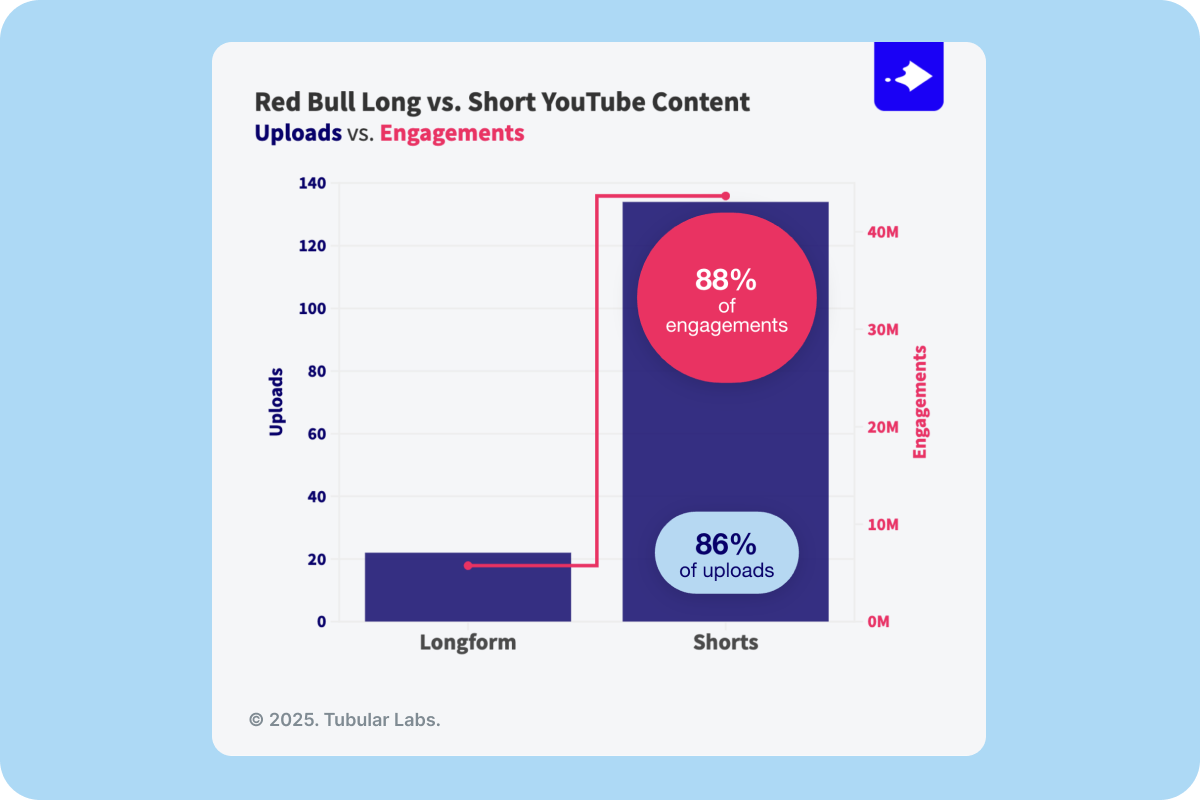
Red Bull, a brand synonymous with high-energy content, provides a masterclass in platform-specific optimization. With 77% of global YouTube views in 2025 originating from videos under 60 seconds, Red Bull leaned heavily into short-form content. However, their data revealed that a one-size-fits-all approach is a recipe for stagnation.
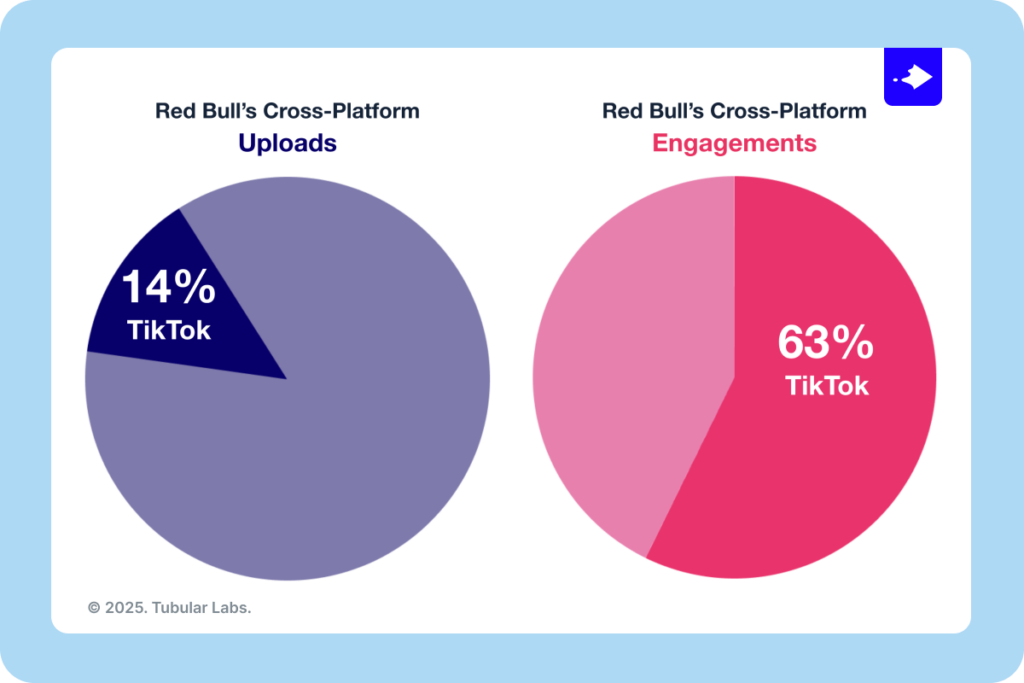
While their YouTube engagement remained consistent with their upload volume, their performance on TikTok told a different story. Despite TikTok accounting for only 14% of their total cross-platform uploads, it generated a staggering 63% of their total engagement. This discrepancy highlights a critical lesson: the highest-volume platform is rarely the highest-impact one. For CPG brands, the takeaway is clear—content duration and platform choice must be calibrated to the specific behavioral patterns of that platform’s user base.
2. Heineken: The Power of Cultural Fit
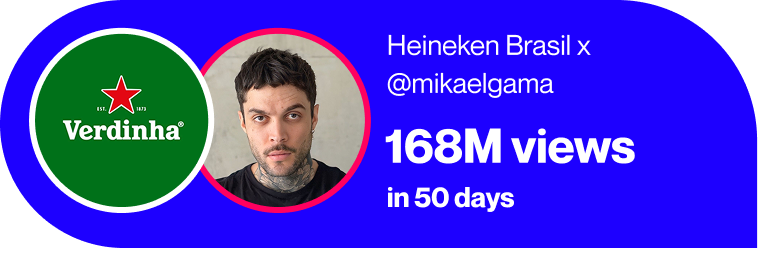
Perhaps the most surprising shift in recent CPG strategy is the move toward "category-defying" partnerships. Heineken, traditionally a beer brand, defied conventional marketing logic by partnering with Brazilian fashion influencer @mikaelgama.
At the time, Mikael had a modest following of 136,000—a figure that would typically be overlooked by major global brands. Yet, by prioritizing cultural fit over category fit, the partnership achieved 168 million views and 1 million engagements in just 50 days. The secret lay in visual and aesthetic alignment; Mikael’s premium, sophisticated content style mirrored the brand identity of Heineken. This case proves that when a brand taps into a creator’s authentic aesthetic, they can unlock trust and reach far beyond their traditional demographic silos.
3. Charlotte Tilbury: Mapping Audience Overlap
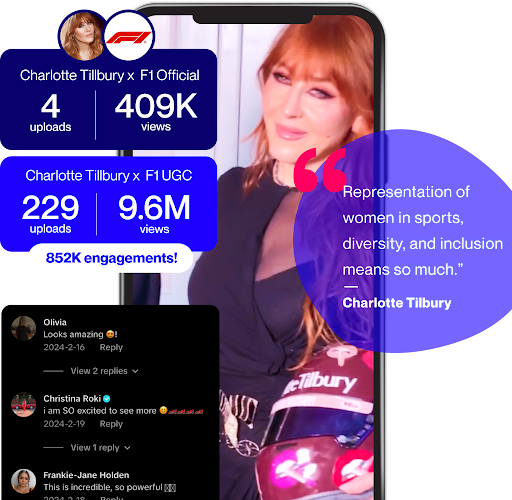
The intersection of the Beauty industry and Motorsports is not a traditional pairing, yet Charlotte Tilbury’s collaboration with the F1 Academy yielded immediate, measurable results. As the first female-founded beauty brand to partner with the series, the company bet on the overlap between beauty enthusiasts and the racing demographic.
The data-backed decision to cross-pollinate these audiences resulted in a surge of user-generated content (UGC) and a significant expansion of their consumer base. This strategy underscores the value of "audience overlap" analysis—identifying secondary interests that allow a brand to pivot into new market segments without diluting their primary brand identity.
4. Old Spice: The Art of Strategic Scaling
Old Spice stands as a beacon for those looking to scale without flooding the feed. As one of YouTube’s top CPG performers, their success is not a result of endless uploading, but of purposeful, high-impact scheduling. By focusing on quality over quantity and leveraging short-form formats to funnel traffic, they maintained a dominant presence on the platform. Their growth trajectory illustrates that audience reach is more effectively expanded through targeted, format-aware content than through sheer volume.
Supporting Data and The "New" Metrics
The underlying theme connecting these four giants is the rejection of vanity metrics. As the creator economy matures, the reliance on "views" and "likes" is being replaced by more sophisticated KPIs.
Leading brands are now layering in:
- Search Affinity: Understanding what topics their target audiences are actively looking for.
- Shopping Affinity: Analyzing the purchasing habits of an influencer’s audience to ensure high conversion probability.
- Audience Overlap: Identifying where two seemingly disparate communities intersect.
By integrating these data points, brands can predict the ROI of a campaign with far greater accuracy, transforming the influencer marketing funnel from a "black box" into a predictable revenue driver.
Official Perspectives: The Industry Mandate
Industry analysts and digital strategists agree that the "guesswork era" of CPG marketing has ended. Executives at top firms emphasize that the modern consumer is highly attuned to inauthentic or misaligned brand messaging.

"When a brand enters a space they don’t belong in, the audience knows," says one industry strategist. "But when they use data to find a cultural bridge—like Heineken did with fashion or Charlotte Tilbury did with F1—the brand feels like a natural extension of the creator’s world. That is the gold standard for 2026 and beyond."
The Implications for Future Campaigns
For CPG brands looking to replicate these successes, the path forward involves a fundamental restructuring of their marketing departments. The silos between "Creative" and "Data" must be dismantled.
Key Strategic Pillars:
- Platform-First Content: Do not repurpose a YouTube video for TikTok without adjusting for the platform’s unique rhythm.
- Cultural Alignment: If a creator’s aesthetic or values align with your brand, the "category" they belong to becomes secondary.
- Data-Led Expansion: Use audience overlap tools to identify "hidden" demographics that are already primed to accept your brand.
- Efficiency in Frequency: Focus on high-impact, high-quality uploads rather than maintaining a constant, low-value presence that can lead to audience fatigue.
Conclusion: A New Standard of Excellence
A good CPG social video strategy follows best practices, but a great one uses audience data to challenge them. The brands that are currently dominating the social landscape—Red Bull, Heineken, Charlotte Tilbury, and Old Spice—are not just creating content; they are engineering experiences that resonate at the intersection of culture and data.
As we look toward the remainder of the decade, the divide between the market leaders and the laggards will only grow. Those who prioritize the nuance of audience intelligence will continue to capture the lion’s share of digital attention, while those who rely on outdated assumptions will find their reach—and their revenue—slowly eroding. In the high-stakes world of social video, the data doesn’t just inform the strategy; it is the strategy.
