
The Art of the Last Impression: Mastering Exit-Intent Popups for Maximum Conversion
In the high-stakes world of e-commerce and digital marketing, the "exit-intent" window is the final frontier. It is the digital equivalent of a shopkeeper catching a customer’s eye just as they reach for the door handle, offering one last reason to return to the counter. When executed with precision, an exit-intent popup can salvage a lost sale or secure a lead; when deployed clumsily, it serves as the final annoyance that drives a user away for good.
As website owners strive to balance aggressive conversion tactics with the increasing demand for seamless user experiences (UX), understanding the mechanics, psychology, and best practices of exit-intent technology has become a business imperative.
The Mechanics of Disengagement: What is Exit-Intent?
At its core, an exit-intent popup is a specialized modal window triggered by behavioral tracking. Unlike time-delayed popups, which rely on how long a visitor has been on a page, or scroll-depth triggers, which rely on engagement, exit-intent is reactive.
How It Works
On desktop platforms, the technology is remarkably intuitive: it tracks the movement of the user’s cursor. When the mouse trajectory moves rapidly toward the browser’s "close" button, the URL bar, or the "back" button, the system recognizes this as an intent to abandon the page and fires the modal.
Mobile detection is inherently more complex due to the absence of a cursor. Developers rely on "noisier" signals, such as the velocity of a scroll-up gesture, prolonged idle time, or the physical tap of the device’s back button. Because these signals are less precise than desktop tracking, the risk of "false positives"—where a user is simply navigating or scrolling to re-read—is significantly higher on mobile devices.
Data-Driven Performance: Does It Actually Work?
The efficacy of exit-intent popups is a subject of intense debate, but the raw data suggests that when they are relevant, they are undeniably powerful.
According to market research published in September 2025 by Wisepops, the average conversion rate for exit-intent campaigns sits at approximately 2.81%. However, this figure is a global average; the top 10% of high-performing campaigns boast conversion rates as high as 19.63%.
The variance is largely determined by the "pain point" being addressed:
- Email Capture: General list-building popups see more modest conversion rates, often hovering around 1.8% according to 2026 Omnisend data.
- Cart Abandonment: This is where the strategy truly shines. OptiMonk’s 2025 reports indicate that cart-abandonment specific exit popups can convert at over 17%.
These numbers indicate that the closer a user is to a transaction, the more receptive they are to a well-timed "nudge."
The Psychology of the "Earned Interruption"
The most successful exit-intent strategies are built on the principle of "earning the interruption." If a user is leaving because they are frustrated with a high shipping cost, a 2% discount code will not only fail to convert them—it will likely feel insulting.
Conversely, offering a solution to the specific friction point is highly effective. If a user is leaving because the price is too high, an interest-free payment plan or a limited-time incentive can bridge the gap. The goal is not to trap the user, but to provide a value proposition that was previously overlooked.
The Perils of False Positives and Misalignment
When exit-intent popups backfire, it is almost always due to two primary failures: false triggers and offer mismatch.
The False Positive
False positives occur when the technology misinterprets a user’s navigation habits. For instance, a user opening a new tab to compare prices or verify a detail may inadvertently trigger an exit-intent popup. If that user is then bombarded with a "Wait, don’t leave!" message, the brand equity is diminished. Constant, irrelevant interruptions are a primary driver of high bounce rates and long-term user resentment.
The Offer Mismatch
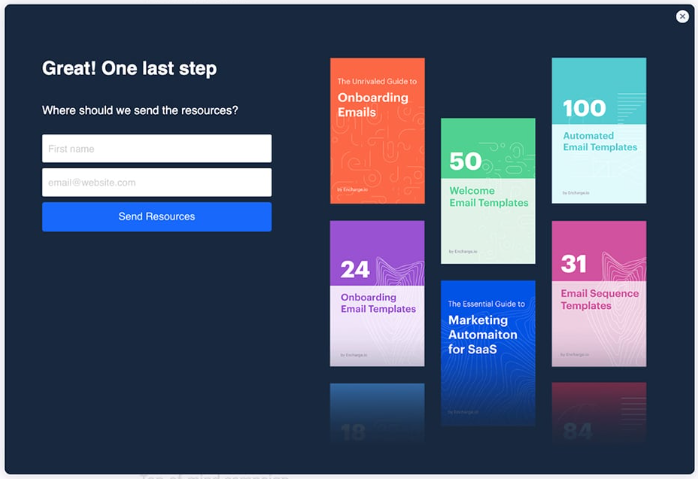
An offer mismatch occurs when the incentive doesn’t align with the user’s journey. A "Sign up for our newsletter" prompt on a checkout page is a distraction that can cause a user to lose their place in the conversion funnel. The rule is simple: if the offer does not directly address why the user is leaving, it should not appear.
11 Best Practices for Implementation
To maximize the benefits of exit-intent technology while safeguarding the user experience, organizations should adhere to these eleven core strategies:
1. Prioritize High-Intent Pages
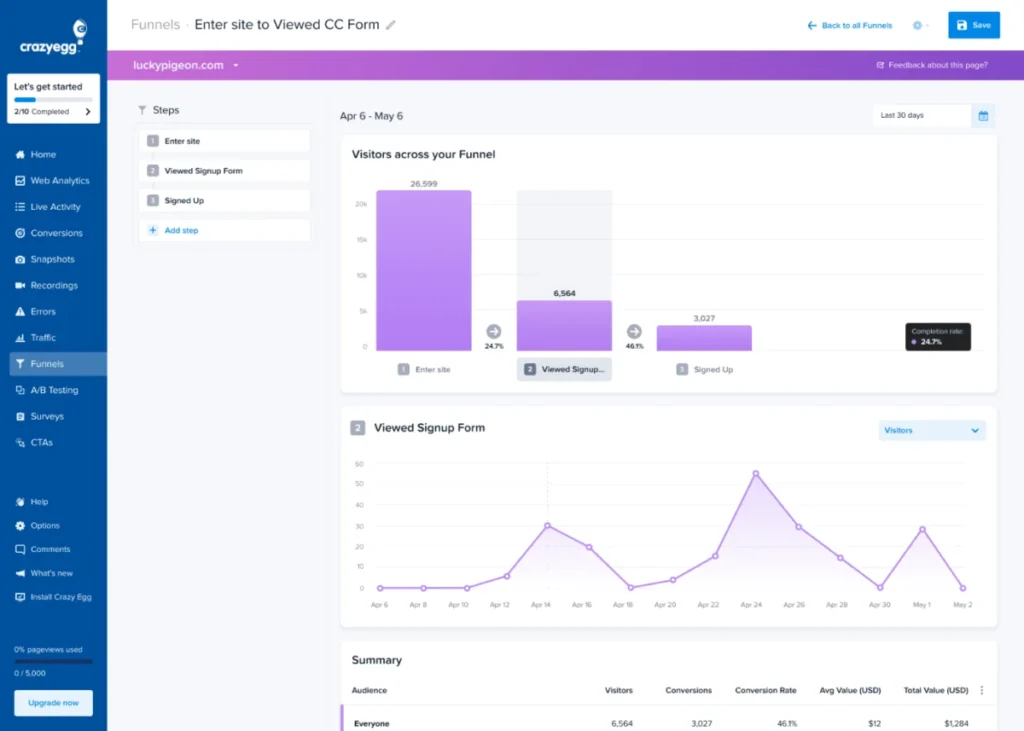
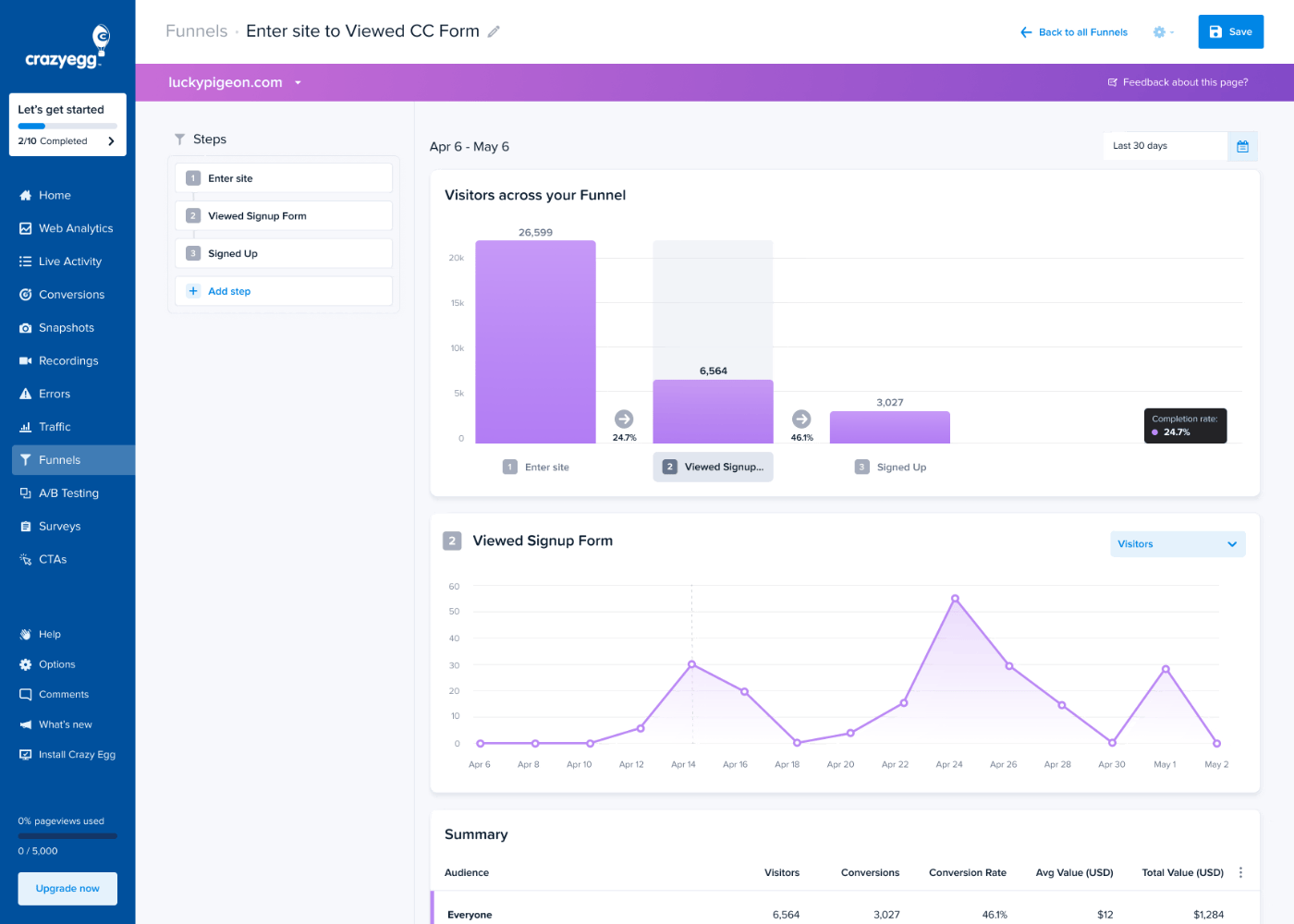
Do not apply exit popups globally. Target pages with high commercial value, such as product pages, pricing tables, and checkout flows. Use funnel analytics to identify where the highest drop-off occurs.
2. Resolve UX Friction First
Popups should be a bridge, not a patch. If your analytics show that users are abandoning at the checkout, check for "hidden" costs, broken payment buttons, or form errors before attempting to mask these issues with a popup.
3. Match Intent to Offer
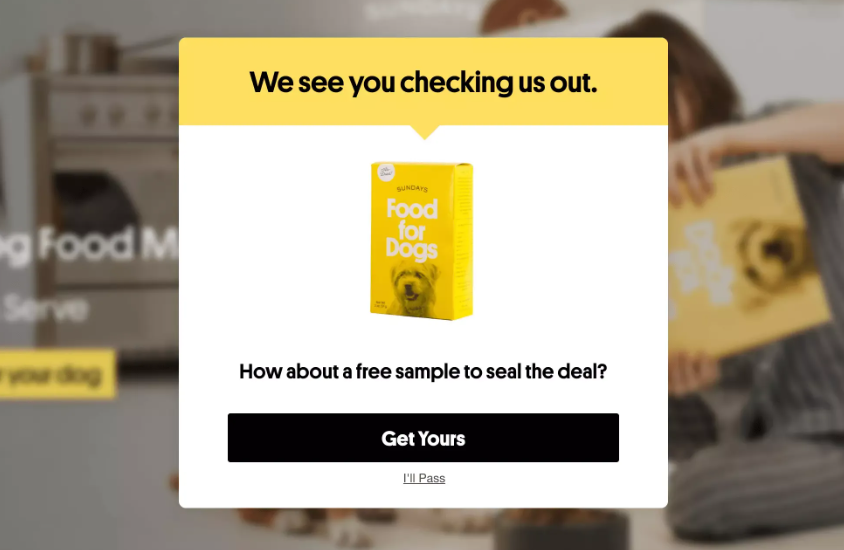
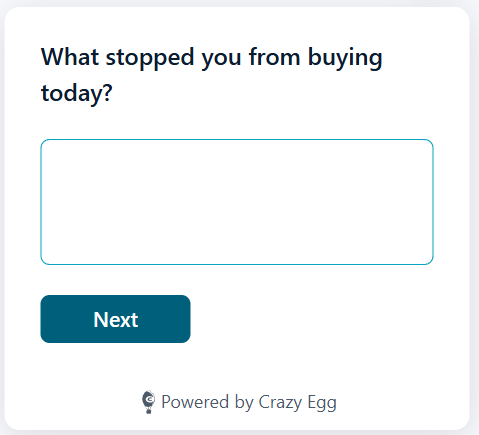
A user leaving a blog post might want an e-book, while a user leaving a cart wants a discount. Use surveys to ask, "What stopped you from buying today?" to gather data on why users are leaving, then tailor future offers to these specific reasons.
4. Segment Your Audience
Distinguish between new visitors and returning customers. A new visitor might be better served by a discount code, while a repeat visitor might be more interested in a loyalty program or a free shipping offer.
5. Design for Speed
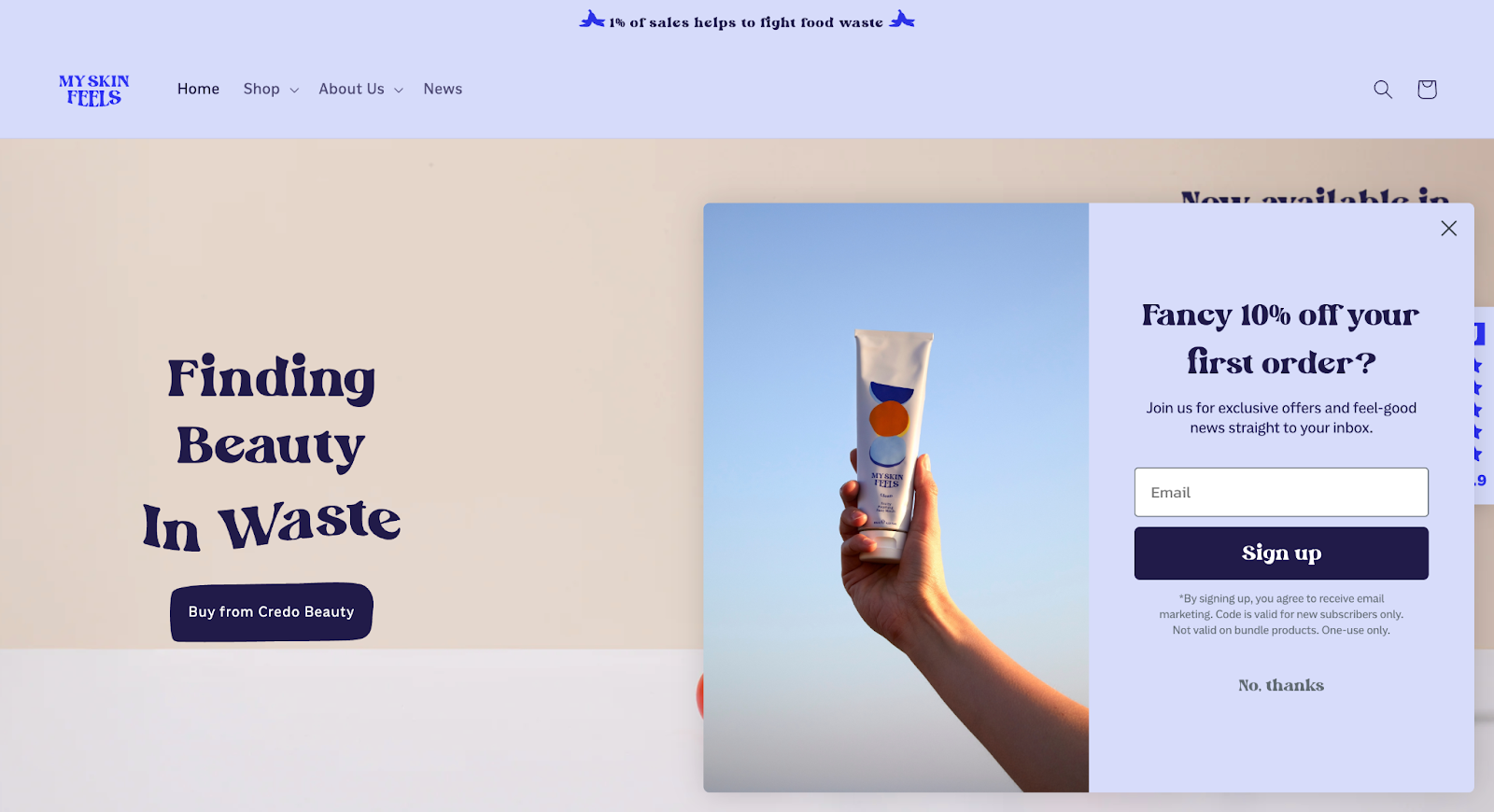
The user is already leaving; you have less than a second to grab their attention. Keep headlines punchy, designs clean, and the call-to-action (CTA) visually prominent.
6. Keep Copy Objective
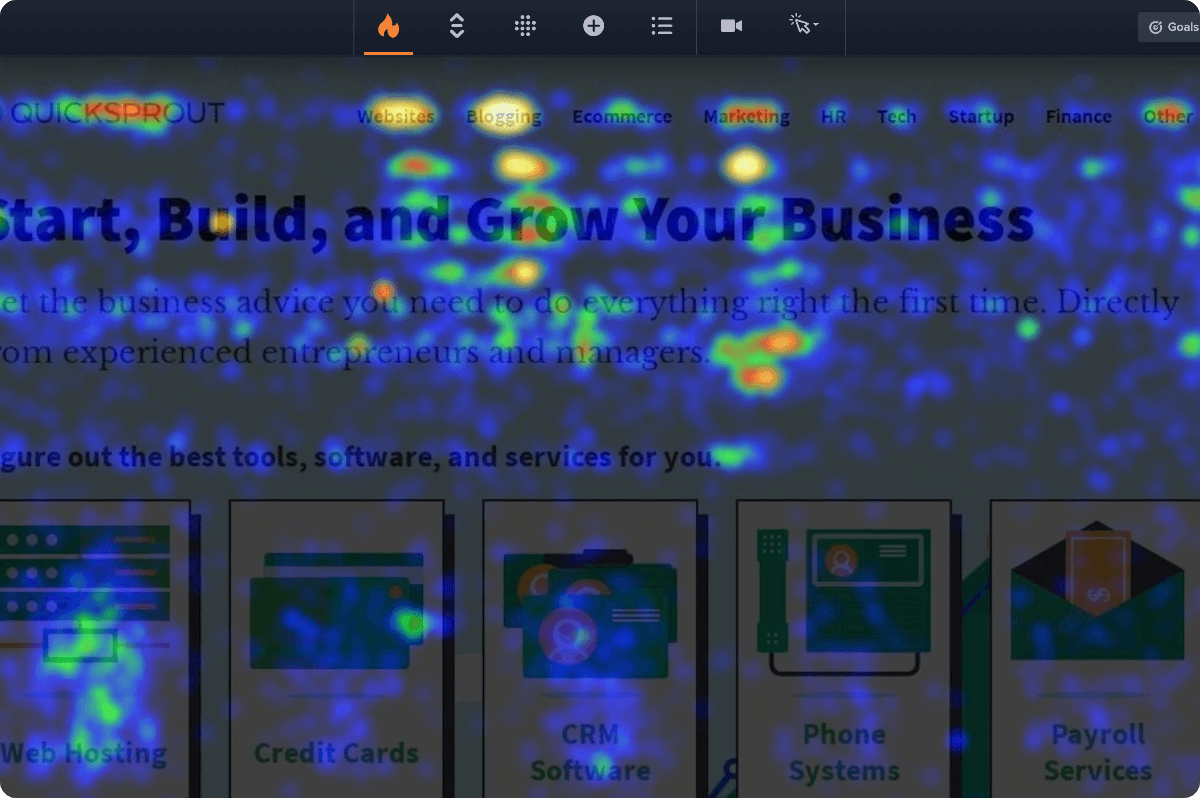
Avoid "guilt-tripping" language (e.g., "No, I hate saving money"). Use neutral, polite language like "No thanks" or "Maybe later." Manipulation tactics often result in a short-term click but long-term brand damage.
7. Accessibility and Mobile Optimization
Ensure popups are responsive. On mobile, the modal should never take up the full screen, as this makes it difficult for the user to navigate away, leading to frustration. Ensure all buttons are thumb-friendly (at least 44×44 pixels).
8. Fine-Tune Mobile Triggers
Because mobile signals are messy, test your triggers carefully. If your analytics show a high rate of accidental triggers, consider disabling mobile popups or switching to a more sophisticated detection tool.
9. A/B Test Everything
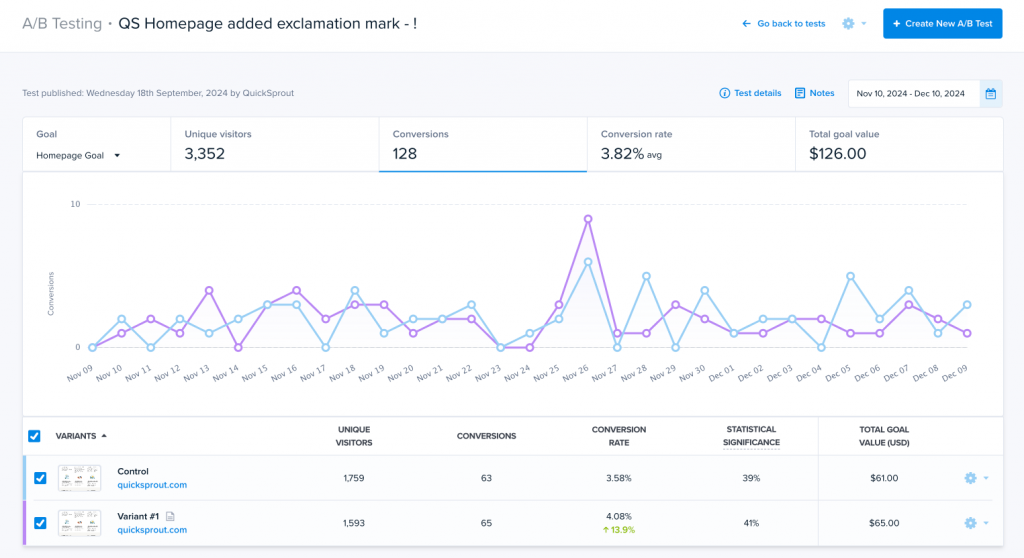
Never assume your first iteration is the best. Test your offers, headlines, and CTA colors. Even a minor change in copy can result in significant fluctuations in conversion performance.
10. Multi-Channel Recovery
Do not rely on the popup as your only recovery tool. Use it in conjunction with email retargeting, browser push notifications, and SMS marketing. A popup is one touchpoint in a larger recovery ecosystem.
11. Monitor Load Times
A heavy, poorly coded popup plugin can drag down your page load speed. If the popup causes the page to lag, it is effectively destroying the very conversion rate you are trying to improve.
Implications: The Future of Conversion
The future of exit-intent technology lies in personalization. As AI-driven behavioral analysis becomes more accessible, popups will move away from generic "wait" messages toward dynamic, hyper-personalized offers based on a user’s entire browsing history.
However, the fundamental human element remains unchanged: people value their time. The most effective conversion tool of the next decade will not be the one that is the loudest, but the one that is the most helpful. By using data to understand the "why" behind a user’s exit, businesses can pivot from being a nuisance to becoming a helpful assistant at the exact moment it matters most.
Final Thoughts
The success of an exit-intent strategy is defined by the balance between aggressive capture and user respect. When deployed with a focus on intent, clear value, and seamless UX, these tools are not merely popups—they are vital components of a healthy, high-converting digital ecosystem. Before implementing your next campaign, ask yourself: Are we providing value, or are we just standing in the way?
