
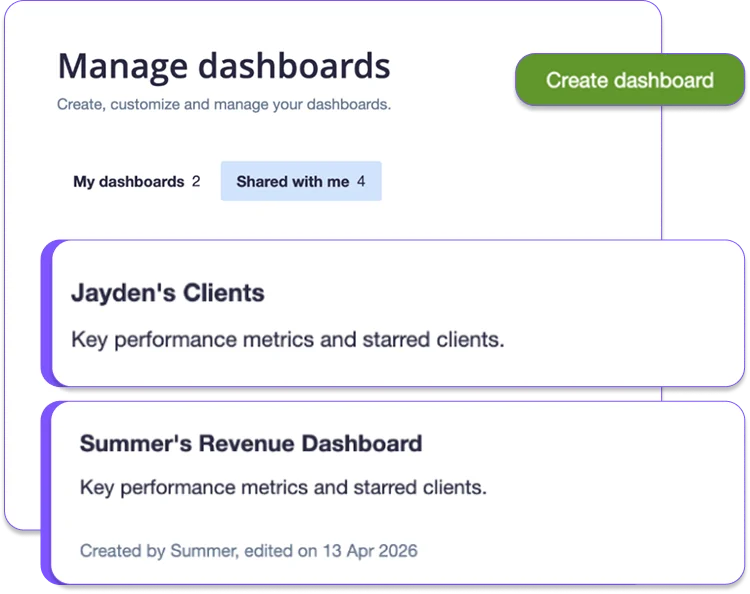
The Agency Paradox: How to Scale Email Marketing Operations Without Sacrificing Strategy
For digital agencies, growth is a double-edged sword. As the client roster expands, the complexity of managing multiple email marketing accounts increases exponentially. What begins as a manageable workflow of creative strategy and campaign execution often devolves into an administrative quagmire of manual reporting, account switching, and data fragmentation.
When your team spends more time pulling spreadsheets than developing high-impact marketing strategies, the value proposition you offer your clients is at risk. To remain competitive, agencies must evolve their operational infrastructure. The following report explores the challenges of multi-client email management and how modern, centralized platforms—such as Campaign Monitor—are transforming agency workflows.
The Core Challenge: Managing Complexity at Scale
At the heart of the agency dilemma is a simple truth: most email marketing platforms were engineered for the solo marketer, not the agency professional. These platforms are designed around a singular, unified audience, which creates significant friction for agencies juggling disparate brands, distinct buyer personas, and overlapping send schedules.
The Administrative "Silo" Effect
When data resides in separate, disconnected accounts, the "silo effect" takes over. Agencies are forced to perform manual labor to unify these data points. This process—often involving exporting CSVs, cross-referencing metrics in Excel, and manually formatting client-facing reports—is more than just an annoyance; it is a drain on billable hours. As agencies grow, these administrative tasks crowd out the strategic and creative work that clients actually pay for.
The Shift in Priorities
When an agency team is bogged down by manual reporting, client reviews suffer. Instead of delivering high-level insights or forward-looking recommendations, meetings often devolve into a "recital of metrics." The client learns what happened, but not why it matters or what they should do next. This shifts the agency’s role from a strategic partner to a mere executor of tasks.
A New Framework for Operational Efficiency
To solve these challenges, agencies are increasingly adopting platforms designed with a "portfolio-first" architecture. According to operational workflows at leading agencies, an effective email management system should provide four specific capabilities: centralized visibility, interpreted analytics, prioritized account management, and deep historical transparency.
1. Centralized Visibility: Starting the Day with Clarity
For a small team, occasional account switching is a minor nuisance. However, for a scaling agency, it is a significant productivity bottleneck. The goal is to move from "reactive searching" to "proactive monitoring."
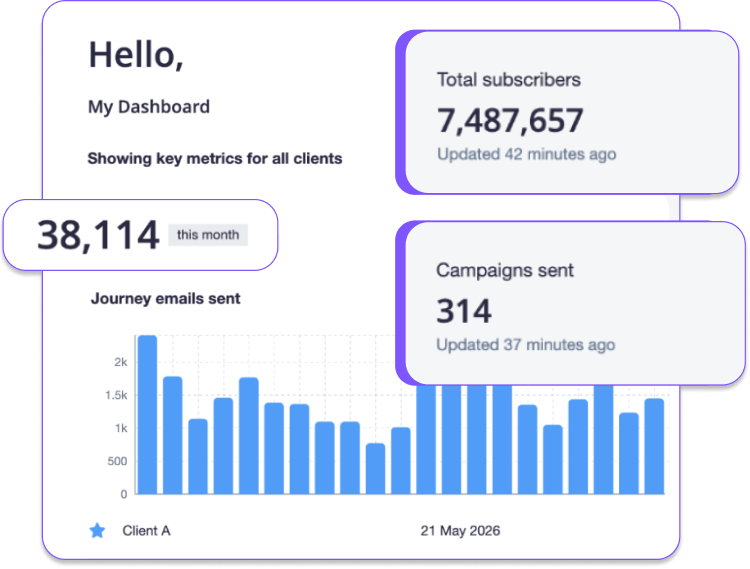
Platforms like Campaign Monitor have addressed this with features like My Dashboard. By providing a bird’s-eye view of all client accounts upon login, teams can identify which accounts require immediate attention. By configuring custom performance widgets, agencies can ensure that their admin team—or account managers—are looking at the same data points, ensuring consistency across the organization.
2. Turning Raw Metrics into Strategic Recommendations
Data is only as valuable as the insights derived from it. When reporting is automated, the time reclaimed can be reinvested into interpretation.
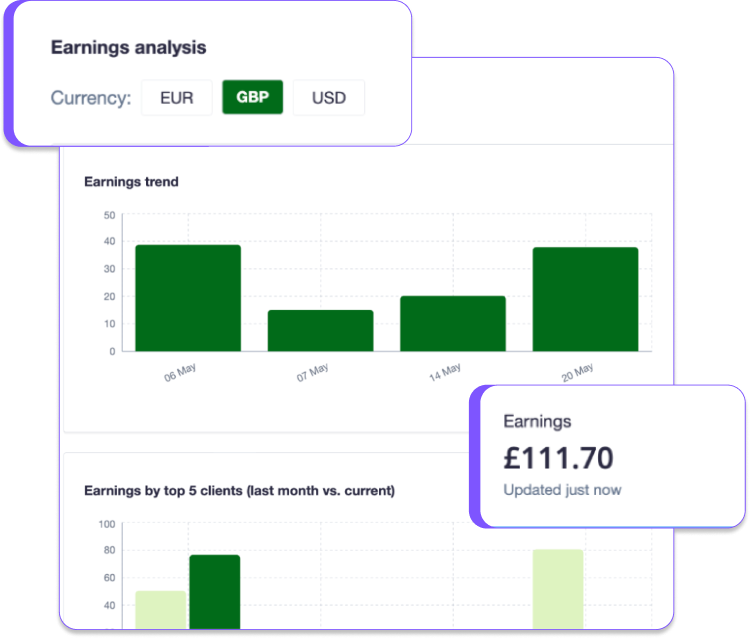
Modern agency-grade software allows for interactive, widget-based reporting. By tracking revenue contribution, subscriber growth trajectories, and cross-client campaign performance, agencies can quickly identify which tactics are driving the highest ROI. This transition is critical: when your team doesn’t have to spend three hours preparing a report, they spend those three hours analyzing trends, spotting gaps, and formulating the strategic advice that justifies your agency’s retainer.
3. Maintaining "Priority" Visibility
Not every client requires the same level of attention every day. An upcoming product launch, a recent dip in engagement, or a period of inactivity necessitates a shift in focus. Agencies need a way to pin "priority" accounts to their primary workspace while keeping the remainder of the portfolio accessible but secondary.
Campaign Monitor’s Starred Clients feature is a prime example of this methodology. By allowing managers to pin up to 30 accounts to their dashboard, they can monitor recent send activity and performance trends at a glance. This allows for a "management by exception" approach: focus on the clients who need you most, without losing sight of the broader portfolio.
4. Ensuring Deep Historical Transparency
Client inquiries regarding past campaigns—such as "Why did we change the subject line in March?" or "Can you resend that report from last quarter?"—should not result in a time-consuming scavenger hunt.
A robust platform must offer a comprehensive, searchable audit trail. The Activity Page feature, which maintains an unlimited history of scheduled, sent, and drafted communications, acts as a single source of truth. When an agency can answer a client’s question in seconds, it reinforces the perception of competence and reliability.
Supporting Data: The Impact of Efficiency on Retention
While the qualitative benefits of streamlined operations are clear, the quantitative impact on agency growth is equally compelling. Industry data suggests that agencies that implement unified management platforms see a measurable increase in client retention rates.
- Reduction in "Burnout" Metrics: Staff turnover in agencies is notoriously high, often linked to repetitive administrative tasks. Automating reporting reduces the "cognitive load" on team members, allowing them to focus on creative tasks that foster engagement.
- Faster "Time-to-Insight": By reducing the reporting cycle by an average of 40-60% (as reported by agencies transitioning to consolidated dashboards), teams can provide deeper analysis, which directly correlates to a higher perceived value by the client.
Official Perspective: The Value of "Strategic Judgment"
In a conversation regarding the role of technology in agency success, industry experts emphasized that software is a tool for empowerment, not a replacement for talent.
"Clients don’t hire agencies because they want someone to click buttons in a marketing platform," notes a spokesperson from the Campaign Monitor development team. "They hire you for your judgment. They want to know that you understand their market, that you can interpret the nuances in the data, and that you have a vision for their brand’s future. Our goal is to remove the friction of the platform so that the agency’s expertise can take center stage."
This perspective highlights a critical shift in the agency-client relationship. The technology becomes invisible—a silent engine that powers the agency’s strategic output.
Implications for the Future of Agency Operations
As artificial intelligence and automated analytics continue to evolve, the expectation for agencies will only grow. Clients will increasingly demand "predictive" rather than "descriptive" reporting. Agencies that rely on legacy, manual-heavy processes will find themselves unable to meet these demands without sacrificing their profit margins.
The "Agency-First" Standard
Agencies looking to future-proof their operations should evaluate their tech stack based on three criteria:
- Scalability: Can this platform handle 100+ accounts without a degradation in performance?
- Interoperability: Does this system allow for seamless data sharing between team members?
- Strategic Focus: Does the software provide tools that encourage analysis rather than just data collection?
Conclusion: Reclaiming the Agency Value
The administrative burden of multi-client management is an existential threat to the agency model, but it is also a solvable problem. By centralizing management, automating the mundane aspects of reporting, and prioritizing client history, agencies can return to their core mission: driving growth for their clients.
The ultimate goal of any email marketing platform for agencies should not just be to help them do the work, but to help them elevate the work. By choosing the right tools, agencies can stop being managers of software and return to being architects of growth.
As you audit your current operations, remember: every minute spent manually formatting a report is a minute stolen from the strategy that could have won you your next client. Invest in the infrastructure that reflects the value of your expertise.
