

Mastering the Corporate Pivot: A Strategic Guide to Communicating Company Change
In the lifecycle of a growing business, change is not merely an option—it is an inevitability. Whether a firm is undergoing a comprehensive rebrand, executing a strategic merger, adopting a new trade name, or migrating its digital infrastructure, the manner in which these shifts are communicated serves as a defining moment for customer loyalty. A transition, if handled poorly, can signal instability; if managed with precision, it becomes a powerful vehicle for re-engagement and brand solidification.
This report explores the strategic imperatives of company change announcements, detailing how organizations can protect their reputation, maintain deliverability, and turn institutional evolution into a competitive advantage.
The Strategic Anatomy of a Company Change Announcement
At its core, a company change announcement is a formal, high-stakes communication designed to notify clients, stakeholders, and the public of a significant pivot in business operations. These announcements typically address shifts in nomenclature, visual identity, mergers, acquisitions, or fundamental contact information.
The primary objective is twofold: to mitigate the risk of customer confusion and to preserve the equity built within the brand. When a customer receives an abrupt, unexplained notice from an unrecognized entity, the psychological reaction is often suspicion—a sentiment that frequently leads to mass unsubscribes, spam reports, or a decline in trust. Conversely, a well-crafted transition strategy acknowledges the history of the brand while articulating a compelling vision for its future.

Chronology of a Successful Transition
Successful corporate transitions rely on a disciplined, phased approach. Organizations that attempt to "rip off the band-aid" often find themselves battling the negative externalities of poor communication.
1. The Planning Phase (4–6 Weeks Out)
Before any public communication is released, internal alignment is paramount. This phase involves preparing assets, updating legal documentation, and auditing all automated customer touchpoints. It is essential to identify every "sender" address, logo placement, and automated email trigger that requires modification.
2. The Advance Notice (2–4 Weeks Out)
Transparency is the antidote to anxiety. By alerting customers to an upcoming change well in advance, businesses demonstrate respect for the customer’s time and peace of mind. This window allows for the seeding of information, ensuring that when the change occurs, the brand identity is already firmly associated with the new transition.
3. The "Go-Live" Event (Day of Change)
On the day of the transition, the communication must be ubiquitous. This includes a primary email announcement, updates to the website homepage, social media banners, and in-app notifications. Consistency across all channels prevents the perception of a fragmented or compromised brand.

4. The Post-Transition Follow-Up (1–4 Weeks After)
The work does not end when the logo is updated. A follow-up sequence—addressing Frequently Asked Questions (FAQs) and confirming the stability of services—is crucial. Segmenting the list to target those who did not open the initial announcement ensures that the message reaches the entire active customer base.
Supporting Data: The Cost of Poor Communication
The impact of a company change announcement extends directly to the bottom line, specifically regarding email deliverability. When a company changes its email domain or "From" name without proper preparation, it risks triggering spam filters. ISPs (Internet Service Providers) track sender reputation; if a sudden influx of subscribers marks an unfamiliar sender as spam, the domain’s future deliverability is permanently compromised.
Industry benchmarks consistently show that contextualized, transparent announcements result in significantly higher engagement rates compared to abrupt shifts. Companies that leverage their existing, trusted "From" address during the initial phase of a transition maintain higher open rates, allowing them to slowly migrate to the new identity without losing the trust of their subscriber base.
Strategic Implications and Best Practices
To ensure a seamless transition, leadership and communications teams must adhere to a strict set of protocols.

Protecting Sender Reputation
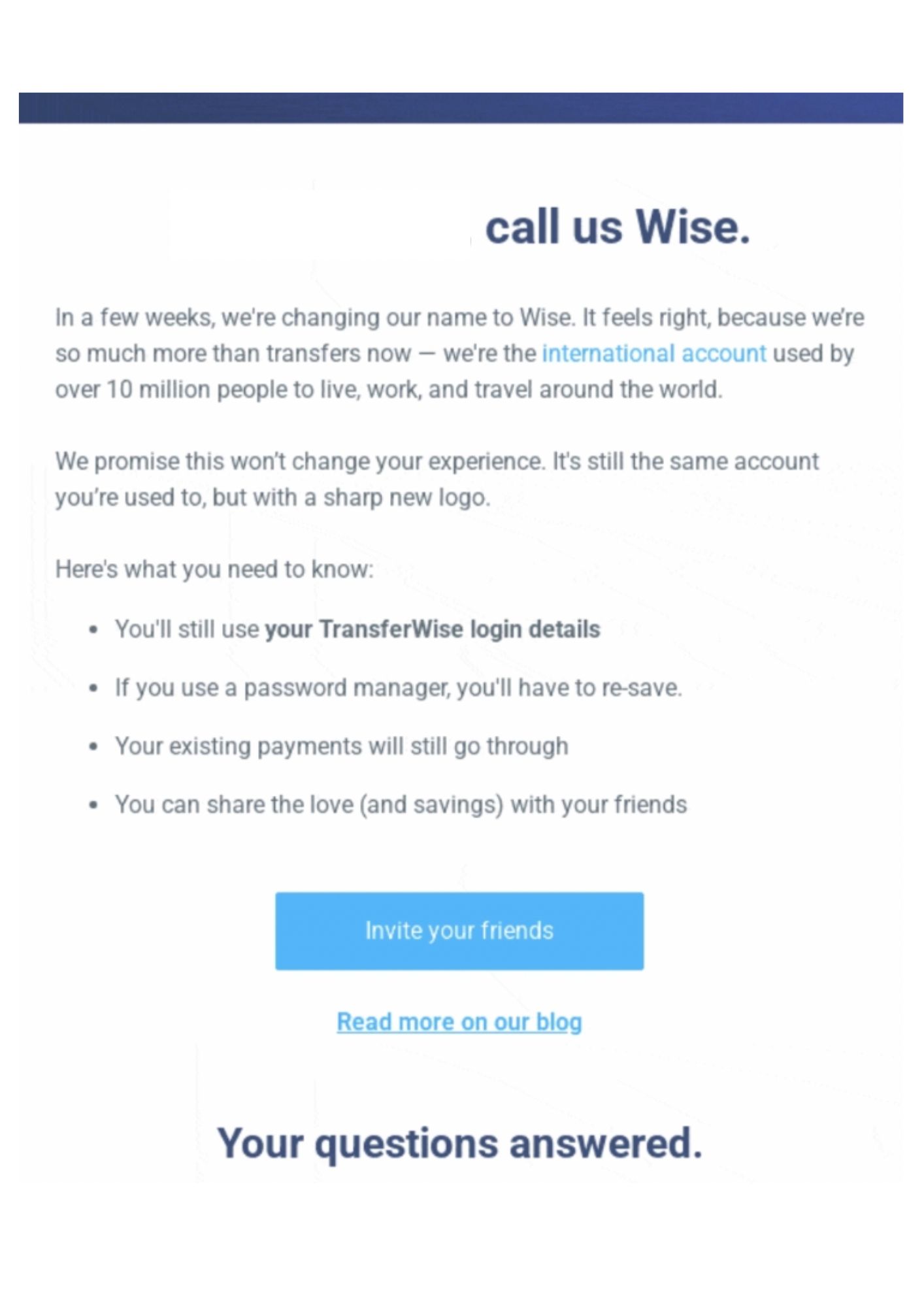
Always send the initial announcement from the address customers recognize. This acts as a bridge. Once the connection between the old and new identity is firmly established in the user’s mind, you may begin transitioning to the new domain.
The Power of "What’s Not Changing"
While highlighting the novelty of a rebrand or merger, it is vital to explicitly state what is not changing. Reassuring customers that their account access, payment terms, order history, and service quality will remain unaffected is the most effective way to prevent a surge in support tickets.
The Role of Multi-Channel Coordination
An email-only strategy is rarely sufficient for a major corporate transition.
- SMS Marketing: Ideal for high-value or time-sensitive updates, offering a direct, concise medium for critical information.
- Social Media: Utilized for visual storytelling, allowing the company to showcase its new aesthetic in a public, accessible way.
- In-App/In-Product: For software or service-based companies, in-app modals ensure that active users are notified exactly where they interact with the service.
Navigating Customer Concerns: An Official Perspective
Resistance to change is human nature. Even a well-executed rebrand will elicit questions from the customer base. Proactive management of these concerns is a hallmark of professional crisis communication.
Addressing the "Why"
When customers ask why a change is occurring, the answer should be grounded in the customer experience. Whether it is a result of a merger that offers "expanded capabilities" or a name simplification that makes the brand more "accessible," the focus must remain on the added value provided to the client.
Handling Skepticism
Responses to concerns such as "I don’t recognize this brand" or "Why are you being sold?" should be prepared in advance by the leadership team. A standard, empathetic script ensures that every support representative delivers a consistent message: that the core values and the team behind the product remain committed to the customer’s success.
Measuring Success: Key Metrics for Evaluation
How does an organization know if their announcement was a success? The evaluation must occur across three distinct tiers:
- Email Metrics: Monitoring open rates, click-through rates, and, most importantly, the spam complaint rate. An unexpected spike in spam reports indicates that the transition was too sudden or the messaging was unclear.
- Business Metrics: Tracking support ticket volume regarding the change. A low volume of "What is happening?" inquiries is a primary KPI of a successful communication strategy.
- Long-Term Indicators: Brand sentiment analysis and customer retention rates over the following fiscal quarter. If the transition has been managed well, customer retention should remain stable or improve due to the heightened engagement generated by the news.
The Bottom Line: Turning Change into Opportunity
A company change announcement is rarely just an administrative task. It is a defining chapter in the corporate narrative. It is an opportunity to re-engage a dormant audience, clarify the company’s vision, and reinforce the value proposition that has built the brand to its current state.

By maintaining a clear, transparent, and multi-channel approach, companies can transform potential disruption into a moment of revitalization. Organizations that prioritize their customer’s comfort and confidence during these transitions do not just survive the change; they emerge with a stronger, more defined, and more loyal customer base.
Ultimately, the goal is to ensure that while the name on the door may change, the promise made to the customer remains absolute. Through disciplined planning, consistent messaging, and a focus on the user experience, any corporate pivot can be navigated with poise, securing the company’s place in the market for years to come.
