

Enterprise Analytics Showdown: Choosing Between Crazy Egg and Contentsquare
In the high-stakes world of enterprise digital experience, the choice of an analytics platform can be the difference between stagnant conversion rates and record-breaking revenue growth. For decision-makers at growing organizations, the debate often narrows down to two titans of the industry: Crazy Egg and Contentsquare.
While both platforms promise to unlock the secrets of user behavior, they occupy fundamentally different corners of the market. Crazy Egg has cemented its reputation as a comprehensive, all-in-one conversion rate optimization (CRO) powerhouse, while Contentsquare has built an expansive, modular ecosystem designed for deep-dive journey analysis at a massive scale.
Main Facts: Defining the Two Approaches
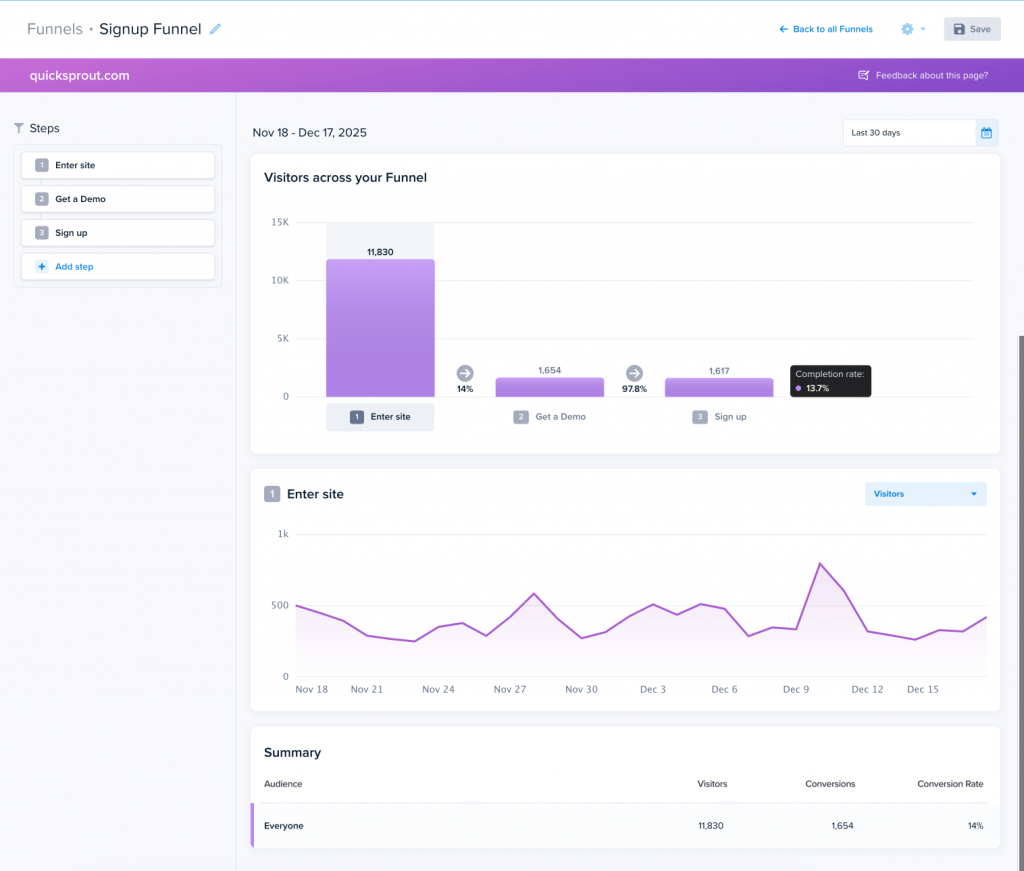
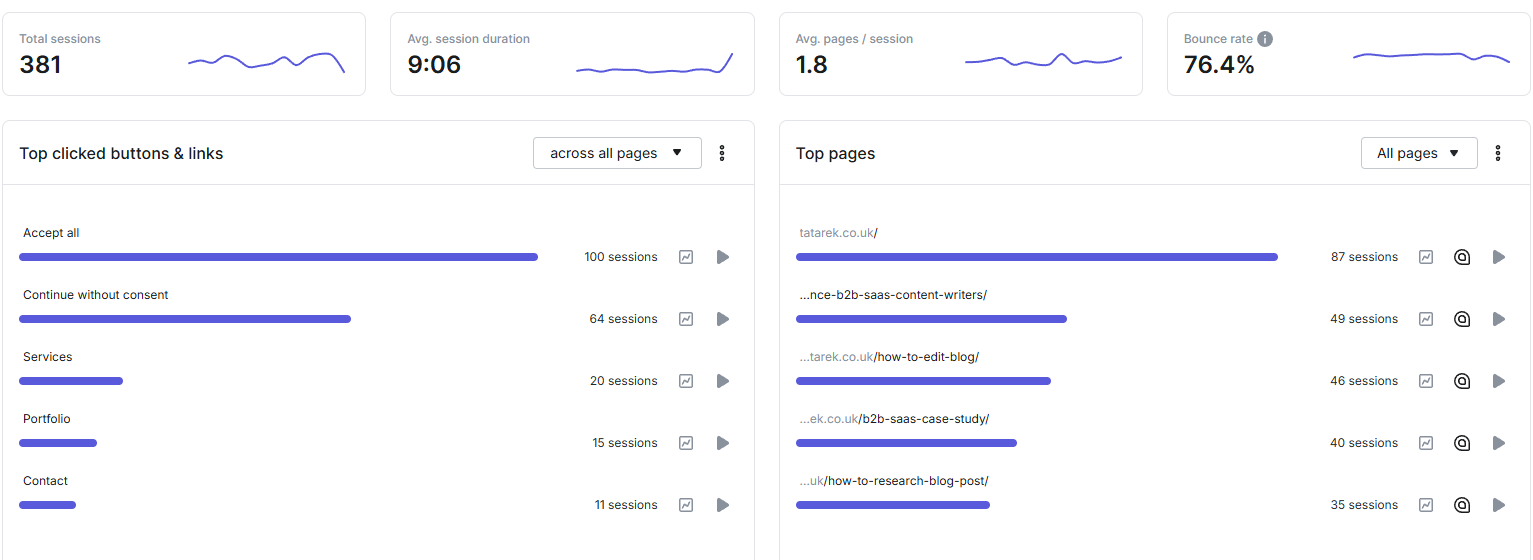
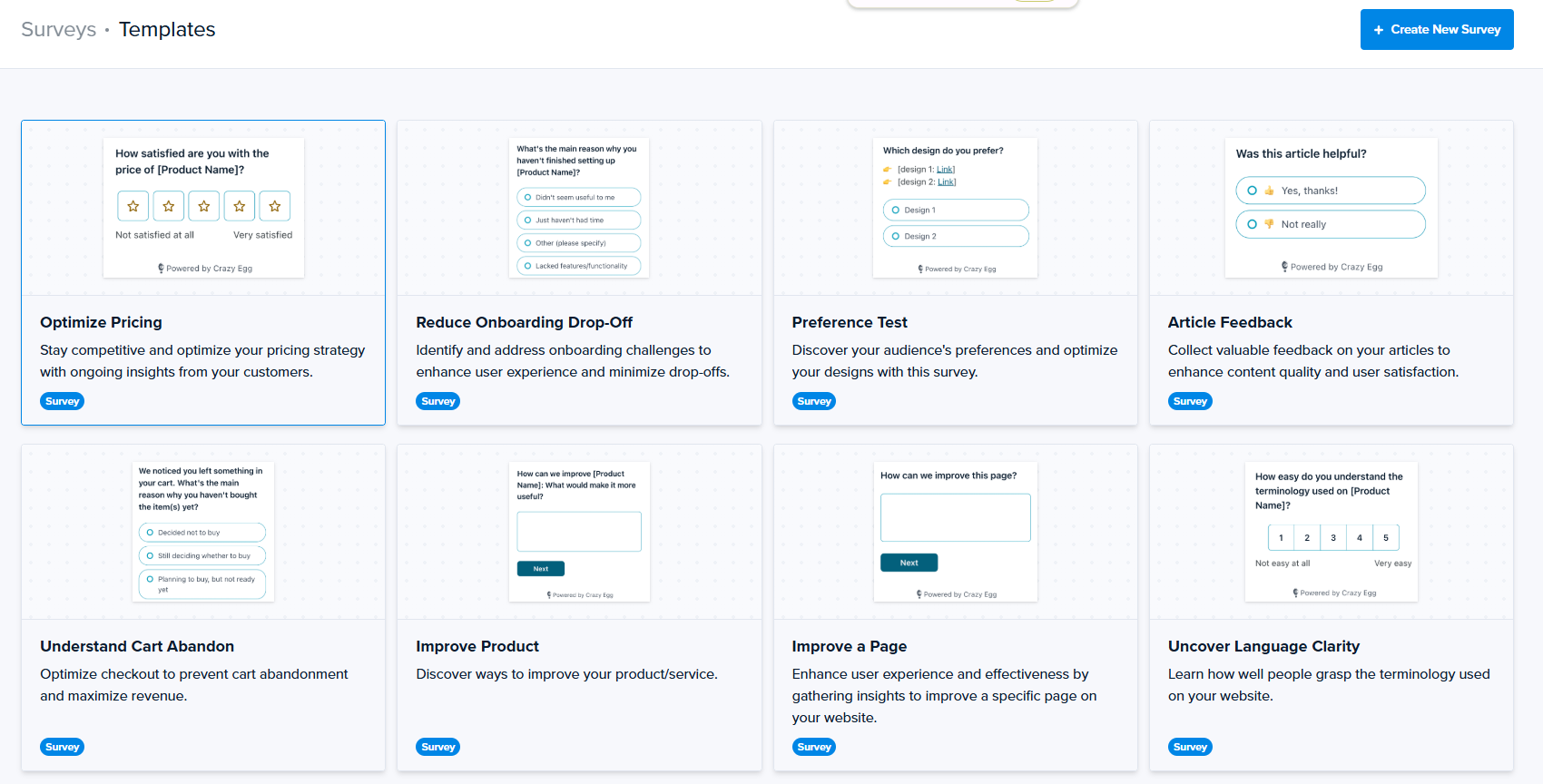
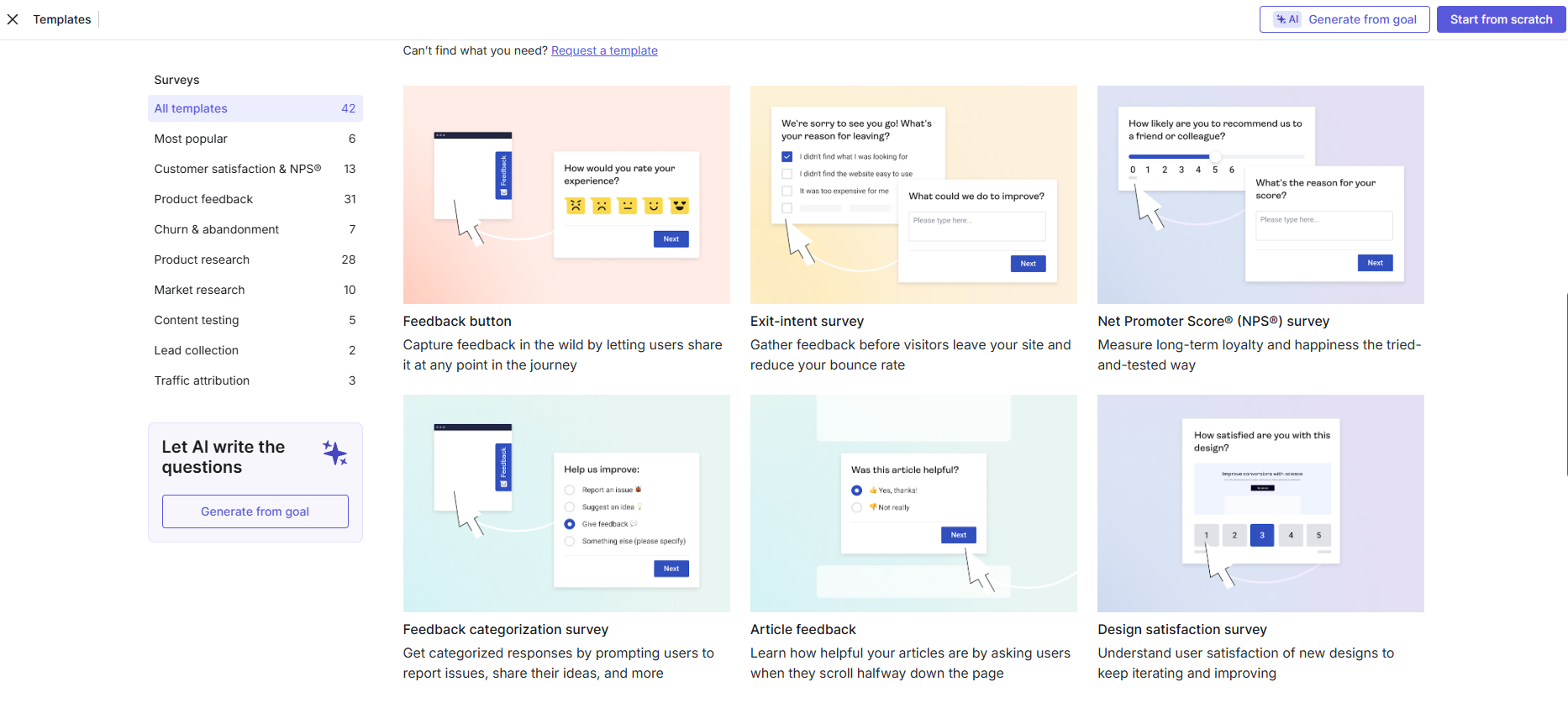
At its core, Crazy Egg is built for agility and accessibility. It integrates heatmaps, session recordings, A/B testing, survey tools, error tracking, and funnel analysis into a single, transparently priced subscription. It is designed for teams that need to move fast, iterate quickly, and see a direct correlation between user behavior and site changes without navigating complex, multi-tiered enterprise licensing.

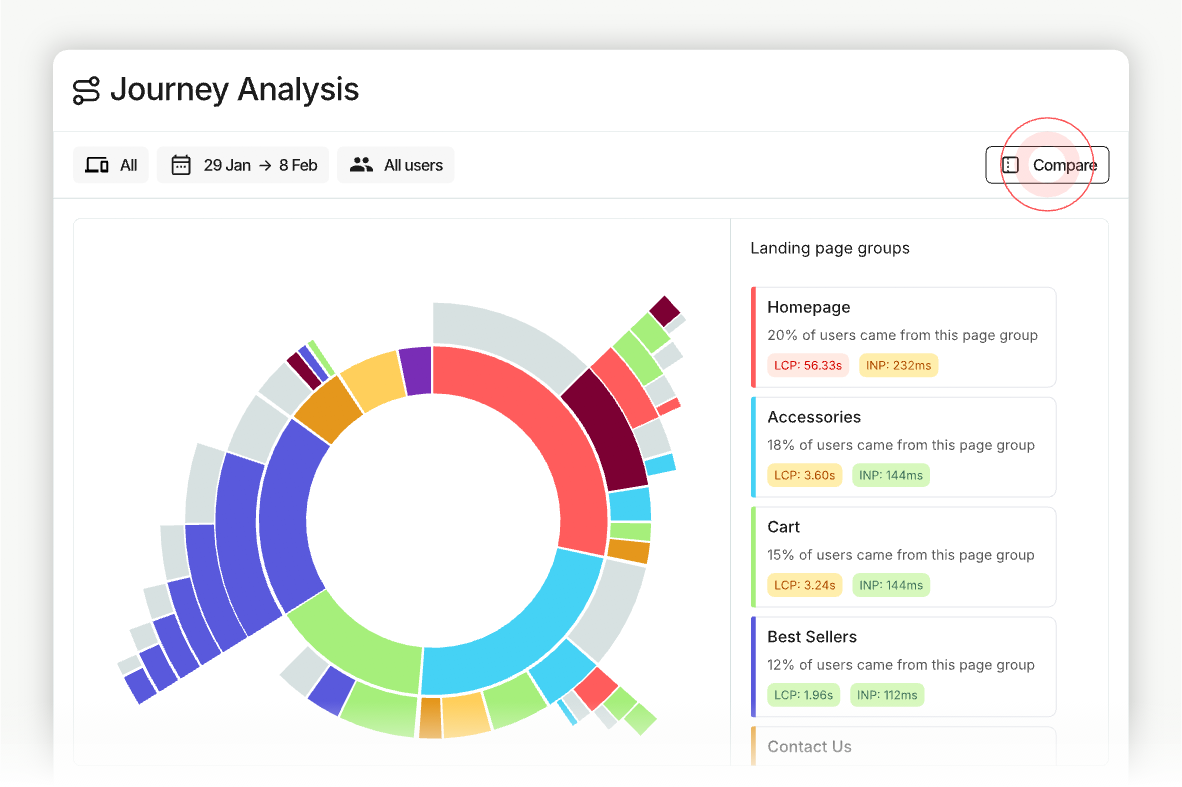
Contentsquare, by contrast, is a digital experience analytics (DXA) giant. Following its strategic acquisitions of Hotjar (for SMB-focused tools) and Heap (for product analytics), the company now offers a bifurcated experience. Its Free and Growth tiers function similarly to traditional behavioral analytics, while its Pro and Enterprise tiers leverage advanced machine learning and granular path analysis to serve large-scale global corporations. It is a platform built for companies with deep pockets and complex, multi-platform digital footprints.
Chronology of Market Positioning
The evolution of these two platforms reflects broader shifts in the software-as-a-service (SaaS) landscape.
- The Early Years: Crazy Egg pioneered the "visual" side of web analytics, making heatmaps and scroll-depth analysis accessible to marketers rather than just data scientists.
- The Expansion Era: As the industry matured, Contentsquare aggressively acquired its way to the top. By folding in Clicktale (for its signature zone-based heatmaps), Heap (for product analytics), and Hotjar (for mid-market behavioral insights), Contentsquare transformed into a consolidated conglomerate of analytics technologies.
- The Modern Paradigm: Today, we see a divergence. Crazy Egg has doubled down on an "all-in-one" philosophy, simplifying the stack for its users. Contentsquare has focused on providing a "unified" interface for its disparate acquisitions, effectively creating a "walled garden" that requires significant investment to unlock its full potential.
Supporting Data: Feature-by-Feature Comparison
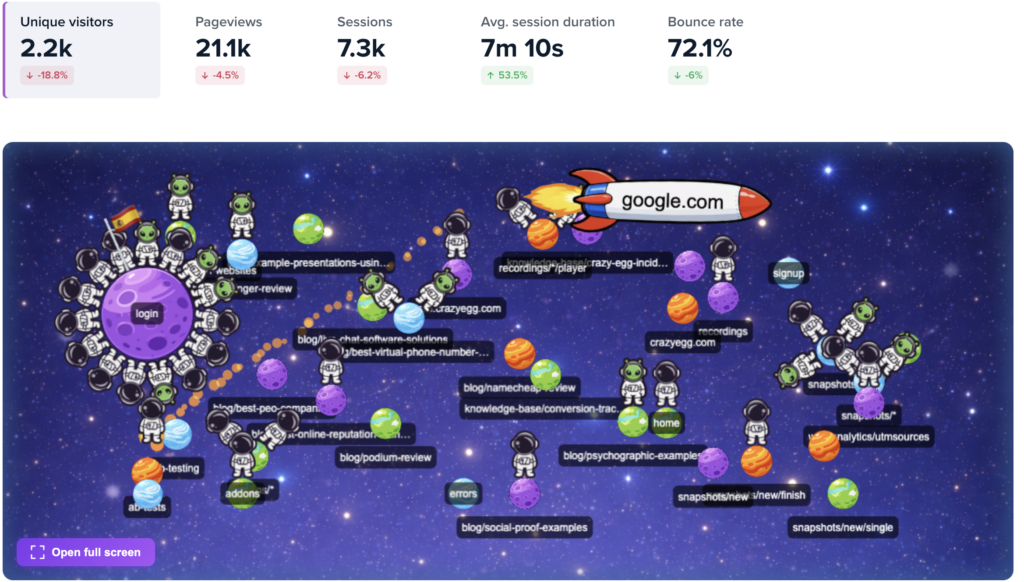
The technical differences between the two are significant, particularly when looking at how they handle user data and optimization workflows.
Heatmaps and Zoning
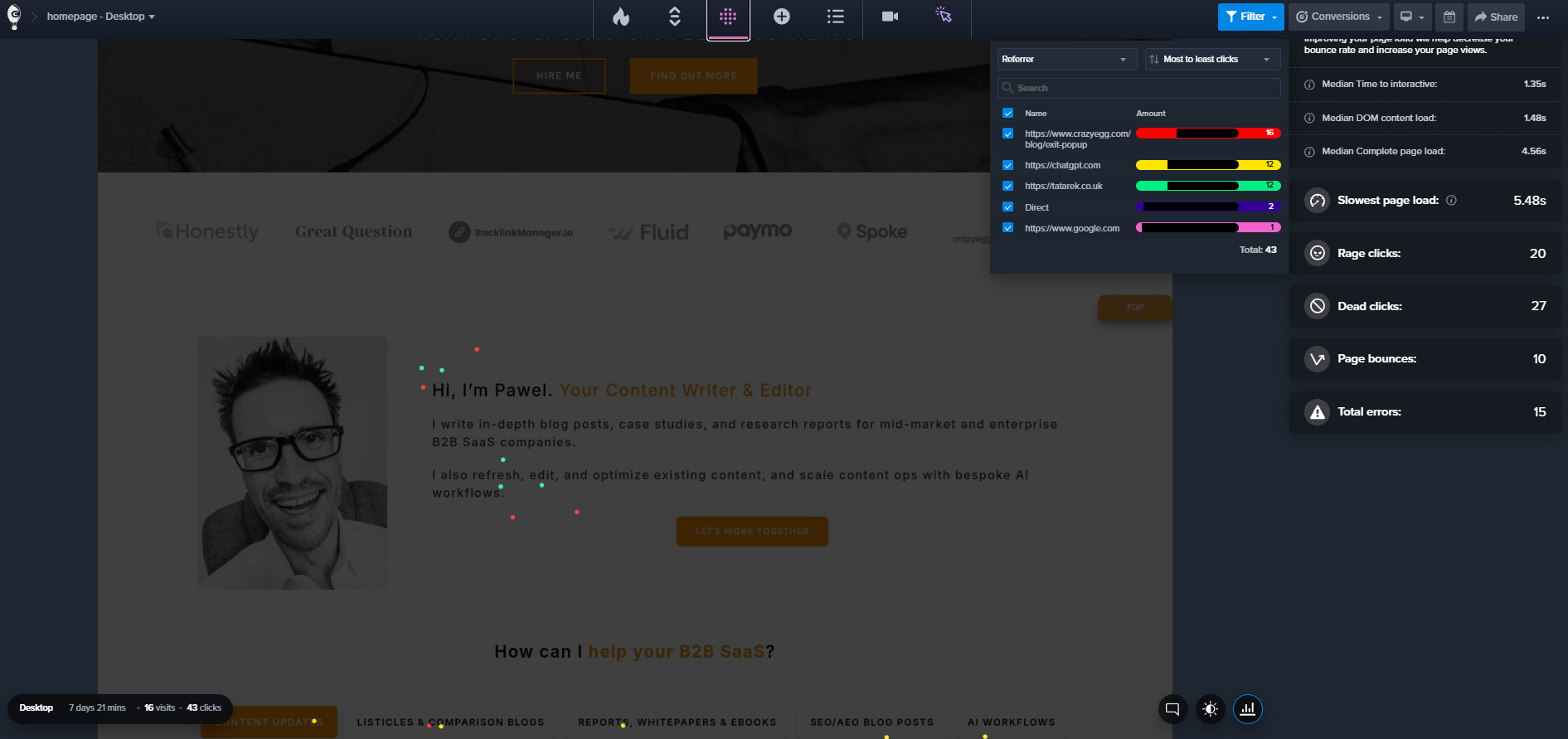
Crazy Egg offers five distinct heatmap types, including the "Confetti Map," which allows for sophisticated per-click segmentation. This is ideal for marketers who need to compare how different traffic sources—such as paid social versus organic search—interact with the same landing page.

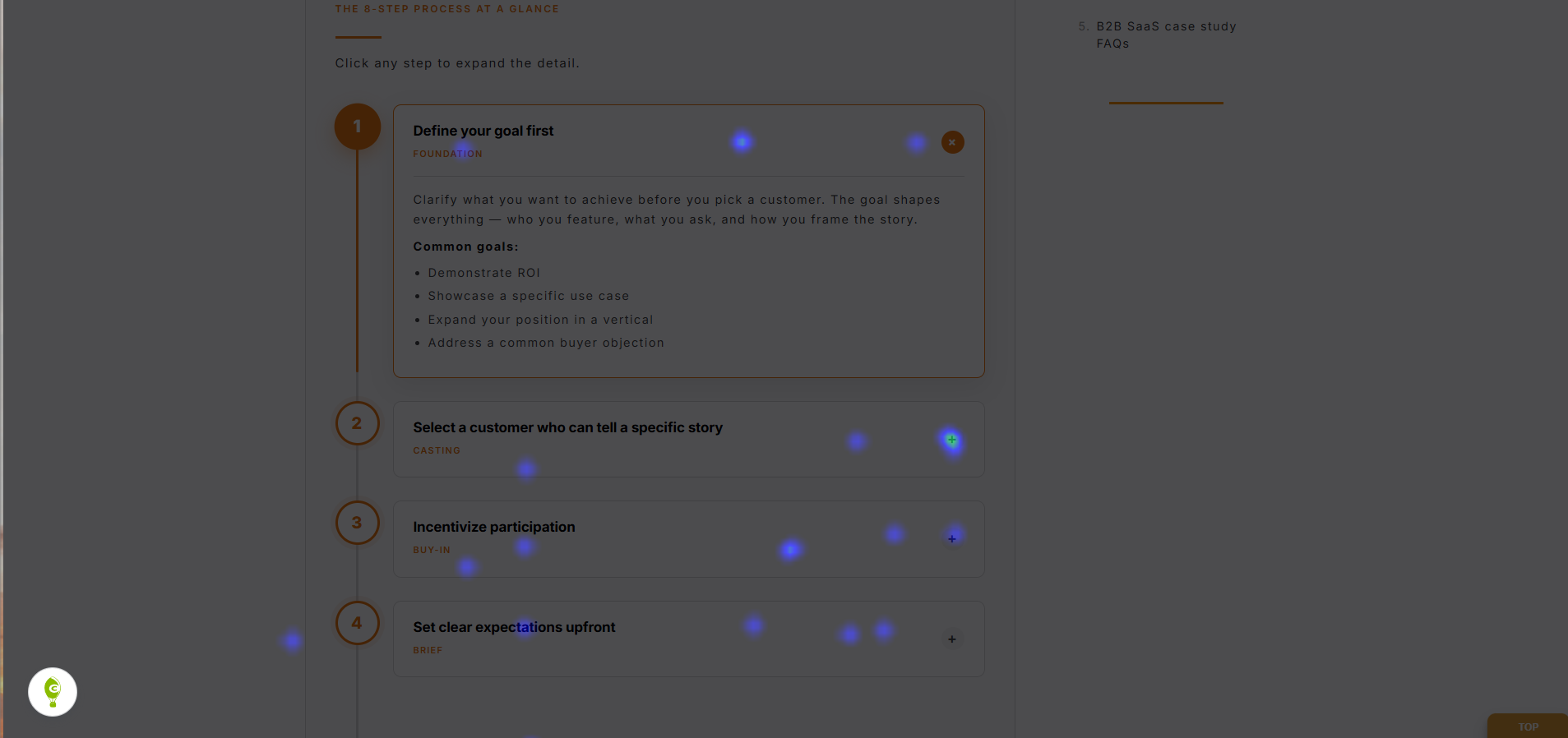
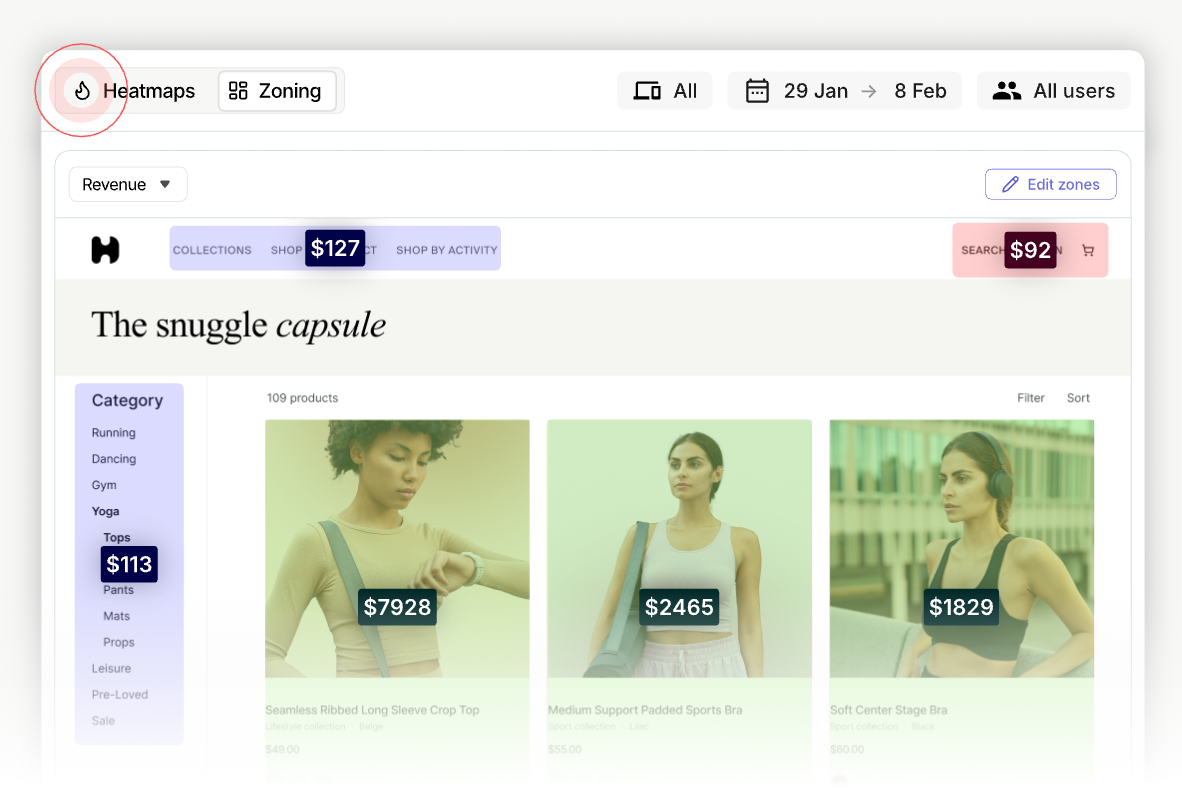
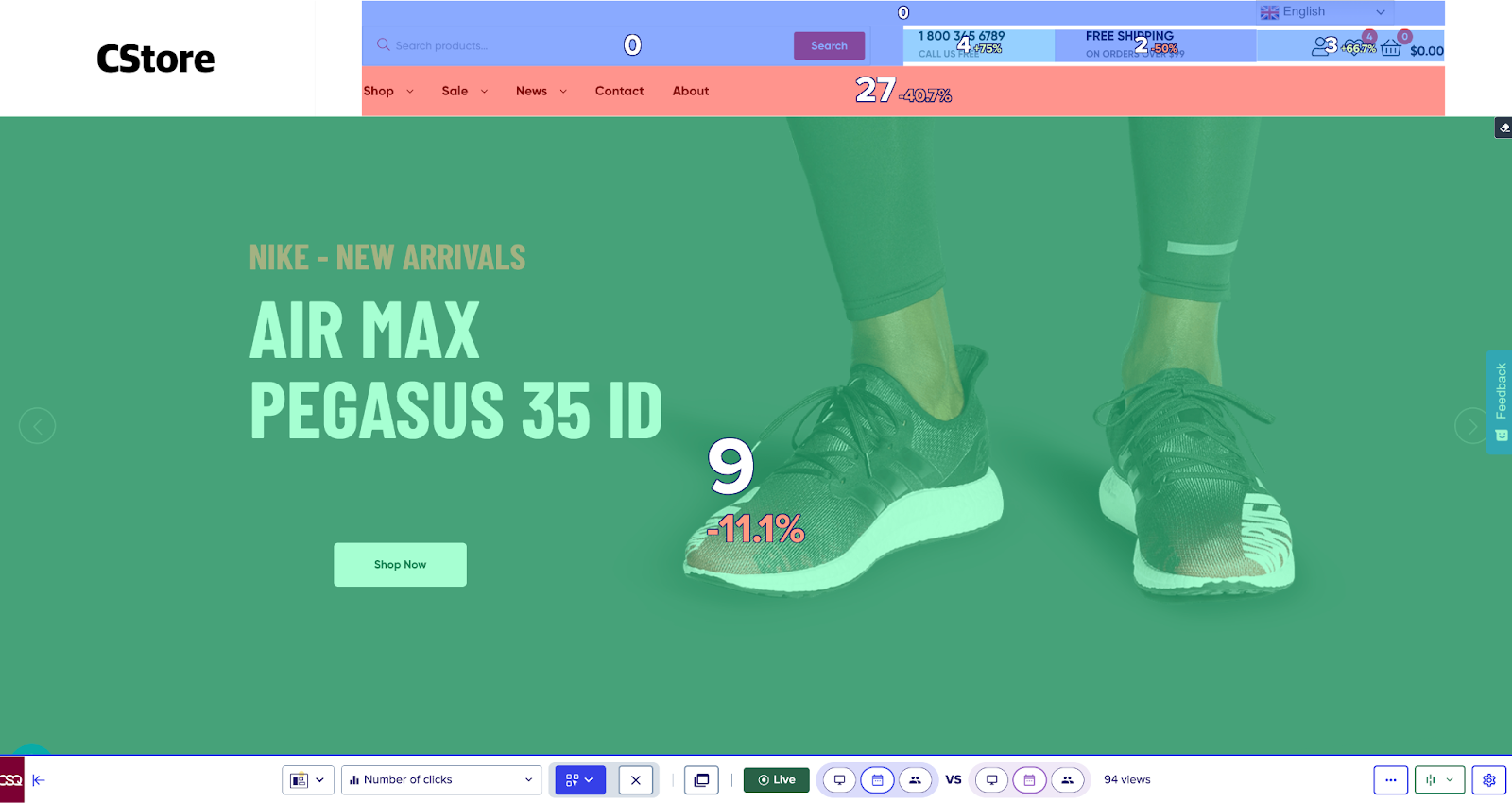
Contentsquare’s differentiator remains its "zone-based" heatmaps. By drawing rectangles around elements, users can attach revenue metrics to specific UI components. This is a powerful feature for e-commerce retailers tracking the direct financial impact of a banner or a "Buy Now" button. However, for non-transactional content sites, this granularity may be overkill.

A/B Testing and Optimization
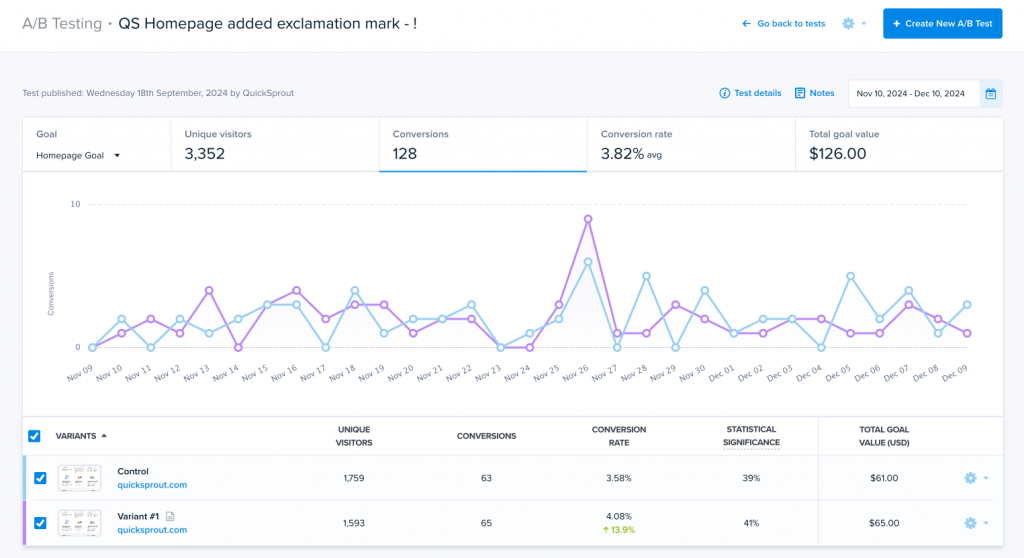
Perhaps the most striking gap is in native A/B testing. Crazy Egg provides a visual editor and a multi-armed bandit (MAB) algorithm within its native toolset. This allows teams to launch, test, and analyze variants without ever leaving the platform.
Contentsquare does not offer native A/B testing. Instead, it provides an "A/B Test Analysis" layer designed to integrate with third-party tools like Optimizely or Kameleoon. While this is helpful for enterprises already committed to a best-of-breed stack, it forces smaller teams to maintain and pay for multiple subscriptions.
Error Tracking and AI Capabilities
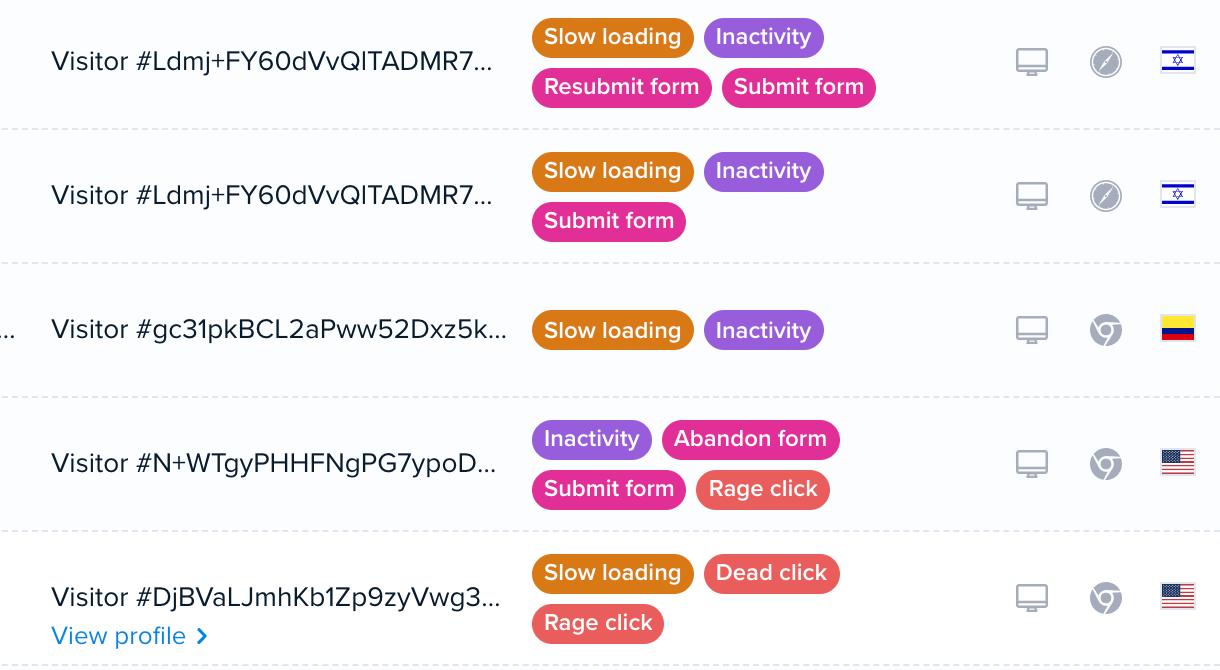
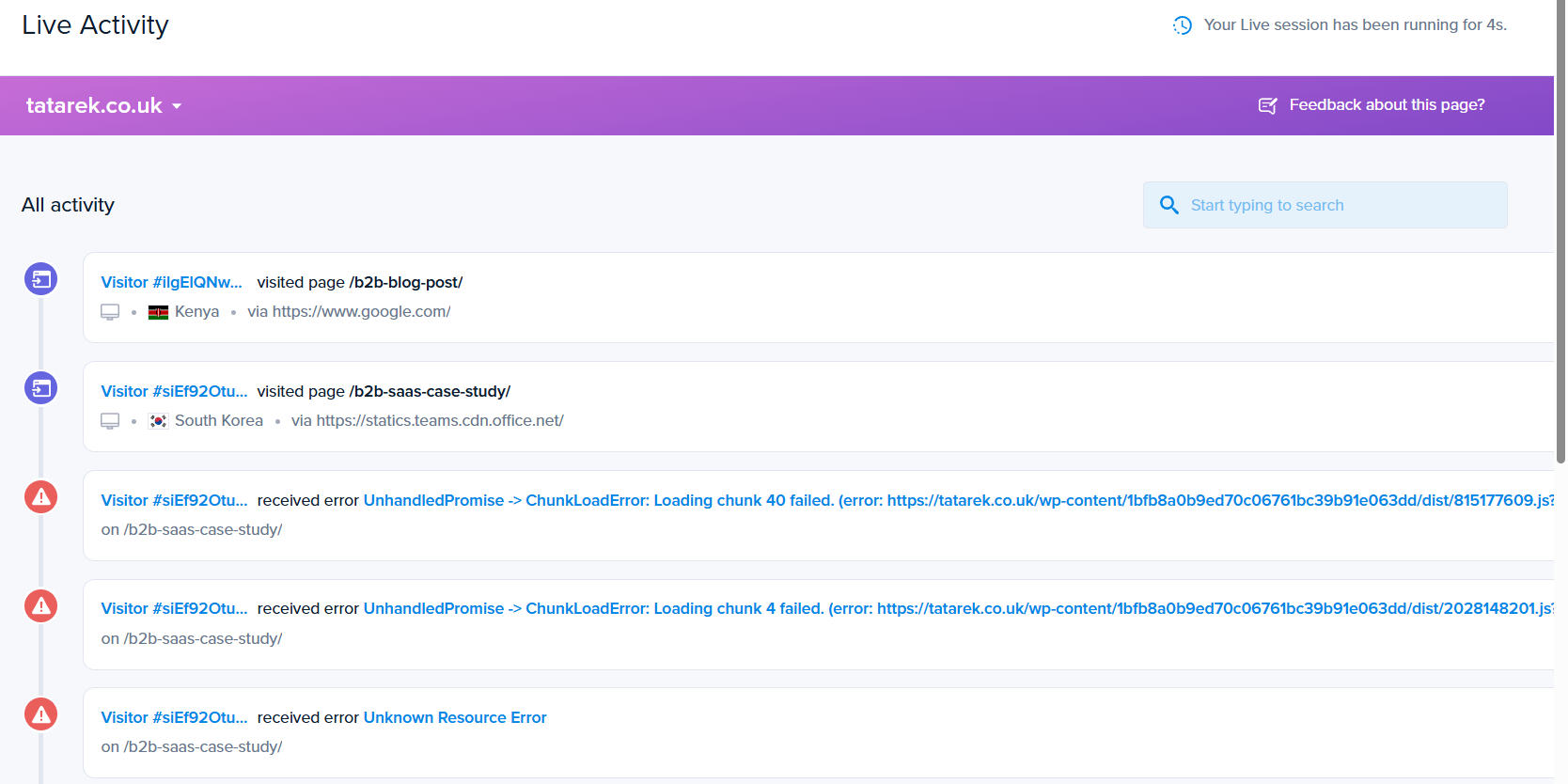
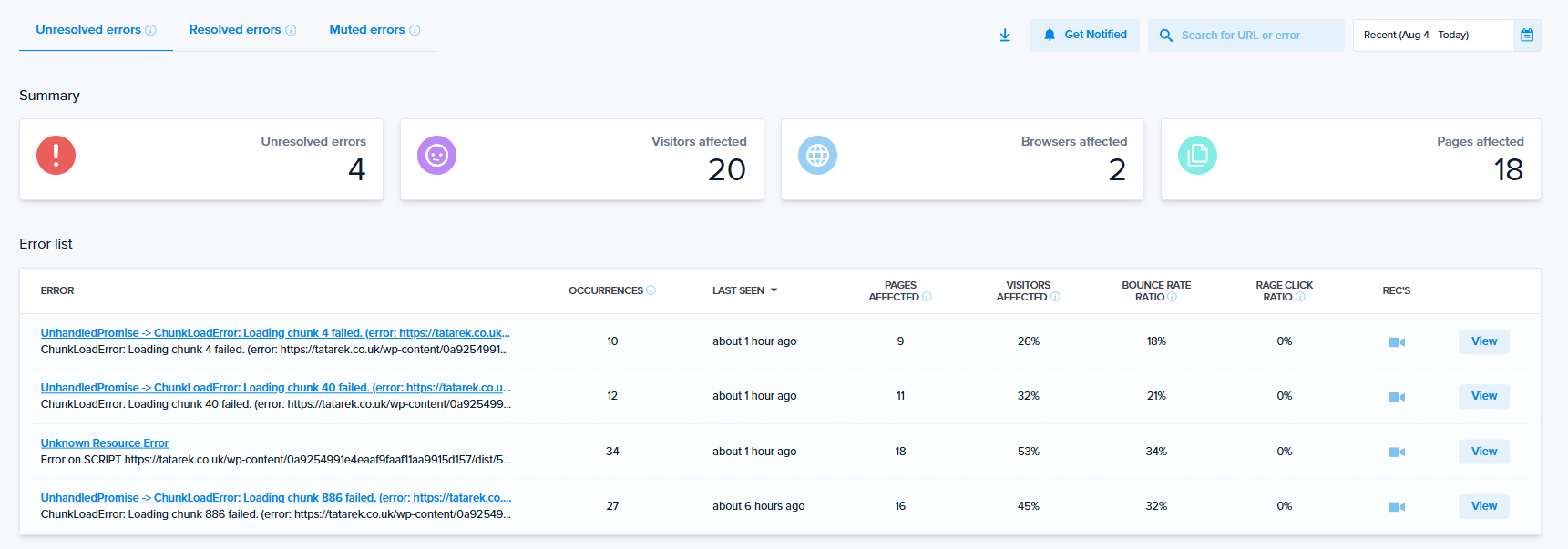
Both platforms capture JavaScript errors, but they treat them differently. Crazy Egg links errors directly to session recordings, providing a "triage" workflow that allows developers to see the exact moment a bug occurs.
Contentsquare, in its Pro and Enterprise tiers, offers a deeper "Error Analysis" layer that includes steps-to-reproduce and "missed-revenue" quantification. While this is highly sophisticated, it is gated behind expensive tiers, whereas Crazy Egg provides robust error tracking from its $99/month Plus plan upward.
Official Responses and Market Implications
When surveyed, the industry consensus highlights a clear trend: companies move to Contentsquare when their complexity exceeds their ability to manage it, but they stick with Crazy Egg when they prioritize efficiency and ROI.
Enterprise stakeholders often report that while Contentsquare’s depth is unmatched, the administrative burden—including procurement, multi-year contracts, and the need for dedicated analysts—is high. Conversely, Crazy Egg is frequently cited for its "plug-and-play" nature, which allows smaller growth teams to achieve 80% of the value for a fraction of the cost.
Financial Implications
The cost-benefit analysis is perhaps the most defining factor.
- Crazy Egg: A full year of the Enterprise tier costs approximately $7,188.
- Contentsquare: According to data from SpendHound and Vendr, real-world enterprise contracts for Contentsquare frequently range from $150,000 to over $500,000 annually.
For many firms, the decision to renew or switch is driven by budget scrutiny. The "hidden" costs of Contentsquare—such as the need for additional modules like "Voice of Customer" or "Sense Analyst"—can cause total cost of ownership to balloon significantly beyond the initial quote.
Strategic Verdict: Which Platform Fits Your Organization?
Why Choose Contentsquare?
- Scale and Complexity: If your organization operates web and mobile apps across multiple global regions, and you have the budget to staff a dedicated team of analysts, Contentsquare’s deep journey analysis and warehouse-grade data exports are industry-leading.
- E-commerce Revenue Attribution: If your primary goal is to map every pixel on your site to a specific revenue contribution, the zone-based heatmap functionality is a specialized tool that justifies its price tag.
Why Choose Crazy Egg?
- Operational Agility: If your goal is to consolidate your tech stack, reduce "subscription bloat," and empower a lean team to run A/B tests, surveys, and heatmaps without developer reliance, Crazy Egg is the superior choice.
- Transparent ROI: For organizations that value predictable pricing and a faster time-to-value, the all-in-one nature of Crazy Egg provides a clearer path to measurable ROI.
Final Recommendation
The "enterprise" tag often carries a premium that isn’t always reflected in actual usage. If your team is currently paying for a suite of separate tools—one for A/B testing, one for surveys, and one for heatmaps—moving to an integrated platform like Crazy Egg can save tens of thousands of dollars annually while streamlining your workflow.
However, if you are a massive, multinational entity where the cost of a "missed insight" is in the millions, the specialized, heavy-duty analytics layer of Contentsquare remains the standard. Before your next renewal, take the time to audit your actual feature usage. If you are paying for an enterprise tier but only using the heatmap and session recording features, a move toward a more consolidated, agile platform could be the most profitable decision your team makes this year.
