

Digital Nostalgia: Mastering AI-Generated Action Figures in the Age of Hallucinations
Last Revised: June 22nd, 2025
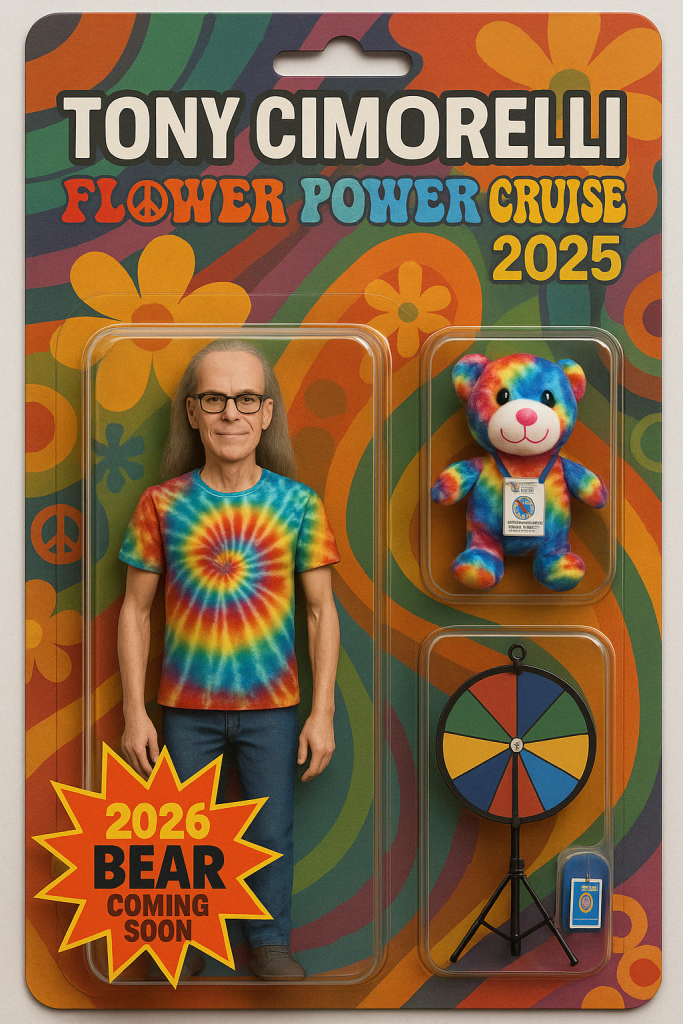
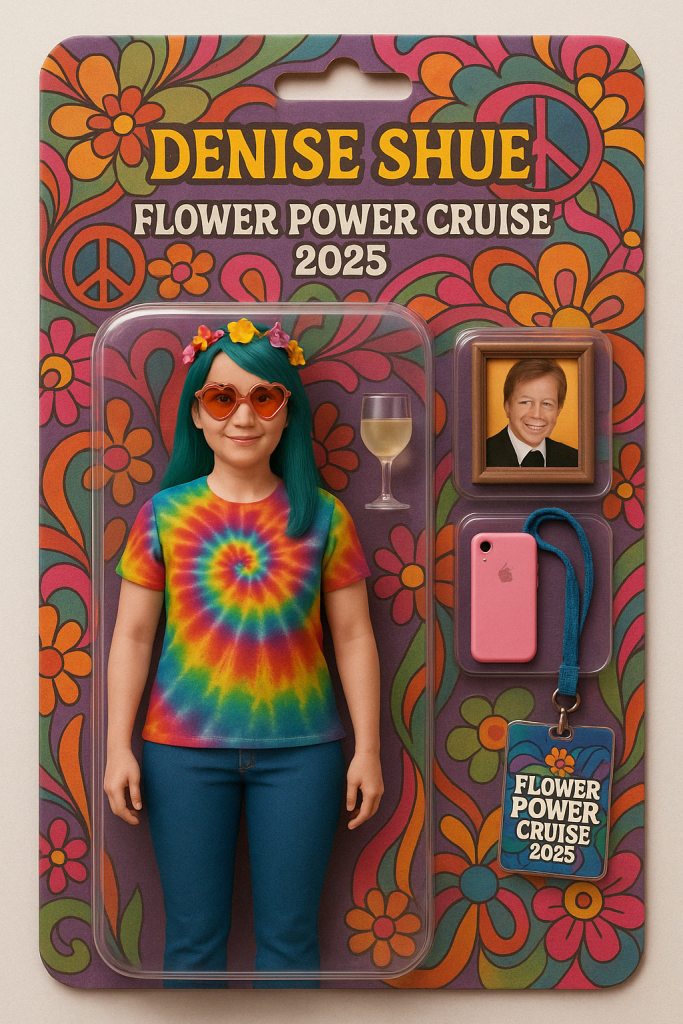
In the rapidly evolving landscape of generative artificial intelligence, few creative applications have proven as captivating—and as temperamental—as the synthesis of custom action figures. For many, the ability to turn a simple text prompt into a nostalgic, blister-packed collectible is a dream realized. However, as I have discovered through my extensive work creating commemorative figures for friends from the 2025 Flower Power Cruise, this process is as much about managing the "creative madness" of AI as it is about artistic vision.
What began as a casual experiment has morphed into a complex exploration of AI limitations, prompt engineering, and the peculiar phenomenon of machine hallucinations. From the sun-drenched decks of a Fort Lauderdale cruise ship to the high-tech offices of USAA, these digital artifacts have become more than just images; they are a chronicle of a technological frontier.
The Genesis: A Cruise-Inspired Creative Journey
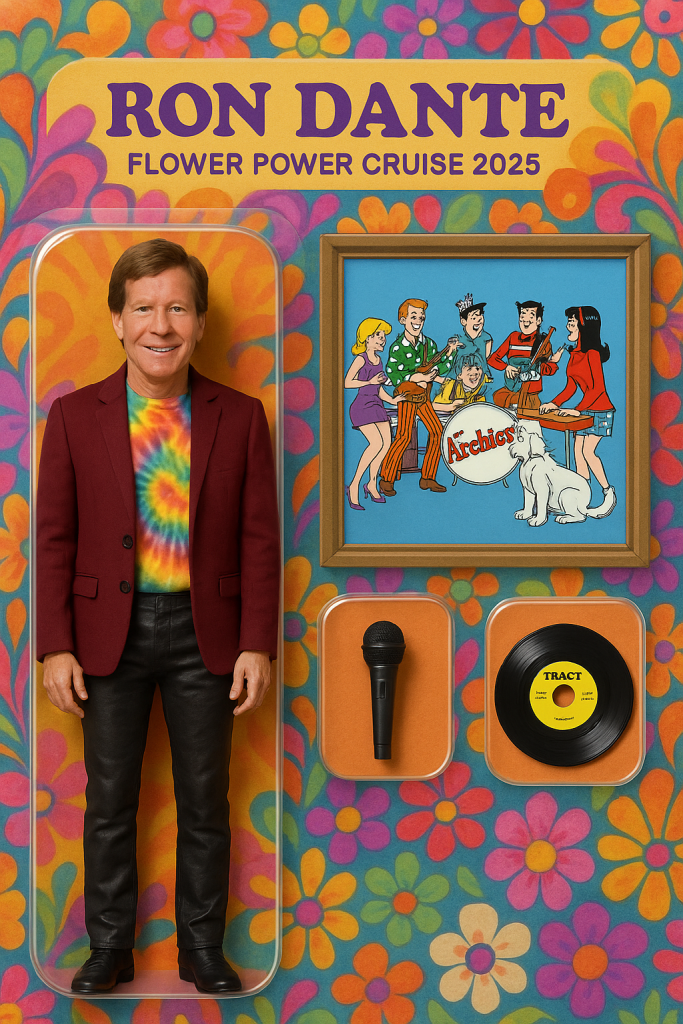
The 2025 Flower Power Cruise, a seven-day voyage that departed from Fort Lauderdale and traversed the waters to Falmouth, Jamaica, and the Cayman Islands, served as the primary inspiration for this project. The cruise was a time capsule of 1960s and 1970s culture, featuring legendary acts such as The Cowsills, Jay and the Americans, Ron Dante, and Jefferson Starship.
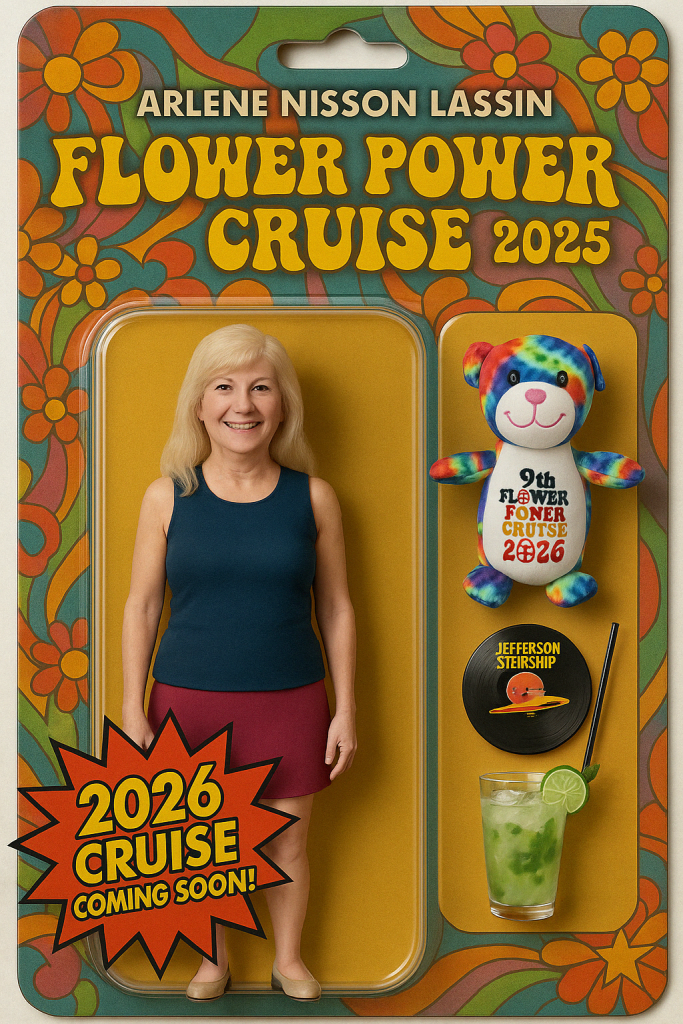
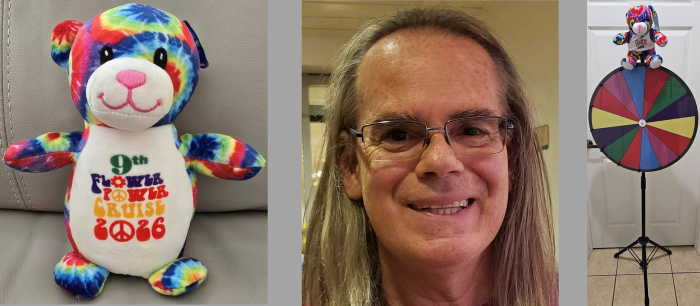
Inspired by the camaraderie shared among fellow travelers, I set out to immortalize these memories by creating custom "action figures" for the friends I made on board. Using ChatGPT as my creative engine, I began the process of translating real-life personalities and cruise-specific artifacts into stylized, retro-inspired collectibles.
Understanding the "Hallucination" Factor
Before delving into the technical successes of these projects, it is critical to address the inherent challenges of modern AI models. Even with the latest advancements in OpenAI’s o3 and o4-mini iterations, users must navigate the reality of "hallucinations"—instances where the AI generates information or visual elements that are not based on the user’s input or factual reality.
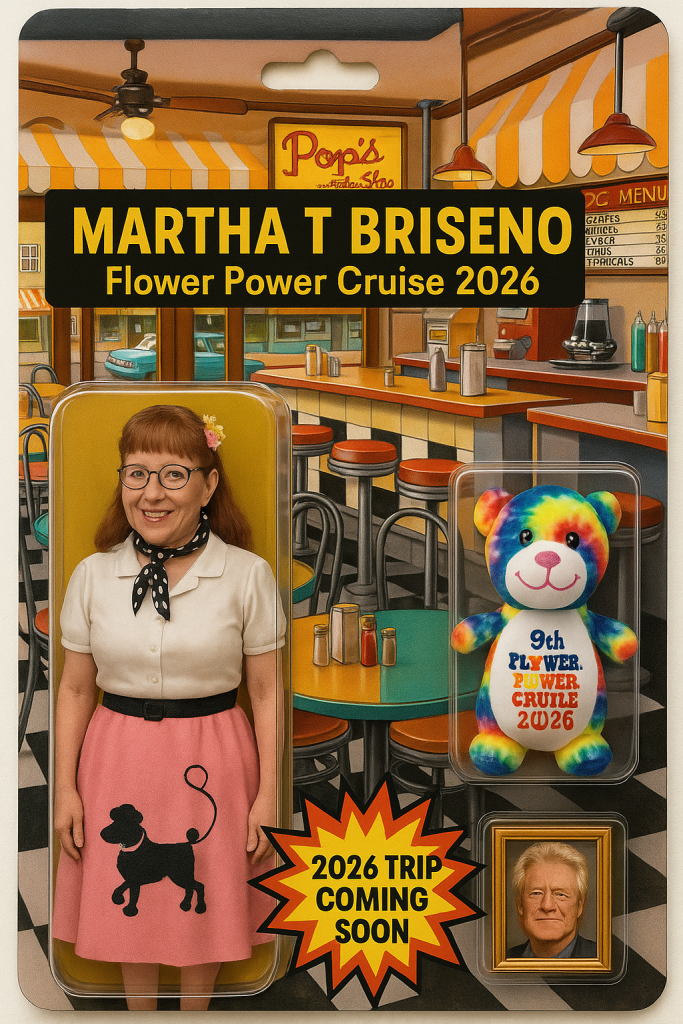
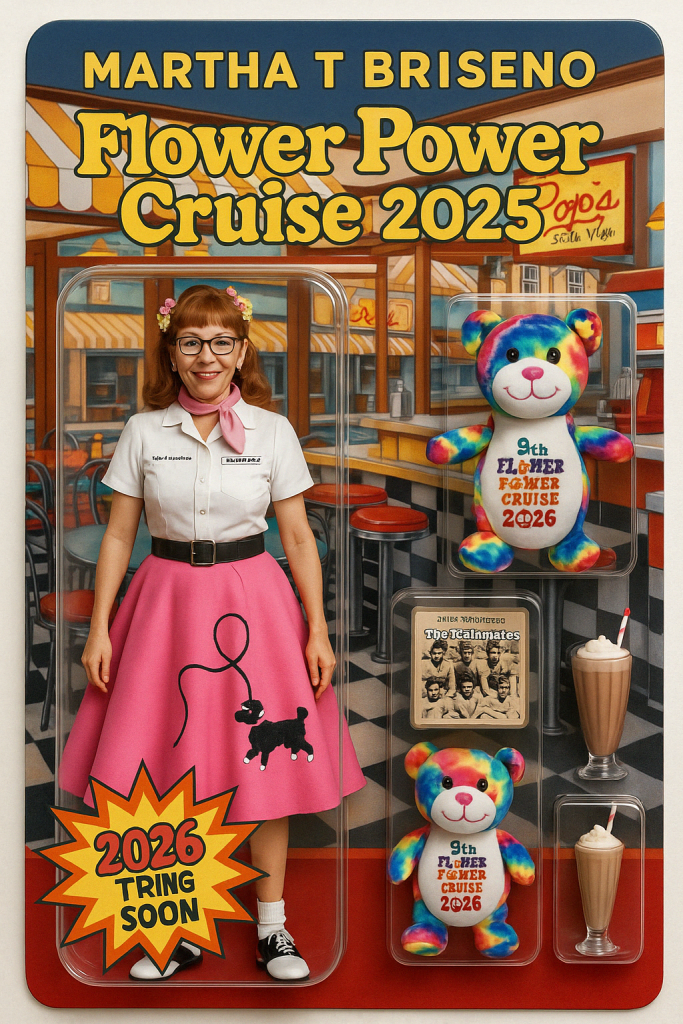
Company testing indicates that these models can hallucinate anywhere from 30% to 50% of the time. For an artist, this means a request for a simple poodle skirt might result in the inclusion of unintended "Groovy Bears" or multiple, unexplained chocolate milkshakes in the background. Understanding that these glitches are a systemic feature of the technology—and not a reflection of the creator’s intent—is essential for any digital artist working in this medium today.
Chronology of Creation: Trials and Errors
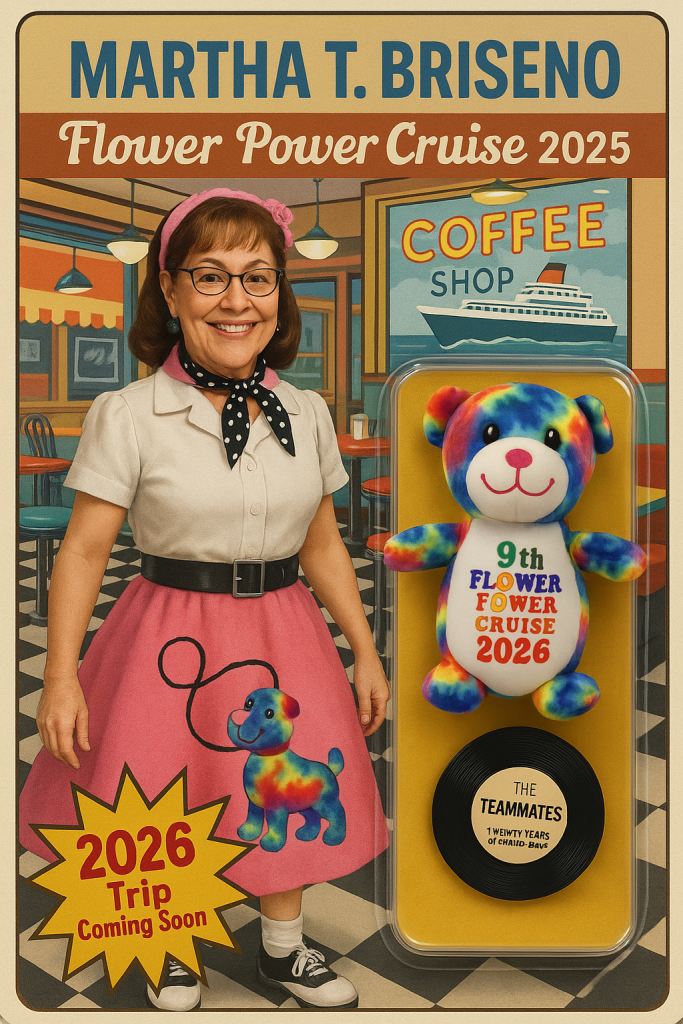
The process of perfecting a single figure is a marathon of refinement. My initial attempt—a figure of Martha T. Briseno—serves as the quintessential case study for AI unpredictability.
The Evolution of "Martha"
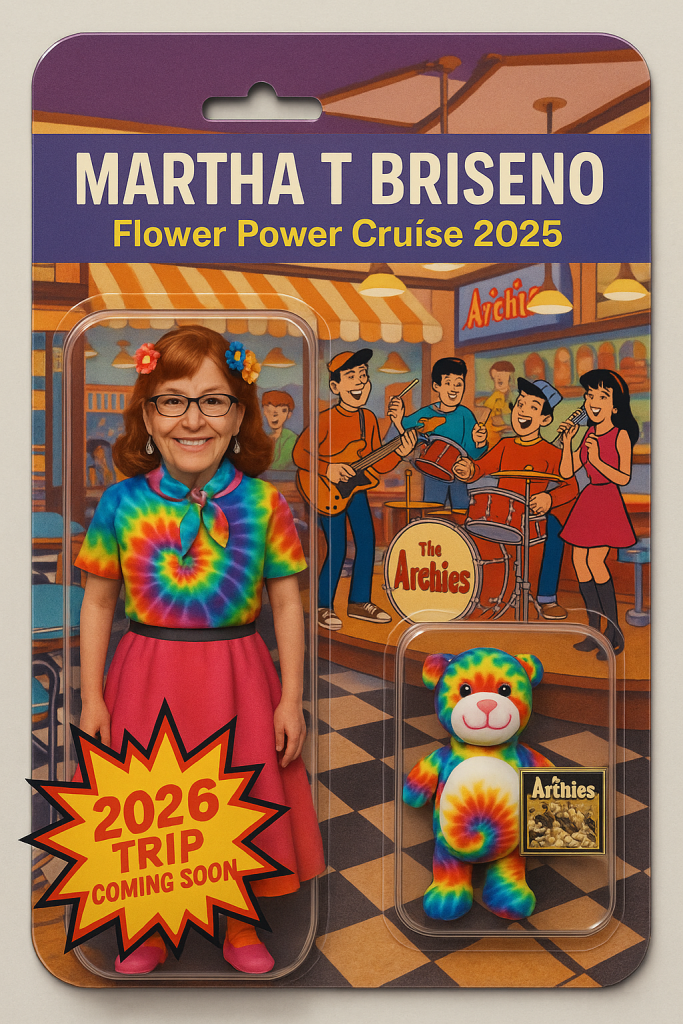
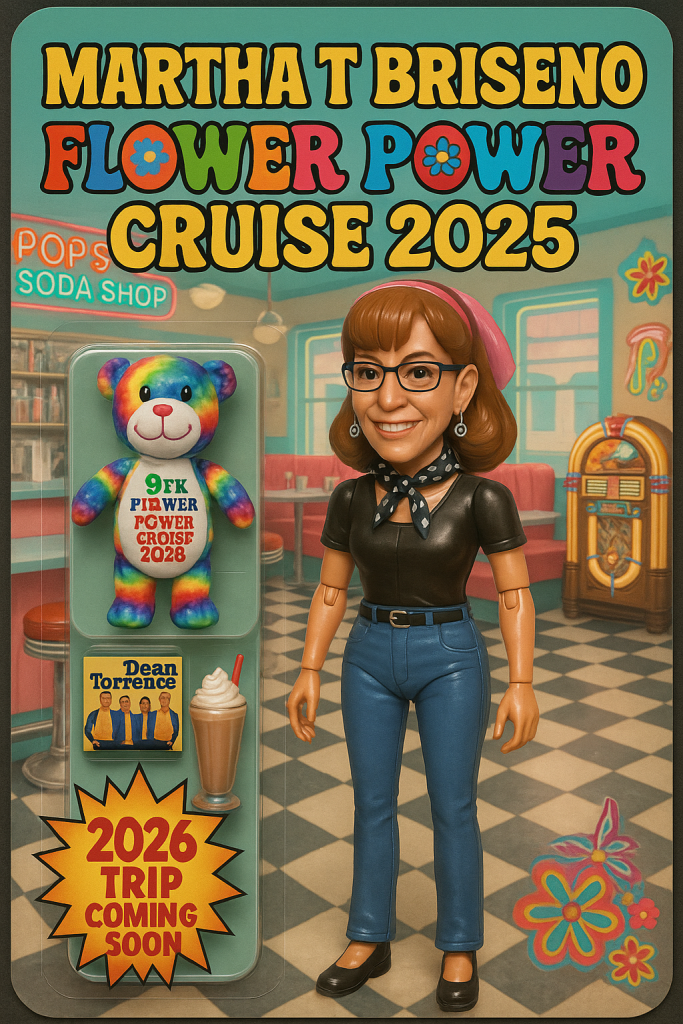
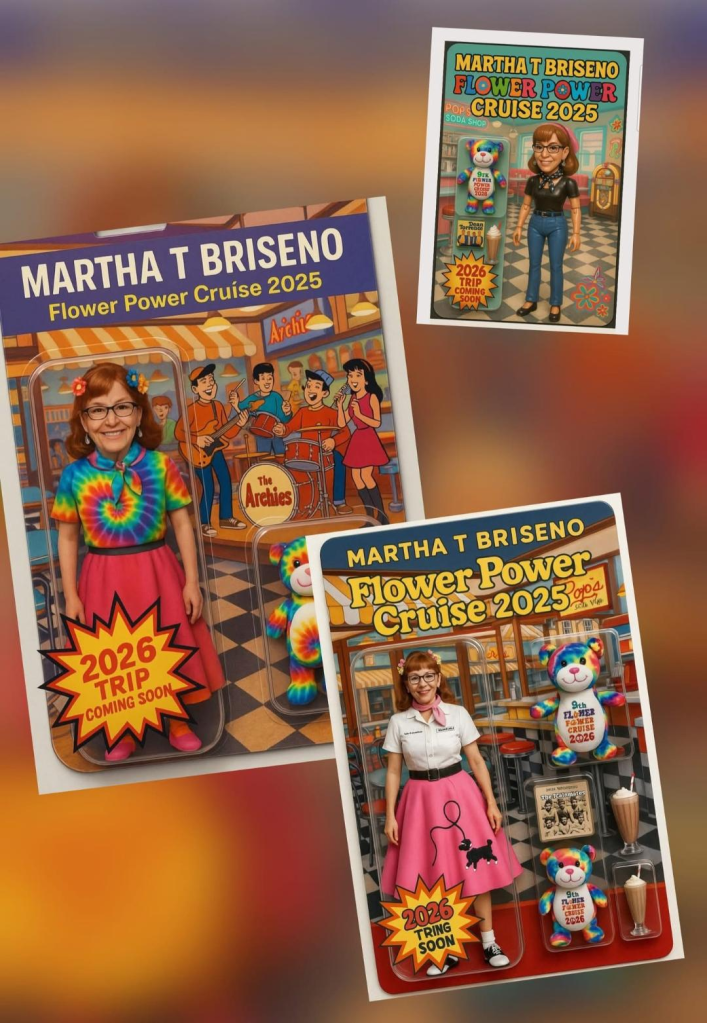
In my first draft of Martha’s action figure, I provided an image of a white shirt and pink poodle skirt from a catalog. The initial output was chaotic; the AI insisted on populating the scene with two "Groovy Bears" and two chocolate milkshakes. Subsequent iterations were equally erratic, once placing the subject in an entirely different outfit, and later, mysteriously conjuring The Archies in the background.
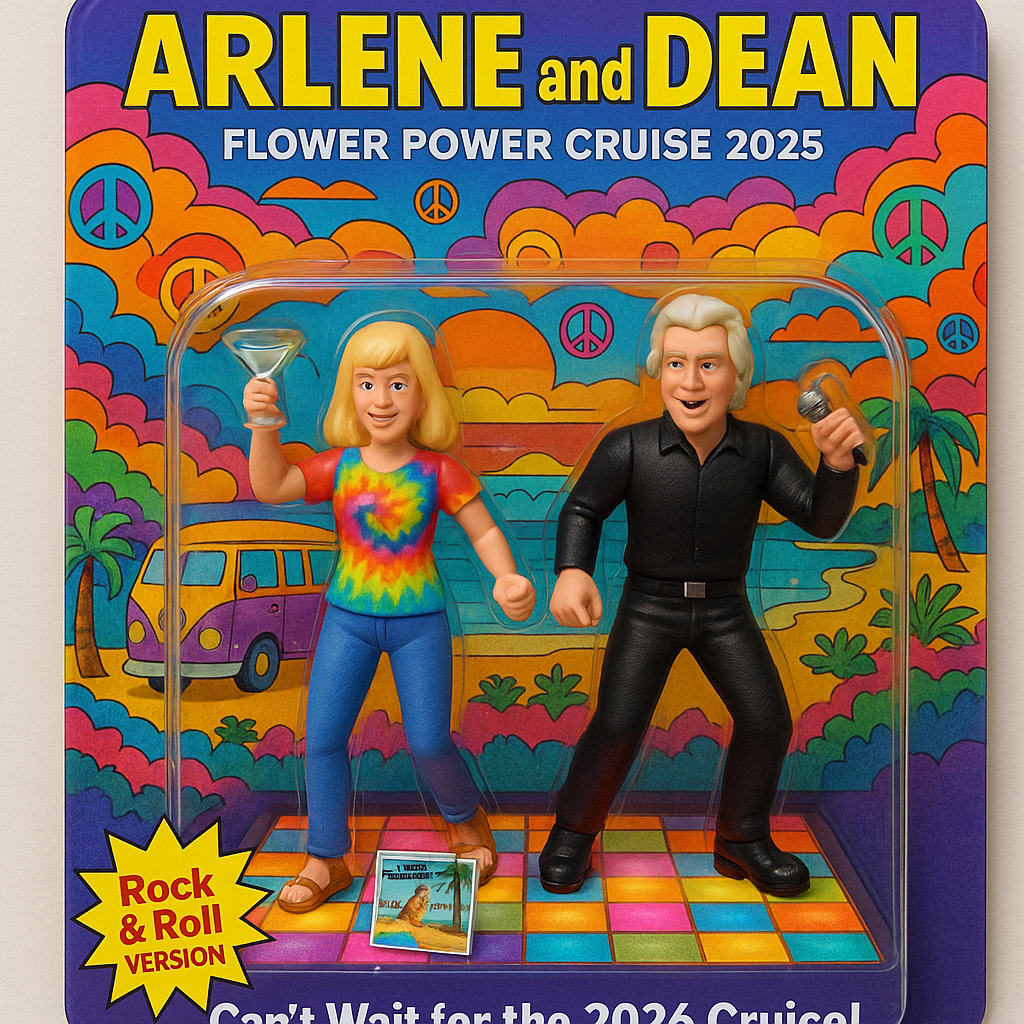
It appeared the AI had "learned" about my previous work with Ron Dante (the lead singer of The Archies) and deduced a thematic connection to "Pops Soda Shoppe." By the time I reached the final, proportional version, I had learned that repetitive regeneration often leads the AI toward a "cartoonish" aesthetic, reminiscent of the characters in Who Framed Roger Rabbit. This taught me that precise, iterative prompting is the only way to steer the AI away from its tendency toward thematic over-interpretation.
The Peter Noone Experience
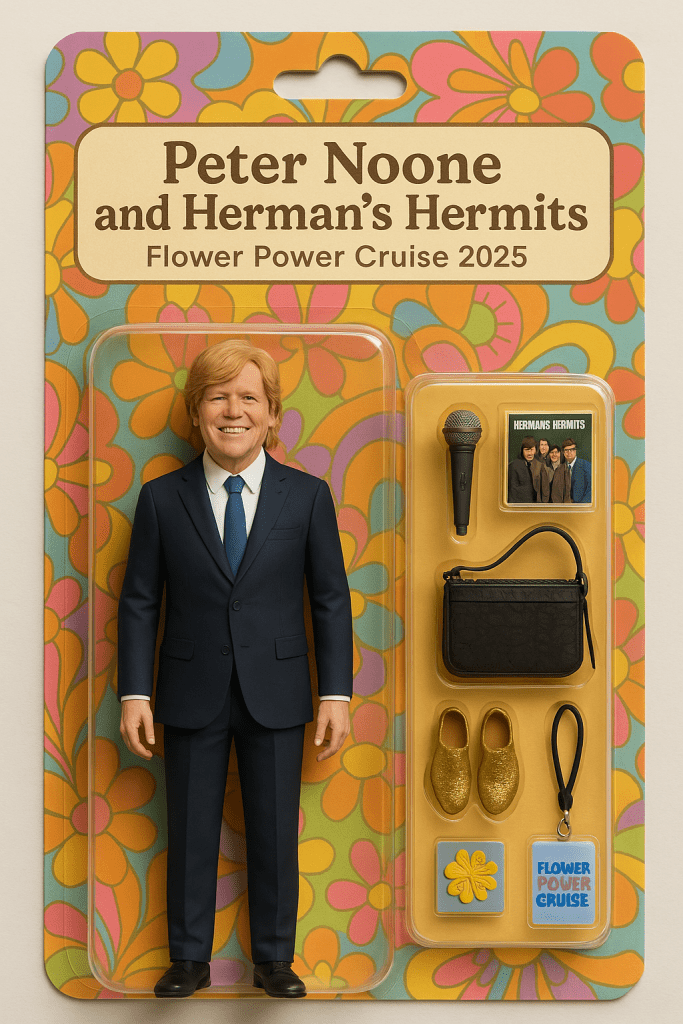
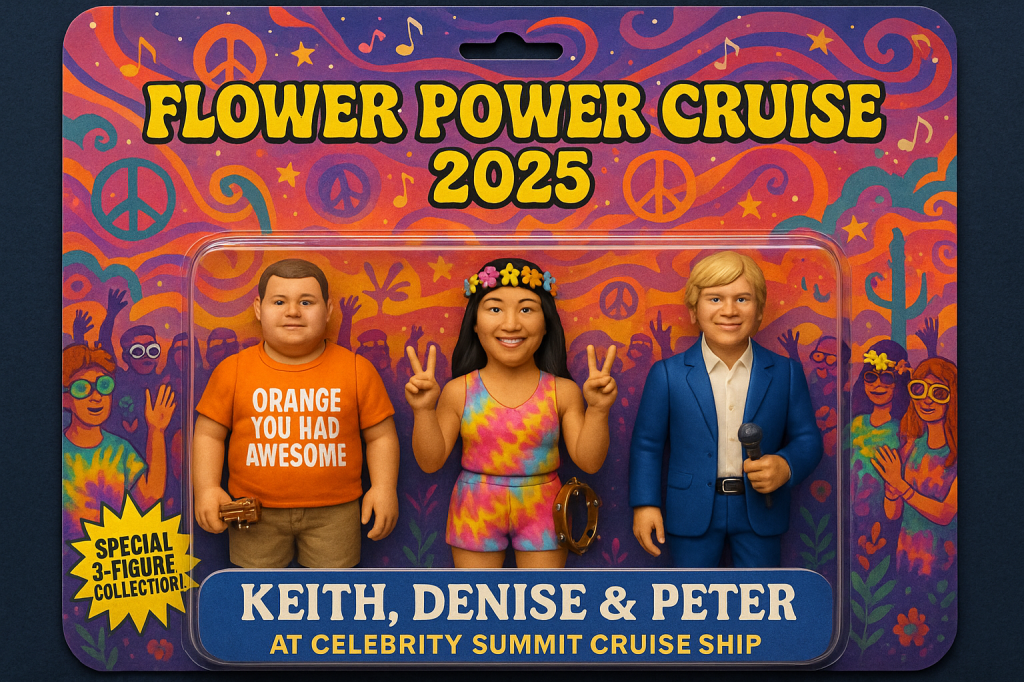
The figure of Peter Noone, lead singer of Herman’s Hermits, represents a triumph of "artifact-driven" prompting. During his concert, Noone engaged the audience by playfully confiscating a purse and a badge, and later teasing a gentleman wearing distinctive gold sparkle shoes.

By feeding the AI actual photographic evidence of the purse, the badge, the shoes, and a professional headshot, I was able to create a figure that wasn’t just a likeness, but a narrative. The AI effectively integrated these real-life artifacts into the "accessories" of the blister pack, creating a piece of memorabilia that felt authentic to the specific experience of that cruise.
Supporting Data: From Archaeology to Pop Culture
The versatility of this medium extends beyond portraiture; it encompasses complex storytelling.
The Dr. Neil V. Hitch Project
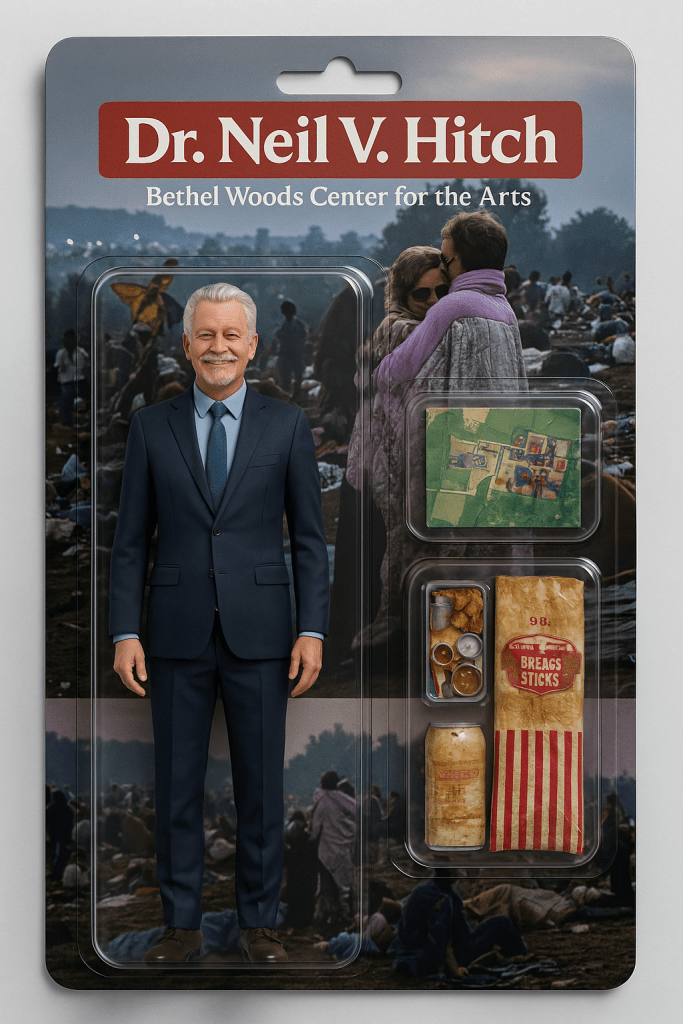
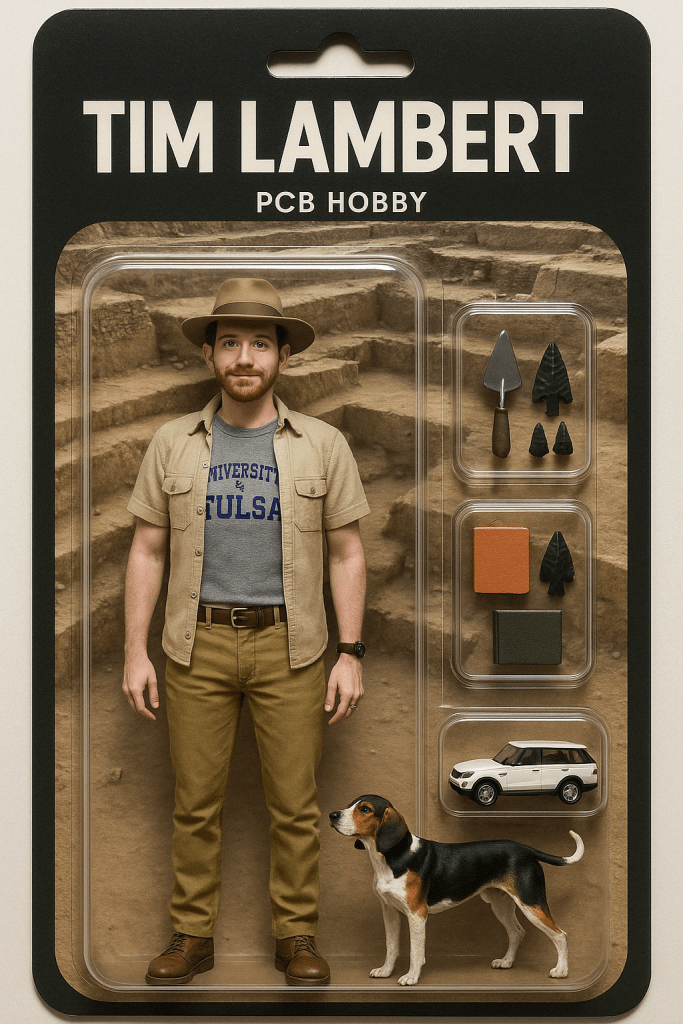
Dr. Neil V. Hitch, who presented an archaeological analysis of a fire pit discovered at the site of the 1969 Woodstock festival, provided a unique challenge. The fire pit contained items like steel soda cans and remnants of bologna sandwiches. To honor his presentation, I combined:
- A headshot of Dr. Hitch.
- Photos of the artifacts found in the dig.
- A classic photograph from the 1969 Woodstock festival as a background.
The resulting action figure effectively "packaged" the history of the event, showcasing the ability of AI to act as a curator of diverse visual datasets.
Corporate Integration and Peer Testing
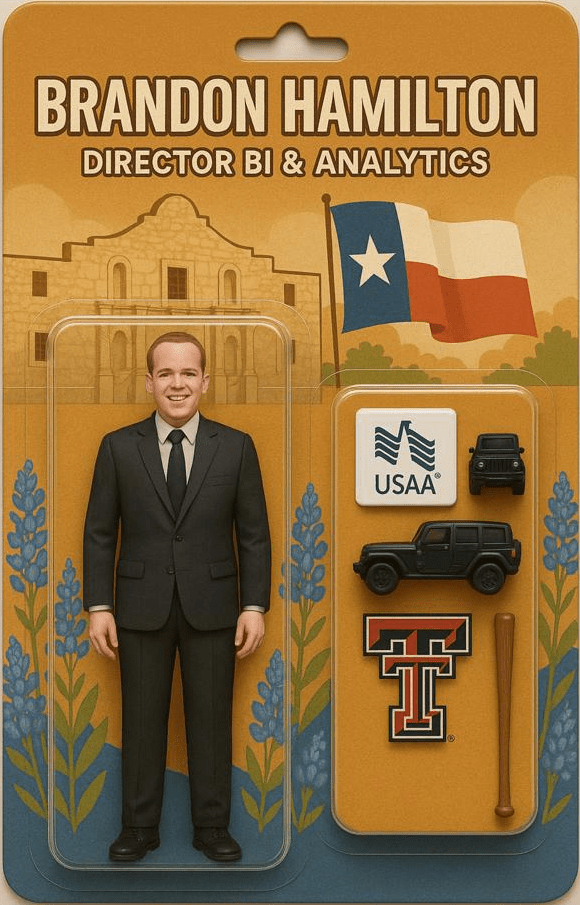
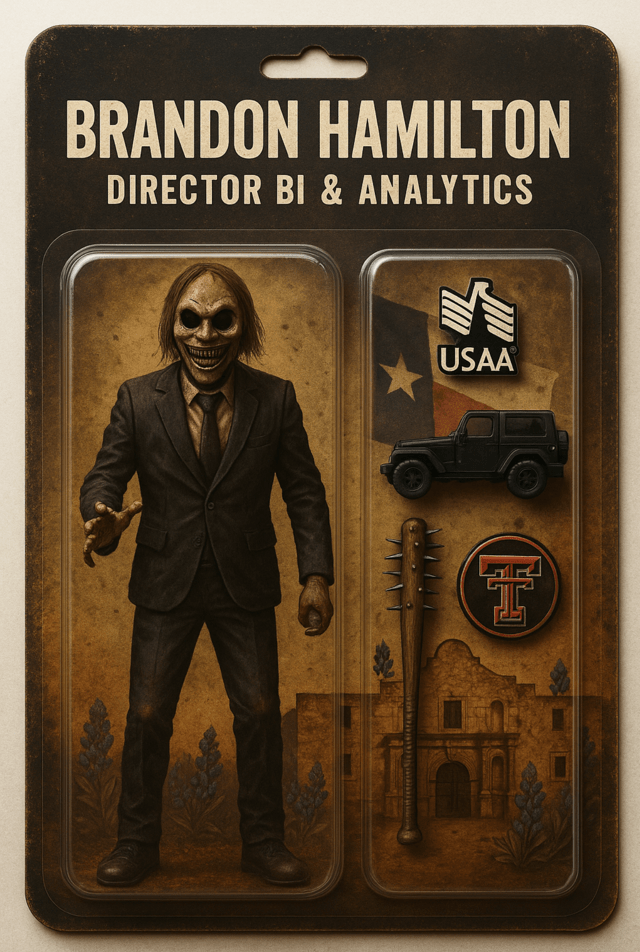
During a class I taught on AI prompting at my workplace, we experimented with brand-themed figures. My colleague, Eric Carlson, attempted to create a figure of our director, Brandon. The initial AI result included two extra Jeeps—another classic hallucination. However, Eric’s subsequent iteration, which incorporated a theme from the film The Purge, demonstrated that with enough creative direction, users can push the AI into highly specific, albeit sometimes unsettling, stylistic territories.
Official Responses and Ethical Boundaries
A significant aspect of working with AI is encountering the boundaries of Intellectual Property (IP). When I attempted to create a figure of Jar Jar Binks from Star Wars, the system consistently triggered a policy violation. The AI recognized the protected nature of the character and instead offered alternatives, such as "fantasy figure" or "space alien."
This serves as an important reminder for creators: AI is not a vacuum. It is heavily gated by safety protocols designed to protect the IP of major studios like Disney and Lucasfilm. When the AI offered to create a "space alien" instead, I accepted. The resulting figure, complete with green tokens representing "alien money," was a compromise that highlights how AI models negotiate between user intent and copyright compliance.
Implications for the Future of Digital Collectibles
The implications of these experiments are profound. We are witnessing the democratization of product design. What previously required professional graphic design skills or manufacturing pipelines can now be visualized in seconds. However, the reliance on these tools necessitates a high level of digital literacy.
The "Hallucination" Tax
The time spent correcting AI errors—such as the missing face in a K2SO robot figure or the accidental return of a child’s baby tooth in a portrait of my grandson, Milo—is the "tax" we pay for using generative tools. As an artist, I find myself in a constant state of negotiation with the software. I must be the director, the editor, and the fact-checker.
A New Standard of Personalization
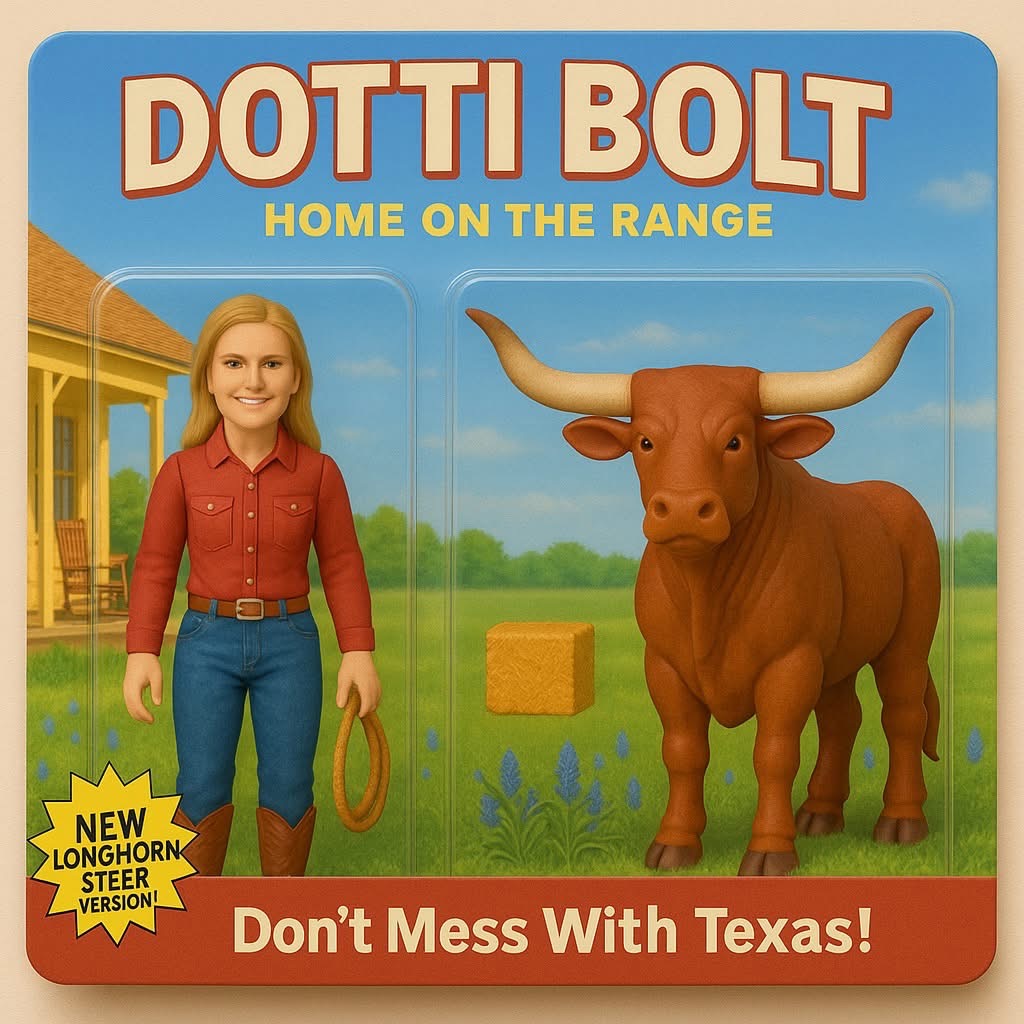
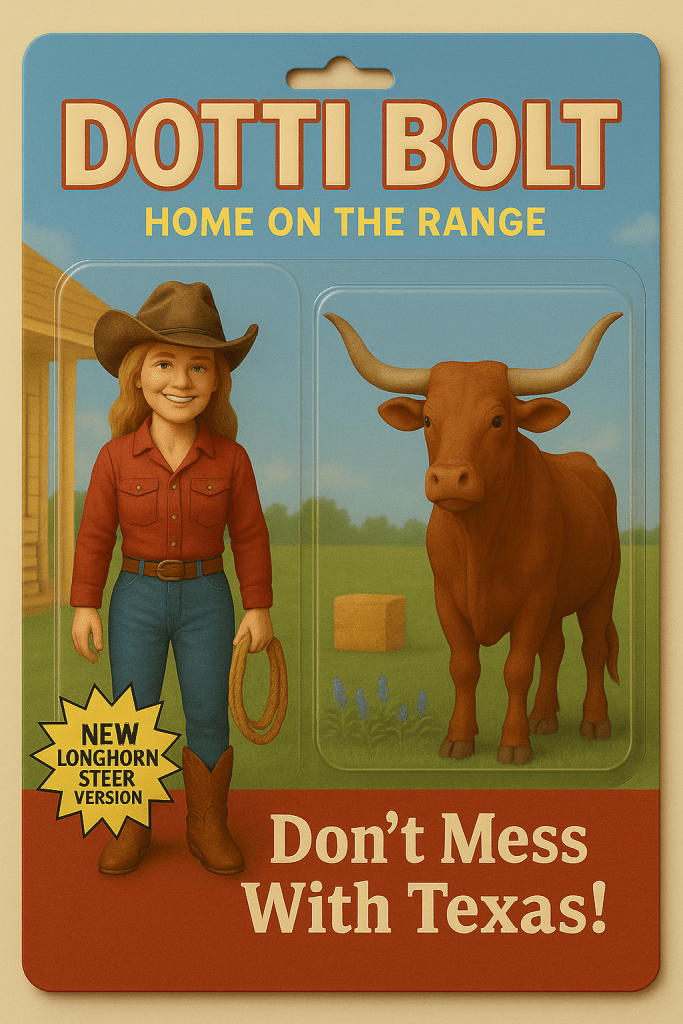
Despite the frustrations, the emotional resonance of these figures is undeniable. Whether it is a figure for my granddaughter, a tribute to a childhood crush like Susan Cowsill, or a playful rendition of my VP, Dotti, with her weathered cowboy hat, the ability to create personalized, one-of-a-kind art is a powerful utility.

Concluding Thoughts
As of June 2025, my journey into AI-generated action figures continues to evolve. I have moved from basic portraiture to complex, multi-component "two-packs" and themed collections. My work with "Kate’s Collectibles" and my ongoing projects involving classic television and pop culture icons continue to challenge the limits of my prompting skills.
The key to success in this space is patience. For those who wish to follow in these footsteps, I offer this advice: do not be discouraged by the initial hallucinations. Embrace them as part of the creative process. If the AI gives you a Groovy Bear when you didn’t ask for one, pivot. If it gives you an extra Jeep, lean into the absurdity. The future of digital art is not about perfect execution—it is about the synthesis of human intent and the unpredictable, often beautiful, mistakes of the machine.
I will continue to refine these figures, chasing that perfect, "non-hallucinating" output. There are many more friends to immortalize, more cruise memories to package, and more technical boundaries to test. Stay tuned; the next wave of figures is currently in development.
