
Decoding the Future: The Essential Guide to Martech for 2026
As the calendar turns toward the end of another whirlwind year in the digital landscape, the marketing technology (martech) industry finds itself at a critical juncture. For the past several years, industry veterans Scott Brinker and Frans Riemersma have cut through the noise of hyperbolic end-of-year predictions to provide a grounded, data-driven assessment of the ecosystem. Their latest collaboration, Martech for 2026, promises to be their most comprehensive analysis yet, offering a pragmatic roadmap for marketing leaders navigating the complex intersection of AI and operational reality.
The Pragmatic Approach: Avoiding the "Prophecy Season"
In an era where "thought leadership" often devolves into speculative fever dreams about the future of technology, the annual report from Brinker and Riemersma stands apart. Rather than engaging in the typical year-end exercise of wild, ungrounded prognostications, the authors focus on empirical observation. By examining existing, real-world patterns currently unfolding within marketing tech stacks, they provide a 6-to-12-month forecast that is as actionable as it is analytical.
This year’s edition, set for release on December 2, represents a departure from traditional white papers. It is a 100-page deep dive that combines rigorous research with a narrative style that aims to make complex technical shifts accessible and, crucially, engaging. The authors argue that a sense of humor and a clear-eyed view of industry trends are essential for any marketer trying to make sense of the current volatility.
Chronology of the 2026 Launch
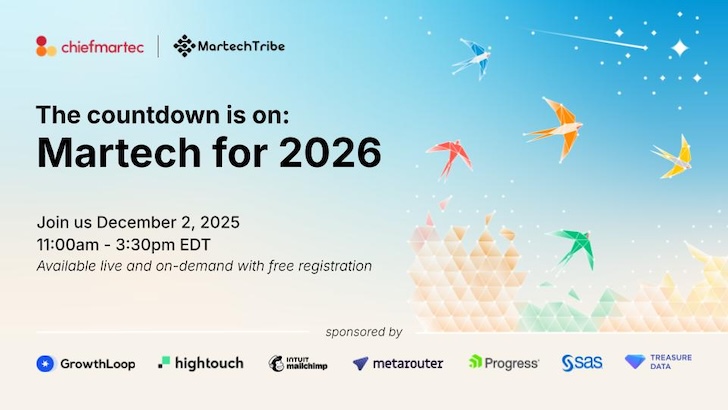
The rollout of the Martech for 2026 findings is structured to maximize accessibility and utility for a global audience. The project will officially launch with a free, comprehensive online seminar on December 2.
- Pre-Launch Phase: Registration is currently open, allowing professionals to secure their access to the report and the accompanying digital event.
- December 2nd Keynote: Brinker and Riemersma will deliver a "no-holds-barred" presentation, breaking down the report’s most surprising data points and providing a live, guided analysis of the shifting martech landscape.
- The On-Demand Period: Recognizing the busy schedules of marketing executives during the holiday season, the organizers have ensured that all content—including the full 100-page report and the recorded session—will be available on-demand throughout the entirety of December.
- The Industry Roundtable: Following the core keynote, the event will transition into a series of candid interviews with senior leadership from sponsoring organizations, focusing on real-world AI implementation rather than product marketing.
Supporting Data: The AI Agent Revolution
The central pillar of the 2026 report is the emergence and integration of AI agents within the marketing stack. While the industry has spent the last two years experimenting with generative AI, the focus has now shifted from mere content creation to the deployment of autonomous agents capable of performing complex, multi-step marketing operations.
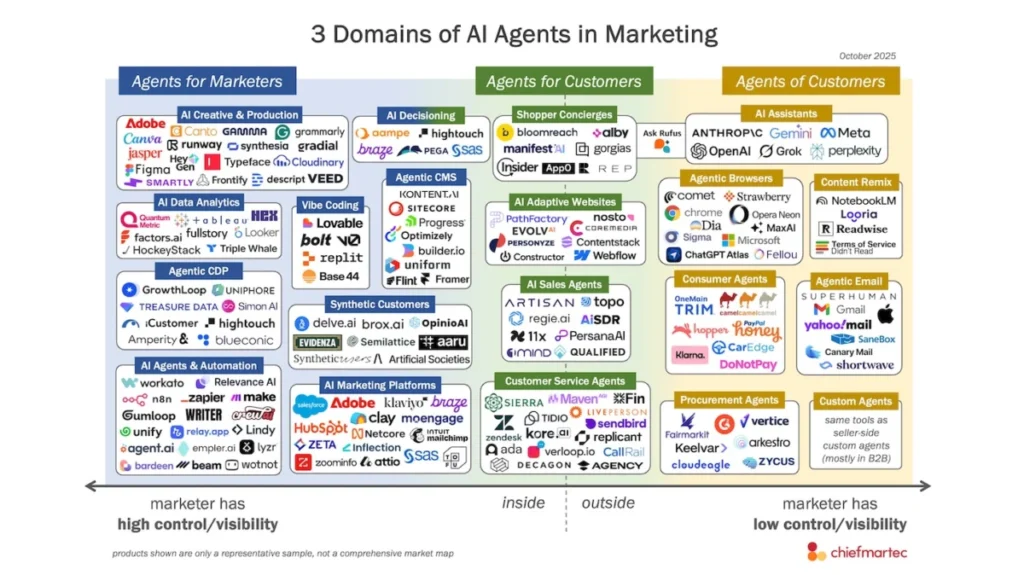
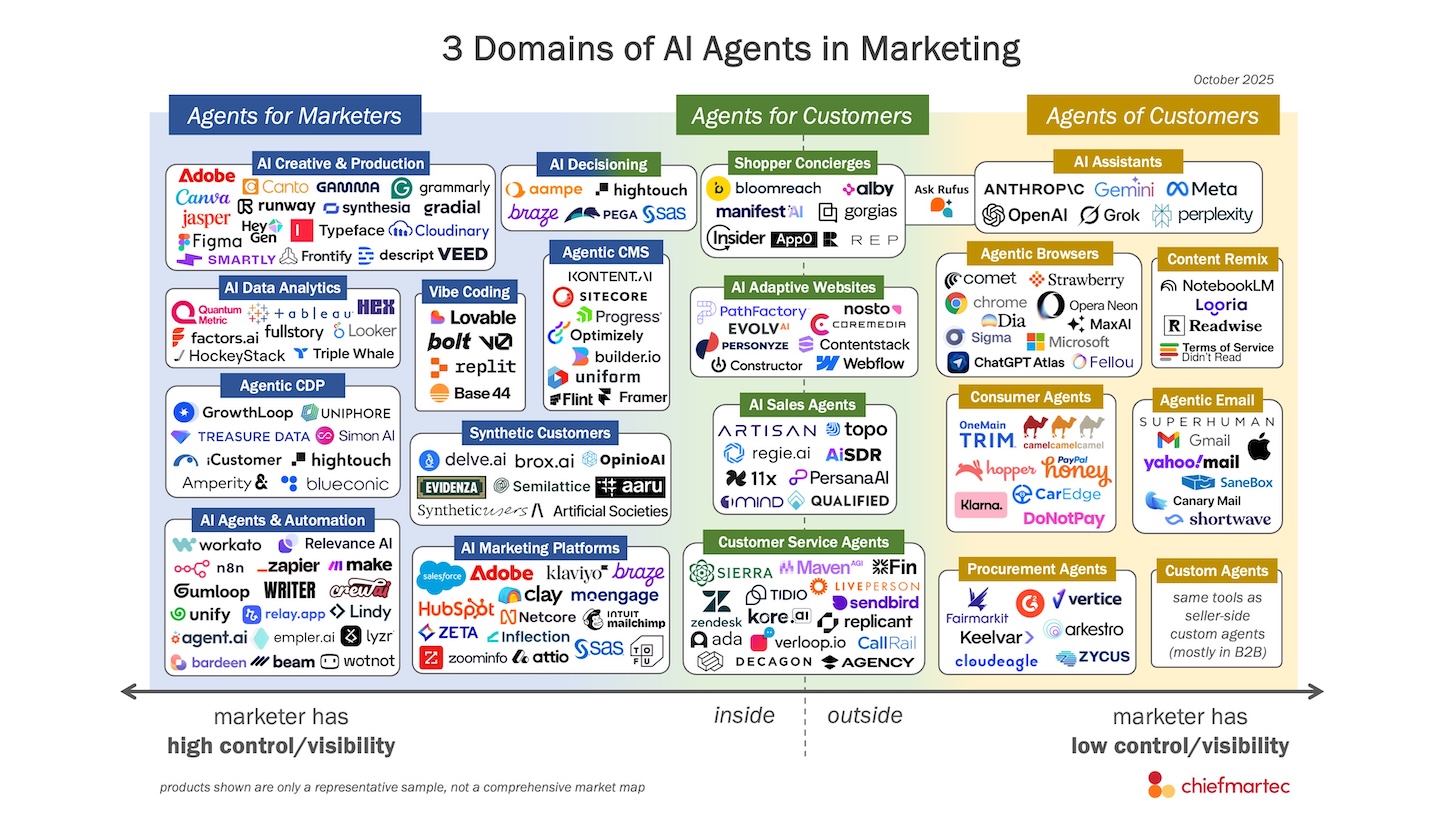
The report leverages findings from the AI & Data in Marketing survey, which provides a quantitative look at the state of AI adoption. The data categorizes these agents into three distinct domains:
- Orchestration Agents: Systems designed to manage complex workflows across multiple software platforms.
- Creative/Content Agents: Specialized units focused on production and iterative optimization of assets.
- Analytical/Data Agents: Systems that bridge the gap between raw data warehouses and actionable marketing intelligence.
By analyzing which of these agents are currently "scaling in production" versus those still "emerging from the science fair," the report provides a crucial reality check for organizations struggling to determine where to allocate their 2026 budgets.
The Art of "Context Engineering"
A significant portion of the analysis is dedicated to a burgeoning discipline: Context Engineering. As AI models become more ubiquitous, the differentiation between successful and unsuccessful implementation lies in the quality of the data fed into the systems.
Brinker and Riemersma argue that the "garbage in, garbage out" rule has never been more relevant. The report offers a detailed look at the spectrum of data sources currently being integrated into AI agents. It explores how marketers are moving beyond simple prompt engineering toward a more sophisticated architecture of data connectivity, ensuring that AI agents have the necessary context to make decisions that align with specific brand goals and customer journey nuances.
Official Perspectives: Candid Insights from the Ecosystem
A unique feature of the Martech for 2026 project is its commitment to stripping away the sales veneer. The project is supported by industry leaders including GrowthLoop, Hightouch, Intuit Mailchimp, MetaRouter, Progress, SAS, and Treasure Data.
However, the authors have stipulated that the post-keynote discussions will prioritize transparency over marketing pitches. By interviewing senior product and marketing leaders from these organizations, the report seeks to answer the questions that keep CMOs up at night:
- How are these technologies actually being used by real customers?
- What are the technical hurdles that remain unresolved?
- Are these AI agents truly augmenting existing SaaS platforms, or are they beginning to cannibalize the functions of traditional software suites?
These candid discussions are intended to provide a "ground truth" perspective that is rarely found in vendor-led webinars or marketing collateral.
Implications for the Future of Martech
The implications of the Martech for 2026 report are profound for both the individual practitioner and the organizational strategist. As we look toward the mid-decade, several key shifts are becoming clear:
The Integration vs. Replacement Dilemma
Perhaps the most pressing question addressed in the report is the changing relationship between AI agents and existing SaaS stacks. Are we moving toward a future where agents replace the need for traditional software interfaces, or will they serve as a layer of "intelligence" that sits on top of our existing tools? The authors provide a detailed analysis of this "AI-SaaS interplay," offering a framework for how companies should evaluate their current stack investments in light of AI’s rapid development.
Operational Maturity
The shift from manual execution to agent-led operations requires a new level of operational maturity. Marketing teams are no longer just managing software; they are managing processes that are executed by software agents. This requires a fundamental change in the skill sets required for marketing operations (MOps) professionals, who must now become proficient in auditing, monitoring, and debugging the logic of AI agents.
The Data-Driven Moat
The report emphasizes that in a world where everyone has access to the same foundational AI models, the "moat"—the sustainable competitive advantage—will be defined by proprietary data. By detailing the spectrum of data sources connecting to these agents, the report highlights how businesses can leverage their unique customer data to create AI experiences that competitors cannot easily replicate.
Conclusion: Preparing for 2026
The release of Martech for 2026 is not just an industry event; it is a tactical necessity. For organizations looking to avoid the common pitfalls of AI implementation—such as over-investing in hype or under-investing in data infrastructure—the insights provided by Brinker and Riemersma offer a clear path forward.
By registering for the event, marketing professionals gain access to a curated, high-level synthesis of where the industry is going. As the holiday season approaches, the time spent reviewing this report will likely be the most valuable professional development time invested this year.
The message for 2026 is clear: The era of passive AI adoption is ending. The era of proactive, agent-driven marketing operations is beginning. Those who take the time to understand the nuances of context engineering and the shifting landscape of the martech stack will be the ones who lead their organizations through the next phase of digital evolution.
To be part of this conversation and to gain early access to the findings, professionals are encouraged to register for the Martech for 2026 event. Whether attending the live session on December 2nd or accessing the materials on-demand, the report stands as an essential guide for navigating the complexities of the modern marketing landscape.
