

Conversion Rate Optimization Showdown: Crazy Egg vs. Lucky Orange
In the hyper-competitive landscape of digital commerce, understanding user intent is no longer a luxury—it is a fundamental requirement for survival. As website traffic costs continue to climb, businesses are pivoting away from purely acquisition-based strategies toward Conversion Rate Optimization (CRO). Two industry stalwarts, Crazy Egg and Lucky Orange, have long dominated this space, providing suites of tools designed to demystify user behavior.
But which platform deserves your investment? While both offer heatmaps, session recordings, and on-page feedback tools, their underlying architectures and philosophies differ significantly. This report provides a comprehensive analysis to help you determine which tool aligns with your business goals.
Main Facts: The Core of the Comparison
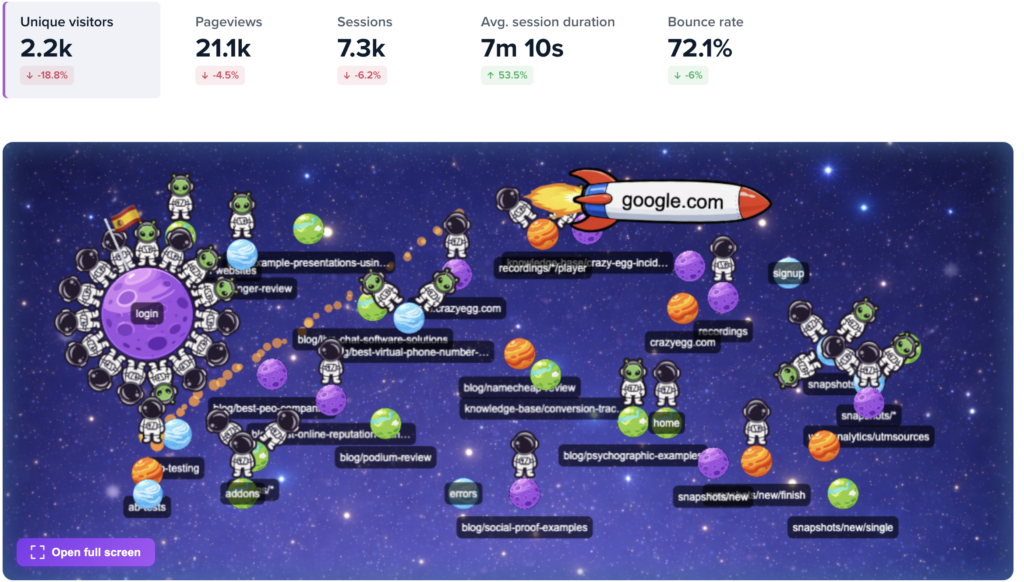
At their foundation, both Crazy Egg and Lucky Orange are designed to eliminate the "guessing game" of website performance. They allow marketers, UX designers, and product managers to see exactly where visitors are clicking, where they are dropping off, and what elements are causing friction.
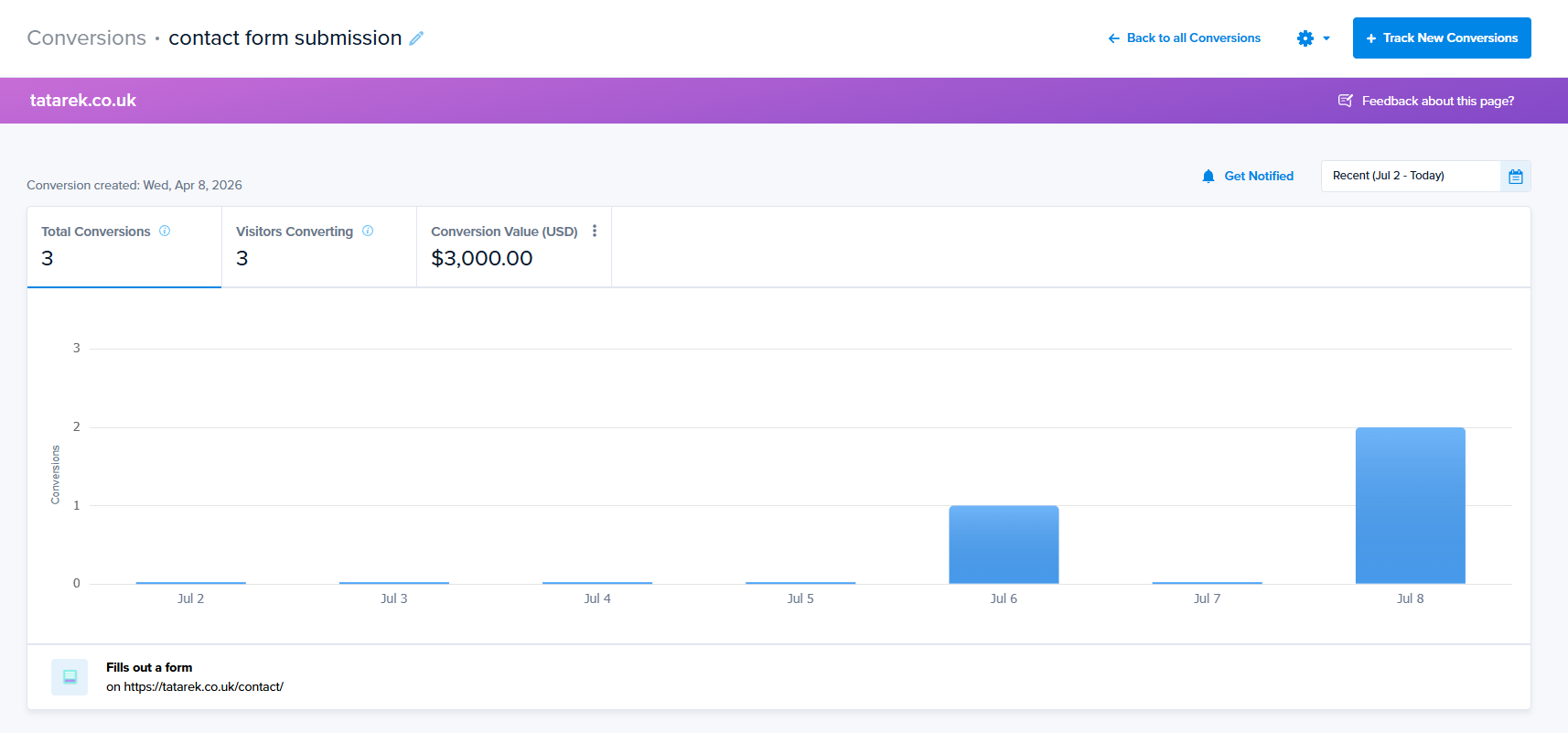
Crazy Egg positions itself as an all-in-one "optimization laboratory." Its strength lies in its ability to not only diagnose problems but to facilitate immediate experimentation through native A/B testing and conversion tracking. It is built for teams that want a closed-loop system—analyze the problem, test a solution, and measure the result—without needing to integrate disparate third-party tools.
Lucky Orange, conversely, acts as a "real-time operations center." It excels in scenarios where immediate, granular interaction is required, such as in e-commerce or lead-generation environments. By integrating live chat and field-level form analytics, it provides a tactical advantage for teams that need to intervene in the customer journey while it is still happening.
Chronology and Evolution of the Tools
The evolution of these platforms reflects the broader maturation of the CRO industry.
- The Early Years (Focus on Visibility): Both platforms originated as heatmap-focused solutions. Crazy Egg famously democratized heatmaps, making them accessible to non-technical users, while Lucky Orange focused on the "all-in-one" utility of combining visitor tracking with live chat.
- The Integration Era: As analytics suites like Google Analytics 4 (GA4) became more complex, both tools shifted toward becoming "bridges" between raw traffic data and human behavior.
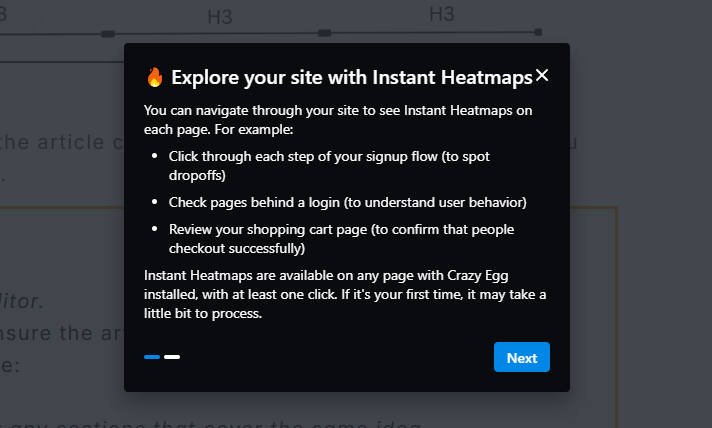
- The AI Revolution: Most recently, both companies have integrated Artificial Intelligence. Crazy Egg has moved toward "automated insights," where the platform highlights issues across reports, while Lucky Orange has embraced "conversational discovery," allowing users to query their own data via a chat-based AI interface.
Supporting Data: Feature-by-Feature Analysis
1. Heatmaps and Visualization
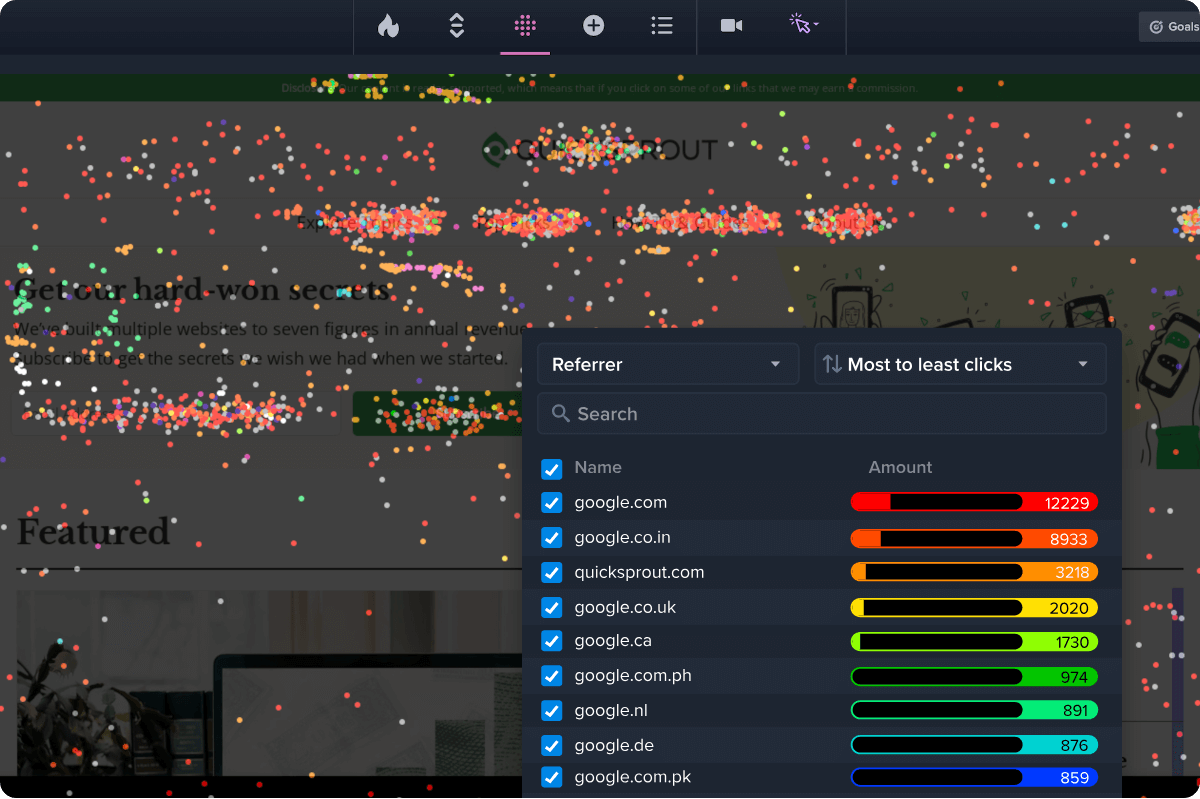
Crazy Egg offers five distinct map types (Click, Scroll, Confetti, Overlay, and List) and allows for robust segmentation. The "Confetti" map is particularly potent for A/B testing analysis, as it allows users to see how specific segments (e.g., mobile users from organic search) interact with the site.
Lucky Orange provides a more streamlined, three-map approach (Click, Scroll, Move). While it lacks the deep segmentation of Crazy Egg, it compensates with superior rendering of dynamic or Single Page Application (SPA) elements. If your site relies heavily on complex React or Vue.js components that update without page refreshes, Lucky Orange’s live-rendering heatmaps are often more accurate.

2. Session Recordings and Retention
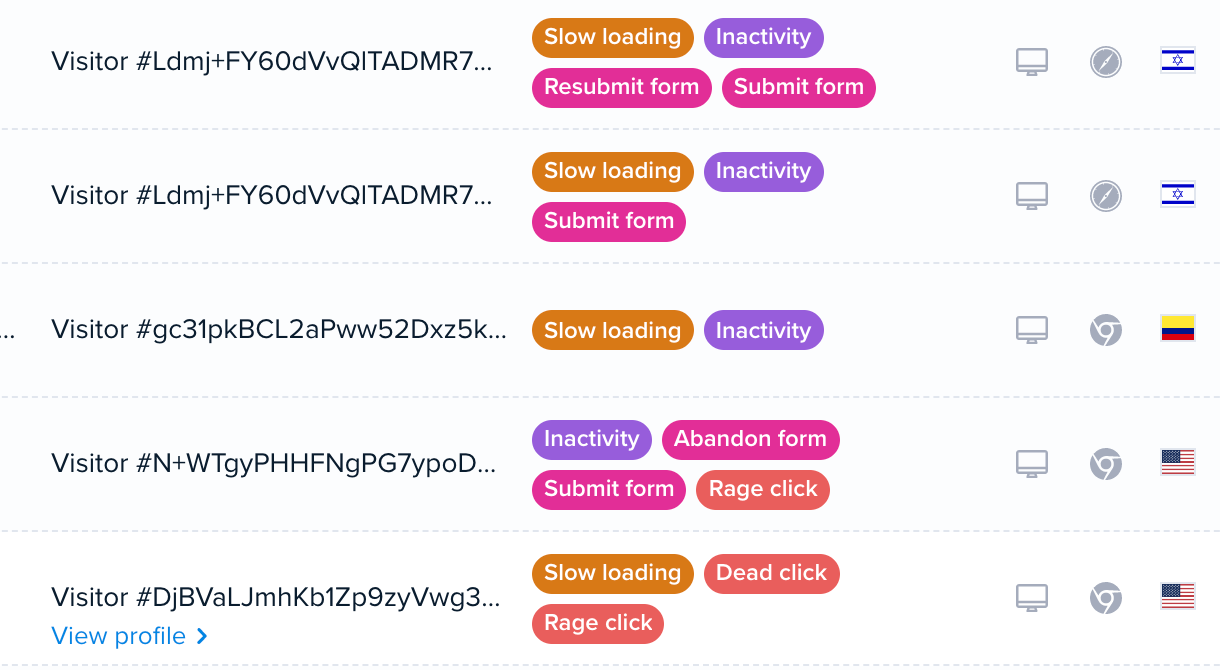
Both platforms offer "privacy-first" recording, masking sensitive user input fields automatically. However, the retention period is a critical differentiator. Crazy Egg offers significantly longer data retention (6 to 24 months), which is vital for long-term trend analysis. Lucky Orange defaults to 60 days, requiring upgrades for longer storage.
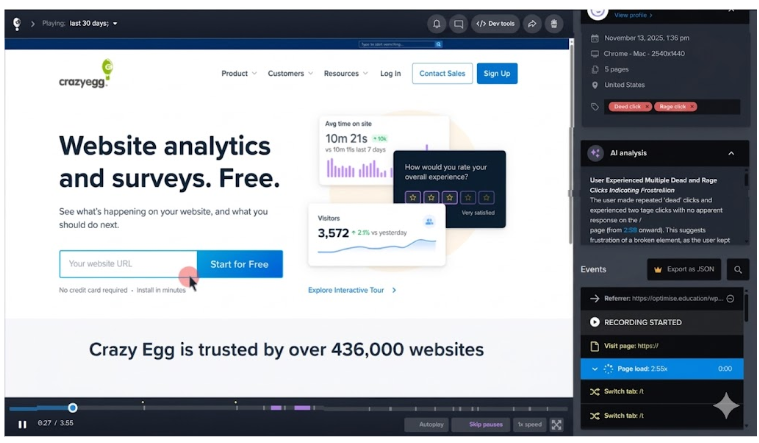
Furthermore, Crazy Egg’s "auto-tagging" system is more expansive. It identifies friction points—such as "rage clicks" (repeatedly clicking an unresponsive element) or "u-turns" (navigating away quickly)—right out of the box, whereas Lucky Orange users often need to manually configure their own event tracking to achieve similar levels of insight.

3. Conversion Analytics and Funnels
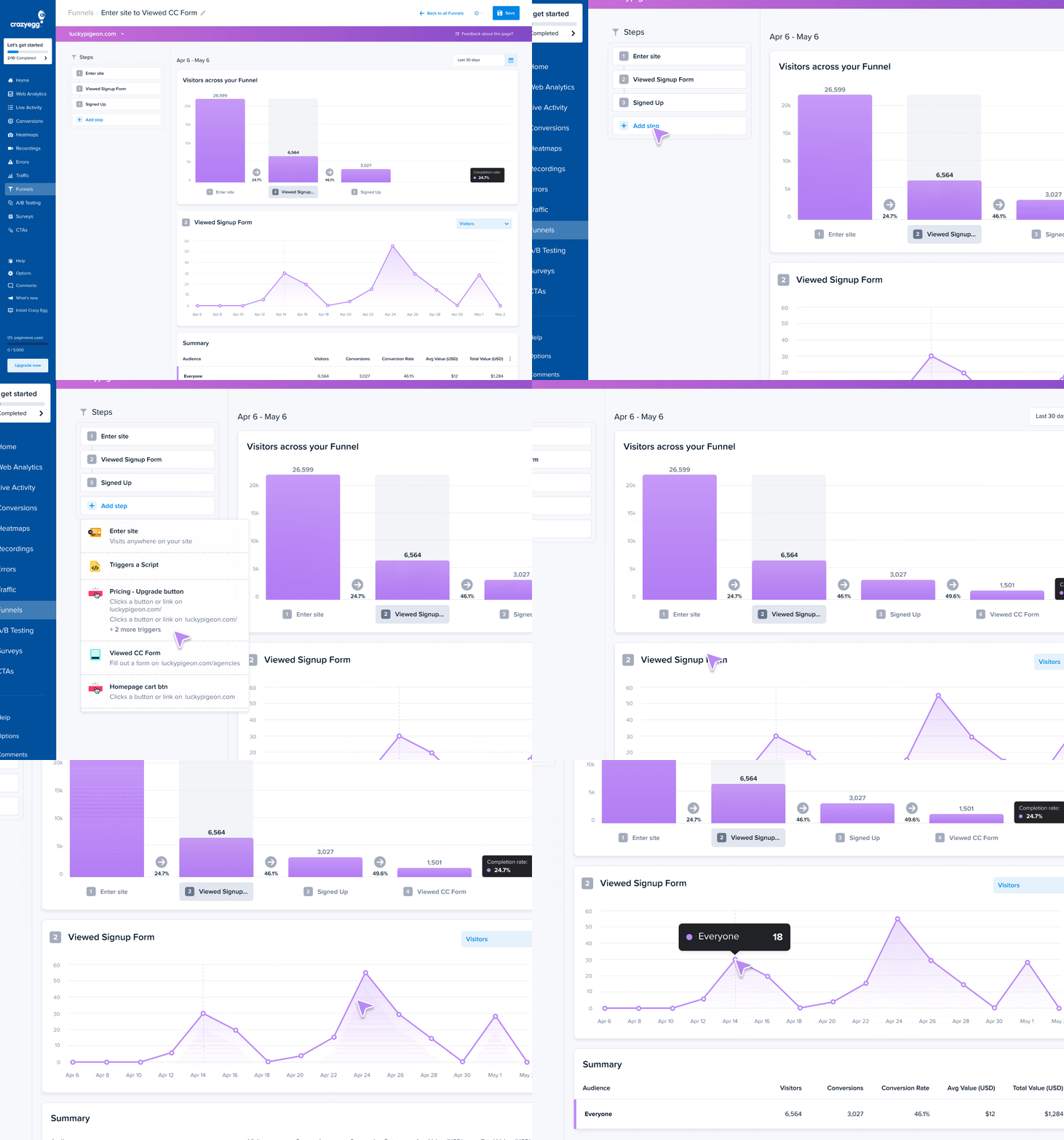
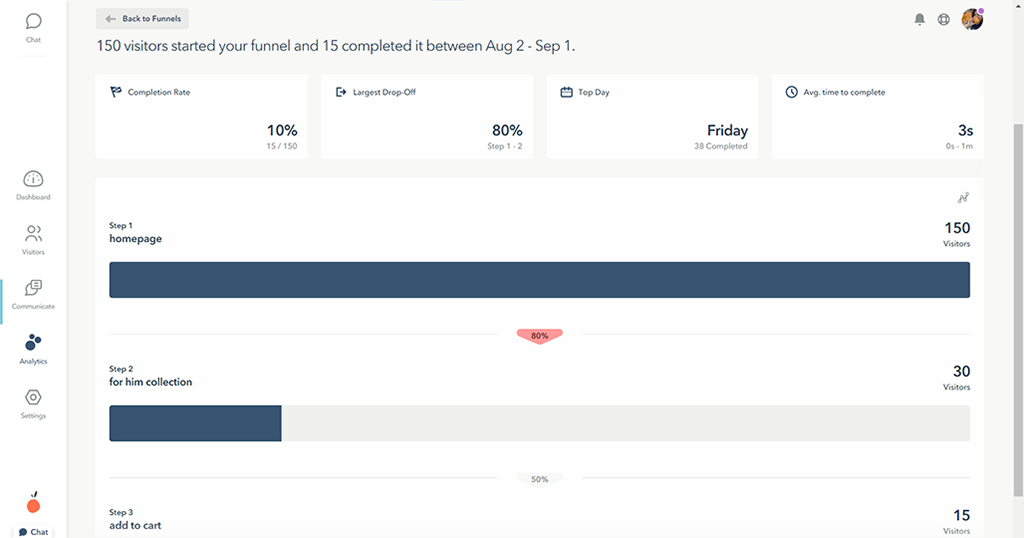
Crazy Egg’s funnel reporting is inherently retroactive. If you realize mid-month that you want to track a specific conversion path, Crazy Egg can look back through your historical data to populate the funnel. Lucky Orange also offers retroactive funnels, but they are strictly bounded by your current data storage window, making it less ideal for long-term retrospective analysis.
However, Lucky Orange’s native Shopify integration is a significant advantage for e-commerce store owners. It automatically maps the standard "Viewed Product -> Added to Cart -> Purchased" funnel, saving hours of manual setup time.
4. Surveys and On-Site Messaging
Crazy Egg treats surveys as a research tool, offering over 50 templates and advanced branching logic. This allows for "conversational" surveys—if a user says they are "unsatisfied," the survey can automatically branch into a follow-up question asking "why."
Lucky Orange’s survey tool is more direct. It is designed to capture quick sentiment and, importantly, link that sentiment directly to a session recording. This allows you to see the exact struggle the user was experiencing when they submitted their feedback.
Official Perspectives: The Value Proposition
When speaking with product leads, the distinction becomes clearer. Proponents of Crazy Egg argue that the platform is designed to scale with an organization’s maturity. "We aren’t just looking at who is on the site," one representative noted. "We are looking at how to make them convert through A/B testing and iterative design."
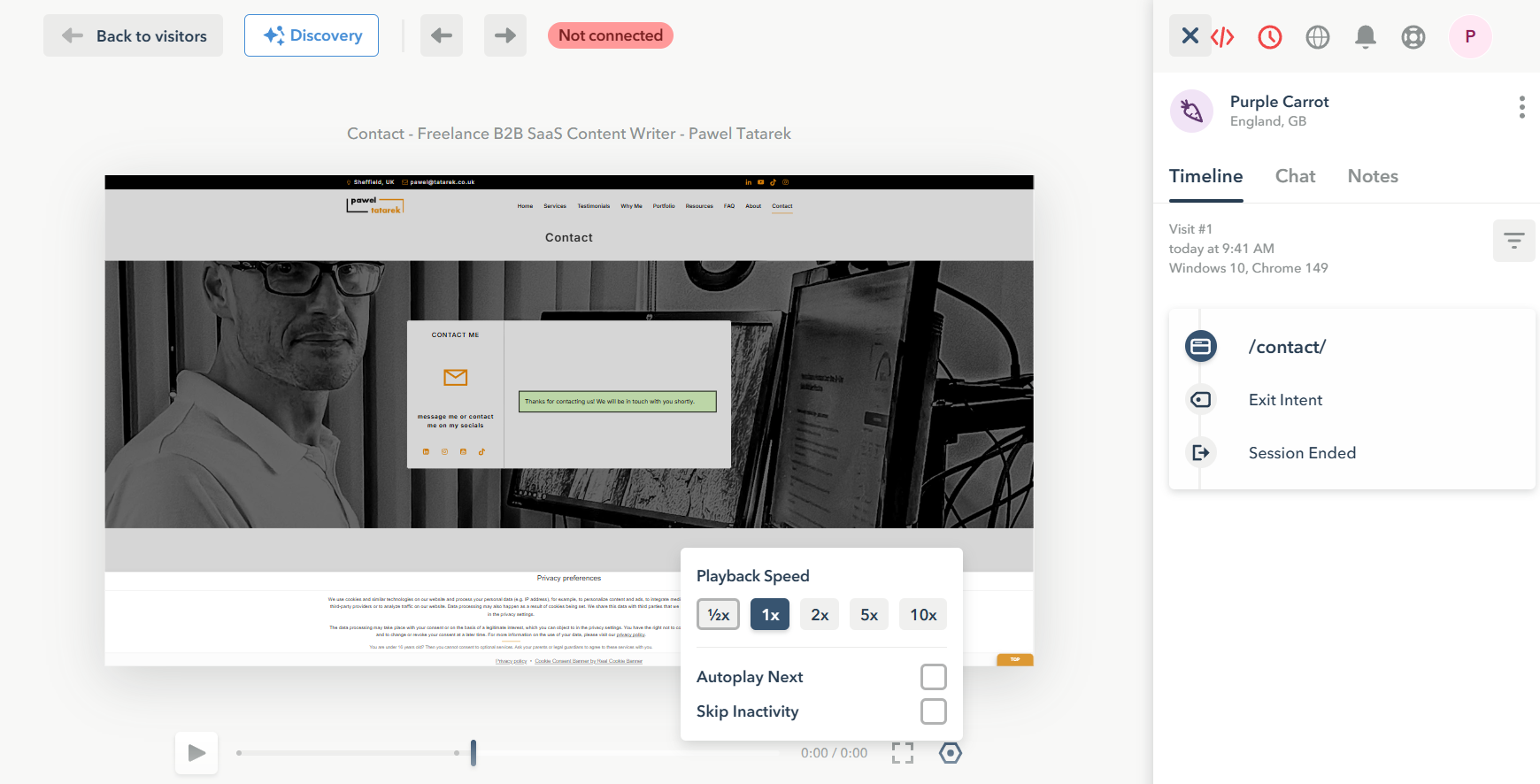
Lucky Orange advocates emphasize the "live" aspect. "CRO shouldn’t be a post-mortem process," a company spokesperson explained. "By seeing a visitor struggling in a form in real-time, you can use our chat tool to resolve their concern instantly. That is real-time revenue protection."
Implications for Your Business
Choosing between these two tools requires an honest assessment of your internal resources and goals.
Choose Crazy Egg if:
- You want to run A/B tests natively without third-party plugins.
- You need long-term data storage for year-over-year reporting.
- You require deep segmentation of visitor behavior.
- You want an "all-in-one" platform that covers analytics, testing, and feedback.
Choose Lucky Orange if:
- You are operating an e-commerce store (specifically on Shopify) and need automated funnel tracking.
- Your team values live, real-time intervention via chat.
- You need field-level analysis to optimize complex registration or checkout forms.
- You are already using a dedicated experimentation platform and only need the behavioral observation suite.
The Financial Dimension
Pricing models also dictate the outcome. Crazy Egg charges based on tracked pageviews, which is highly efficient—you only pay for the traffic you actively choose to monitor. Lucky Orange charges based on monthly sessions, meaning you pay for every single visitor who hits your site. For high-traffic sites, this can lead to significant cost variances.
While Lucky Orange’s lower-tier plans include features that might be locked behind higher tiers in other software, the lack of a permanent free plan means there is a higher barrier to entry for small businesses compared to Crazy Egg’s free-forever tier.
Conclusion
The decision between Crazy Egg and Lucky Orange is not about which tool is "better" in a vacuum; it is about which workflow fits your current maturity level.
If your goal is a holistic, long-term strategy centered on testing and rigorous data analysis, Crazy Egg provides the necessary infrastructure. If your priority is immediate, tactical responsiveness, specifically within an e-commerce context where you need to save sales as they happen, Lucky Orange provides the most direct path to success.
Ultimately, the best way to decide is to leverage the free trials offered by both. Install both scripts on a sub-page or a development environment, run them side-by-side for a week, and see which dashboard provides the insights that your team actually acts upon. In the world of conversion optimization, the best tool is the one that your team finds the most actionable.
