
Beyond the Like: Transforming Social Media into a High-Performance Revenue Engine
For over a decade, the corporate perception of social media was firmly rooted in the "fun department." It was the domain of viral memes, witty brand banter, and the occasional unhinged post designed to capture fleeting attention. While these elements remain a part of the cultural fabric of the internet, they are no longer the primary objective. Today, social media has matured into a critical, data-backed driver of business growth and measurable revenue.
As marketing budgets face increasing scrutiny in a volatile economic climate, the shift toward performance-driven social media is not just a strategic evolution—it is a necessity for survival.

The Paradigm Shift: What is Performance Marketing?
Performance marketing is defined by a results-first philosophy. Unlike traditional brand awareness campaigns, where success is measured in impressions or general visibility, performance marketing focuses on specific, measurable actions: clicks, leads, sign-ups, and ultimately, sales. In this model, every marketing dollar is tied to a tangible outcome.
The Problem with "Vanity" Metrics
For years, social media teams were judged on "vanity metrics"—likes, shares, and follower counts. While these numbers can indicate community health, they are notoriously difficult to map directly to a P&L statement. This disconnect has historically categorized marketing as a "cost center," a department that consumes budget without providing a clear, guaranteed return.

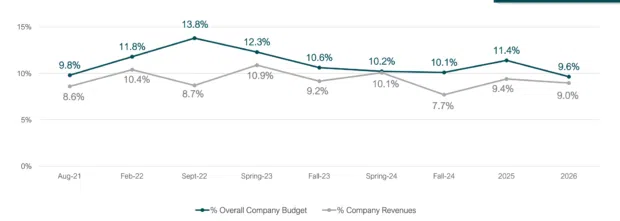
The consequences of this perception are severe. According to recent industry data, when organizational profits fall short of quarterly expectations, marketing budgets are the first to be slashed, occurring in 45% of such cases. In 2026, marketing budgets plummeted to 9.6% of overall company spend, the lowest level since 2021. To reverse this trend, social media managers must pivot from being content creators to becoming revenue architects.
Chronology of the Social Media Evolution
The transition from "brand-only" to "performance-first" social media can be mapped across three distinct phases:
- The Awareness Era (2010–2015): The primary goal was audience acquisition. Brands focused on gathering followers and building a presence. Success was measured in reach and engagement rates.
- The Integration Era (2016–2021): Brands began experimenting with native social commerce tools. "Shoppable" posts became the standard, and the first wave of advanced tracking pixels allowed brands to bridge the gap between social engagement and website conversions.
- The Performance Era (2022–Present): With the refinement of AI-driven analytics, attribution modeling, and CRM integration, social media is now treated as a full-funnel channel. It is no longer just for the top of the funnel; it is a primary conversion engine.
Supporting Data: Why Performance Matters
The move toward performance marketing is fueled by the availability of granular data. Modern marketing stacks allow teams to track the entire customer journey, from the first touchpoint on a LinkedIn post to the final checkout on a company website.
When marketing is treated as a high-ROI profit center, the narrative shifts. Instead of asking for a budget to "build awareness," managers are now presenting data that shows how $1,000 in social ad spend yields $4,000 in attributed revenue. This shift turns the marketing department into a strategic partner in the company’s financial success rather than an overhead expense.

Seven Strategies to Elevate Your Social Strategy
To transform your social media presence into a performance-driven powerhouse, organizations should adopt the following framework:
1. Align Social Goals with Business Objectives
Your social media KPIs should be direct reflections of the company’s OKRs (Objectives and Key Results). If the business is prioritizing "profitable growth," your social team should focus on lowering customer acquisition costs (CAC) rather than simply maximizing reach.

2. Implement Sophisticated Data Tracking
Move beyond platform-native dashboards. Integrate your social media tools with your CRM (like Salesforce or HubSpot) and web analytics (like Google Analytics 4). By setting up UTM parameters and conversion pixels, you can see exactly which pieces of content are driving revenue.
3. Leverage Social Listening for Market Intelligence
Social listening is the process of monitoring brand mentions, competitor activity, and industry trends. This intelligence should be shared with product development and sales teams. For example, if customers are complaining about a specific feature on X (formerly Twitter), that feedback can inform future product roadmaps, saving the company money on customer support and churn.

4. Deploy Advanced Attribution Modeling
Social media is frequently a "top-of-funnel" channel, meaning it often introduces the brand to the customer early. Use multi-touch attribution models to ensure your social channels get credit for the assist, even if the final sale happens weeks later through a direct email or search query.
5. Utilize Proven Performance Tactics
- A/B Testing: Social platforms provide real-time feedback loops. Test one variable—such as a headline or a call-to-action (CTA) button—at a time to optimize conversion rates.
- Content Distribution: Stop blasting the same post everywhere. Tailor content to the platform: use LinkedIn for whitepapers and thought leadership, and TikTok for high-energy product demonstrations.
- Conversion Rate Optimization (CRO): Focus on the destination. Ensure your social content leads to high-converting landing pages that offer real value, such as gated webinars or exclusive industry reports.
6. Document and Amplify Success Stories
Data is essential, but human-readable stories win buy-in from the C-suite. When you achieve a successful conversion spike, document the process and present it as a case study to stakeholders. This proves the value of your team’s expertise and justifies larger budget allocations.

7. Make Strategic Recommendations
As you collect data, you become the company’s expert on audience behavior. Use this role to make proactive suggestions. If your data shows a shift in audience demographics, recommend a change in product messaging. This positions the social media team as a center of intelligence, not just a content production line.
Implications: The Future of the Social Media Manager
The role of the social media manager is fundamentally changing. The "social pro" of tomorrow is as comfortable in a spreadsheet as they are in a content editor. They are cross-functional, analytical, and commercially minded.
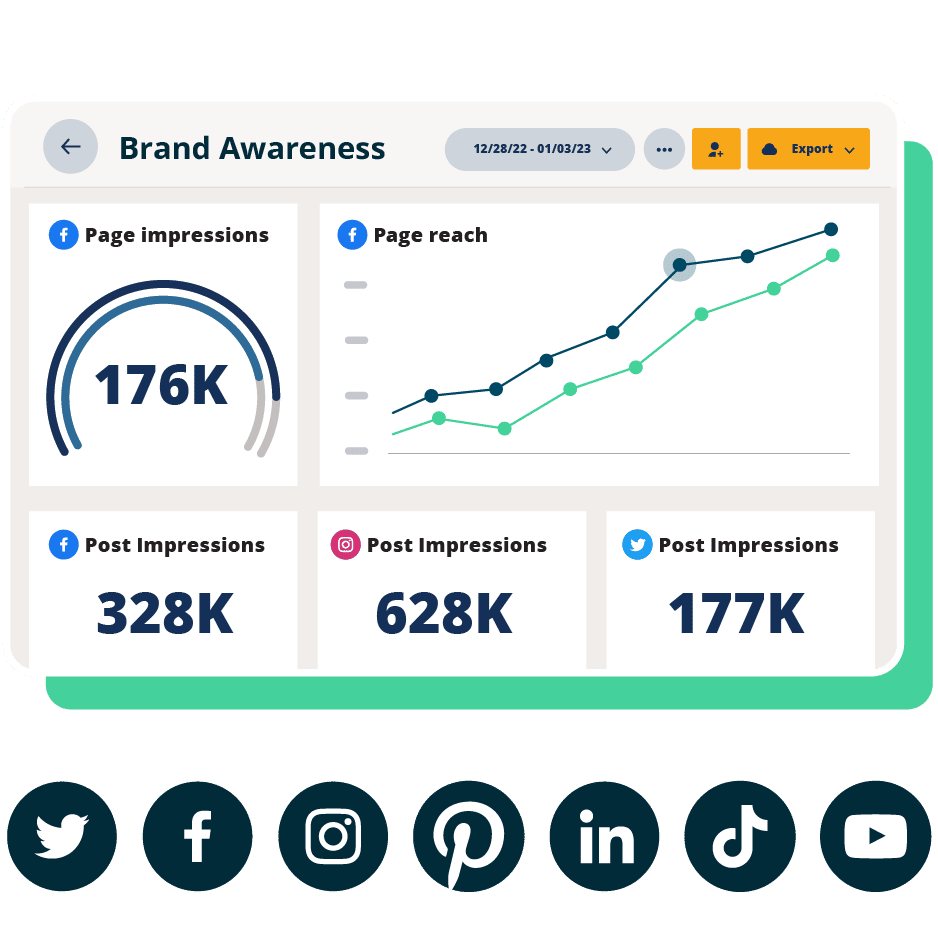
Companies that fail to adopt this performance-first mindset risk irrelevance. As marketing budgets tighten, only those teams that can definitively prove their contribution to the bottom line will retain their resources.
Utilizing the Right Tooling: The Hootsuite Ecosystem
Achieving this level of performance requires an integrated tech stack. Tools like Hootsuite have evolved to meet these specific needs by consolidating the entire workflow:

- Advanced Analytics: Built-in ROI analysis takes the guesswork out of value calculations, allowing teams to track total spend against total return.
- Competitive Benchmarking: By analyzing up to 20 competitors, brands can understand their share of voice and identify gaps in the market.
- Employee Advocacy: Platforms like Hootsuite Amplify turn employees into brand ambassadors, which can significantly lower organic acquisition costs.
- AI-Powered Productivity: Tools like OwlyWriter AI enable teams to rapidly generate the variations needed for A/B testing, ensuring the content engine never runs dry.
Conclusion
The era of "social media as a side project" is over. By embracing performance marketing tactics, organizations can transform their social channels into highly predictable, scalable, and profitable engines. The key is to stop viewing social media as a place to broadcast messages, and start viewing it as a place to listen, engage, convert, and ultimately, grow.
The data is there, the tools are available, and the business case is clear: those who treat social media with the same rigor as paid search or email marketing will be the ones who win the competitive landscape of the next decade.
