
Beyond the Like Button: Mastering the ROI of Employee Advocacy
In the modern digital landscape, a thousand likes on a corporate post is a vanity metric—a pleasant signal of visibility, but ultimately a hollow victory. For marketing leaders and C-suite executives, the true value of an employee advocacy program lies not in ephemeral engagement, but in tangible business outcomes: talent acquisition, lead generation, and the significant reduction of paid media spend.
As organizations increasingly treat their workforce as their most potent marketing channel, the pressure to quantify this effort has intensified. To turn an advocacy program into a repeatable, scalable growth engine, businesses must shift their focus from "reach" to "results."
The Core Philosophy: Measuring What Matters
Measuring employee advocacy success means evaluating a program’s business impact through precise Key Performance Indicators (KPIs). When employees share content, they provide a "human layer" that brand channels cannot replicate. However, without a structured approach to tracking, these efforts remain anecdotal.

A comprehensive measurement strategy must track seven distinct pillars:
- Awareness and Reach: The total volume of eyes on company content.
- Engagement: The quality of interaction sparked by peer-to-peer sharing.
- Recruiting: The efficiency of hiring pipelines driven by employee referrals.
- Sales and Lead Gen: Direct attribution of revenue to advocacy touchpoints.
- Participation: The health and adoption rate of the internal program.
- Cultural Impact: The qualitative boost in employee morale and brand pride.
- Retention: The long-term correlation between active advocacy and employee loyalty.
By transforming "fluffy" social media numbers into hard evidence, managers can justify budget allocations and secure long-term buy-in from leadership.
A Chronology of Success: From Concept to Conversion
The journey of a successful advocacy program typically follows a predictable trajectory. In the initial phase, the focus is on adoption and infrastructure. During this stage, companies establish the "why" behind the program, ensuring employees understand that advocacy is a tool for their personal brand development, not just a corporate chore.

In the intermediate phase, businesses shift to optimization. This is where tracking mechanisms—specifically UTM parameters—are implemented. As evidenced by marketing leaders like Victoria Samways of the agency Major Tom, this is the inflection point where qualitative efforts become quantitative assets. By utilizing UTM tracking, companies can attribute specific leads back to individual employee posts, effectively bridging the gap between social media activity and CRM data.
In the mature phase, the program becomes a growth engine. At this stage, companies move beyond simple sharing to strategic amplification, where top-performing advocates are identified, gamified, and rewarded. This maturity is marked by the ability to report on "Earned Media Value" (EMV)—calculating exactly how much the company saved in paid advertising costs by leveraging the organic reach of their team.
Supporting Data: The Case for Human-Centric Marketing
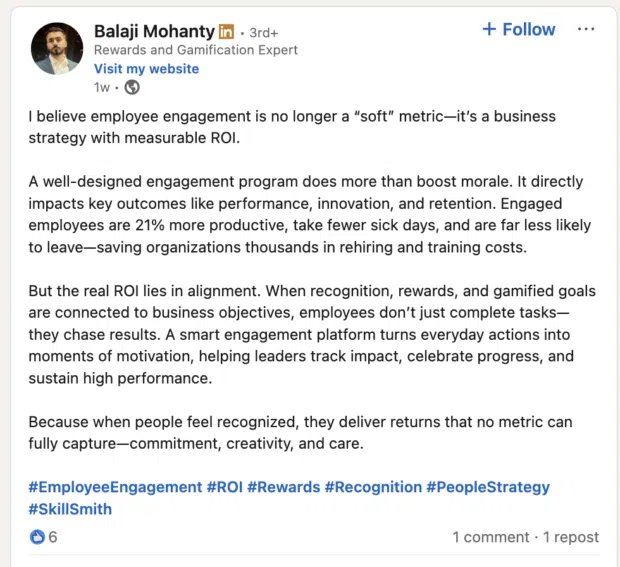
The data behind employee advocacy is compelling. According to LinkedIn, the click-through rate (CTR) on content is typically double when an employee shares it compared to when a brand shares it directly. This "trust factor" is the engine of advocacy.
The Sales Advantage
Sales professionals who are active on social media are 45% more likely to exceed their sales quotas. This statistic serves as a vital bridge between marketing and sales departments. When advocacy is tied to revenue, it ceases to be a "social media experiment" and becomes a core sales strategy.
The Financial Impact of Recruitment
Recruiting costs are among the most significant line items for any growing enterprise. Employee advocacy acts as a force multiplier for employer branding. By measuring applicant volume and the quality of hires coming through employee-shared links, HR departments can quantify the reduction in "cost-per-hire," providing a clear financial justification for program funding.
Official Perspectives: Expert Insights on Implementation
Industry experts emphasize that the most common pitfall in advocacy is forced participation. "If your employees view their work as a point of pride, and the content as a valuable way to build their personal brand, they’ll feel more naturally inclined to share," says Victoria Samways.
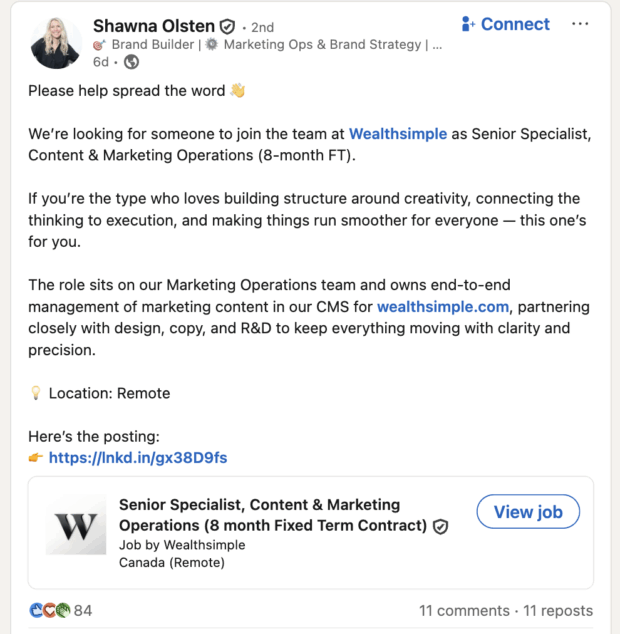
Mandating shares is rarely successful; it often leads to a "ghost town" effect where adoption is high, but engagement is nonexistent. Instead, successful organizations focus on:
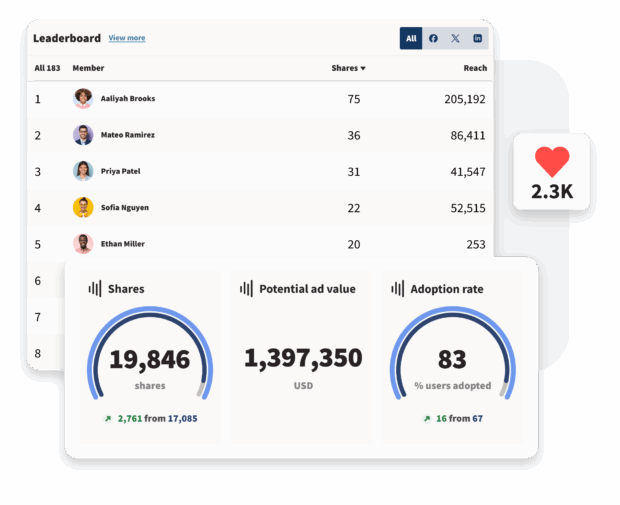
- Incentivization: Gamification via leaderboards, where employees compete for prizes or recognition for their advocacy impact.
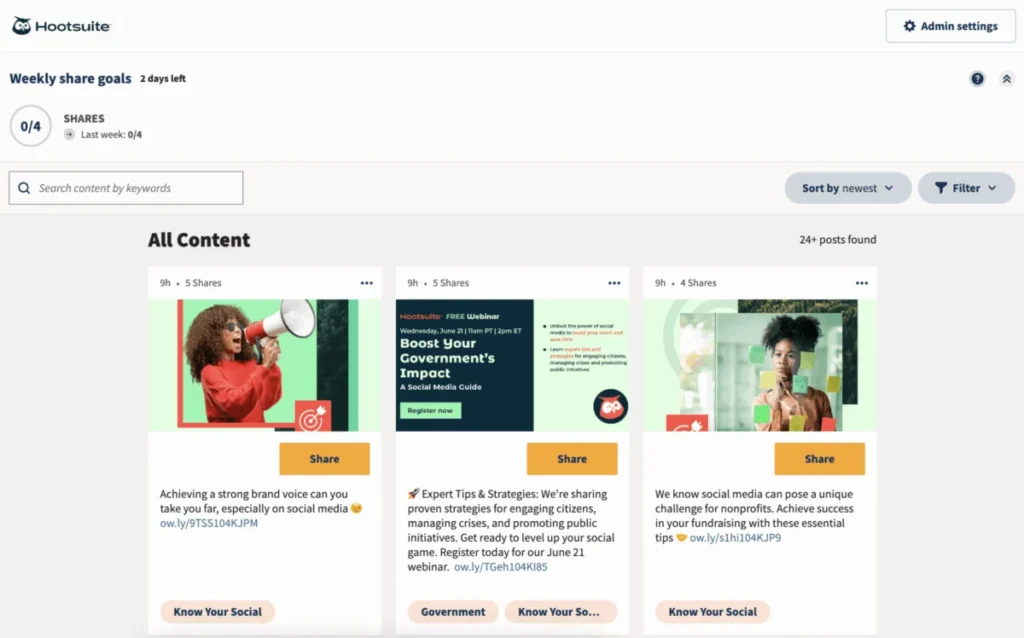
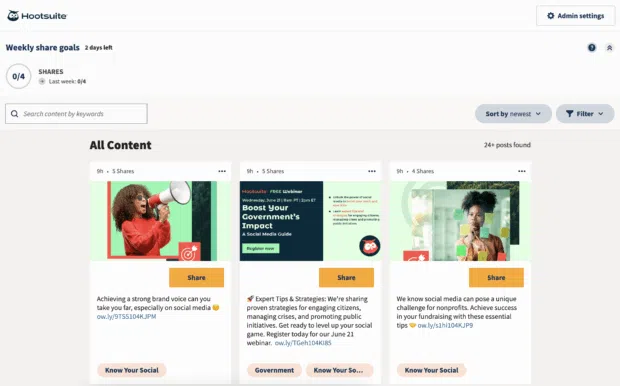
- Ease of Use: Utilizing platforms like Hootsuite Amplify to provide "one-click" sharing, which eliminates friction and ensures consistent brand messaging.
- Transparency: Sharing the "why" with employees so they understand how their contribution impacts the company’s bottom line—and their own professional reputation.
The ROI Formula: Converting Activity into Dollars
To prove the value of an advocacy program to the CFO, managers must use a rigorous ROI formula:
ROI (%) = [(Value Generated – Program Costs) ÷ Program Costs] × 100
To populate this formula, you must aggregate the value across:
- Attributed Revenue: Direct sales or leads generated via tracked links.
- Recruitment Savings: The cost saved by not using headhunters or paid job boards.
- Earned Media Value: The monetary equivalent of the organic reach gained, calculated by applying standard CPM (Cost Per Mille) rates to the impressions generated by employees.
For example, if an advocacy program generates $120,000 in revenue, $40,000 in recruiting savings, and $30,000 in earned media value—with a total cost of $20,000—the resulting ROI is a staggering 850%. This level of performance is impossible for leadership to ignore.
Implications for Future Strategy
The implications for businesses that fail to measure advocacy are severe. Without data, these programs inevitably lose the competition for budget, attention, and headcount. When an advocacy program is unmeasured, it risks three primary failures:
- Strategic Drift: Without performance feedback, content will eventually stop resonating with audiences.
- Resource Misallocation: You cannot optimize what you do not track. You may continue to invest in low-performing channels while ignoring the high-impact areas.
- Loss of Executive Buy-in: When the C-suite asks for a return on their investment and the marketing team only provides "vanity metrics," the program is likely to be cut.
Conclusion: The Path Forward
Measuring employee advocacy is not merely about tracking clicks; it is about building a culture where employees are empowered to act as the company’s most authentic voice. By leveraging the right technology—such as Hootsuite Amplify—and committing to a data-driven culture, organizations can turn their workforce into a powerful, measurable, and highly profitable marketing machine.
The transition from a "like-chasing" mindset to a "results-oriented" strategy is the defining characteristic of modern, high-growth organizations. Start by setting clear benchmarks, tracking the right KPIs, and, most importantly, ensuring that your employees see the tangible value in their own growth as they contribute to the growth of the business.
In the digital age, the most valuable social media asset isn’t a follower count—it’s an engaged, empowered employee who is proud to advocate for the brand.
