
Beyond the Database: The Definitive Guide to Choosing a CRM for Modern Agencies in 2026
"Pick a CRM and the rest will follow" is a sentiment that sounds remarkably intuitive in the boardroom—until the reality of agency life sets in. Onboarding slows down, pipelines become disorganized, and critical client communications end up siloed in fragmented tools. For the modern agency, the true cost of a poorly chosen Customer Relationship Management (CRM) platform isn’t just the monthly subscription fee; it is the silent drain on resources caused by constant context switching, inconsistent data, and sluggish handoffs between sales and delivery teams.
As we move further into 2026, the competitive landscape for digital, creative, and full-service agencies has shifted. Success no longer depends solely on creative output but on operational precision. This guide explores how to select a CRM that acts as a force multiplier for your agency, ensuring that your communication stack—specifically when paired with tools like Campaign Monitor—drives growth rather than friction.
The Strategic Role of the CRM in Agency Operations
"CRM" is often treated as an abstract concept—a digital Rolodex. However, for agencies managing multiple client rosters, the CRM must function as the central nervous system of the business. Agencies rely on these platforms to perform five high-stakes functions:
- Standardizing Client Onboarding: By capturing leads directly from intake forms, agencies can trigger automated workflows that handle access requests, asset collection, and kickoff scheduling, ensuring every new client receives a consistent first-day experience.
- Bridging Sales and Delivery: The "handoff gap" is where most agencies lose momentum. A robust CRM keeps project scopes, client expectations, and timelines centralized, preventing the need for scattered DMs or unlinked documents.
- Monitoring Capacity and Revenue: Leaders must have real-time visibility into which service lines are driving growth and which clients pose a churn risk.
- Reporting and QBRs: Quarterly Business Reviews should be automated processes, not manual labor. Top-tier CRMs allow agencies to pull pipeline and performance data into reusable, professional dashboards.
- Managing Renewals: Automation replaces the "human memory" factor. By tracking contract end dates and flagging expansion opportunities, agencies ensure that revenue is protected long before the renewal deadline.
Comparative Analysis: The Top CRMs for Agencies in 2026
When evaluating a CRM, agencies must stress-test platforms against these specific workflows rather than generic contact management. Below is an overview of the industry leaders for the current year.
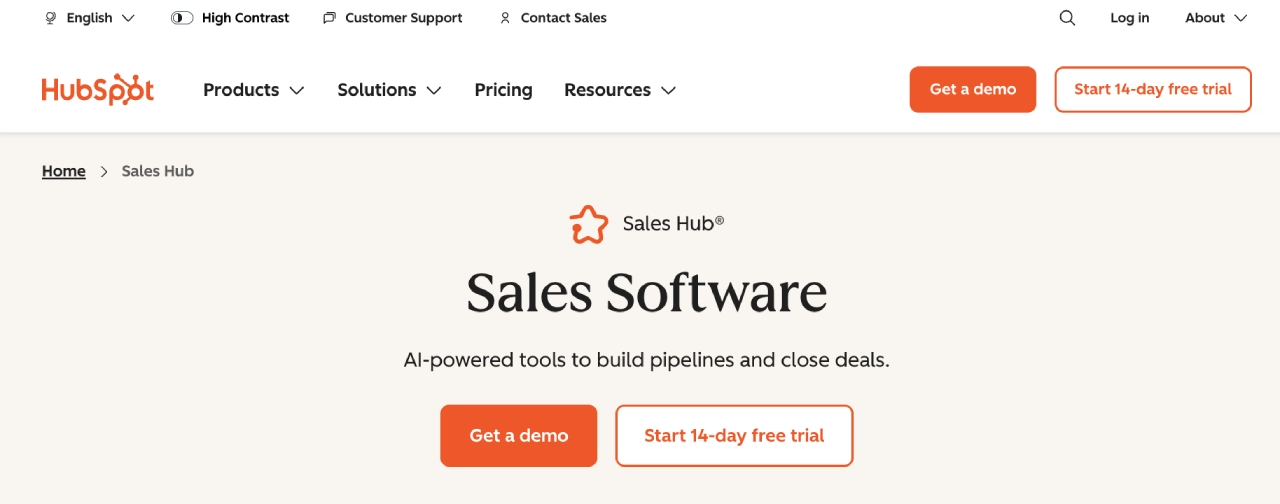
1. HubSpot Sales Hub: Best for Scaling Multi-Service Agencies
HubSpot remains the gold standard for agencies needing an all-in-one ecosystem. It balances enterprise-grade depth with a user interface that doesn’t require a dedicated team of engineers to navigate. Its strength lies in its "full-funnel" capabilities, including native email, sequences, and advanced reporting.
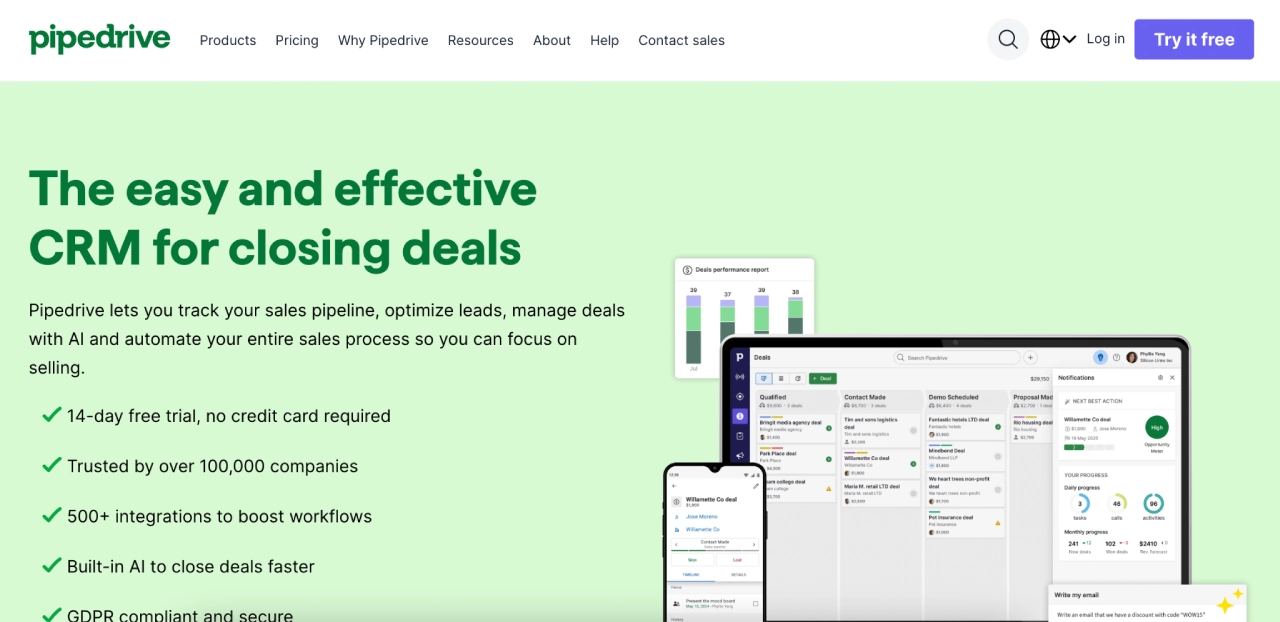
2. Pipedrive: Best for Sales-Centric Teams
For agencies that prioritize high-volume sales outreach, Pipedrive is unmatched in simplicity. Its visual pipeline interface allows SDRs and BDRs to track deals with minimal friction, making it an excellent choice for teams that want to focus on execution rather than complex configuration.
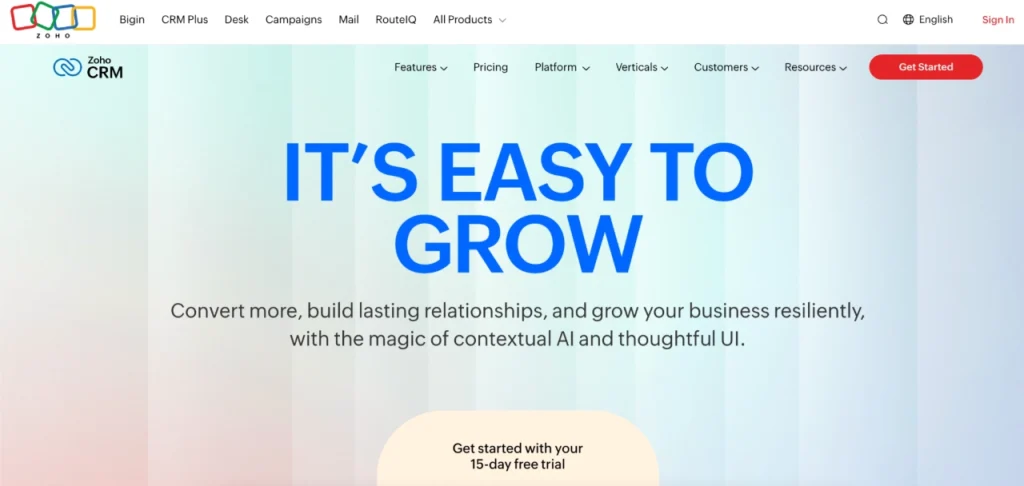
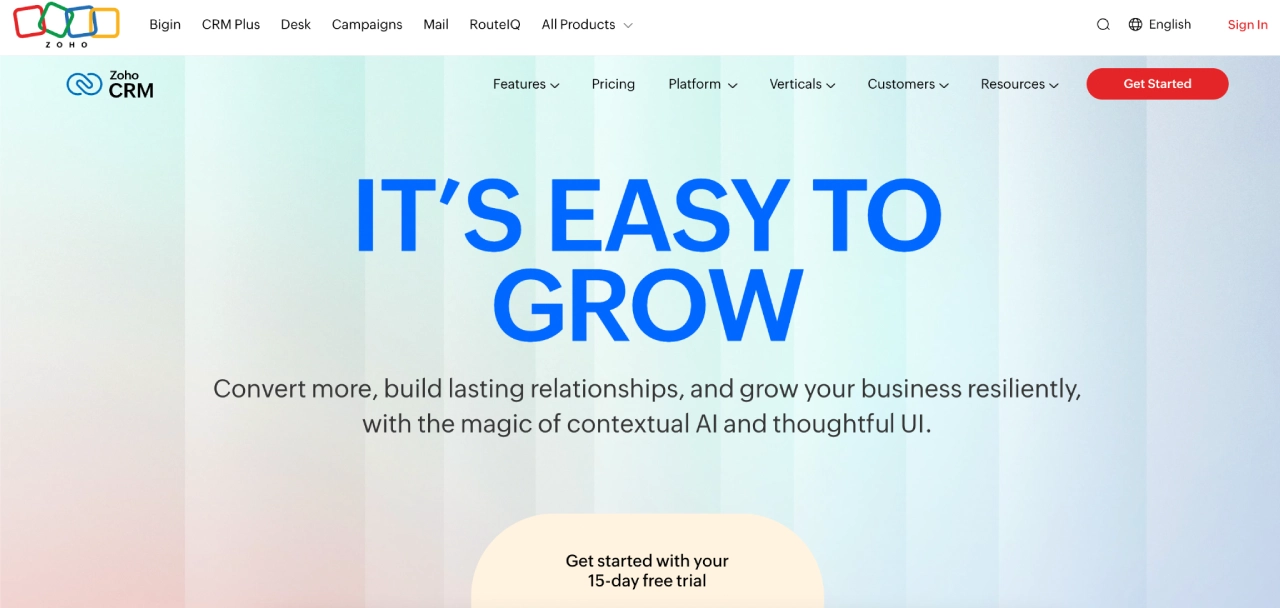
3. Zoho CRM: Best Value and Customization
Zoho offers a "no-compromise" approach. It provides a robust suite of tools—including their AI assistant, Zia—at a price point that is often more accessible than its enterprise competitors. For agencies that need to build custom modules to track unique service offerings, Zoho is highly flexible.
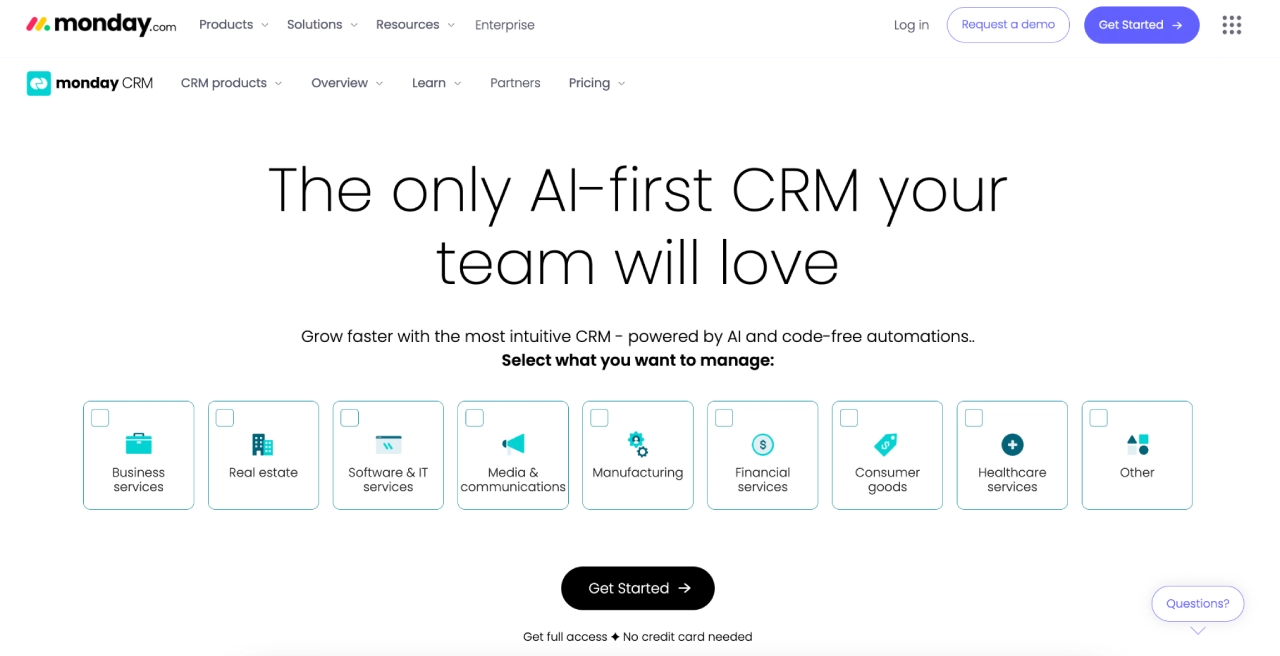
4. monday sales CRM: The "Work + CRM" Hybrid
Built on the monday.com Work OS, this platform is perfect for agencies where the lines between sales and project management are blurred. It allows for seamless cross-functional collaboration, where account managers and delivery teams can view the same board without needing to jump between platforms.
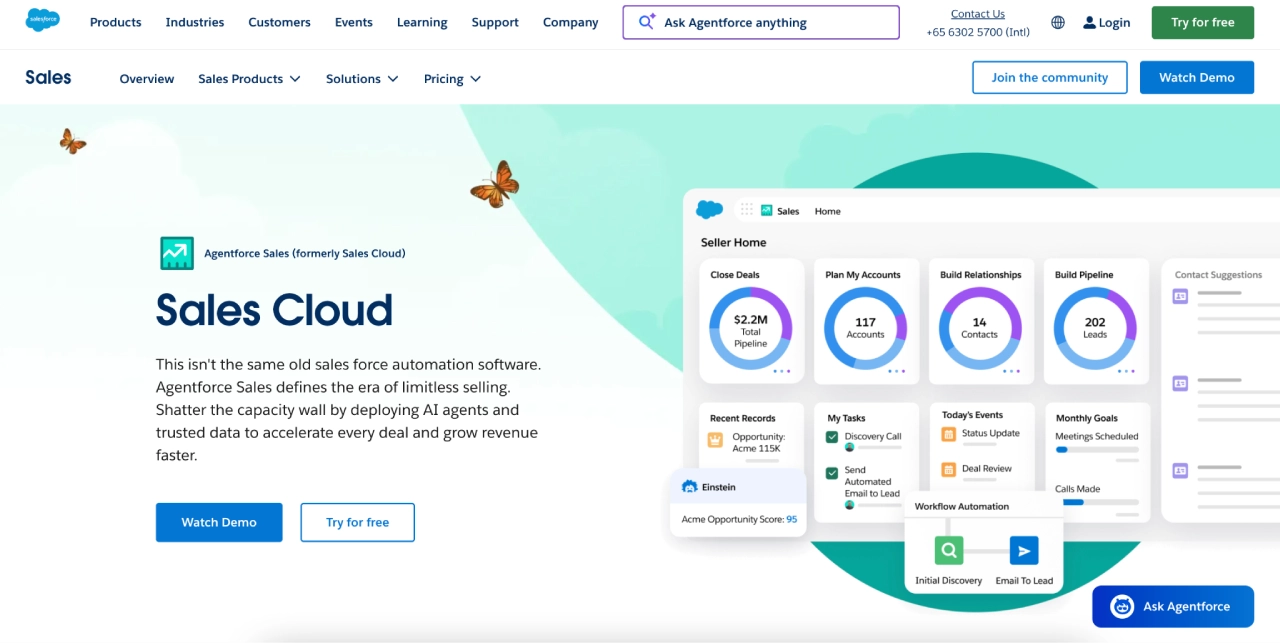
5. Salesforce Sales Cloud: The Enterprise Powerhouse
For large-scale agencies with complex governance needs, multi-layer approvals, and unique security requirements, Salesforce is the definitive choice. While the total cost of ownership is higher, the ability to build custom objects and automate intricate workflows makes it the standard for enterprise-level operations.
Supporting Data: The Impact of Integrated Stacks
The efficiency of an agency is often dictated by its ability to integrate its CRM with its marketing communication tools. A case study of the National Organization for Rare Disorders (NORD) illustrates this perfectly. By integrating their email marketing with a robust CRM, NORD achieved a 51% open rate on event recaps and maintained a 3x higher open rate than the industry average.
When the CRM acts as the "source of truth" for client stages and the communication platform (such as Campaign Monitor) handles the execution of journeys and templates, the result is a seamless, professional client experience that scales without adding administrative overhead.
The 4C Evaluation Model: A Framework for Decision Makers
To prevent "demo bias"—where a tool looks great in a 30-minute sales pitch but fails in practice—agencies should use the 4C model to score potential platforms:
- Clarity: How easily can your team understand the status of a project? Does the dashboard provide an immediate, accurate snapshot of the business?
- Collaboration: Does the tool foster communication between the sales, accounts, and delivery teams, or does it isolate them?
- Customization: Can the CRM be adapted to your specific service lines, or are you being forced to change your workflow to fit the software?
- Connectivity: Does the platform integrate cleanly with your existing tech stack (billing, project management, marketing automation), or will it require constant manual data entry?
Pro-Tip: Aim for a score of 16+ on this model. If a CRM scores below 12, it is likely to become an operational burden rather than an asset.
Red Flags: When to Avoid a CRM
Agencies should remain wary of platforms that exhibit these warning signs:

- Lack of Granular Permissions: If you cannot restrict what a contractor or client can see, you face significant security and data-integrity risks.
- Weak Integrations: If the CRM relies on manual CSV exports or unstable "zap" connections, your team will inevitably suffer from data drift.
- Volume Caps: Many CRMs look affordable until you hit their contact or email sending limits, triggering forced upgrades that destroy your ROI.
- "All-in-One" Bloat: If a suite includes modules for support, billing, and web hosting that your team won’t actually use, the added complexity will only slow down your adoption rate.
Implications: The Future of Agency Operations
The decision to migrate or adopt a new CRM is not just a technological upgrade; it is a cultural commitment to professionalization. As agencies look toward the end of 2026, the winners will be those who reduce "operational drag."
By implementing a "Gold Standard" pipeline template and automating the flow of data between your CRM and communication tools, you ensure that every client—from the first touchpoint to the annual renewal—receives a consistent, high-value experience.
Final Recommendation: Before switching, audit your current processes. If your problems are rooted in poor communication and lack of standardized procedures, no software—no matter how expensive—will fix them. However, if your processes are solid and your current tool is creating a bottleneck, the move to a more capable, integrated CRM will pay for itself in saved time, increased transparency, and improved client retention.
Choose a tool that scales with your growth, and pair it with a communication engine that turns your data into actionable, brand-consistent results. The goal is not just to manage contacts, but to build a predictable, scalable engine for agency success.
