
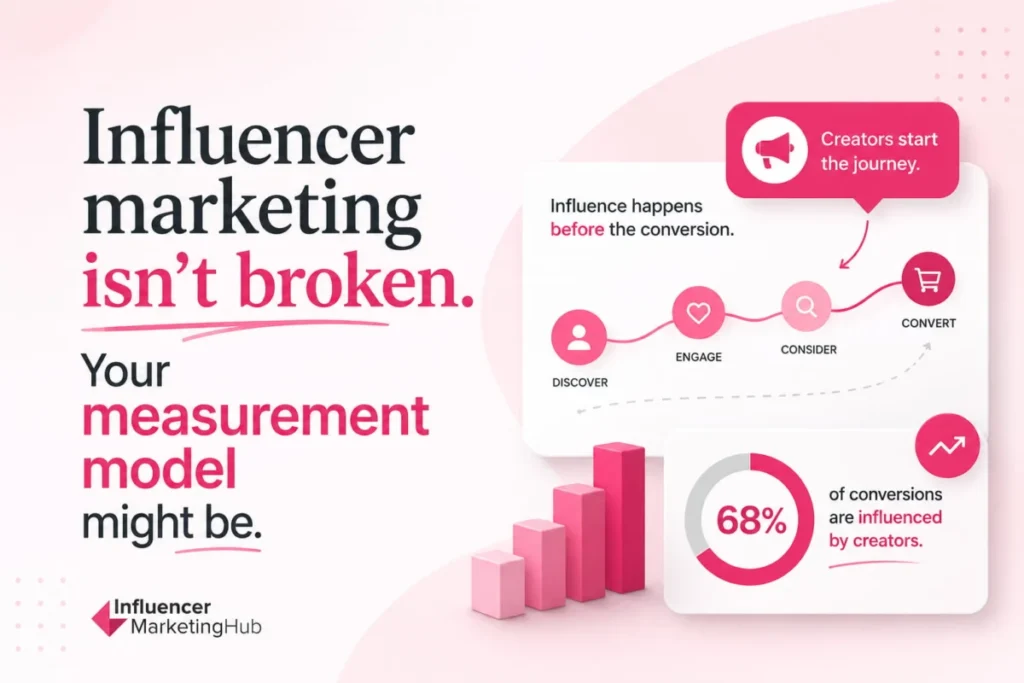
Beyond the Click: Why Modern Influencer Marketing Demands a New Measurement Paradigm
For years, the marketing boardroom has been haunted by a single, repetitive question: "Is this influencer campaign driving ROI?" It is an understandable reflex—a quest for fiscal accountability in an increasingly digital landscape. However, according to industry experts, it is also the fundamental error that is quietly sabotaging the potential of influencer programs worldwide.
The true challenge facing modern brands isn’t whether influencer marketing "works." The channel has matured significantly, bolstered by sophisticated creator discovery tools, robust affiliate infrastructure, and seamless content workflows. Instead, the crisis lies in the fact that brands are measuring these programs using outdated models that fail to reflect how modern consumers actually shop and how influence, by its very nature, compounds over time.
The Mirage of Instant Readiness
Launching an influencer campaign has never been simpler. In a matter of days, a brand can identify partners, activate content at scale, and deploy tracking links. This ease of entry, however, has created a dangerous "false sense of readiness." While the operational machinery of influencer marketing has evolved, the strategic measurement framework has remained stagnant.
Programs are often stood up with haste, expectations are set based on unrealistic timelines, and the resulting gap—the space between execution and tangible revenue—is where most programs collapse. When these initiatives fail to deliver immediate, bottom-line results, the channel itself is often unfairly scapegoated.
The reality is far more nuanced. The breakdown occurs at the intersection of expectation, timing, and evaluation. Stakeholders frequently demand that nascent programs deliver results only achievable by mature, long-term initiatives. When those results fail to manifest, the reflexive response is to overhaul the program, pivot the KPI strategy, or slash budgets. This cycle of "acceleration and reset" prevents the program from ever reaching maturity, flushing out institutional knowledge and breaking relationships with creators before they have the chance to pay dividends.
The Last-Click Problem: A Flawed Lens
The consumer journey is rarely a straight line. A shopper might discover a new skincare product via a TikTok creator, perform a Google search to read reviews later that week, see a retargeted display ad, and finally convert through an affiliate link.
In traditional "last-click" attribution models, the creator who initiated the spark gets zero credit. The brand sees a conversion from an affiliate link or a direct search and assumes those channels are the "winners," ignoring the upstream influence that made the purchase possible. Judging a campaign purely on immediate conversion is akin to reviewing a film by looking at only the final frame. You are evaluating the outcome while ignoring the narrative that created it.
Data suggests that the average consumer interacts with six to eight touchpoints before committing to a purchase—a number that climbs even higher in fashion, beauty, and consumer tech. By ignoring the role of the creator in the discovery and consideration phases, brands aren’t just miscalculating ROI; they are effectively breaking the customer journey. Without that initial contact, the retargeted ad has no audience, the branded search never occurs, and the affiliate link remains unclicked.
Reframing the Strategy: From Sales to Role
To correct this, brands must shift the fundamental question they ask of their influencer programs. Instead of asking, "Did this creator drive sales?", they must ask, "What role did this content play in the customer journey?"
By segmenting creators by their function within the funnel, brands can create a more accurate measurement dashboard:
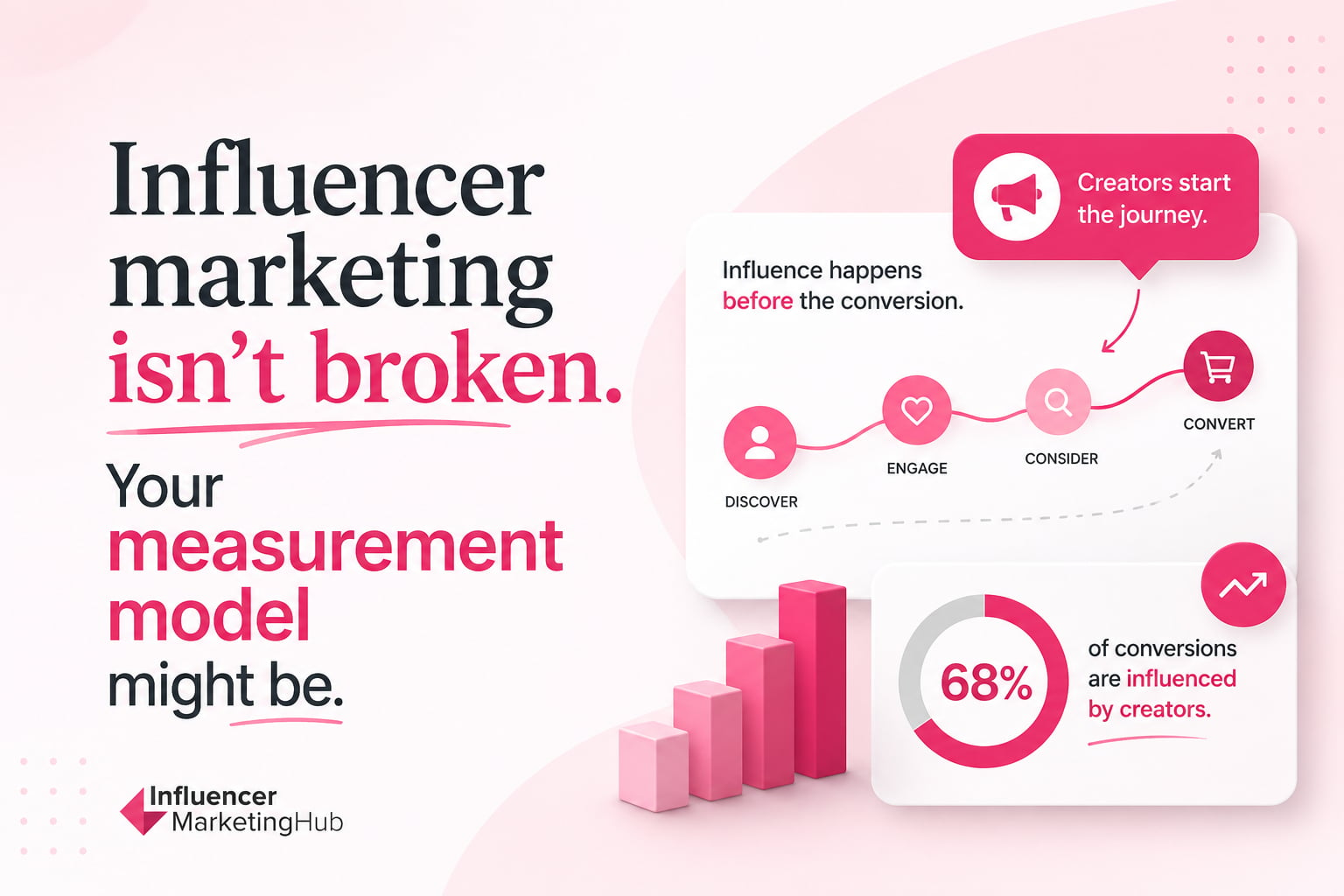
- Upper-Funnel Creators: Evaluated on share of voice, audience growth, and organic brand mentions. Their goal is emotional resonance and awareness.
- Mid-Funnel Creators: Evaluated on engagement rates, site traffic, and click-through behavior. Their goal is consideration and education.
- Bottom-Funnel Creators: Evaluated on conversion rates and ROAS. Their goal is closing the transaction.
When a measurement framework aligns with these specific functions, optimization becomes cleaner, ROI becomes less volatile, and high-level creators are no longer unfairly penalized for failing to do a bottom-of-funnel job.
Understanding the Creator Performance Lifecycle
A major structural error is treating all influencer partnerships as a monolith. In reality, these programs follow a distinct lifecycle.
- The Foundation Phase: Initial activations where the primary goal is establishing brand presence and gathering data. Performance metrics are often erratic as the brand identifies which creator audiences align with their product.
- The Calibration Phase: The brand begins to refine the partner list, optimizing based on early performance signals and iterative learning. The data starts to reveal consistent trends.
- The Maturity Phase: The program is optimized for scale. Here, the compounding effect of consistent influencer presence creates an "always-on" halo effect that drives down customer acquisition costs (CAC) across other channels.
Evaluating a program against "Phase Three" standards while it is still in "Phase One" is a diagnostic failure that yields no useful intelligence.
Beyond the Dashboard: The Ecosystem Signal
Influencer impact rarely resides solely within a single report. Savvy marketers must look for "cross-channel signals" that suggest a program is working:
- Spikes in Branded Search: A surge in organic search volume immediately following an influencer campaign is a primary indicator of successful brand awareness.
- Improved Paid Media Efficiency: When retargeting pools become warmer and more responsive, it is often a sign that creator-driven top-of-funnel awareness is effectively pre-conditioning the audience.
- Affiliate Sustainability: Consistent affiliate performance often indicates that the "seed" planted by an influencer is taking root, leading to conversions long after the initial post has vanished from the feed.
Integrating Affiliate Infrastructure
Affiliate marketing should not be viewed merely as a transactional tool for discount codes. When integrated thoughtfully, it becomes the glue that binds the customer journey together.
Most creator reporting stops the moment a user leaves a platform. Advanced affiliate tracking, however, captures the full arc—tracking the user even if they bounce, return days later, and eventually purchase. This "full-journey" data allows marketers to move away from last-click models and toward an attribution system that honors the entire path to purchase.
Identifying Real Underperformance
It is vital to distinguish between a failed strategy and a failed partner. Before cutting ties, brands should separate output metrics from outcome metrics.
- Output Metrics: Things within the creator’s control, such as content quality, posting cadence, and audience engagement.
- Outcome Metrics: Things influenced by the brand, such as landing page conversion, pricing, and competitive offer strength.
If a creator is delivering excellent engagement (output) but poor conversion (outcome), the problem is likely the brand’s landing page or offer, not the creator. Conversely, if output is consistently low, there is likely a fundamental misalignment between the creator’s audience and the brand’s value proposition. In these instances, a direct conversation with the creator often provides more insight than a thousand data points on a spreadsheet.
Conclusion: A Shift in Perspective
Influencer marketing effectiveness is not a static snapshot; it is a trajectory. The brands that struggle most with influencer ROI are those attempting to force a compounding system to behave like a direct-response channel.
When programs are granted the time, structural support, and nuanced measurement frameworks they require, the channel ceases to be a volatile experiment. It becomes a compounding engine that amplifies every other marketing effort. Influencer marketing was never the problem—our narrow, outdated approach to measuring it has been. By looking beyond the last click, brands can finally unlock the true, long-term potential of the creator economy.
