
Agentic Lovemarks: Reimagining Brand Equity in the Age of Intelligent Systems
For decades, the marketing industry has operated under a well-established set of rules. At the center of this paradigm was the concept of the "Lovemark"—a term popularized by Kevin Roberts at Saatchi & Saatchi to describe brands that transcend mere functional utility to earn deep, emotional, and often irrational loyalty from consumers. However, as artificial intelligence shifts from a creative tool to a decision-making agent, the very foundations of brand building are being forced to evolve.
The publication of Thomas Marzano’s new manifesto, Brand Constitutions: The Legible-Lovable Standard for Building Equity in an Agentic Economy, marks a critical turning point. It suggests that in an era where intelligent agents mediate discovery, consideration, and purchase, brands must now master a dual mandate: they must be deeply lovable to humans and structurally legible to machines.
The Evolution of the Lovemarks Philosophy
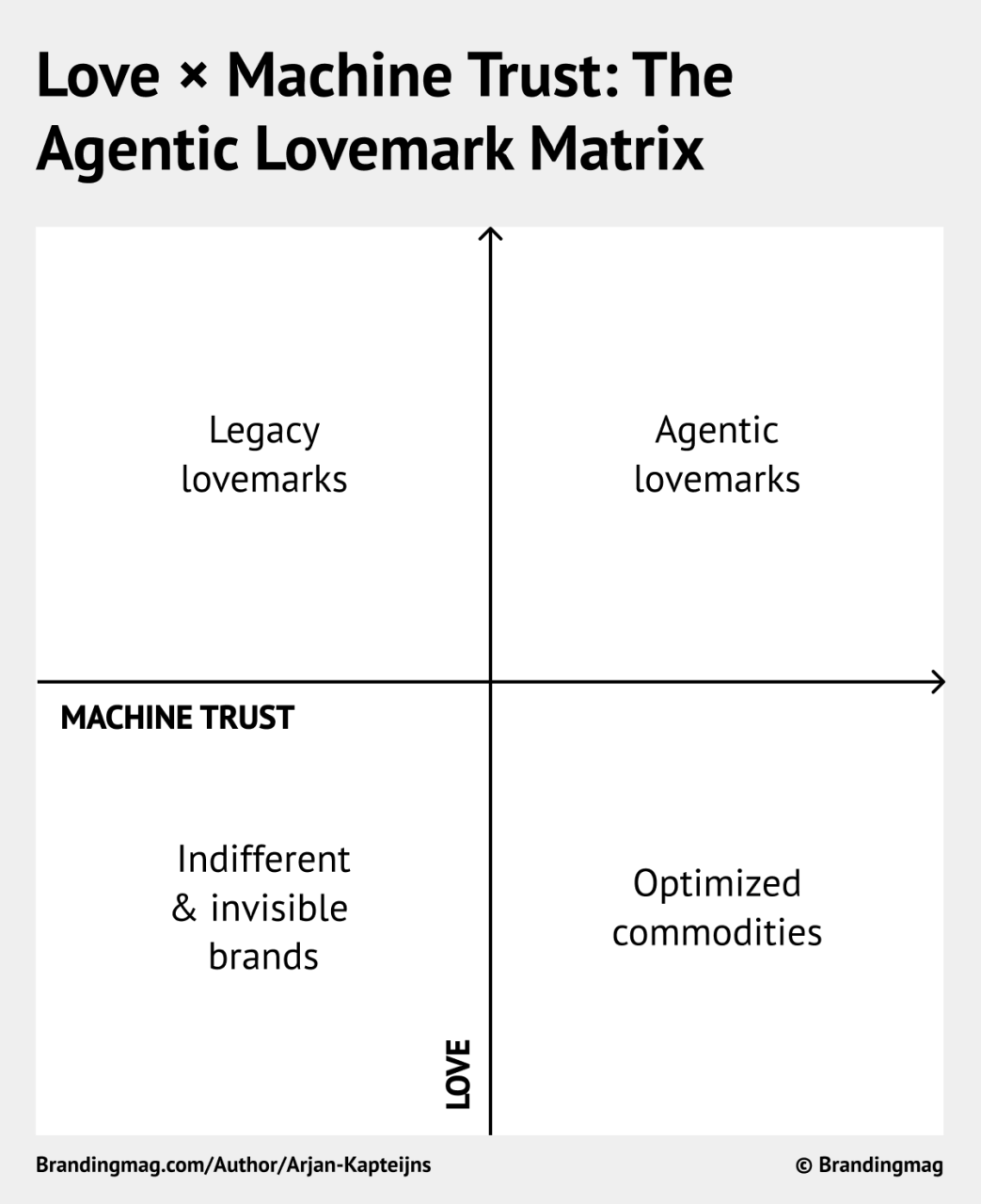
To understand the "Agentic Lovemark," one must first revisit the original Lovemarks framework. In a human-centric market, the logic was straightforward: brands competed for space in the human mind and heart. The "Love-Respect Axis" posited that brands earned power by combining high respect (performance, reliability, and consistency) with high love (emotional resonance, myth, and intimacy).
In the past, this was sufficient because humans made their own choices. A shopper would walk down a grocery aisle or browse a website, weighing their personal affinity for a brand against its functional track record. Today, that decision journey is being "compressed" by intelligent agents—AI-driven systems that filter, rank, and, in many cases, execute purchases on behalf of the consumer.
The Shift from Respect to Machine Trust
In this new, agentic environment, the concept of "respect" is undergoing a metamorphosis. While human respect is built on performance and reputation, "machine trust" is built on data, provenance, and structural clarity.
Intelligent systems do not "feel" respect; they evaluate it. They look for pattern recognition, metadata integrity, and behavioral consistency. As Marzano argues, a brand might be universally adored by humans, but if its architecture is opaque or inconsistent, it risks becoming invisible to the very systems that govern discovery. Consequently, "legibility" has become the new requirement for market entry. A brand must be as coherent in its metadata as it is in its storytelling.
Chronology of the Agentic Shift
The transition toward agentic commerce has accelerated rapidly, moving through three distinct phases:
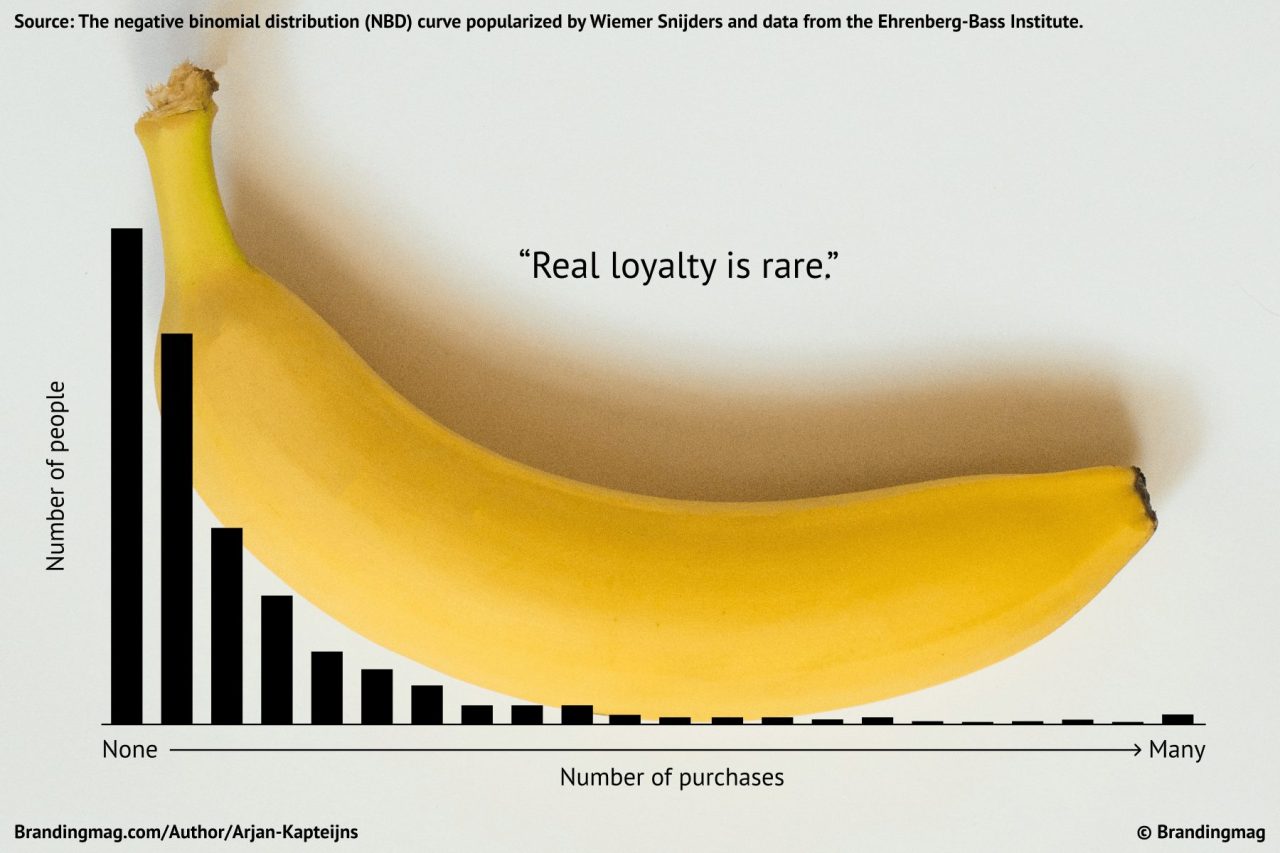
- The Era of Human-Direct Choice (1990s–2010s): The heyday of traditional branding. Companies relied on massive media spend and emotional storytelling to build brand equity. The "Banana Principle" of Ehrenberg-Bass held sway, suggesting that loyalty was largely a function of physical and mental availability.
- The Digital Transition (2010s–2023): The rise of search engines and social media algorithms began to prioritize engagement metrics. Brands learned to optimize for SEO and PPC, but human choice remained the primary filter.
- The Agentic Age (2024–Present): With the integration of Generative AI into daily consumer habits, the funnel is collapsing. Agents are beginning to act as autonomous proxies. They do not just show options; they curate them, often excluding brands that fail to meet specific, system-defined trust criteria.
Supporting Data: Why Emotional Distinction is a Competitive Necessity
McKinsey & Company’s research into agentic commerce highlights a stark reality: as AI commoditizes functional content, the value of emotional distinction increases rather than decreases. When an AI agent performs the "heavy lifting" of comparing prices and features, the human consumer is left with fewer decisions to make.
However, when an agent’s recommendation clashes with a user’s long-standing emotional preference—such as a user overriding an AI’s recommendation for a generic laptop in favor of their preferred Apple product—that "irrational" bond becomes more valuable than ever.
Data shows that in an agentic world, the "Banana Principle"—which suggests that most buyers are light, fickle, and prone to switching—may actually be reversed. As agents stabilize preferences and remove the "noise" of random switching, loyalty becomes more consistent. We are moving toward a reality where a brand’s emotional resonance acts as a "hard override" for machine-driven suggestions.
Official Perspectives and Expert Analysis
Thomas Marzano’s Brand Constitution serves as a blueprint for this transition. By defining a brand’s "organizing idea"—a guiding principle that aligns strategy, culture, and behavioral patterns—companies can bridge the gap between human sentiment and machine interpretation.
"The organizing idea must now operate in a dual environment," Marzano notes. "It must inspire people while also being interpretable by systems."
In contrast, the creative community has expressed a valid, visceral fear regarding this shift. Dutch creative legend Aad Kuijper has warned against the "smoothing out" of brands. He argues that the human "soul"—the imperfections, the risks, and the lived experiences of creators—is what truly generates loyalty. There is a concern that if brands optimize too heavily for machine legibility, they will lose the "crooked lines" that make them human.
The consensus emerging from industry leaders is clear: AI should not create the emotion; it should reveal it. AI is the engine, but the creative practitioner must remain the driver.
Implications for Modern Brand Strategy
The emergence of the "Agentic Lovemark" creates a new strategic roadmap for CMOs and brand managers. To thrive, brands must focus on the following pillars:
1. Codifying the Brand Constitution
Brands must move beyond loose style guides to "Constitutions." This involves formalizing the brand’s myth, purpose, and behavioral signatures into a structured format that can be ingested by AI. This is not about bureaucracy; it is about ensuring that the brand’s DNA is consistently reflected in every digital touchpoint.
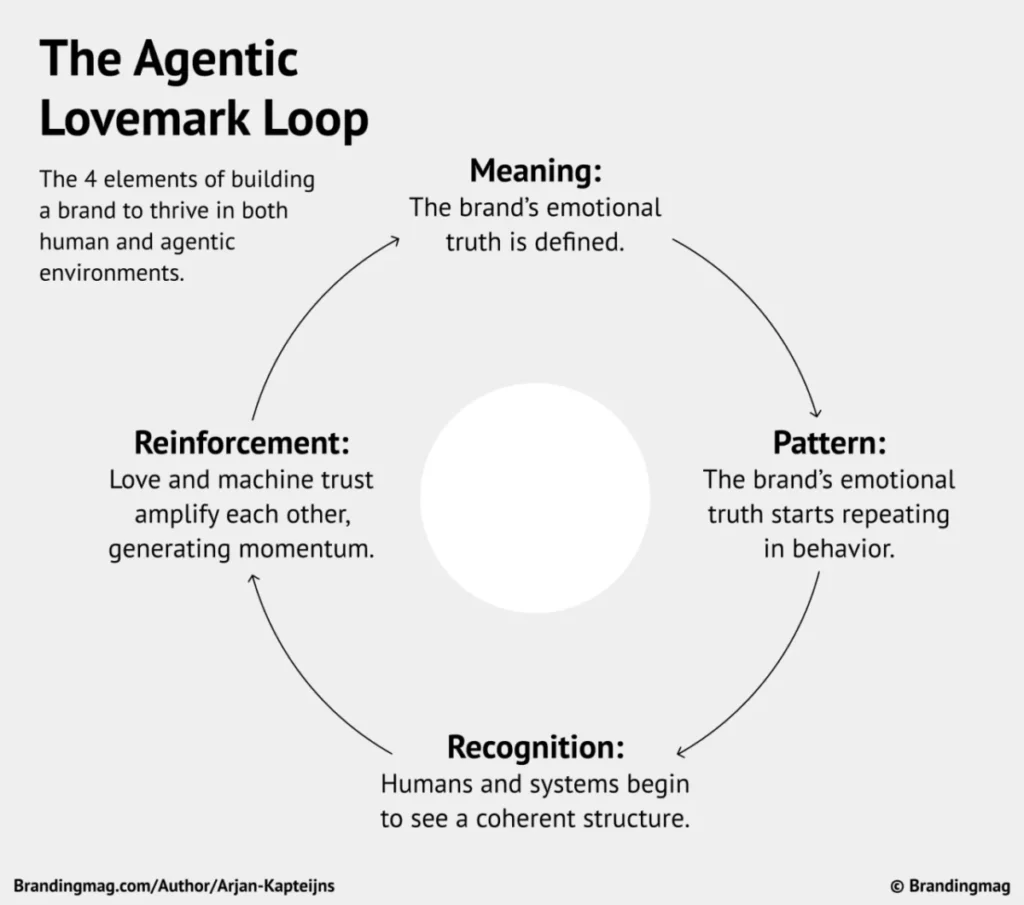
2. The Agentic Lovemark Loop
The most successful brands will establish a self-reinforcing flywheel:
- Meaning: An emotional territory that resonates with humans.
- Pattern: Consistent behaviors that make that meaning observable to machines.
- Recognition: Systems identify these stable patterns and prioritize the brand in shortlists.
- Reinforcement: Increased visibility leads to more human interaction, which deepens the emotional bond and further strengthens the behavioral signals.
3. Reconciling Human and Machine Logic
The ultimate challenge is to ensure that machine trust does not replace human love, but rather protects it. When a brand is highly legible, it ensures that the "right" brand—the one that truly matters to the consumer—is always included in the agent’s consideration set.
Conclusion: A Soul and a System
The rise of intelligent agents does not signal the death of the Lovemark. Rather, it demands an evolution. We are entering an era where the most enduring brands will be those that possess both a soul and a system.
The "Agentic Lovemark" is defined not by what it says about itself, but by the traces of love it leaves behind in behavior, data, and service rituals. As consumers delegate more of their lives to intelligent systems, they will naturally gravitate toward brands that are "legible enough to be found" and "lovable enough to be chosen."
For the next generation of marketers, the mandate is clear: build with a human heart, but architect with a machine mind. The brands that master this synthesis will not just survive the agentic transition; they will define it.
