
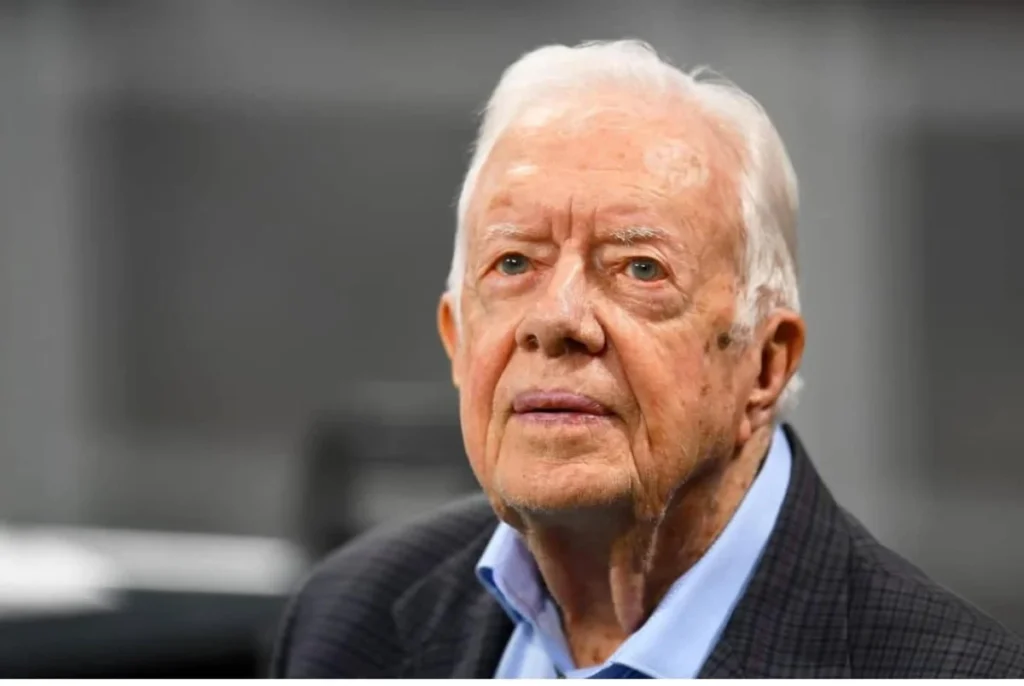
A Legacy of Grace: Reflecting on the Life and Impact of President Jimmy Carter
The passing of Jimmy Carter, the 39th President of the United States, marks the end of an era defined by unwavering moral conviction, a devotion to humanitarian service, and an indelible commitment to the democratic ideals of the American experiment. As the nation mourns, we are reminded not just of the geopolitical complexities of his single term in the Oval Office, but of the man who redefined the post-presidency, transforming it into a vehicle for global diplomacy and tireless philanthropy.
The Man Behind the Office: A Personal Reflection
To understand the character of Jimmy Carter, one must look beyond the legislative scorecards and foreign policy crises. It is often in the quiet, unscripted moments—the intersections between a public servant and a private citizen—where the true measure of a man is found.
In early 1988, a poignant encounter took place that highlights the humility for which Carter was renowned. An attendee at a speaking engagement, queued to ask a question, found themselves at the microphone not with a policy challenge, but with a message of gratitude. When the individual confessed, "I really do not have a question," the former President’s response was immediate and disarming: "I like those kind of questions."
This exchange served as a preface to a heartfelt acknowledgment of Carter’s post-presidential dedication to Habitat for Humanity. Rather than pivoting to political defense or partisan rhetoric, Carter spent the next several minutes discussing the transformative power of community service. As he departed the stage, he paused to offer a wink and a silent "thank you" to the speaker—a gesture of genuine human connection that defined his approach to those he served. This was not a politician performing; it was a man of grace, consistent in his private life as he was in his public endeavors.
Chronology: A Life of Service
James Earl Carter Jr. was born on October 1, 1924, in Plains, Georgia. His trajectory from a peanut farmer and naval officer to the highest office in the land was marked by a relentless curiosity and a deep-seated faith.
- 1946–1953: Carter serves in the U.S. Navy, gaining expertise in nuclear submarines—a technical background that would later influence his focus on energy policy.
- 1971–1975: Serving as the 76th Governor of Georgia, Carter gains national attention for his efforts to dismantle the remnants of segregation and modernize state government.
- 1977–1981: The Carter Presidency. His tenure was defined by the Camp David Accords, the establishment of the Department of Energy, and the Iran Hostage Crisis.
- 1982: Establishment of The Carter Center, a non-profit organization dedicated to advancing human rights and alleviating human suffering.
- 2002: Carter receives the Nobel Peace Prize for his decades of "untiring effort to find peaceful solutions to international conflicts, to advance democracy and human rights, and to promote economic and social development."
- 2025: The passing of a statesman who, for over four decades, remained the global standard for the "post-presidency."
Supporting Data: The Impact of the Carter Center
The legacy of Jimmy Carter is best quantified by the data generated through his post-presidential work. The Carter Center, founded in partnership with his wife, Rosalynn, has fundamentally altered global public health and democratic governance.

Global Public Health Initiatives
Under Carter’s leadership, the Center spearheaded the fight against neglected tropical diseases. The Guinea worm eradication campaign is perhaps the most significant achievement. In 1986, there were an estimated 3.5 million cases of Guinea worm disease in 21 countries across Africa and Asia. Through rigorous education, water filtration systems, and community health interventions, the Center has brought that number to near-zero, representing one of the greatest public health victories in history.
Democratic Oversight
The Carter Center has monitored over 100 elections in 39 countries, providing independent verification of democratic processes in volatile regions. This work has bolstered the legitimacy of nascent democracies and provided a shield against electoral fraud in nations transitioning from authoritarian regimes.
Official Responses and Global Tributes
The outpouring of grief following the news of President Carter’s passing reflects the universal respect he commanded across the political spectrum.
"Jimmy Carter was a man of integrity," said a spokesperson for the current administration. "He approached the presidency not as a prize to be won, but as a responsibility to be stewarded. His life remains a blueprint for how to use the platform of a former leader to lift the vulnerable."
International leaders have echoed these sentiments. The Nobel Committee released a statement noting, "Jimmy Carter did not retire; he evolved. He transformed the concept of the former president from a ceremonial role into an active force for global peace."
Implications: The Standard for the Post-Presidency
Before Jimmy Carter, the post-presidency was often viewed as a period of quiet retirement or an attempt to monetize one’s influence. Carter shattered this mold. By dedicating his post-White House years to human rights, disease eradication, and fair elections, he turned his life into a perpetual public service.
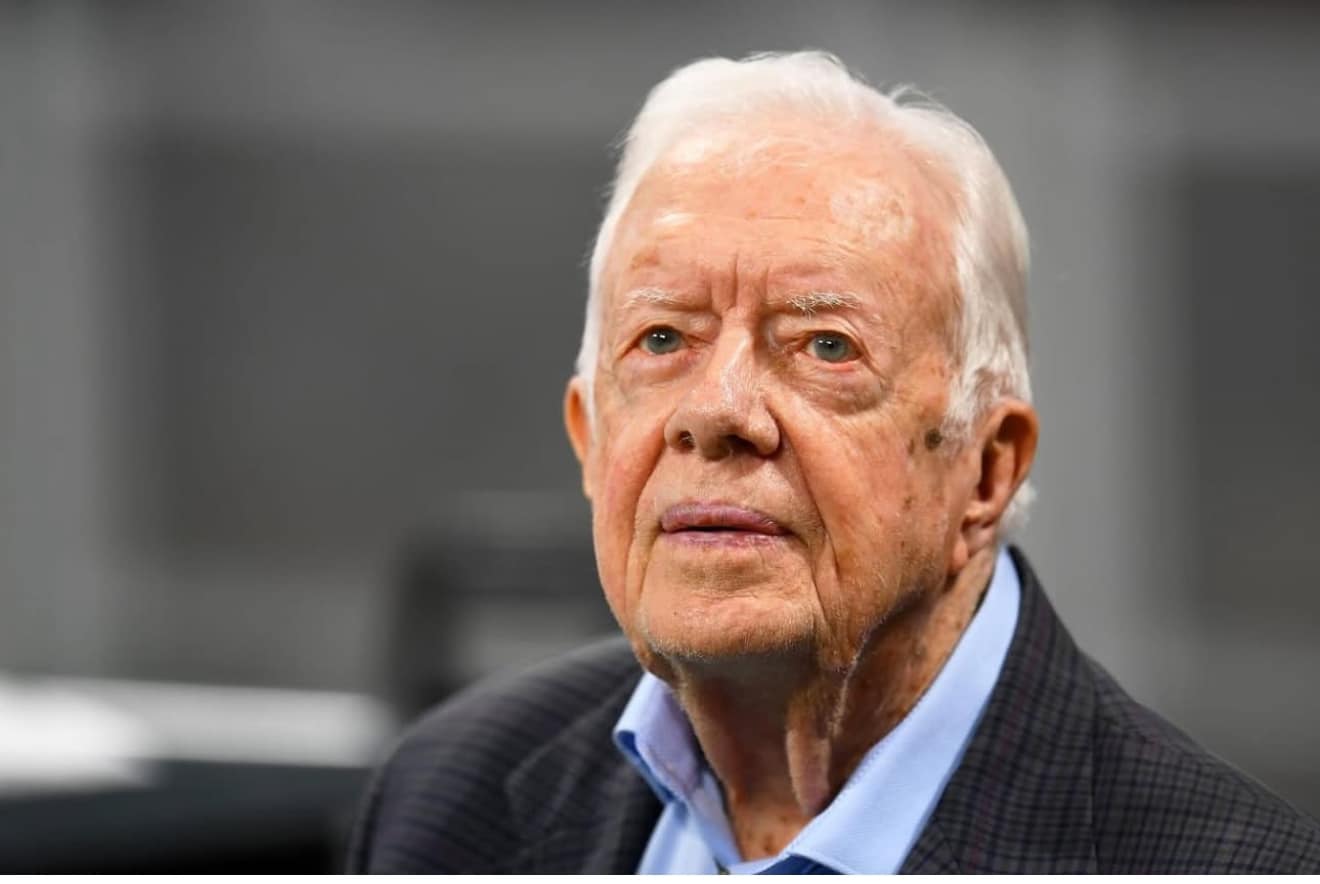
The "Carter Model"
Future presidents now look to the "Carter Model" as the gold standard for how to remain relevant and effective after leaving office. The implication of his life is clear: power does not terminate when the term expires; it simply changes form. The moral weight of the office can be leveraged long after the keys to the Oval Office are handed over.
Domestic Challenges and Lessons
While history continues to debate the efficacy of his specific policy decisions in the late 1970s—specifically concerning inflation and energy—the consensus on his moral character remains ironclad. In an era often characterized by political polarization, Carter’s insistence on "grace, kindness, and love of country" serves as a necessary corrective. He demonstrated that one could remain principled without being inflammatory and that one could be a partisan leader while maintaining a universal humanitarian reach.
Conclusion: Remembering a Statesman
As the flag is lowered to half-staff, the nation does more than mourn a former leader; it commemorates a life that served as a moral compass for the American people. Jimmy Carter’s journey—from the rural landscapes of Georgia to the global stage of international diplomacy—reminds us that the true strength of a democracy lies not in its military or economic output alone, but in the character of its leadership.
His legacy is not found in the marble halls of Washington, but in the homes built by Habitat for Humanity, the villages freed from the scourge of disease, and the polling stations where fair elections are held because of his vigilance.
Mr. President, thank you. Your grace, your dedication, and your unwavering commitment to the dignity of all people will be deeply missed. You have left the world better than you found it, and that is the highest honor any citizen can achieve. Rest in peace.
