
Unlocking Brand Success: The Strategic Imperative of Customer Insights and Analytics
Main Facts:
In today’s hyper-competitive marketplace, the question of why some brands consistently resonate with customers while others falter is paramount. The answer lies not in chance, but in the sophisticated application of customer insights and analytics. These disciplines are the bedrock upon which successful businesses build exceptional customer experiences and execute strategic, profit-driven decisions. By meticulously analyzing market trends, systematically gathering robust data, and actively listening to customer feedback, companies gain an unparalleled understanding of their audience’s needs, desires, and pain points. This deep comprehension allows them to anticipate market shifts, innovate products and services, and cultivate enduring customer loyalty. The era of guesswork is over; data-driven customer understanding is the new gold standard for sustained growth and competitive advantage.
Defining the Pillars: Customer Insights vs. Customer Analytics

While often used interchangeably, customer insights and customer analytics represent distinct yet interdependent facets of a unified strategy.
What Are Customer Insights?
Customer insights represent the profound understanding derived from the analysis and interpretation of customer data. They go beyond mere statistics, seeking to uncover the "why" behind customer behaviors, motivations, and preferences. These insights are the actionable intelligence that informs business decisions, from product development and marketing strategies to customer service protocols and overall brand positioning. Gathering these insights involves a holistic approach, encompassing the identification of macro and micro trends, the collection of both quantitative (measurable data) and qualitative (descriptive data) information, and a thorough analysis of customer feedback across various touchpoints. In essence, customer insights provide the narrative, the context, and the strategic direction needed to truly connect with and serve a customer base.
What Is Customer Analytics?
Customer analytics, conversely, focuses on the implementation side – the technologies, techniques, and processes used to collect, process, and analyze customer data. It is the engine that powers the generation of insights. Customer analytics encompasses a range of tools and methodologies designed to track customer interactions, measure behaviors, and identify data trends. While insights provide the strategic answers, analytics furnishes the empirical evidence and the raw data from which those answers are meticulously extracted. Common customer analytics techniques include:

- Predictive Analytics: Forecasting future customer behavior based on historical data.
- Descriptive Analytics: Summarizing past customer behavior to understand what happened.
- Diagnostic Analytics: Investigating why certain customer behaviors occurred.
- Prescriptive Analytics: Recommending actions to influence future customer outcomes.
- Segmentation Analysis: Dividing customers into groups based on shared characteristics for targeted strategies.
- Churn Analysis: Identifying factors that lead to customer attrition.
- Customer Lifetime Value (CLV) Analysis: Estimating the total revenue a customer is expected to generate over their relationship with a company.
In essence, customer analytics provides the foundational data and the interpretative frameworks, while customer insights translate that data into strategic understanding and actionable recommendations. The synergy between the two is what empowers businesses to truly stay ahead of the curve and foster customer loyalty.
Chronology: The Evolving Landscape of Insight Gathering
The journey of gathering customer insights has evolved dramatically, moving from rudimentary surveys and focus groups to a sophisticated ecosystem of digital tools and artificial intelligence. This chronological progression highlights a continuous drive towards more granular, real-time, and predictive understanding of the customer.

Phase 1: Laying the Groundwork with Market Research
Before a product launches or a service is refined, market research forms the foundational layer of customer insight. It explores the broader market landscape, identifying potential customer segments and validating business ideas. This initial phase helps answer critical questions that shape core strategies:
- Who is the target audience?
- What are their demographic and psychographic profiles?
- What are the existing needs and pain points in the market?
- Who are the competitors, and what are their strengths and weaknesses?
- What is the viable pricing strategy for the product or service?
Several powerful tools facilitate this crucial early-stage research:
- Statista: A premier data aggregation platform, Statista compiles vast amounts of public third-party data, presenting it through intuitive visualizations. Its comprehensive reports and statistics offer invaluable overviews of diverse industries, consumer behaviors, and market trends. While a premium plan unlocks deeper features, its free tier provides access to an extensive library of statistics and infographics, making it a robust starting point for understanding market dynamics and identifying niches.
- Similarweb: Specializing in digital intelligence, Similarweb provides deep insights into website and app performance, including competitor analysis. It allows businesses to understand traffic sources, audience demographics, and engagement metrics for virtually any website. Although its most advanced features are behind a paid subscription, its free website traffic checker offers a glimpse into its capabilities, helping businesses benchmark against rivals and identify digital strategic opportunities.
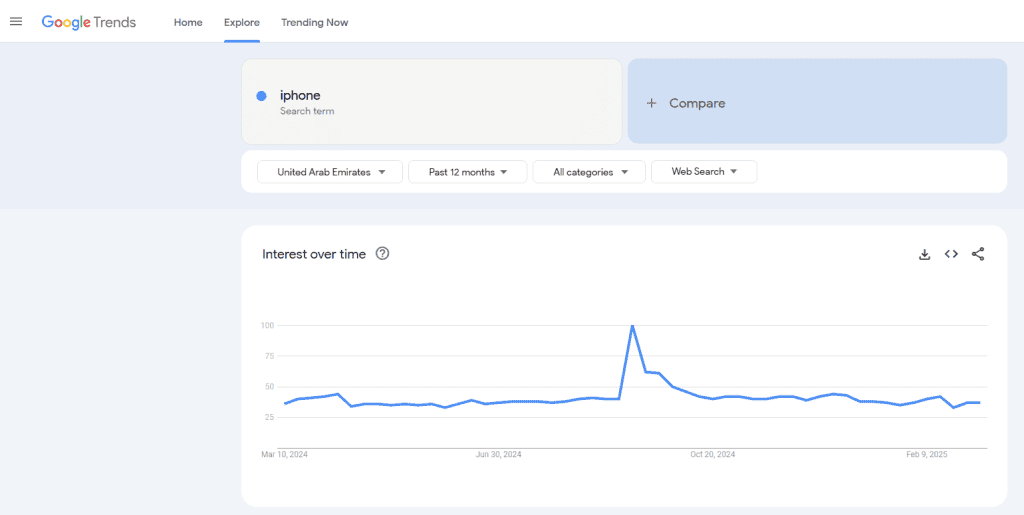
- Google Trends: A free tool from Google, Google Trends enables the analysis of search interest for specific topics and keywords over time and across different geographic regions. It is invaluable for identifying emerging trends, understanding seasonal demand, and gauging public interest, allowing businesses to align content strategies and product development with current and future consumer preoccupations.
- Professional Market Research Services: For complex inquiries or when in-house resources are limited, engaging specialized market research firms or expert freelancers offers significant advantages. These professionals bring industry-specific expertise, advanced methodologies, and the ability to conduct bespoke studies, providing strategic guidance on market positioning, pricing, and nuanced customer behaviors that might be missed by DIY approaches. Combining these expert insights with internal research creates a formidable strategic foundation.
Phase 2: Harnessing Digital Footprints – Website and Social Media Data
Once a business is operational and interacting with customers online, the digital realm becomes a rich source of direct behavioral data.

Website Data: For businesses operating online, website data offers a direct window into customer interactions. This data can be sourced from:
- Built-in Analytics: Many e-commerce platforms and content management systems offer basic analytics dashboards providing insights into page views, popular products, and traffic sources. While useful for quick overviews, they often lack the depth required for strategic analysis.
- Dedicated Web Analytics Tools: For a comprehensive understanding of user behavior, specialized tools are indispensable.
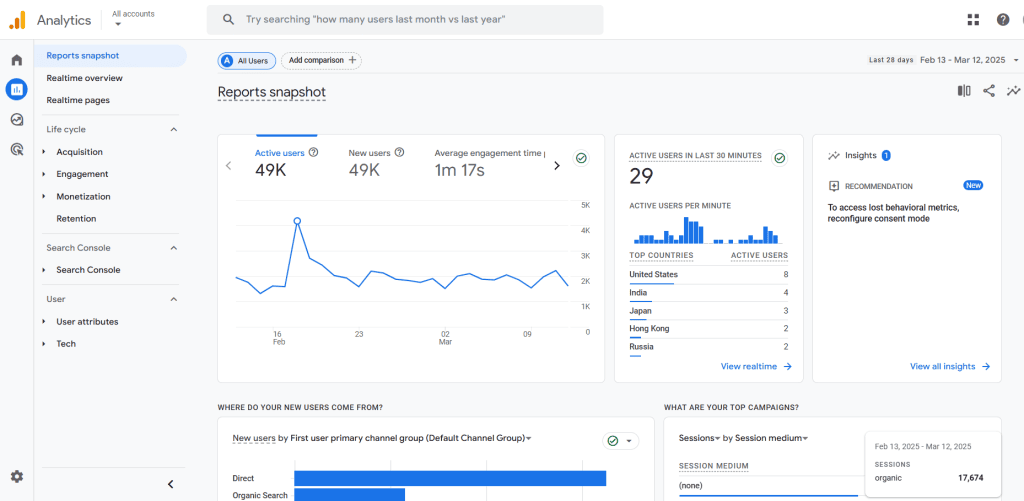
- Google Analytics 4 (GA4): The latest iteration of Google’s powerful web analytics platform, GA4 provides advanced tracking capabilities that transcend traditional page-view metrics. It focuses on event-based data collection, allowing businesses to understand the entire customer journey across various devices and platforms. GA4 helps answer critical questions such as:
- Which marketing channels drive the most engaged users?
- What are the most popular content and product categories?
- Where do users encounter friction in the conversion funnel?
- What is the lifetime value of different customer segments?
- How do users navigate the site before making a purchase?
- What specific actions lead to key conversions?
- Microsoft Clarity: A game-changer for behavioral analysis, Microsoft Clarity offers free heatmaps and session recordings. It visually demonstrates how users interact with a website, highlighting areas of interest, clicks, and scroll depth. Its AI-powered insights streamline the analysis of user sessions, making it easier to pinpoint usability issues, optimize page layouts, and understand why users might not be converting. The promise of remaining free forever, coupled with easy integration (especially via Google Tag Manager), makes Clarity an invaluable complement to GA4 for visual and qualitative website understanding.
- Google Analytics 4 (GA4): The latest iteration of Google’s powerful web analytics platform, GA4 provides advanced tracking capabilities that transcend traditional page-view metrics. It focuses on event-based data collection, allowing businesses to understand the entire customer journey across various devices and platforms. GA4 helps answer critical questions such as:
Social Media Data: With billions of users, social media platforms are vibrant hubs for customer expression and interaction.
- Platform-Specific Analytics: Every major social media platform (Meta, Instagram, TikTok, LinkedIn, X, etc.) provides its own analytics dashboard. These offer insights into follower demographics, post reach, engagement rates, and content performance specific to that platform.
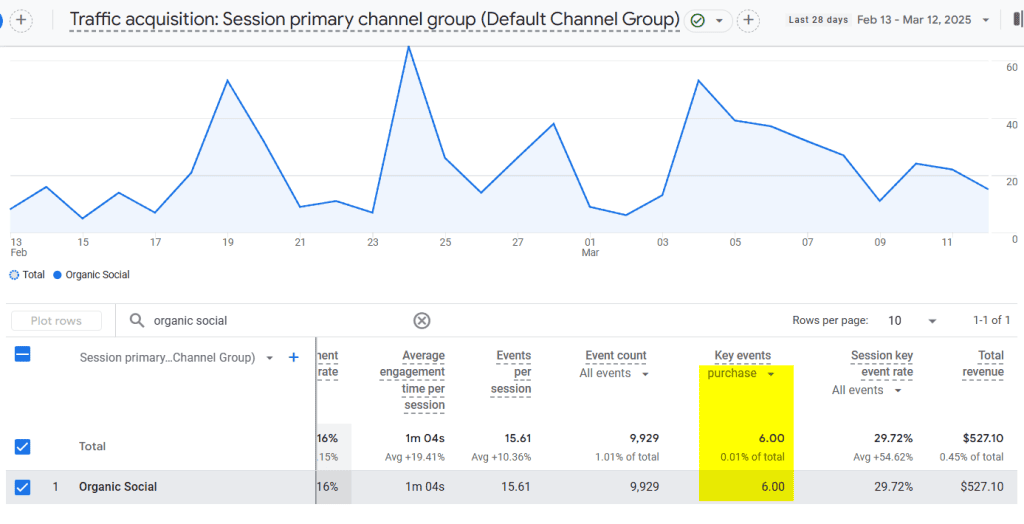
- Google Analytics 4 for Social Media Tracking: To gain a holistic view and compare performance across multiple social channels, integrating social media traffic tracking with GA4 is crucial. GA4 allows for centralized performance analysis, enabling businesses to measure the effectiveness of different social sources against unified objectives like awareness, engagement, and conversion. This helps identify which platforms drive not just clicks, but valuable actions on the website.
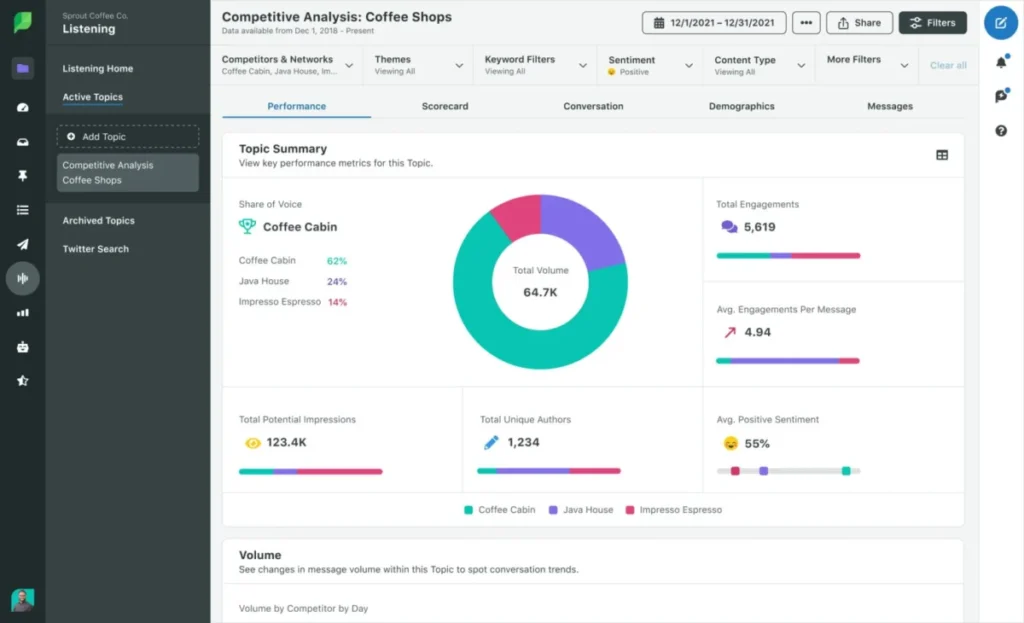
- Social Media Listening Tools: Beyond owned channels, social listening involves monitoring online conversations, brand mentions, and relevant industry discussions across the internet. Tools like Mention or Sprout Social automate this process, allowing businesses to track sentiment, identify emerging topics, monitor competitor activity, and engage with customers proactively, uncovering opportunities and managing brand reputation.
Phase 3: Direct Dialogue – Customer Feedback Mechanisms
While analytical tools reveal what customers do, direct feedback uncovers what they think, feel, and explicitly want.
- Feedback Widgets: Embedded directly into websites or applications, feedback widgets provide immediate opportunities for users to rate their experience, report issues, or offer suggestions in real-time. Tools like Appzi offer customizable widgets that capture contextual feedback, often without interrupting the user’s journey.
- Surveys: A cornerstone of quantitative and qualitative feedback, surveys allow businesses to collect structured data from a broad audience. Tools like SurveyMonkey, FreeOnlineSurveys, or even Google Forms offer templates and customization options for designing effective questionnaires. Surveys are ideal for measuring satisfaction (e.g., NPS, CSAT), understanding preferences, and gathering demographic information.
- Polls: Shorter and simpler than surveys, polls are used for quick opinion gathering or testing specific hypotheses. Often integrated into social media or websites, they provide rapid insights into specific questions, fostering engagement and helping businesses make agile decisions on content or product features. DirectPoll.com is an example of a tool for simple, accessible polling.
- Focus Groups: For deep qualitative insights, focus groups remain unparalleled. Bringing together a small group of target customers (typically 5-10 participants), these moderated discussions explore perceptions, motivations, and emotional responses to products, services, or marketing concepts. Focus groups can uncover nuanced feedback and underlying emotions that quantitative data might miss, offering rich contextual understanding.
- Customer Reviews: Platforms like Trustpilot, Yelp, or e-commerce product pages are treasure troves of unsolicited customer feedback. Analyzing reviews, especially 3-star and 4-star ratings, can reveal balanced perspectives on product strengths and areas for improvement. Automated tools can perform sentiment analysis on large volumes of reviews, while manual analysis, perhaps aided by AI tools like ChatGPT for summarization, can be effective for smaller businesses. This feedback is crucial for continuous product iteration and service enhancement.
Supporting Data: The Tangible Impact of Insight-Driven Strategies
The purpose of robust customer insights extends far beyond mere data collection; it is to equip businesses with the intelligence needed to thrive in a dynamic market. By understanding customer behavior and motivations, companies can make highly informed decisions that refine strategies, enhance the customer experience, and ultimately drive sustainable growth.
With strong customer insights, businesses can confidently answer critical questions that directly impact their bottom line:

- What are the primary drivers of customer satisfaction and dissatisfaction? Insights reveal whether product features, service quality, pricing, or support are delighting or frustrating customers.
- Which customer segments are most profitable, and why? By understanding high-value segments, businesses can tailor marketing and retention efforts, optimizing resource allocation.
- What are the emerging market trends and unmet customer needs? Proactive insight gathering allows for innovation and the development of new products or services that capture market share.
- How effective are current marketing campaigns in reaching and converting the target audience? Insights provide concrete data on campaign performance, enabling iterative optimization.
- What is the optimal pricing strategy to maximize revenue and perceived value? Understanding customer price sensitivity and willingness to pay is crucial for competitive positioning.
- Where are customers encountering friction points in their journey, from discovery to post-purchase? Identifying these bottlenecks allows for targeted improvements in user experience and operational efficiency.
- What features or functionalities are most desired in future product iterations? Direct feedback and behavioral analysis guide product roadmaps, ensuring alignment with customer expectations.
Ultimately, customer insights empower businesses to make data-driven decisions that directly translate into improved customer satisfaction, increased retention, higher conversion rates, and a stronger competitive position. For example, by analyzing website data with GA4 and Microsoft Clarity, a retail brand might discover that a significant number of users abandon their shopping carts at the shipping information stage. This insight could lead to A/B testing different shipping options or providing clearer cost breakdowns earlier in the process, resulting in a measurable increase in completed purchases. Similarly, social media listening might reveal widespread complaints about a competitor’s customer service, presenting an opportunity for a brand to highlight its superior support, thereby attracting dissatisfied customers. The direct correlation between actionable insights and positive business outcomes is undeniable.
Official Responses: The Mandate for Customer Centricity
The shift towards data-driven customer understanding is no longer merely a best practice; it has become an industry mandate. Leading business strategists and thought leaders consistently emphasize the indispensable role of customer insights and analytics in modern enterprise.
"In today’s experience economy, the customer’s voice is the most powerful catalyst for innovation and growth," states one prominent market analyst. "Companies that fail to listen, analyze, and adapt based on deep customer insights risk obsolescence." This sentiment is echoed across boardrooms, where investment in customer experience (CX) platforms and data science capabilities continues to surge.
The emergence of Chief Customer Officers (CCOs) within major corporations is a testament to this organizational commitment. These executives are specifically tasked with championing the customer perspective and ensuring that insights drive strategic decisions across all departments. Their presence signifies a cultural shift from product-centricity to customer-centricity, where every aspect of the business, from supply chain to marketing, is viewed through the lens of customer value.
However, industry experts also acknowledge the challenges. The sheer volume of data, often referred to as "big data," can be overwhelming. "The ability to collect data is no longer the bottleneck; the challenge is in transforming raw data into actionable intelligence," notes a data analytics consultant. This underscores the critical need for skilled data scientists, analysts, and insight professionals who can not only interpret complex datasets but also communicate their findings effectively to non-technical stakeholders. Training and upskilling in these areas are increasingly prioritized, as companies strive to build internal capabilities to leverage their data assets fully. The official response from the business world is clear: understand your customer, or be left behind.

Implications: Shaping the Future of Business
The implications of embracing customer insights and analytics are far-reaching, fundamentally reshaping how businesses operate and compete.
Sustained Growth and Innovation: Companies that consistently harness customer insights are better positioned for sustained growth. They can proactively identify market gaps, develop innovative products and services that truly meet demand, and refine existing offerings to maintain relevance. This iterative cycle of insight, innovation, and feedback creates a powerful engine for long-term expansion.
Hyper-Personalization and Enhanced Loyalty: Advanced analytics, increasingly powered by artificial intelligence and machine learning, enable hyper-personalization. From tailored product recommendations to customized marketing messages and individualized service interactions, businesses can create experiences that feel uniquely designed for each customer. This level of personalization fosters deeper engagement, builds stronger emotional connections, and significantly enhances customer loyalty, transforming one-time buyers into lifelong advocates.
Competitive Edge: In a market saturated with choices, understanding the customer better than the competition provides an undeniable advantage. Companies armed with superior insights can anticipate competitor moves, differentiate their offerings more effectively, and respond to market shifts with greater agility, securing and expanding their market share.
Ethical Considerations and Trust: As data collection becomes more pervasive, the ethical implications of using customer data are paramount. Regulations like GDPR in Europe and CCPA in California highlight the growing importance of data privacy and transparent data usage. Businesses must navigate these waters carefully, ensuring that their data collection practices are ethical, secure, and clearly communicated to customers. Building and maintaining customer trust through responsible data stewardship is not just a legal requirement but a critical component of brand reputation and long-term success. A breach of trust can quickly erode years of effort in building customer relationships.

The Future of Customer Insights: AI and Predictive Power: The future of customer insights will be increasingly driven by artificial intelligence. AI-powered analytics will move beyond descriptive and diagnostic analysis to more sophisticated predictive and prescriptive capabilities. Machine learning algorithms will be able to identify subtle patterns in vast datasets, anticipate future customer needs with greater accuracy, and even recommend optimal actions automatically. This will allow businesses to be proactive rather than reactive, delivering solutions and experiences before customers even realize they need them.
In conclusion, the journey of customer insights and analytics is not a destination but a continuous process of learning, adapting, and innovating. There is no singular "best method"; rather, the most successful strategies involve a harmonious blend of market research, digital analytics, social listening, and direct customer feedback. By diligently gathering and interpreting this rich tapestry of data, businesses can transform choppy user experiences into seamless, effortless journeys that not only boost conversions but also forge unbreakable bonds of loyalty. The brands that truly click with customers are those that listen intently, analyze deeply, and act decisively based on the profound wisdom gleaned from their most valuable asset: their customers.
