

The AI Ecommerce Paradox: Why Most Stores Fail to Scale and How to Fix It
Artificial Intelligence-referred traffic to online storefronts surged by a staggering 4,700% over the past year, according to data from Adobe. This explosive growth suggests that the era of AI-driven commerce has officially arrived. Yet, despite the hype and the proliferation of "AI-first" marketing, only 7% of companies have successfully scaled their AI operations beyond the experimental, proof-of-concept stage.
This disconnect between the promise of exponential efficiency and the reality of stagnant implementation often boils down to a fundamental strategic error: merchants are choosing more tools rather than the right tools. In an ecosystem flooded with vendors promising the "next big thing," store owners are finding themselves bogged down by "subscription bloat" and fragmented tech stacks that complicate rather than streamline operations.

The State of Play: From Experimentation to Execution
The current ecommerce landscape is undergoing a structural shift. Generative search engines—such as ChatGPT, Perplexity, and Google’s AI Overviews—now handle between 12% and 18% of all shopping queries. This is no longer a fringe behavior; it is a primary discovery channel. For merchants, this means that the tools they select must not only manage their store’s internal operations but also ensure their data is structured correctly to be indexed and cited by these new AI gatekeepers.
The following analysis ranks 13 essential AI tools based on their actual impact on revenue, real-world pricing structures, and the often-overlooked "usage traps" that vendors frequently gloss over.

The Hierarchy of AI Tools
| # | Tool | Best For | Category | Starting Price |
|---|---|---|---|---|
| 1 | Shopify Magic | Free baseline AI | Platform-native | Free |
| 2 | Klaviyo | Email and SMS revenue | Marketing | Free / $20/mo |
| 3 | Gorgias | High-volume support | Customer support | $10/mo |
| 4 | Tidio + Lyro | Budget support | Customer support | Free / $29/mo |
| 5 | Fin by Intercom | Resolution rate | Customer support | $0.99/resolution |
| 6 | Jasper AI | Brand-consistent content | Content | $39/mo |
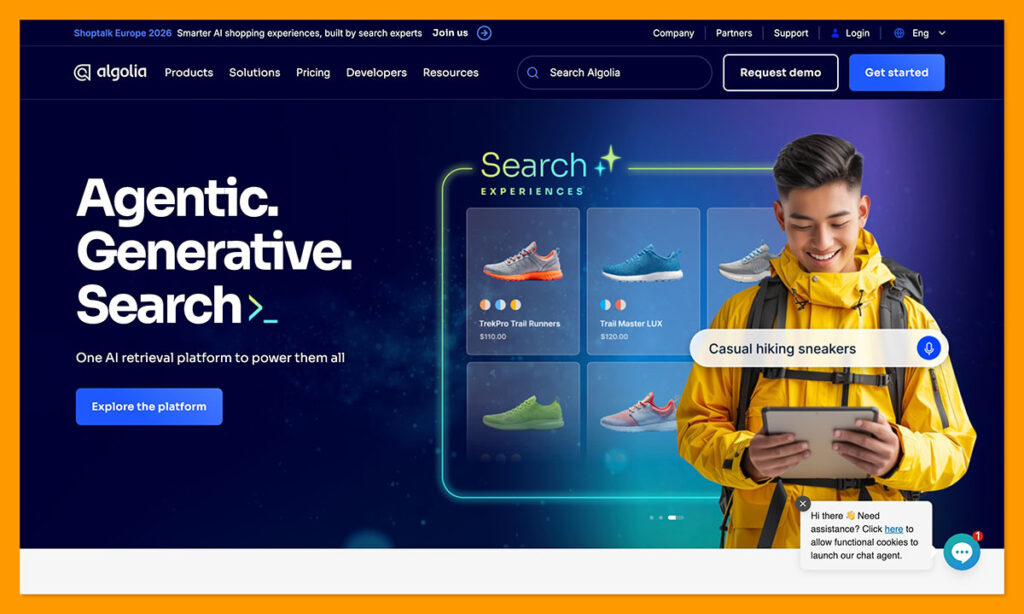
| 7 | Algolia | AI site search | Search | Free / $0.50 per 1K |
| 8 | Triple Whale | DTC analytics | Analytics | Free / $179/mo |
| 9 | Prediko / Cogsy | Inventory forecasting | Operations | $49/mo |
| 10 | Prisync | Competitive pricing | Pricing | $59/mo |
| 11 | Photoroom | Product photos | Creative | $9.99/mo |
| 12 | Flair AI | Lifestyle imagery | Creative | $10/mo |
| 13 | Ringly.io | AI voice support | Customer support | ~$0.38/call |
1. The Foundation: Platform-Native AI
For most store owners, the most effective AI tool is the one already integrated into their existing platform. Shopify Magic and its conversational assistant, Sidekick, serve as the mandatory baseline.
The "Renaissance Edition" of Shopify’s AI updates brought over 150 features to the admin panel, effectively closing the gap between "free" and "professional-grade." For instance, merchant Kwame Chambers reported processing 500 product descriptions in two hours—a task that would have previously required two weeks of manual labor and an estimated $2,500 in copywriting fees. For solo operators, these native tools can save 5 to 10 hours per week, representing a theoretical annual value of $13,000 to $26,000.
2. Revenue Retention and Marketing
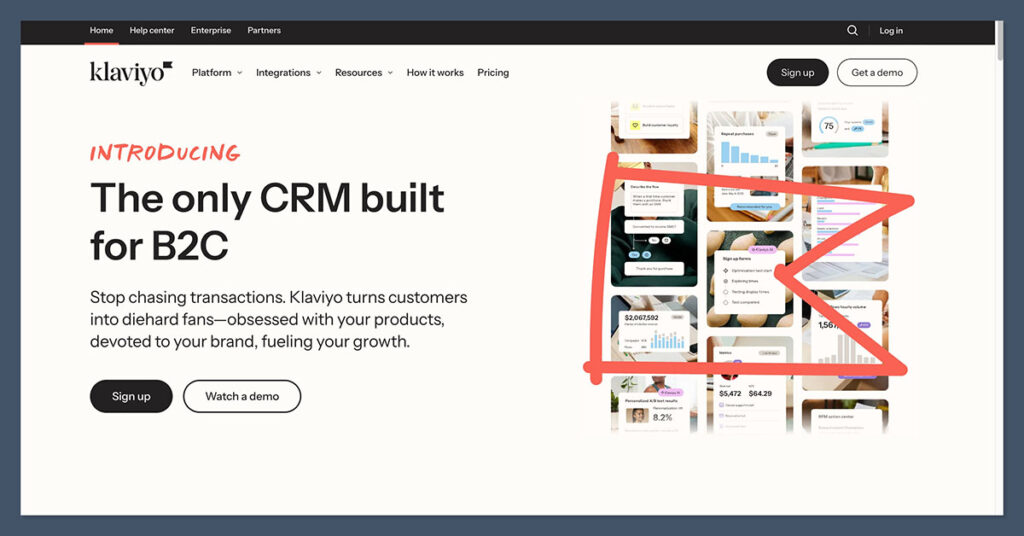
AI-assisted email campaigns are currently generating 18 times the revenue per recipient compared to manual blasts. Klaviyo remains the industry standard, but it requires careful management. The intelligence is baked into the "flows," using predictive analytics to estimate next-order dates and churn risk.
However, users must be wary of the "Dead Profile Tax." Since February 2025, Klaviyo’s billing model shifted to count every active profile rather than just those who have been emailed. To maintain profitability, merchants must implement a "Sunset Flow" to prune inactive contacts, which can reduce monthly costs by 20% to 40%.
3. The Support Evolution: Resolution vs. Deflection
The goal of support AI has shifted from simple "deflection" (preventing a user from reaching a human) to "resolution" (actually solving the problem).
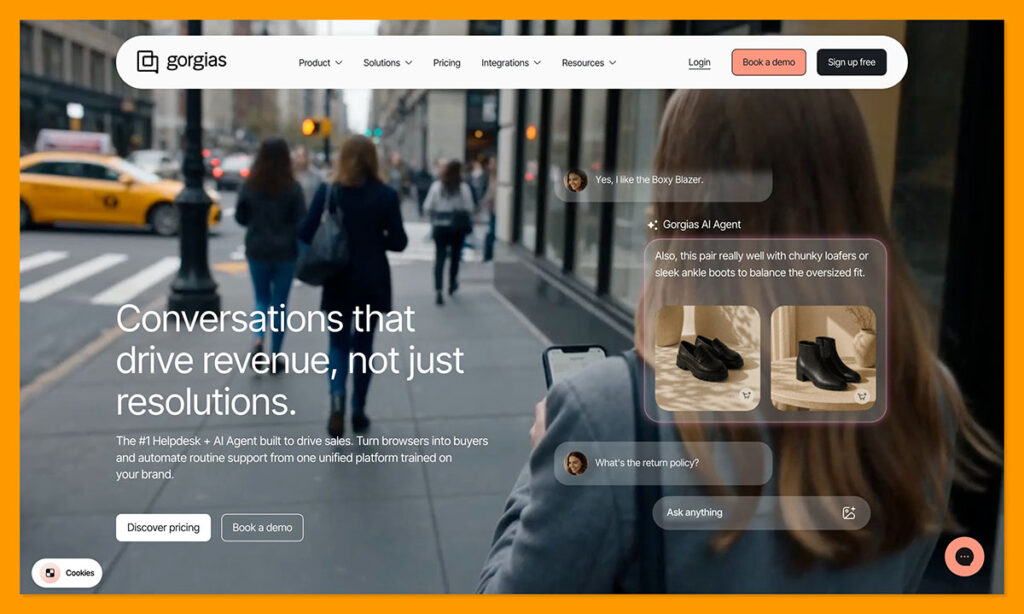
- Gorgias: Best for stores that need deep integration with Shopify, allowing the AI to perform order modifications and refunds directly.
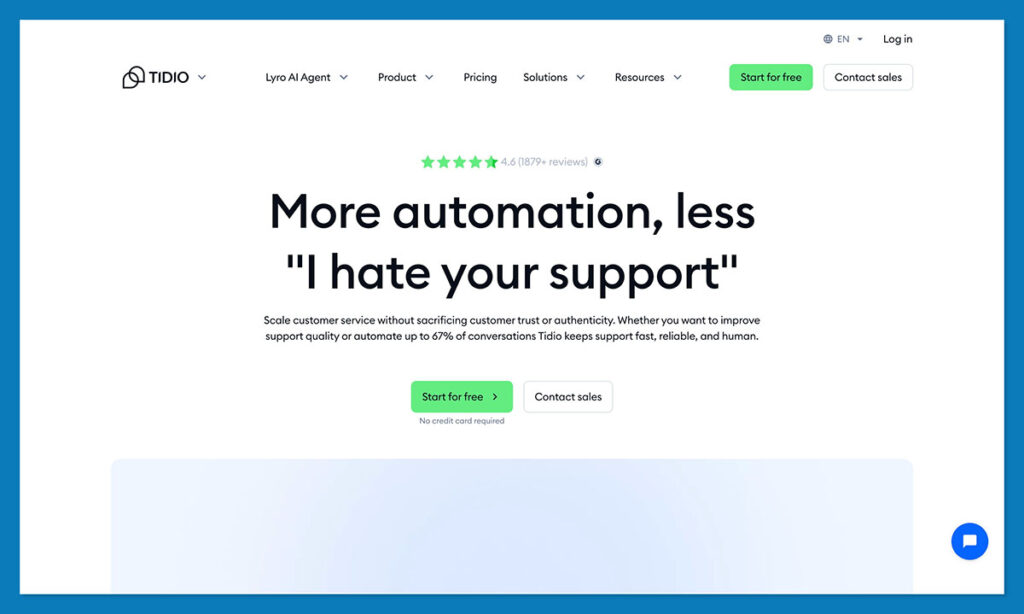
- Fin by Intercom: Leads the market in resolution rates, with an average of 67% across thousands of customers. Its pricing model of $0.99 per resolution is highly attractive because it aligns vendor costs with merchant success.
- Tidio + Lyro: The ideal entry point for smaller stores, offering a unified inbox that aggregates social media, WhatsApp, and email, enabling a seamless experience for lean teams.
Implications: The "Sequence over Stockpile" Strategy
The most dangerous mistake an ecommerce brand can make is "tool stockpiling." The data indicates that 89% of companies using AI report a positive ROI, but the average payback period is roughly nine months. This suggests that AI implementation is a long-term strategic shift rather than a quick fix.
The Recommended Rollout Sequence:
- Month 1 (Content): Utilize Shopify Magic or ChatGPT Plus. The goal is to offload repetitive writing tasks and establish a basic content rhythm.
- Month 2 (Marketing): Implement Klaviyo and focus on the five core lifecycle flows (Welcome, Abandoned Cart, Post-Purchase, Browse Abandonment, and Win-back).
- Month 3 (Support): Select an AI helpdesk based on volume. If you are under 500 tickets/month, Tidio; if higher, transition to Gorgias or Fin.
The Future: Generative Engine Optimization (GEO)
As we look toward 2026, the next frontier is Generative Engine Optimization (GEO). Because AI search engines now account for a significant portion of traffic, brands must shift their SEO strategy.
Traditional keyword stuffing is becoming obsolete. Instead, brands must prioritize:
- Structured Data: Using Schema 2.0 to ensure AI models can parse your product specs.
- Real-Time Data: Syncing pricing and inventory levels so AI models can provide accurate, up-to-the-minute information to users.
- Concrete Specifications: Replacing flowery marketing adjectives with hard data. AI models prefer factual, comparable metrics when summarizing search results.
Official Perspectives and Merchant Feedback
While vendors market "60% automation," merchant feedback suggests a more nuanced reality. Most teams report that initial setup achieves 30-40% automation, with the remainder requiring a two-to-four-month training period for macros and help-center optimization.
Furthermore, the issue of "hallucinations" remains the top deployment concern for 56% of brands. The consensus among successful merchants is that AI should never be fully autonomous in high-stakes customer interactions. A "human-in-the-loop" approach, where the AI serves as a draft assistant or a first-tier filter, remains the gold standard for maintaining brand reputation.
Conclusion
The path to scaling with AI is not found in the latest flashy launch, but in the disciplined application of technology to your store’s greatest bottleneck. Whether it is inventory forecasting via Cogsy, competitive repricing via Prisync, or creative scaling via Photoroom, the tool must prove its worth by either saving time or increasing the bottom line before the next one is added.
The successful ecommerce business of 2026 will be defined by its ability to synthesize these tools into a cohesive operation, ensuring that every dollar spent on AI subscriptions is justified by measurable growth in customer lifetime value and operational efficiency.
