

The Institutional Amnesia of AdTech: Why Tribal Knowledge is the Industry’s Silent Killer
In the high-velocity world of programmatic advertising, organizational turnover is not merely a personnel issue—it is an existential threat to operational integrity. Every account, no matter how robust or long-standing, eventually changes hands. A veteran media planner departs for a new agency, a high-performing account team loses a critical pitch, or a long-term freelancer finally closes their laptop on a multi-year contract.
When these transitions occur, the successor is typically handed a rudimentary toolkit: a set of platform login credentials, a shared folder of static spreadsheets, and a cursory handover document. Yet, what rarely survives this transition is the “tribal knowledge”—the nuanced, undocumented vocabulary and idiosyncratic rules that govern how an account truly functions. In the absence of a central repository, the most critical aspects of campaign management—which partners handle specific payouts, which compliance models apply to unique ad formats, and which brand-safety red lines are non-negotiable—evaporate into the ether.
The Invisible Ledger: The Notes Nobody Writes Down
The fragility of institutional memory in advertising is, ironically, a byproduct of the industry’s shift toward automation. As platforms grow more sophisticated, the assumption is that the technology handles the complexity. However, the technology cannot know the “why” behind the “what.”
Consider the unspoken constraints of a brand’s creative guidelines: the specific character that the internal brand team has blacklisted for reasons lost to time, or the particular style of video clip that a client’s audience has historically engaged with, despite contrary performance data. These are not software configurations; they are cultural artifacts of the client-agency relationship.

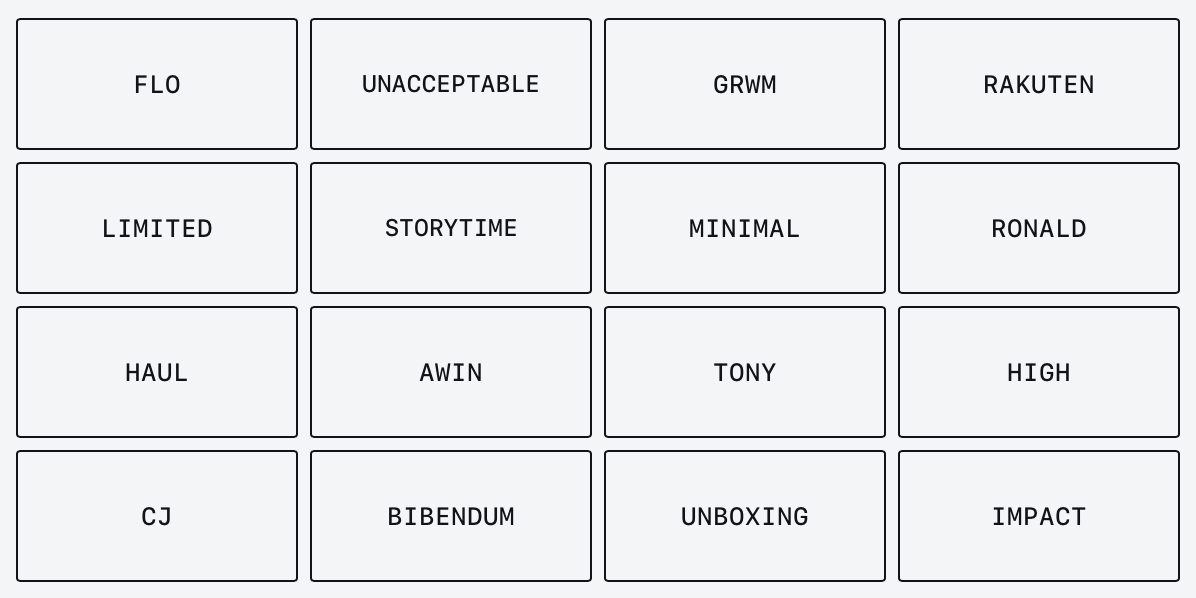
When this information is not codified, it remains trapped in the heads of a few senior stakeholders. When they leave, the new team is forced to learn through trial and error—or worse, through a costly public mistake. This phenomenon is not merely an inconvenience; it is a systemic vulnerability. Sorting through these disparate, unwritten rules is a small, necessary rehearsal for the day every practitioner eventually faces: the requirement to document the entire ecosystem for a stranger.
Chronology of the Knowledge Drain
The erosion of institutional knowledge follows a predictable, downward trajectory:

- Phase 1: The Integration (Onboarding): The new agency or internal team inherits the account. The focus is almost exclusively on technical parity—ensuring the pixels fire, the budgets are set, and the reports are pulling. The subtle cultural and operational nuances are treated as secondary.
- Phase 2: The "Shadow" Period: During the first six months, the team operates on autopilot, following the legacy documentation. They encounter edge cases that don’t fit the manual—a unique payout structure or a specific compliance hurdle—and resolve them by asking the “old guard” who are still accessible.
- Phase 3: The Departure: The original point-of-contact moves on. The “Shadow” period ends, and the current team is now the source of truth. If the nuances were never written down, they are officially lost to the organization.
- Phase 4: The Discovery: An error occurs—a campaign is rejected for a rule no one knew existed, or a payment is routed to the wrong partner. The organization realizes a piece of the puzzle is missing, but there is no one left to provide the context.
Supporting Data: The Cost of Churn
While quantifying the "loss of knowledge" is notoriously difficult, the financial impact is visible in agency efficiency reports and operational overhead. According to recent industry benchmarks, high-churn accounts—those where the core team changes every 18 to 24 months—suffer from a 15–20% decline in campaign performance during the transition period.
Furthermore, the "cost of re-learning" is significant. When a new team is onboarded, they spend an average of 15% of their time in the first quarter performing investigative work—digging through old emails, querying legacy contacts, and reverse-engineering campaign logic—rather than optimizing strategy. For an agency managing a portfolio of 50 accounts, this represents thousands of hours of lost productivity annually, equivalent to millions of dollars in billable value squandered on simple institutional amnesia.

Official Perspectives: The Push for Documentation
Industry bodies, including the IAB Tech Lab, have begun acknowledging that technical standardization—such as the recent iterations of the OpenDirect and Deals API protocols—is only half the battle.
"We are moving toward a world of AI agents and automated governance," says a senior lead at a major ad-tech consultancy. "But an AI is only as good as the instructions it inherits. If the human-to-human transfer of knowledge is broken, the AI will simply automate the mistakes of the past. Documentation is no longer just ‘good practice’; it is the foundational training data for the future of the industry."

Many agencies are now implementing "Knowledge Management Systems" (KMS) that require team members to update a "Wiki of Nuance" for every major client. These internal wikis move beyond standard operating procedures (SOPs) to include:
- The "Never-Do" List: A history of failed experiments or prohibited creative tropes.
- The Partner Map: Detailed documentation of non-obvious payment flows and intermediary vendors.
- The Compliance Matrix: A living document of changing regulatory requirements that are specific to the client’s industry, rather than the industry at large.
Implications for the Future: Documentation as a Strategic Asset
As programmatic advertising becomes increasingly reliant on complex AI agents and autonomous buying, the importance of "human-in-the-loop" knowledge becomes even more critical. If we do not capture the context behind our actions, we are merely building machines that operate in a vacuum.
1. The Death of the "Black Box" Agency
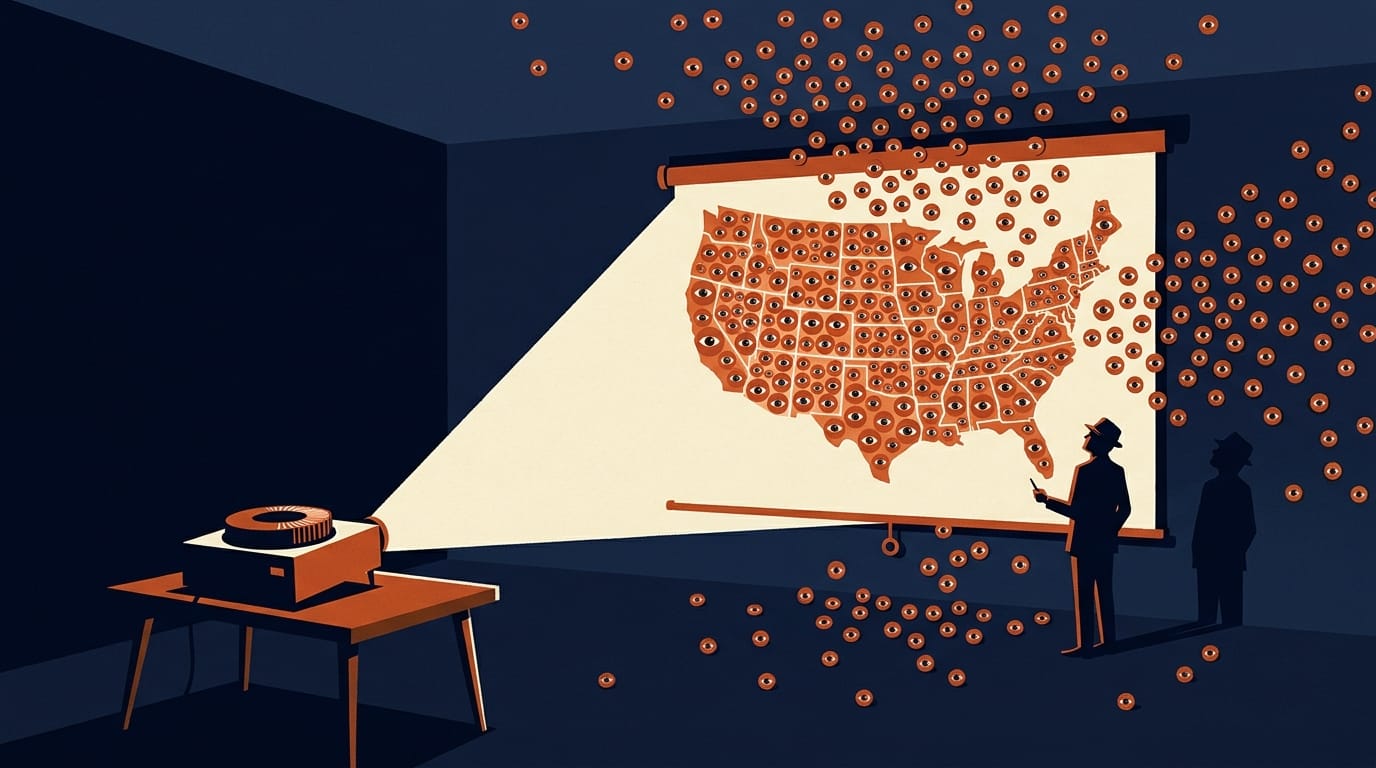
Agencies that rely on the brilliance of individual "rockstar" employees will find themselves at a disadvantage compared to those that prioritize institutional knowledge. The future of agency value lies in the "system"—the ability to pass a client from one team to another without a drop in performance or a lapse in institutional memory.
2. The Rise of AI-Driven Knowledge Capture
We are seeing the emergence of LLM-based tools that scrape project management software, email threads, and Slack channels to automatically generate internal wikis. By treating project communications as structured data, agencies can begin to preserve the “notes nobody writes down” without requiring manual intervention from overburdened staff.
3. Client Accountability
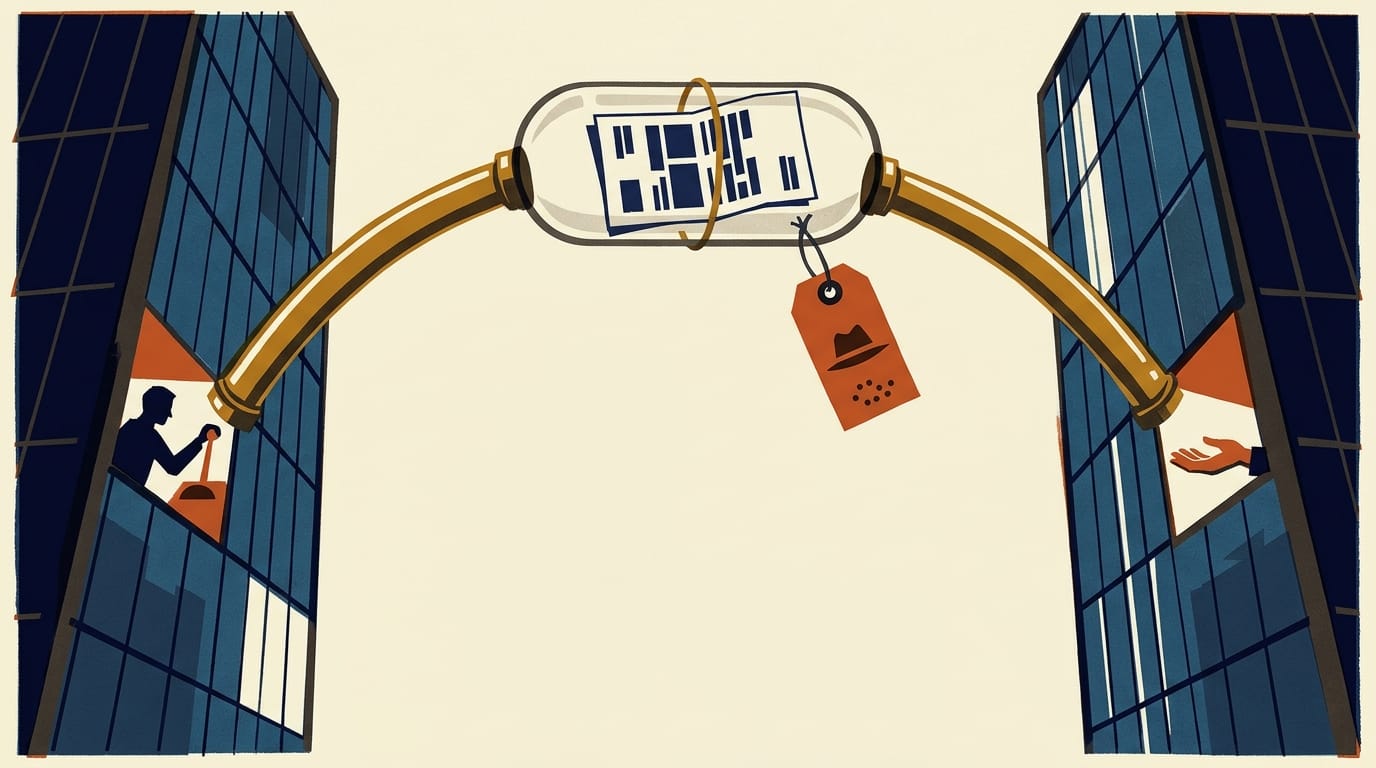
Clients are increasingly demanding that their agencies provide a “data room” of institutional knowledge as part of their contract. This ensures that even if an agency is fired, the client retains the intellectual property of their account history—a move that fundamentally shifts the power dynamic in the agency-client relationship.
Conclusion: The Responsibility of the Practitioner
The next time you are buried in a spreadsheet or configuring a campaign in a platform, take a moment to consider the person who will sit in your chair in two years. Will they know why you chose that specific partner? Will they understand the gravity of the compliance rules you just navigated?

The act of documenting these nuances is not just a chore—it is an act of professional stewardship. In an industry where platforms are constantly shifting, the only thing that remains stable is the knowledge we build together. If we fail to write it down, we aren’t just losing notes; we are losing the history of our own progress. Every account is a story, and if the chapters are written on smoke, the ending is never written at all.
By prioritizing the codification of tribal knowledge, we insulate ourselves against the chaos of turnover and build a more resilient, transparent, and efficient programmatic ecosystem. The future belongs to those who recognize that the most valuable data is not the click-through rate, but the collective memory of the humans who make the clicks possible.
