
From Code to Culture: The "Vibe" Era and the Future of AI-Driven Innovation
In the fast-moving landscape of artificial intelligence, buzzwords are as common as software updates. Yet, in the summer of 2025, one term has transcended the typical silicon-valley jargon to capture the zeitgeist of modern development: "Vibe."
Far from being a mere colloquialism, "vibe" has become the shorthand for a paradigm shift in how we interact with technology. It signifies a move away from the rigid, syntax-heavy constraints of traditional software engineering toward a more fluid, conversational, and iterative model of creation. As we navigate the "Vibe Era," it is becoming clear that this is not just a trend—it is a fundamental change in how we conceive of human-computer interaction.
The Genesis: Andrej Karpathy and the Birth of "Vibe Coding"
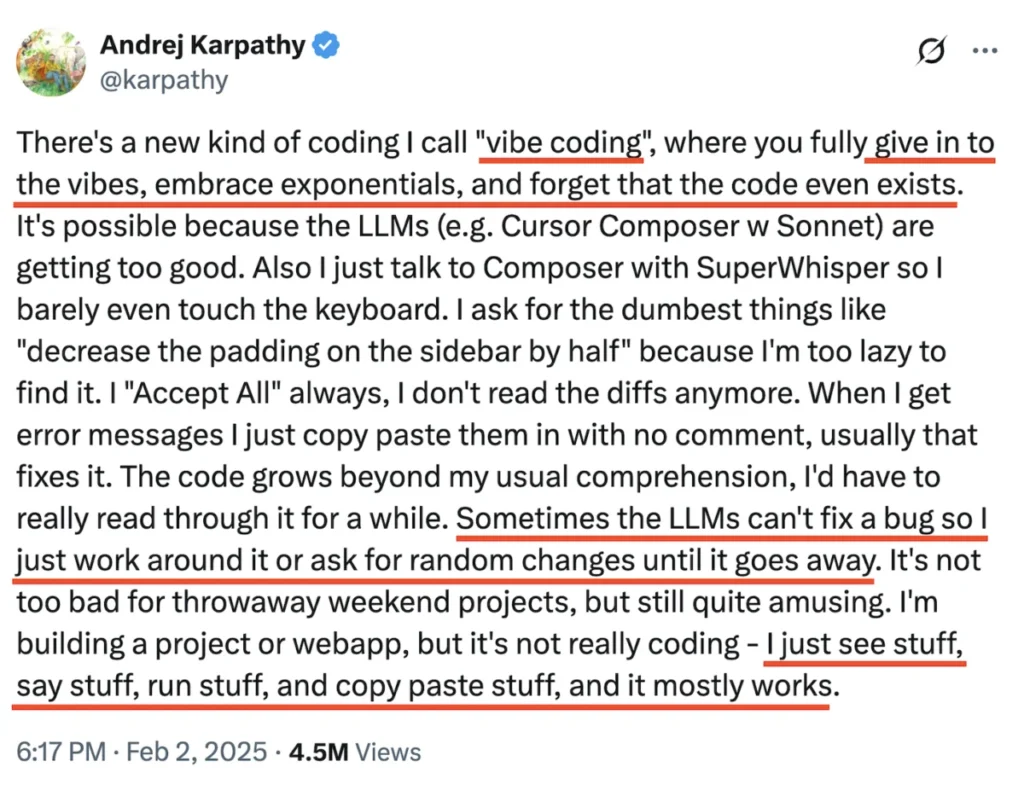
The phenomenon traces its roots to a seminal post by Andrej Karpathy, the former Director of AI at Tesla and a founding member of OpenAI. Karpathy described "vibe coding" as a revolutionary approach to software development where the barrier between thought and execution is effectively dismantled.
"I just see stuff, say stuff, run stuff, and copy-paste stuff, and it mostly works," Karpathy remarked. This philosophy centers on using large language model (LLM) assistants to translate natural language intentions directly into functional code. It bypasses the traditional "write-compile-debug" cycle, replacing it with a continuous loop of prompting and observation.
For veteran developers, this approach is both exhilarating and unsettling. It suggests that the role of the coder is evolving from an architect of syntax to a conductor of outcomes. If the AI can handle the logic, the human becomes the curator of the "vibe"—the look, the feel, and the utility of the application.
The Lemkin Scale: Mapping the "Vibe" Continuum
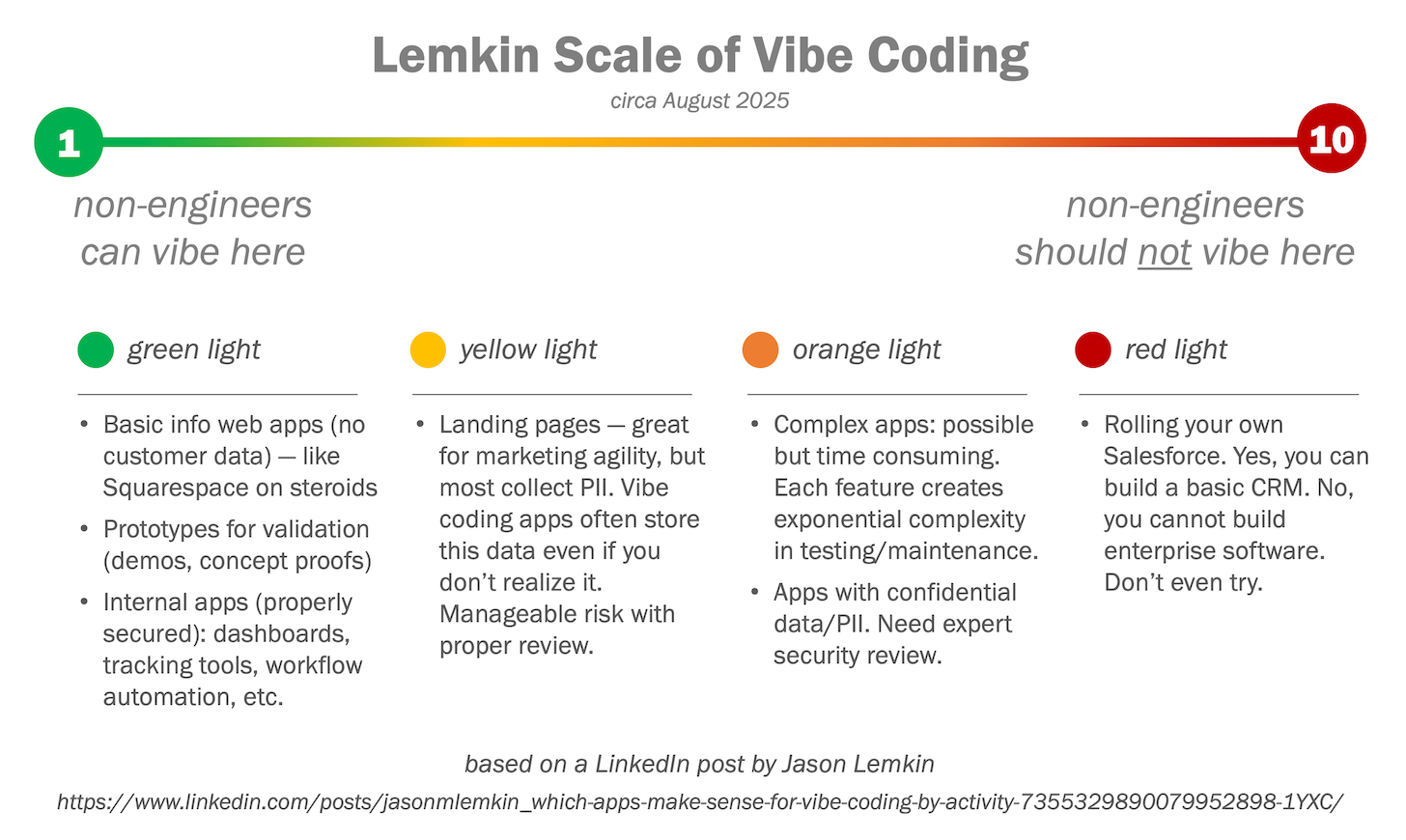
As the practice gained traction, industry leaders began to question the limits of this new methodology. Jason Lemkin, the founder of SaaStr, provided one of the most practical frameworks for understanding the utility of vibe coding. After spending over 100 hours building an application via Replit, Lemkin shared his successes and failures, leading to the development of the "Lemkin Scale of Vibe Coding."
This scale, a spectrum ranging from 1 (highly viable) to 10 (unviable), acts as a guide for non-engineers attempting to build software. At the "green light" end of the spectrum, we find internal dashboards, personal workflows, and simple utility apps. At the "red light" end—the "here be dragons" territory—are complex, enterprise-grade systems like a from-scratch replacement for Salesforce.
The implication is clear: while we are not at the point where a non-technical user can build the next global operating system in an afternoon, the "shifting left" of complexity is undeniable. What requires an expert today may well be a "vibe" project for an amateur by this time next year.
The Rise of Vibe Marketing: Beyond the Code
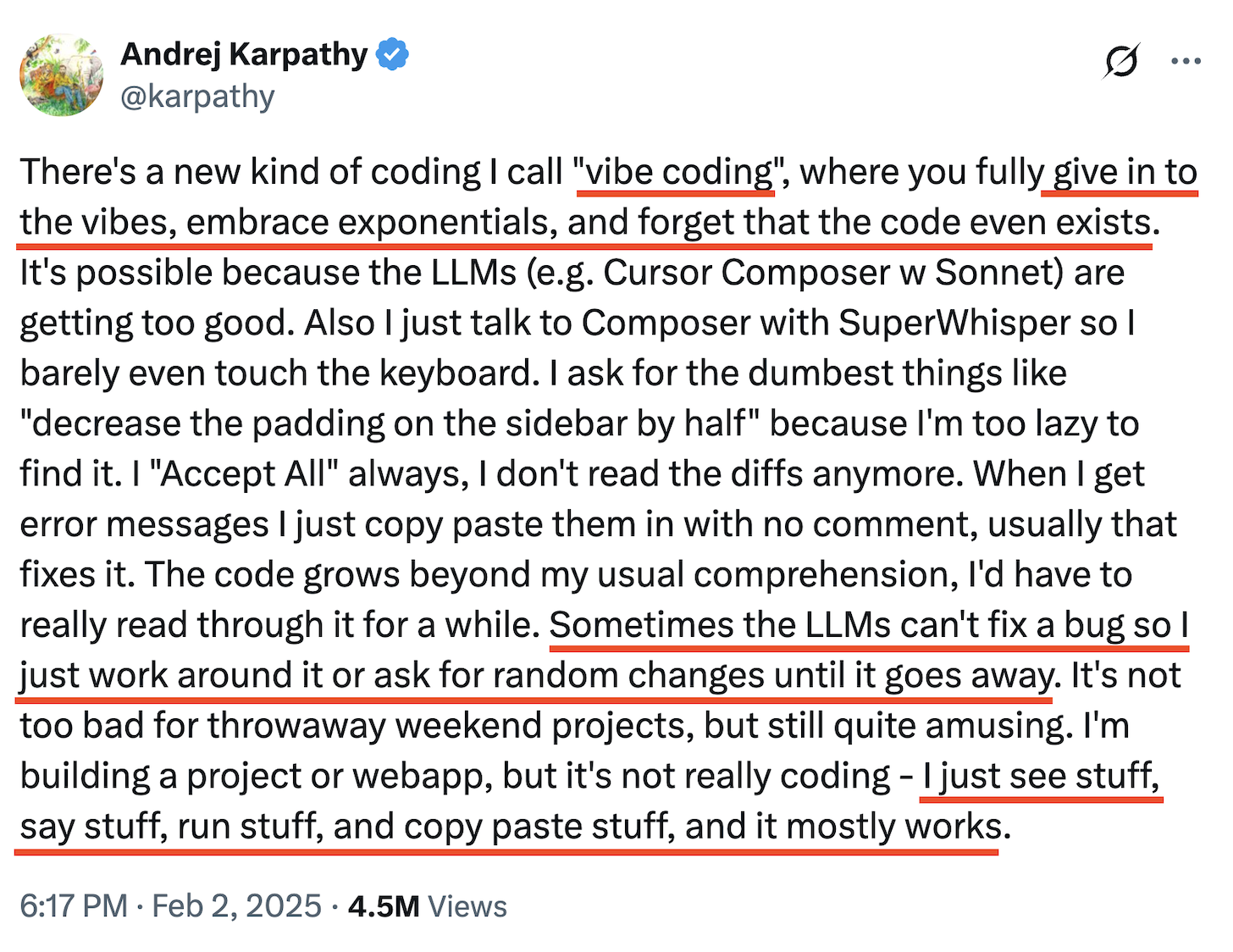
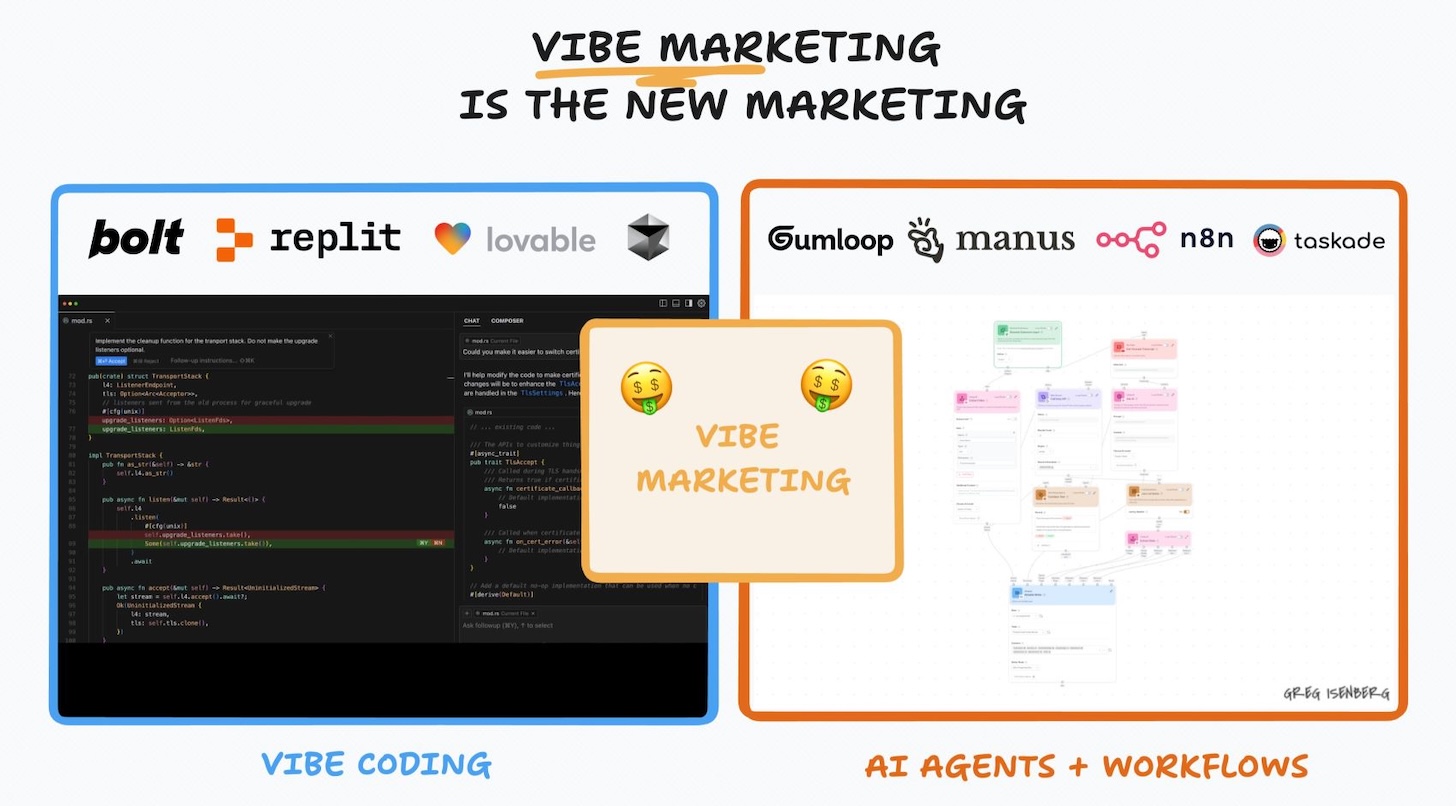
It was perhaps inevitable that the "vibe" philosophy would bleed into marketing. Just as vibe coding empowers individuals to build software, "vibe marketing" aims to empower individual marketers to achieve outcomes that previously required entire squads of data scientists, copywriters, and developers.
Greg Isenberg is widely credited with coining the term, framing it as the intersection of AI agents and automated workflows. In this model, the marketer is no longer a manager of processes but a "GTM (Go-to-Market) Engineer." They can deploy, test, and iterate on campaigns at a speed that was once unthinkable.
However, there is a critical distinction to be made between the mechanics of vibe marketing and its spirit. Automated content generation and data scraping are simply tools—part of the marketing operating system. True "vibe marketing" is not about the automation itself; it is about the human creativity that directs it. It is the ability to chase a hunch, test a hypothesis, and pivot in real-time without the crushing overhead of bureaucratic approvals.
Supporting Data: The Velocity of Innovation
The economic impact of this shift is already being felt. The rise of platforms like Lovable.dev—which achieved $100 million in Annual Recurring Revenue (ARR) in just eight months—demonstrates the massive market appetite for tools that prioritize speed and intuition over traditional development lifecycles.
This velocity is a direct result of lowering the barrier to entry. When the "cost" of building an idea drops to near zero, the volume of experimentation skyrockets. Data from 2025 shows that companies embracing AI-augmented workflows are out-innovating their peers not necessarily by having better ideas, but by having more of them.
The Shift in Metrics
- Traditional Development: High friction, high cost, low frequency of release.
- Vibe Development: Low friction, low cost, high frequency of release.
- The Result: A transition from "Big Data" (collecting and storing) to "Big Experimentation" (testing and learning).
Official Perspectives and Industry Skepticism
The industry is divided. Proponents argue that we are witnessing the democratization of technology, where the ability to create is limited only by imagination. Critics, however, warn of the "it mostly works" trap.
In professional software development, "mostly working" is often insufficient. The concerns are rooted in security, technical debt, and the potential for "black box" code that no one truly understands. There is a palpable fear that by ignoring the underlying code, we are building a future on a fragile foundation.
Yet, the counter-argument is equally compelling: if we can generate code as easily as we speak, we can also generate the testing and security layers required to monitor it. The "vibe" is not an excuse for negligence; it is a catalyst for efficiency.
Implications for the Future
As we look toward the remainder of the decade, the implications of the "Vibe Era" are profound:
- The Death of the "Build vs. Buy" Dilemma: Companies will increasingly "build-to-discard." If an internal tool takes an hour to create, the question of whether to build it or buy a vendor solution becomes irrelevant. The default will be to create custom solutions for every edge case.
- The Rise of the "Market Whisperer": Marketers will move away from static, broad-reach campaigns toward highly dynamic, hyper-personalized experiments. Success will be measured by the ability to "tune in" to customer patterns through rapid-fire iteration.
- Governance as a Competitive Advantage: As everyone gains the ability to "vibe" software and marketing, the organizations that will win are those that provide the best "scaffolding." Marketing operations teams will become the guardians of the sandbox, ensuring that while creativity is unleashed, it remains compliant, private, and brand-aligned.
Conclusion: The Summer of Vibes
"Vibe" may prove to be a fleeting label—a temporary linguistic placeholder for a permanent shift in technological capability. Whether we call it "agentic," "AI-driven," or "vibe-based," the core truth remains: the wall between human intent and machine execution has fallen.
The most successful professionals in this new era will be those who embrace the spirit of experimentation. They will be the ones who treat their work as a canvas, using the power of LLMs to turn "I wonder what would happen if…" into a deployed reality in minutes.
We are currently living in a period of unprecedented creative freedom. While the "vibe" language might feel informal, the results—more ideas, faster iterations, and a closer connection to the customer—are serious business. The challenge now is not in learning how to code the machines, but in learning how to dream with them.
