
The AI Marketing Revolution: How Modern Tools Are Redefining Operational Efficiency in 2026
The narrative surrounding Artificial Intelligence in marketing has shifted significantly. We have moved past the initial "hype cycle" of generative AI, where novelty was the primary currency. Today, the conversation is centered on utility, precision, and the fundamental restructuring of marketing operations. AI tools are no longer merely "time-savers"; they are engines of possibility that allow lean teams to achieve output levels previously reserved for massive, enterprise-level marketing departments.
The true cost of modern marketing isn’t found in software licensing fees—it’s hidden in the "tax" of manual labor: hours lost to repetitive tasks, the production of generic, low-conversion messaging, and decisions made in the absence of robust, real-time data. Agencies and brands that successfully integrate AI into their tech stacks are pulling away from the competition by executing faster, personalizing at a deeper psychological level, and optimizing their funnels continuously rather than periodically.
The Evolution of the Marketing Stack: A Chronology
The transformation of the marketing landscape can be viewed through a three-stage progression:
- The Manual Era (Pre-2020): Marketing was defined by "brute force." Teams spent the majority of their time building templates from scratch, manually segmenting lists based on static attributes, and relying on gut instinct for creative decisions.
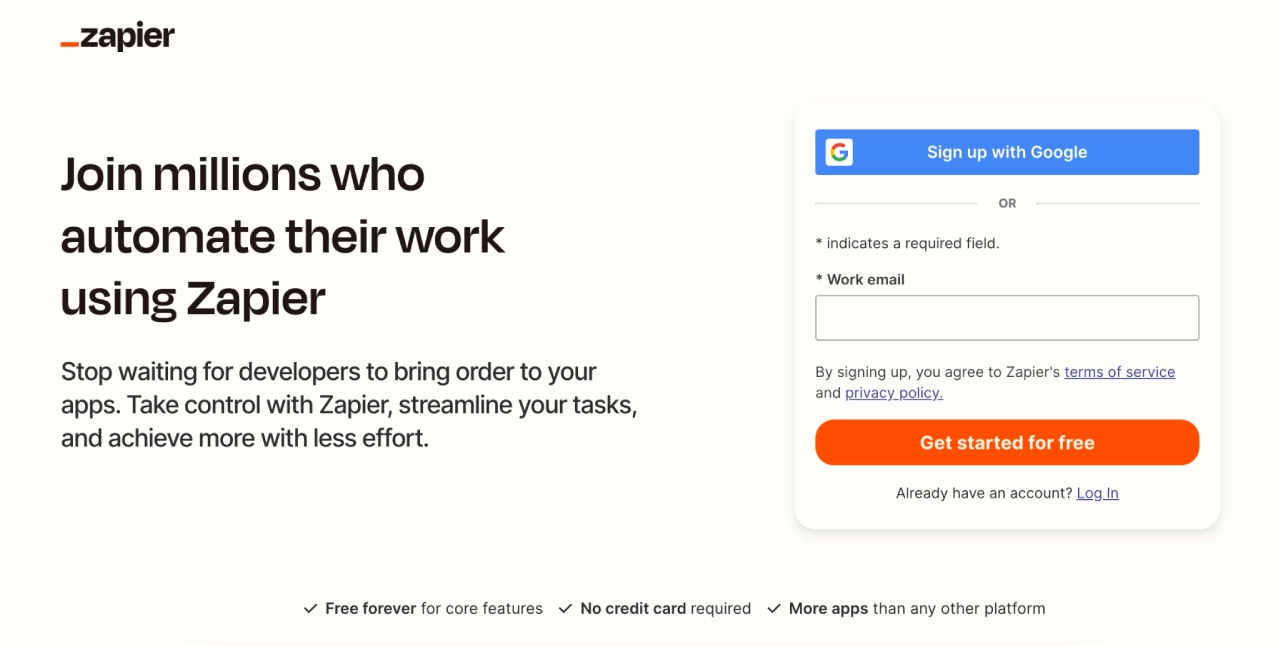
- The Automation Dawn (2020–2023): Platforms like Zapier and early CRM integrations began to connect disparate systems. Marketers could trigger emails based on basic events, but the content remained largely static and "one-size-fits-all."
- The AI-Orchestration Era (2024–2026): We have entered a phase where AI is the connective tissue. Tools now analyze performance in real-time, generate dynamic content tailored to specific user segments, and automatically filter out non-human traffic to ensure data integrity.
Supporting Data: Why AI Drives ROI
The shift toward AI-integrated workflows is not a trend; it is a financial necessity. According to internal performance data, organizations that move from manual execution to AI-assisted workflows report significant gains in engagement and conversion.
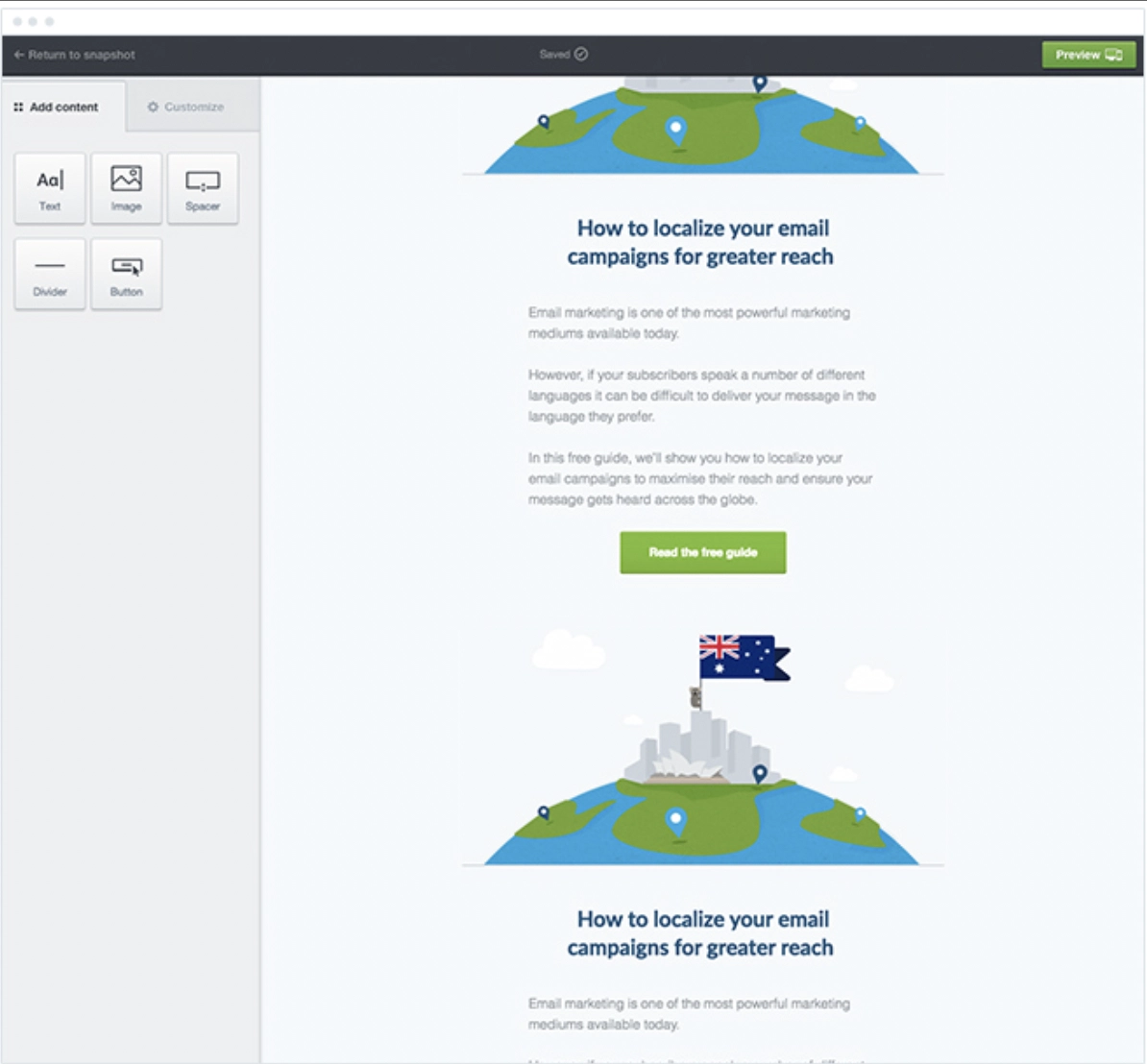
For instance, consider the impact of Campaign Monitor’s integrated AI suite. Recent case studies involving major retail brands show that leveraging AI-driven personalization can result in a 20% increase in total e-commerce sales. Furthermore, personalized sends—optimized by machine learning—consistently generate 10% higher engagement rates than manually curated, non-segmented campaigns. Similarly, when organizations like the Australian Red Cross utilize these tools to refine their outreach, they have observed up to a 75% increase in conversions from a single segmented campaign.
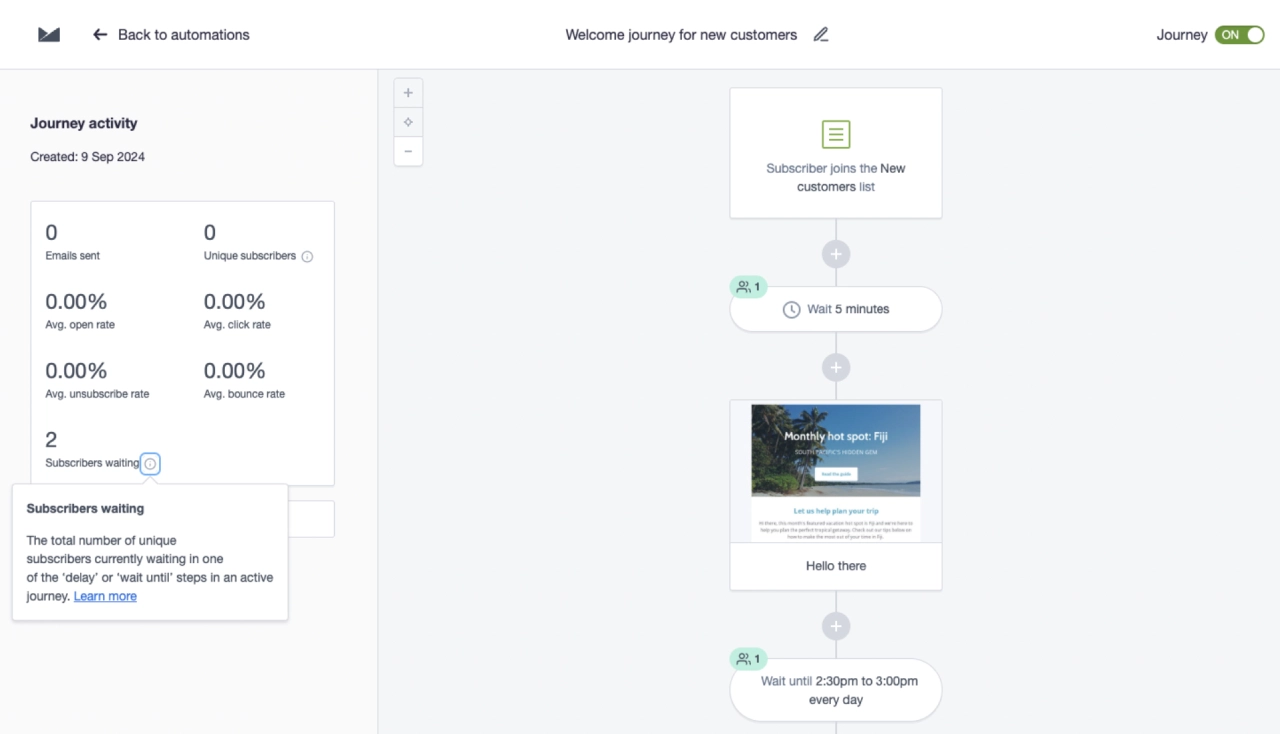
The 2026 Marketing AI Toolkit: Categorical Breakdown
To navigate the crowded marketplace, marketers must categorize tools based on their specific functional bottlenecks.
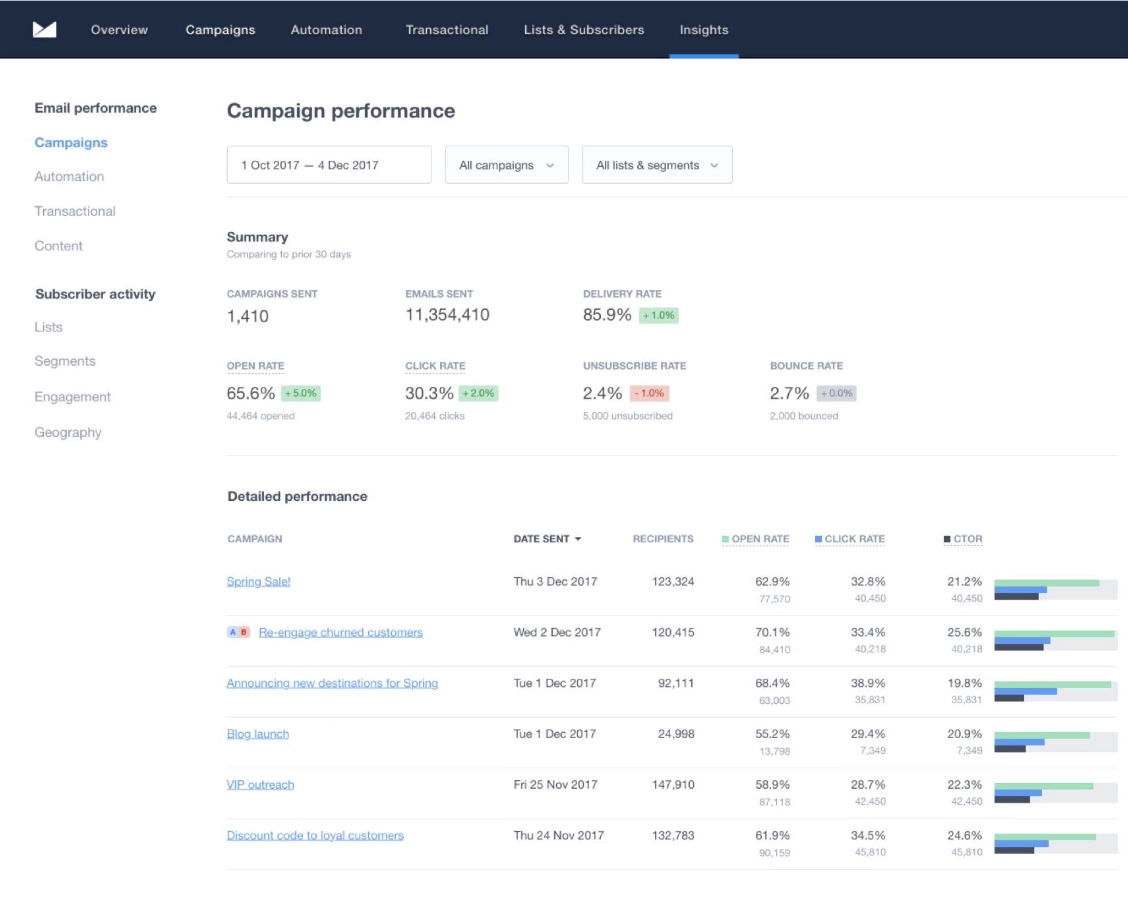
1. Email Marketing & Customer Journeys
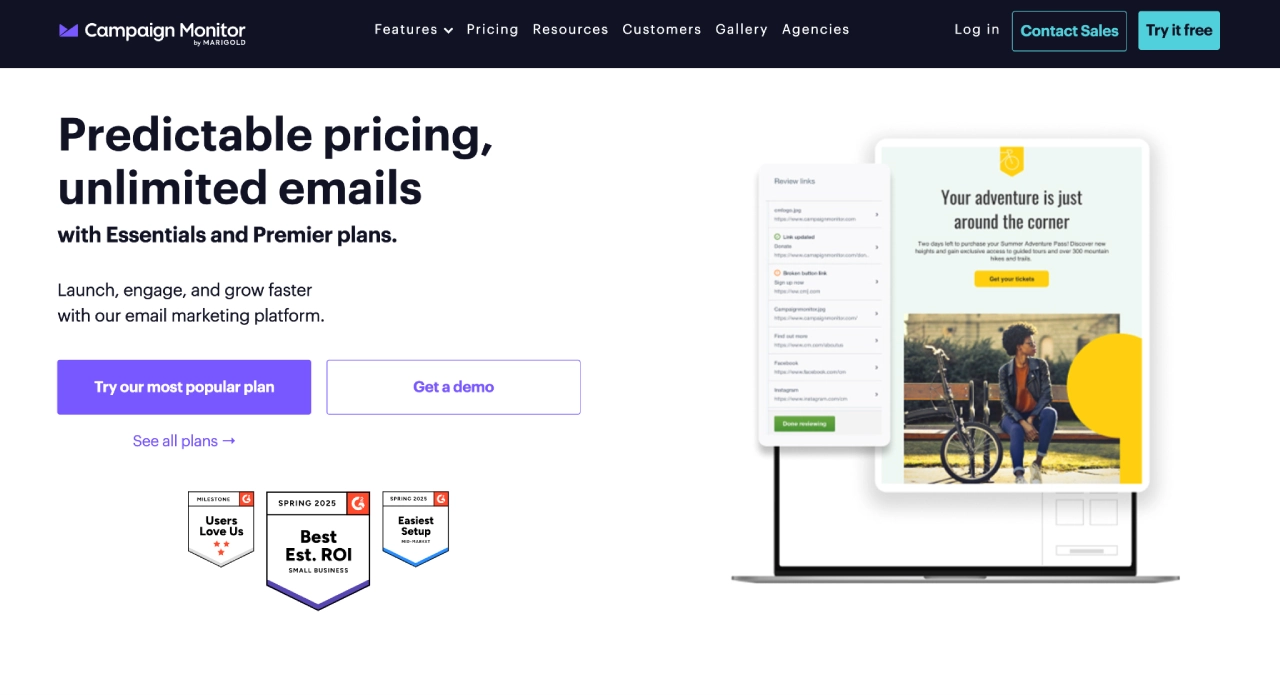
The cornerstone of owned media remains email. Modern platforms like Campaign Monitor and Emma have evolved to become "AI-first."
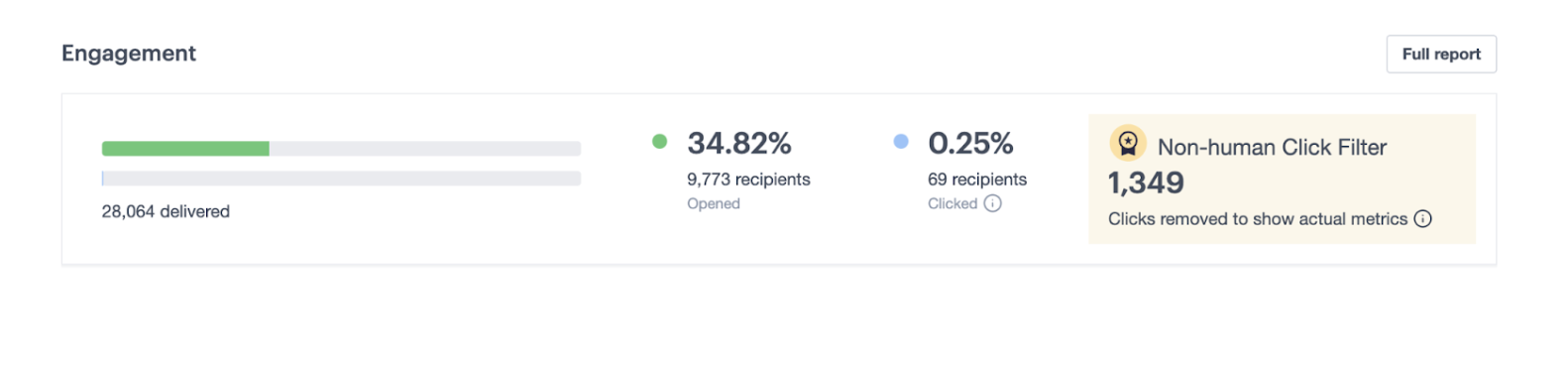
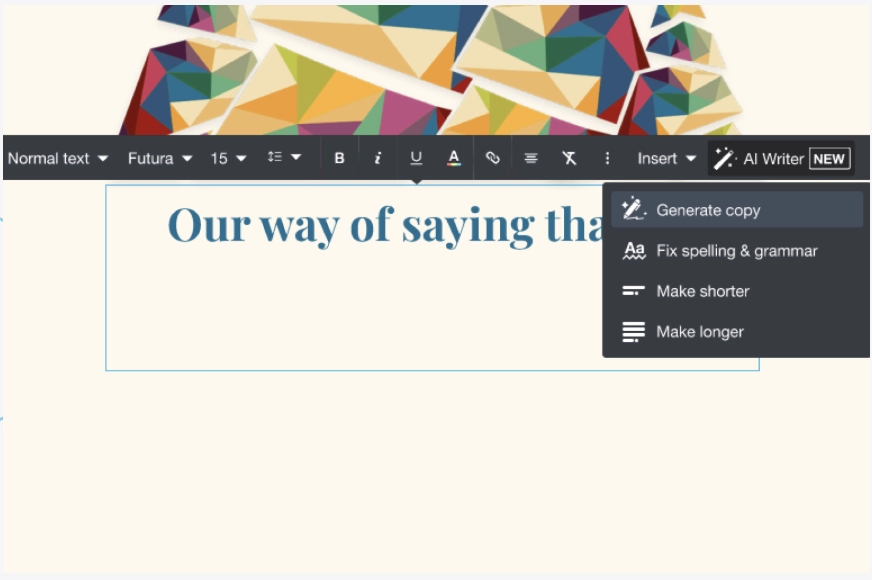
- Campaign Monitor: Known for its AI Writer, dynamic content injection, and automated journey mapping. It excels at multi-location brand governance.
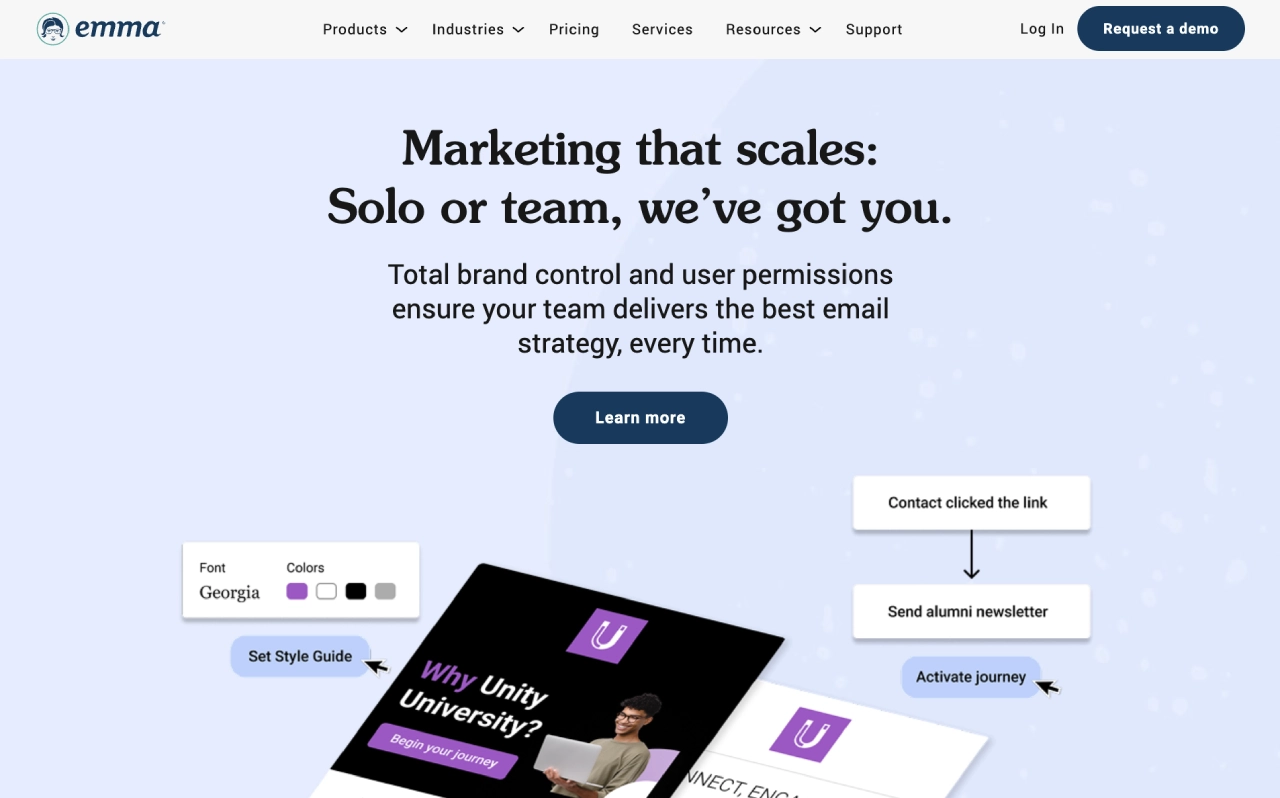
- Emma: Specifically designed for franchises and universities, focusing on "locked templates" that allow local teams to create content while adhering to centralized brand guidelines.
2. Content Creation & SEO
Content teams are no longer tasked with writing every word from scratch.
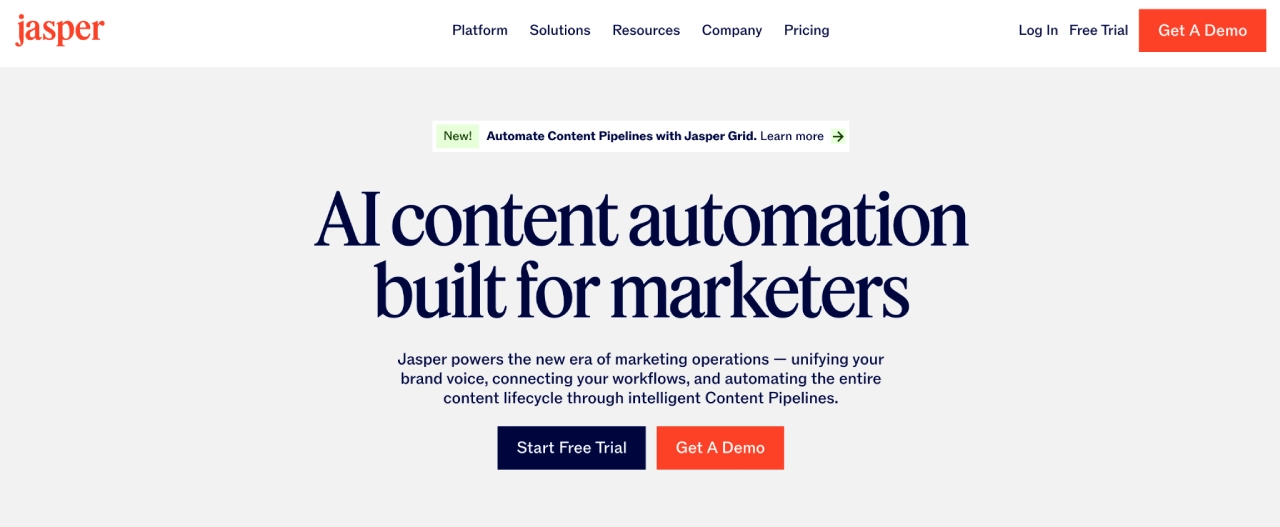
- Jasper: The gold standard for long-form, brand-voice-aligned content. It ensures that regardless of the writer, the output remains consistent with the company’s identity.
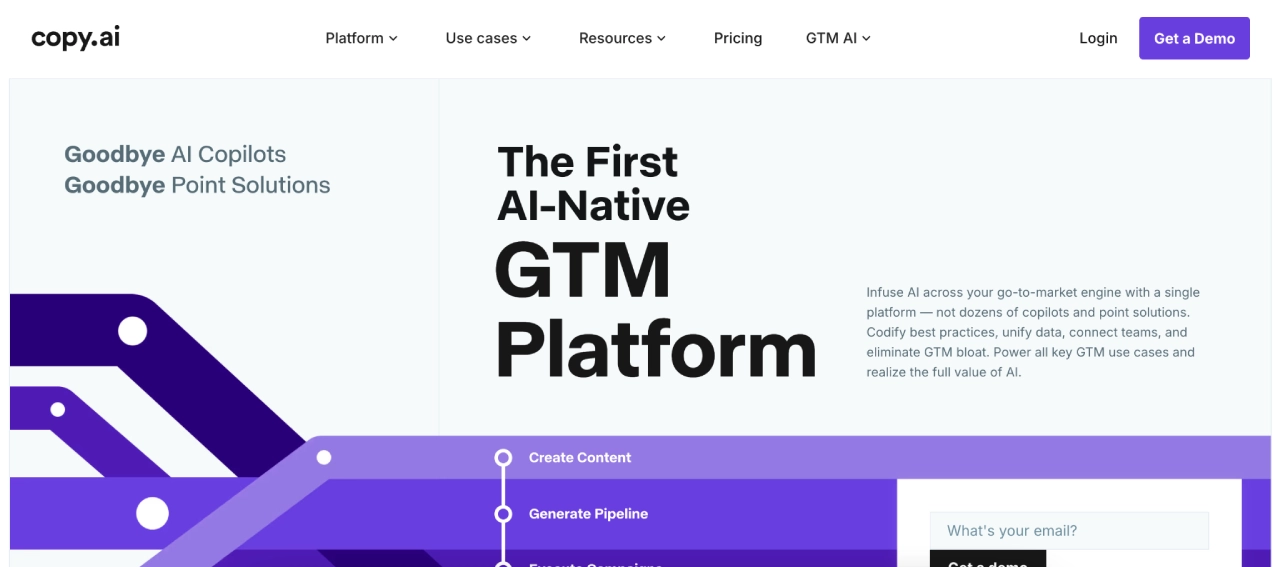
- Copy.ai: Ideal for "campaign-in-a-box" workflows, where a single brief is transformed into an entire multi-channel launch sequence.
- Clearscope: An essential for the SEO-obsessed, using AI to audit top-ranking content and provide real-time relevance scoring for briefs.
3. On-Site Growth & Behavioral Analytics
Conversion Rate Optimization (CRO) has moved from static A/B testing to predictive AI.
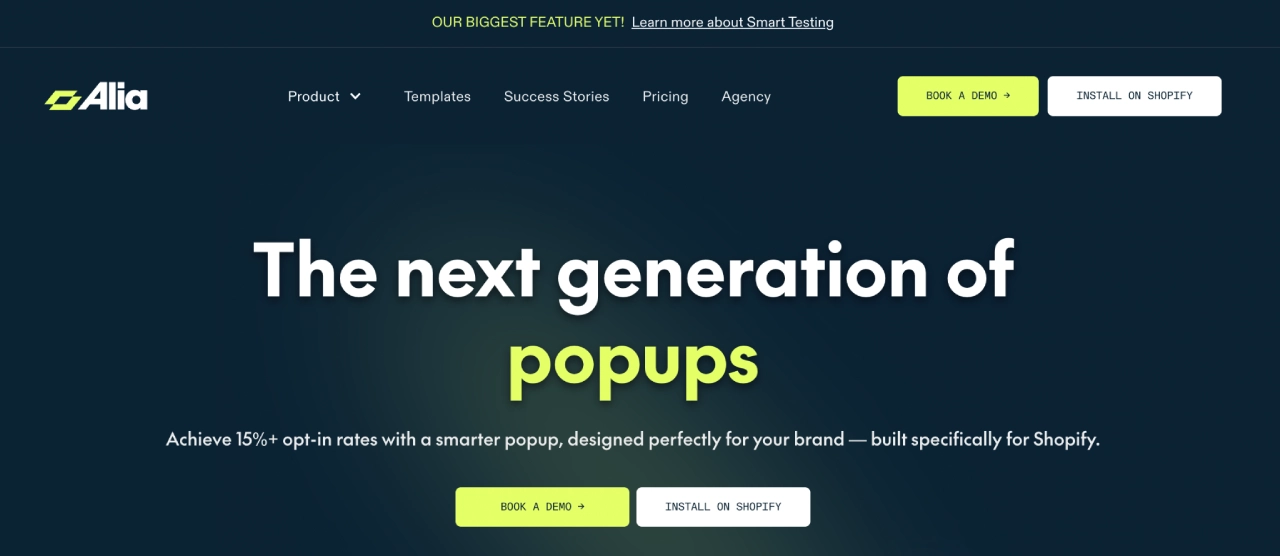
- Alia Popups: Uses zero-party data to serve dynamic, personalized offers to site visitors.
- Heatmap.com: Provides revenue-linked analytics, showing not just where users click, but which specific creative elements are directly contributing to the bottom line.
4. SMS & Conversational Commerce
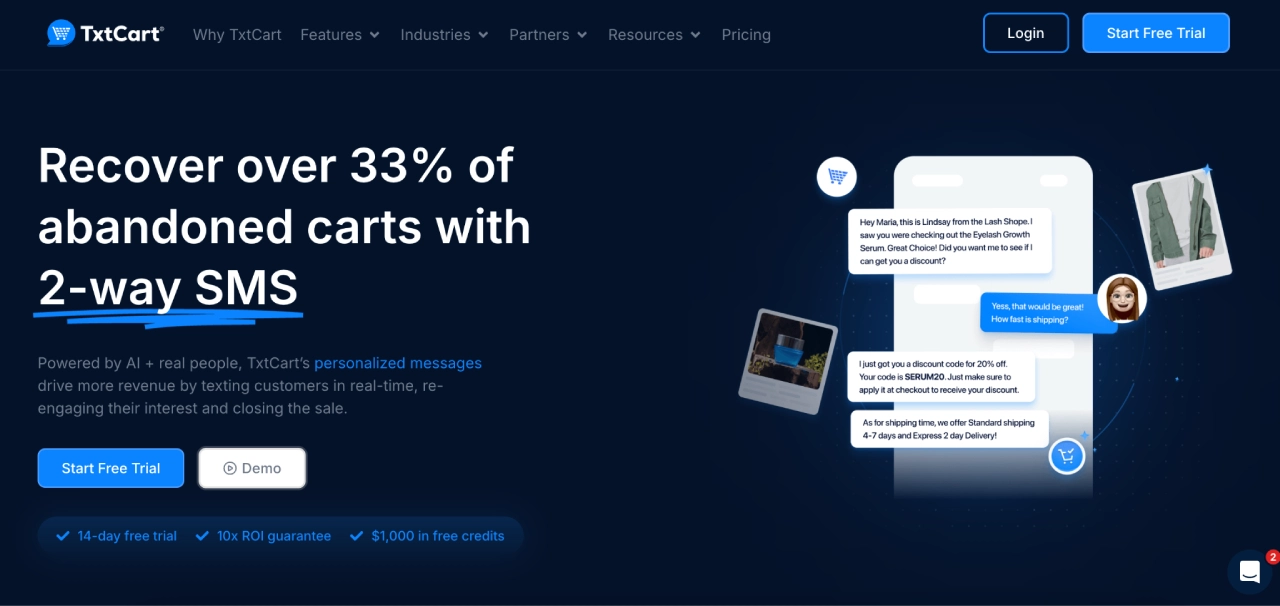
- TxtCart: Acts as an AI sales associate, handling abandoned cart recovery and product questions via SMS.
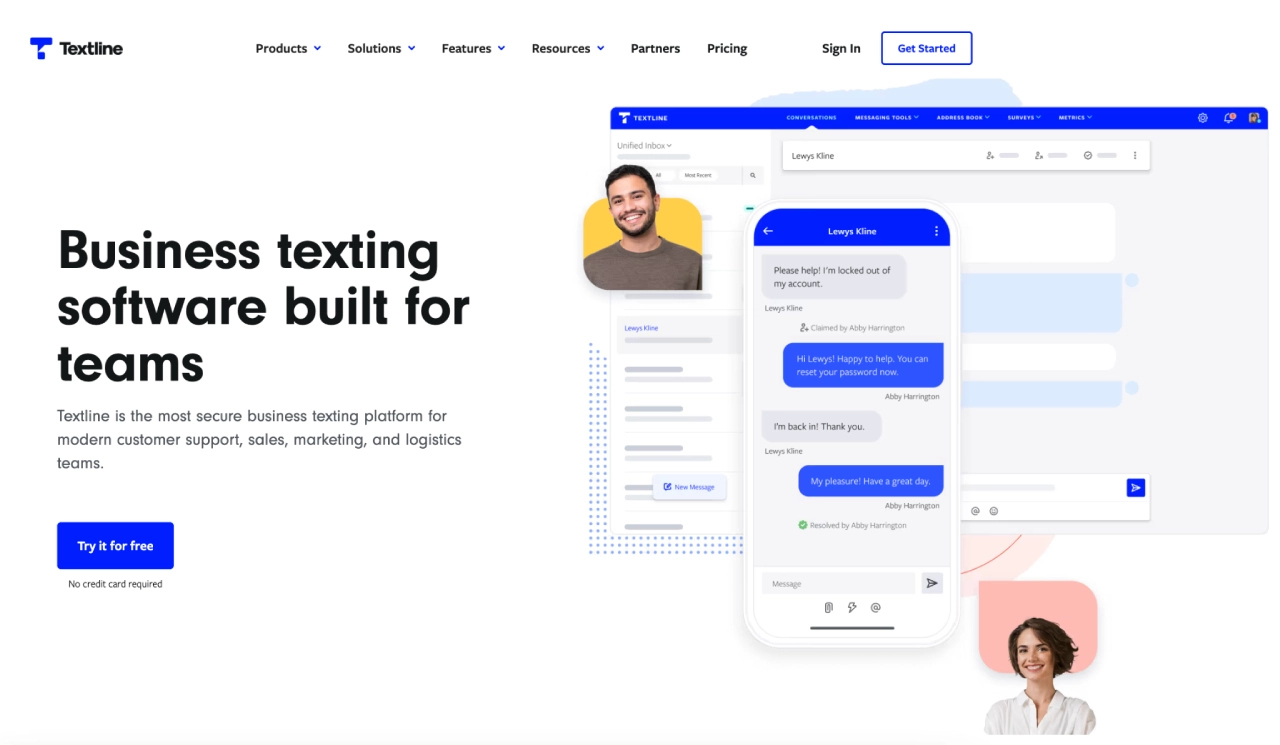
- Textline: Bridges the gap between automated marketing and human support, offering a centralized inbox for customer service teams.
5. Enterprise Orchestration
- HubSpot AI & Salesforce Einstein: These platforms serve as the "brain" of the enterprise, layering predictive lead scoring and automated sales insights over a massive, unified CRM database.
Official Perspectives: The 3P Model for Selection
Industry experts suggest that "tool fatigue" is a significant risk. To combat this, marketing leaders should apply the 3P Model when evaluating new software:
- Platform Fit: Does the tool integrate natively with your existing CRM, ESP, and analytics suite? If it requires custom API work, it creates technical debt.
- Precision: Does the AI adapt to your proprietary data, or is it a generic wrapper? High-quality tools use your specific historical data to improve future outcomes.
- Performance: Can you map the tool’s output directly to a revenue metric? If it cannot be measured, it cannot be optimized.
Implications for the Future of Work
The rise of these tools has profound implications for marketing teams. We are seeing a move away from "task-based" roles—such as the "Email Copywriter" or "Social Graphic Designer"—toward "Strategy and Oversight" roles.
The Human-in-the-Loop Necessity
Despite the power of AI, human oversight remains the final, most critical filter. AI can "drift"—it can lose the nuance of a brand’s unique voice or misinterpret the emotional context of a campaign. The most effective strategy is the Blend Model:
- AI Execution: Let the machine handle the high-volume, repetitive lifting (drafting, formatting, segmenting).
- Human Curation: A human marketer reviews the output, refines the emotional appeal, and ensures the content aligns with current market sentiment.
- Continuous Testing: Use the data generated by the AI to iterate, ensuring the next cycle is more accurate than the last.
Conclusion: Avoiding the "Slow Way"
The divide in the marketing world is becoming clear: those who treat AI as a partner in operations, and those who continue to manually manage every step of the funnel. The former group is seeing compounding growth, while the latter struggles with the sheer volume of modern content demands.
To begin your transition, perform an audit of your current tech stack. Identify one category—be it email, SEO, or analytics—where you are still relying on manual, spreadsheet-heavy processes. Implement a tool that scores a 4 or 5 on the 3P Model, and run a 30-day pilot.
Tools like Campaign Monitor, for example, offer a 30-day free trial specifically designed to show how quickly you can move from "drafting" to "deploying." By leveraging AI to handle the heavy lift of personalization and automation, you regain the most valuable asset in marketing: the time to focus on the creative strategy that truly differentiates your brand.
Disclaimer: This article provides general information regarding AI marketing tools. It does not constitute financial, legal, or tax advice. Readers should conduct their own due diligence and seek professional guidance before implementing new software into their business operations.
