
The Digital Pulse: Navigating the Complex Intersection of Healthcare and Social Media
In the modern digital landscape, the healthcare industry stands at a unique crossroads. Unlike retail, finance, or entertainment, healthcare organizations operate under a heavy mantle of regulation, where the stakes of a single social media post can range from patient engagement to multi-million dollar federal investigations. Today, social media in healthcare is no longer an optional "extra"—it is a critical infrastructure for communication, patient education, recruitment, and brand reputation.
The Evolution of Healthcare Communication
Historically, healthcare communication was siloed, relying on physical brochures, waiting room posters, and traditional broadcast media. The digital transformation has shifted the power dynamic, placing health information directly into the palms of patients. Today, healthcare social media encompasses a broad ecosystem: hospitals, private clinics, public health agencies, pharmaceutical manufacturers, and individual clinicians all participate in a 24/7 public dialogue.

This shift has created a unique tension. While organizations are eager to humanize their brands and build trust, they are constrained by the strictures of HIPAA (Health Insurance Portability and Accountability Act), FTC advertising guidelines, and professional licensing standards. Achieving success in this environment requires a balance between authentic storytelling and rigorous risk management.
Key Strategic Pillars: Why Healthcare Needs Social Media
Healthcare organizations that master social media see benefits that extend far beyond simple "likes."

1. Building Patient Trust and Brand Recognition
In an industry where the provider-patient relationship is the foundation of care, brand recognition serves as a proxy for clinical quality. Prospective patients often conduct "digital due diligence" before booking an appointment. A consistent, values-driven social presence—showcasing patient testimonials, team milestones, or behind-the-scenes insights—signals credibility and humanizes the institution. When a potential patient sees a cohesive, compassionate brand identity, the "cold" clinical experience becomes more approachable.
2. Public Health Literacy and Crisis Communication
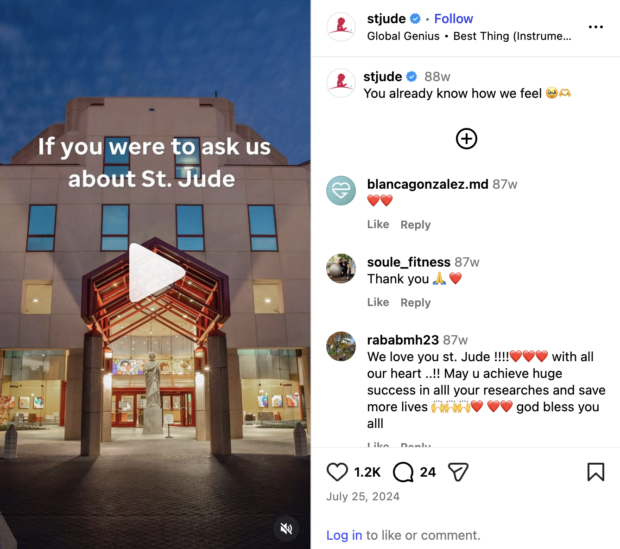
For public health agencies, social media is an unparalleled tool for rapid dissemination. During a seasonal flu surge, a product recall, or a public health emergency, platforms like X (formerly Twitter) and Facebook allow for immediate, targeted messaging. These platforms serve as a front line for countering misinformation, allowing health authorities to clarify facts while the conversation is still active, rather than reacting days later through press releases.
3. Recruitment and Employer Branding
The global healthcare staffing crisis has forced hospitals to become more competitive in their recruitment strategies. Social media offers a window into workplace culture that a standard job board cannot provide. By sharing "day-in-the-life" content from nurses, technicians, and physicians, organizations can attract talent that aligns with their mission. Large health systems, in particular, utilize employee advocacy programs—empowering staff to share pre-approved content to their personal networks—to significantly reduce cost-per-hire and shorten the time-to-fill for critical roles.
The High Stakes of Compliance: Navigating the Legal Minefield
The primary barrier to entry for many healthcare organizations is the regulatory landscape. A failure to comply is not merely a public relations disaster; it is a legal liability.
HIPAA and Protected Health Information (PHI)
The most critical rule in healthcare social media is the absolute protection of patient privacy. HIPAA regulations prohibit the disclosure of PHI—including names, photos, medical record numbers, or even indirect identifiers—without explicit written consent. Even well-intentioned posts, such as a photo of a nurse celebrating a patient’s recovery, can result in severe federal penalties if the patient has not signed a formal authorization. Organizations have faced fines exceeding $2.1 million per violation category for failing to safeguard patient privacy in digital communications.
FDA, FTC, and Truth-in-Advertising
For pharmaceutical and medical device companies, the stakes are equally high. The FDA regulates the promotion of medical products, requiring "fair balance"—a presentation that discloses both the efficacy and the risks of a product. Meanwhile, the FTC enforces truth-in-advertising standards. Any claim of "clinical proof" or "doctor recommendation" must be backed by competent, reliable scientific evidence. In the age of social media, where character limits and short-form video often encourage brevity, the temptation to omit risk disclosures can lead to significant regulatory scrutiny.
Managing the Digital Ecosystem: A Blueprint for Success
Successful healthcare social media programs rely on a documented governance framework. Without a clear policy, organizations are left to the mercy of individual employee judgment, which is the most frequent point of failure.
The Anatomy of a Robust Social Media Policy
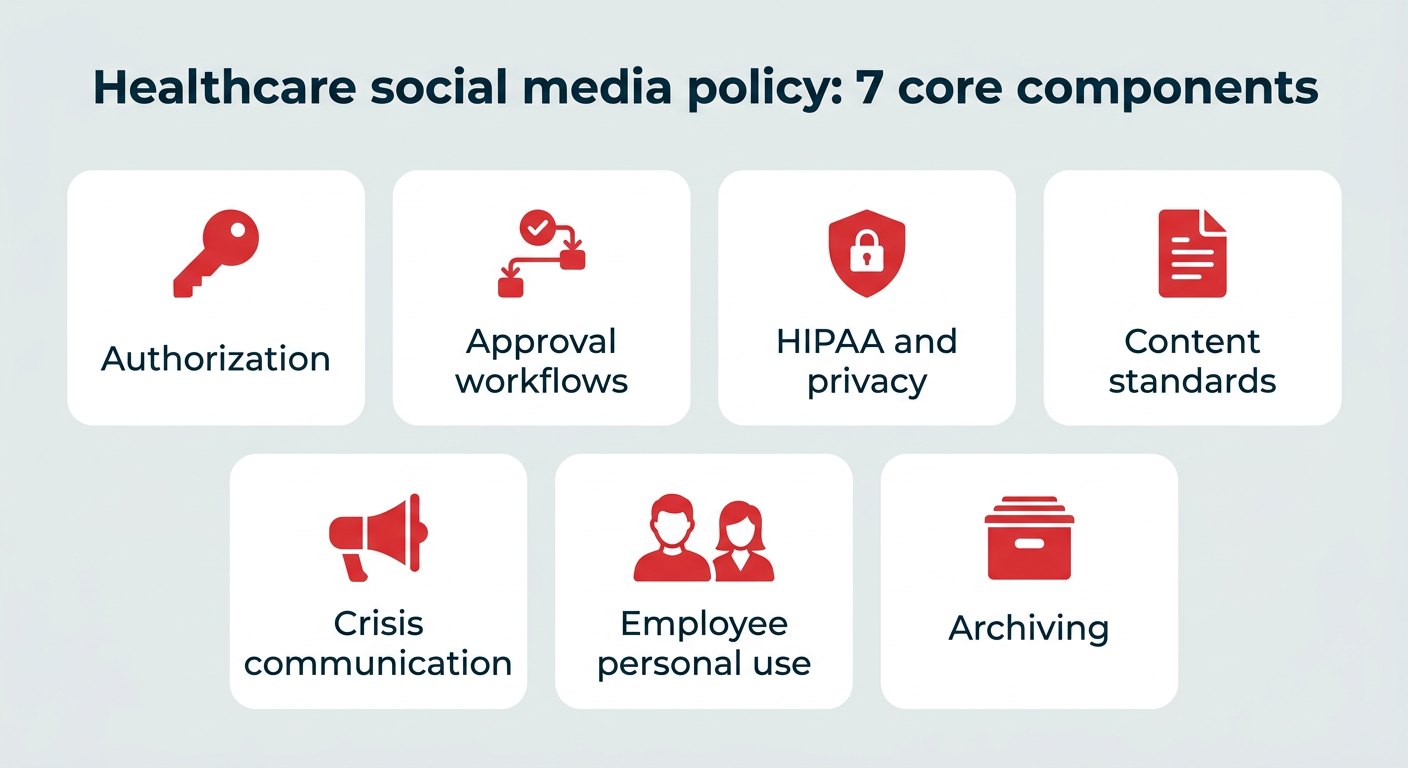
Every healthcare organization should have a living policy that covers:
- Authorization: Defining exactly who is permitted to speak on behalf of the organization.
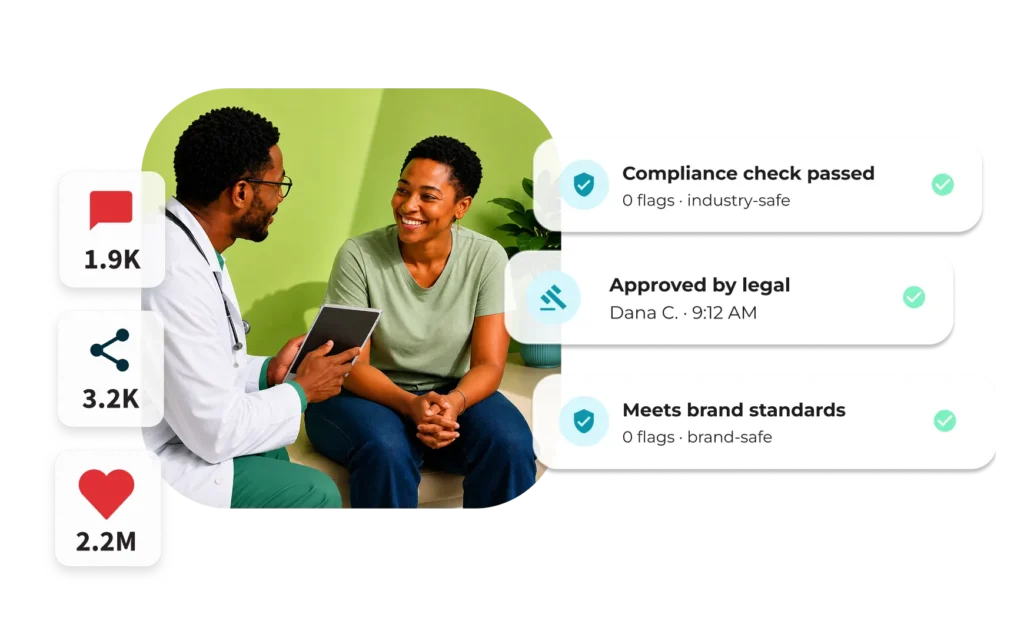
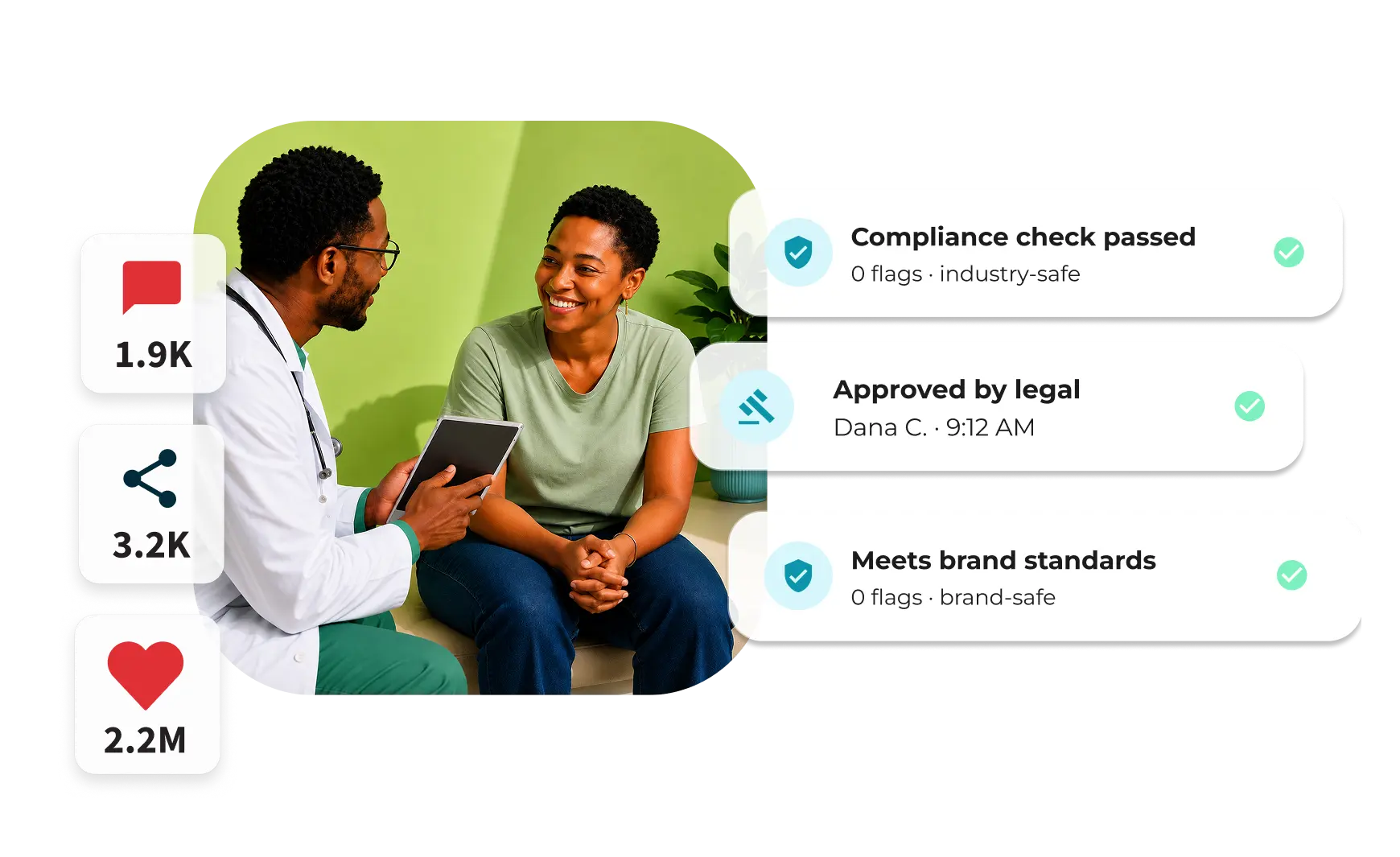
- Approval Workflows: Requiring a multi-step review process (Marketing, Legal, and Clinical) before any post goes live.
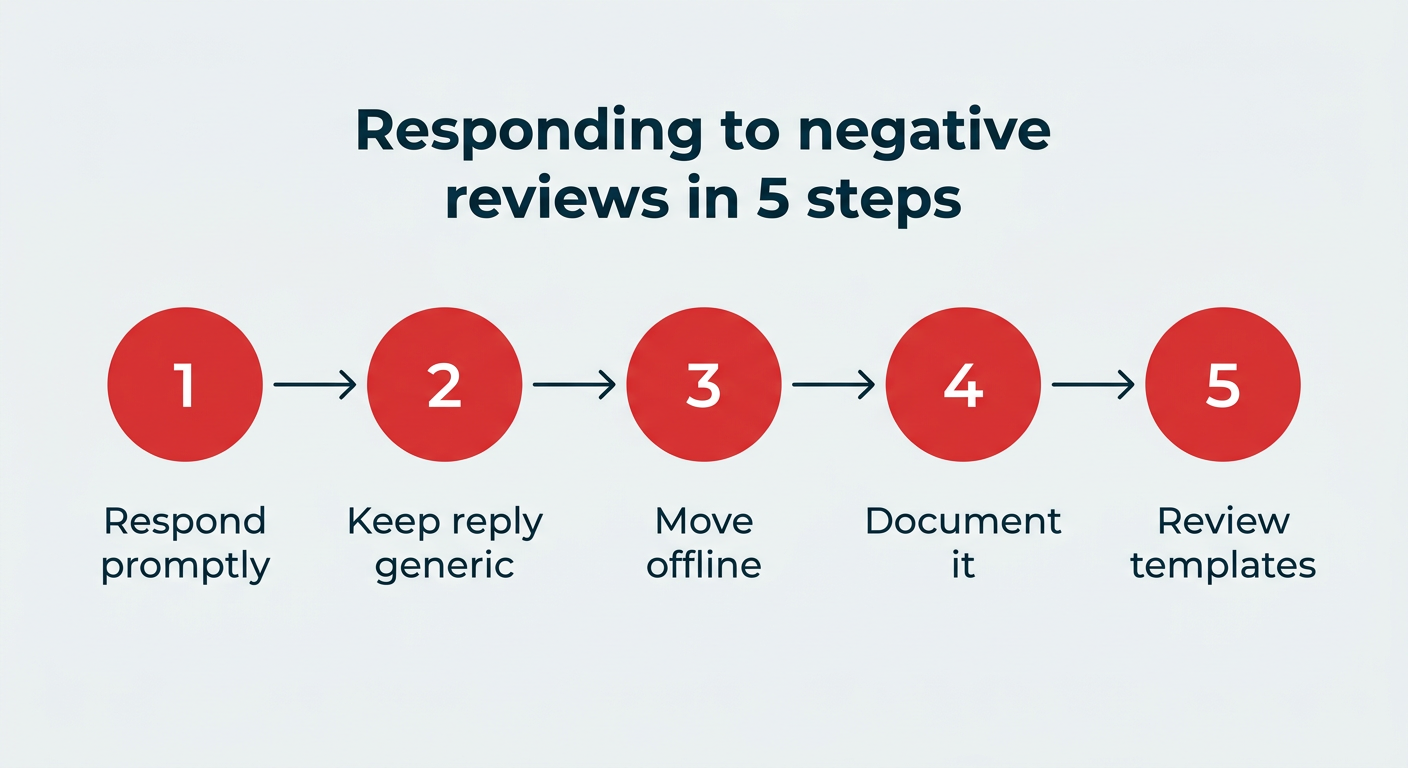
- Crisis Management: Pre-approved protocols for handling negative feedback or misinformation.
- Employee Guidelines: Clear rules regarding the use of personal social media accounts to discuss workplace experiences.
Strategic Content Types
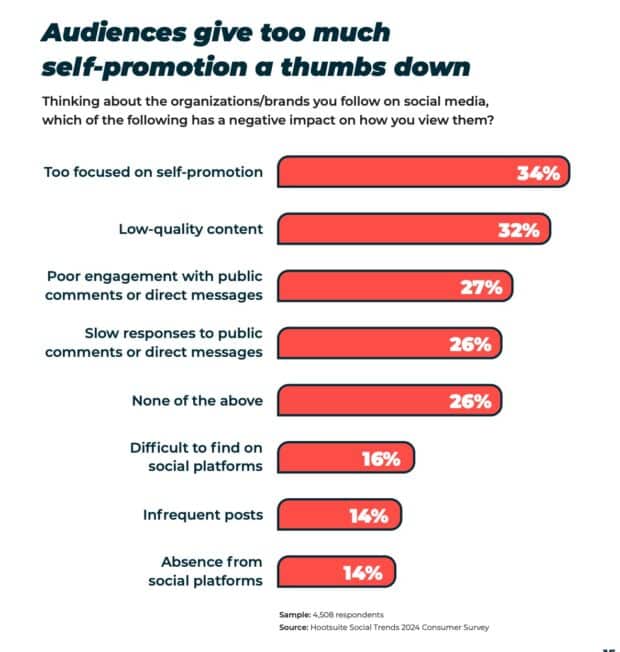
Data indicates that healthcare brands perform best when they pivot toward educational and human-centric content. High-performing categories include:
- Educational Reels/Shorts: Breaking down complex medical procedures into digestible, visual explanations.
- Provider Spotlights: Showcasing the expertise and humanity of the clinical staff.
- Community Q&As: Using live sessions to address common health queries, thereby positioning the organization as a thought leader.
The Role of Technology and AI in Healthcare Social
As the volume of content grows, technology has become the backbone of compliant operations. Integrated social media management platforms, such as Hootsuite, allow teams to centralize their efforts.
AI Integration and Guardrails
AI adoption in healthcare is soaring, with many organizations using it to draft content and manage engagement. However, the industry remains cautious. Recent reports suggest that 62% of the public are skeptical of AI-generated health content. To bridge this gap, organizations must implement strict AI guardrails:
- Human-in-the-Loop: Every AI-drafted post must be reviewed and edited by a human expert.
- Zero PHI Policy: AI tools must never be fed patient-identifiable data.
- Traceability: Every post must have an audit trail showing who created, reviewed, and approved the content.
Measuring ROI: Beyond Vanity Metrics
The struggle to quantify ROI is a persistent pain point for healthcare social media managers. While engagement and follower counts are useful metrics, they are not business outcomes. Sophisticated organizations track:

- Conversion Rates: Tracking how many social clicks lead to an appointment request or consultation booking.
- Referral Traffic: Measuring the volume of high-intent traffic sent to educational landing pages.
- Recruitment Pipeline: Tracking the number of applicants who cite social media as their primary source of information about the organization.
Conclusion: The Path Forward
The future of healthcare social media is not about reaching the most people; it is about reaching the right people with the right information at the right time. As the digital landscape continues to evolve, the organizations that thrive will be those that view social media as a clinical extension of their care—treating their digital presence with the same rigor, ethics, and commitment to patient well-being as they do their physical facilities.
By integrating robust compliance, leveraging smart technology, and maintaining an unwavering focus on patient privacy, healthcare organizations can transform their social media channels from a potential risk into a powerful tool for community health and institutional growth.
