
The Man of Steel Returns: A Cinematic Resurrection and the Legacy of Hope
For decades, the Man of Steel has served as the cultural barometer for the superhero genre. From the grainy, black-and-white optimism of George Reeves to the modern spectacle of the DC Extended Universe, Superman has remained the quintessential symbol of truth, justice, and the American way. However, recent years have seen the character grapple with a changing cinematic landscape. That changed last night. With the release of the latest Superman film, directed by James Gunn, the character has not merely been rebooted—he has been rediscovered.
This review provides a comprehensive look at the film’s narrative achievements, its impact on the future of DC Studios, and the fan-driven creativity that continues to flourish in the wake of the icon’s return.
I. Main Facts: A New Dawn for the DC Universe
James Gunn’s Superman is a departure from the grim, deconstructive approach that dominated the character’s recent history. Instead, this film pivots toward the core tenets that defined the character’s creation: compassion, struggle, and an unwavering desire to do better.

The narrative centers on a version of Clark Kent that feels distinctly mythic yet profoundly relatable. David Corenswet delivers a performance that balances the immense weight of godlike power with the vulnerabilities of a man who is still learning his place in humanity. Rather than portraying an infallible savior, the film presents a protagonist who doubts, falters, and ultimately chooses the path of righteousness not because he is perfect, but because he strives for moral improvement.
The film’s pacing is a deliberate departure from modern blockbuster fatigue. Where other films race through action sequences, Gunn’s direction allows the quiet moments—the conversations between Clark and his parents, the budding professional tension in the Daily Planet, and the contemplative pauses in the Fortress of Solitude—to breathe.
II. Character Dynamics and Performances
The Heart of the Daily Planet: Lois Lane
Rachel Brosnahan’s portrayal of Lois Lane is a masterclass in modernization without sacrifice. She is the anchor of the film—sharp-witted, fearless, and intellectually formidable. Brosnahan’s Lois does not merely play the role of the damsel or the reporter; she is a partner who challenges Superman’s perspectives and acts as his emotional compass. The chemistry between Corenswet and Brosnahan is the film’s beating heart, establishing a dynamic that feels grounded, earned, and built for the long haul.
The Antagonist and the Supporting Cast
Nicholas Hoult’s Lex Luthor provides a chilling, cerebral alternative to the traditional megalomaniac archetype. Hoult portrays Luthor as a cold strategist rather than a theatrical villain, a choice that makes the threat to Metropolis feel more immediate and intellectual. Similarly, Edi Gathegi’s Mr. Terrific brings a quiet, magnetic authority to the screen, providing a grounded presence that leaves the audience eager for more exploration of his character in upcoming installments.
The Unruly Heart: Krypto
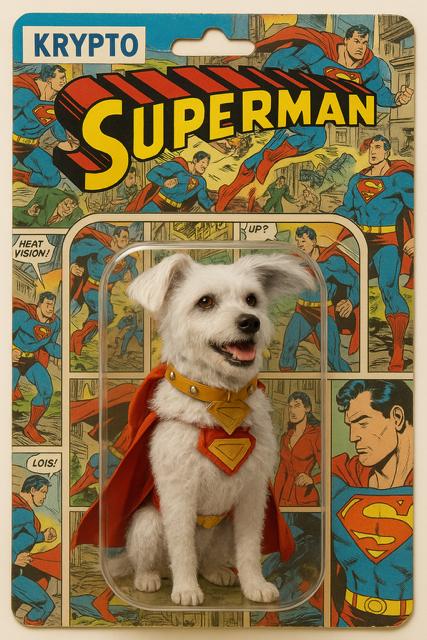
Perhaps the film’s most surprising success is the inclusion of Krypto. The superpowered canine functions as both a source of levity and a grounding force. He is portrayed as a chaotic, stubborn, and ultimately lovable companion, effectively breaking up the tension of the narrative with genuine, earned humor.
III. Chronology: The Evolution of a Legend
The journey to this film has been a decades-long evolution of the superhero genre.
- The 1950s Origins: The influence of the George Reeves Adventures of Superman is palpable in this iteration. The simplicity and clarity of those early episodes laid the groundwork for a character whose primary power was his empathy.
- The Modern Shift: Following the experimental phases of the 2010s, the current production marks a definitive "full circle" moment. It returns to the Kansas farm roots, treating the Kents not as plot devices, but as the foundational architects of Clark’s morality.
- The Future Outlook: With this release, James Gunn has effectively set a new tone for the DC Universe. The film avoids the trap of setting up a dozen sequels at the expense of its own story, focusing instead on establishing a sustainable emotional baseline for the franchise.
IV. Supporting Data and Critical Analysis
While the film is a triumph of tone and character, it is not without its minor stumbling blocks. A critical point of contention for many long-term fans is the final act, specifically the introduction of a key future character.
The character’s behavior, while clearly intended to seed future narratives, felt disconnected from the established lore. The transition felt jarring, and while there is an implicit trust in James Gunn’s larger roadmap, the execution of this specific reveal lacked the emotional resonance found elsewhere in the film. Nevertheless, the post-credits sequence provides a much-needed injection of humor and character-building, serving as a reminder that this franchise understands the importance of fan engagement.
Technical and Aesthetic Choices
The film’s production design, particularly the depiction of the Fortress of Solitude and the suburban Kansas aesthetic, reinforces the theme of "duality." By juxtaposing the cold, ancient technology of Krypton with the warm, golden hues of rural Kansas, the visual language of the film tells the story of Clark Kent’s life better than any monologue could.

V. Official Responses and Industry Implications
The reception of this film signals a broader industry shift. Studios are moving away from the "dark and gritty" mandate that governed the late 2010s, moving toward a "hope-first" philosophy. Critics have noted that this return to the core values of the source material is exactly what the superhero genre needs to combat "superhero fatigue."
Industry insiders suggest that the success of this film will likely influence how DC approaches its upcoming slate of projects, prioritizing character-driven stories over shared-universe interconnectivity. By allowing the characters to "breathe," the studio is investing in audience loyalty that survives beyond the opening weekend.
VI. The Fan Perspective: Creativity in the Digital Age
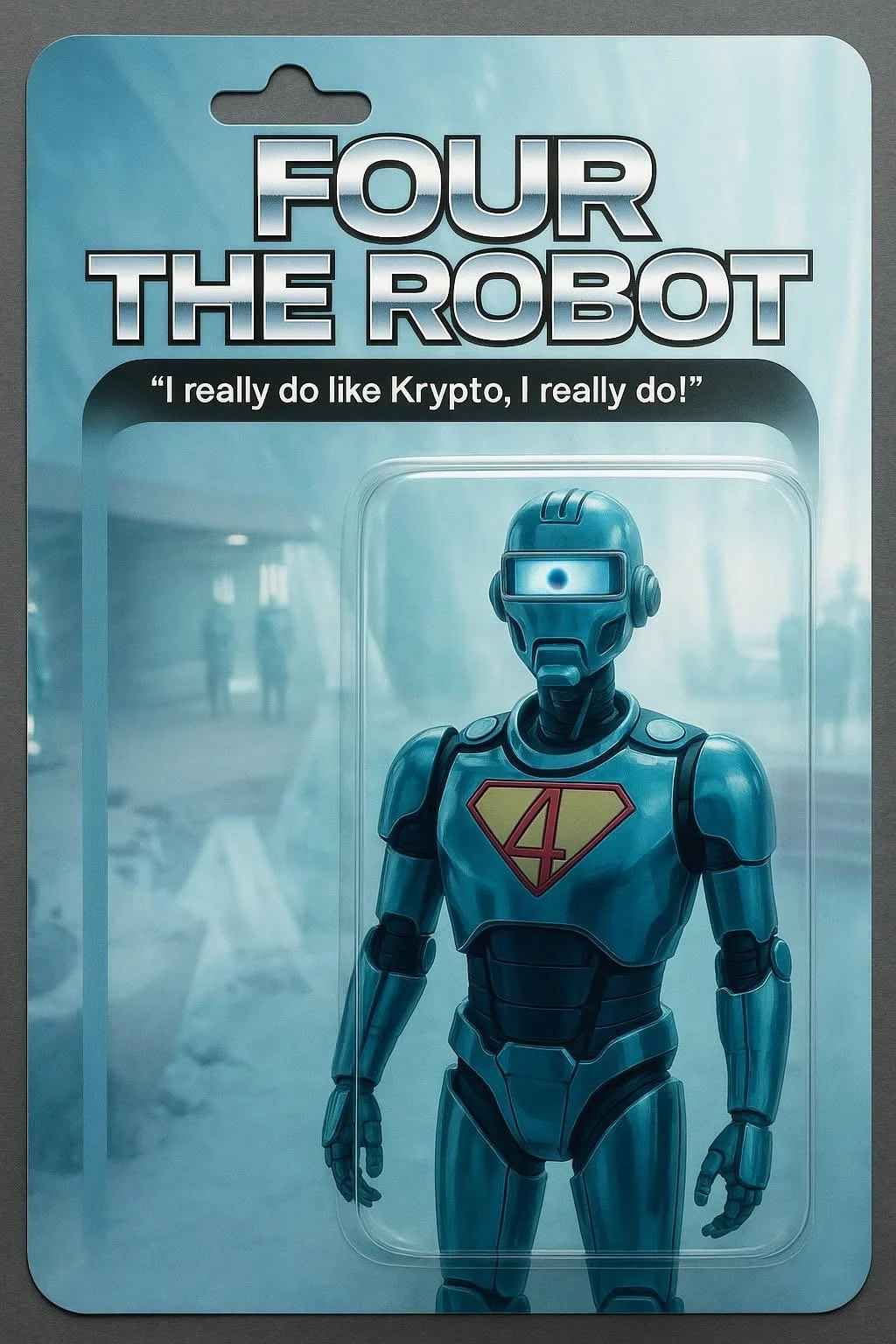
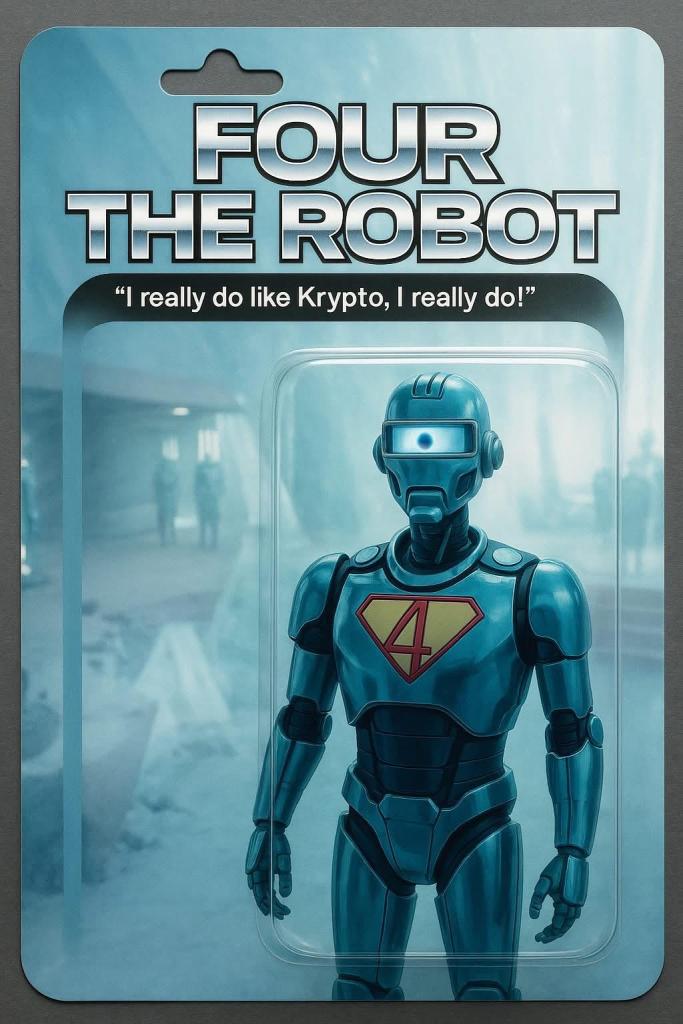
The impact of the film extends beyond the theater, fostering a vibrant ecosystem of fan-created content. Recent trends show that fans are using generative AI tools, such as ChatGPT and Microsoft Copilot, to expand the cinematic experience into their personal lives.

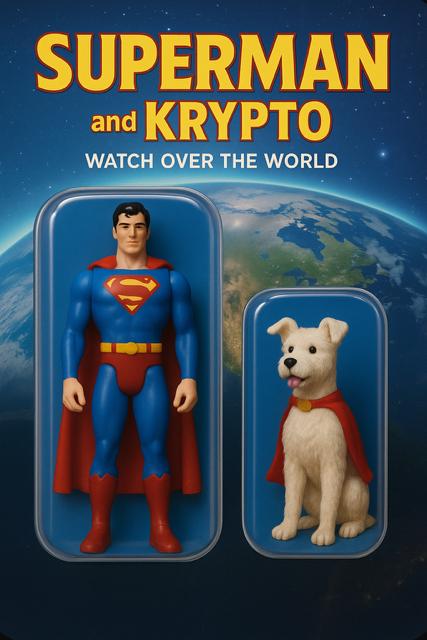
From the creation of custom action figures to the design of digital dioramas, fans are exploring the mythology of the character in unprecedented ways. For instance, many fans are experimenting with "what-if" scenarios—such as placing Superman in everyday settings like a local coffee shop—to humanize the icon.
Bridging the Gap: AI and Fan Craft
The use of AI in creating physical-looking digital collectibles, like the "Superman in a Dunkin Donuts" series, highlights a unique intersection of technology and nostalgia. Fans are utilizing old comic strips as textures and backgrounds for these figures, creating a collage effect that honors the character’s history while utilizing modern efficiency.
While these tools are not perfect—users often note the need for manual adjustments, such as scaling figures to fit within digital bubbles or correcting lighting—they represent a new frontier for fandom. The democratization of high-quality image generation allows every viewer to become an artist, further deepening the connection between the audience and the mythos.
VII. Final Implications: Why Hope Matters
The success of James Gunn’s Superman is not found in its box office projections or its visual effects, though both are impressive. Its true success is found in its ability to remind us why the character matters in 2025.
We live in a world that often feels fractured and cynical. A hero who stands for truth and justice, who is allowed to be vulnerable, and who is actively working to be a better person, is not a dated concept—it is a necessary one. This film does not hide from the fact that being a hero is hard. It acknowledges the weight of the cape and the burden of the responsibility.
For the lifelong fan who grew up watching George Reeves in black and white, this film is a validation. For the new generation being introduced to the Man of Steel, it is a high-water mark. The DC Universe is breathing again, and it is doing so with a sense of purpose that has been missing for too long.
As we look toward the future of the franchise, one thing is clear: the Man of Steel is back, and he is here to stay. Whether through the official cinematic canon or the creative output of the fans who keep his spirit alive, Superman remains our most enduring symbol of what we can achieve when we choose to look up.
