
The $0 Dropshipping Playbook: How Ambitious Entrepreneurs Are Launching E-Commerce Empires Without Upfront Capital
By the Digital Commerce Desk
Published: October 2023
Main Facts
E-commerce has fundamentally shifted the barrier to entry for aspiring entrepreneurs. Among the various digital retail models, dropshipping and print-on-demand have emerged as the dominant pathways for launching an online business without the crushing weight of upfront manufacturing and inventory storage costs.
However, a persistent myth plagues the industry: the notion that a dropshipping business can be run entirely for free in perpetuity. While it is entirely possible to open digital storefronts, source product catalogs, and market goods without spending a single dollar out of pocket, reality dictates that payment processing fees, domain names, product samples, and platform subscriptions will eventually require capital.
The strategy gaining traction among modern bootstrapped founders is the "$0-to-First-Sale" methodology. By leveraging free platform tiers, organic social media marketing, and zero-cost market validation techniques, sellers can delay financial investment until their operations generate organic revenue. Platforms like Shopify (via low-cost introductory promotions), Big Cartel, and WooCommerce—coupled with specialized suppliers like dropXL—allow entrepreneurs to build, stock, and market a catalog using only time, strategy, and sweat equity.
Chronology: The Evolution of Bootstrapped E-Commerce
The journey from a zero-dollar bank account to a sustainable e-commerce enterprise follows a strict, chronological framework. Experienced operators break down the launch sequence into six distinct operational phases:
Phase 1: Free Niche Validation and Market Research
- The Strategy: Avoid broad markets like "electronics" or "apparel" where competition from retail giants is insurmountable. Instead, drill down into micro-niches. For example, rather than selling general home goods, target "compact furniture for urban apartment renters."
- The Tools: Use zero-cost resources such as Google Trends, Reddit threads, Amazon marketplace listings, and industry growth reports (e.g., Grand View Research data showing the outdoor furniture market expanding at 6.4%) to confirm demand before listing a single product.
Phase 2: Curating the Initial Product Feed
- The Strategy: Build a lean, high-intent product collection of 5 to 10 items rather than inundating a storefront with hundreds of SKUs.
- The Tools: Utilize daily-updated product feeds from suppliers like dropXL, which provide automated inventory tracking, pricing data, and descriptive metadata. Score each item against strict metrics: projected profit margin, shipping risk, and ongoing consumer demand.
Phase 3: Securing a Zero-Cost Digital Storefront
- The Strategy: Choose a foundational platform that accommodates a $0 starting budget. Marketplaces like Etsy, eBay, and Amazon require no upfront platform subscription fees (though they take cut percentages upon sale).
- The Tools: For independent sites, Big Cartel offers a completely free Gold plan supporting up to five product listings and native PayPal/card integration. Alternatively, WordPress combined with WooCommerce and a free dropXL plugin allows automated inventory syncing every thirty minutes without monthly fees.
Phase 4: Establishing Supplier Partnerships
- The Strategy: Vet wholesale networks for reliability, proximity to target demographics, and return policies rather than chasing the absolute lowest wholesale price. A cheap product that arrives broken destroys customer trust and profitability.
- The Tools: Connect with vetted logistics networks. dropXL, for instance, links merchants to over 90,000 vidaXL products spanning 32 countries and a network of more than 4,000 corporate distributors, offering automated fulfillment workflows.
Phase 5: Organic Growth and Organic Traffic Generation
- The Strategy: Bypass paid advertising algorithms entirely during the initial weeks. Focus on SEO-optimized product pages, detailed FAQ sections addressing shipping times and return policies, and aggressive organic social media outreach.
- The Tools: Leverage TikTok, Instagram Reels, and YouTube Shorts. If product samples are unavailable, create educational content (e.g., "How to measure your bedroom space for a low-profile wardrobe"). Capture email addresses immediately by offering a modest first-time buyer discount in exchange for contact info.
Phase 6: Data-Driven Scaling
- The Strategy: Reinvest initial profits rather than injecting outside capital. Analyze analytics dashboards to see which products capture views, command the highest margins, or generate customer complaints. Double down on what works and prune underperforming SKUs.
Supporting Data & Market Metrics
To understand why zero-budget dropshipping remains viable, one must analyze current retail data and supplier economics:
- Market Growth: Micro-segments within the home, garden, and furniture sectors continue to exhibit steady compound annual growth rates (CAGRs). For instance, specific sub-sectors in modular living solutions are seeing surges upwards of 6% annually.
- Supplier Scale: Modern fulfillment networks have expanded drastically. Platforms like dropXL aggregate access to tens of thousands of SKUs across dozens of countries, removing the traditional geographic bottlenecks that once crippled independent European and North American sellers.
- Platform Economics: While traditional enterprise solutions demand monthly retainers ranging from $29 to $399, entry-level bootstrapped alternatives—such as Big Cartel’s Gold tier ($0) or Shopify’s promotional $1/month introductory periods—drastically lower the financial barrier to entry for the first 90 days of operation.
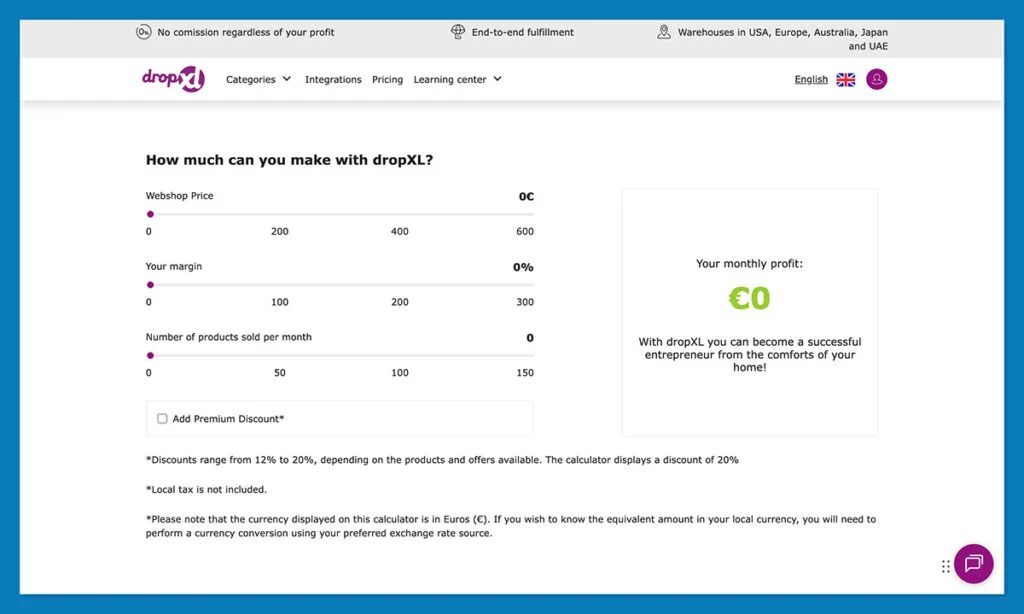
- Commission Structures: Unlike marketplaces that extract heavy percentage cuts from every transaction, specialized backend suppliers often operate on flat monthly models (e.g., dropXL’s €30/month professional tier) with 0% commission fees, allowing merchants to retain a higher percentage of their retail markups.
Official Perspectives & Industry Insights
E-commerce strategists and logistics experts consistently emphasize that while the "start for free" narrative is a powerful catalyst for aspiring business owners, it requires a mindset shift from passive dreaming to active micro-management.
Industry analysts point out that the biggest trap for new merchants is administrative bloat. "Creating a massive catalog straight away is the fastest way to fail," notes one leading retail fulfillment consultant. "It immediately disqualifies you from free e-commerce platform tiers and buries you in backend inventory management when your primary goal should be rapid market validation."
Furthermore, supplier relations experts stress the importance of quality control over raw cost savings. A representative from major supply chain networks notes: "The wholesale price of an item is secondary to the reliability of its transit. If a supplier fails to deliver on time, your customer service metrics collapse, destroying your brand equity before it ever has a chance to form."
Implications for Future Digital Entrepreneurs
The democratization of dropshipping through zero-budget models carries profound implications for the global digital economy.
1. The Death of High-Risk Capital Requirements
Historically, starting a retail venture required thousands of dollars in commercial leases, bulk inventory purchases, and warehousing logistics. Today, an individual with an internet connection, a smartphone, and zero bank savings can test a business idea over a weekend. This shifts the entrepreneurial landscape from an exclusive club of funded operators to a meritocracy driven by creativity, copywriting, and organic marketing skill.
2. The Rise of Hyper-Niche Micro-Brands
As broad-market dropshipping becomes increasingly saturated by algorithmic ad spend, the future belongs to hyper-niche operators. Sellers who utilize free validation tools to target ultra-specific consumer demographics—such as ergonomic workspace additions for remote workers or specialized compact furniture for tiny homes—are carving out defensible, high-margin territory.
3. The Inevitability of Reinvestment
A crucial takeaway for modern merchants is that a $0 budget is a temporary launchpad, not a permanent business model. The long-term viability of a dropshipping enterprise hinges on the founder’s willingness to transition from free tools to paid infrastructure—such as robust website themes, automated email marketing suites, and targeted paid acquisition campaigns—once organic cash flow is established.
Ultimately, dropshipping on a zero-dollar budget is an exercise in resourcefulness. By pairing zero-cost market research, lean product curation, and strategic supply chain partnerships with platforms designed for scalability, ambitious sellers can turn a zero-balance ledger into a thriving digital enterprise.
