
The AI Agency Playbook: Scaling Operations Without Sacrificing Margins
In the modern marketing agency landscape, artificial intelligence has transitioned from a buzzword to an operational imperative. However, the promise of “unlimited scale” has often backfired, leading to “tool sprawl”—a chaotic environment where agencies pay for dozens of disparate subscriptions that inflate overhead and fragment client delivery.
The real competitive advantage today doesn’t come from using more AI, but from building a cohesive, margin-friendly stack that prioritizes quality, brand integrity, and reliable outcomes. For agencies aiming to stay lean and profitable, the objective is simple: automate for efficacy, not for the sake of novelty.
The State of Agency Tooling: Moving Beyond Chaos
The industry is currently facing a "productivity paradox." While AI tools for content generation, ad optimization, and data reporting have lowered the barrier to entry, they have simultaneously increased the risk of brand dilution. When content is generated in a vacuum without oversight, the resulting output often feels generic.
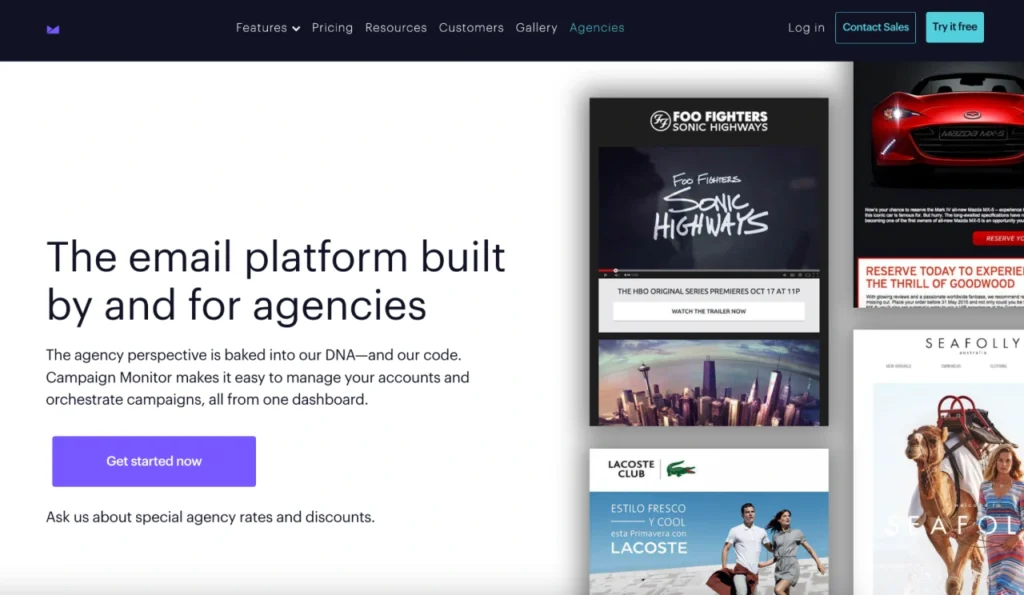
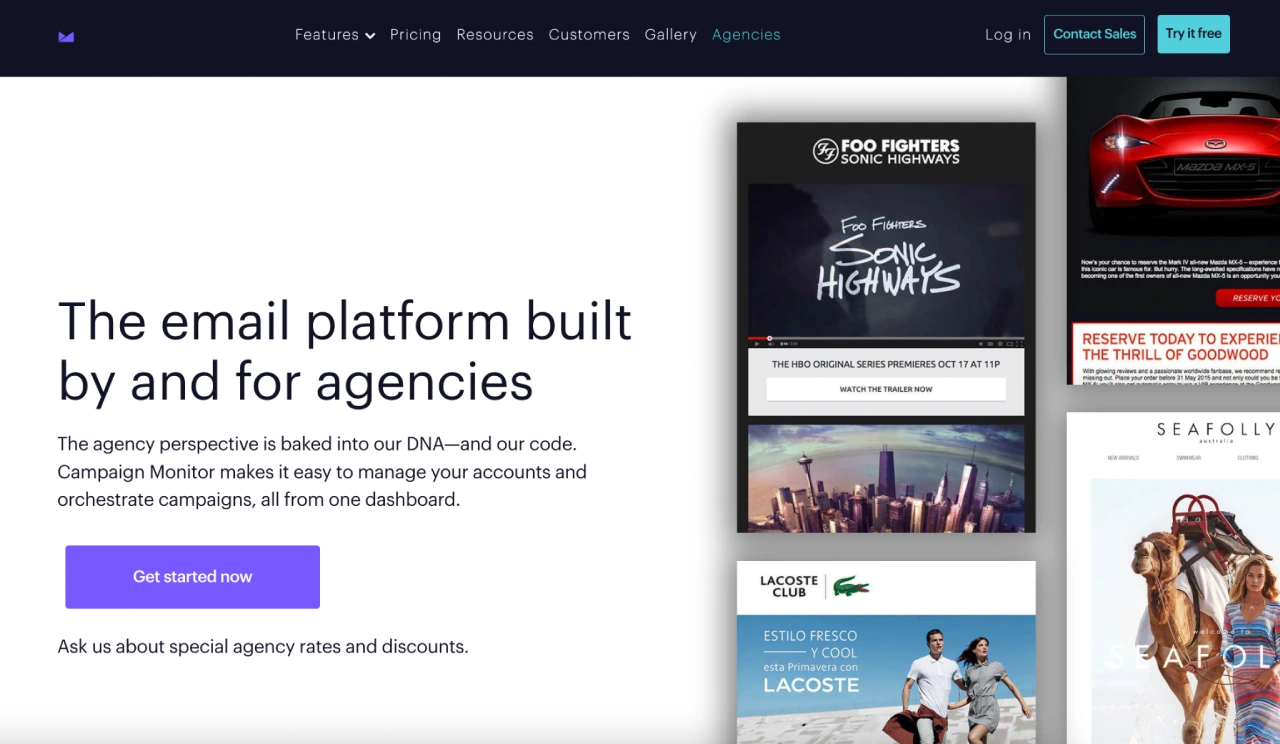
Furthermore, the "all-in-one" suite trend—while attractive on paper—often leaves agencies locked into expensive contracts with features they never use. The most successful agencies are now pivoting toward a "best-of-breed" architecture, anchored by a reliable, core communication platform—such as Campaign Monitor—that ensures client messaging remains consistent even as the supporting AI infrastructure scales.
The 17 Essential AI Tools for the Modern Agency
To help agencies navigate this landscape, we have categorized the most effective tools based on their impact on workflow and ROI.

| Tool | Category | Key Strength |
|---|---|---|
| Campaign Monitor | Email & Automation | Multi-client governance & dynamic journeys |
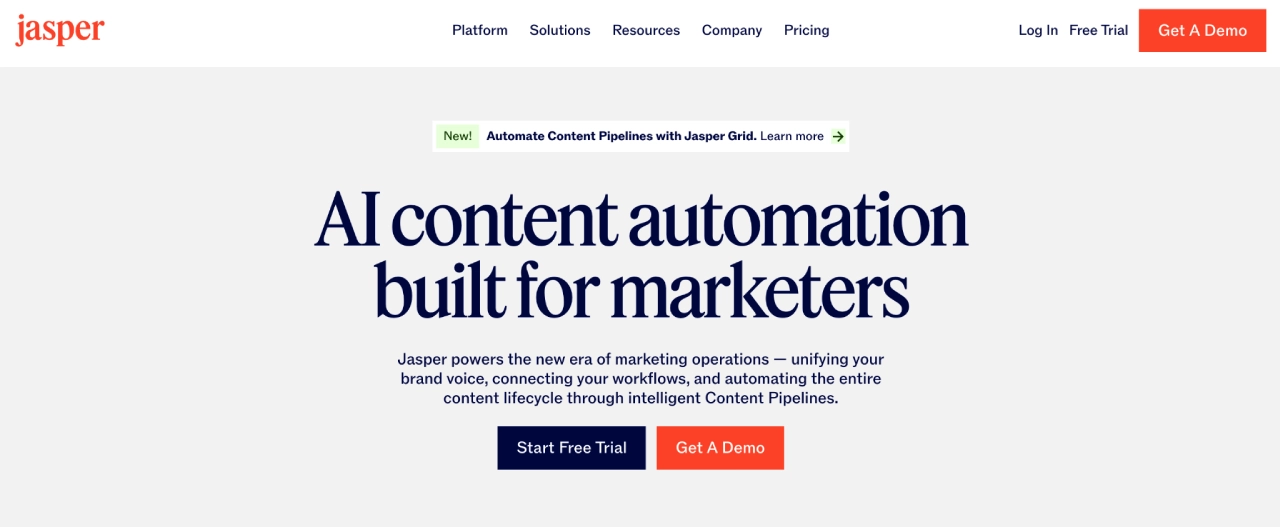
| Jasper | Content Creation | Brand voice consistency |
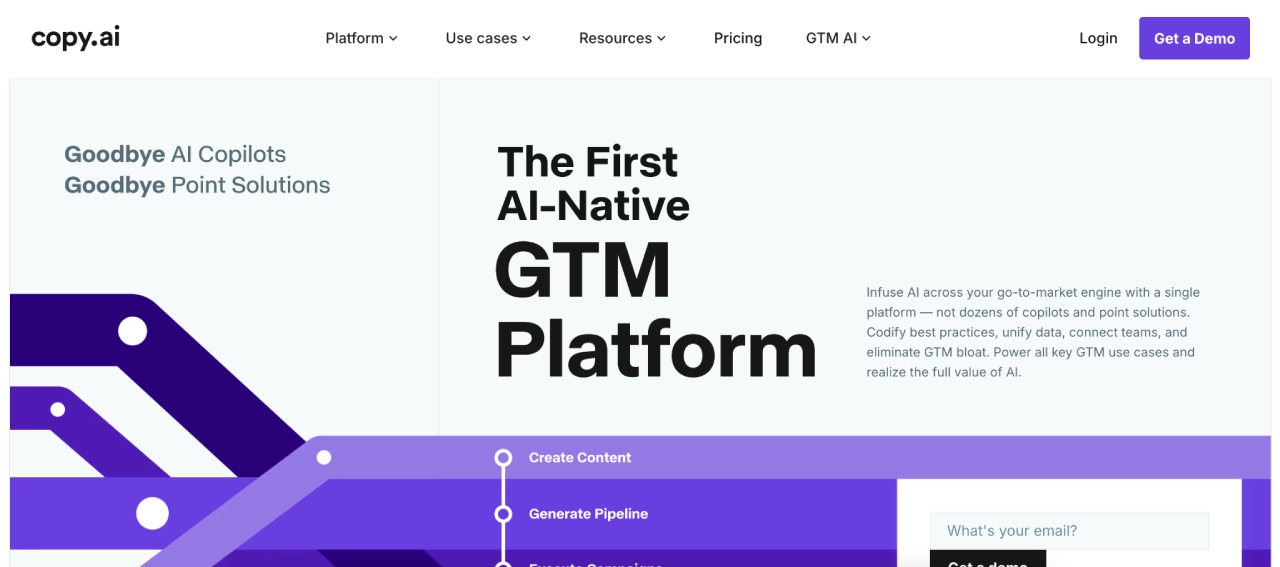
| Copy.ai | GTM/Content Ops | Agentic workflows |
| Madgicx | Ads Management | Meta ad performance automation |
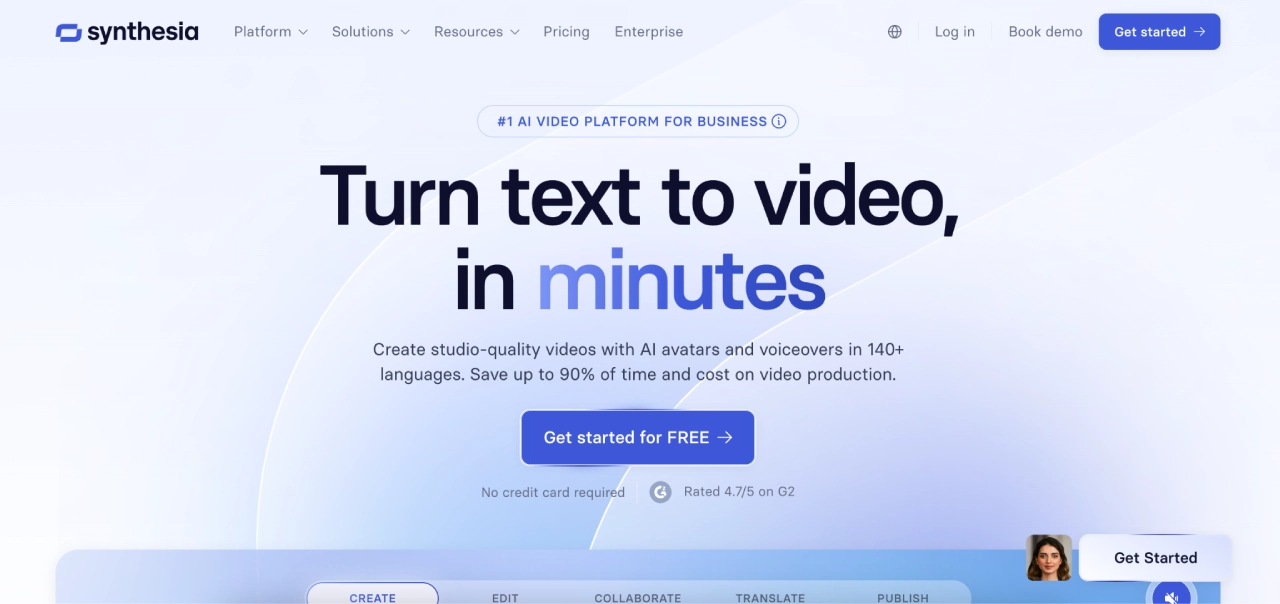
| Synthesia | AI Video | Scalable multilingual video production |
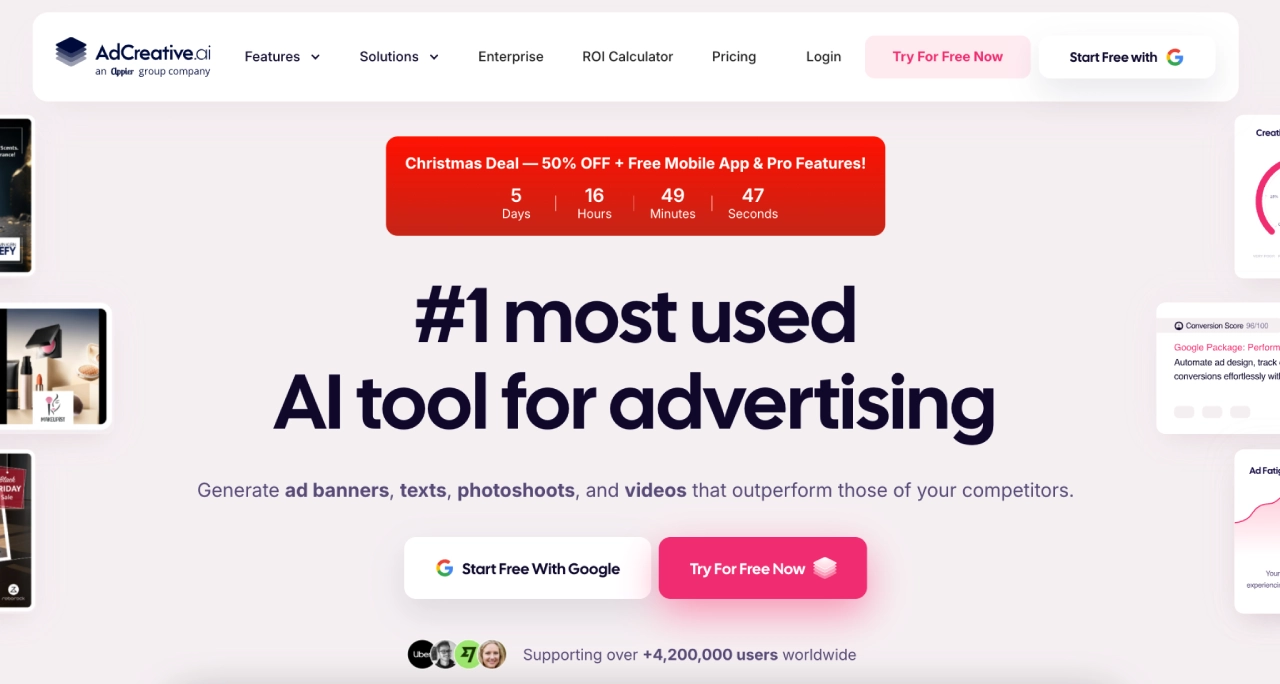
| AdCreative.ai | Ad Creative | Predictive creative scoring |
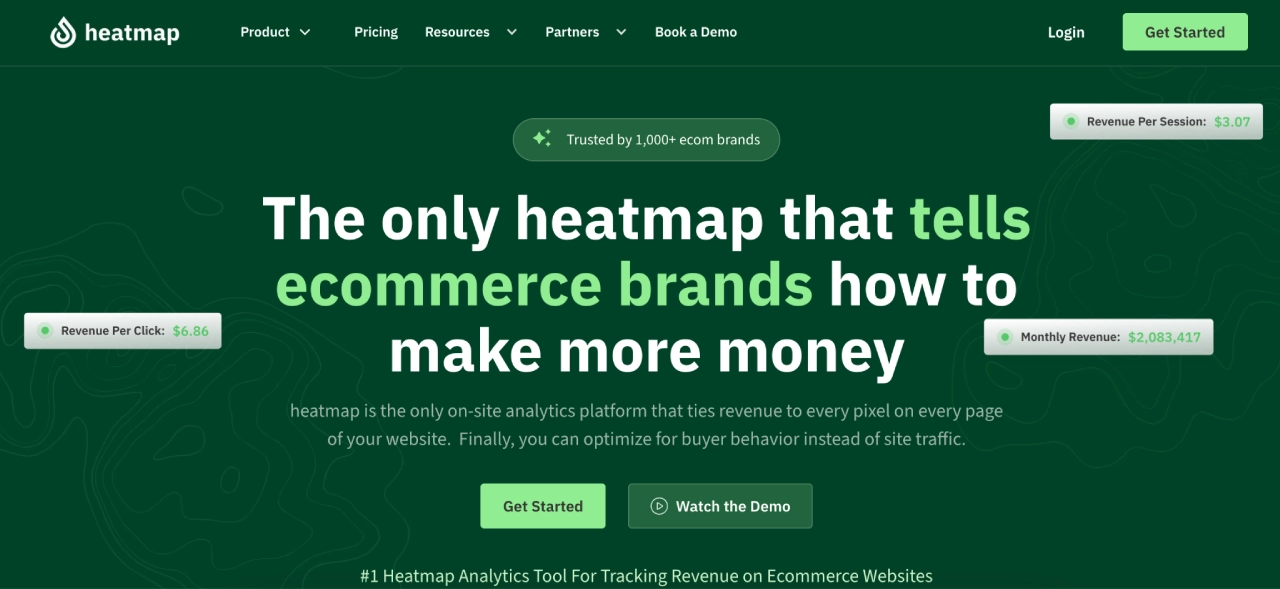
| Heatmap AI | CRO/UX | Real-time conversion insights |
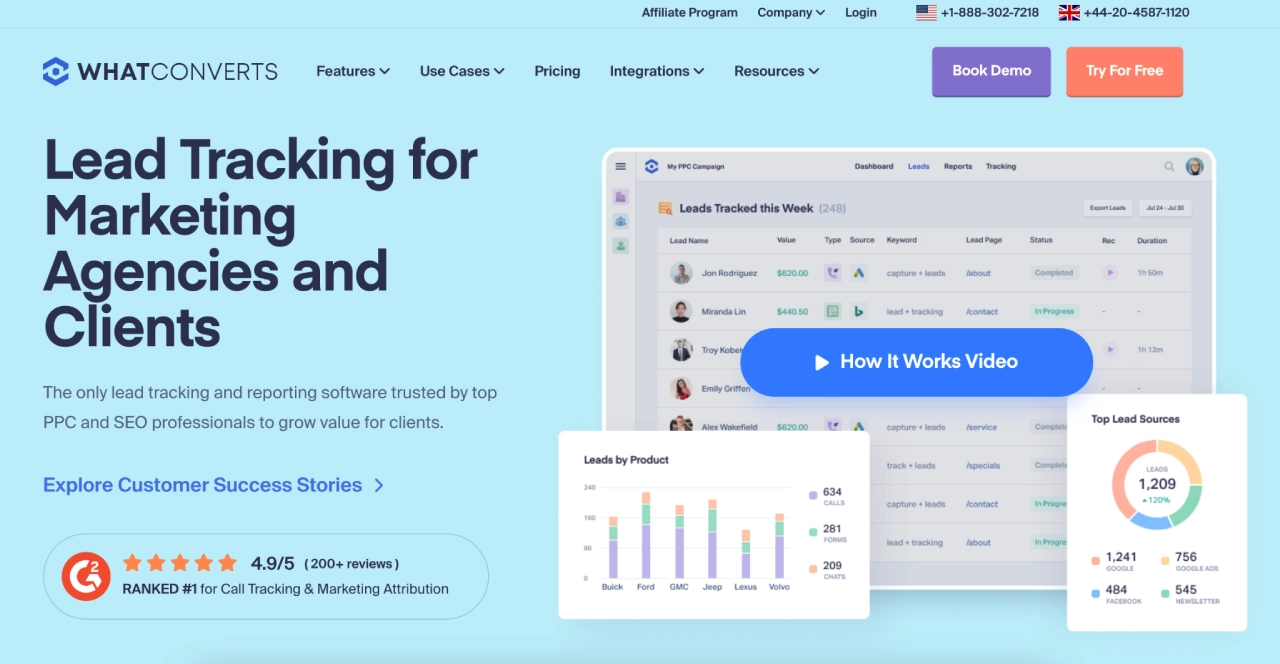
| WhatConverts | Attribution | Lead source tracking |
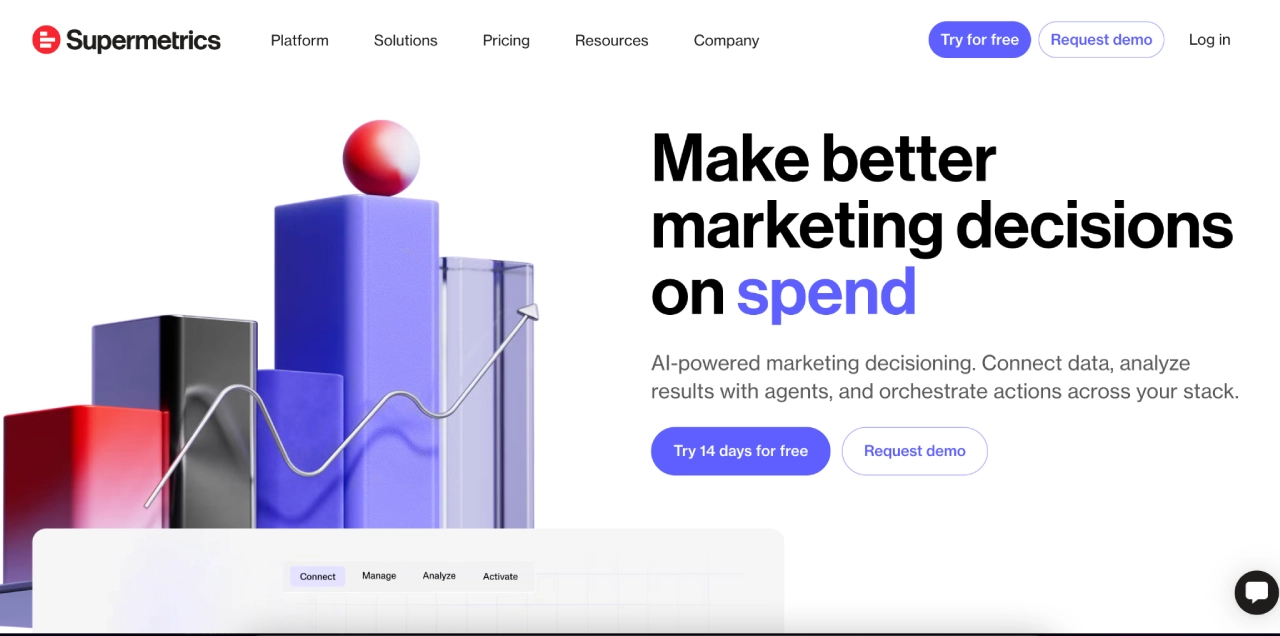
| Supermetrics | Data Pipelines | Cross-channel integration |
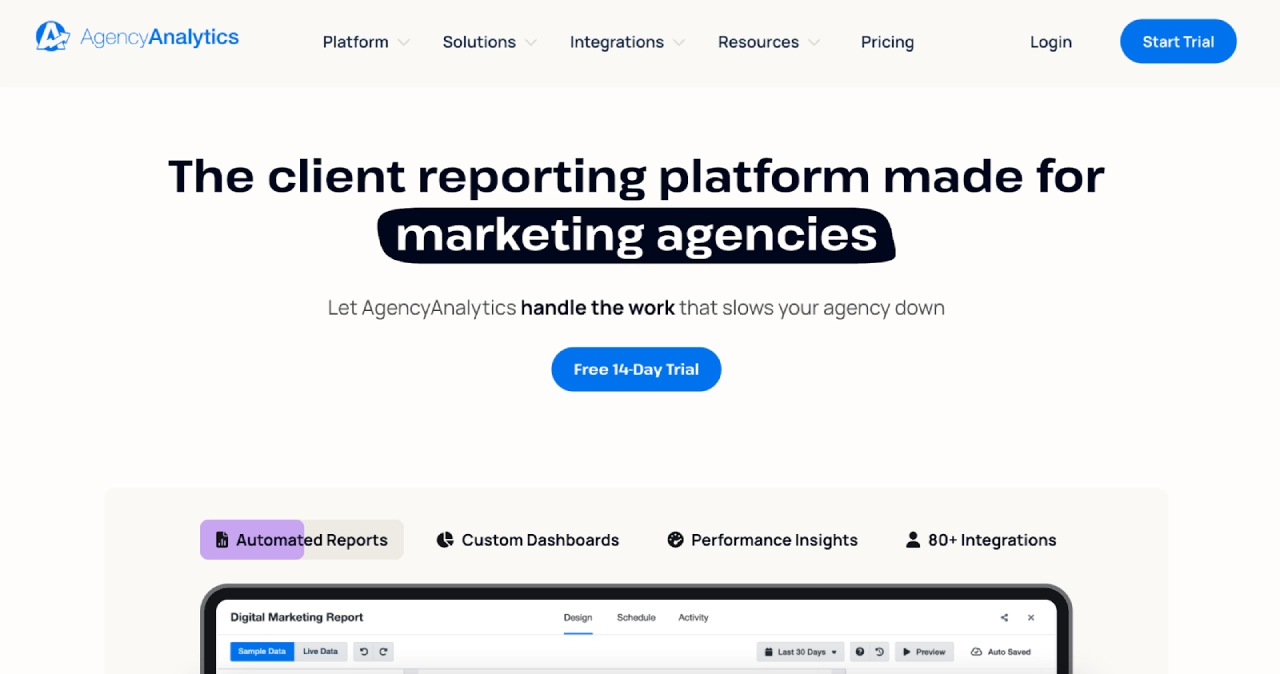
| AgencyAnalytics | Reporting | White-label client dashboards |
| Zapier | Orchestration | Multi-tool workflow automation |
| HubSpot AI | CRM | Integrated marketing agents |
| Hootsuite | Social Media | AI-assisted scheduling |
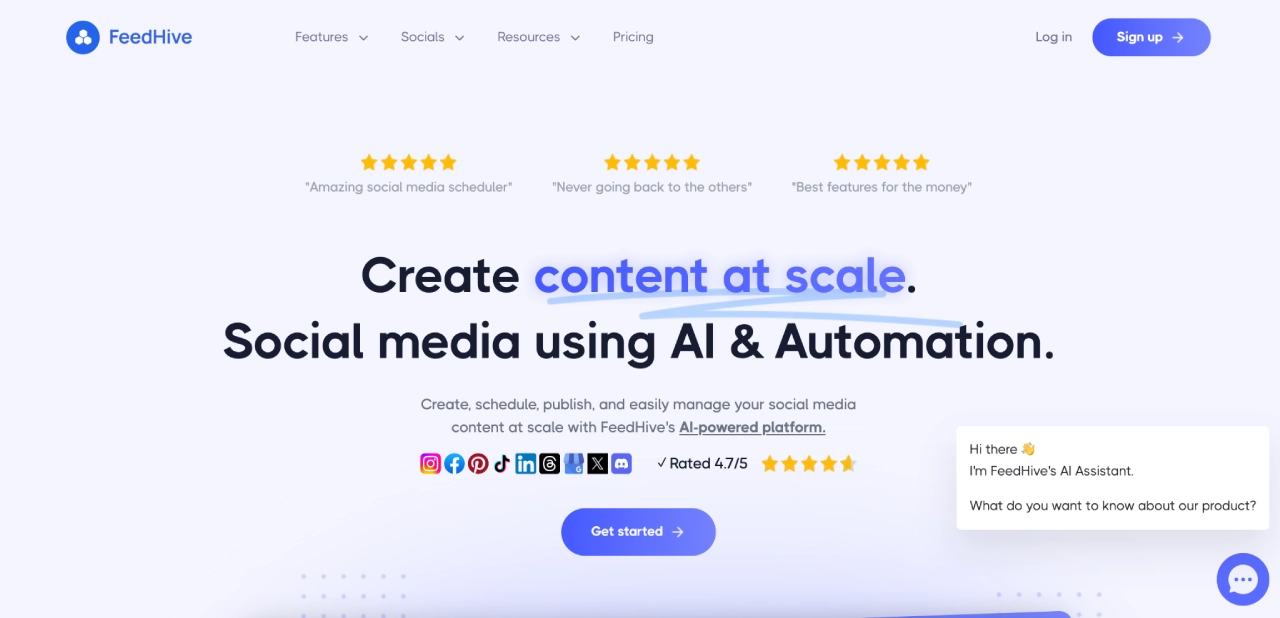
| FeedHive | Social Media | Smart post-generation |
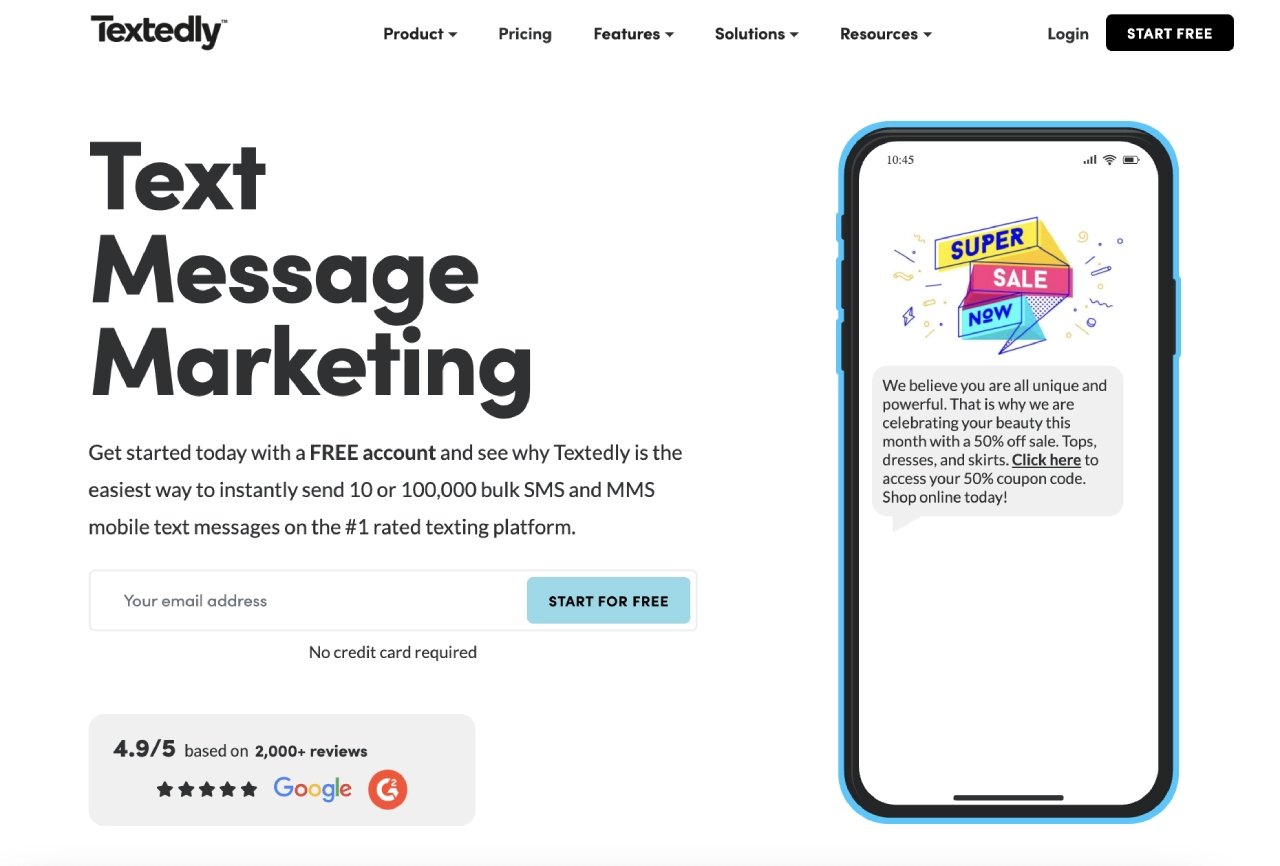
| Textedly | SMS Marketing | AI-assisted copy for mobile |
| DALL·E 3 | Image Gen | API-ready image consistency |
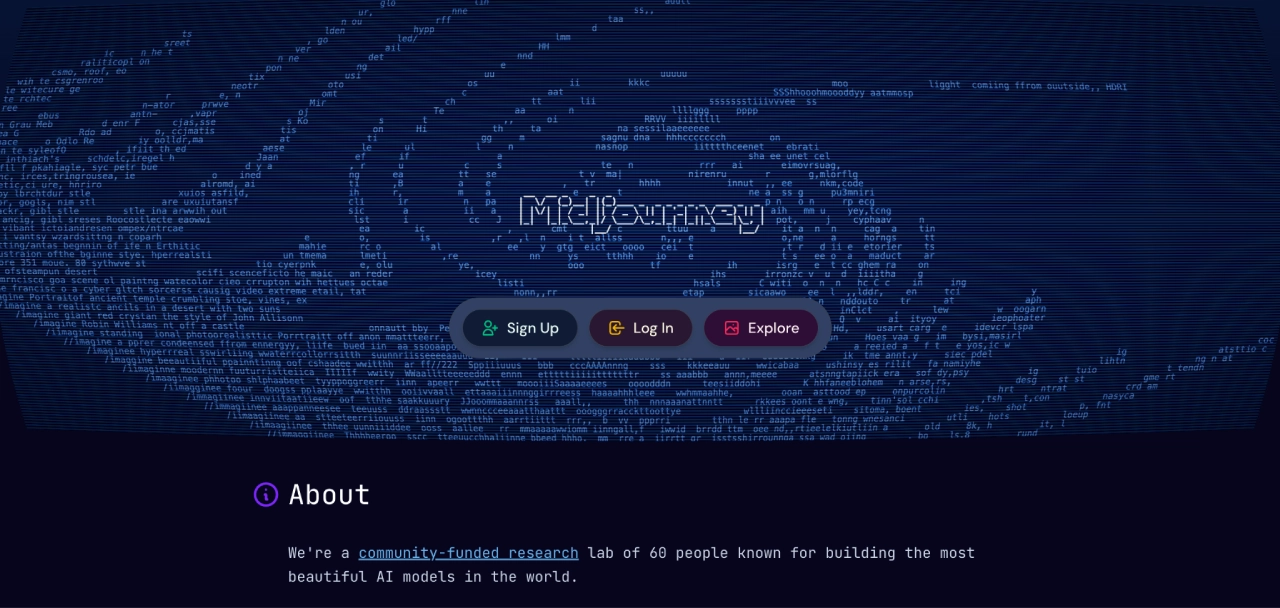
| Midjourney | Image Gen | High-fidelity conceptual creative |
Deep Dive: Powering Workflows with Strategic Foundations
The most critical component of this stack is the email engine. Regardless of how high-quality your AI-generated ad copy is, it is the email sequence that ultimately nurtures the lead. Campaign Monitor stands out here by offering agency-grade multi-client tools, parent/child account structures, and advanced segmentation. By integrating AI-driven content into a robust email foundation, agencies can ensure that "at-scale" doesn’t mean "impersonal."
Strategic Framework: The 3C Model
To prevent AI from becoming a liability, agencies should adopt the 3C Model:
1. Context (Centralization)
Before deploying AI, centralize your data. AI is only as good as the data it consumes. By pulling audience, channel, and performance metrics into a single source of truth, you provide the AI with the context necessary to create hyper-relevant campaigns.
2. Content (Refinement)
Use AI as a force multiplier for the first draft, but never as the final arbiter. The "human-in-the-loop" model remains the gold standard. AI handles the heavy lifting of ideation and drafting, while human specialists refine the voice to ensure it aligns with the client’s unique brand identity.
3. Control (Guardrails)
Automation must have limits. Implement strict approval workflows for all client-facing content. Whether it is an automated email drip or a social media post, ensure that your AI outputs are checked against a "brand governance" checklist.
Operational Risks and Safety Considerations
Scaling AI without safety nets is a recipe for disaster. Agencies must be vigilant regarding several critical risk factors:
- Hallucinations: Large Language Models (LLMs) are prone to "hallucinating" facts. For agencies in regulated industries like finance or healthcare, this is a significant compliance risk. Always treat AI output as a draft that requires fact-checking.
- Brand Voice Drift: Without proper "brand voice" training, AI content tends to regress toward the average, resulting in generic marketing fluff. Utilize tools like Jasper’s "Brand Voice" feature to lock in specific stylistic constraints.
- IP Rights: Not all generative models offer the same level of intellectual property protection. Ensure your agency is using enterprise-grade versions of tools that offer indemnity and commercial usage rights.
- Data Compliance: As agencies feed client CRM data into AI tools to improve personalization, they must ensure these tools are compliant with GDPR, CCPA, and other relevant privacy regulations.
Managing Total Cost of Ownership (TCO)
One of the most overlooked aspects of agency scaling is the "hidden" cost of AI. Many agencies fall into the trap of subscribing to dozens of tools that charge by the seat or by the task.

To keep TCO predictable:
- Audit Usage Quarterly: Identify which tools are being used by the full team and which are being used by one or two individuals.
- Consolidate Stacks: If a tool only performs one function that could be handled by a more robust, existing platform, phase it out.
- Batch Processes: Reserve "fast" or real-time AI processing for revenue-critical tasks. For lower-priority work, use batch processing to keep costs down.
Choosing the Right Stack for Your Agency Model
The "perfect" stack depends on your agency’s specific focus:

- For the Small/Starter Agency: Keep it lean. Use one tool for each core function—one for content, one for email, one for automation. Avoid feature overlap at all costs.
- For Performance Agencies: Focus on attribution and creative testing. Your stack should center on WhatConverts for tracking and Madgicx for Meta ad optimization.
- For Content-Driven Agencies: Prioritize high-intent creation. Pair Jasper with Surfer SEO or similar research tools to ensure content isn’t just fast, but search-optimized.
Implications for the Future of Client Delivery
The transition toward an AI-integrated workflow is not a choice; it is an evolution. Agencies that succeed in the next five years will be those that effectively balance the raw speed of machine learning with the nuanced, strategic intuition of human marketers.
As you refine your stack, remember the core objective: client revenue. If a tool isn’t directly contributing to client ROI or saving significant billable hours without compromising quality, it should be removed. By focusing on foundational tools like Campaign Monitor for reliable communication, you create a stable environment that can withstand the rapid changes of the AI landscape.
Conclusion: The Path Forward
Building a "margin-friendly" workflow requires discipline. It requires saying no to shiny new tools that don’t serve the bottom line and saying yes to infrastructure that promotes stability and governance.

Start by auditing your current output. Is your team spending more time fixing AI errors than they would have spent creating the content manually? If the answer is yes, you are automating for the wrong reasons. Realign your stack, implement the 3C Model, and ensure your agency remains a source of high-value, strategic partnership rather than just a high-volume factory of automated noise.
Disclaimer: This article provides general information regarding marketing technology and should not be construed as financial, legal, or tax advice. Agencies should consult with professional advisors before implementing new software or changing operational workflows.
