
Beyond Meltwater: Navigating the Landscape of Modern Media Intelligence Platforms
In the rapidly evolving digital landscape, organizations are under immense pressure to track brand sentiment, monitor competitive intelligence, and manage public relations in real time. For many, Meltwater has long served as the industry standard for media intelligence. However, as marketing and communications teams become more specialized, a one-size-fits-all approach is increasingly proving insufficient.
The search for a Meltwater alternative is often driven by a desire for greater operational efficiency, reduced platform complexity, or a more direct bridge between data insights and actionable outcomes. This article provides a comprehensive analysis of the current market, evaluating top alternatives like Hootsuite, Muck Rack, Cision, and Brandwatch, and defining the criteria organizations should prioritize when selecting a new intelligence partner.

The Strategic Shift: Why Teams Are Re-evaluating Their Tech Stack
For years, the "all-in-one" platform model was the pinnacle of corporate software procurement. By bundling news monitoring, social listening, influencer identification, and reporting into a single license, companies sought to streamline their operations. Yet, the reality of managing such vast, monolithic systems often tells a different story.
The Learning Curve Challenge
Meltwater’s broad scope is its primary asset, but it is also its most significant barrier to entry. Teams often find that the time required to master the platform’s advanced features—such as complex Boolean search queries and intricate reporting modules—detracts from the actual work of strategy and execution. When onboarding time spans months rather than days, the ROI on the software begins to diminish.

The Handoff Problem: From Insight to Action
A critical friction point for many marketing departments is the "handoff gap." In many legacy setups, monitoring occurs in one silo, while publishing and engagement happen in another. This disconnect creates a delay; by the time a brand identifies a trend, verifies it, and moves to a different tool to draft and publish a response, the moment of relevance may have already passed. Teams are increasingly prioritizing platforms that keep "listening" and "doing" in the same ecosystem.
The "Bloat" Tax
Enterprise software is notorious for feature bloat. Organizations often pay for premium packages that include tools—such as global print monitoring or advanced corporate intelligence—that their specific team never utilizes. When the price of a license is tied to access rather than usage, CFOs are naturally incentivized to look for more agile, modular alternatives.
Key Criteria: How to Choose the Right Alternative
When transitioning away from a legacy platform, it is easy to fall into the trap of "feature shopping." Instead, experts suggest a framework centered on the actual workflow of your team.
1. Granular Reporting Flexibility
Not every stakeholder needs the same data. A CEO requires a high-level summary of sentiment and share of voice, while a social media manager needs granular engagement metrics and specific campaign performance data. A superior alternative must allow for the creation of customized, stakeholder-specific dashboards that can be generated without a data science degree.
2. Complexity Alignment
Does your team need advanced boolean logic, or do they need intuitive AI-driven trend spotting? If your team is composed of communications generalists rather than full-time data analysts, prioritize platforms that offer "low-code" or "no-code" interfaces. You should not have to sacrifice the depth of your data to gain ease of use.
3. Depth vs. Breadth of Coverage
It is common for platforms to boast about the number of sources they monitor. However, as Jase Rodley, founder of Dialed Labs, notes: "A lot of businesses end up focusing on how much data tools collect without looking at what they’re going to do with it." If a tool tracks millions of sources that your target audience never visits, that data is simply noise. Focus on quality—are the platform’s sources relevant to your specific market and demographic?

4. Total Cost of Ownership (TCO)
When comparing pricing, look beyond the sticker price. Hidden costs, such as the need for third-party integrations, specialized training, or add-on seats, can quickly inflate the annual budget. Often, a platform with a higher base price that includes all necessary features is more cost-effective than a "cheaper" tool that requires five integrations to function properly.
Leading Alternatives in 2026: A Comparative Analysis
The market for media intelligence has matured into several distinct niches. Depending on your primary business goal, here are the most viable alternatives to Meltwater.
Hootsuite: The Social-First Integrated Hub
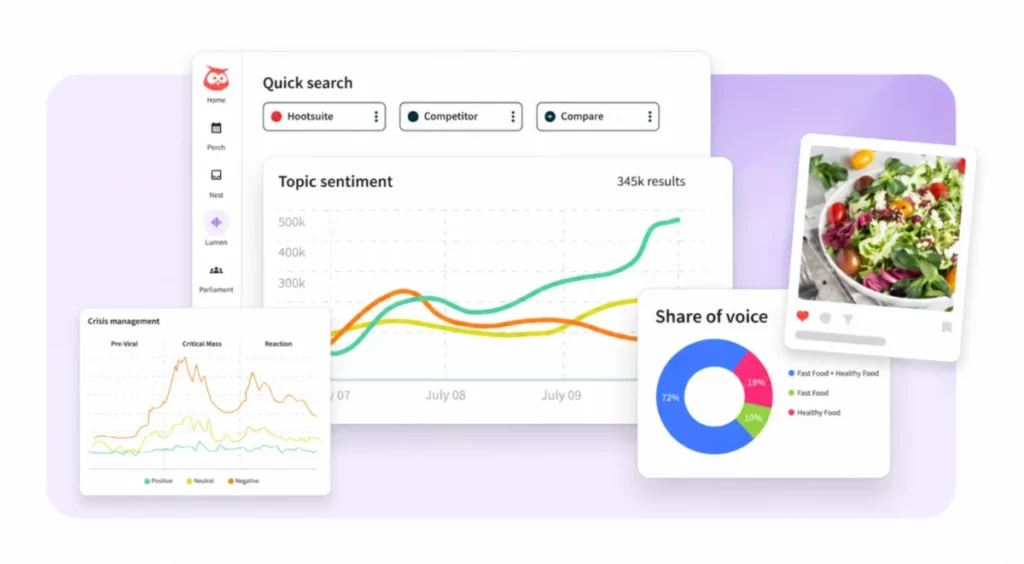
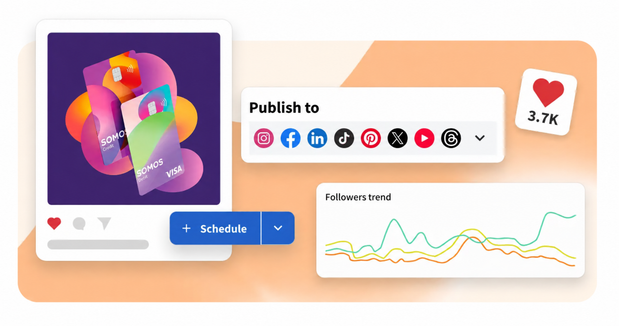
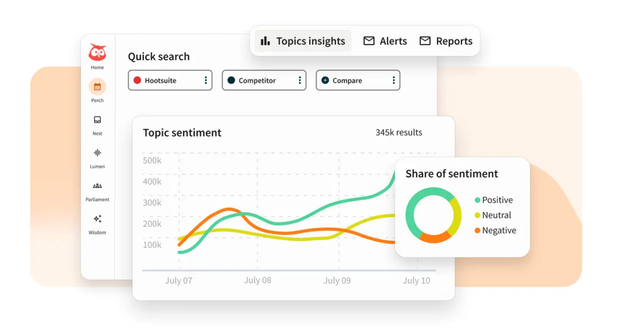
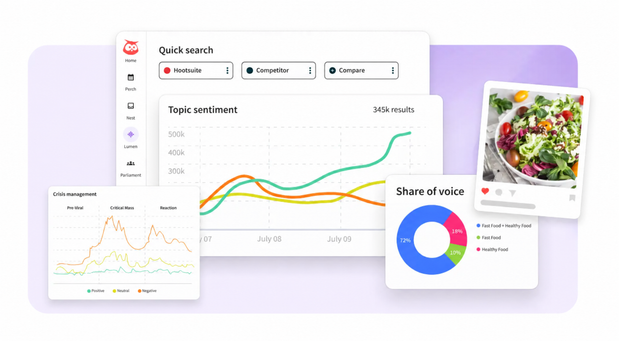
Hootsuite has evolved into a powerhouse for teams that prioritize social media as their primary communication channel. By integrating its "Lumen" monitoring app with the "Perch" publishing suite, Hootsuite allows teams to move from identifying a trending conversation to publishing a response without ever leaving the dashboard.
- Best for: Teams looking to unify social intelligence and content management.
- Key Advantage: A single workflow that connects listening, publishing, and engagement.
Muck Rack: The PR Relationship Specialist
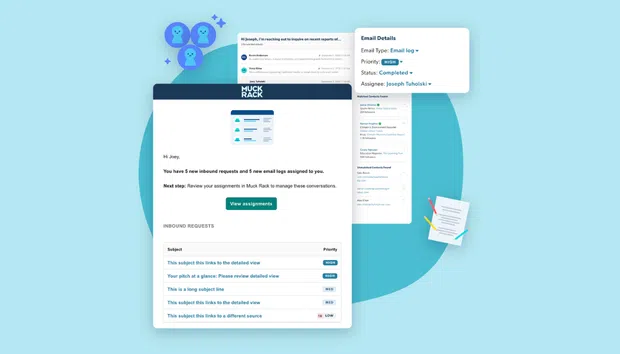
If your organization’s center of gravity is earned media and journalist relationships, Muck Rack is the clear leader. Unlike platforms that focus on broad web-wide sentiment, Muck Rack is purpose-built for media relations—finding the right journalists, managing pitching lists, and tracking coverage.
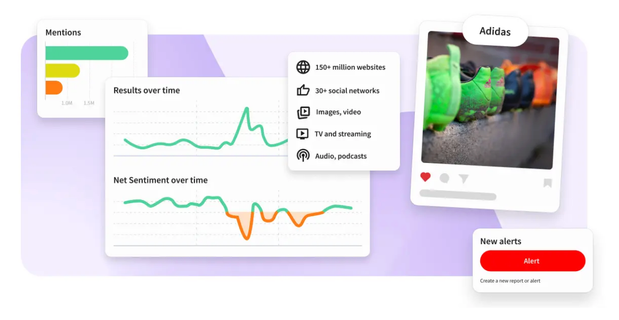
- Best for: PR agencies and in-house communications teams focused on earned media.
- Key Advantage: A highly accurate, constantly updated database of journalists and media outlets.
Cision: The Enterprise PR Powerhouse
Cision remains the industry giant for large-scale communications. Its strengths lie in its comprehensive newswire distribution services and deep-seated ties to the traditional media landscape. If your company operates in a regulated industry or requires large-scale corporate news distribution, Cision’s ecosystem is difficult to replicate.
- Best for: Large, enterprise-level PR teams with high-volume press release needs.
- Key Advantage: Unrivaled infrastructure for global media distribution and enterprise-grade reporting.
Brandwatch: The Consumer Intelligence Specialist
Brandwatch distinguishes itself by leaning heavily into deep consumer research. It is less about "monitoring the news" and more about "understanding the human." Its capabilities for segmenting audiences and uncovering the ‘why’ behind online behavior make it a favorite for market researchers.
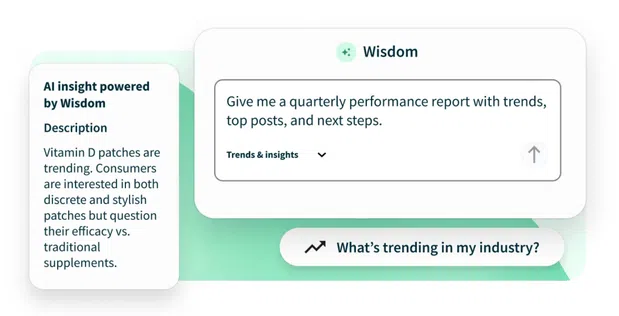
- Best for: Consumer insights teams and brand strategists.
- Key Advantage: Advanced AI that provides deep, qualitative insights into audience behavior.
Agorapulse and Brand24: The Lean Alternatives
For smaller teams or those on a tighter budget, Agorapulse and Brand24 offer focused, lightweight solutions. These platforms avoid the enterprise complexity of the aforementioned tools, opting instead for clean interfaces and core monitoring features that handle brand mentions and sentiment tracking effectively.
Implications of the Move: A Transition Roadmap
Switching platforms is a major organizational change. To ensure a successful migration, follow these four phases:
- The Audit Phase: Before contacting vendors, document every feature your team currently uses in Meltwater. Categorize them into "Must-Haves" and "Nice-to-Haves."
- The Integration Assessment: Check your current CRM, analytics, and project management tools. A new platform is only as good as its ability to talk to your existing tech stack.
- The Pilot Program: Do not commit to a multi-year enterprise contract without a 30-day pilot. Assign your most active power-user to test the platform against real-world tasks—like building a weekly report or launching a campaign—to see if the platform actually reduces friction.
- The Training Rollout: The failure of new software is rarely technical; it is behavioral. Allocate budget for professional training sessions to ensure your team is proficient from day one.
Conclusion: Finding the Right Fit
There is no single "best" media intelligence platform. The right choice is the one that acts as a force multiplier for your team’s specific objectives.
If your organization is social-first, a platform like Hootsuite offers the most seamless bridge between insight and action. If your mandate is strictly PR and earned media, Muck Rack or Cision provide the depth needed to navigate the media landscape. If your focus is on understanding the deeper consumer psyche, Brandwatch offers the necessary analytical rigor.
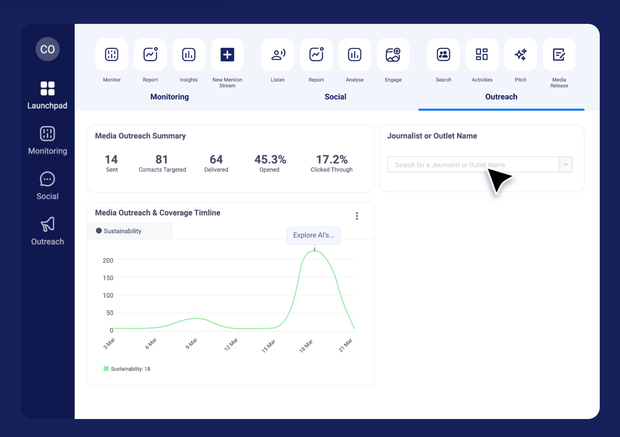
As you evaluate your options, remember the core philosophy of modern operations: the best tool is not the one with the most buttons, but the one that empowers your team to work faster, smarter, and with greater focus on the metrics that actually drive business value. By prioritizing workflow integration and clear, actionable insights, you can move past the limitations of legacy systems and build a intelligence strategy that is fit for the future.
