
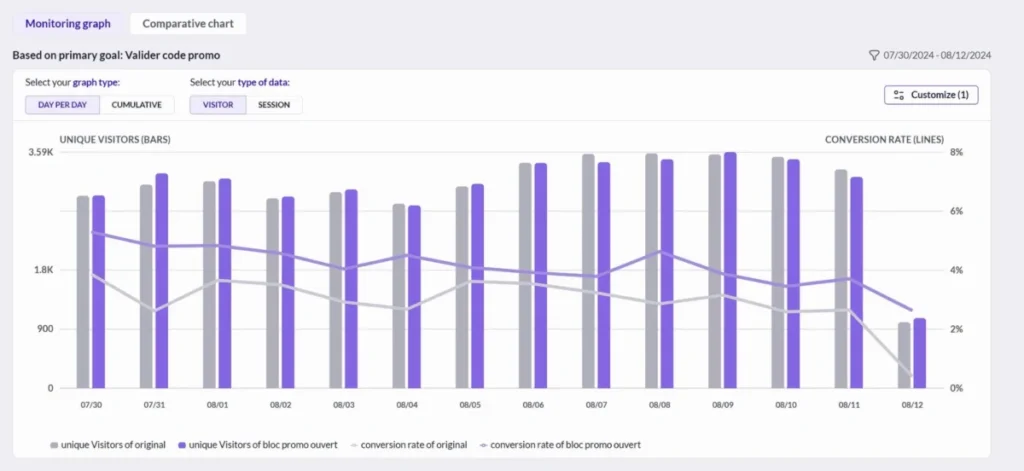
The Evolution of Experimentation: A Comprehensive Guide to the Best A/B Testing Tools for 2026
In the modern digital landscape, guessing is no longer a viable strategy for growth. Whether you are a product manager fine-tuning a feature or a marketer optimizing a landing page for maximum conversion, the ability to make data-driven decisions is the primary differentiator between market leaders and those left behind.
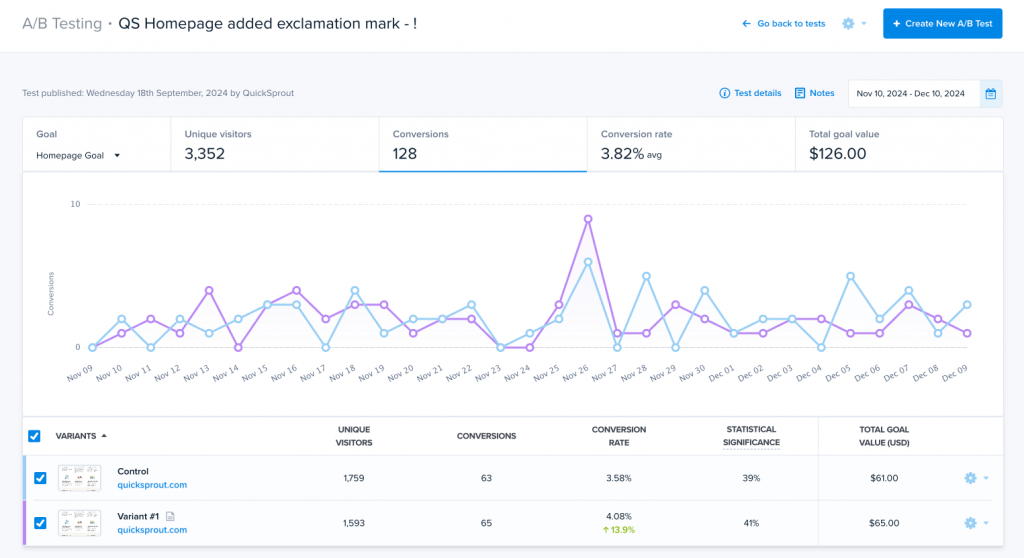
An A/B testing tool is the engine of this decision-making process. By comparing an original version of a web page or app (the control, or "A") against a modified variant ("B"), businesses can measure the impact of specific changes on user behavior—be it click-through rates (CTR), bounce rates, conversion rates, or session depth. As the industry moves toward more sophisticated, AI-driven experimentation, selecting the right tool is more critical than ever.
The State of Experimentation: A Chronology of Change
The A/B testing market has undergone a radical transformation over the last decade. Historically, testing was a niche activity reserved for massive enterprise players. The landscape shifted dramatically with the introduction of accessible SaaS platforms, which democratized experimentation.
The most significant inflection point occurred on September 30, 2023, when Google officially sunset its "Google Optimize" and "Optimize 360" platforms. This move left thousands of businesses searching for alternatives, accelerating the adoption of specialized tools.
By January 2026, the consolidation of the industry became evident, most notably with the merger of VWO and AB Tasty under the Wingify brand. This move signaled a shift toward "all-in-one" experimentation suites that bridge the gap between simple marketing testing and deep, technical product development. Today, the focus has moved beyond basic split testing toward predictive modeling, AI-powered test generation, and seamless integration with the modern data stack.
Defining the Need: CRO vs. Product Development
To select the right tool, one must first identify the primary use case. The market is currently split into two distinct categories:
1. Website Conversion Rate Optimization (CRO)
These tools prioritize visual editors, heatmaps, and session recordings. They are designed for marketing teams who need to iterate quickly on UI/UX to improve sales funnels without constant engineering involvement.
2. Product Development and Engineering
These tools are "data-native." They focus on feature flagging, statistical rigor, and integration with data warehouses (like Snowflake or BigQuery). They are intended for developers who need to test backend logic, algorithms, and complex user journeys.
Comparative Analysis: Top 9 A/B Testing Platforms
| Tool | Primary Focus | Behavior Analytics | AI Capabilities | Pricing Model |
|---|---|---|---|---|
| Crazy Egg | CRO | Yes | In-app analysis, MCP, AI Tasks | Free / From $99/mo |
| VWO | CRO | Yes | AI assistant, MCP | Quote-based (~$16k/yr) |
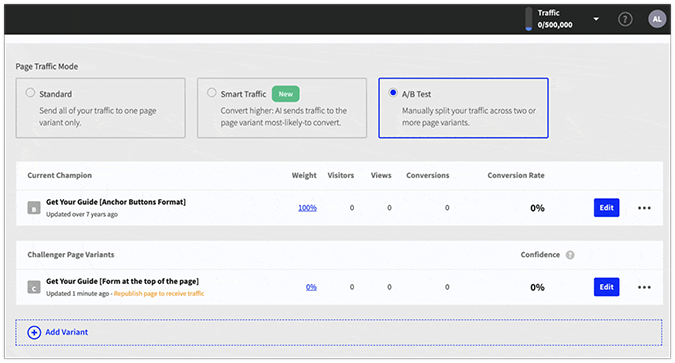
| Unbounce | CRO | Limited | Smart Traffic, Smart Copy | From $29/mo |
| AB Tasty | CRO | No | AI test ideation | Quote-based (~$66k/yr) |
| Optimizely | Both | No | Opal agents, MCP | High-end Enterprise |
| GrowthBook | Product | No | AI dashboards, Visual editor | Open-source/Pro |
| LaunchDarkly | Product | No | AgentControl, MCP | Usage-based |
| Statsig | Product | Replay-only | In-app analytics | Free/Pro tiers |
| PostHog | Product | Yes | Self-driving scout (AI) | Free/Usage-based |
Deep Dive: Tools for Marketing and CRO
Crazy Egg: The All-Rounder
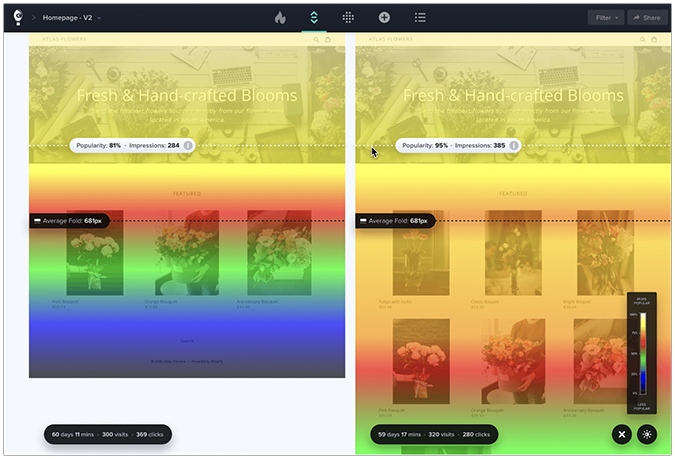
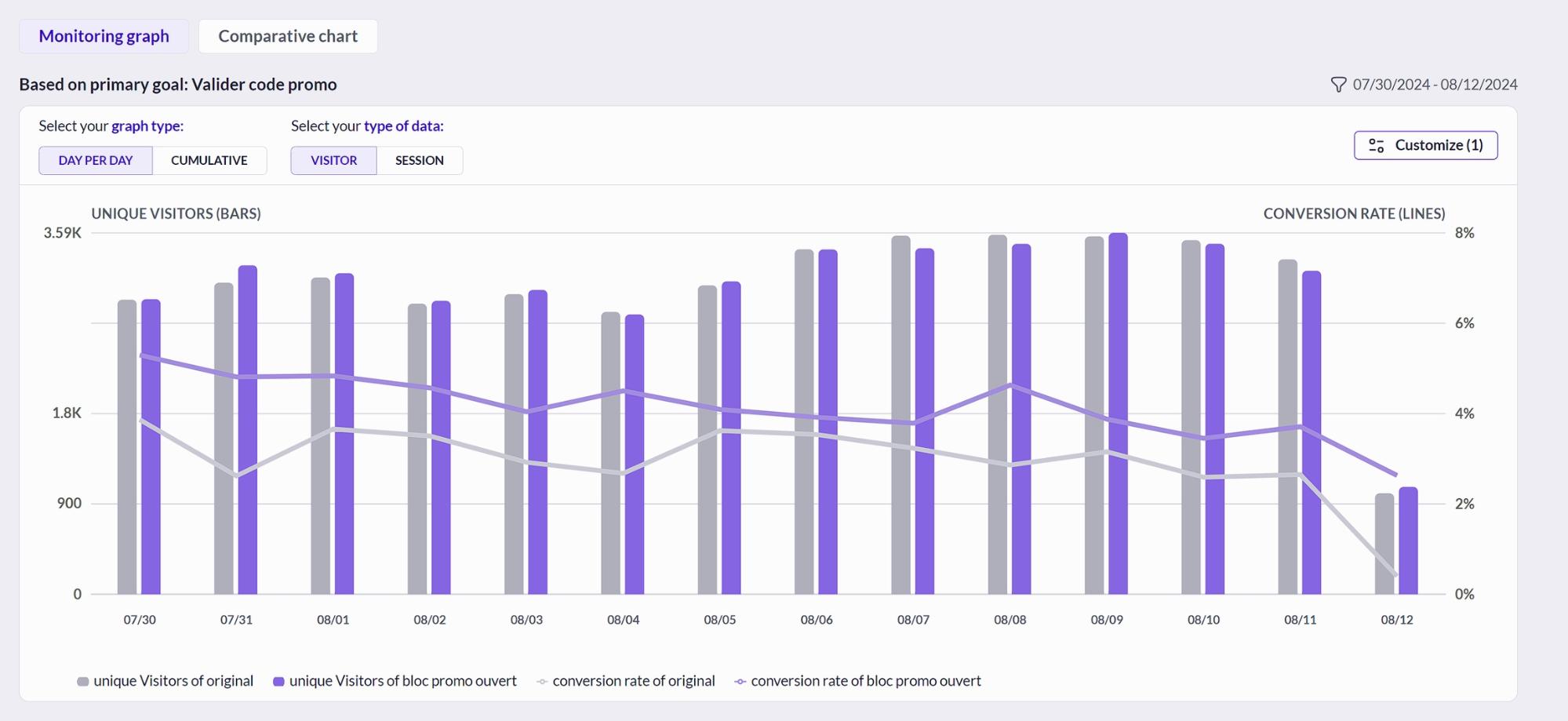
Crazy Egg excels by combining visual experimentation with powerful behavioral analytics. It doesn’t just tell you if a variation is winning; it shows you why via heatmaps and scroll maps. Its recent integration of AI-driven analysis and task management makes it a premier choice for mid-sized teams that need a holistic view of the user experience.
VWO (Visual Website Optimizer)
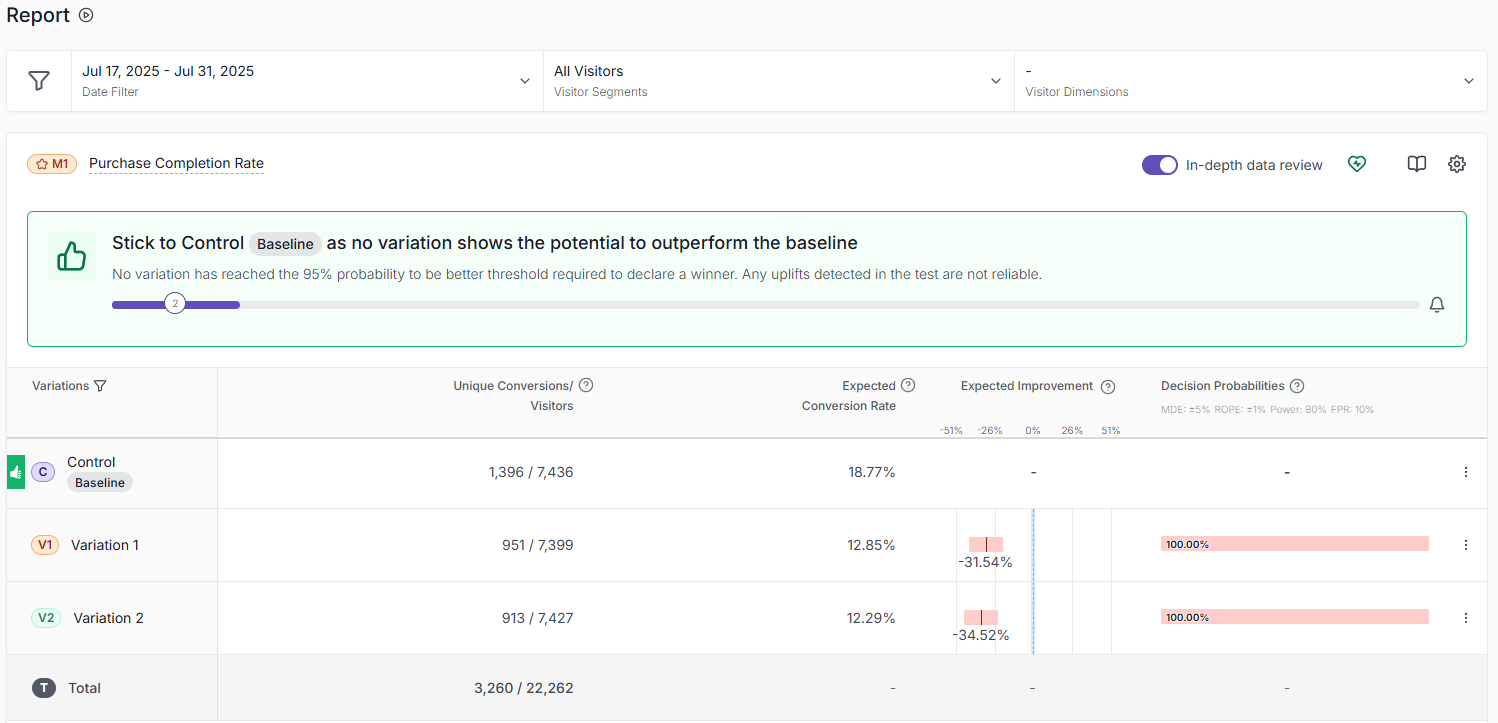
Following its merger with AB Tasty, VWO has solidified its position as the heavyweight of the CRO world. With a deep focus on multi-armed bandit (MAB) testing and multivariate (MVT) experiments, it is designed for high-traffic sites where statistical confidence is the top priority. Its AI assistant significantly reduces the time required to set up complex test variations.
Unbounce: The Landing Page Specialist
Unbounce remains the go-to for marketers running paid acquisition campaigns. Its "Smart Traffic" feature—which uses AI to automatically route visitors to the best-performing page—minimizes the "testing fatigue" often associated with manual A/B testing. It is the most accessible tool for smaller teams.
Deep Dive: Tools for Engineering and Product
GrowthBook: The Open-Source Powerhouse
GrowthBook is built for teams that treat their data as a core asset. Because it connects directly to your data warehouse, it avoids the "data silos" created by proprietary testing platforms. Its open-source nature makes it highly attractive to engineering-led organizations that demand transparency and flexibility.
PostHog: The Integrated Product Platform
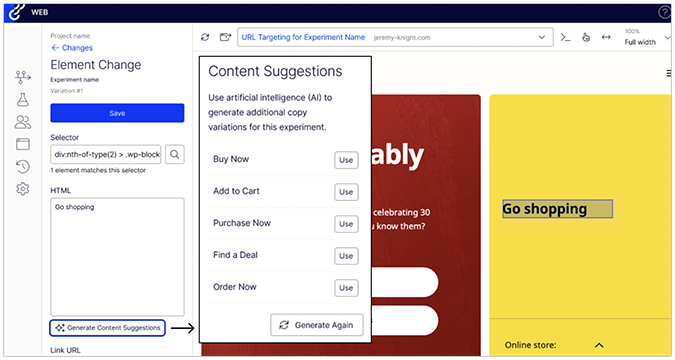
PostHog is rapidly becoming the "Swiss Army Knife" for startups. By bundling product analytics, session replay, and feature flagging into one tool, it allows product teams to run experiments without toggling between multiple dashboards. Its "Self-Driving Scout" is at the forefront of the agentic AI trend, helping teams identify which parts of their product to test next.
Strategic Implications of Modern Experimentation
The shift toward AI-integrated platforms carries profound implications for organizational culture.
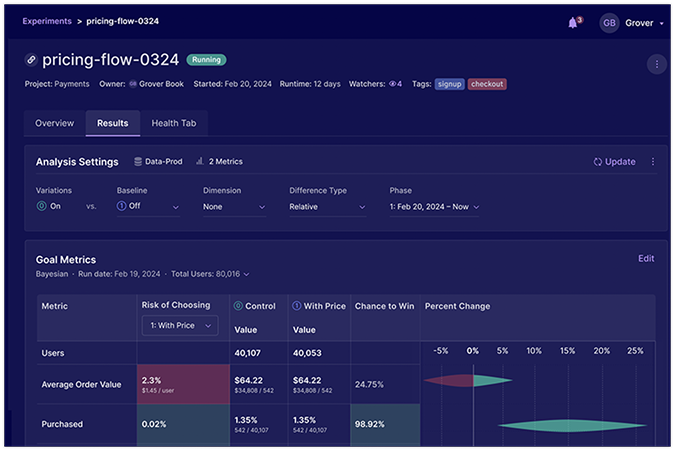
- Velocity vs. Rigor: As AI tools like Crazy Egg’s "Tasks" or Optimizely’s "Opal" agents automate the ideation and deployment phase, the bottleneck for testing is no longer technical—it is conceptual. Organizations must ensure they maintain statistical rigor as they scale the number of tests.
- Data Privacy and Compliance: With the move toward server-side testing and data-warehouse-native tools (like GrowthBook and Statsig), companies are finding it easier to remain compliant with GDPR and CCPA. Unlike client-side scripts that can bloat page load times, these modern implementations are often faster and more secure.
- The Rise of "Agentic" Experimentation: We are moving toward a future where tools don’t just report results; they suggest optimizations. The industry is currently transitioning from "tools that facilitate tests" to "platforms that autonomously optimize user journeys."
Conclusion: Making the Final Selection
There is no single "best" tool. The decision hinges on your internal resources:
- Choose Crazy Egg or VWO if your primary objective is increasing conversion rates on a website and you want built-in tools to understand user behavior (heatmaps, recordings).
- Choose GrowthBook or PostHog if you are an engineering-heavy team building a complex product and you require deep integration with your existing data stack.
- Choose Unbounce if you are an agency or a lean marketing team focused exclusively on optimizing landing pages for paid traffic.
Regardless of the platform chosen, the most successful companies are those that foster a "culture of experimentation." As the saying goes in the industry: "The best test is the one you actually run." By selecting a tool that aligns with your team’s technical maturity and business goals, you move closer to a reality where every product change is backed by evidence rather than intuition.
Frequently Asked Questions (FAQ)
What is the primary difference between A/B testing and Multivariate testing?
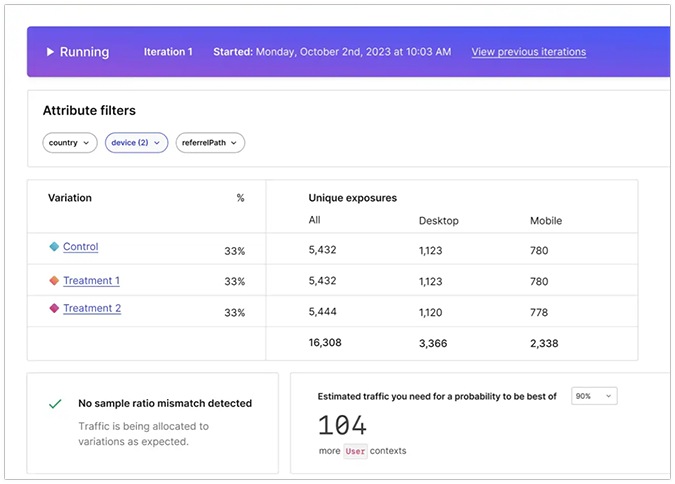
A/B testing is a comparison of two complete versions of a page. Multivariate testing (MVT) changes multiple elements (e.g., headline, button color, and hero image) simultaneously to test combinations. MVT requires significantly higher traffic to reach statistical significance.
Does GA4 handle A/B testing?
No, Google Analytics 4 is a reporting tool, not an experimentation tool. You must use a third-party tool like those listed above and integrate it with GA4 to analyze your results.
Why is "Data Warehouse Native" important?
Tools like GrowthBook that are data-warehouse-native allow you to perform your analysis on the "source of truth"—your own data—rather than relying on the proprietary reporting engines of the testing tool, which often struggle with cross-platform attribution.
