
Beyond Hotjar: Navigating the Evolution of Behavior Analytics in 2026
For over a decade, Hotjar served as the industry standard for digital teams looking to bridge the gap between quantitative metrics and qualitative user behavior. However, the digital landscape has shifted. Following its 2021 acquisition by Contentsquare and the subsequent platform integration in 2025, the "Hotjar" many marketers and product managers once knew has evolved into a more complex, enterprise-oriented ecosystem.
For teams facing fragmented pricing, feature decoupling, or the need for more robust, specialized tooling, the search for an alternative has become a strategic priority. This guide explores the state of behavior analytics in 2026, evaluating the top eight alternatives that allow teams to maintain, or even elevate, their optimization workflows.
The State of the Industry: A New Era for Analytics
To understand why so many teams are migrating away from Hotjar, one must look at the structural changes introduced by its parent company, Contentsquare. The platform has moved away from the all-in-one "freemium" model that popularized the tool among freelance developers and small agencies.
Today, Hotjar’s features are split across three distinct product lines: Experience Analytics, Voice of Customer, and Product Analytics (powered by the Heap technology stack). This modular approach offers more depth for enterprise users, but for the average small-to-mid-sized business, it often results in higher costs and the loss of the streamlined, unified dashboard experience.
Key Factors Driving the Migration
- Pricing Complexity: The transition to enterprise-tier pricing has left many smaller teams priced out or forced to choose between essential features.
- Feature Fragmentation: Users who previously accessed heatmaps, feedback, and funnels in one interface now find themselves navigating multiple product lines with varying costs.
- Technical Overhead: As teams scale, they often find they need specialized tools—such as advanced A/B testing or native mobile app support—that a general-purpose tool like the legacy Hotjar struggled to provide.
Top 8 Hotjar Alternatives for 2026
When selecting an alternative, the primary goal is to minimize disruption while gaining specific advantages—whether that be lower total cost of ownership (TCO), better integration with engineering workflows, or superior experimentation capabilities.
1. Crazy Egg: The All-In-One Optimizer
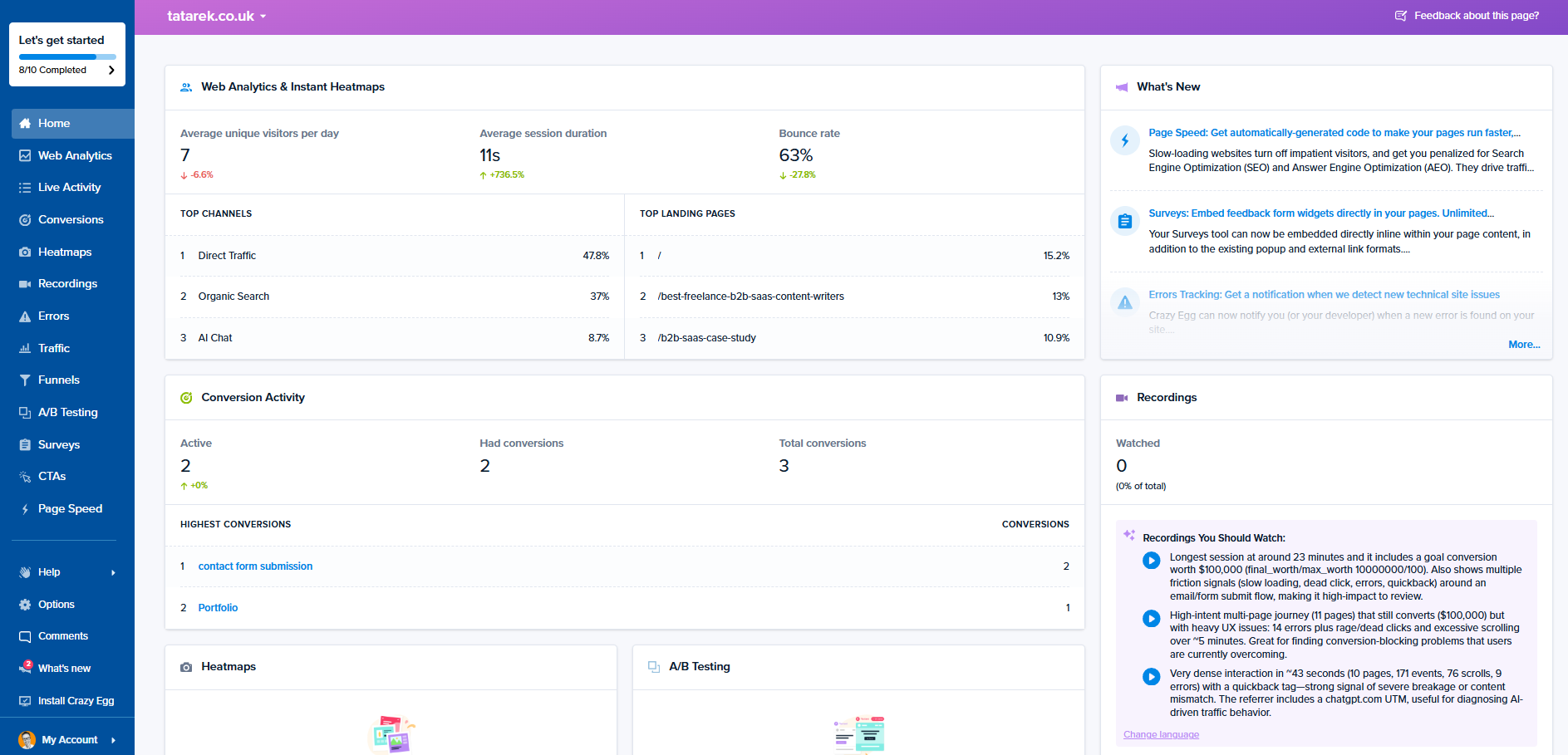
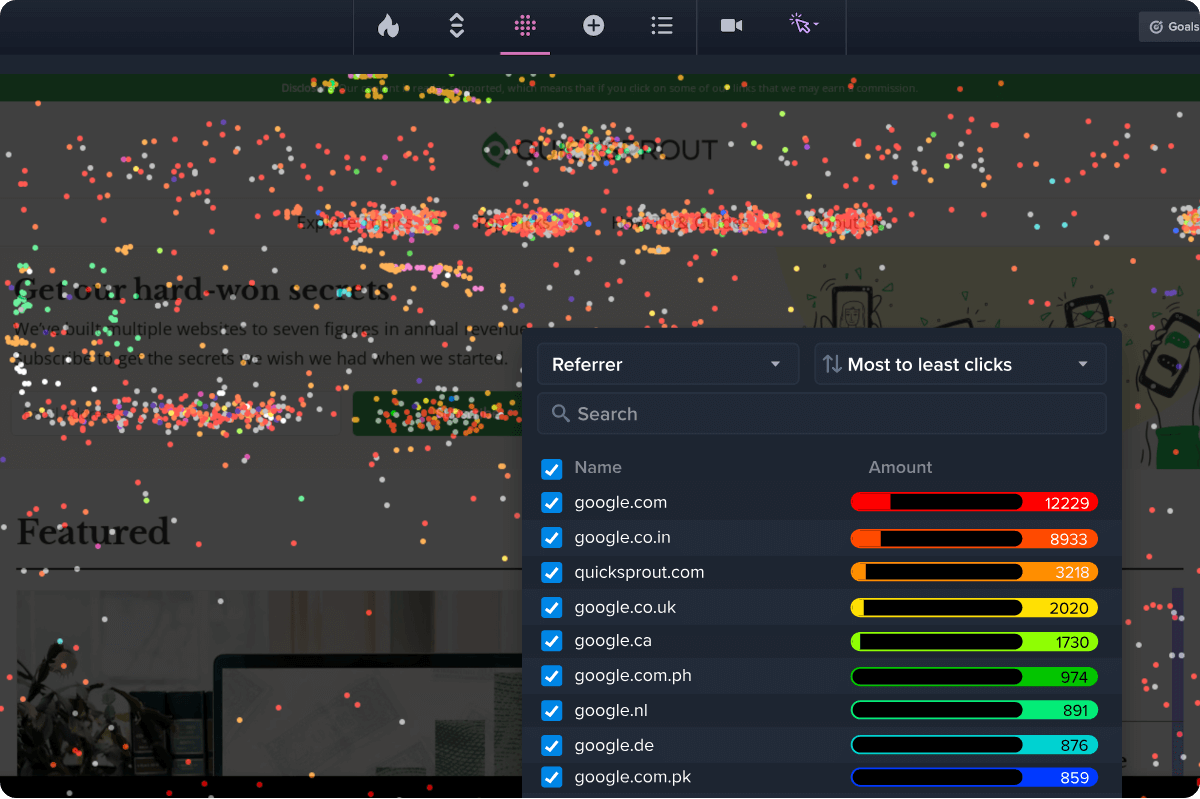
Crazy Egg remains the premier choice for teams that want to keep their optimization loop centralized. Unlike tools that force you to jump between different dashboards, Crazy Egg consolidates heatmaps, session recordings, conversion analytics, and A/B testing into a single pane of glass.
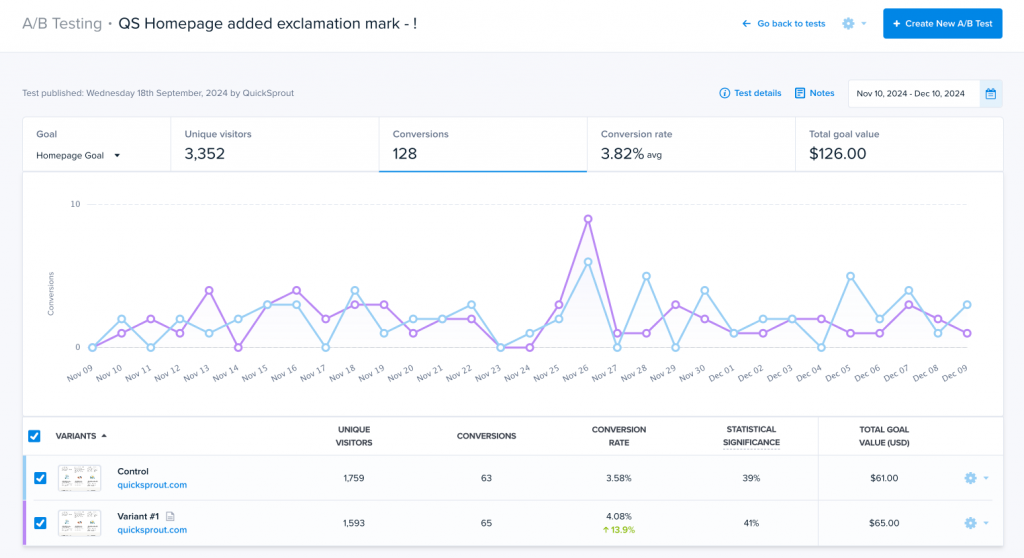
- Why it wins: It is arguably the best "direct" replacement for the original Hotjar experience. Its inclusion of A/B testing and personalization tools allows teams to move from "diagnosing" a problem to "fixing" it without changing platforms.
- Best for: CRO specialists and marketing teams who need to execute the full loop: discover, hypothesize, test, and implement.
2. Microsoft Clarity: The Free Gold Standard
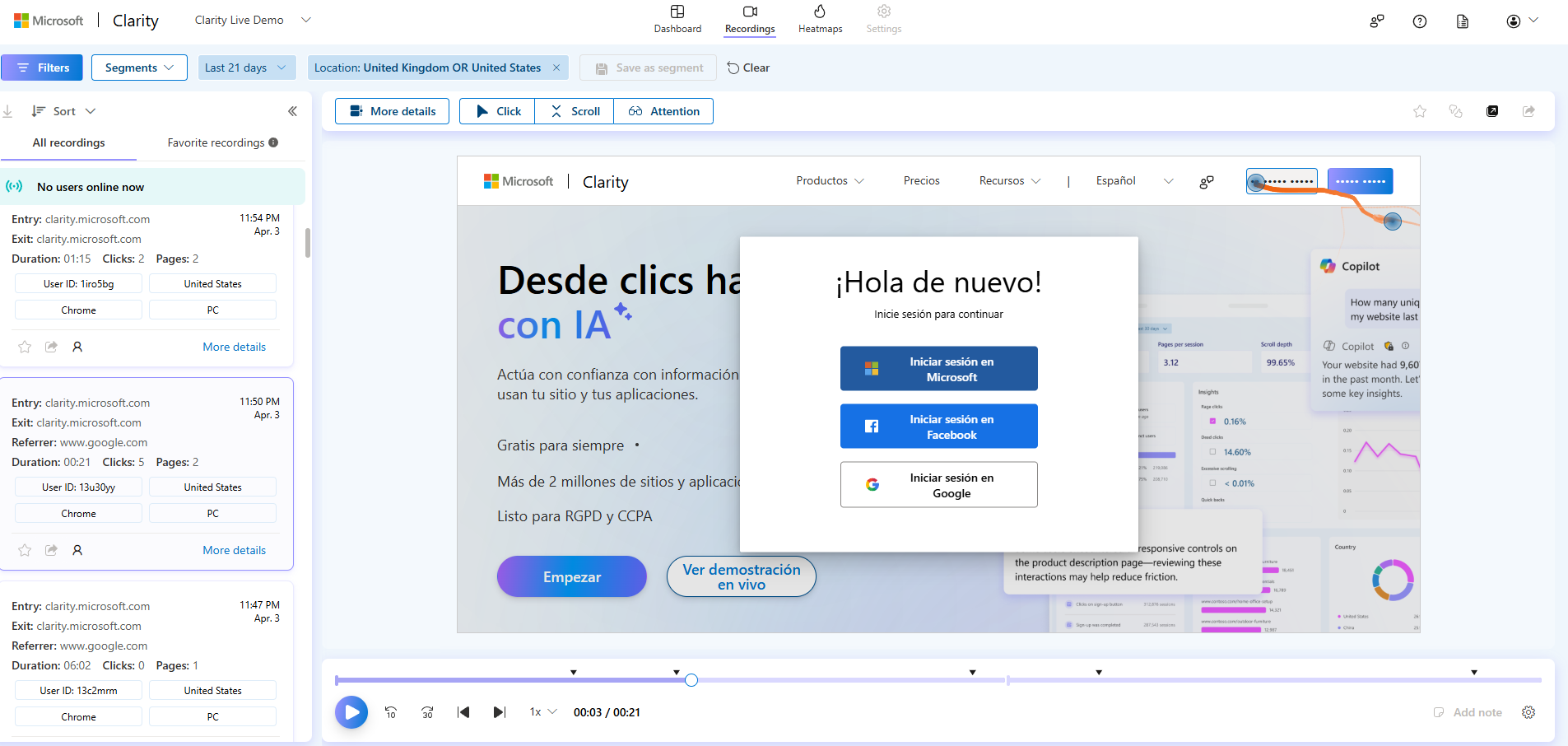
Microsoft has firmly established Clarity as the go-to for teams with zero budget for analytics. It provides a surprisingly robust set of features, including session recordings, heatmaps, and AI-driven insights, entirely for free.
- Why it wins: There is no "paid tier" catch. It is free forever, regardless of traffic volume or the number of sites you track.
- Best for: Startups, personal projects, and teams that need high-quality data without the administrative burden of subscription management.
3. Mouseflow: Friction Analysis at Scale
Mouseflow distinguishes itself through its focus on "Friction Scoring." By automatically flagging sessions where users struggle—such as dead clicks or rage clicks—it saves teams from manually scouring hours of video.
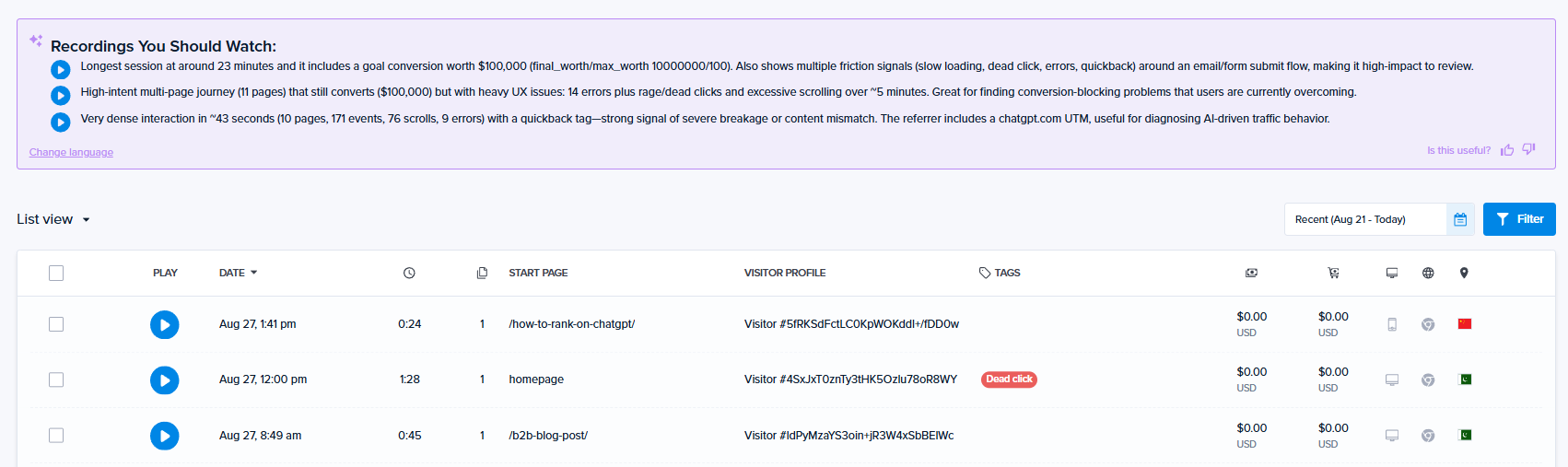
- Why it wins: It offers a familiar interface for those moving from Hotjar but adds a layer of intelligent automation that makes data analysis significantly faster.
- Best for: E-commerce teams looking to reduce cart abandonment through granular friction analysis.
4. Lucky Orange: The E-commerce Specialist
Lucky Orange is designed specifically for online store operators. Its integration with platforms like Shopify and WooCommerce is seamless, and it includes unique features like a live visitor view and built-in chat.
- Why it wins: It treats the checkout process as a primary focus area, offering deep insights into where potential customers drop off during the final stages of a purchase.
- Best for: Small-to-medium e-commerce businesses needing real-time interaction with visitors.
5. FullStory: The Enterprise Digital Transformation Tool
FullStory is in a different league. It is less about "heatmaps" and more about "Digital Experience Intelligence." Its ability to index every single interaction on a site makes it powerful for complex enterprise applications.
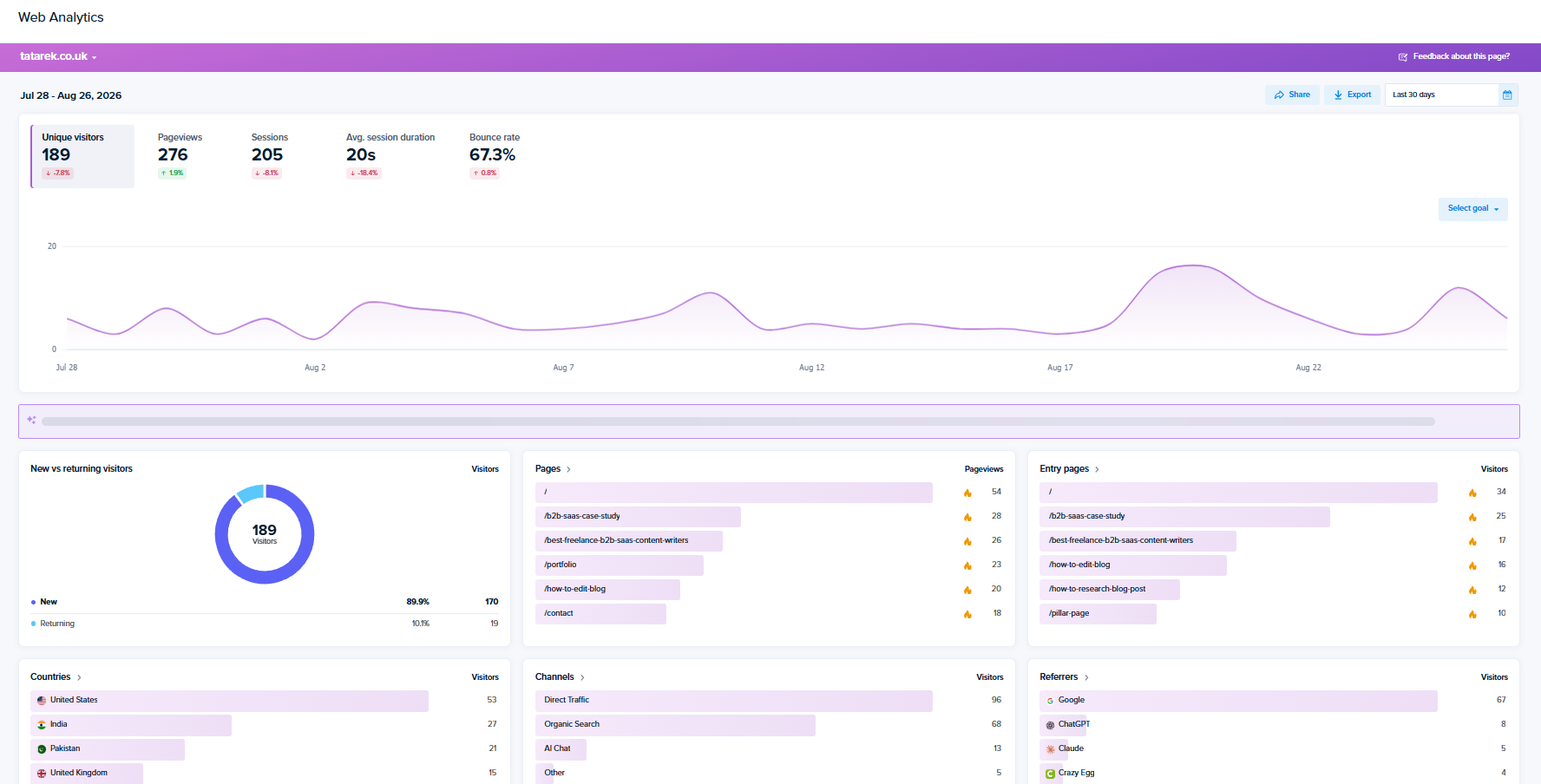
- Why it wins: It provides superior retention analysis and segment health tracking. While the price point is significantly higher, the depth of data is unmatched.
- Best for: Product teams at scale needing to support large-scale digital transformation and complex user onboarding.
6. PostHog: For the Engineering-First Culture
PostHog is the developer’s favorite. It is an open-source, extensible platform that bundles everything from session replays to feature flags and A/B testing.
- Why it wins: It allows engineering teams to keep their data in-house or self-hosted, which is a massive advantage for security-conscious organizations.
- Best for: Product-led growth teams that want to integrate behavior analytics directly into their development workflow.
7. VWO: The Experimentation Powerhouse
If your primary goal is to increase conversion rates through rigorous testing, VWO is the superior choice. While it includes heatmaps and recordings, its core strength is its enterprise-grade A/B testing engine.
- Why it wins: It effectively replaces the need for separate analytics and testing tools, centralizing your growth experiments.
- Best for: Mature teams that have moved past simple observation and are now focused on high-velocity experimentation.
8. Survicate: Mastering the Voice of the Customer
Survicate is the best choice if your "why" is more important than your "how." It excels at collecting qualitative feedback across web, email, and mobile environments.
- Why it wins: It offers advanced logic and branching that standard survey tools lack, ensuring you capture high-quality insights rather than just raw volume.
- Best for: Customer success and product teams prioritizing direct user feedback.
Navigating the Switch: Tactical Considerations
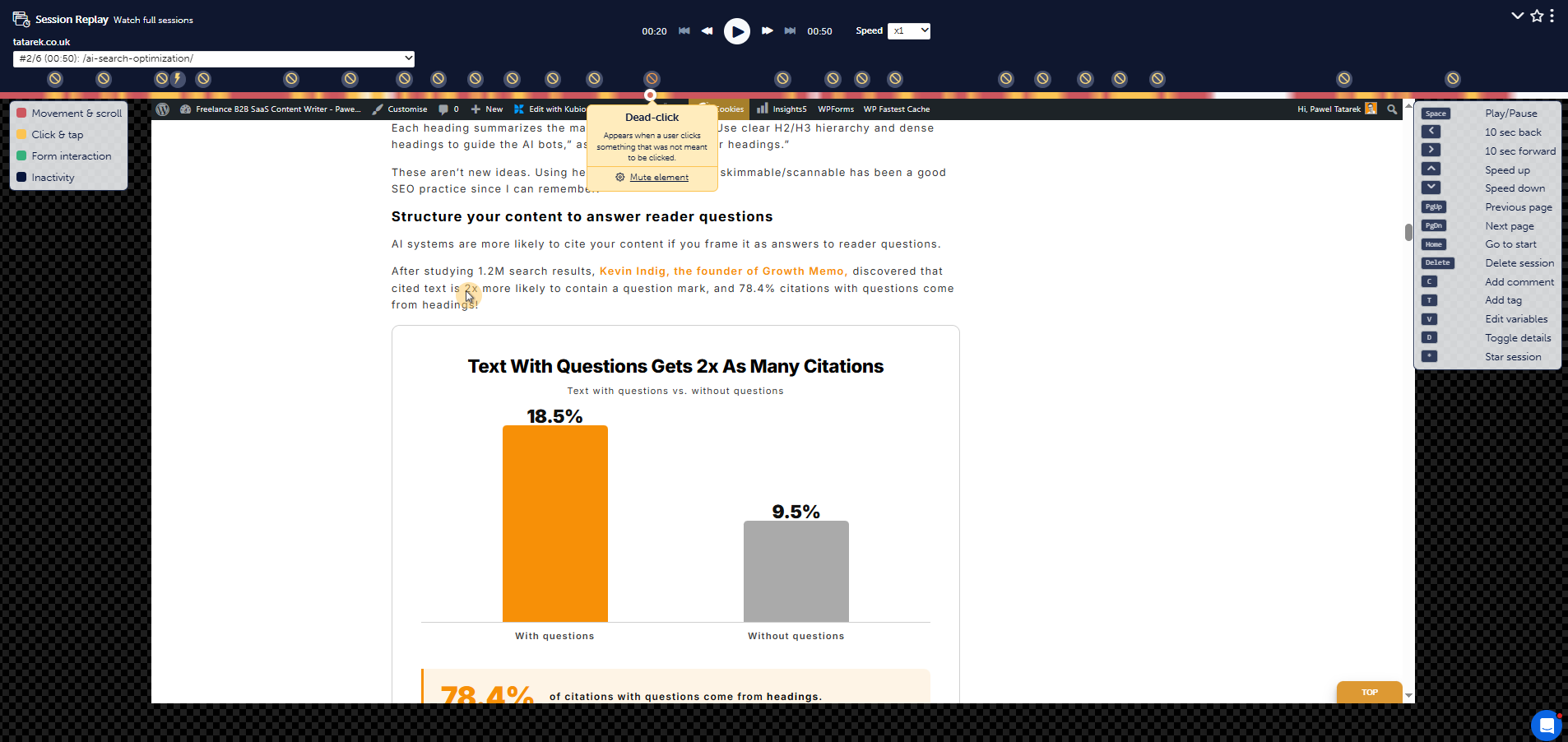
Migrating analytics providers is not as simple as flipping a switch. Because behavior analytics rely on historical data, you cannot "import" your Hotjar recordings into a new tool.
The Migration Protocol
- Data Export: Before canceling your Hotjar subscription, manually export your session metadata, notes, and tagging structures into .csv or .xlsx formats. While you won’t have the video, you will retain the insights.
- Implementation Overlap: Run your new tool in parallel with Hotjar for 1–2 weeks. This ensures that your tracking configurations (such as event triggers and custom attributes) are firing correctly in the new environment.
- Governance Check: If you are moving to a tool like PostHog or FullStory, ensure your privacy policy and GDPR compliance documentation are updated to reflect the new data processor.
The Future of Behavior Analytics
As we look toward 2027 and beyond, the market is bifurcating. On one side, we have "plug-and-play" tools like Microsoft Clarity and Crazy Egg, which prioritize ease of use and accessibility. On the other, we have "data platforms" like PostHog and FullStory, which prioritize depth, integration, and the ability to query complex behavioral datasets.
For the average organization, the choice comes down to one question: Do you want to watch videos to find problems, or do you want the tool to tell you where the problems are? If you are satisfied with manual discovery, the legacy tools are fine. But if you are looking to scale your product velocity, the move toward automated, integrated platforms is the clear path forward.
Final Verdict: Where should you go?
- If you are on a budget: Microsoft Clarity.
- If you want to keep your workflow simple: Crazy Egg.
- If you are a developer/engineer: PostHog.
- If you are an enterprise e-commerce brand: FullStory.
The era of the "one-size-fits-all" behavior tool is effectively over. By choosing an alternative that aligns with your specific organizational goals, you can stop fighting with complex, fragmented enterprise dashboards and get back to the core business of optimizing for your users.
