
Beyond the Algorithm: How Top Bloggers Use Radical Personalization to Build Authority
In the hyper-competitive landscape of digital publishing, thousands of content creators find themselves trapped in a paradox: they are doing everything "by the book." They publish well-structured, long-form content, adhere to rigorous Search Engine Optimization (SEO) standards, and have mastered the technical nuances of their content management systems. Yet, their traffic plateaus and engagement metrics remain stagnant.
The missing link between a transient visitor and a loyal, long-term subscriber is rarely a technical deficit. It is, quite simply, personality. In an era where AI-generated content is flooding the web, the human element—the idiosyncrasies, the voice, and the distinct perspective of the creator—has become the ultimate competitive advantage. This article explores how ten industry-leading bloggers have successfully injected personality into their platforms to transcend the noise and build lasting, impactful digital brands.
The Anatomy of a Personal Brand: Why Connection Matters
The transition from a "website" to a "personal brand" is a strategic pivot. While SEO provides the roadmap for discovery, personality provides the reason for retention. When a reader arrives on a blog, they are not just looking for information; they are looking for a guide they can trust.
Data consistently suggests that "humanized" content leads to higher conversion rates. By analyzing the following ten case studies, we can deconstruct the specific tactics used by top-tier bloggers to transform their platforms from mere information repositories into thriving, personality-driven communities.
1. Visual Storytelling: The YTravel Approach
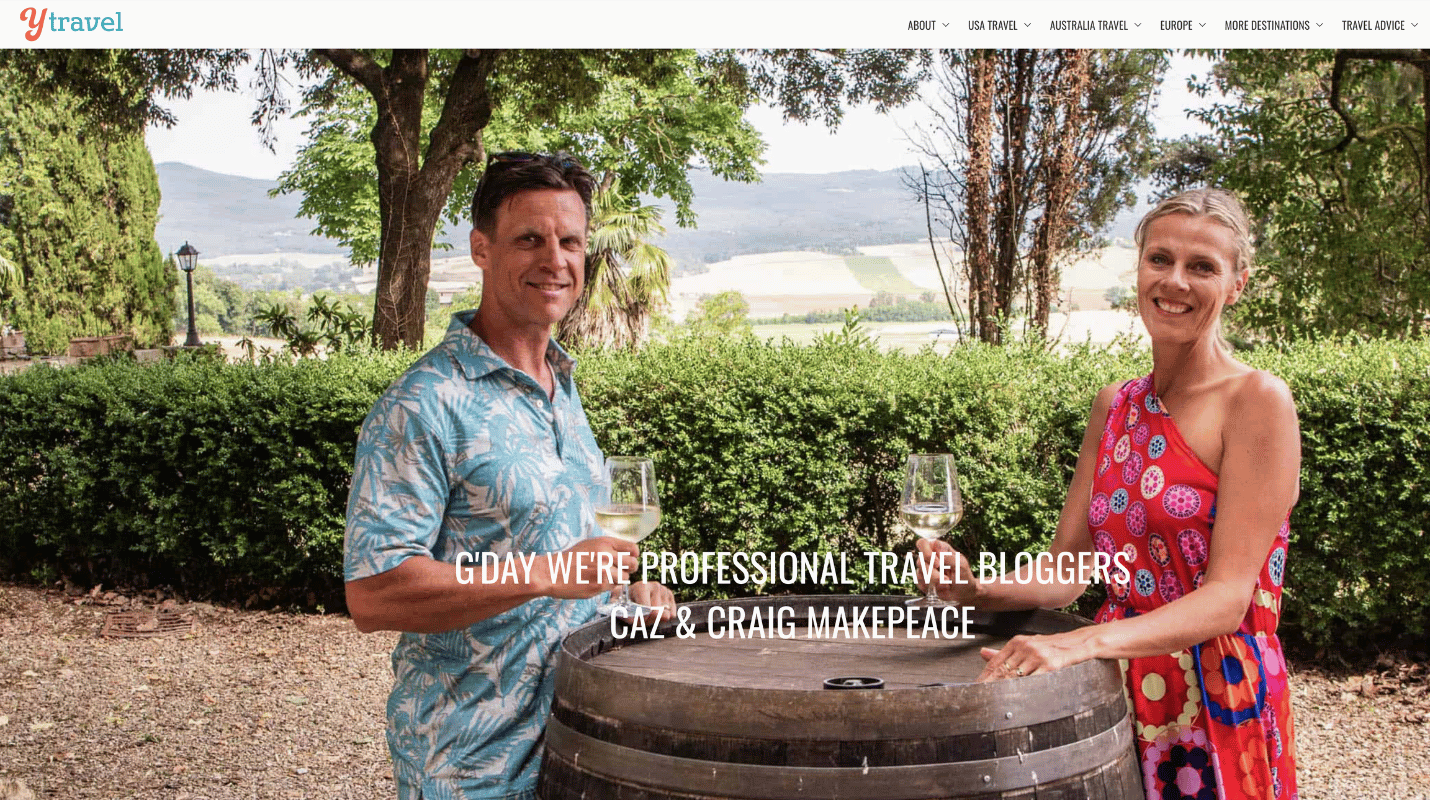
For niches like travel, food, and fashion, visual identity is not an accessory—it is the core product. Caz and Craig, the duo behind YTravel, have mastered the art of "relatable aspiration."
- The Strategy: They utilize high-quality, candid photography that captures the raw, messy, and joyful reality of family travel.
- The Implication: By balancing professional-grade imagery with "in-the-moment" snapshots, they lower the barrier between themselves and the reader.
- Key Lesson: Your photos should do more than illustrate your text; they should convey the emotional context of the journey. Whether it is a calm moment during a flight or the chaotic reality of settling into a new country, authenticity wins.
2. Defining Your Archetype: The Smart Passive Income Blueprint
Pat Flynn of Smart Passive Income demonstrates the power of a clear, punchy introduction. Upon landing on his site, a visitor is immediately met with his identity: "father, husband, serial entrepreneur," and a dash of levity with "protector of baby Yoda."
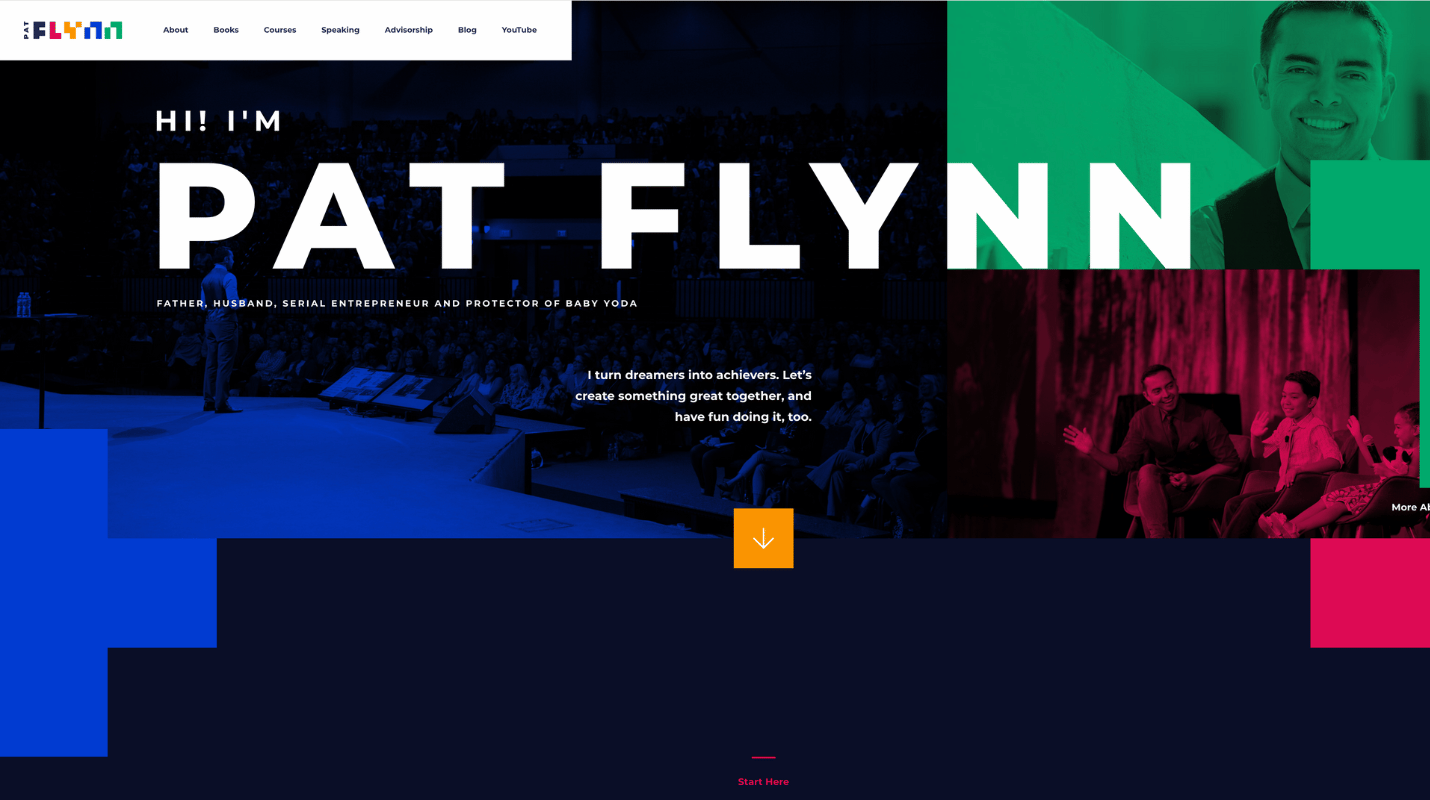
- The Strategy: Flynn uses his homepage to synthesize his professional authority with his personal interests.
- The Implication: This creates an immediate "friendship hook." Readers see a three-dimensional human being rather than a corporate entity, which builds trust faster than a professional bio ever could.
- Key Lesson: Don’t be afraid to mix professional credentials with personal quirks. It makes you memorable.
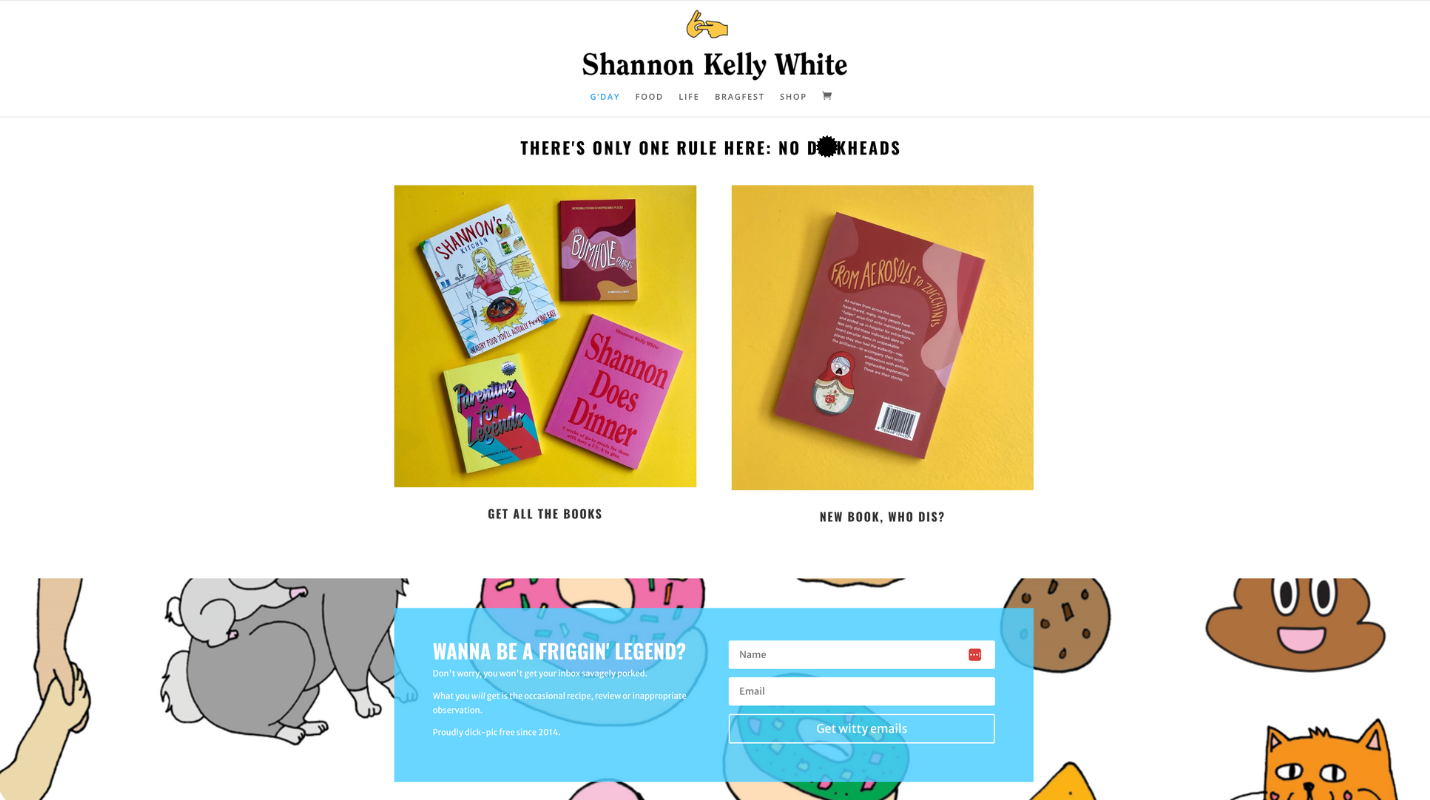
3. The Power of Authenticity: Shannon Kelly White’s Bold Tone
Shannon Kelly White provides a masterclass in the "polarization strategy." By using authentic, sometimes salty language, she creates a strong, identifiable voice that resonates deeply with a specific tribe.
- The Strategy: She rejects the "safe," sanitized tone common in professional blogging.
- The Implication: While this approach may alienate some casual readers, it creates a fiercely loyal core audience. It ensures that the people who do stay are the ones who truly connect with her mission.
- Key Lesson: Trying to appeal to everyone is a recipe for being ignored. A strong, specific voice acts as a filter, attracting your ideal audience and repelling those who aren’t a fit.
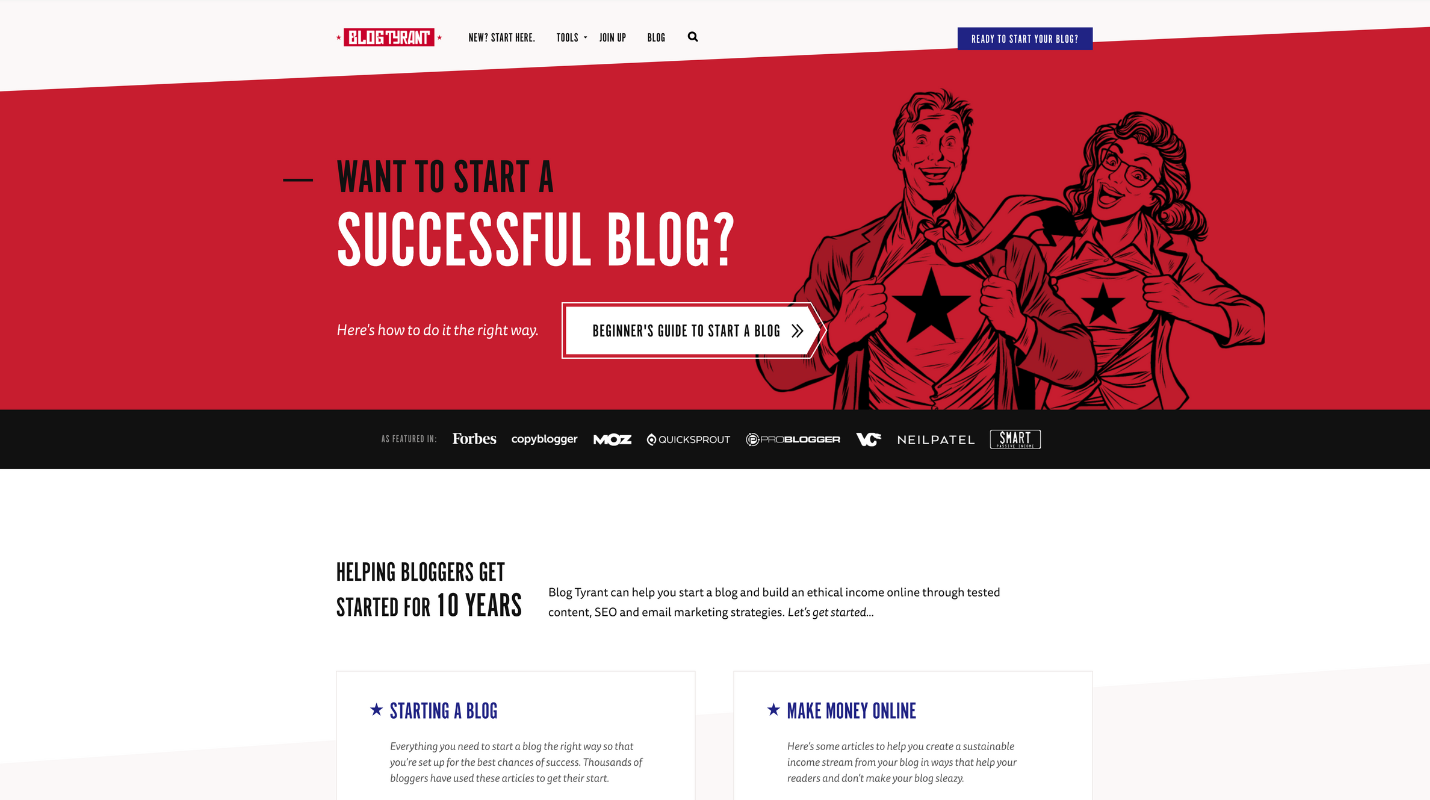
4. Visualizing the Hero: The Blog Tyrant’s Custom Illustration
Ramsey, the creator of Blog Tyrant, employs a distinctive "superhero" avatar that serves as a recurring visual motif across his entire platform.
- The Strategy: By using a custom illustration for his branding, he creates a visual shorthand that readers instantly recognize.
- The Implication: This creates a sense of narrative. It turns the blogger into a character in a story, which makes the educational content feel more like a journey of mentorship rather than a dry lecture.
- Key Lesson: Custom visuals, even simple ones, build brand equity that stock photography simply cannot match.
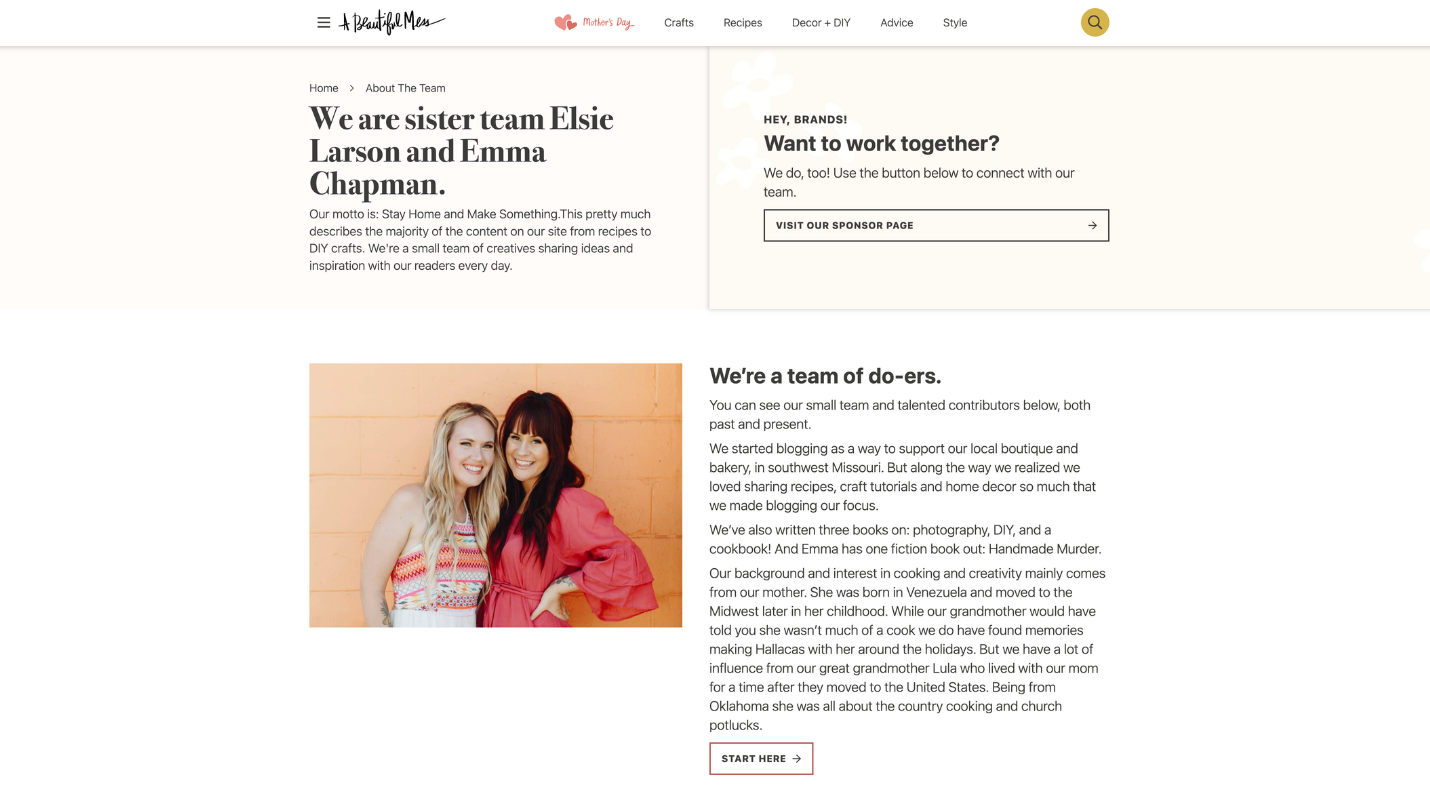
5. The "About" Page as a Conversion Engine: A Beautiful Mess
Elsie and Emma from A Beautiful Mess treat their "About" page as one of the most critical real estate sections on their site.
- The Strategy: They understand that once a reader finishes a great article, the next natural question is, "Who wrote this?"
- The Implication: Their page is bright, bold, and personal. It provides a narrative bridge that connects the reader to the creators’ lives and philosophies.
- Key Lesson: Your "About" page should not be a resume. It should be a manifesto that invites the reader to join your movement.
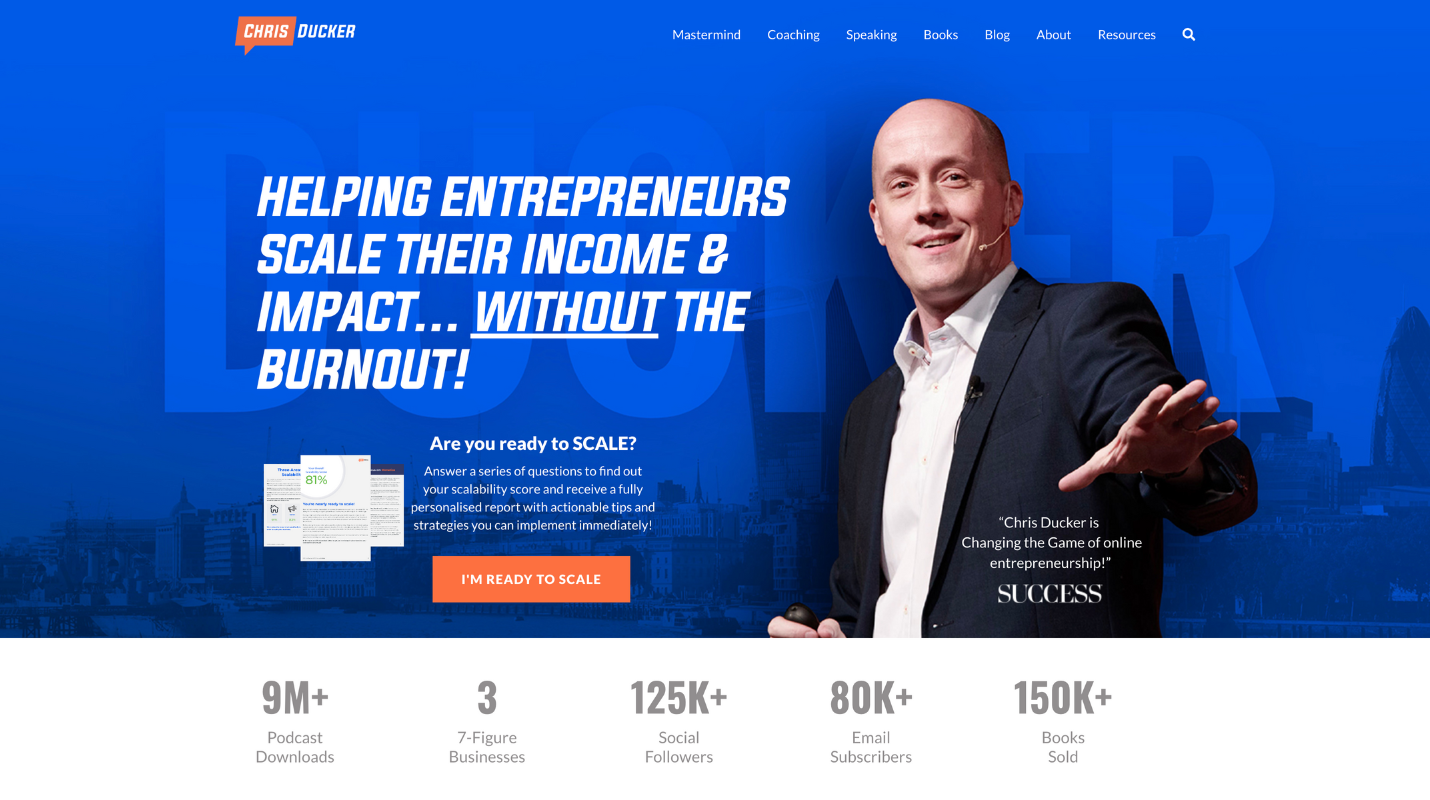
6. Multi-Platform Consistency: The Chris Ducker Standard
Chris Ducker’s branding strategy is built on the foundation of repetition. He uses the same professional, approachable headshot across every platform—Twitter, LinkedIn, Facebook, and his own blog.
- The Strategy: He creates a "visual anchor."
- The Implication: In the fragmented digital world, consistency breeds authority. When a reader sees that face, they immediately know they are in the presence of a trusted voice.
- Key Lesson: Branding is not just about a logo; it is about the consistent presentation of yourself as a professional entity.
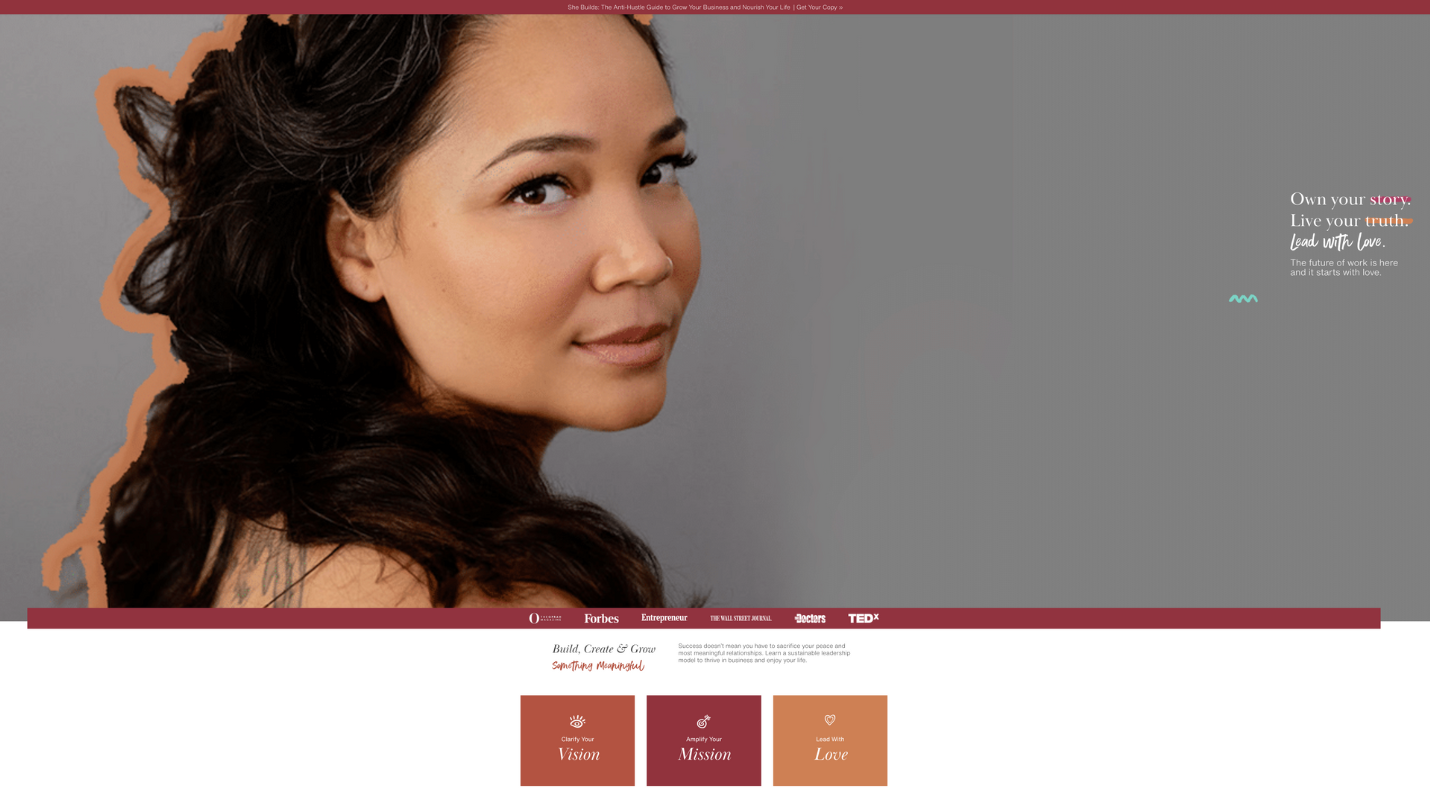
7. Color Psychology: Jadah Sellner’s Aesthetic Cohesion
Jadah Sellner uses color as a psychological tool to signal the tone and emotional landscape of her brand.
- The Strategy: Her site design is perfectly color-matched with the photography she uses, creating a seamless, earthy, and warm experience.
- The Implication: This level of detail suggests a premium, intentional, and high-quality experience. It tells the reader that every aspect of the site has been curated for their benefit.
- Key Lesson: Your color palette communicates more than you realize. Ensure your design reflects the "vibe" you want your content to evoke.
8. The Brand Statement: James Schramko’s Directness
James Schramko of SuperFastBusiness uses a clear, unambiguous brand statement at the very top of his site.
- The Strategy: He identifies exactly who he is, what he does, and who he helps.
- The Implication: This eliminates cognitive load for the reader. They don’t have to guess if his content is for them; they know immediately.
- Key Lesson: Clarity is king. A precise brand statement prevents high bounce rates because the right people are qualified immediately.
9. The Call to Action (CTA) as a Service: Kelly Exeter’s Method
Kelly Exeter demonstrates that an effective CTA isn’t just about selling; it’s about guiding the reader to the solution they are looking for.
- The Strategy: She uses a simple, formulaic approach to her tagline: "I am [Name], a [Job], who helps [Ideal Reader] do [Service]."
- The Implication: By coupling this with an immediate, low-friction button to "Find Out More," she respects the reader’s time and provides an immediate value exchange.
- Key Lesson: Don’t make your readers hunt for the value. Point them directly to it.
10. Community Identification: Emily’s "Multipotentialite" Label
Emily of Puttylike utilizes the power of identity. By coining and defining the term "Multipotentialite," she gives her audience a name for who they are.
- The Strategy: She uses a lead-magnet quiz to help readers identify their own personality type.
- The Implication: People love to belong to a group. By defining her audience, she creates a sense of community that turns one-time visitors into repeat members.
- Key Lesson: If you can help your readers define their own identity, you will create a tribe of loyal followers who feel seen and understood.
Implications for the Future of Blogging
The common thread among these successful bloggers is not a specific software tool or a secret SEO algorithm; it is the courage to be seen. As the internet becomes increasingly saturated with generic, AI-assisted content, the value of the "human touch" is skyrocketing.
The future of successful blogging lies in Radical Personalization. This means:
- Transparency: Sharing the "why" behind the "what."
- Intentionality: Every design element, photo, and word must serve the brand identity.
- Community: Building a space where readers feel they belong, not just a place where they consume information.
Conclusion: What Comes Next?
Personalizing your blog is not a one-time project; it is an iterative process of refinement. Whether it is adjusting your "About" page to reflect your current journey, choosing a color palette that mirrors your personality, or finally being bold enough to use your own voice—the time to act is now.
Ask yourself: If a stranger visited your site today, would they know who you are in ten seconds? If the answer is no, it’s time to lean into your personality. The digital world is waiting for your unique perspective.
