
Precision Marketing Evolved: Crazy Egg Unveils 11 New Audience Filters for Granular A/B Testing
In the hyper-competitive landscape of digital experience optimization, the "one-size-fits-all" approach to web content is rapidly becoming a relic of the past. As consumer expectations for personalized digital journeys continue to soar, businesses are increasingly under pressure to deliver relevant experiences at the speed of intent. Recognizing this shift, Crazy Egg has announced a major upgrade to its A/B testing suite, introducing 11 new audience filters designed to give marketers unprecedented control over who sees which version of a webpage.
This expansion of targeting capabilities marks a significant milestone in the platform’s evolution, shifting the focus from broad-stroke A/B testing toward highly specific, data-driven personalization.
Main Facts: The New Frontier of Targeting
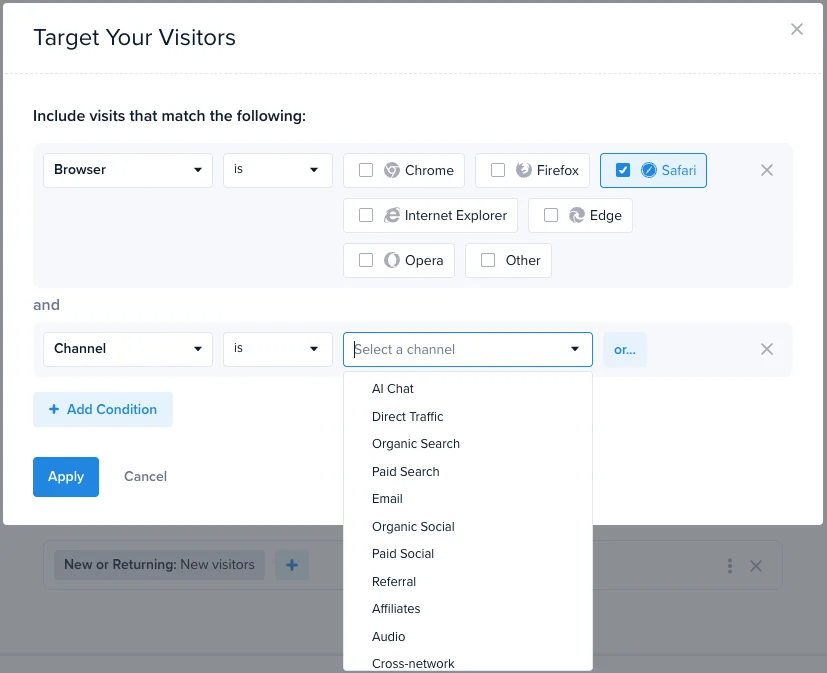
The core of this update is the integration of 11 sophisticated audience filters that allow for deep-level segmentation. These new parameters are engineered to look beyond basic demographic data, instead analyzing behavioral triggers and traffic sources to categorize users in real-time.
By leveraging these new filters, marketers can now segment traffic based on:
- Traffic Acquisition Source: Distinguishing between organic, paid, social, and referral traffic with greater granularity.
- Engagement Depth: Identifying users based on their active time on site and interaction patterns.
- Custom Data Integration: Utilizing proprietary data points passed from the user’s own site to trigger specific test variants.
These new additions function as an extension of an already robust ecosystem that includes device targeting, geographic location, UTM parameters, conversion status, and historical user behavior. By layering these filters using flexible AND/OR logic, teams can construct highly specific audience profiles. For instance, a marketing manager could isolate a segment of "new visitors arriving via paid social who have remained on a landing page for longer than 30 seconds," ensuring that a tailored promotional offer is shown only to this high-intent cohort.
The Chronology of Optimization: From Basic Testing to Personalization
The history of A/B testing has long been defined by the trade-off between statistical significance and audience relevance. In the early days of web optimization, testing was largely binary: Version A versus Version B, served to the general population.
As analytics tools matured, the industry moved toward basic segmentation. However, the complexity of managing these segments often required significant technical overhead. The trajectory of Crazy Egg’s development has mirrored this evolution:
- Foundational Phase: Initial tools focused on heatmaps and simple scroll tracking, providing the "what" and "where" of user behavior.
- Diagnostic Phase: The introduction of standard A/B testing allowed users to validate design hypotheses with basic demographic filters (e.g., mobile vs. desktop).
- Personalization Phase (Current): With the addition of these 11 new filters, the platform is transitioning from a "testing tool" to a "personalization engine." The goal is no longer just to find the winning design, but to serve the right content to the right user at the exact moment of their journey.
Supporting Data: Why Granularity Drives ROI
The urgency for these updates is rooted in the shifting economics of digital marketing. According to industry reports, personalized experiences can increase conversion rates by up to 15–20% on average, with top-tier performers seeing significantly higher gains.
The "logic of specificity" employed by these new filters addresses the "noise" that plagues many A/B tests. When a test is run against a heterogeneous group, the results are often washed out by the varying motivations of different user segments. By narrowing the audience, businesses achieve:
- Higher Statistical Power: Smaller, more focused segments often reach statistical significance faster, allowing for shorter test cycles.
- Reduced Ad Spend Waste: By personalizing content for traffic arriving from expensive paid social campaigns, businesses can ensure that the landing page experience is perfectly aligned with the ad copy, increasing the likelihood of conversion.
- Improved User Lifetime Value (LTV): By tailoring content to returning visitors based on their previous browsing history, companies can create a more cohesive and professional user experience, fostering long-term brand loyalty.
Official Responses and Strategic Implications
The introduction of these features is not merely a product update; it is a strategic repositioning of the platform within the enterprise software market.
"We are moving toward a future where the page content dynamically responds to the user’s digital signature," stated a spokesperson during the rollout. "By allowing our customers to mix and match these 11 new filters with existing identifiers, we are effectively lowering the barrier to entry for enterprise-grade personalization."
The "Personalization" Shift
One of the most notable features included in this update is the ability to bypass traditional testing entirely in favor of direct personalization. For marketers who have already validated a specific strategy for a specific segment, the platform now allows users to route 100% of that audience to a custom variant. This turns the A/B testing tool into a dynamic content management system.
Accessibility and Tiered Access
The company has structured the rollout to accommodate varying levels of business maturity:
- Enterprise Plans: Full, unrestricted access to all new targeting filters.
- Audience Targeting Add-on: Available for teams that require high-level targeting without the full Enterprise suite.
- Pro Plan: Access to core language, A/B Test, and variant-specific filters, providing a baseline for small-to-medium businesses to begin their journey into segment-based optimization.
Implications for Digital Strategy
The release of these filters necessitates a change in how marketing teams structure their workflows. The days of "set it and forget it" A/B testing are ending.
1. The Rise of the "Audience Architect"
Marketers must now become proficient in audience architecture. Instead of just designing two versions of a headline, teams must now map out the customer journey and identify which segments deserve a unique experience. This requires closer collaboration between data analysts, UX designers, and content creators.
2. Data Privacy and Compliance
With the ability to ingest custom data points from a user’s own site, the onus of data hygiene and privacy compliance increases. Organizations must ensure that the "user identifiers" used for these filters adhere to GDPR, CCPA, and other regional privacy regulations. The power to personalize comes with the responsibility of securing user data.
3. The End of A/B Testing "Fatigue"
One of the most significant implications is the reduction of test fatigue. When tests are too broad, the results are often inconclusive, leading to wasted time and resources. By utilizing these new filters, teams can isolate the variables that truly matter to specific personas, leading to clearer data, faster insights, and more confident decision-making.
Conclusion: Preparing for the Future of Web Experience
As we look toward the remainder of the decade, the divide between companies that treat their websites as static brochures and those that treat them as dynamic, personalized environments will only widen. Crazy Egg’s latest update provides the infrastructure for the latter.
By enabling teams to slice their audience with surgical precision—targeting by engagement, acquisition channel, and custom site data—the platform is helping to democratize sophisticated personalization. Whether you are an enterprise looking to optimize conversion rates for diverse global markets or a growing business trying to squeeze the most value out of your paid social traffic, these new tools offer the flexibility to adapt in real-time.
The message to the digital marketing community is clear: The data is already there. The challenge is in how you use it. With these 11 new filters, the tools to transform that data into a competitive advantage are now at your fingertips. The era of personalized optimization has arrived, and it is more accessible than ever before.
