
The AI Marketing Mandate: How to Navigate the 2026 Tech Landscape
The marketing industry has moved past the experimental phase of artificial intelligence. In 2026, AI is no longer a "nice-to-have" novelty—it is the operational backbone for high-growth agencies and enterprise brands. The real cost of modern marketing is no longer just the software subscription; it is the staggering loss of productivity caused by manual workflows, generic messaging, and, most critically, decisions made in the absence of data.
Agencies and marketing teams that have successfully integrated AI are pulling away from their competitors. They are executing campaigns with unprecedented speed, personalizing at a level of depth previously reserved for manual one-to-one outreach, and optimizing their funnels in real-time. This article explores the current state of AI marketing tools, providing a roadmap for leaders to transition from manual busywork to high-precision, strategy-driven growth.
The Evolution of Marketing Efficiency: A Brief Chronology
To understand why we are here, we must look at the rapid maturation of these tools over the last few years:
- 2023–2024 (The Generative Infancy): Marketers experimented with basic chatbots and text-to-image generators. These were standalone tools, often disconnected from CRM systems or ESPs, leading to fragmented brand voices and "content bloat."
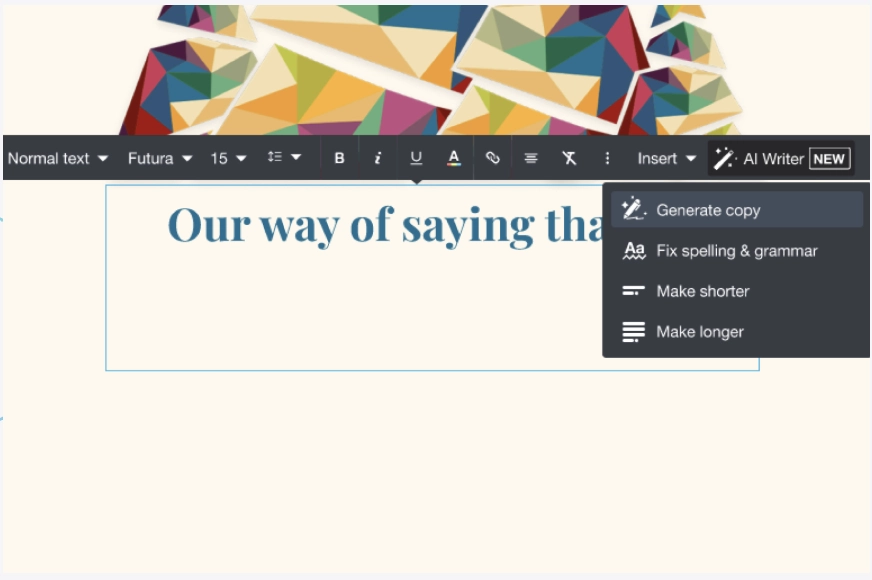
- 2025 (The Integration Wave): The industry saw a shift toward "AI-in-the-flow." Tools like Campaign Monitor and HubSpot began baking AI directly into the email editor, making it part of the standard workflow rather than a separate browser tab.
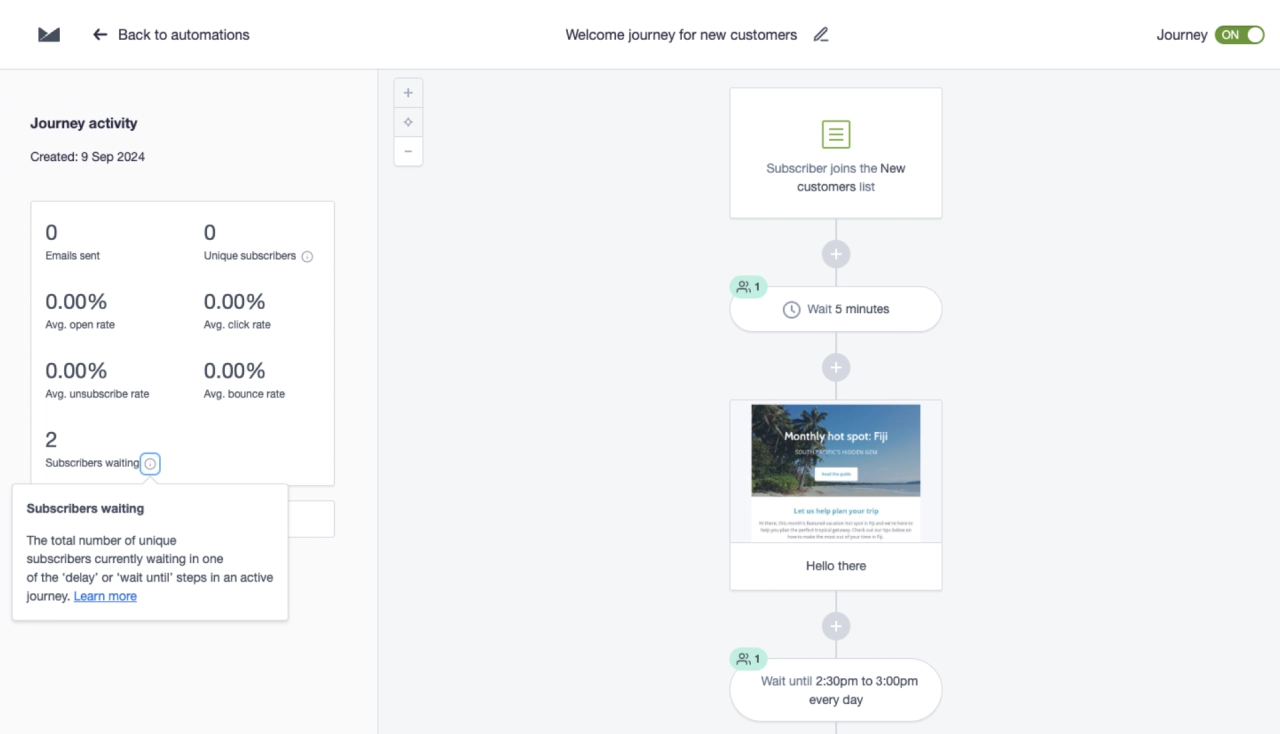
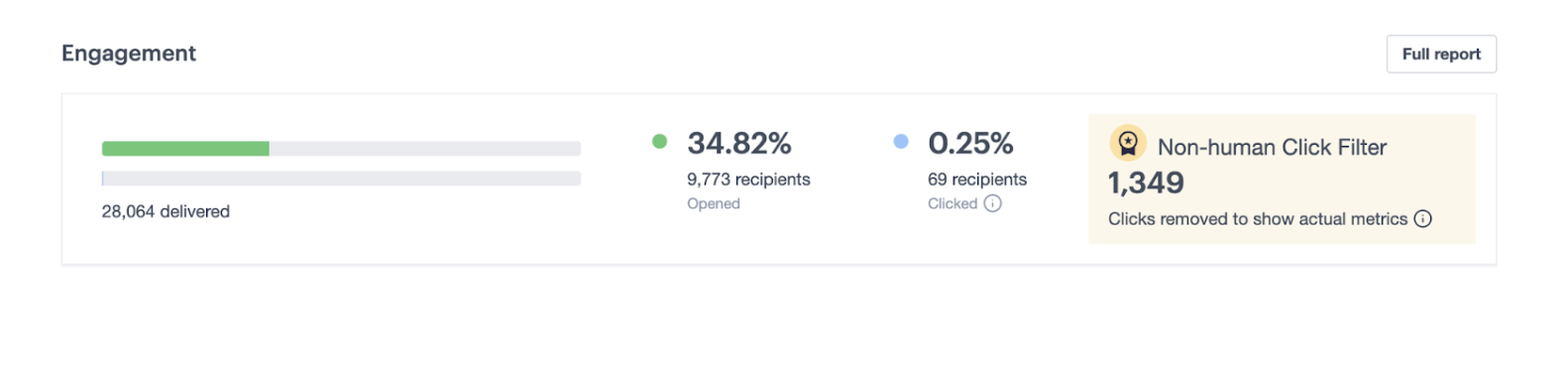
- 2026 (The Era of Orchestration): Today, the focus is on end-to-end orchestration. AI is now used not just to create content, but to predict customer behavior, filter bot traffic, and autonomously manage complex, multi-channel customer journeys.
Data-Driven Performance: The Impact of AI
The shift toward AI-driven marketing is rooted in measurable ROI. Recent industry data indicates that teams leveraging AI-integrated platforms see significant improvements in key performance indicators:
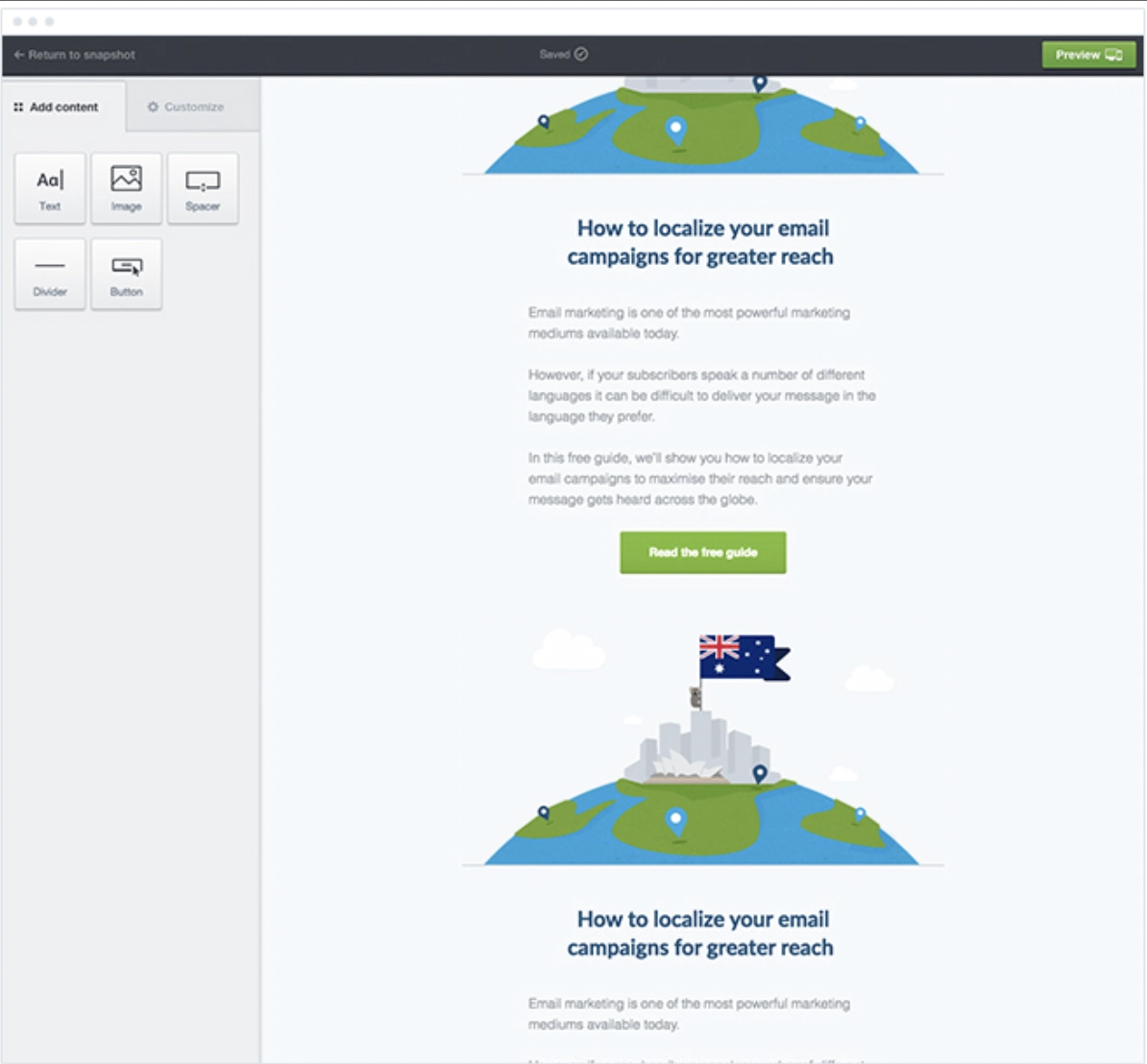
- Conversion Rates: Brands utilizing advanced personalization, such as those provided by Campaign Monitor, have reported up to a 75% increase in conversions through hyper-segmented campaigns.
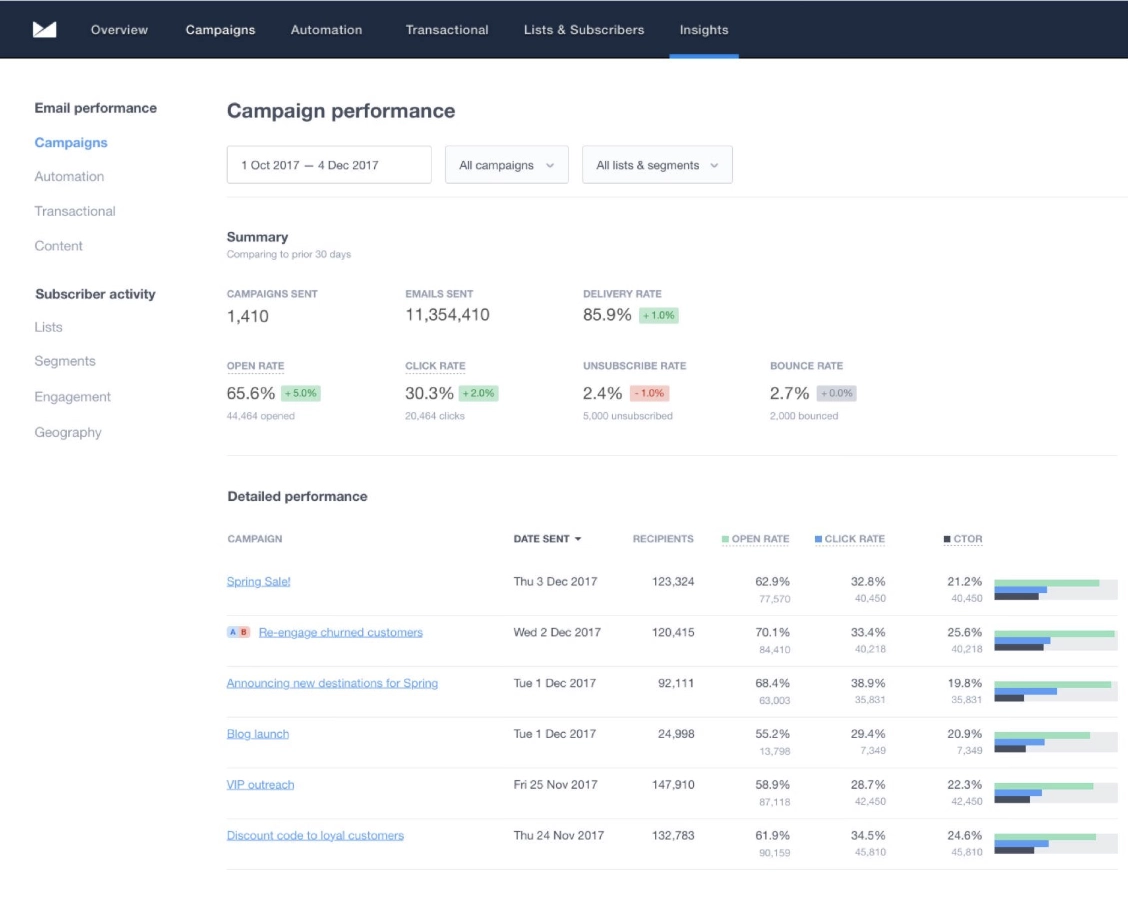
- Engagement Metrics: Personalized email sends consistently generate 10% higher engagement rates compared to static, non-segmented blasts.
- Operational Velocity: By automating the "draft-to-send" lifecycle, teams are cutting campaign production time by an average of 40%, allowing human marketers to focus on long-term strategy and creative refinement.
The 2026 AI Tool Directory: Best-in-Class Solutions
Navigating the vendor landscape requires a categorization based on specific business outcomes.
1. Email & Lifecycle Marketing
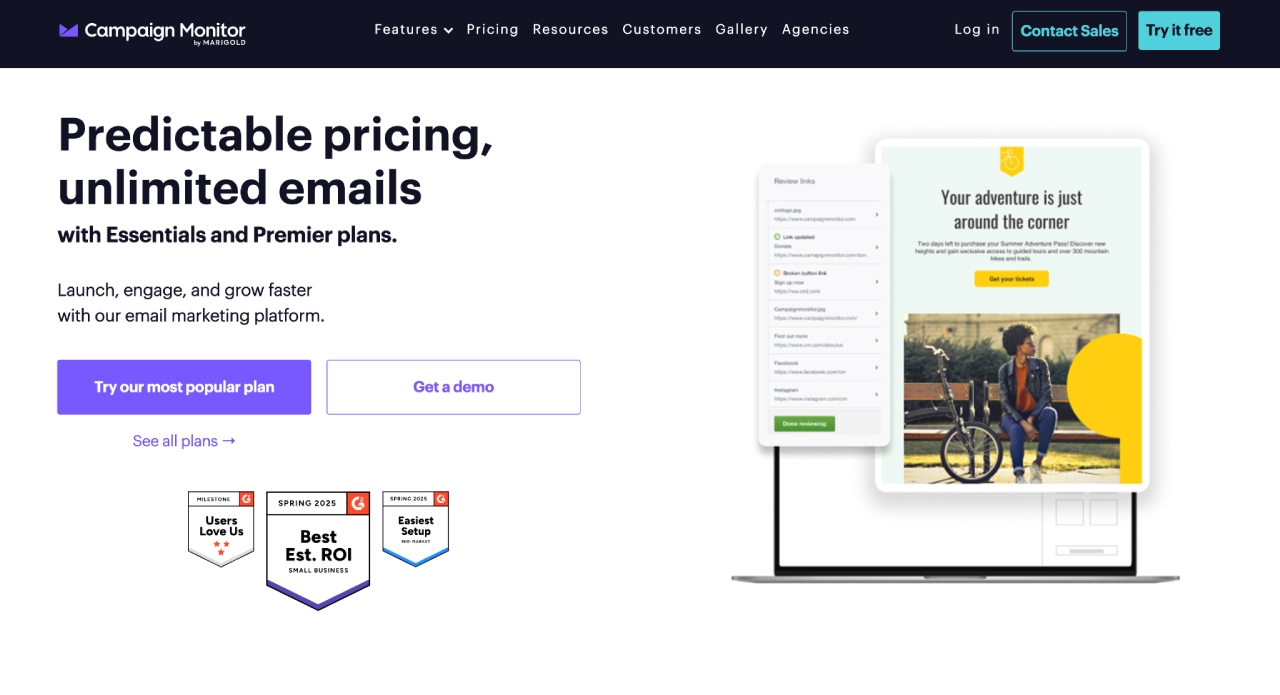
- Campaign Monitor: The gold standard for multi-location and retail brands. It distinguishes itself through "bot-click filtering," ensuring that engagement data reflects real human intent rather than algorithmic noise.
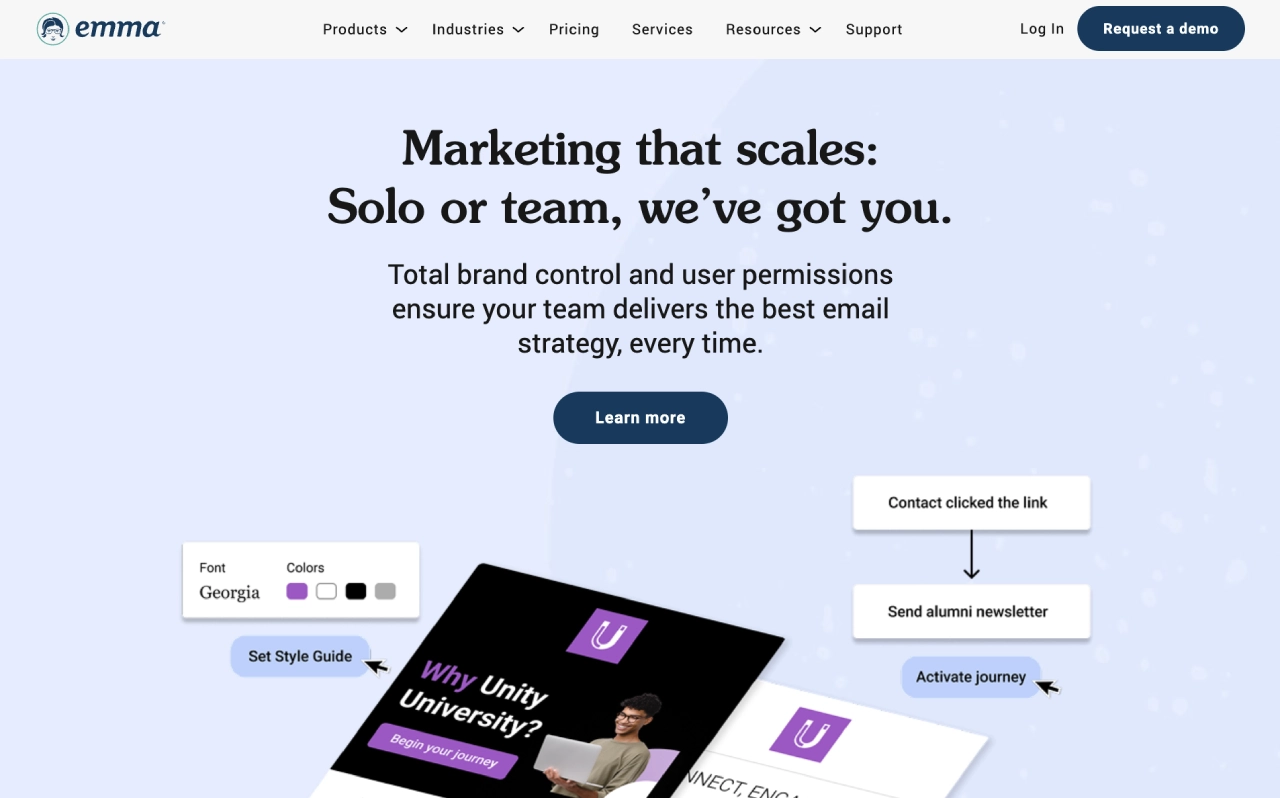
- Emma: Tailored for complex organizations, such as universities and franchise networks, that require "locked templates" to ensure brand governance while allowing local branches to remain agile.
2. Content & Creative Production
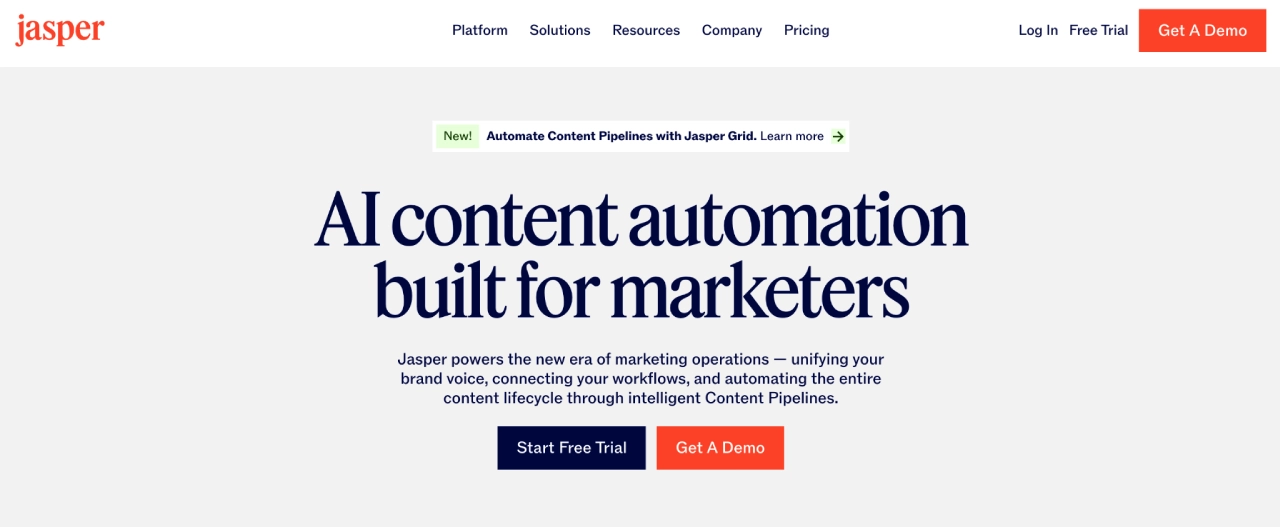
- Jasper: The leader for long-form content that requires a consistent, proprietary "brand voice."
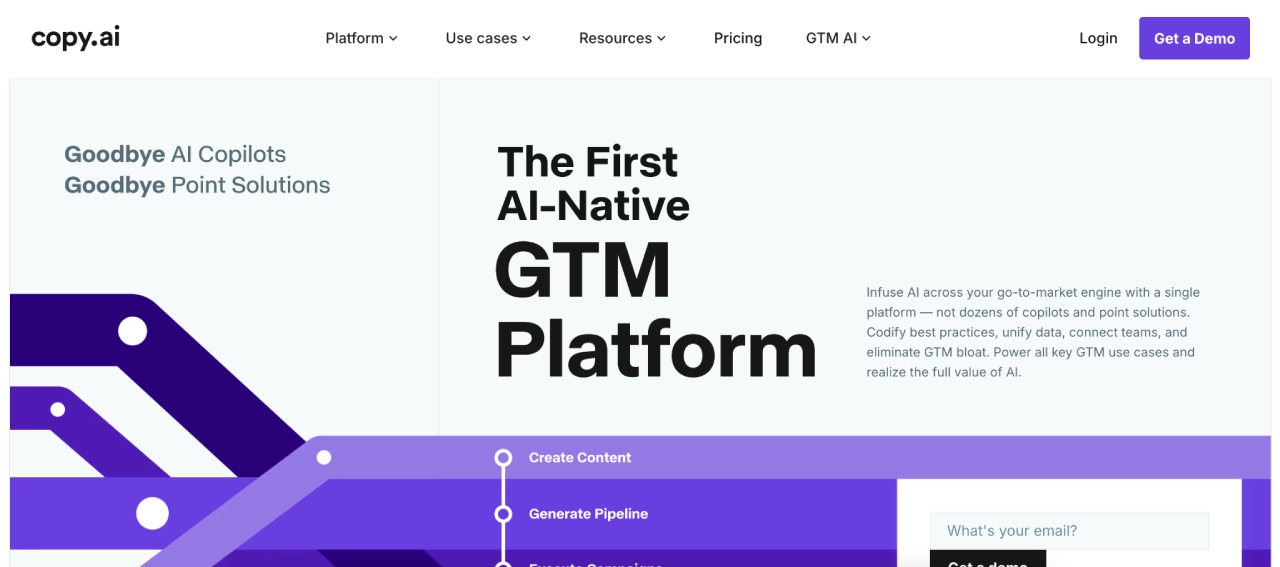
- Copy.ai: Optimized for structured campaign workflows, allowing teams to move from a single brief to a multi-channel sequence in seconds.
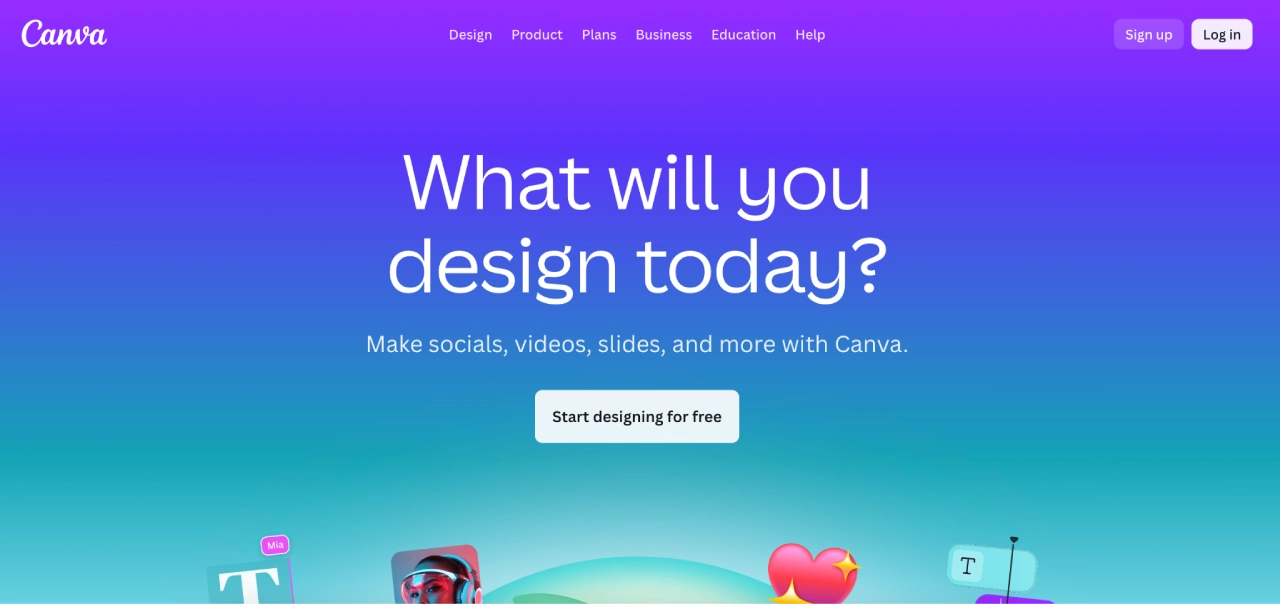
- Canva AI: The essential tool for democratizing design, enabling non-designers to produce social assets that maintain professional standards.
- Runway: The frontier of AI video production, ideal for agencies needing high-end motion tracking and generative video without the cost of a traditional film crew.
3. Growth & Conversion Optimization
- Alia Popups: Leverages zero-party data to serve highly relevant offers, directly feeding into your CRM to improve customer segmentation.
- Heatmap AI: A revenue-focused analytics suite that links user behavior (clicks/scrolls) directly to sales, allowing CRO teams to prioritize UX improvements based on real dollar impact.
- Atlas AI: Specializes in attribution and growth insights, helping teams determine which creative assets actually drive revenue rather than just vanity metrics.
4. SMS & Customer Support
- TxtCart: Acts as an automated sales associate, handling cart recovery and objection handling via conversational AI.
- Textline: The premier choice for support-heavy teams that need to organize SMS threads into professional, trackable support workflows.
Strategic Implications: Choosing the Right Stack
The proliferation of tools has created a new risk: "Tech Debt." Selecting the wrong AI tool can lead to siloed data and disconnected messaging. When evaluating potential vendors, leadership should apply the 3P Model:
- Platform Integration: Does this tool sync with your existing CRM and ESP? If it requires manual CSV exports, it is not an AI tool—it is a manual tool with a fancy interface.
- Predictive Capability: Does the tool suggest future actions, or does it simply report on past events? High-impact AI should offer predictive lead scoring or send-time optimization.
- Privacy & Compliance: As AI processes more customer data, ensure that your vendors adhere to global data protection standards (GDPR, CCPA) and do not train their models on your proprietary customer data.
Why Human Oversight Remains the "X-Factor"
While the efficiency gains of AI are undeniable, the "Human-in-the-Loop" remains non-negotiable. AI models are prone to "drift," where tone and context can lose their edge over time.
The Winning Formula:
- AI (The Heavy Lift): Ideation, drafting, segmentation, bot filtering, and routine automation.
- Human (The Refinement): Reviewing for brand alignment, adjusting CTAs for emotional resonance, and final quality control.
The most successful brands in 2026 are not those that let AI run their marketing, but those that use AI to clear the path for high-level creative and strategic thinking.
Final Recommendations for Implementation
If your team is still launching campaigns the "slow way," the time for transition is now. To ensure success:
- Audit Your Bottleneck: Identify the one task that drains your team’s energy (e.g., email drafting, data segmentation, or ad creative production).
- Shortlist One Tool: Do not attempt a total overhaul. Select one tool per category and run a 30-day pilot.
- Establish a Scorecard: Use a 1–5 scale to evaluate tools based on integration, usability, and measurable ROI. Any tool scoring below a 3 should be discarded immediately.
By focusing on tools that prioritize data hygiene and seamless integration—such as Campaign Monitor—marketers can transform their operations from reactive to proactive. The future of marketing is not about working harder with more software; it is about working smarter with the right orchestration of intelligence.
Disclaimer: This article provides general information regarding AI marketing tools. It does not constitute financial, legal, or tax advice. Readers should consult with professional advisors before implementing new software solutions across their organization.
