
Navigating the Shift: The Best Hotjar Alternatives for Modern Digital Optimization (2026 Update)
For years, Hotjar stood as the gold standard for mid-market businesses looking to demystify user behavior. With its accessible interface, intuitive heatmapping, and a generous free tier, it served as the gateway for thousands of freelancers and digital marketers to begin their journey into conversion rate optimization (CRO).
However, the landscape of behavioral analytics has undergone a seismic shift. Following its acquisition by Contentsquare in 2021 and the subsequent integration of the two platforms in 2025, the "classic" Hotjar experience has evolved into a fragmented ecosystem. For many teams—especially those with complex, enterprise-grade needs or lean startups—the new pricing architecture and modular product lines have prompted a search for alternatives.
The Evolution of the Market: A Chronology of Change
To understand why the search for alternatives is so prevalent, one must look at the timeline of the platform’s transformation:
- 2021: Contentsquare, a digital experience analytics giant, acquires Hotjar, signaling a move to consolidate the market.
- 2024: Industry buzz intensifies regarding the inevitable sunsetting of legacy plans as integration efforts accelerate.
- 2025: The merger is finalized. The Hotjar-branded plans are retired in favor of three distinct, separately priced product lines: Experience Analytics, Voice of Customer, and Product Analytics (powered by Heap).
- 2026 (Present): Procurement data now indicates that the "Hotjar experience" is no longer a simple, unified SaaS purchase. With median annual contract values (ACV) rising, smaller teams are increasingly finding themselves priced out or over-provisioned.
Why Companies Are Switching
The decision to migrate away from a legacy tool is rarely made lightly. Based on recent user sentiment and industry analysis, teams are moving for three primary reasons:
- Complexity and Bloat: The new modular structure often requires teams to purchase multiple licenses to achieve what was once a single, cohesive workflow.
- Pricing Elasticity: While the free tier remains, the jump to enterprise-level tiers is steep. For many, the cost-to-value ratio has shifted, making specialized, leaner tools more attractive.
- Need for Deep Integration: Modern product teams now demand that behavioral data speaks directly to their engineering stacks. The desire for native feature flags, A/B testing, and SQL-accessible data warehouses is pushing companies toward platforms that function as an "all-in-one" product engine.
Top 8 Hotjar Alternatives: A Comparative Analysis
If you are currently evaluating your options, the following eight platforms offer distinct advantages depending on your organizational goals.
1. Crazy Egg: The All-in-One Optimization Suite
Crazy Egg remains the premier choice for teams that want to consolidate the entire optimization loop. Unlike tools that force you to jump between different subscriptions, Crazy Egg integrates heatmaps, session recordings, A/B testing, and even popup CTAs into one dashboard.
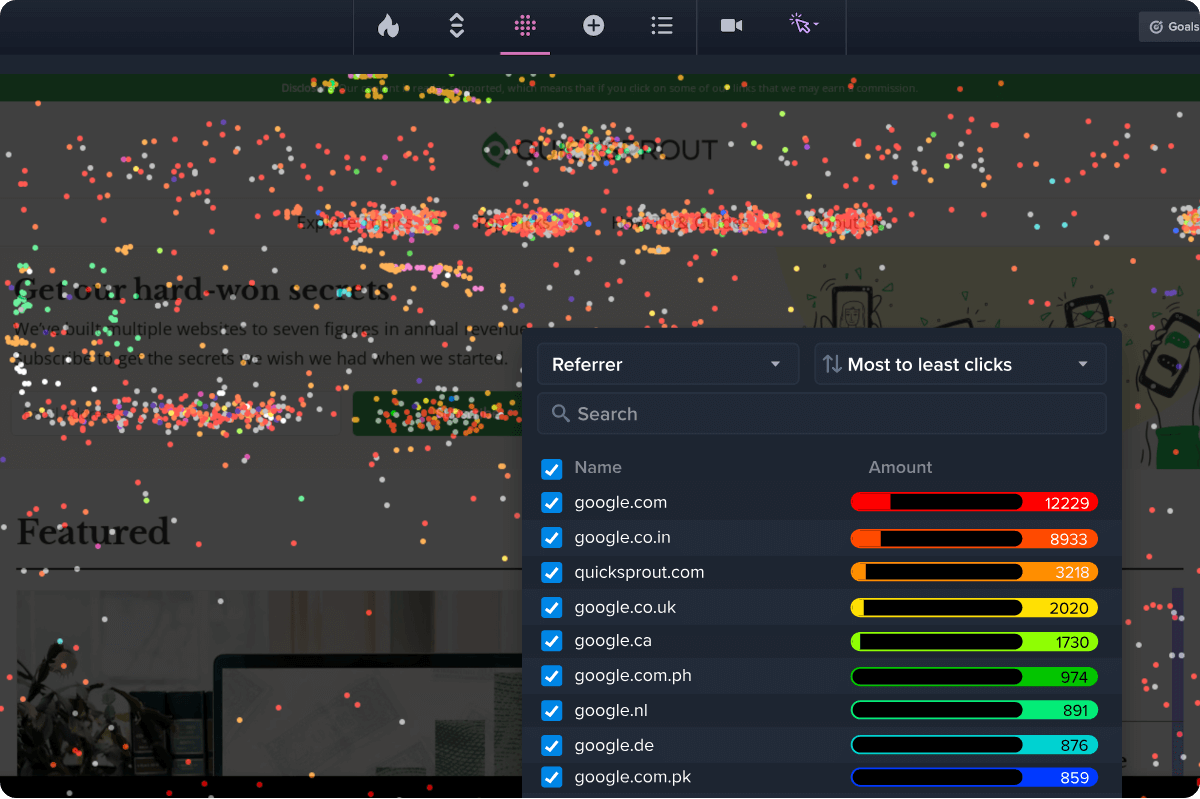
- The Advantage: The platform treats conversion as a cycle—diagnose with heatmaps, hypothesize with recordings, and test with built-in A/B tools.
- Pricing: $29–$599/mo (billed annually). It avoids the "hidden" overage fees that often plague enterprise competitors.
2. Microsoft Clarity: The Unbeatable Free Tier
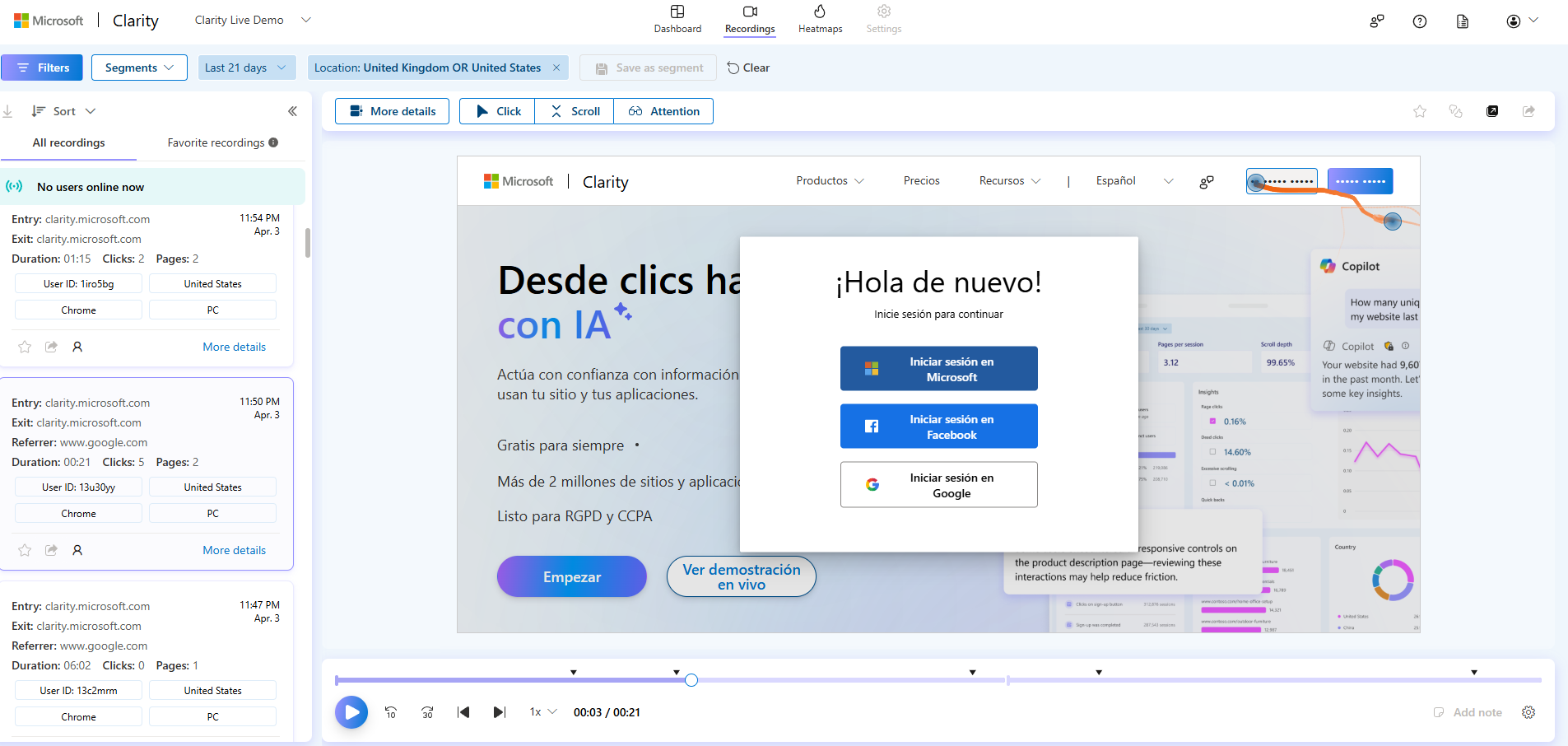
For those who prioritize cost-efficiency above all else, Microsoft Clarity is the clear winner. It is a "free forever" tool that offers session recordings, heatmaps, and surprisingly powerful AI-driven session summaries.
- The Advantage: No traffic caps, no hidden tiers, and unlimited site support.
- Limitation: It lacks the advanced CRO features (like A/B testing or native survey logic) found in premium suites.
3. Mouseflow: The Precision Friction Analyst
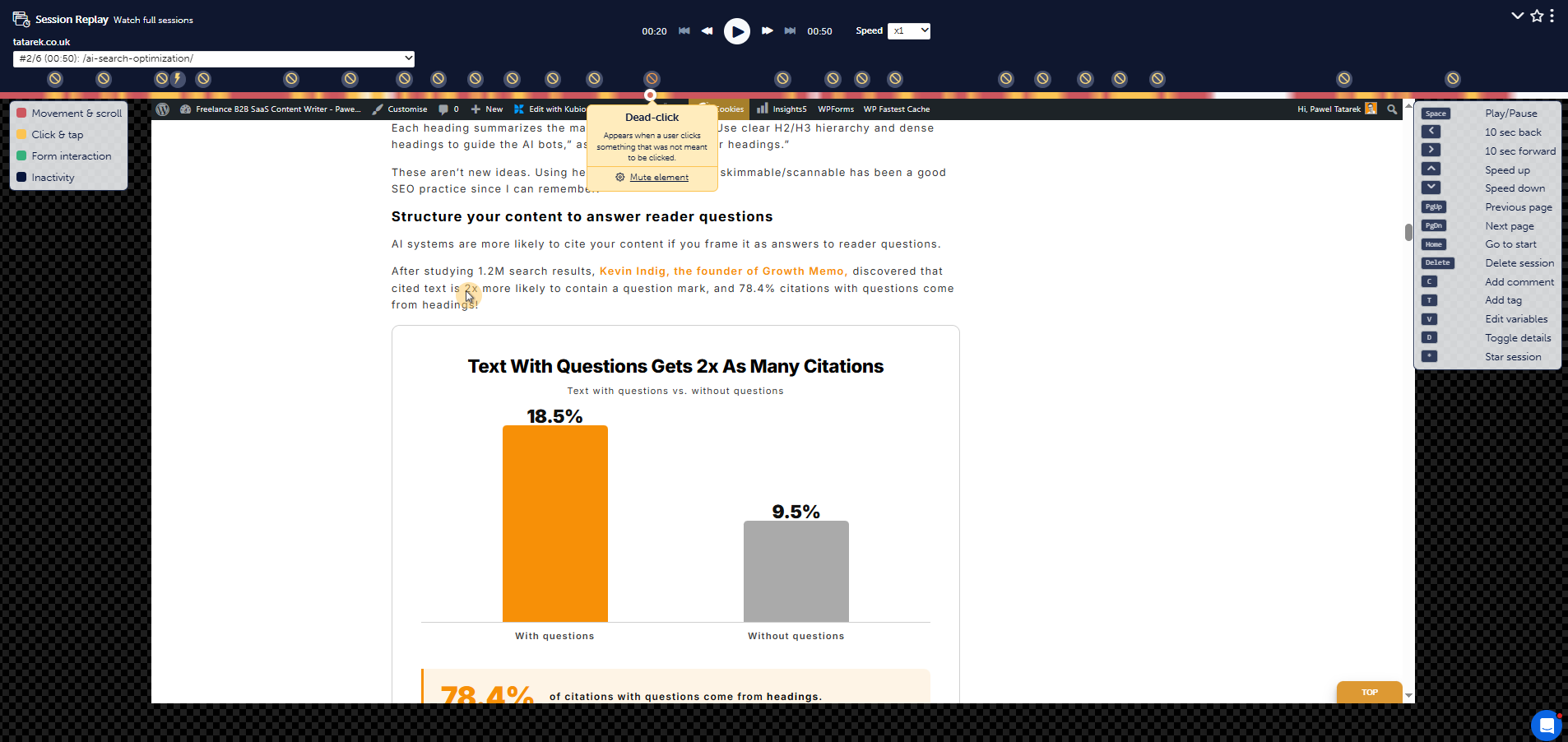
Marketing teams that need to understand why users bounce will appreciate Mouseflow’s "Friction Score." It automatically flags dead clicks, rage clicks, and errors, allowing teams to skip the manual hours of watching replays.
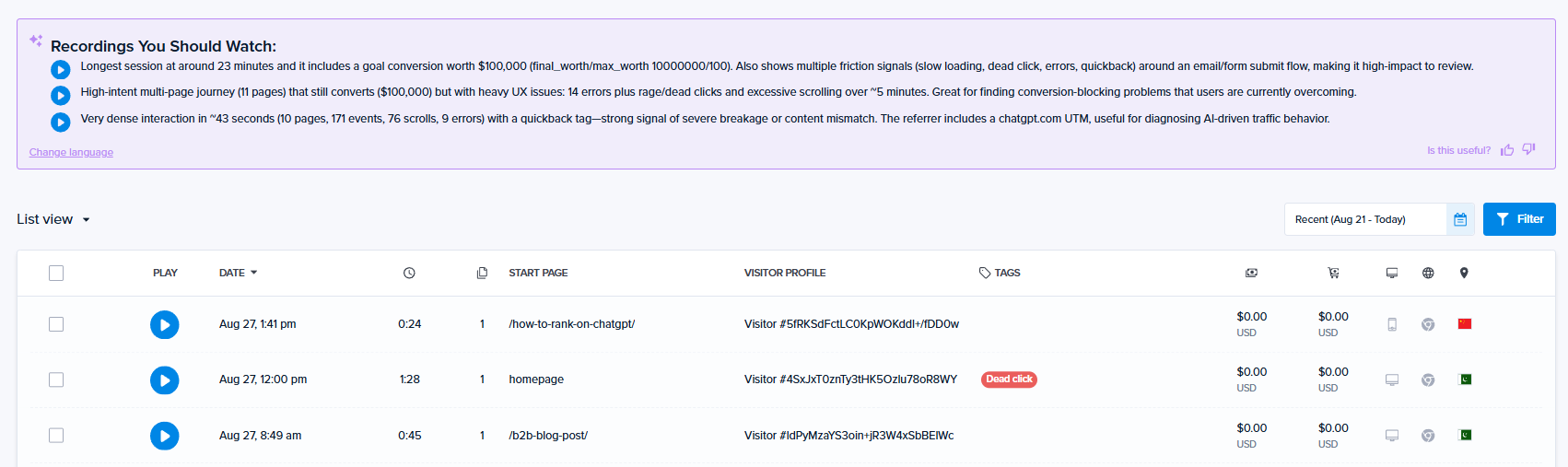
- The Advantage: Deep funnel and journey analytics that provide a direct line of sight into drop-off points.
- Pricing: $25–$319/mo.
4. Lucky Orange: Best for E-commerce
If your business model revolves around a shopping cart, Lucky Orange is arguably the best-in-class tool. It provides a "Live View" of your site, allowing customer support teams to see exactly what a shopper is experiencing in real-time.
- The Advantage: It includes chat and dynamic heatmaps that are purpose-built for checkout funnels.
- Pricing: $32–$839/mo (billed annually).
5. FullStory: The Enterprise Digital Transformation Tool
FullStory is for organizations where "digital experience" is a mission-critical KPI. It offers unparalleled data indexing, allowing teams to search for specific user actions across millions of sessions.
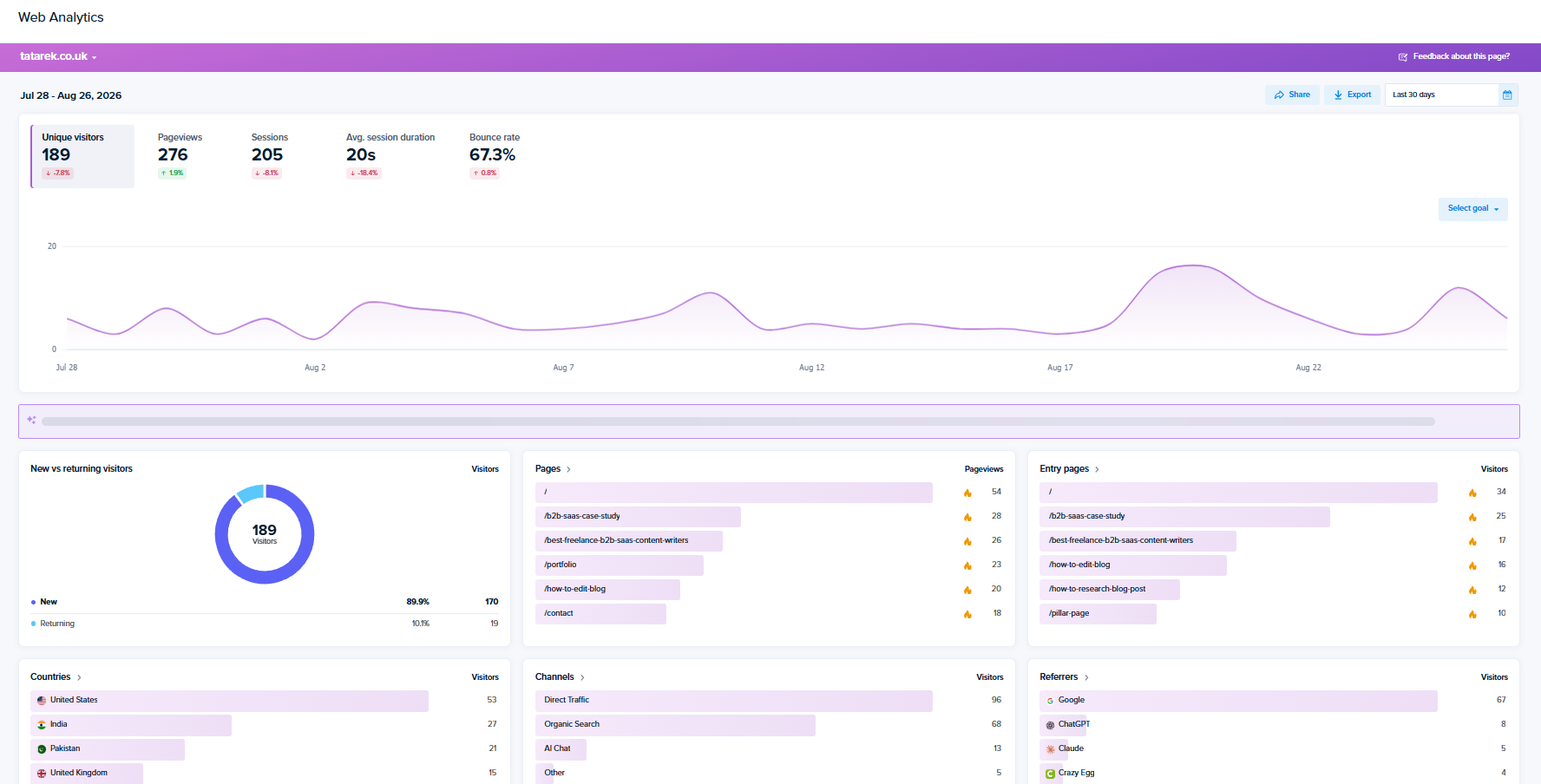
- The Advantage: It functions more like an engineering-grade platform, perfect for complex SaaS environments.
- Pricing: Quote-only (typically $10K–$25K/yr entry).
6. PostHog: The Developer’s Choice
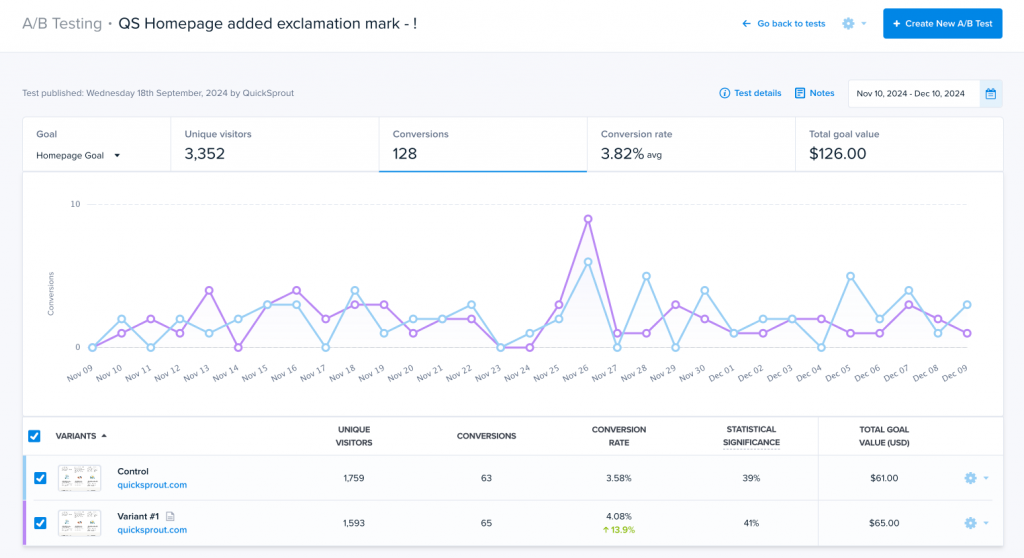
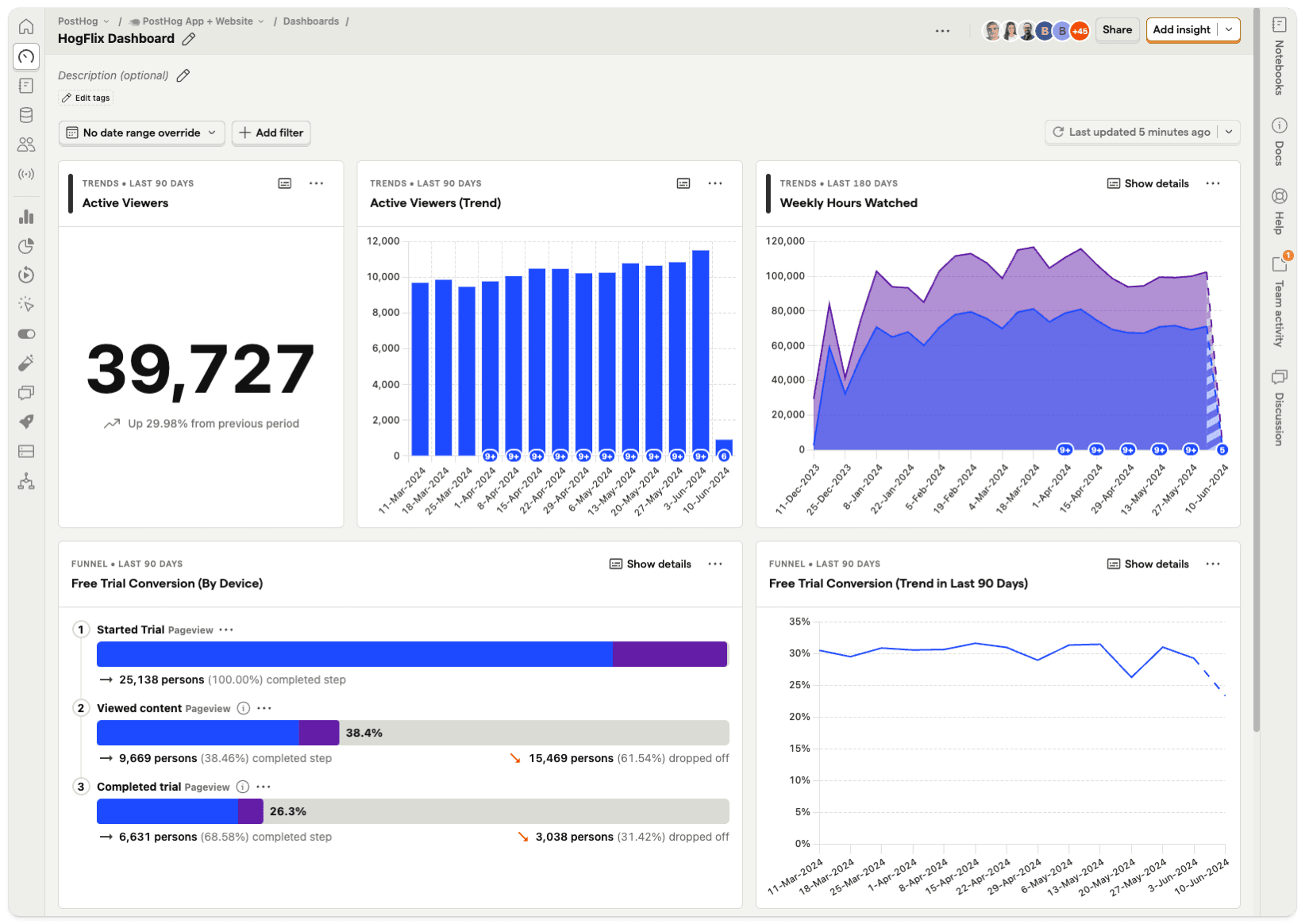
PostHog has captured the hearts of engineering-led teams. It isn’t just an analytics tool; it is a platform that includes feature flags, experiments, and a managed data warehouse.
- The Advantage: You can self-host, meaning your data stays within your own infrastructure—a massive win for teams with strict compliance needs.
- Pricing: Usage-based, with a generous free monthly allowance.
7. VWO: The Experimentation Powerhouse
If your primary goal is A/B testing, VWO is the superior choice. While it includes heatmaps and recordings, its DNA is in statistical significance and testing rigor.
- The Advantage: It enables a "test-first" culture, ensuring that every design change is backed by data.
- Pricing: Quote-only (mid-five to six figures annually for scaled teams).
8. Survicate: The Feedback Specialist
Sometimes, you don’t need a heatmap—you need to ask the user. Survicate excels at in-product surveys, offering deep branching logic and AI-powered sentiment analysis.
- The Advantage: It integrates with almost every CRM and email tool, making it the perfect "Voice of the Customer" engine.
- Pricing: Starts at $114/mo.
Implications for Your Tech Stack
Choosing a successor to Hotjar requires a clear-eyed assessment of your team’s maturity.
For the Lean Startup: If you are operating on a bootstrap budget, the combination of Microsoft Clarity (for behavior) and Survicate (for feedback) provides a high-powered, low-cost stack that rivals enterprise solutions.
For the Growth-Focused E-commerce Brand: Lucky Orange provides the most direct path to improving checkout conversion rates without requiring a dedicated data science team.
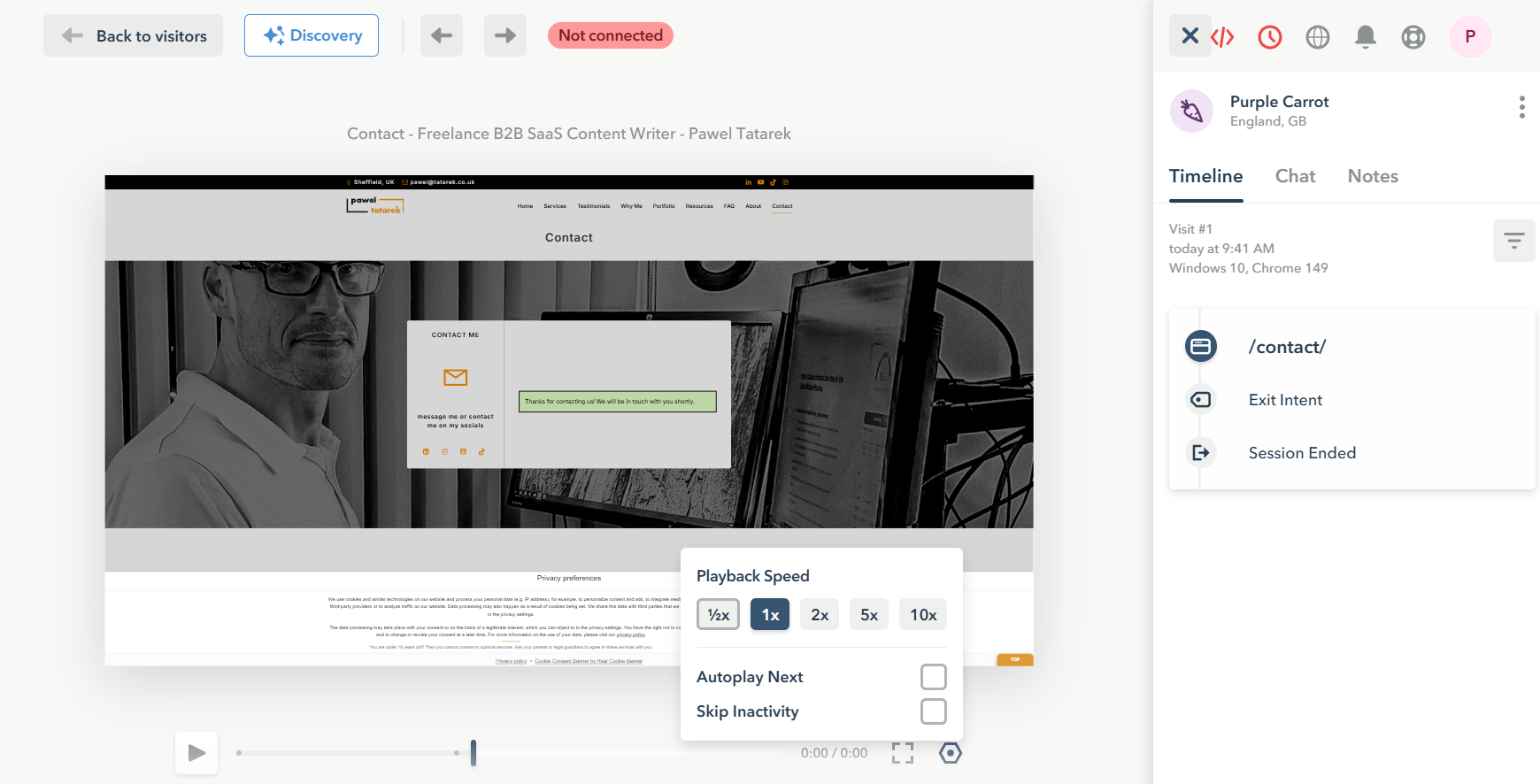
For the Product-Led Engineering Team: PostHog is the clear winner. By centralizing your analytics, feature flagging, and experimentation into one SDK, you reduce the "tag bloat" that slows down your website and provides a cleaner data architecture.
Frequently Asked Questions
Q: Can I migrate my historical Hotjar data?
A: Not directly. Most platforms cannot ingest Hotjar’s proprietary video files. However, you can export your insights into .csv or .xlsx formats to preserve metadata, tags, and notes. We recommend maintaining a "data archive" drive before sunsetting your old account.
Q: Is there an open-source option?
A: Yes, PostHog is the most robust open-source alternative. It is highly recommended for teams that require complete control over data sovereignty or those operating in highly regulated industries like Fintech or Healthcare.
Q: Which tool is best for mobile apps?
A: PostHog and Microsoft Clarity currently lead in mobile support. If you are building for iOS or Android, ensure the tool you choose offers native SDKs rather than relying on web-view wrappers, which often struggle to capture the full nuance of native touch gestures.
Final Thoughts: The Path Forward
The "one-size-fits-all" era of behavior analytics is drawing to a close. As the market matures, the tools have become more specialized—some moving toward pure engineering data, others toward marketing-led experimentation.
When choosing your next partner, do not look for a "Hotjar replacement." Look for the tool that solves your current bottleneck. Whether that is a lack of feedback, a high checkout abandonment rate, or a need for better engineering visibility, the market now offers a bespoke solution for every stage of growth.
