
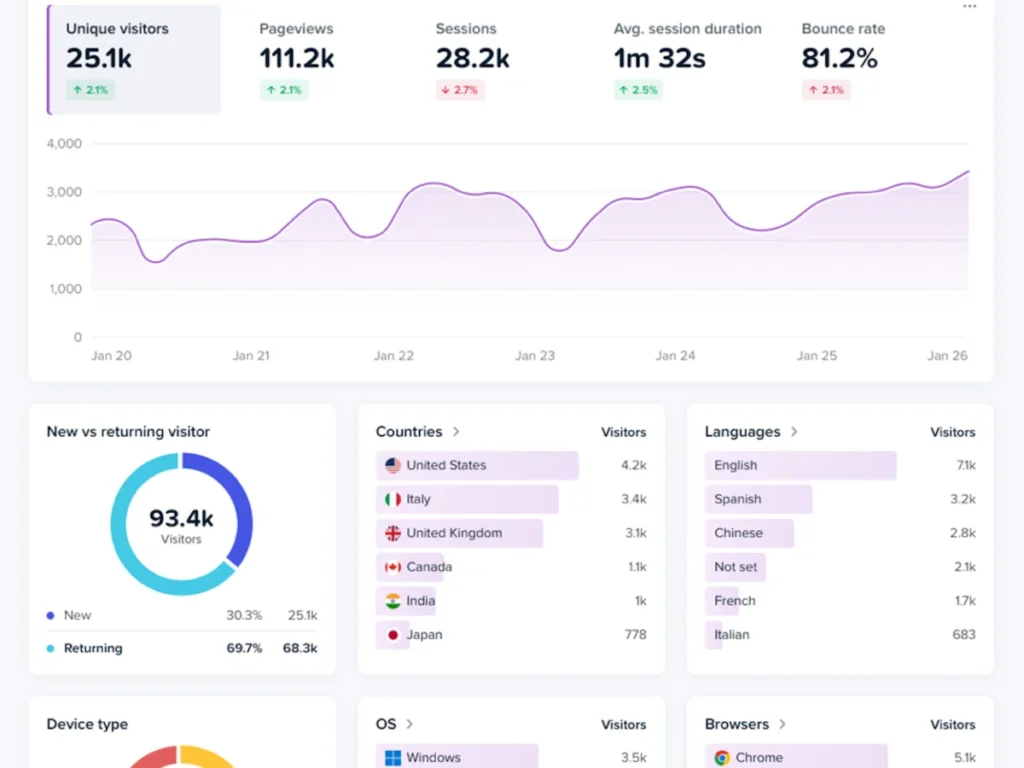
Empowering Data Sovereignty: Crazy Egg Unveils New Data Warehouse Connector
By Editorial Staff
September 24, 2026
In an era where data-driven decision-making serves as the bedrock of competitive advantage, the silos between website behavioral insights and core business intelligence have long been a source of friction for analytics teams. Today, Crazy Egg, a pioneer in user experience and behavioral analytics, announced the launch of its "Data Warehouse Connector." This strategic expansion allows businesses to synchronize raw, granular website event data directly into their own data warehouses, effectively handing the keys of behavioral intelligence back to the organizations that generate it.
For data engineers and analytics professionals, this integration represents more than just a convenience; it is a fundamental shift in how first-party data can be utilized, governed, and scaled within the modern data stack.
The Core Offering: Syncing Behavior with Business Logic
The Data Warehouse Connector is designed to bridge the gap between "on-site behavior" and "off-site business outcomes." By delivering raw event records—including session data, click-path interactions, and conversion events—directly into a storage bucket owned and governed by the customer, Crazy Egg is enabling a more holistic view of the customer journey.
The system utilizes industry-standard, high-performance formats, specifically Parquet and Iceberg, to ensure that the data is not only accessible but also optimized for rapid analytical processing. By providing daily automated syncs alongside comprehensive historical backfills, the tool ensures that data teams have a continuous, reliable pipeline of information without the need for manual exports or fragmented API calls.
Chronology: The Evolution Toward Data Ownership
The release of the Data Warehouse Connector is the latest chapter in a long-standing trend within the MarTech industry: the movement toward "Data Sovereignty."
- The Early Years: Historically, platforms like Crazy Egg operated as "black boxes." Users accessed insights through pre-built dashboards. While intuitive, this approach limited the ability of data scientists to join behavioral data with proprietary financial or CRM data.
- The Demand for Integration: Over the past three years, as organizations matured their data stacks (adopting platforms like Snowflake, BigQuery, and Databricks), the request for raw data access became the number one feature request from enterprise-tier clients.
- Technical Refinement: In early 2026, Crazy Egg began beta testing the pipeline, focusing on the efficiency of data transport and the normalization of behavioral events.
- The Launch: On September 24, 2026, the tool officially exited private beta, marking a new milestone in the company’s product roadmap, transitioning from a visualization tool to a data infrastructure provider.
Supporting Data: Why Behavioral Context Matters
The necessity of this tool is underscored by the current state of digital marketing. Research indicates that organizations that correlate behavioral data with backend transactional data see a 20% to 30% increase in the accuracy of their revenue attribution models.
When a user clicks on a product page, that action is a signal of intent. However, when that click is isolated from the eventual subscription or purchase data stored in an ERP or CRM, its value remains limited to simple heatmaps. By bringing Crazy Egg’s event data into a centralized warehouse, companies can:
- Map Customer Journeys: Trace the specific interaction patterns that lead to high-value conversions.
- Enhance Attribution: Move beyond simple "last-click" models to multi-touch attribution that factors in every minor interaction recorded by Crazy Egg.
- Optimize AI Training: Use high-fidelity behavioral data to fine-tune machine learning models, specifically for agentic workflows or predictive churn analysis.
"With Crazy Egg’s rich behavioral data in your warehouse, your analytics pipeline can now connect on-site actions to purchase and subscription data," said Stephen Ngo, Director of Growth Marketing at Crazy Egg. This capability allows teams to stop guessing and start measuring the real-world impact of UX adjustments on the bottom line.
Official Perspective: Bridging the Analytics Gap
For many companies, the primary challenge is not a lack of data, but a lack of connected data. The Data Warehouse Connector serves as the connective tissue. By allowing firms to maintain ownership of their data in their own buckets, Crazy Egg is addressing concerns regarding data privacy and governance, which have become increasingly stringent in light of global regulatory shifts.
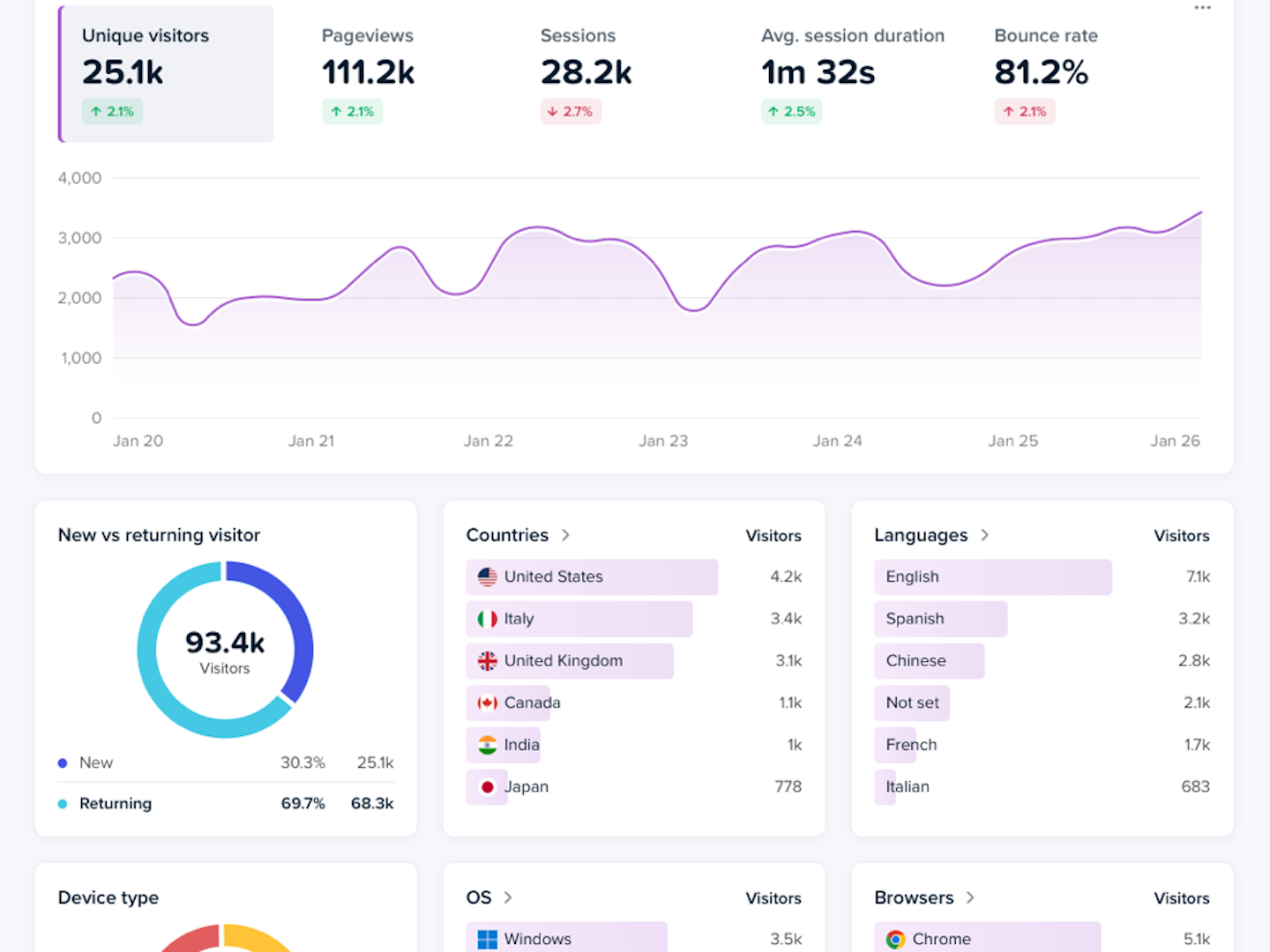
"This is about putting the power of behavioral insights into the hands of those who build the business’s analytical backbone," an internal spokesperson noted. "Whether you are building BI dashboards or training internal AI models, the raw data provides the transparency needed to make informed, long-term strategic decisions."
Implications for the Future of Data Engineering
The release of this connector has several far-reaching implications for the industry.
1. The Rise of Agentic Workflows
Perhaps the most forward-looking aspect of this announcement is the mention of "AI context data." As companies move toward deploying autonomous AI agents to manage customer interactions, these agents require "first-party truth." By feeding raw, historical user behavior into an LLM or vector database, companies can train agents that understand the specific nuances of their website’s user experience, leading to more human-like and effective automation.
2. Democratizing Advanced Analytics
In the past, accessing raw event logs often required expensive, custom-built middleware or massive engineering hours. By commoditizing this sync, Crazy Egg is effectively democratizing enterprise-grade data engineering. Mid-market companies that previously lacked the resources to build a data lake can now leverage a professional-grade pipeline, putting them on a level playing field with much larger competitors.
3. The Future of BI Dashboards
With data now residing in the customer’s warehouse, the reliance on proprietary dashboarding tools may diminish. Teams can now pull Crazy Egg data directly into platforms like Tableau, Looker, or PowerBI, creating a unified "single pane of glass" that encompasses marketing spend, website behavior, and final sales revenue.
Getting Started: Implementation and Customization
Recognizing that every company’s data model is unique, Crazy Egg has opted for a high-touch implementation strategy. The connector is not a "one-size-fits-all" button; rather, it is designed to be configured to the specific architectural requirements of the client.
"Need custom configuration around your data model?" the company asks in their release. For organizations with complex event tracking or specific schema requirements, the company is routing inquiries through dedicated account managers. This ensures that the data landing in the warehouse is clean, labeled, and ready for immediate use.
Interested parties are encouraged to reach out to their Crazy Egg representative or contact the team via their official support channels to discuss how the Data Warehouse Connector can be integrated into their existing technical infrastructure.
Conclusion: A Strategic Leap Forward
The announcement of the Data Warehouse Connector marks a transformative moment for Crazy Egg and its users. By moving beyond the limitations of browser-based visualization and embracing the open-data movement, the company is positioning itself as a vital component of the modern data ecosystem.
For the marketing analyst, the benefit is clarity. For the data engineer, the benefit is control. And for the business as a whole, the benefit is the ability to leverage first-party behavioral data to drive growth in an increasingly competitive digital landscape. As we look toward the remainder of 2026 and beyond, tools that facilitate the seamless flow of information between silos will undoubtedly define the winners in the digital economy.
