
The Art of Future-Proofing: Cultivating Anticipation to Drive Audience Growth
In the competitive landscape of digital publishing, the success of a blog is rarely determined by its historical archive alone. Instead, it is defined by a publisher’s ability to convince a first-time visitor that the content yet to be created is worth their ongoing attention. This concept—the cultivation of anticipation—is the psychological bridge between a casual browser and a loyal subscriber.
People do not subscribe to blogs simply because of what they have already read; they subscribe because they believe the author will enhance their lives, solve their problems, or provide consistent value in the future. Mastering the art of building this anticipation is not merely an intuitive skill for the seasoned blogger; it is a deliberate, strategic framework that can be engineered to maximize audience retention.
The Core Thesis: Content as a Promise of Future Value
The fundamental challenge for any content creator is answering a difficult question: How do you convince a stranger that your future, unwritten work is worth the investment of their time and email subscription?
The most effective strategy is a paradox of sorts: you must prove your future value by meticulously highlighting the quality of your past performance. When a reader encounters a piece of content that resonates deeply—whether it is profoundly helpful, uniquely entertaining, or intellectually stimulating—they develop a trust-based relationship with the author.
This trust is the currency of the internet. By showcasing your best work to new arrivals, you are not just displaying an archive; you are building a case for your authority. You are effectively telling the reader, "If you liked this, imagine what is coming next."
The Chronology of Engagement: From Discovery to Subscription
The lifecycle of a subscriber usually follows a predictable path. A reader finds a specific post via a search engine, a social media referral, or a newsletter link. This is the "Discovery Phase."
- The Hook: The user reads the specific content that brought them to the site. If the quality is high, they are momentarily impressed.
- The Validation: If the user finds a clear, organized path to more of that same quality, their interest shifts from "this article was good" to "this site is a resource."
- The Anticipation: Once the user realizes the depth of the site’s expertise, they begin to anticipate future insights. This is the moment of conversion where they click "subscribe."
Many bloggers fail because they assume that high-quality content on its own is enough. While creating great content is the primary requirement, the secondary, often neglected requirement is visibility. If your best work is buried in a chronological archive, it is essentially invisible to a new visitor.
Strategic Frameworks for Highlighting Quality
To capitalize on the anticipation model, publishers must move beyond the standard "latest posts" layout. Below are four proven, high-leverage strategies to keep your best work in the constant line of sight of your readers.
1. The Power of "Sneeze Pages"
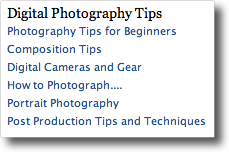
Often referred to as "hub pages" or "topic centers," Sneeze Pages are curated landing pages that organize your best content around specific themes. By grouping articles—for example, "The Ultimate Guide to Photography" or "Advanced SEO Strategies"—you allow the reader to dive deep into a subject.
These pages serve two purposes: they demonstrate your authority on a subject by showing the breadth of your knowledge, and they keep users on your site longer, which drastically increases the likelihood of a subscription. A reader who consumes three articles on a topic is significantly more likely to subscribe than one who consumes only one.
2. "Best Of" Sections and Heat Mapping
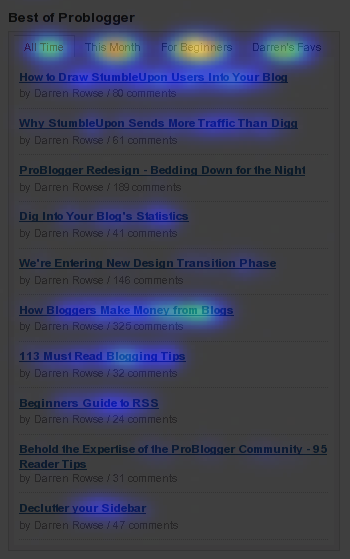
A "Best Of" section acts as a curator’s selection. By placing a widget in your sidebar or a dedicated link on your homepage, you direct traffic toward your "greatest hits." Data from user behavior tools, such as heat maps, consistently show that visitors gravitate toward these curated lists.
A heat map is a visual representation of where users click on a page. When bloggers apply this data, they often find that a "Best Of" section is one of the most clicked elements on the site. By identifying which topics your audience is most hungry for, you can tailor your future editorial calendar to meet that demand, further fueling the cycle of anticipation.
3. Contextual Landing Pages
Modern content management systems allow for the use of "Landing Site" plugins. These tools are intelligent enough to detect when a visitor is a first-time user and can trigger a customized experience. For instance, if a user arrives via a search for "portrait photography," the site can display a landing page that lists not just that article, but a collection of your top ten articles on portrait photography.
This creates an immediate impression of being a "comprehensive source." When a visitor perceives a site as an encyclopedic authority, the perceived value of subscribing increases, as they anticipate future articles being just as comprehensive.
4. Strategic Interlinking
Internal linking is the "connective tissue" of a successful blog. Whenever you write a new piece, you should intentionally weave in links to your evergreen, high-quality content. This serves a dual purpose: it improves your search engine optimization (SEO) and it ensures that every new visitor is constantly funneled toward your best work.
If a reader is enjoying your current post, they are already in a state of high engagement. Directing them to another high-quality piece of yours is the most effective way to maintain that momentum.
Official Observations and Industry Implications
Professional bloggers and digital marketers have long observed that the "anticipation gap"—the space between a user’s first visit and their decision to subscribe—is the most critical metric to optimize.
According to various industry studies on reader retention, a visitor who does not subscribe within their first few interactions with a brand is unlikely to return. Therefore, the strategy of highlighting quality content isn’t just about vanity or page views; it is an essential customer acquisition strategy.
The implication for the modern content creator is clear: Don’t leave your value to chance. If you are not explicitly showing your new readers what your best work looks like, you are leaving your growth to the algorithm rather than taking control of your audience development.
Conclusion: The Path Forward
Building anticipation is a psychological game. It is about signaling to the reader that you are a reliable, consistent, and expert source. By implementing Sneeze Pages, curating "Best Of" lists, utilizing landing pages, and practicing aggressive internal linking, you transform your blog from a static chronological list into a dynamic, authority-driven resource.
However, it is vital to remember that these strategies are merely the infrastructure. They are the stage upon which your content performs. The quality of your writing remains the number one priority. Without the content, the infrastructure is hollow.
As we look toward the future of digital content, the most successful creators will be those who bridge the gap between their past brilliance and their future potential. By making your best work the "front door" of your website, you ensure that every visitor understands exactly why they should come back for more.
Tomorrow, we will explore the secondary layers of this strategy—techniques that go beyond content organization to create an even deeper sense of community and brand loyalty. But for now, take a hard look at your homepage: Does it show a new reader your absolute best, or does it merely show them what you wrote last Tuesday? The difference is the key to your growth.
