
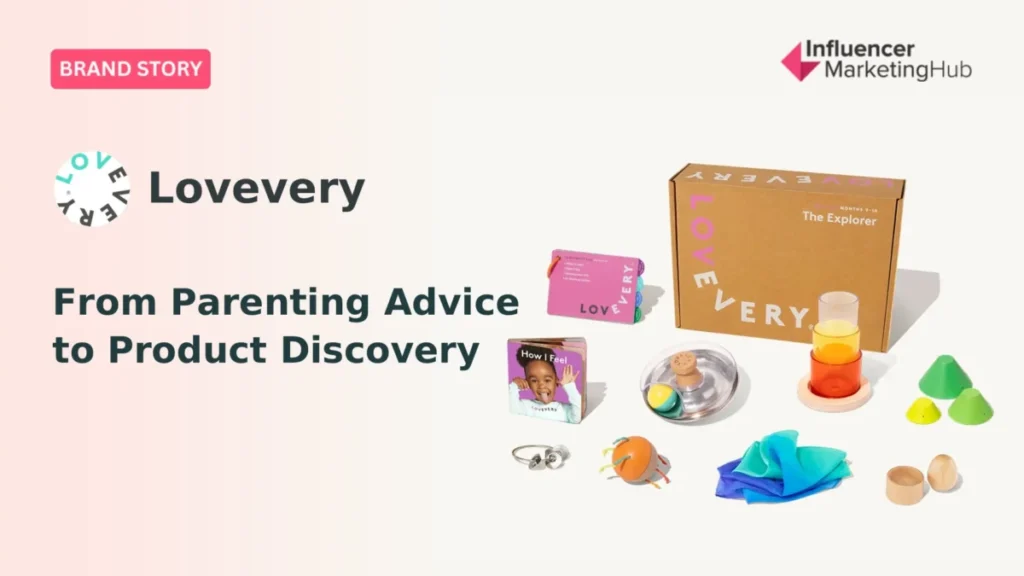
The Montessori Blueprint: How Lovevery Revolutionized Parenting Content and Product Discovery
In the crowded landscape of modern e-commerce, few brands have managed to bridge the gap between educational utility and consumer goods as effectively as Lovevery. By transforming the "subscription box" model into a comprehensive parenting resource, the company has created a flywheel of trust that turns content consumption into product discovery. As of September 2026, Lovevery’s strategy stands as a masterclass in how to build a community-driven brand that feels less like a retailer and more like an essential parenting partner.
The Evolution of the Play Kit Model: Main Facts
Lovevery, founded by Jessica Rolph and Roderick Morris, entered the market with a singular mission: to simplify the lives of parents by providing stage-based developmental play essentials. Unlike traditional toy manufacturers that rely on impulsive, hit-or-miss purchases, Lovevery introduced the "Play Kit" subscription.
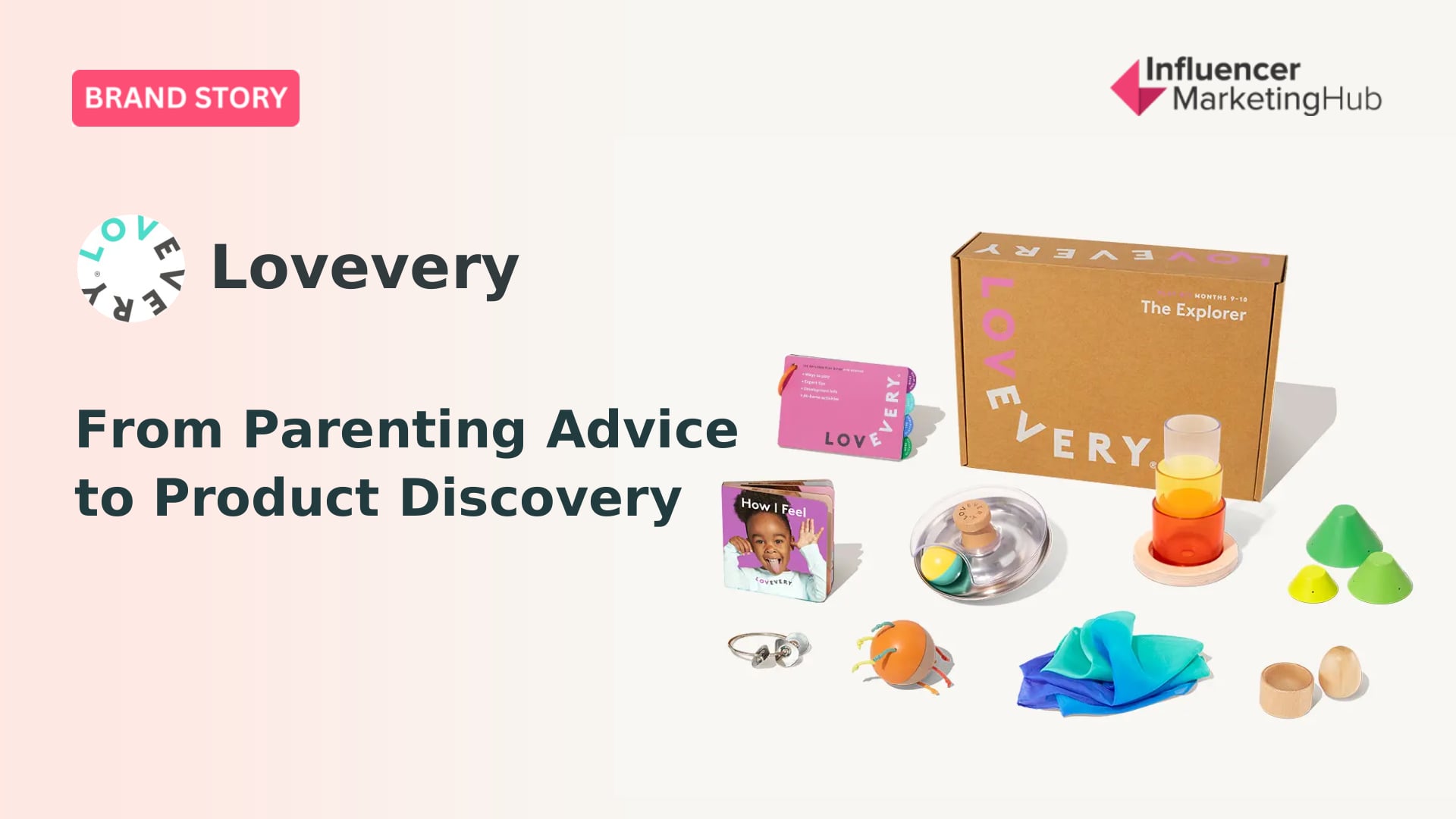
The core of their success lies in the integration of science-backed content with physical products. Every box arrives curated for a child’s specific age, accompanied by a comprehensive play guide. This guide does more than explain the toy; it educates parents on developmental milestones, offering "pro-tips" on how to interact with their children. This content-first approach effectively turns every customer into an informed, engaged user who views the brand as a reliable source of authority rather than just a vendor.
A Chronological Shift: From Toys to Ecosystem
The journey of Lovevery’s content integration has been deliberate and data-driven.
- 2017-2018 (Foundational Phase): Lovevery launched its initial offering, focusing on the "Play Gym." The strategy was simple: solve a problem (overwhelmed parents not knowing what toys are age-appropriate) with a single, high-quality, scientifically vetted product.
- 2019-2021 (The Subscription Pivot): The introduction of the subscription-based Play Kits allowed Lovevery to move from transactional sales to recurring revenue. During this period, the brand began producing "The Lovevery App" and expanding its blog, The Sandbox, which provided deep dives into Montessori-inspired parenting.
- 2022-2024 (The Community Expansion): Lovevery leaned heavily into influencer partnerships and user-generated content. By collaborating with parenting experts, speech therapists, and occupational therapists, they expanded their credibility beyond the toy box.
- 2025-2026 (The Content-Commerce Flywheel): By mid-2026, the brand achieved a seamless ecosystem. Parents now look to Lovevery’s content first to understand a developmental hurdle, and the discovery of a product—or a Play Kit upgrade—follows as the natural, helpful solution.
Supporting Data: The Power of Authority
The efficacy of Lovevery’s strategy is reflected in their retention metrics. Industry analysts have noted that Lovevery’s churn rate remains significantly lower than the standard e-commerce subscription benchmark.
According to internal marketing reports and consumer sentiment surveys from late 2026, over 70% of Lovevery’s new customers arrive via word-of-mouth or content recommendations. Furthermore, the "Search-to-Checkout" path for Lovevery users is unique:
- The Query: A parent searches for "how to help baby sit up" or "Montessori activities for 8-month-olds."
- The Content: They land on a Lovevery blog post or video, which is ranked highly for SEO.
- The Value: The content provides actionable advice without immediately pushing a product.
- The Conversion: The "discovery" happens when the content mentions that the skills discussed are reinforced by the items found in the current age-appropriate Play Kit.
This "helpful content" SEO strategy has allowed Lovevery to capture high-intent traffic that competitors—who rely on expensive paid search ads—miss out on.
The Expert Perspective: Why Content Wins
In an exclusive look at the brand’s methodology, industry experts emphasize that Lovevery’s content is not merely "marketing fluff."
"They have successfully moved the needle from ‘selling toys’ to ‘selling a philosophy,’" says Sarah Jenkins, a retail analyst specializing in direct-to-consumer (DTC) strategies. "When a parent reads a piece of content on their site, they are essentially taking a masterclass in development. By the time they reach the product recommendation, the purchase feels like a logical next step in their child’s growth, not an expense."
Lovevery’s commitment to the "Montessori" method acts as a massive competitive moat. By aligning their products with a well-respected, decades-old educational framework, they ensure that their content remains timeless and authoritative, shielding them from the fast-fashion-style trends that plague other toy companies.
Implications for the DTC Industry
Lovevery’s success has sent ripples throughout the retail world, creating several key implications for other brands:
1. The Decline of the Transactional Ad
Traditional social media ads are facing "ad blindness." Consumers are tired of being sold to. Lovevery’s model proves that if you provide value before you ask for the sale, the conversion rate is higher and the customer lifetime value (LTV) is significantly more stable.
2. Content as a Retention Tool
Most brands use content to acquire customers. Lovevery uses it to keep them. By providing stage-based content, they ensure that a parent remains engaged with the brand for years. Every time a child hits a new age, the content—and the subsequent product discovery—starts a new cycle of engagement.
3. The "Expert-in-the-Room" Effect
By featuring actual child development experts in their content, Lovevery elevates the perceived value of their products. This provides a "social proof" that is nearly impossible to manufacture through traditional influencer marketing alone. It creates an environment where the brand is perceived as a collaborator in the child’s development.
Challenges and Future Outlook
Despite their massive success, Lovevery faces the challenges inherent in scaling a premium, high-touch brand. Maintaining the quality of their content as they expand into new developmental stages—such as toddlerhood and early preschool—requires constant investment in research and expert collaboration.
Furthermore, as competitors attempt to replicate the "subscription box" model, Lovevery’s long-term defense will continue to be their content ecosystem. It is much easier to copy a toy than it is to copy a brand identity rooted in years of established trust, educational authority, and a deep understanding of the parenting journey.
Conclusion: The Path Forward
The story of Lovevery is a blueprint for the future of modern retail. In a world where consumers are increasingly savvy and skeptical of traditional advertising, the brands that win will be those that provide utility, education, and genuine support.
By connecting parenting content with product discovery, Lovevery has moved beyond the transactional nature of e-commerce and into the emotional space of parenting. They have proven that when a brand treats its customers as partners in a long-term journey, the product is no longer just an object—it becomes a milestone. As we move into the final quarter of 2026, Lovevery’s trajectory serves as a definitive case study for any brand looking to build lasting equity in an increasingly crowded marketplace. The message is clear: if you want to sell to the parent, you must first support the child, and you must do so with more than just a box of toys—you must do it with knowledge.
