
The Millennial Mandate: Why Your 2026 Social Strategy Needs a Mid-Life Pivot
If you were among the millions who once spent hours perfecting a Facebook "poke" or curating the perfect Myspace top eight, you are part of the generation that effectively built the modern social media landscape. Today, that generation—Millennials—has entered a new phase of life. They are no longer the "young" disruptors of the digital age; they are now aged 30 to 45, commanding the largest share of global income and navigating the complex realities of modern adulthood.
For social media marketers, the temptation to pivot entirely toward Gen Z or Gen Alpha is strong. However, ignoring the Millennial demographic in 2026 is a strategic oversight of the highest order. They are active, they are affluent, and they are increasingly selective about where they invest their limited time.

The Core Facts: Millennials as a Demographic Powerhouse
The defining characteristic of the Millennial generation (born 1981–1996) in 2026 is not their digital literacy—which is a given—but their economic dominance. As they move through their prime earning years, they represent the highest total household income of any living generation.
Despite the prevailing narrative that social media is a youth-dominated space, the data suggests otherwise. According to recent media consumption reports, 79% of Millennials have engaged with YouTube in the past month, 71% remain active on Facebook, and 54% are regular users of Instagram. They aren’t just scrolling; they are shopping, researching, and engaging with content that aligns with their values and lifestyle.
A Chronology of Digital Maturity
To understand how to reach the modern Millennial, one must recognize how their relationship with the internet has evolved:
- The Early 2000s (The Discovery Era): This was the era of forums and early social networking. Millennials learned to navigate digital communities long before algorithmic feeds existed.
- The 2010s (The Content Creation Era): Millennials pioneered the "influencer" economy, turning daily vlogs and "get ready with me" videos into a legitimate marketing medium.
- The 2026 Reality (The Value-Driven Era): Today, the Millennial social experience is defined by efficiency and authenticity. Having spent decades online, they possess a highly refined "BS detector" and prioritize content that provides utility, education, or genuine community connection.
The Generational Divide: Millennials vs. Gen Z
While both generations inhabit the same digital ecosystem, their operational logic differs significantly. Understanding this distinction is vital for any brand attempting to capture both demographics.
| Feature | Millennials | Gen Z |
|---|---|---|
| Role of Social | A hybrid utility for connection and research | A primary entertainment destination |
| Platform Mix | Established giants (YouTube, FB, Reddit) | Visual-first (TikTok, Snap, Instagram) |
| Social Commerce | Discovery-led; often buys off-platform | High comfort with native checkout |
| Customer Care | Low tolerance for friction; expects speed | Expects service, but more patient with delays |
Supporting Data: What Drives Millennial Engagement?
The modern Millennial is not a monolithic group; they are a diverse cohort currently balancing careers, parenthood, homeownership, and financial planning. Their content consumption reflects these life stages.
1. The Power of Education
Approximately 36% of Millennials actively seek out how-to and tutorial content. If your brand can solve a problem—from fixing a leaky faucet to financial literacy—you have successfully transitioned from a brand to a resource. Data suggests that 90% of Millennials are willing to follow influencers who provide genuine educational value.
2. The Return to Community
Millennials are currently the largest user base for Reddit, a platform that facilitates deep-dive discussions. Their "hipster" energy for finding niche communities has not faded; it has matured into a preference for curated spaces over broad, chaotic feeds.
3. The "Cultural Moment" Phenomenon
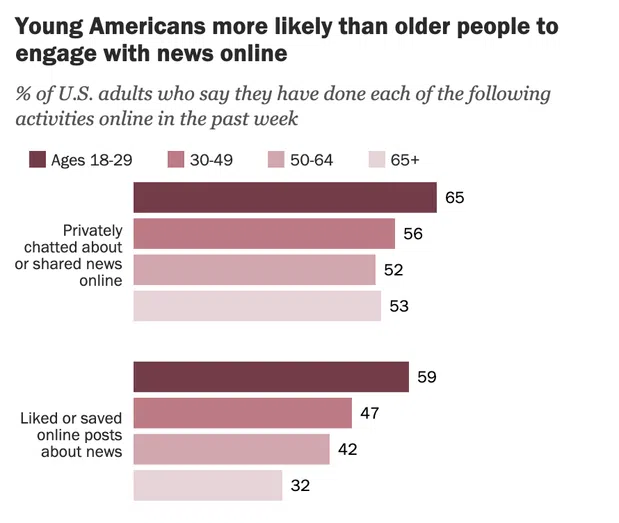
For 53% of adults aged 35–49, social media serves as a "second screen" experience. Whether they are live-tweeting during an awards show or dissecting an episode of a trending drama on a community thread, the Millennial experience is inherently communal.
The Implications for Modern Strategy
The shift in Millennial behavior carries profound implications for marketers. The "spray and pray" approach is dead. To succeed in 2026, brands must adopt a strategy centered on relevance, trust, and utility.
Moving Beyond the "Millennial" Label
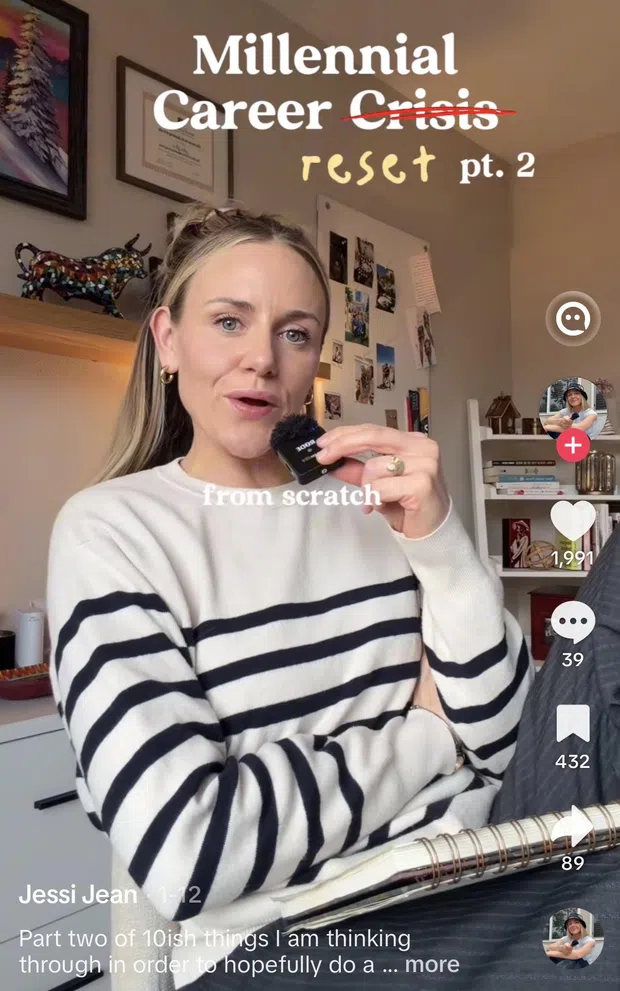
The most significant mistake brands make is stereotyping the generation. Marketing to a 30-year-old in the middle of a career pivot is fundamentally different from marketing to a 45-year-old preparing for their children’s college education. Segmenting by "life stage" rather than birth year is the only way to avoid the tone-deaf campaigns that alienate this demographic.
The Rise of Skepticism and the Need for Authenticity
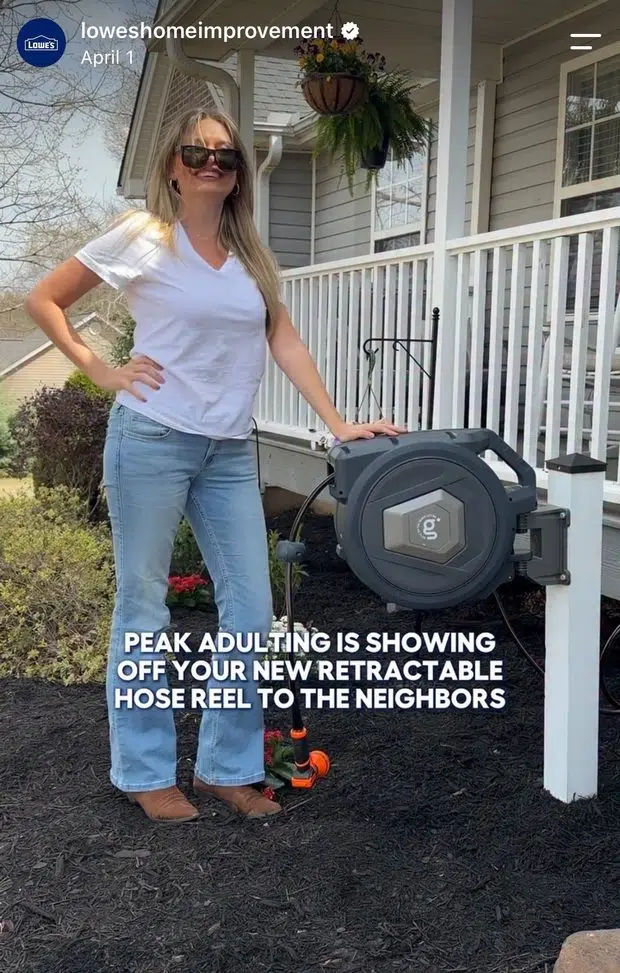
In an era saturated by AI-generated content, trust is the new currency. Heather Hildebrandt, Founder of Brightcraft Studios, notes that Millennials are increasingly skeptical of high-gloss, overly polished advertising. "They aren’t going to spend their limited time with brands that don’t establish trust and see their day-to-day reality," she explains. Authentic, user-generated content (UGC) or "shaky" 30-second videos often outperform million-dollar production campaigns because they feel honest.
Cross-Channel Consistency
Millennials are savvy researchers. If they see a compelling ad on Instagram, they will likely cross-reference it with your website, search for Reddit reviews, and check your customer support track record before committing to a purchase. If your brand voice or promise shifts between these touchpoints, you lose credibility instantly.
Strategic Recommendations for 2026
To effectively engage the Millennial audience, marketing teams should prioritize the following six pillars:
- Platform Focus: Don’t try to be everywhere. Use social analytics to identify where your specific segment is most active and double down on those platforms.
- Segment by Need: Replace age-based personas with "intent-based" personas. What is their specific pain point today?
- Humanize the Brand: People trust people, not logos. Highlight your founders, your employees, and the human stories behind the products.
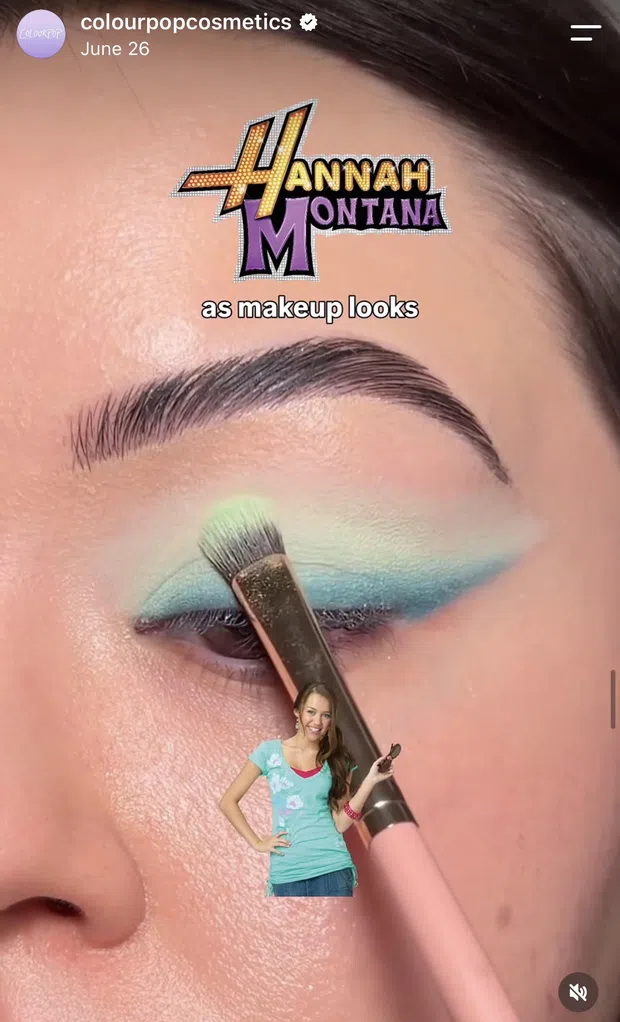
- Prioritize "Native" Content: Move away from television-style ads. Embrace short-form video that feels native to the platform feed.
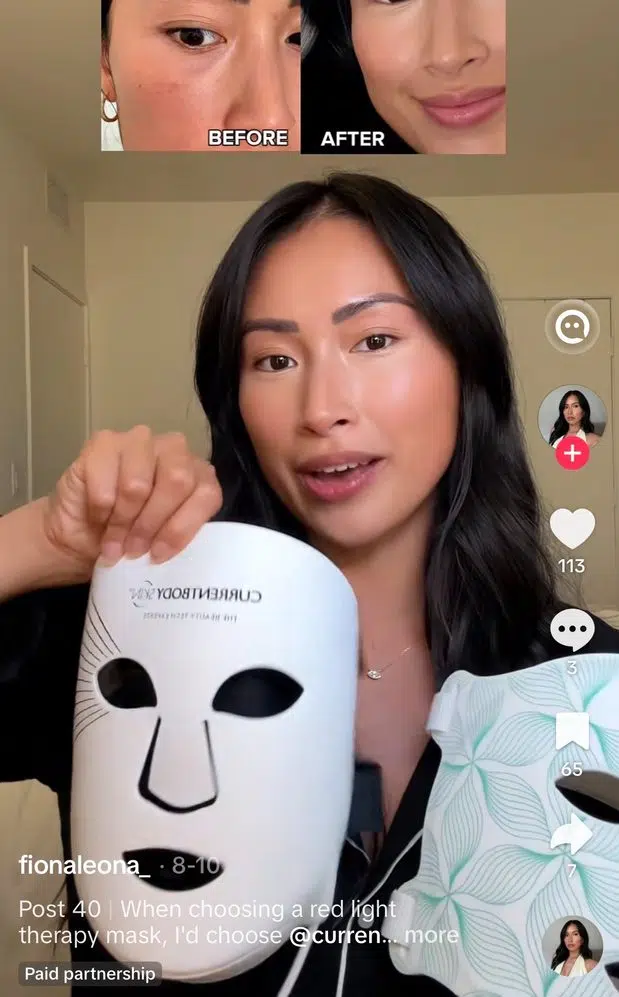
- Strategic Partnerships: Partner with creators who have already earned the trust of your target audience. Ensure the partnership feels like a natural extension of the creator’s voice.
- Data-Driven Listening: Use social listening tools to move beyond hunches. Analyze sentiment, track trending topics, and let your audience’s actual conversations dictate your content calendar.
Conclusion: The Path Forward
The Millennial generation is not a "fading" demographic; they are a mature, discerning, and economically powerful engine of the modern economy. Brands that treat them with the respect their digital maturity deserves—by offering authenticity, utility, and genuine engagement—will find a loyal customer base that is willing to invest in the long term.
As we look toward the remainder of 2026 and beyond, the winners will be those who stop guessing what Millennials want and start listening to what they are actually saying. By leveraging tools that allow for sophisticated sentiment analysis and streamlined content collaboration, teams can finally bridge the gap between "campaign noise" and "real connection."
Disclaimer: This article is intended for educational purposes and reflects current industry trends in 2026. Data points cited are based on aggregated research from industry leaders such as Pew Research, GWI, and Salsify.
