
The Summer of Vibes: How AI is Redefining Software Development and Modern Marketing
In the fast-paced ecosystem of Silicon Valley, buzzwords arrive with the frequency of seasonal shifts, but rarely do they capture the zeitgeist with the same peculiar resonance as "vibe." Currently, "vibe" has ascended to the top of the AI lexicon, eclipsing previous favorites like "agentic" and "LLM-powered." While the term is nebulous and ripe for corporate appropriation, it points toward a profound, structural shift in how software is created and how brands engage with their audiences.
The "vibe" era represents a departure from traditional technical rigor, favoring rapid, conversational interaction with artificial intelligence. It is a philosophy that prioritizes output over syntax, imagination over implementation, and speed over perfection.
The Genesis: Andrej Karpathy and the Birth of "Vibe Coding"
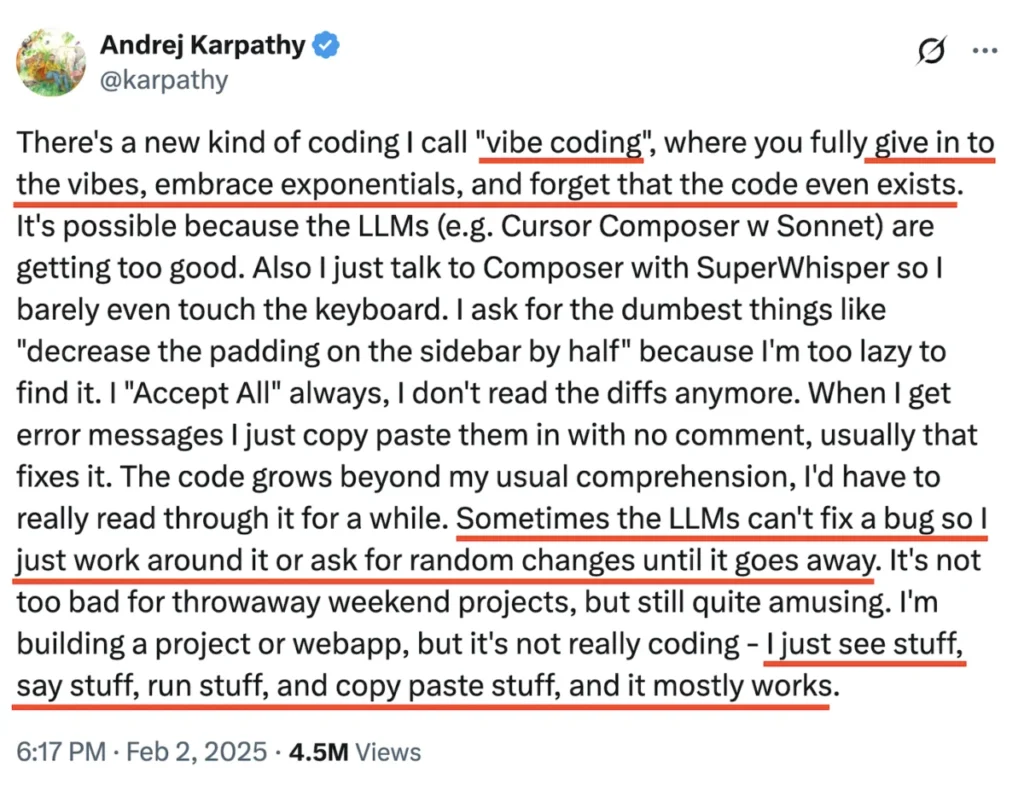
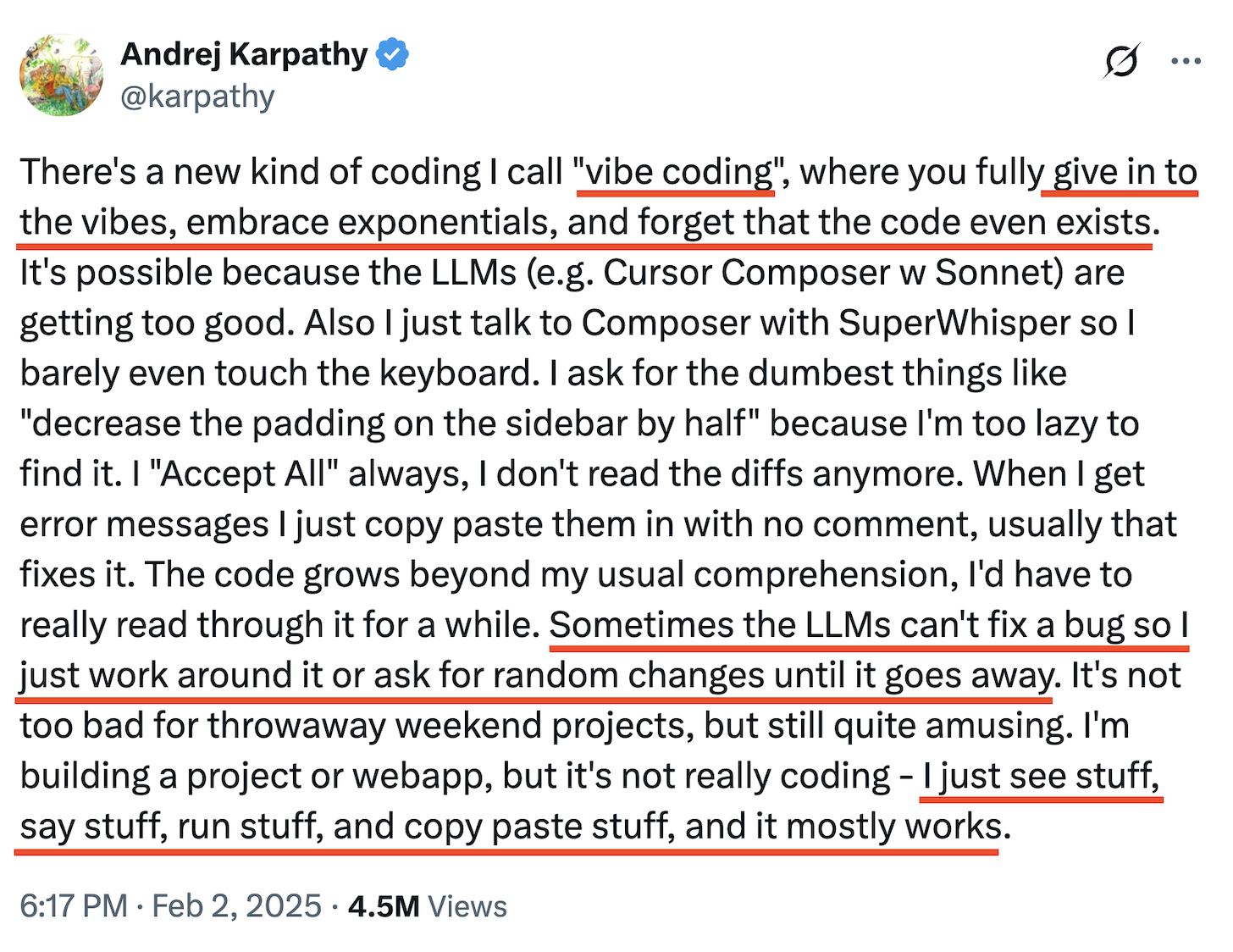
The term was crystallized in a viral post by Andrej Karpathy, a founding member of OpenAI and a luminary in the field of computer science. Karpathy described "vibe coding" as a paradigm shift where developers—or even those with limited technical backgrounds—can build functional software by maintaining a fluid, conversational dialogue with AI assistants.
"I just see stuff, say stuff, run stuff, and copy-paste stuff, and it mostly works," Karpathy noted.
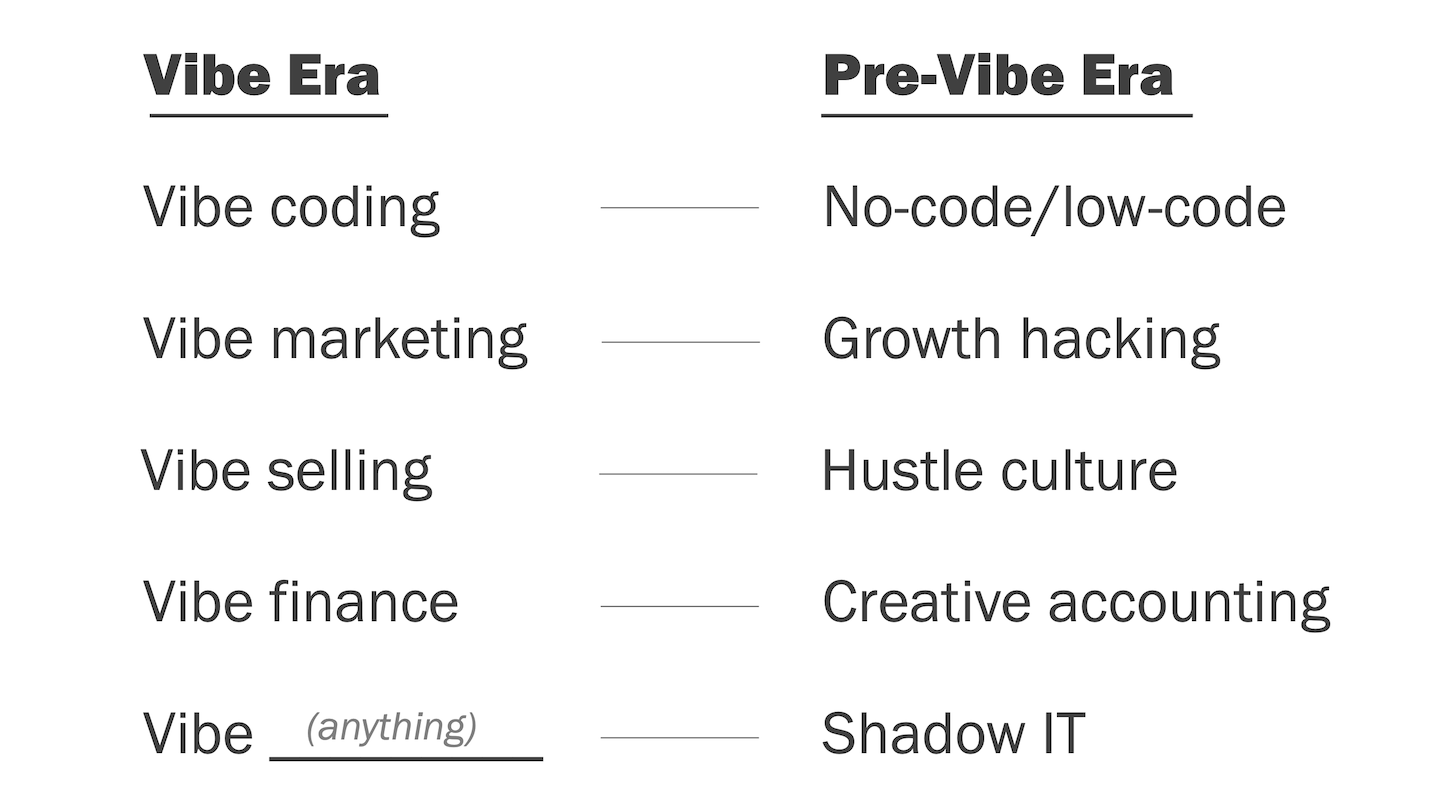
This shorthand approach is the evolution of the no-code/low-code movement, now hyper-charged by the reasoning capabilities of advanced large language models (LLMs). By removing the friction of manual syntax and environment configuration, vibe coding allows for the immediate externalization of ideas. The mantra is no longer "write code to build a product"; it is "describe the vision and let the AI bridge the gap."
Chronology: From Niche Experimentation to Mainstream Adoption
The trajectory of vibe coding has been rapid, moving from internal developer discourse to a public, market-shifting phenomenon:
- Late 2024: The emergence of specialized coding environments (such as Lovable and Replit’s AI-integrated tools) begins to lower the barrier for non-engineers.
- Early 2025: Influential industry voices, including Karpathy, validate the "vibe" approach, framing it as a legitimate methodology for rapid prototyping.
- Mid-2025: High-profile figures like Jason Lemkin of SaaStr conduct public experiments, documenting 100+ hours of vibe coding. These logs highlight the duality of the movement: immense creative potential tempered by the inevitable frustration of debugging non-deterministic systems.
- August 2025: The "Summer of Vibes" hits its peak. Platforms like Lovable achieve record-breaking growth—reportedly reaching $100 million in Annual Recurring Revenue (ARR) in just eight months—solidifying the economic viability of the vibe-first development model.
Supporting Data: The Lemkin Scale of Vibe Coding
The democratization of software creation raises an essential question: What should actually be built this way?
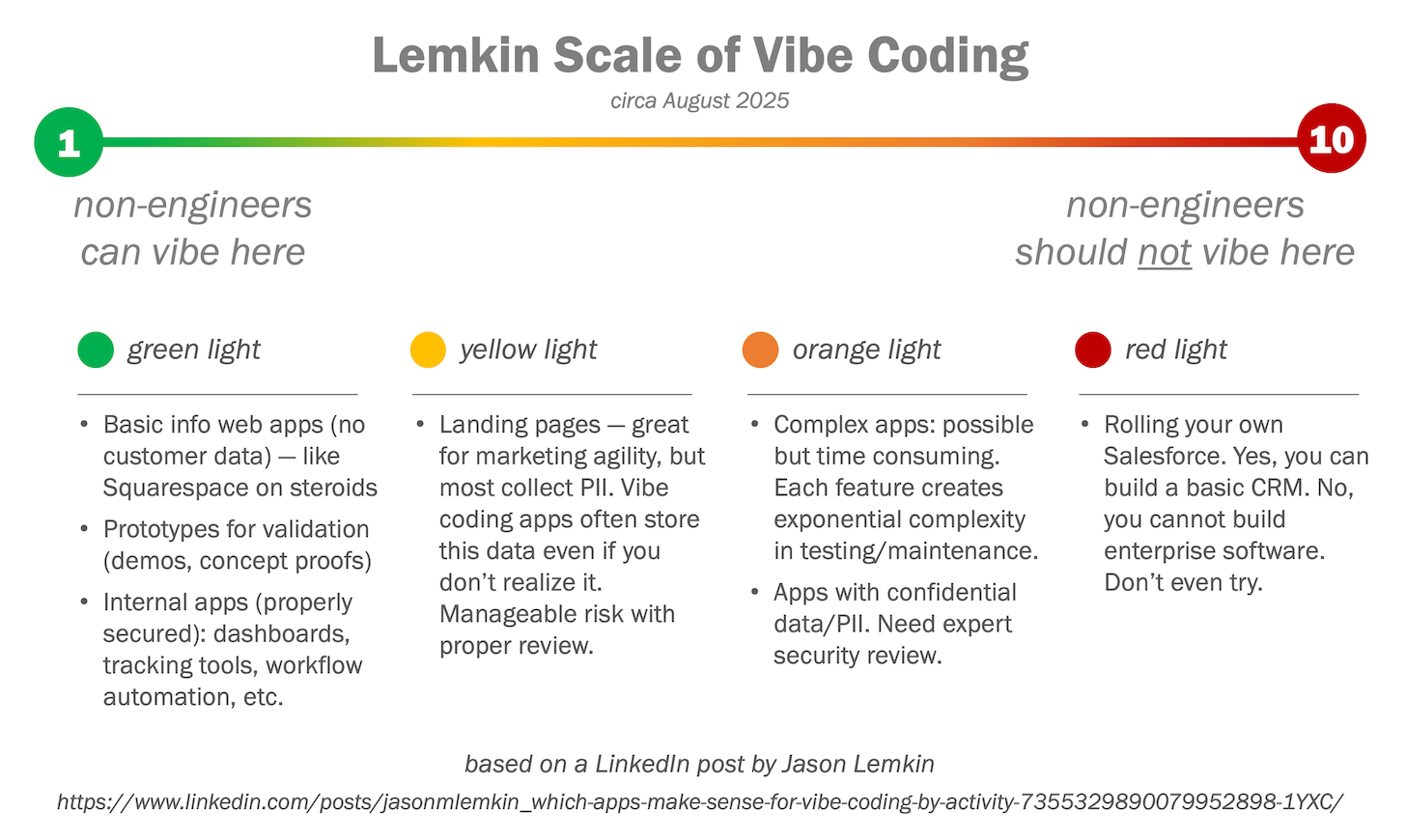
Critics of the movement argue that software requires structural integrity, security, and long-term maintainability—things that are often sacrificed in the "mostly works" approach. To address this, observers have developed frameworks like the Lemkin Scale of Vibe Coding.
This spectrum categorizes software complexity from 1 to 10:
- 1–3 (The Green Zone): Personal workflows, internal dashboards, and simple data visualization tools. These are ideal for vibe coding because the cost of a "bug" is minimal and the time-to-value is nearly instantaneous.
- 4–7 (The Yellow Zone): Public-facing MVP (Minimum Viable Product) features or secondary business tools. These require more rigorous testing and oversight.
- 8–10 (The Red Zone): Core infrastructure, payment processing engines, or enterprise-scale platforms (e.g., "rebuilding Salesforce"). These are "here-be-dragons" territory where the lack of deep technical oversight could lead to catastrophic failure.
As AI models evolve, the industry expects a "shift left" effect. Tools that were once in the "7" category will likely migrate into the "3" category within 12 months, as AI gains better understanding of architecture, security, and dependency management.
The Rise of "Vibe Marketing"
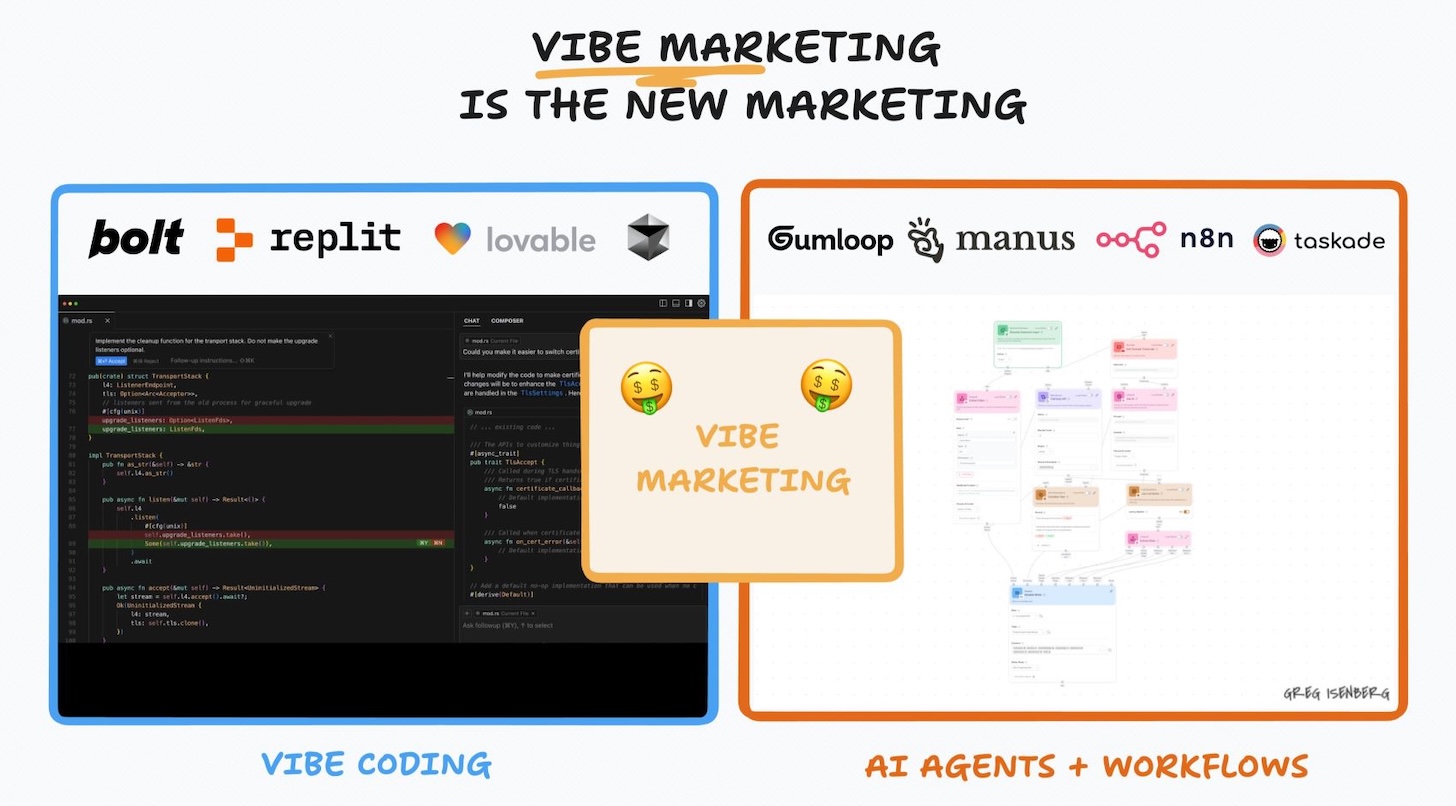
If vibe coding is the engine, "vibe marketing" is the destination. Coined by Greg Isenberg and others, this concept seeks to apply the same principles of rapid iteration to the Go-To-Market (GTM) strategy.
Defining the Vibe Marketer
The vibe marketer is a new breed of professional—a "GTM engineer" who uses AI agents to execute tasks that previously required a team of specialists. They can deploy data-mined campaigns, build dynamic landing pages, and automate customer feedback loops in hours rather than weeks.
However, there is a divergence in how this is being interpreted:
- The Mechanical Interpretation: Using AI to automate the production of "content, content, content" and spam-like outreach.
- The Creative Interpretation: Using AI to unleash "Big Experimentation."
The latter is where the true value lies. Instead of using AI to flood the market, effective vibe marketers use it to explore deep, niche curiosities about their audience. They treat marketing as a series of low-cost, high-velocity experiments. If a hypothesis holds water, it is promoted from a "vibe" experiment to a structured production asset.
Implications: The New Operating System for Business
The shift toward a "vibe" culture has significant implications for how organizations function, lead, and compete.
1. The Death of the "High Barrier" Experiment
Historically, data-driven marketing was hampered by the "analyst bottleneck." If a marketer had a question, they needed to wait for a data scientist to query the warehouse. In the vibe era, natural language interfaces to SQL databases allow marketers to interrogate their own data lakes in real-time. This reduces the friction of curiosity, allowing organizations to pursue thousands of micro-hypotheses annually.
2. The Necessity of Governance and Scaffolding
The "vibe" approach can be chaotic if left unchecked. To prevent a "Spam, Spam, Spam" outcome—where AI-generated content overwhelms the audience—marketing operations teams must pivot from being "gatekeepers" to "scaffold builders." Their role is to provide the guardrails: compliance, brand standards, and privacy protections that allow the marketing team to move fast without breaking the company’s reputation.
3. Human Creativity as the Final Frontier
Despite the "techno-optimism," there is a clear limit to the vibe. Automations are useful, but they are not the "vibe" itself. The vibe is the human spark—the ability to ask the right question or identify the emotional resonance in a customer’s journey. The most successful organizations will be those that use AI to handle the "how" (the execution) while keeping the "why" (the strategy and empathy) firmly in human hands.
Official Responses and Industry Outlook
While some traditionalists remain skeptical—arguing that "vibe coding" is just a rebranding of "shadow IT"—the market reaction suggests otherwise. Investment in AI-first development platforms has reached a fever pitch, and enterprise organizations are beginning to integrate these "agentic" workflows into their internal operations.
The consensus among early adopters is that while "vibe" as a term may be ephemeral, the underlying shift is permanent. We are entering an era of "Big Experimentation," where the ability to rapidly turn an idea into a functional, data-backed reality will be the primary differentiator between market leaders and those stuck in the slow-moving, pre-vibe era.
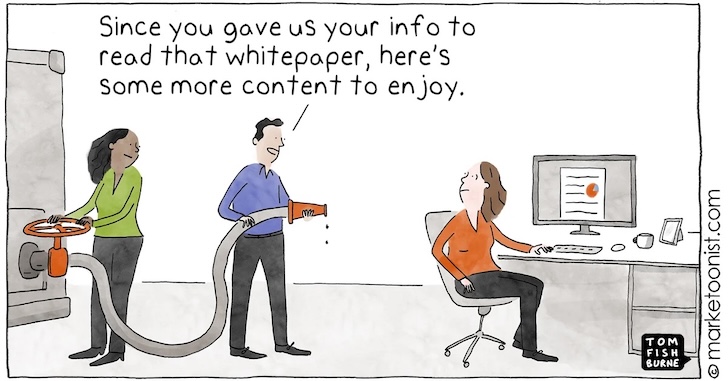
As the summer ends, the industry finds itself at a crossroads. Organizations can either treat AI as a factory for cheap, automated output, or they can use it as a canvas for high-velocity innovation. The former leads to noise; the latter leads to the future. For now, the most successful marketers are the ones who have learned to listen to the "Good Vibrations" of their customers, using AI not to replace the human element, but to amplify the speed at which they can deliver value.
