

The Lean Agency Stack: How to Build Scalable Operations Without Tool Sprawl
Marketing agencies rarely collapse due to a lack of innovation or talent. Instead, they often buckle under the weight of "tool sprawl." As agencies grow, they accumulate a fragmented ecosystem of software—disconnected systems that turn simple client delivery into a labyrinth of administrative busywork. When reporting requires manual data wrangling and project management becomes a game of "which tab is the latest version in?", profit margins evaporate into subscription fees and seat-based pricing tiers.
Building a sustainable, agency-ready stack isn’t about choosing the most feature-rich software; it is about selecting a cohesive, scalable set of tools that prioritize speed, clarity, and margin control.
The Anatomy of an Agency-Ready Tool
To distinguish between a "business tool" and an "agency-ready tool," one must look beyond the feature checklist. For an agency, the primary challenge shifts from "can we execute this campaign?" to "can we execute this consistently, profitably, and without manual error for 50 different clients?"
An agency-ready tool must possess four core attributes:
- Multi-Tenancy: The ability to manage distinct client workspaces or sub-accounts from a single dashboard.
- Granular Permissions: Controlled access that allows agency staff to manage client data while restricting client access to sensitive internal workflows.
- Workflow Reproducibility: The capacity to templatize processes, ensuring that a campaign launched for Client A can be replicated for Client B with minimal friction.
- Automated Reporting: The elimination of manual data extraction, favoring real-time, white-labeled reporting that proves value to the client without eating into billable hours.
Chronology of Operational Scaling
The evolution of an agency’s software stack typically follows a predictable timeline:
- The "All-in-One" Phase (Start-up): Early-stage agencies often rely on a few versatile tools (e.g., Google Workspace, Canva, and a single project management tool) to keep costs low and agility high.
- The Disconnect Phase (Growth): As client headcount grows, the agency adopts specialized tools for SEO, social media, and email. This is where "sprawl" begins. Data silos emerge, and the team spends more time updating tools than producing work.
- The Integration Phase (Maturity): The agency realizes that the cost of manual synchronization is higher than the cost of a robust, integrated stack. They adopt middleware like Zapier or Make to connect the CRM, project management, and reporting suites.
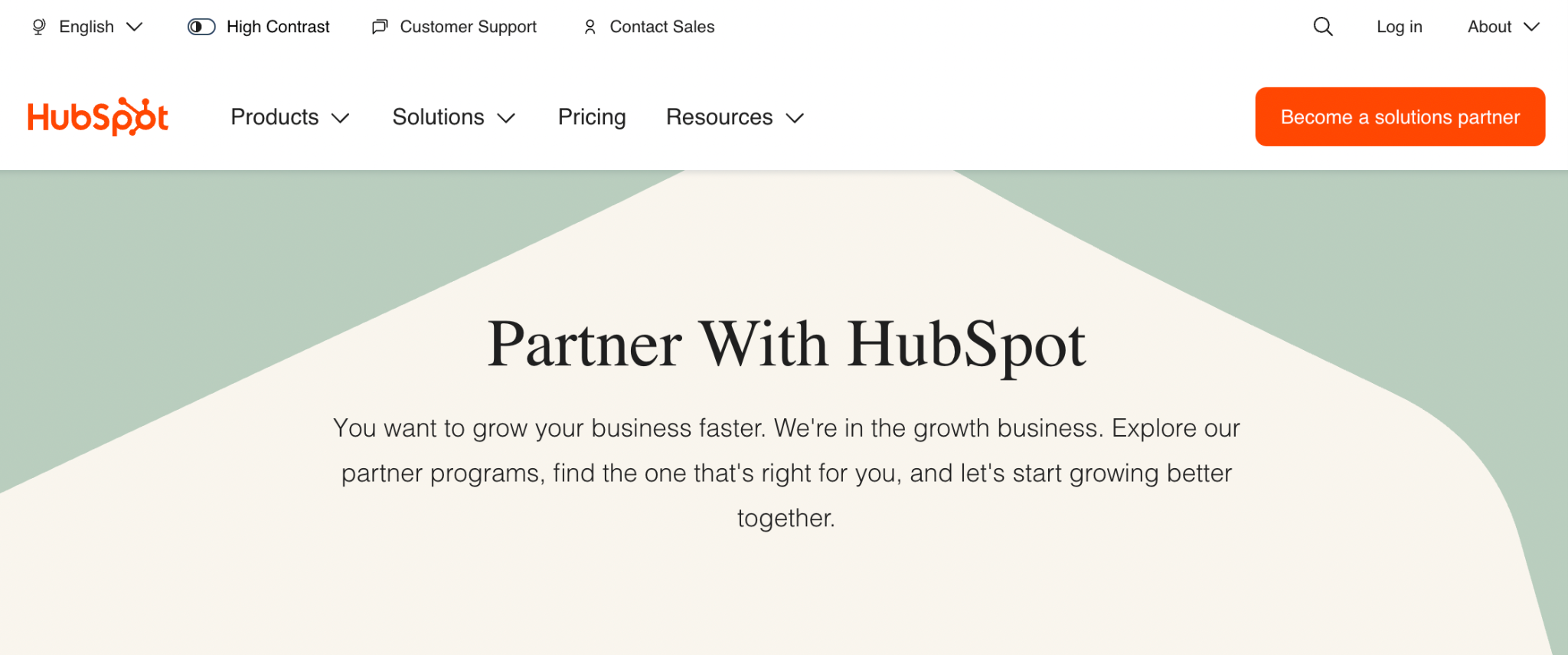
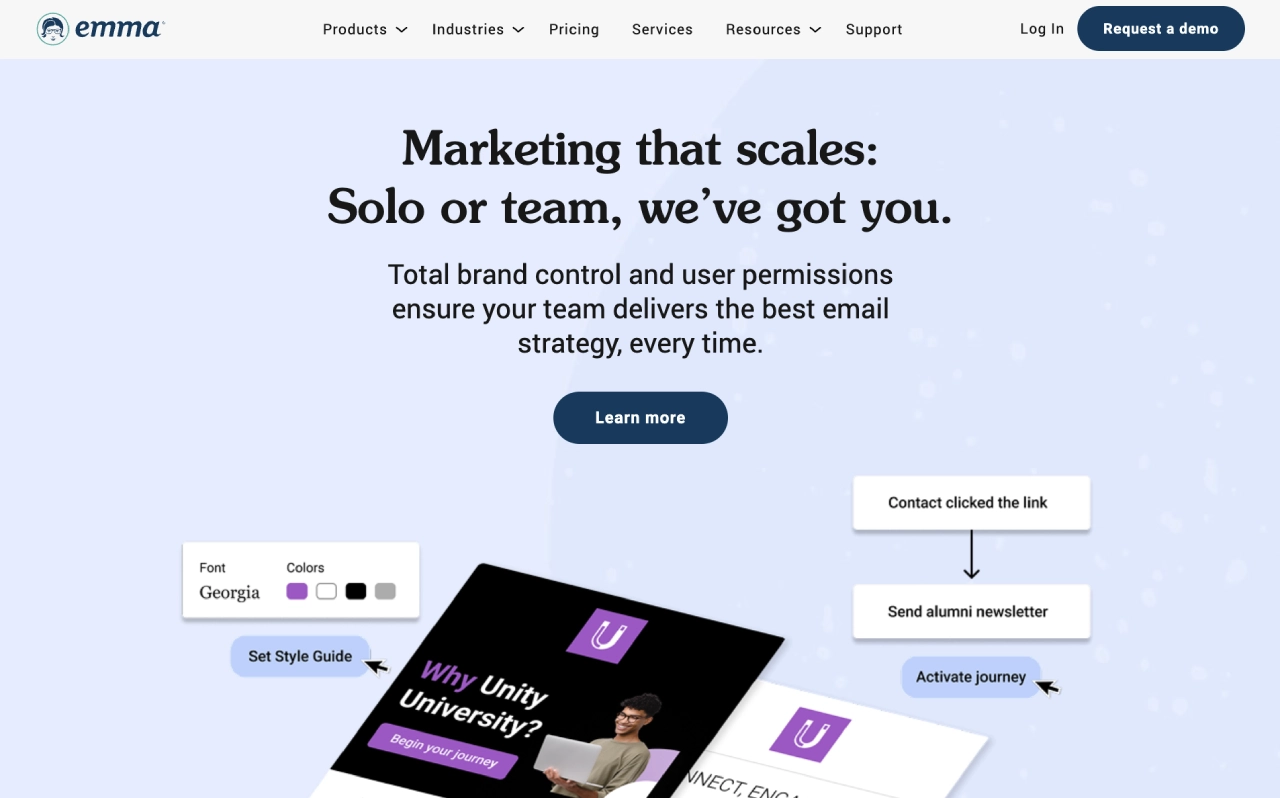
- The Governance Phase (Scale): The focus shifts to brand integrity and risk mitigation. Enterprise-grade tools like Emma or specialized agency portals like AgencyHandy are brought in to enforce brand guidelines and provide transparent, client-facing visibility.
Operational Roles and Recommended Tools
No agency should attempt to use every tool in the ecosystem. Instead, high-performing firms build their stack around specific operational "pillars."
1. The Delivery Core: Email Marketing
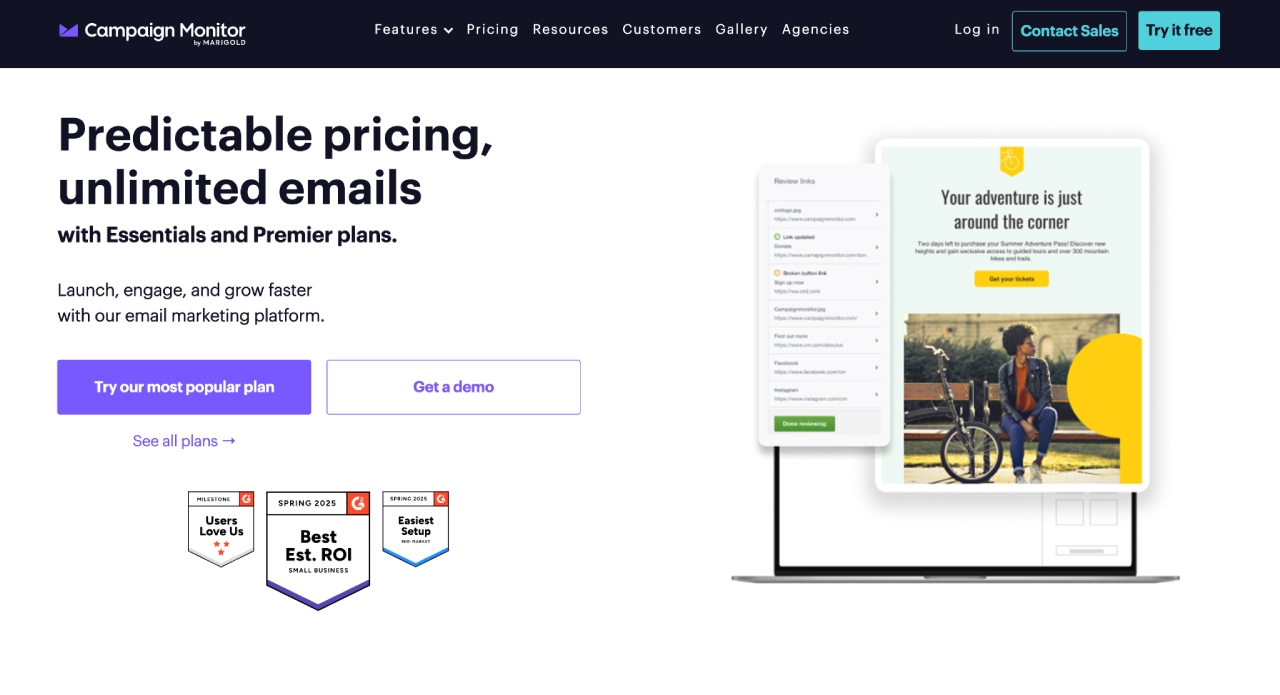
For agencies delivering email at scale, Campaign Monitor stands out by bridging the gap between complexity and ease of use. It allows for a multi-client dashboard, consolidated billing, and white-labeling, which enables agencies to present a professional, branded interface to their clients. For larger agencies managing multi-brand or multi-location portfolios, Emma provides the enterprise-grade brand governance and approval hierarchies necessary to prevent off-brand messaging.
2. Work and Workflow Management
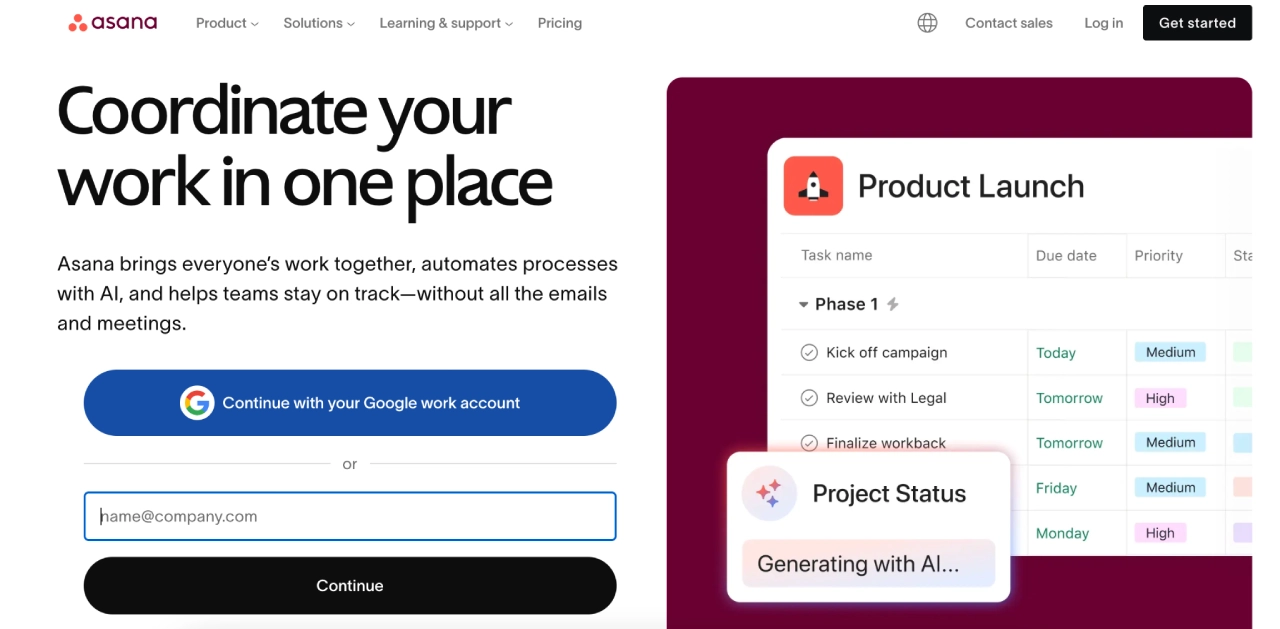
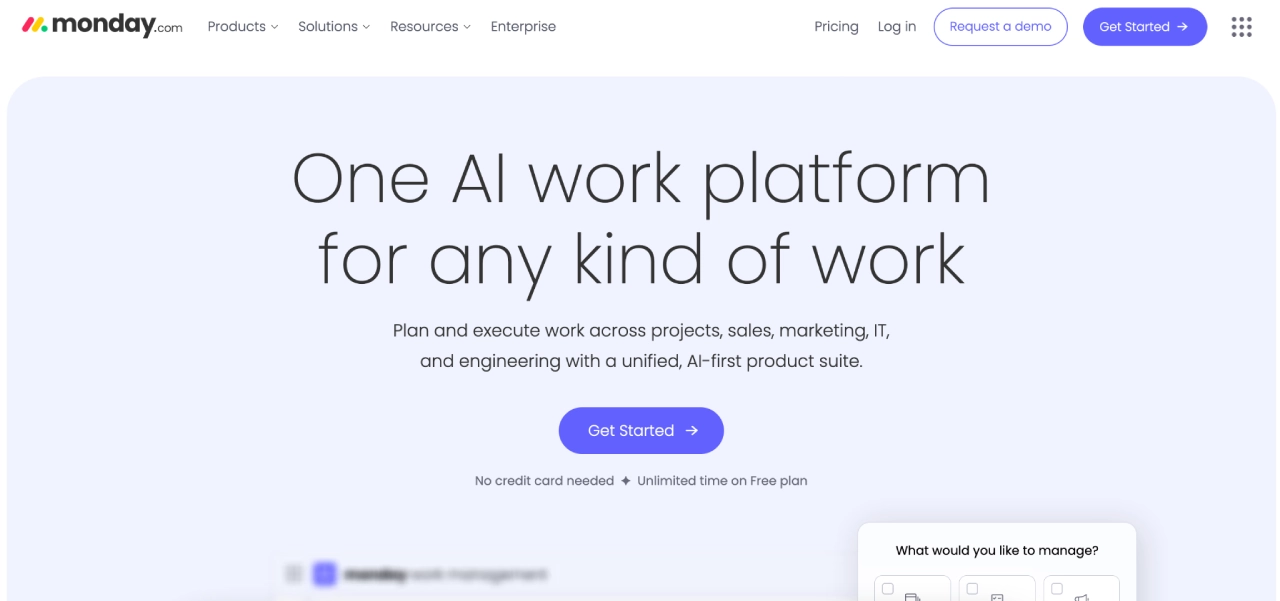
Coordination is the heartbeat of any agency. Asana remains the industry standard for teams requiring structured dependencies and task tracking. Conversely, monday.com offers a "Work OS" approach, favored by agencies that need highly customizable, visual boards to mirror their unique internal processes.
3. CRM and Sales Pipeline
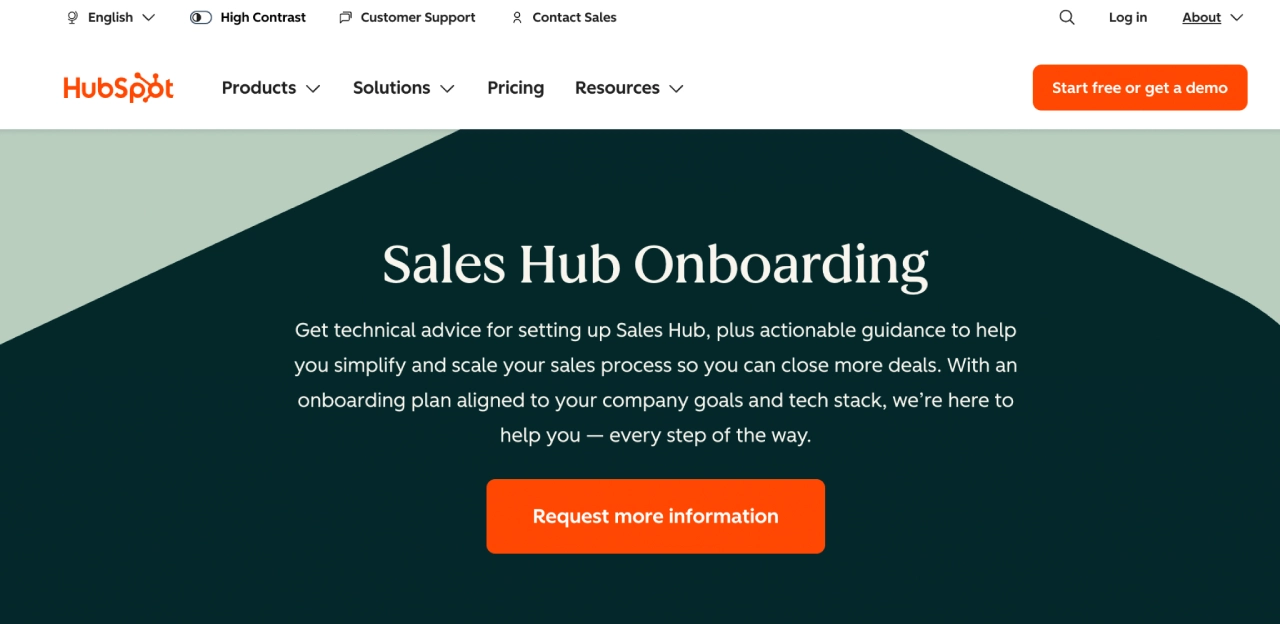
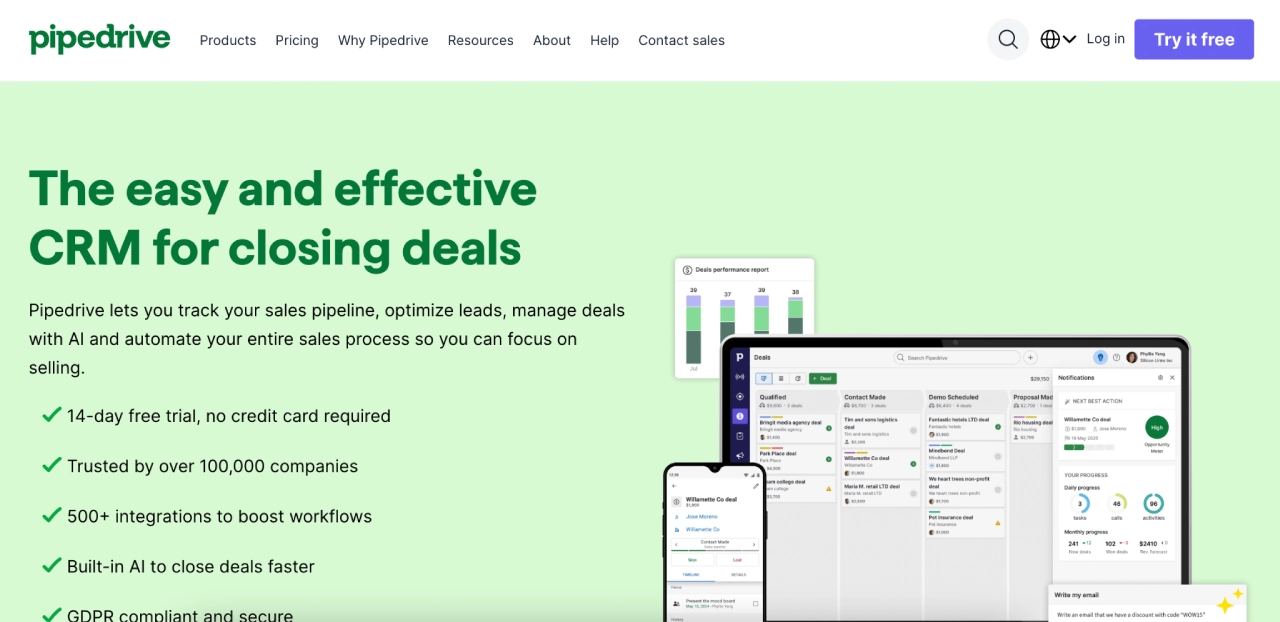
The choice here depends on the agency’s maturity. HubSpot Sales Hub is the gold standard for full-funnel tracking, though it comes with a high price point and onboarding complexity. For agencies that prefer a lean, "sales-first" approach without the bloat, Pipedrive provides a visual pipeline that keeps the focus on deal progression.
4. Social Media and Reporting
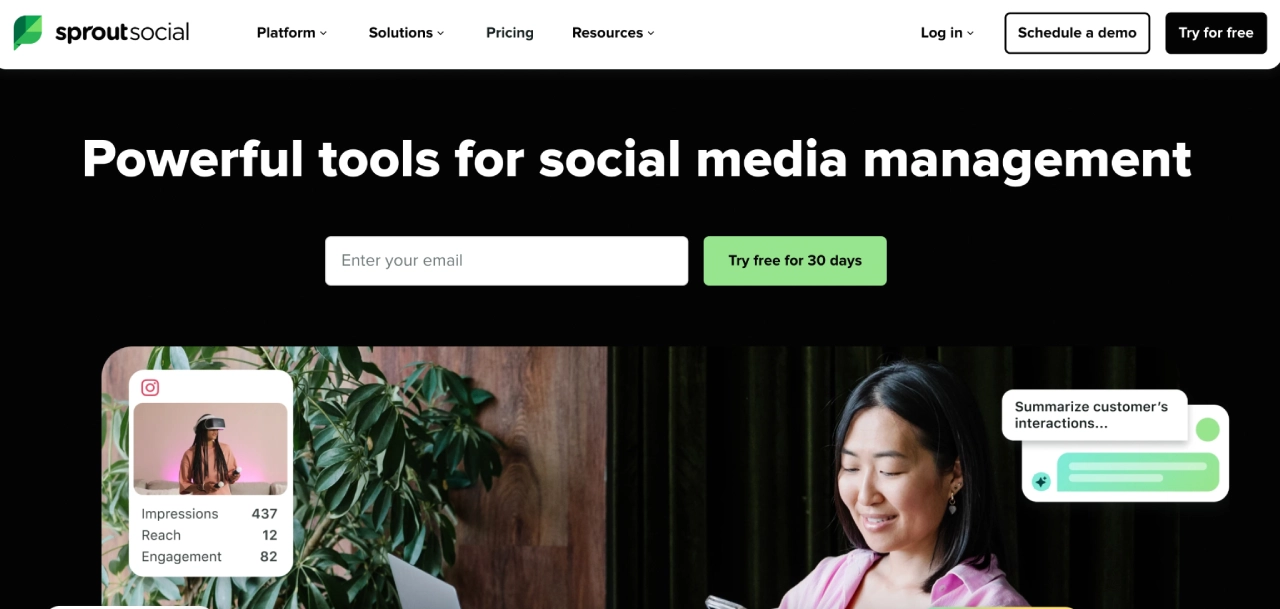
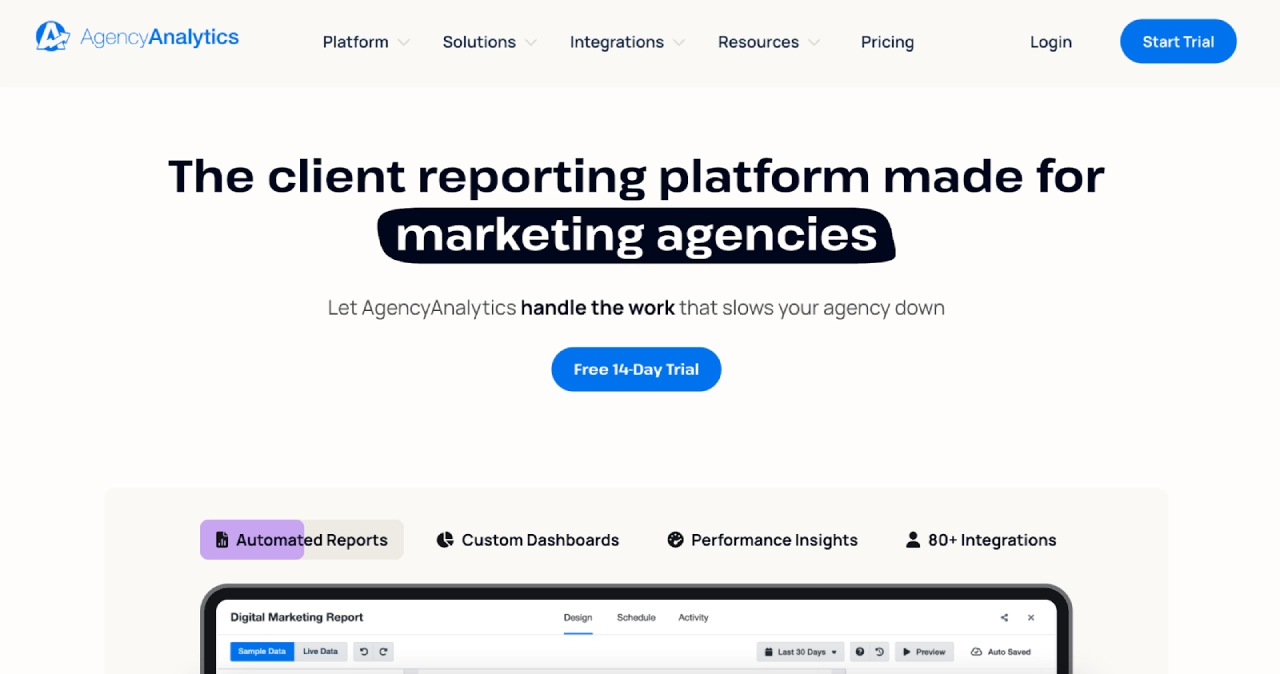
Social management platforms like Sprout Social and Hootsuite are essential for agencies handling high-volume content calendars. When it comes to reporting, AgencyAnalytics excels at automating the flow of data from various sources into professional, client-ready dashboards. For those on a tighter budget, Looker Studio offers a flexible, albeit more manual, alternative for data visualization.
5. Automation and Documentation
Automation is the "glue" that prevents manual overhead. Zapier is the go-to for simple, trigger-based workflows, while Make (formerly Integromat) serves agencies that need logic-heavy, multi-step automation. For the legal and financial side, PandaDoc streamlines the proposal-to-contract process, ensuring that the first touchpoint with a client is as efficient as the last.
Supporting Data: Understanding Cost Compounding
The danger of an unoptimized stack is the compounding nature of software costs. Agencies often fail to account for how pricing scales:
- Per-Seat Costs: While $15/user seems negligible, a team of 20 using five different per-seat tools adds up to $1,500/month in base costs before even considering the cost of the clients themselves.
- Client-Based Tiers: Tools like AgencyAnalytics scale by the number of client connections. As your client base grows, your overhead grows linearly.
- Usage-Based Fees: Automation tools (Zapier/Make) and email platforms (Campaign Monitor) scale by volume. Success in marketing (higher leads, more sends) leads to higher software costs—a "success tax" that must be factored into client pricing models.
Strategic Implications for Agency Leaders
The shift toward a lean stack has profound implications for an agency’s bottom line.
Reduced Administrative Friction: By centralizing communication (Slack) and design (Canva), agencies reclaim hours previously lost to context switching. A 10-person agency saving five hours a week per person equates to 2,600 hours of reclaimed productivity annually.
Improved Margin Control: When a stack is "lean," the cost of adding a new client is predictable. If an agency knows their software cost per client is fixed (or predictably scalable), they can price their services more accurately. Conversely, bloated stacks make it nearly impossible to identify which clients are actually profitable versus those that are simply consuming more software seats and support time.
Standardization as a Product: The most successful agencies treat their operational stack as part of their service offering. By providing clients with a professional, branded portal (like AgencyHandy) or consistent, automated reports (via AgencyAnalytics), the agency provides a "premium experience" that justifies higher retainer fees.
Contrarian Insight: Operations Before Tools
Perhaps the most critical takeaway is the "contrarian" reality of agency management: A tool will not fix a broken process.
Many agencies implement high-powered CRM or project management software hoping that the tool will force the team to become organized. In practice, this leads to the "garbage in, garbage out" phenomenon. Before signing up for a new subscription, agency leadership must define the service boundary, the team roles, and the communication protocol. Only when the workflow is defined on paper should the software be selected to reinforce it.

Conclusion: Building for the Long Term
The modern marketing agency stack is not a static entity; it is an evolving organism. As an agency shifts from a boutique firm to a scaling powerhouse, the requirements will change.
However, the goal remains constant: to spend as little time as possible managing software and as much time as possible delivering client results. By prioritizing tools that offer multi-client control, clear permissioning, and seamless automation—such as the suite of tools highlighted above—agencies can stop fighting their own infrastructure and start focusing on growth.
If your agency offers email marketing, the path to standardization starts with a tool that grows with your client list. With features like multi-client dashboards, white-labeling, and advanced automation, Campaign Monitor allows agencies to turn a complex, manual channel into a streamlined, repeatable profit center.
Disclaimer: This article provides general information regarding agency software stacks and should not be construed as financial, legal, or tax advice. Agencies should consult with their internal stakeholders and financial advisors before committing to enterprise-level software contracts. All tool pricing and features mentioned are based on industry data as of December 2025 and are subject to change.
