
The AI-Agent Web: Is Your Website Ready for the Next Wave of Traffic?
As artificial intelligence evolves from passive chatbots into proactive "agentic" systems, the fundamental way the internet is consumed is undergoing a seismic shift. Platforms like ChatGPT, Claude, Gemini, and Perplexity are no longer just answering questions; they are performing tasks on behalf of users—navigating websites, comparing products, and even completing transactions.
According to recent data from Cloudflare, these AI agents now generate over 50 billion website requests per day. This is not merely a surge in traffic; it is a fundamental shift in user behavior. However, there is a critical disconnect: AI agents do not experience a webpage like a human does. For businesses and developers, the web is currently optimized for human sight and interaction, leaving a massive gap that causes AI agents to stumble, fail, or be blocked entirely.
The Anatomy of an AI-Agent Request
Before an AI agent can perform a task—such as booking a flight or purchasing a desk—it must successfully navigate the complex "labyrinth" of the modern web. This journey is fraught with technical barriers that can render a site invisible or unusable to even the most advanced models. The process follows a strict hierarchy of operations: discovery, access, rendering, parsing, authentication, and task execution.
1. Discovery & Navigation: The Map of the Site
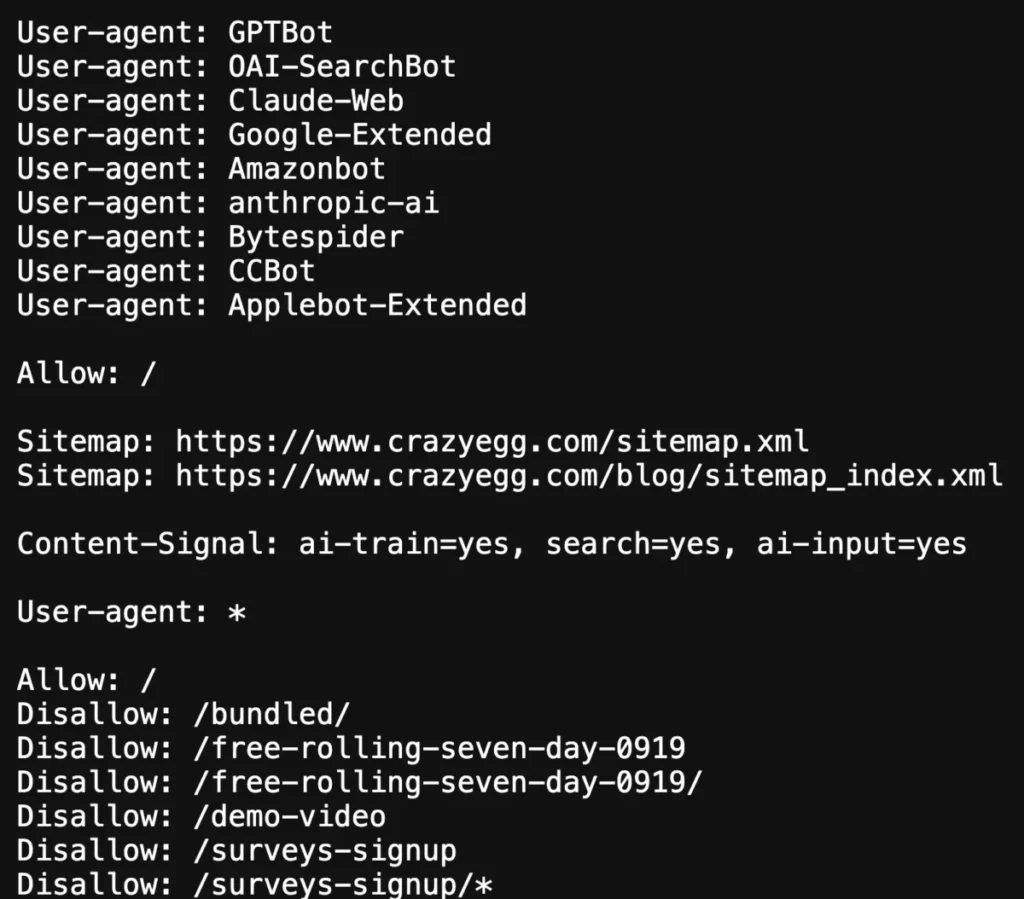
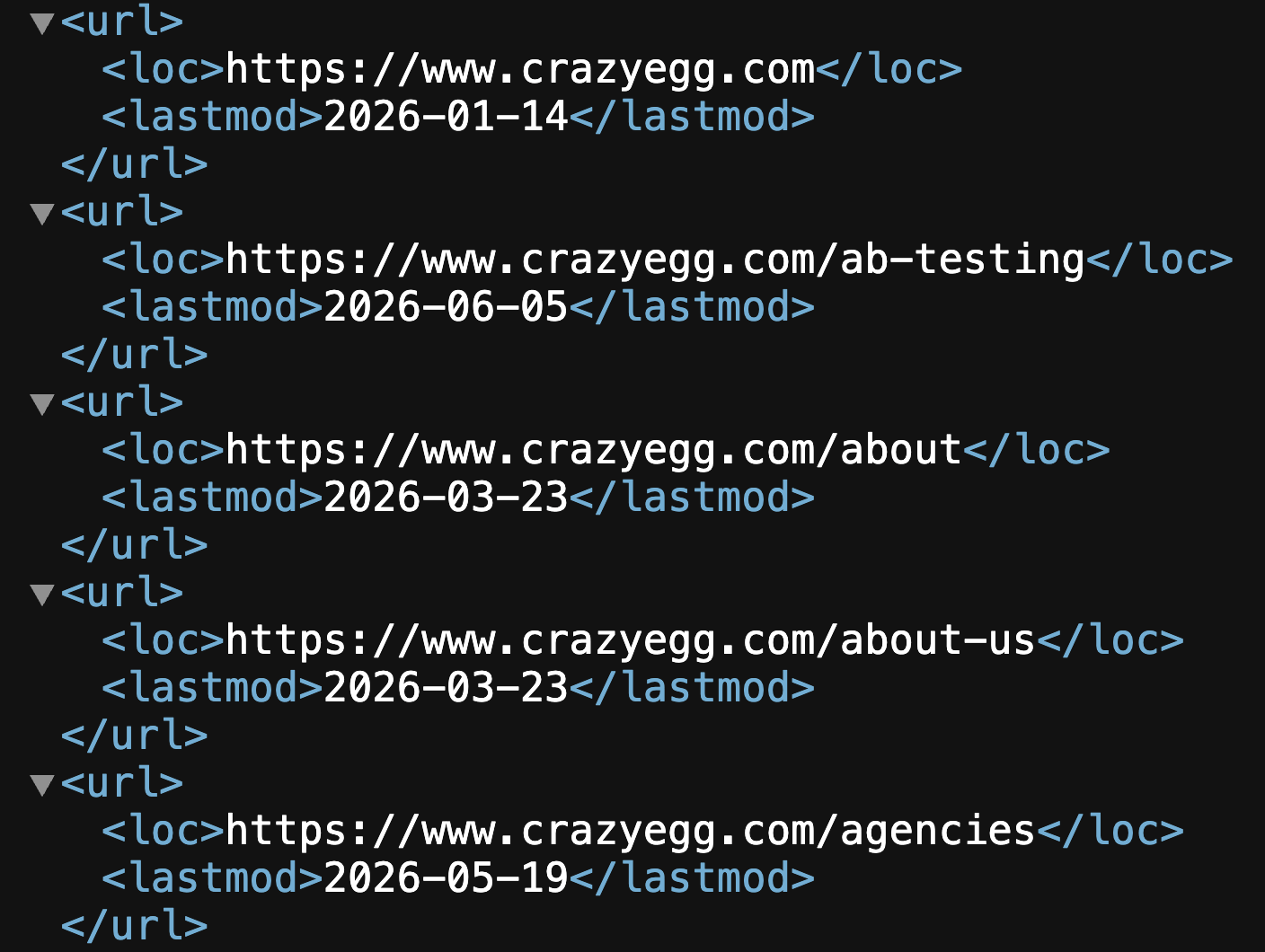
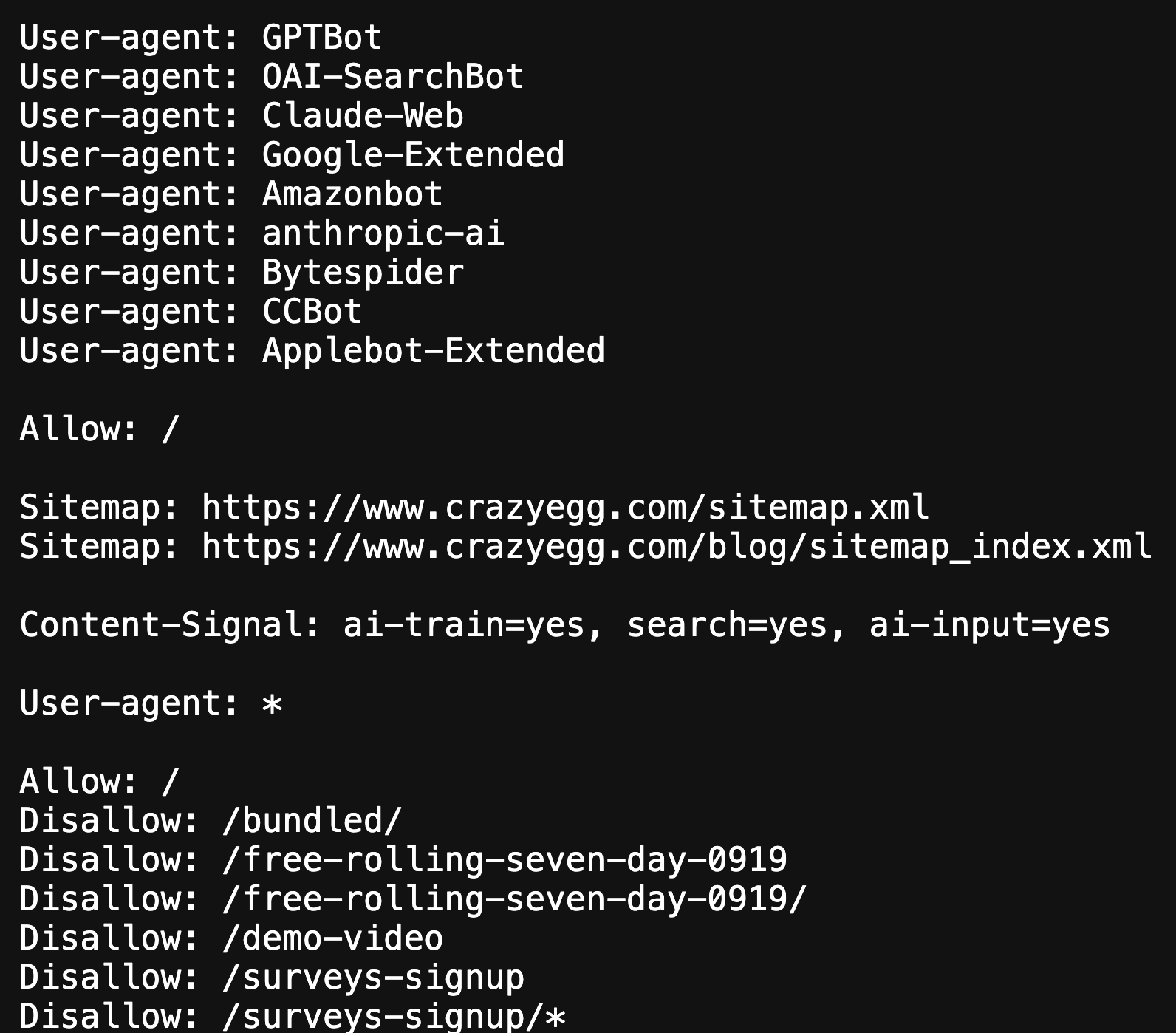
Just as search engines rely on crawlers, AI agents depend on site architecture to understand what a website contains. They utilize XML sitemaps, robots.txt files, and internal link structures to build a mental map of a domain.
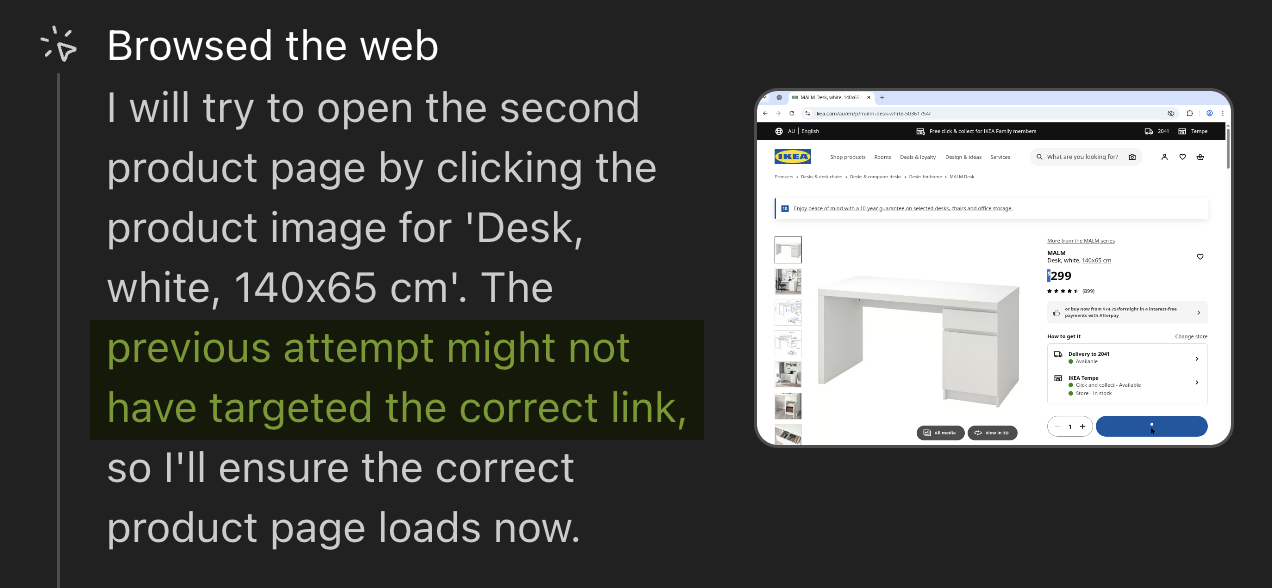
When these infrastructures are poorly maintained, the agent fails at the starting line. For example, in recent "agentic shopping" tests, researchers found that agents often struggled to locate specific product pages because of bloated or outdated sitemaps.
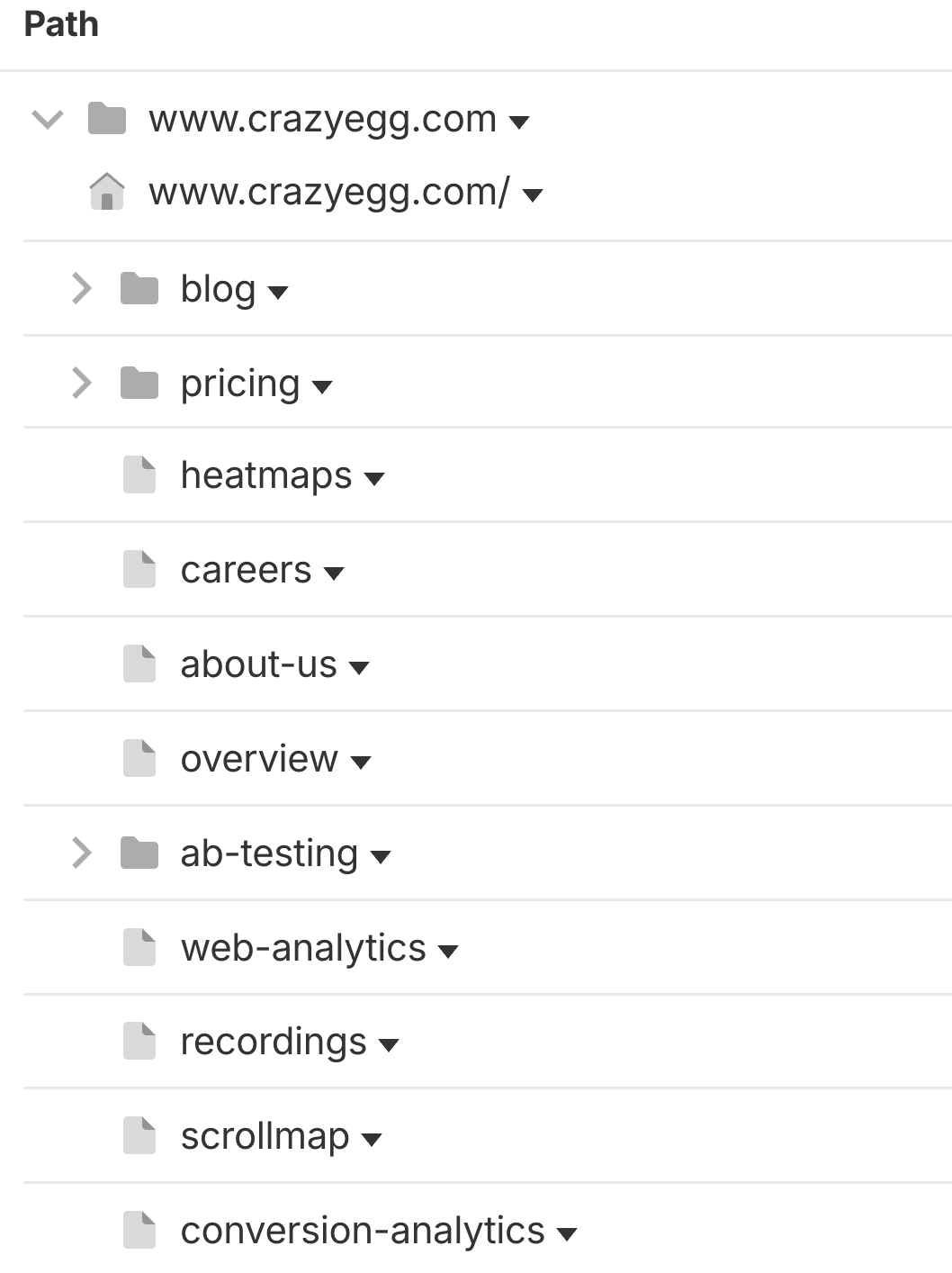
- The Fix: Ensure your robots.txt file is optimized with clear directives for AI crawlers, maintain a dynamic sitemap that updates in real-time, and replace JavaScript-only navigation menus with standard, crawlable HTML links.
2. Access & Fetching: The Great Gatekeeper
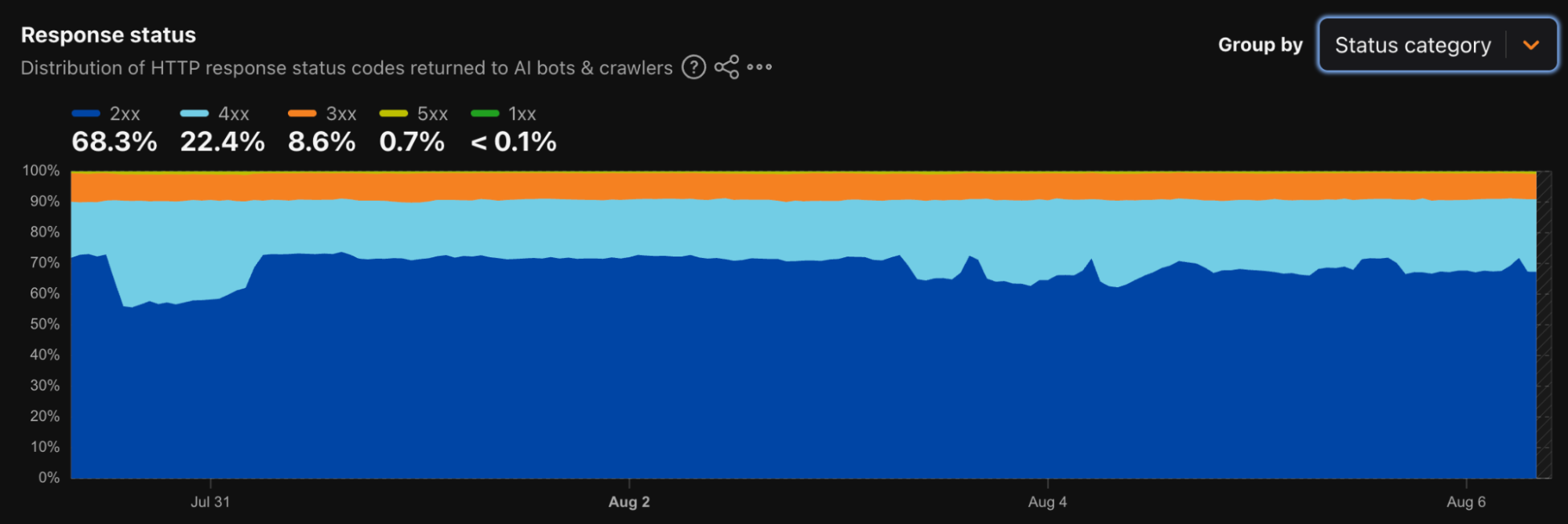
Once an agent finds a page, it must pass through the site’s bot-management defenses. This is the single largest point of failure in the entire pipeline. Cloudflare’s AI Insights report indicates that 22% of all AI crawler requests are rejected industry-wide.
The problem is often an "all-or-nothing" approach to security. Many websites employ aggressive bot protection that treats a sophisticated, helpful AI agent with the same hostility as a malicious DDoS attack. This results in wasted resources; Vercel’s analysis found that ChatGPT’s agent spent nearly 35% of its fetch attempts on 404 pages, a clear symptom of poor crawl path management.

3. Rendering: The Hidden Content Trap
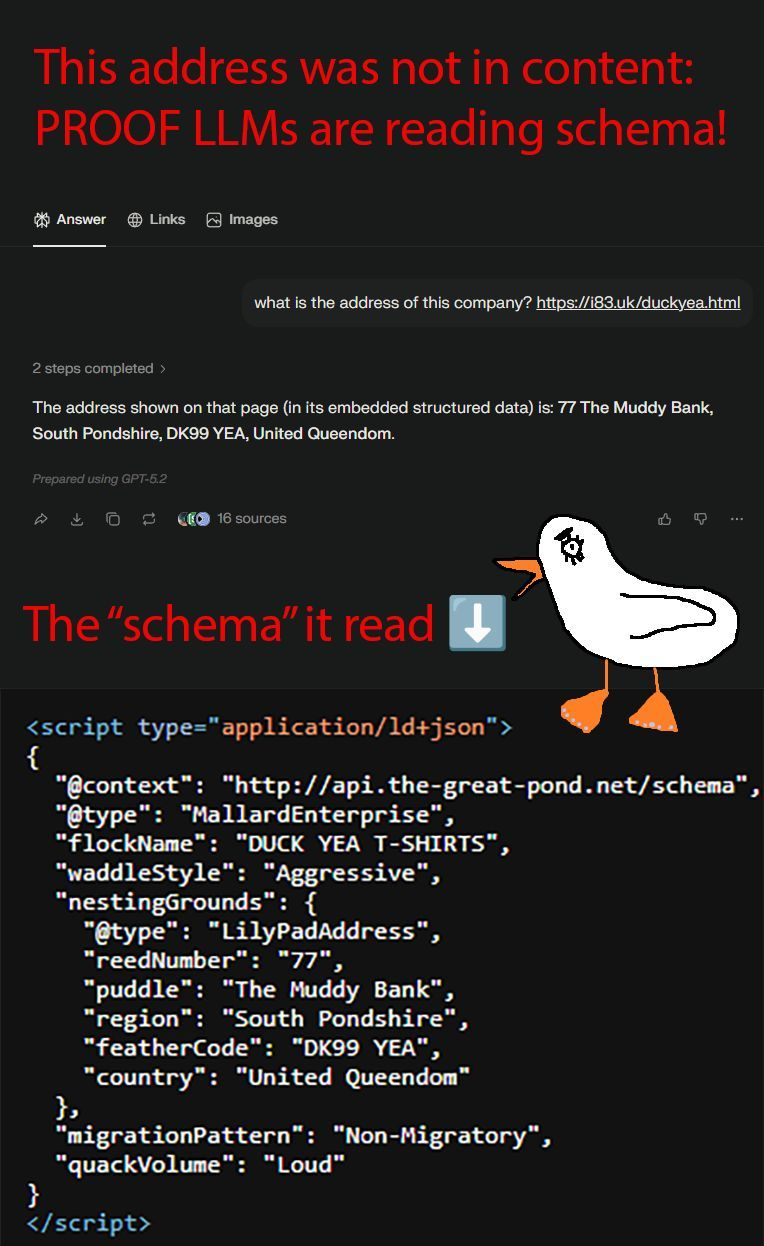
A critical hurdle for most AI agents is the inability to execute JavaScript. While Google’s Gemini can leverage Google’s own rendering infrastructure, the vast majority of agents—including those powering ChatGPT and Claude—read only raw HTML.
If a website uses "client-side rendering" (where the browser builds the page content after the initial load), the agent sees an empty shell. This means a site that ranks #1 on Google could be entirely blank to a shopping agent.
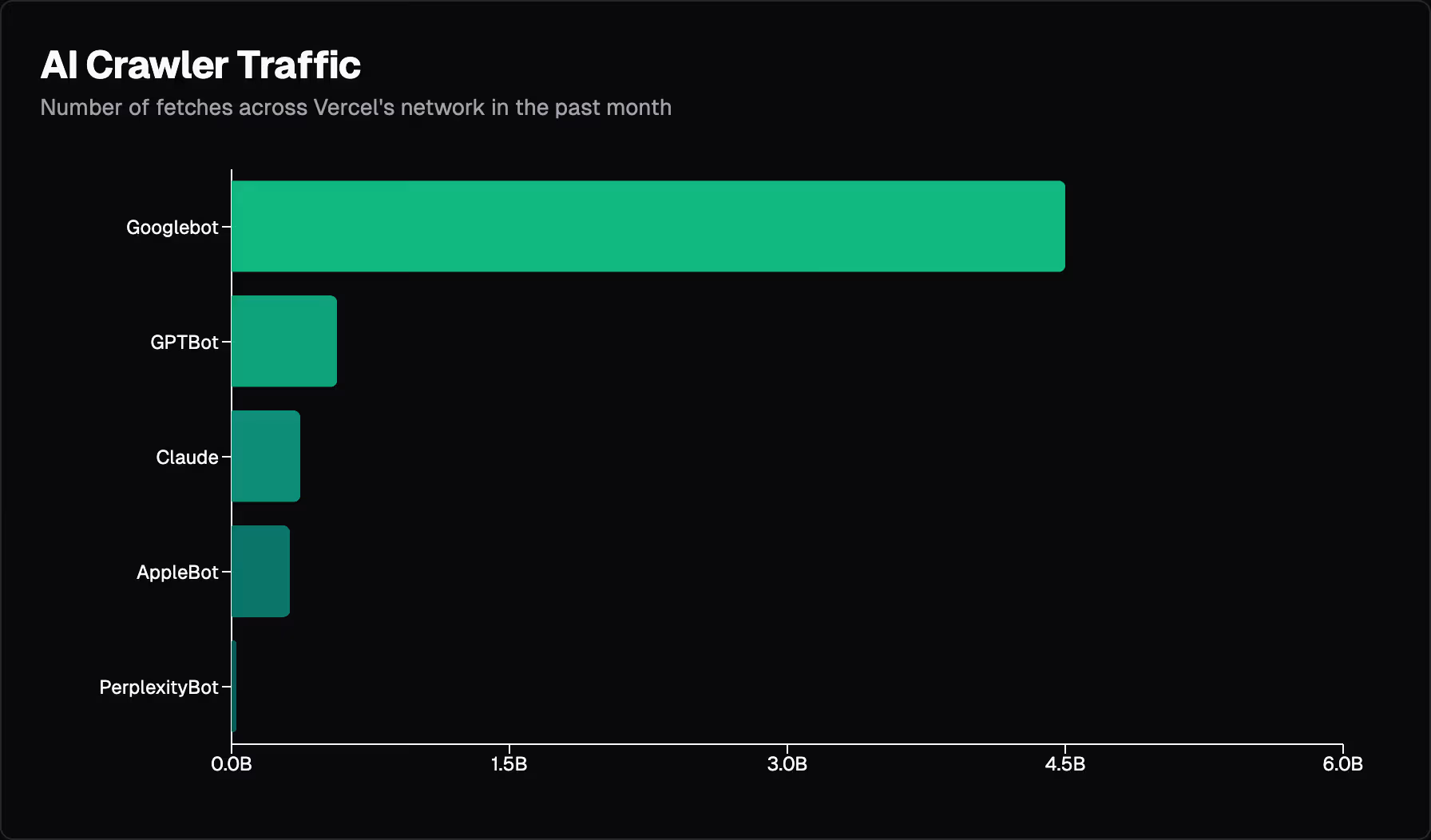
- The Solution: Adopt server-side rendering or pre-rendering for critical content. By serving the complete content in the initial HTML response, you ensure that the agent captures the necessary information immediately, without requiring a script execution that it will never perform.
Parsing and the "Accessibility" Parallel
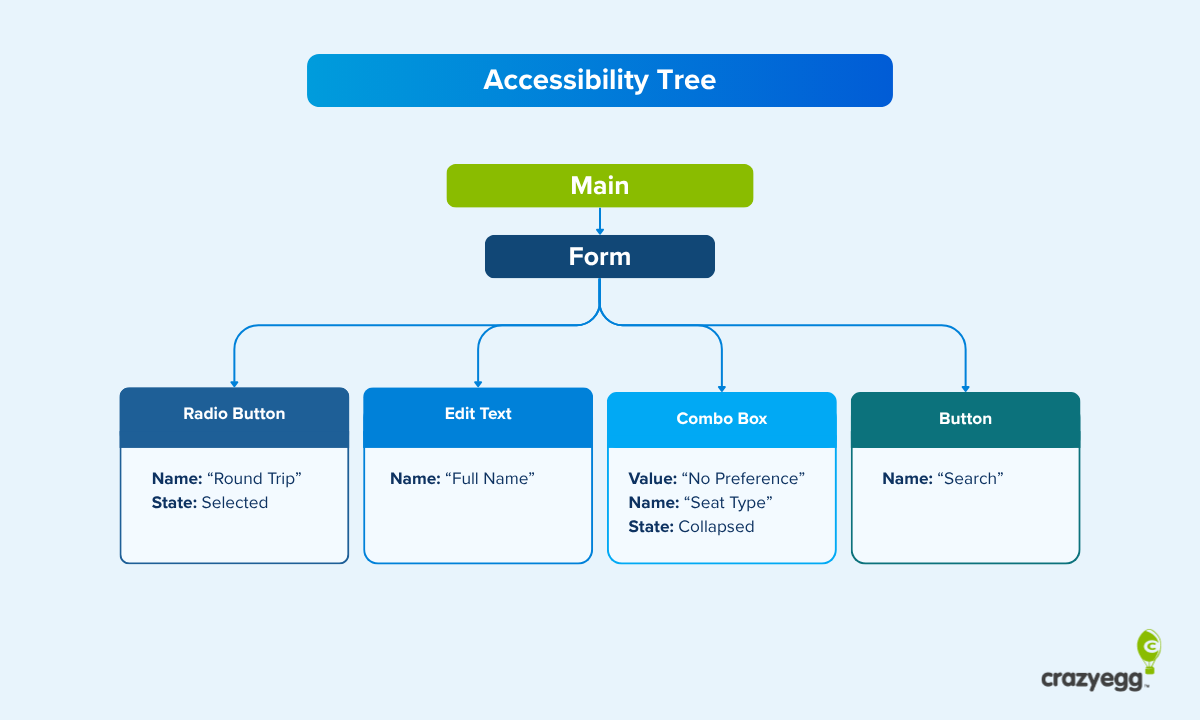
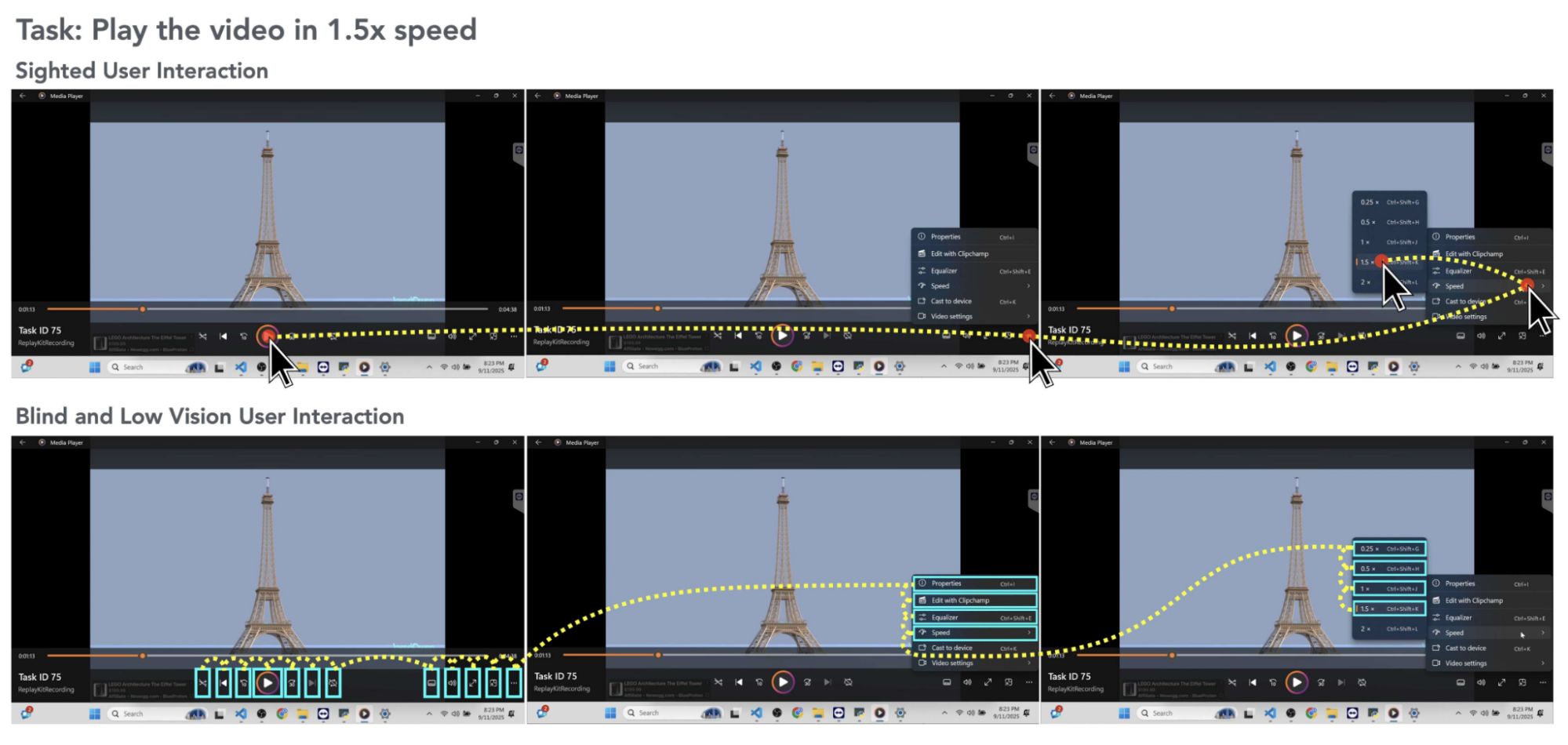
Once the page is accessed, the agent must interpret the structure of the data. Agents do not "see" a layout; they parse an "accessibility tree"—the same data structure used by screen readers for the visually impaired.
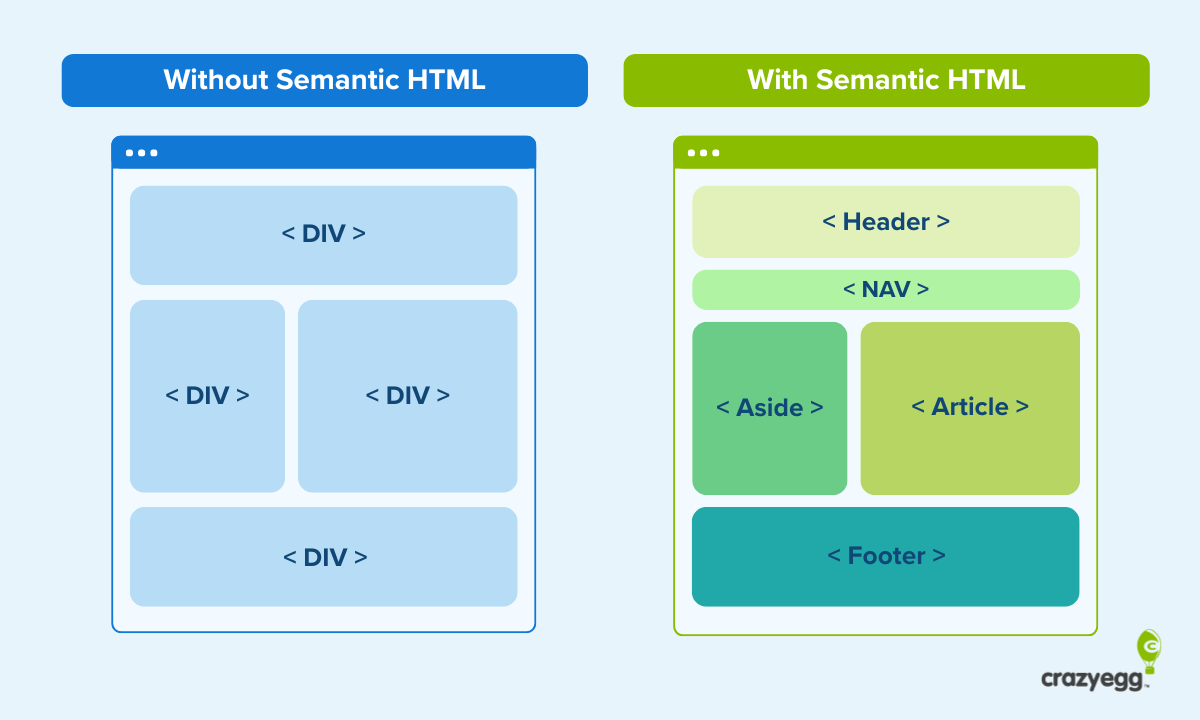
This is why semantic HTML is no longer just a "best practice" for accessibility; it is now a core requirement for AI compatibility. Using generic <div> tags for buttons and menus creates a "thin" map that confuses agents. Conversely, using native elements like <button>, <nav>, and proper heading hierarchies allows an agent to navigate a site with the same precision as a human user.
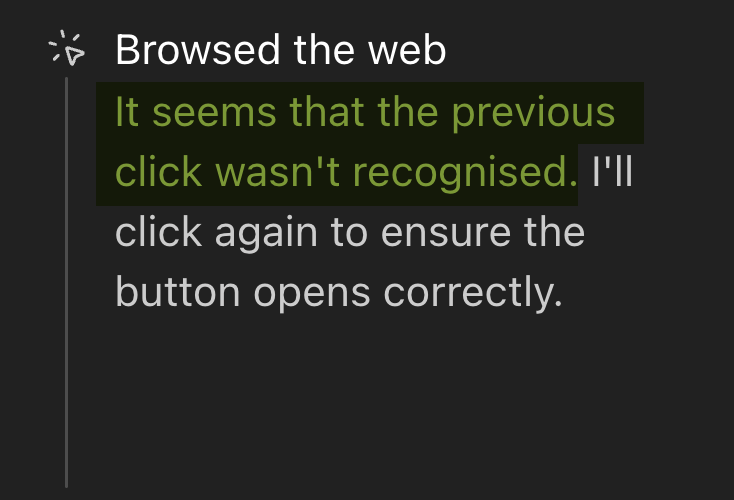
Research from the University of California, Berkeley, and the University of Michigan (presented at CHI 2026) highlights the stakes: when AI agents were restricted to keyboard-only navigation—simulating the limitations of a machine—their success rate plummeted from 78% to 42%.
The Authentication Dilemma: Security vs. Utility
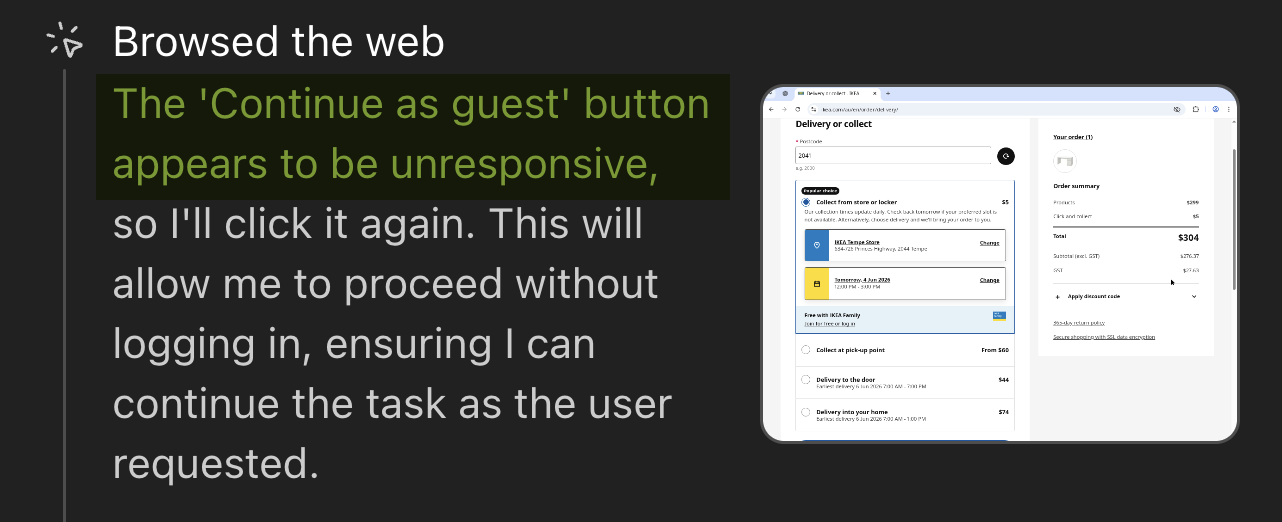
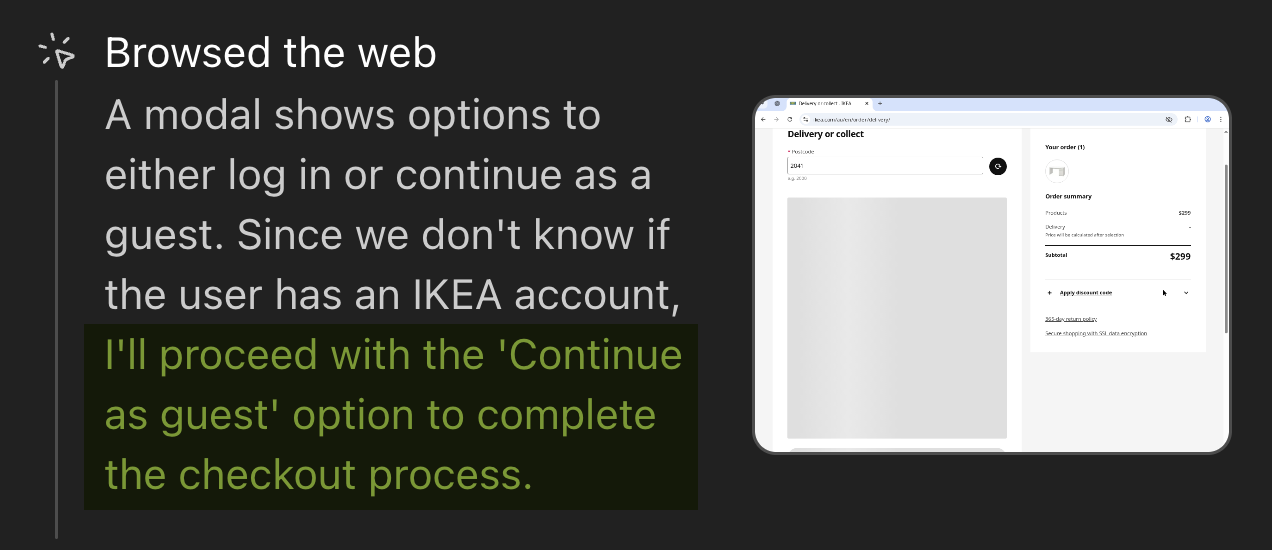
Perhaps the most complex stage of an agentic journey is authentication. To manage subscriptions or access accounts, agents currently face a wall of login screens. Without a secure, standard way to authenticate, users are forced to share their actual passwords or active session tokens with agents—a practice that is fundamentally unsafe.
The industry is responding with two emerging standards:
- OAuth Discovery: This allows a site to provide a secure, standardized pathway for an agent to log in without the user ever sharing credentials.
- Web Bot Auth: A cryptographic proof-of-identity protocol currently being backed by major players like OpenAI, Amazon, and Akamai. This allows a site to distinguish a trusted, authorized agent from a malicious bot, facilitating secure transactions.
Implications: Building for the Future
The shift toward an agentic web carries profound implications for the digital economy. As companies like OpenAI and Perplexity continue to build agents that act on behalf of users, the sites that win will be those that embrace "Agent-First" design.
Summary of Best Practices:
- Audit Your Bot Rules: Move away from blanket blocks and toward allowing verified, helpful AI agents.
- Prioritize Semantic HTML: Structure your site for screen readers to ensure it is readable by AI.
- Shift to Server-Side Rendering: Ensure your content is visible in raw HTML to bypass the limitations of current crawlers.
- Adopt New Standards: Stay informed about OAuth discovery and Web Bot Auth to provide secure, frictionless access for future agents.
The goal is not to "fix" your site solely for robots; it is to build a faster, more accessible, and more logically structured web for everyone. As the line between human and AI browsing continues to blur, the websites that provide the cleanest data and the most predictable user flows will be the ones that thrive in the era of the agent. By treating AI as a first-class user, businesses can turn a technical challenge into a significant competitive advantage.
