
From Mentions to Movements: How Social Listening Drives the Future of Customer Advocacy
In the hyper-connected digital landscape of 2026, the power dynamic between brands and consumers has shifted irrevocably. Modern customers are no longer passive recipients of marketing campaigns; they are the primary architects of a brand’s reputation. As trust in traditional advertising wanes, businesses are turning to a powerful, data-driven strategy to maintain their competitive edge: social media listening.
Valued as a $10.91 billion global market, social listening is no longer just a "nice-to-have" tool for community managers—it has become a strategic growth lever for CMOs and VPs of Marketing. By moving beyond simple monitoring, organizations are discovering that the secret to sustainable growth lies in nurturing their most loyal fans into vocal brand advocates.

The Evolution of Customer Advocacy in 2026
Customer advocacy is the deliberate practice of cultivating relationships with a brand’s happiest, most loyal users to transform them into voluntary promoters. The urgency behind this practice is backed by data: according to the Hootsuite Social Media Trends 2025 report, 34% of consumers view aggressive self-promotion as a major turn-off. In an era where word-of-mouth is the ultimate currency, consumers trust their peers far more than they trust polished, branded messaging.
It is crucial to distinguish between two foundational concepts:

- Customer Advocacy: The internal initiatives a company undertakes to understand and champion customer needs.
- Brand Advocacy: The external result, occurring when satisfied customers voluntarily share their positive experiences with their own networks.
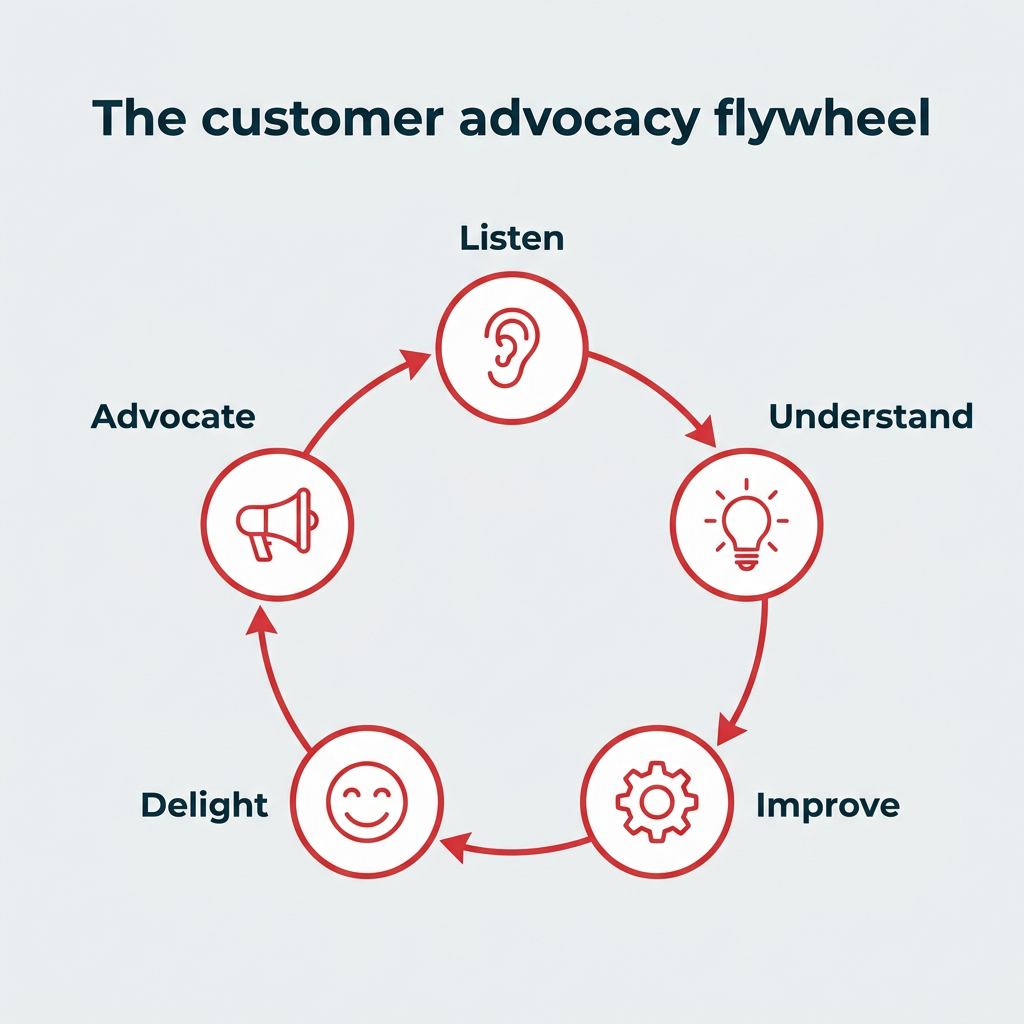
When these two forces align, they create a "flywheel effect." A company listens to the market, improves the customer experience, delights the user, and that delight converts into authentic advocacy. This cycle effectively shortens the path from initial brand awareness to final purchase.
The Technical Edge: Listening vs. Monitoring
While often used interchangeably, there is a distinct difference between "social monitoring" and "social listening." Social monitoring is tactical; it is the act of tracking individual mentions and firing off alerts to ensure no customer query goes unanswered. It is reactive in nature.
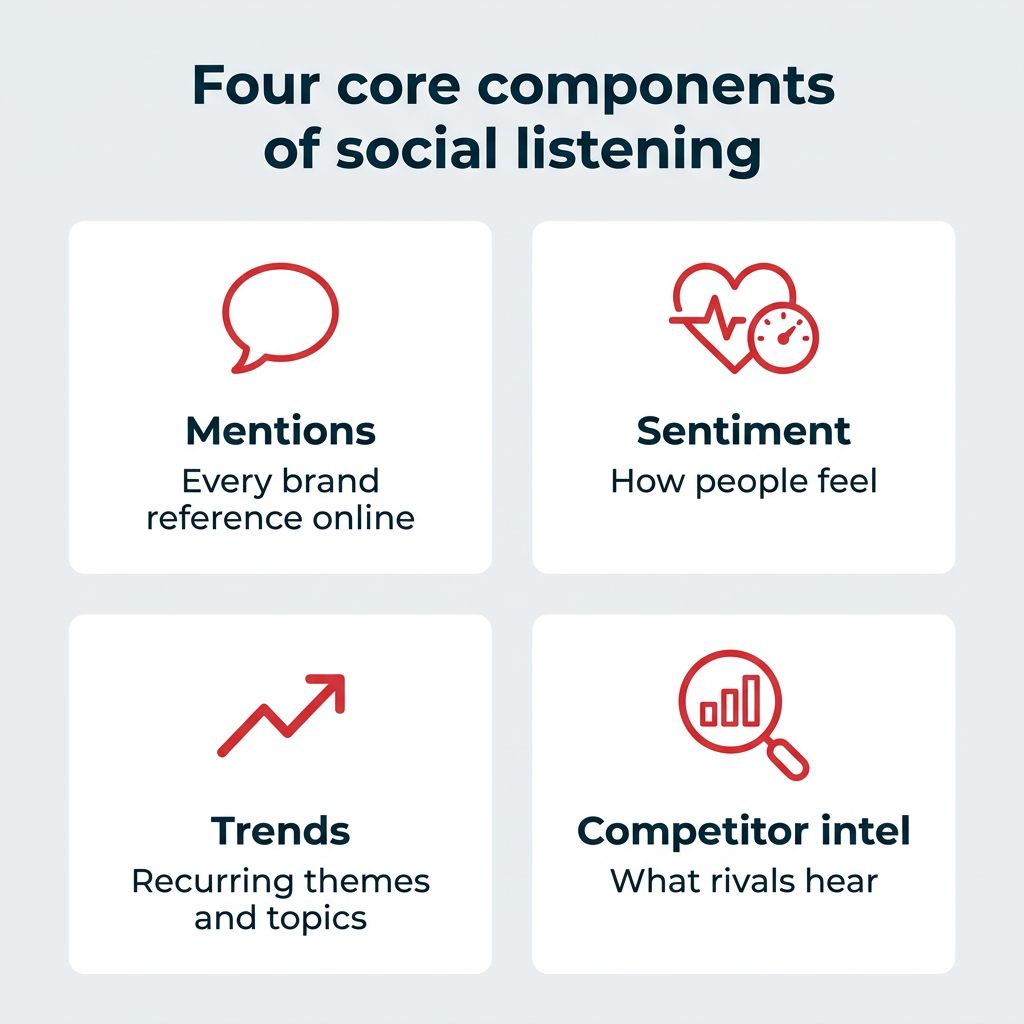
Social listening, conversely, is strategic. It involves the analysis of broad patterns, sentiment shifts, and industry trends. While monitoring helps you put out fires, listening helps you understand the climate, allowing you to build a fire-resistant organization.
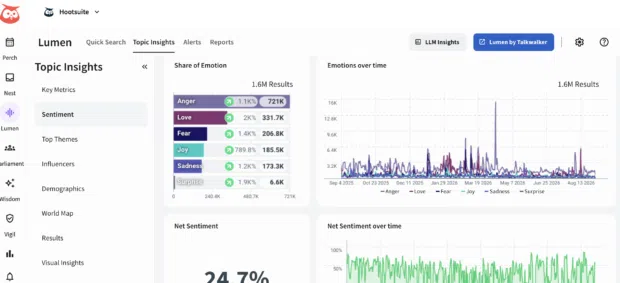
In 2026, the integration of Artificial Intelligence (AI) has revolutionized this process. Modern platforms like Hootsuite’s "Lumen" leverage advanced Natural Language Processing (NLP) to read digital conversations with human-like nuance. Unlike legacy keyword-matching tools, AI-powered listening can detect sarcasm, context, and emotional drivers. It can distinguish between a user jokingly saying, "Well, that’s just great," and a genuine testimonial, ensuring that marketing teams don’t accidentally celebrate a customer complaint.
Eight Pillars of Advocacy-Driven Listening
To harness the full potential of social listening, brands must move through a structured workflow. Here are the eight primary ways listening acts as a catalyst for advocacy:
1. Surfacing Untapped Insights
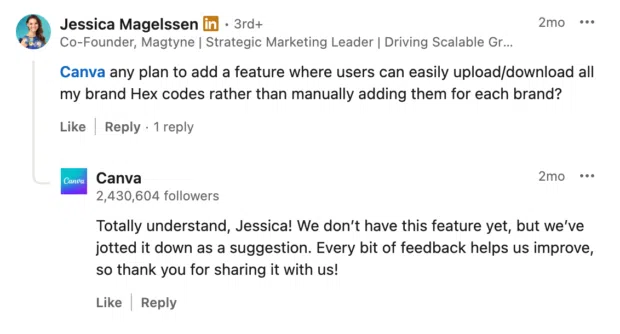
Social media is a global focus group that never closes. By listening to the candid feedback found in forums, news, and social threads, brands can identify the exact "friction points" in their products or services. When a company acknowledges this feedback publicly—as seen with brands like Canva on LinkedIn—it signals to the customer that their voice has tangible power, fostering deep-seated trust.
2. Identifying and Engaging Ambassadors
Social listening tools identify repeat mentions and positive sentiment automatically. By spotting an influencer or a regular user who consistently praises your product, you can move from observation to engagement. Whether it is resharing their content or inviting them into an exclusive beta program, recognizing these advocates transforms them from casual users into lifelong brand partners.
3. Amplifying User-Generated Content (UGC)
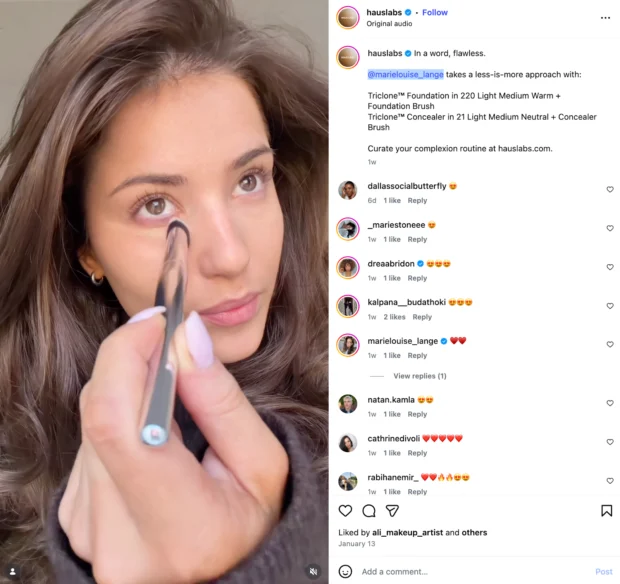
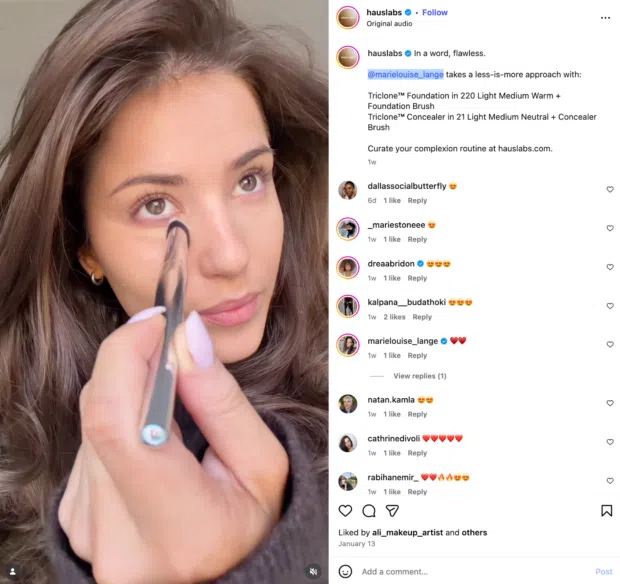
UGC is the gold standard of social proof. Because it lacks the "produced" feel of traditional advertising, it carries inherent credibility. Brands like Haus Labs effectively break up their professional content grids with authentic tutorials from users. By building a process to request permission and credit these creators, brands can leverage authentic voices to build trust at scale.

4. Closing the Feedback Loop
Handling a public complaint with grace is often more impactful than receiving a hundred positive reviews. By utilizing a "Listen, Acknowledge, Resolve" framework, brands can convert a frustrated user into a loyalist. When an audience sees a company publicly address a pain point and provide a resolution, it reinforces the brand’s reliability.
5. Optimizing the Customer Journey
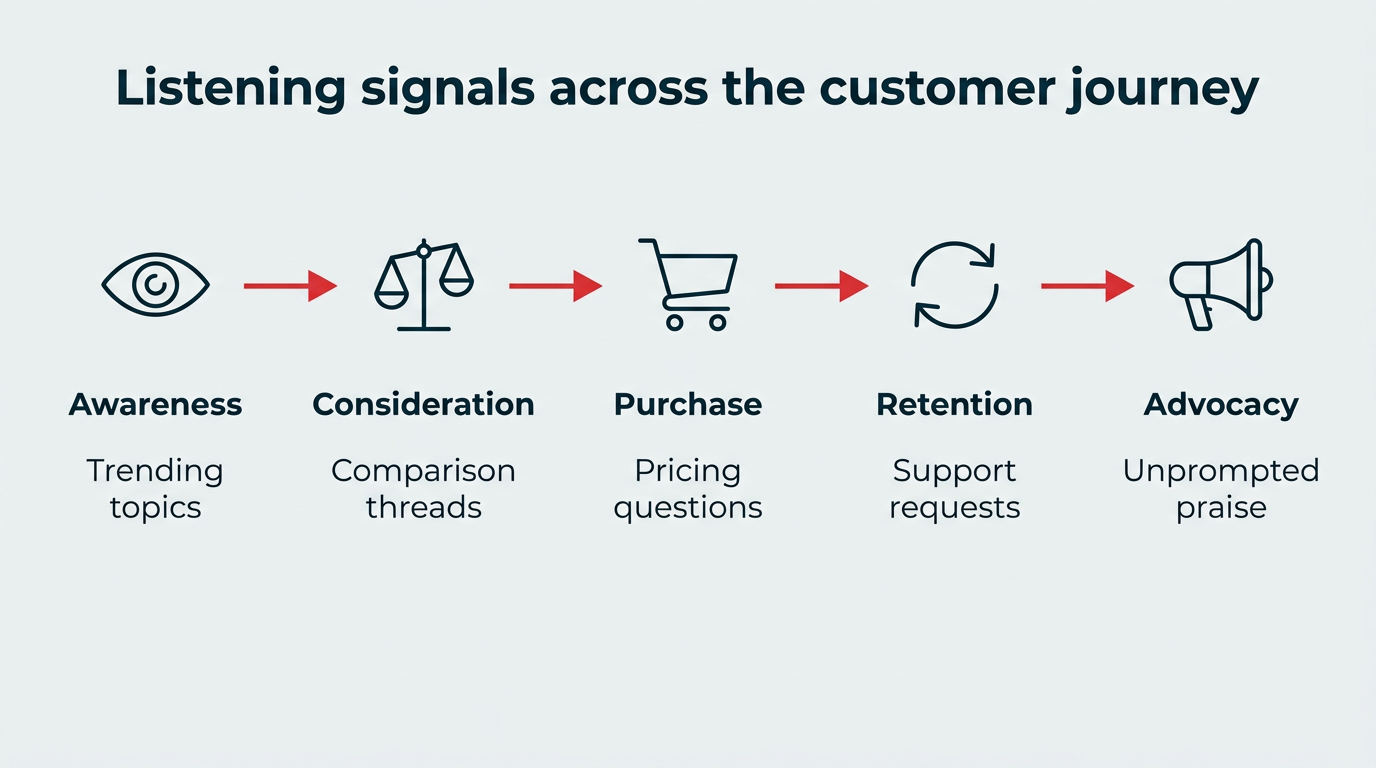
Listening data allows brands to map sentiments to specific stages of the sales funnel. By identifying where customers tend to narrate their frustrations—be it during onboarding, billing, or support—companies can surgically fix the process. By eliminating friction in the middle stages, the advocacy stage of the funnel naturally expands.
6. Building Customer-Centric Product Strategies
Companies like Slack have mastered this by inviting their most active community members to participate in beta programs. By analyzing recurring feature requests and common user complaints, organizations can prioritize development cycles based on what the market is actually demanding, rather than internal assumptions.
7. Competitive Benchmarking
Social listening is the most effective way to spy on the competition—legally. By tracking competitor mentions and identifying the specific features or service aspects their customers complain about, you can position your brand as the solution. If your competitor’s support is slow, your "fast response" becomes your key competitive advantage.
8. Monitoring Brand Sentiment
Brand sentiment is a leading indicator of long-term health. If sentiment scores dip, it is often a precursor to churn. Real-time alerts allow leadership teams to act before a PR crisis escalates. Conversely, when sentiment spikes, it allows the marketing team to double down on the specific campaign or messaging that resonated, ensuring ROI is maximized.
Supporting Data and Real-World Impact
The efficacy of these strategies is best observed through industry leaders:
- Marlow: When a market-wide scare regarding product safety surfaced, the brand used listening to immediately identify the anxiety, reassure their customers, and pivot to sharing 5-star reviews to stabilize their reputation.
- Grubhub: By listening for memes and social trends, the brand identified a viral moment surrounding their "Delivery Dance" ad. Instead of ignoring it, they leaned into the trend with a contest, turning a potential joke into a high-engagement campaign.
- HelloFresh: By upgrading to advanced social listening, the company increased their identified monthly mentions by 400%, ensuring that not a single query—tagged or untagged—fell through the cracks.
- Cargolux: In a unique use case, the airline used social chatter to measure the success of a mission to transport whales. By staying tuned to the conversation, they identified new opportunities to engage with global animal advocacy communities.
Implications for the Modern CMO
The transition to an advocacy-first social strategy has significant implications for organizational structure. It requires breaking down the silos between Customer Support and Social Media Marketing.
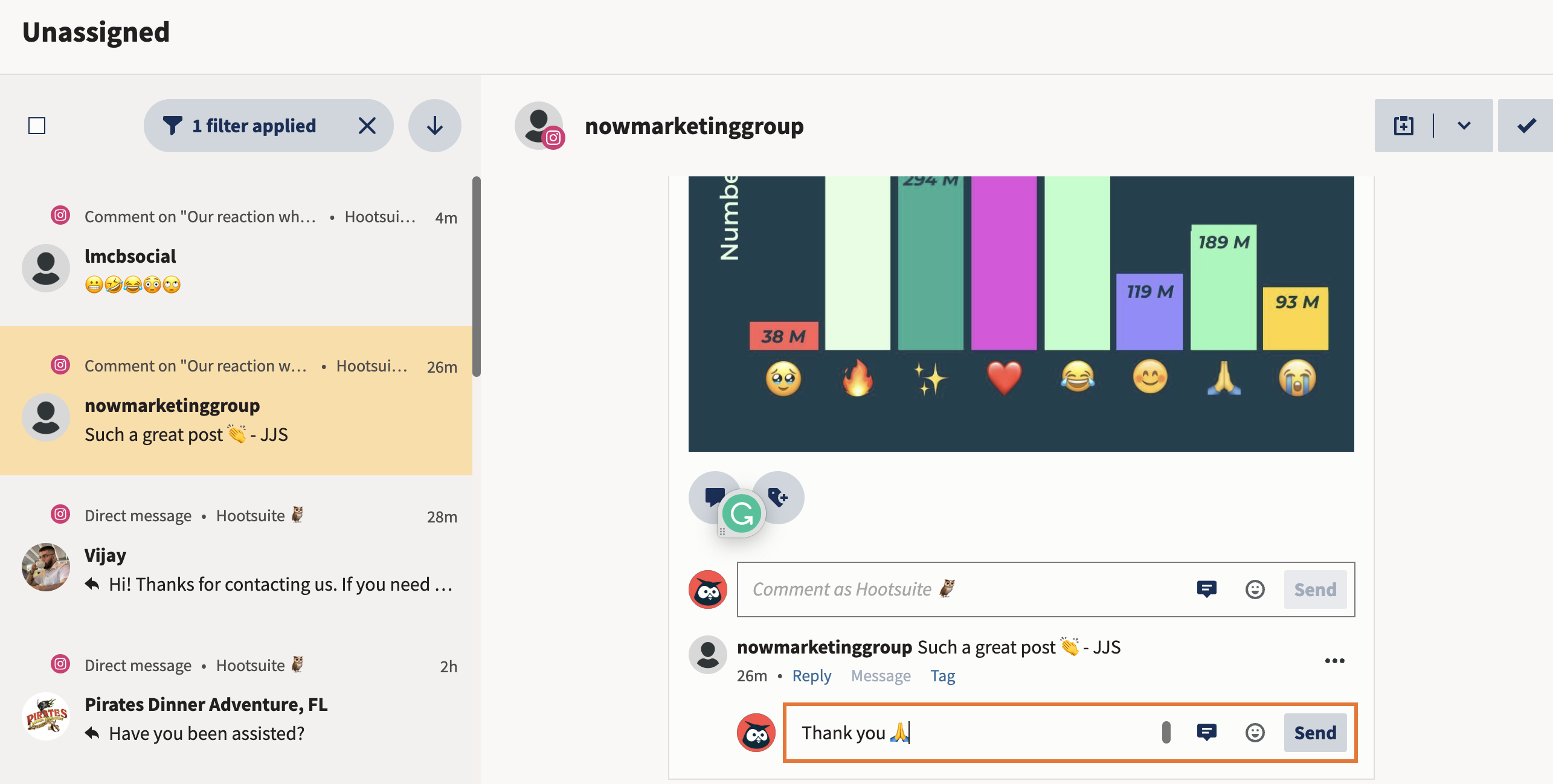
In 2026, the "Unified Inbox" is the new standard. By feeding listening data directly into a central hub, companies can ensure that the most urgent or sentiment-heavy mentions reach the right personnel immediately. AI-assisted reply suggestions help maintain a consistent brand voice, while human oversight ensures that high-stakes interactions receive the necessary empathy.

Conclusion: The Path Forward
The goal of social media listening is not merely to "hear" what is being said; it is to create a culture of responsiveness. As customer expectations continue to rise, the ability to listen at scale and act with precision will separate the brands that survive from the brands that lead.
By prioritizing the customer experience, investing in AI-driven insights, and fostering a community of advocates, businesses can move beyond the "like" button. They can build a resilient, customer-centric organization where every piece of data serves the dual purpose of improving the product and deepening the relationship with the people who matter most: the customers.
For the modern marketing leader, the message is clear: Stop talking at your audience and start listening to your advocates. The growth you are looking for is already happening in the comments section—you just need to start paying attention.
