
Mastering Ecommerce Conversion Rate Optimization: A Strategic Blueprint for Growth
In the fiercely competitive landscape of digital retail, traffic is merely the starting line. The true measure of an online store’s health is its conversion rate—the percentage of visitors who transition from casual browsers to paying customers. As customer acquisition costs (CAC) continue to climb, Conversion Rate Optimization (CRO) has evolved from a “nice-to-have” to a foundational business requirement.
CRO is the systematic process of identifying where and why potential customers abandon their journey and implementing data-driven solutions to clear those hurdles. By leveraging a combination of quantitative analytics and qualitative insights, retailers can plug the “leaks” in their sales funnel and maximize the value of every visitor.
The Anatomy of an Ecommerce Funnel Leak
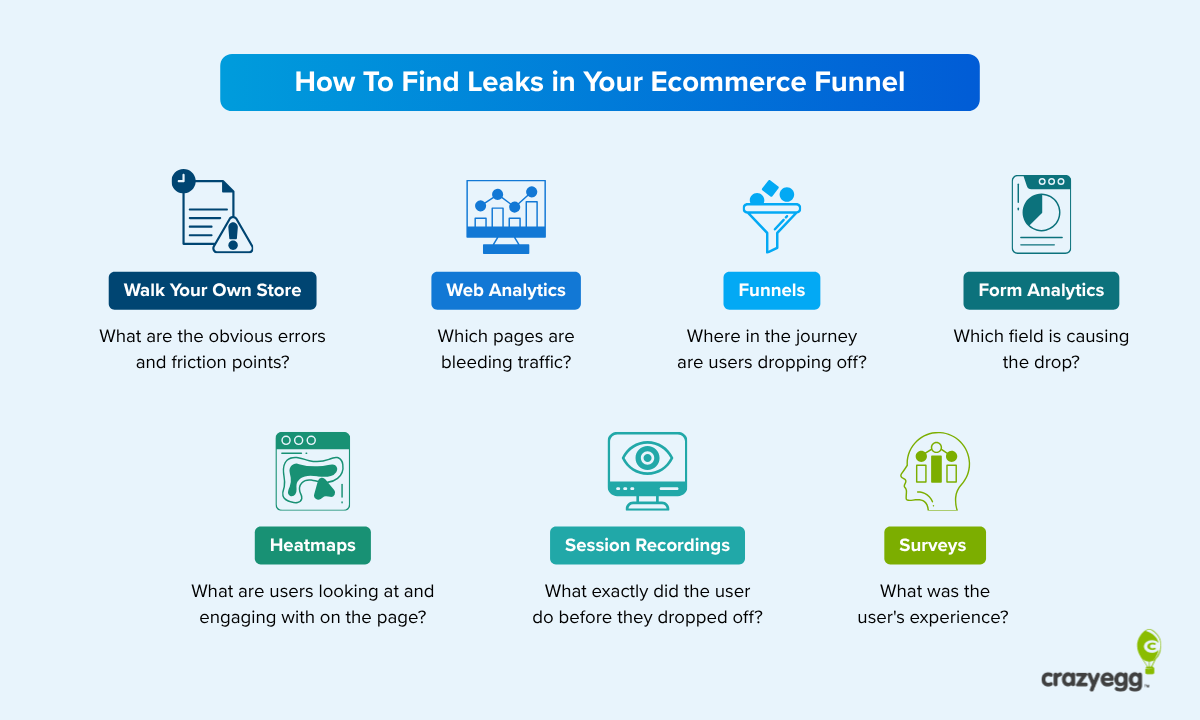
Before a business can increase its conversion rate, it must first diagnose the friction points. This diagnostic phase is not about guessing; it is about forensic analysis of user behavior.
1. The Manual Audit: Walking Your Own Store
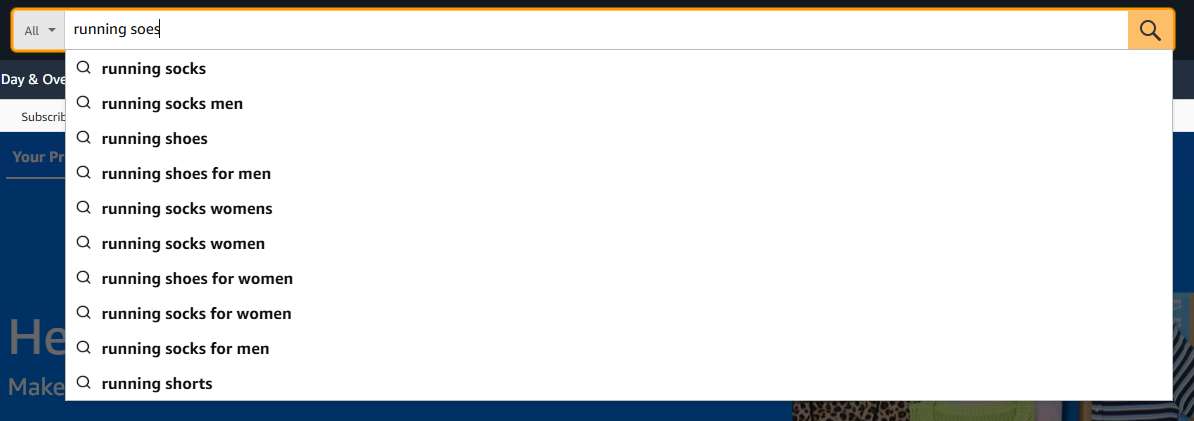
Before deploying sophisticated software, business owners should perform a "store walk-through." By navigating your site as a customer—from the landing page to the final order confirmation email—you can identify obvious irritants. Does the search bar return irrelevant results? Are payment links broken? While anecdotal, this exercise often uncovers "low-hanging fruit" that automated systems might overlook.
2. Quantitative Analysis: Identifying Traffic Hemorrhage
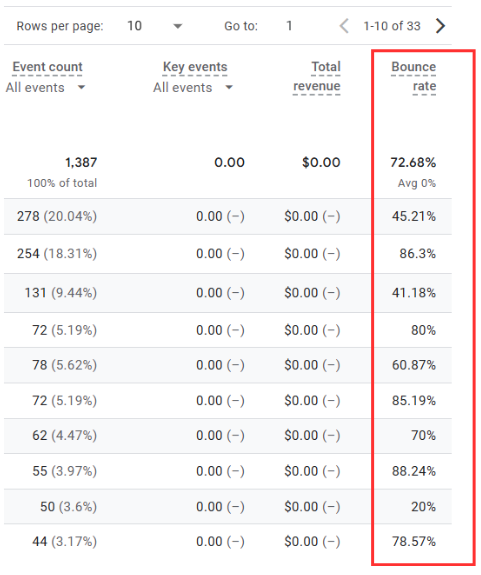
Using web analytics, retailers must monitor two critical metrics: Bounce Rate and Exit Rate. A high bounce rate suggests a failure to meet user expectations immediately upon arrival—often tied to slow page load times or a lack of trust-building elements. The exit rate, conversely, highlights specific pages (like the checkout screen) where users decide to abandon their purchase, signaling technical friction or a lack of persuasive content.
3. Behavioral Insights: Beyond the Numbers
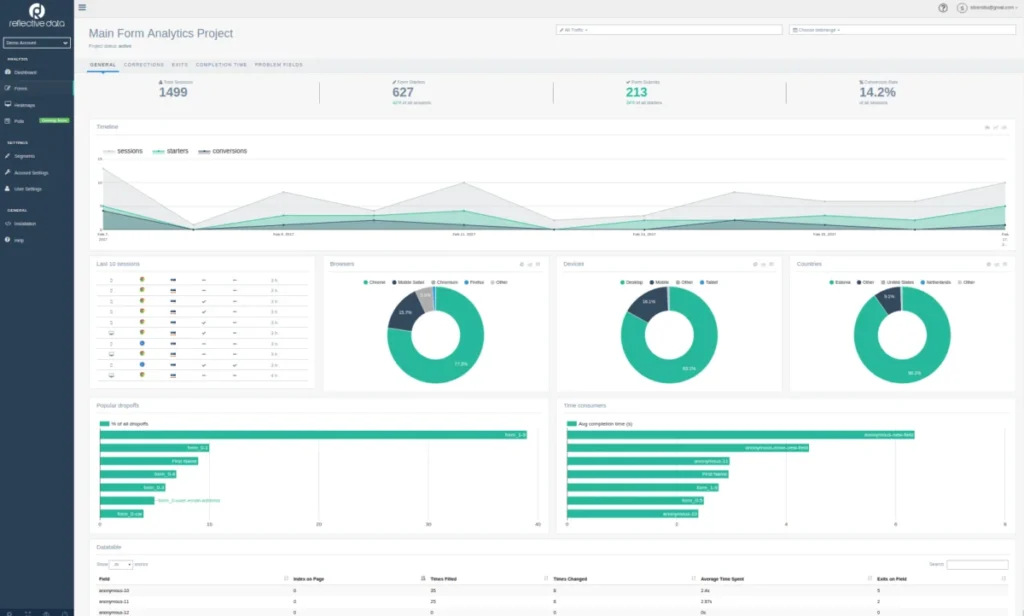
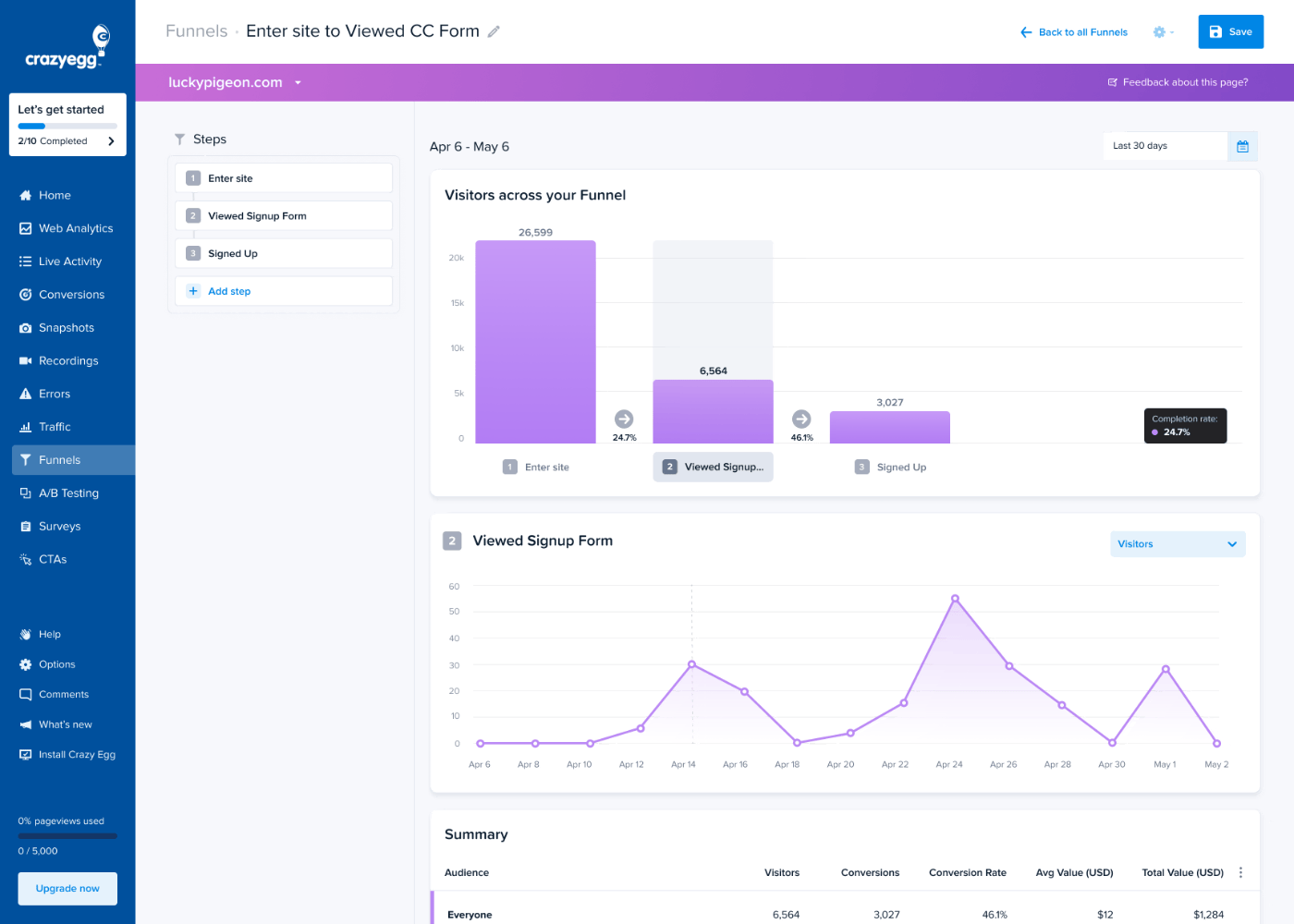
Once the "where" is identified, tools like funnel reports, heatmaps, and session recordings reveal the "why." Funnel reports visualize drop-offs at specific stages, such as the transition from "Add to Cart" to "Checkout." Heatmaps illustrate which parts of a page capture user attention and which are ignored, while session recordings offer a granular view of user frustration, such as "rage-clicking" on a non-responsive element or struggling with an unintuitive form.
14 Strategic Levers for Conversion Growth
Once the data is collected, the following 14 strategies—categorized by their role in the customer journey—are proven to bolster conversion performance.
Discovery and Navigation
- Fix On-Site Search: Search users are the highest-intent visitors. Implementing AI-driven search solutions (e.g., Algolia, Klevu) ensures that typos, synonyms, and partial matches lead to relevant results, preventing the dreaded "zero results" page.
- Intuitive Filtering: Use the language of your customers. Interview your target demographic to understand the vocabulary they use to describe products, then map your categories and filter attributes to those terms.
The Product Page Experience
- Visual Dominance: 61% of shoppers identify high-quality images and video as the most important element of a product page. Ensure you provide multiple angles, zoom capabilities, and, where possible, video demonstrations.
- Detailed Documentation: Since customers cannot touch the product, the description must serve as the sales assistant. Include sizing guides, material specifications, and clear care instructions to reduce return rates—a significant profit-killer.
- Trust Signals: Leverage social proof. Reviews, security badges, and clear return guarantees significantly lower the perceived risk of a purchase.
Streamlining the Checkout
- Guest Checkout and SSO: Forcing account creation is a primary driver of cart abandonment. Default to guest checkout and offer Single Sign-On (SSO) options (Google, Apple, Facebook) to reduce friction.
- Simplified Forms: Stick to the "less is more" philosophy. Aim for 7-8 fields and utilize address autocomplete to minimize user effort.
- Payment Diversity: Beyond standard credit cards, offer localized payment methods (e.g., iDEAL, BLIK) and digital wallets (Apple Pay, Google Pay). Furthermore, integrating "Buy Now, Pay Later" (BNPL) services like Klarna can increase Average Order Value (AOV) by easing the immediate financial burden.
The Continuous Loop: A Modern CRO Framework
Effective CRO is not a project with a start and end date; it is a permanent cycle of improvement. The most successful ecommerce brands treat optimization as a living process.
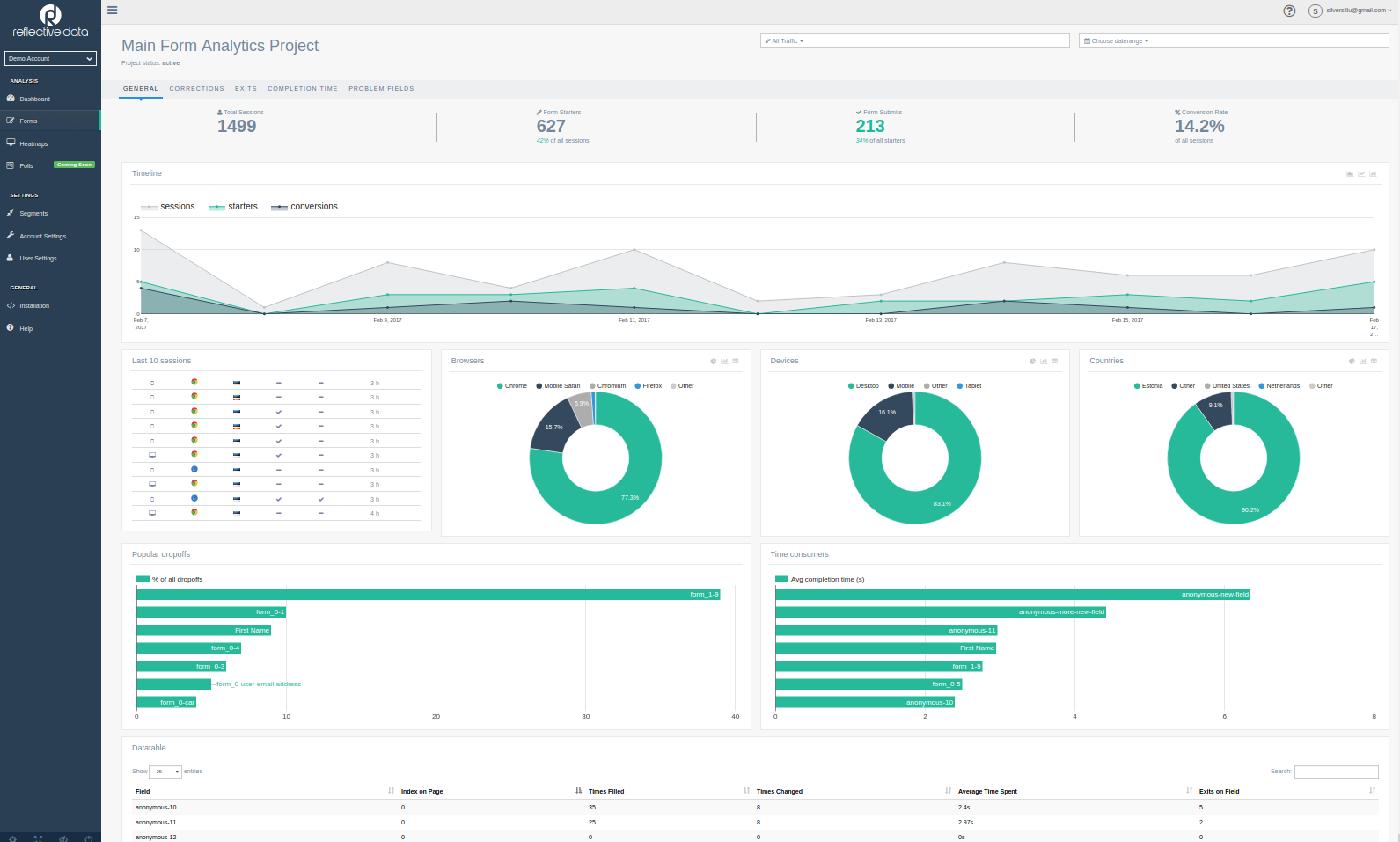
- Analyze: Use funnel data to find the biggest drop-off point.
- Hypothesize: Use session recordings and surveys to understand why users are leaving at that point.
- Execute: Implement a fix or design change.
- Test: Use A/B testing to validate that the change actually improves performance.
- Refine: Analyze the results and start the next iteration.
Supporting Data and Industry Benchmarks
The impact of these strategies is backed by significant industry research. According to Constructor’s 2024 study, searchers represent only 24% of site traffic but contribute to 44% of total revenue, converting at 2.5 times the rate of non-searchers.
Regarding checkout, Baymard Institute’s 2025 research confirms that 18% of shoppers abandon carts due to forced account creation, and 40% leave due to unexpected shipping or tax costs revealed too late in the process. These figures underscore the necessity of transparency and simplicity.

Mobile optimization remains a critical challenge. With 74% of ecommerce traffic now coming from mobile devices, the high mobile cart abandonment rate of nearly 80% represents a massive opportunity for growth for any brand that prioritizes responsive, mobile-first design.
Professional Perspectives on Conversion Strategy
Industry leaders emphasize that while tools like heatmaps and analytics are vital, they must be interpreted through the lens of user empathy.
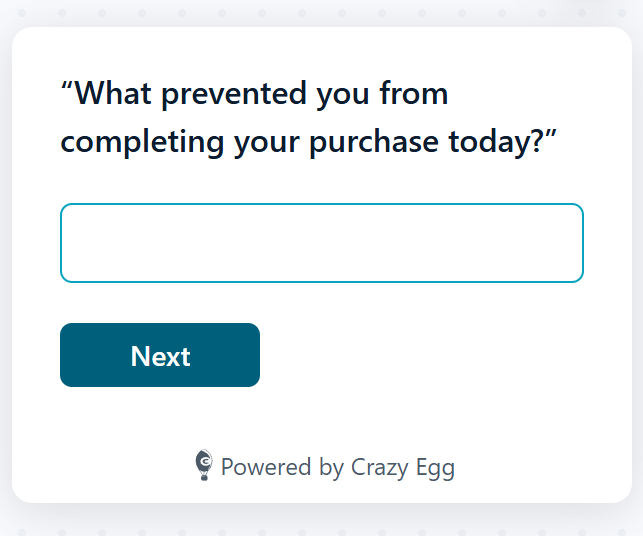
"Conversion optimization is fundamentally about removing barriers between the user and their goal," says one leading UX strategist. "If you make it easier for them to give you their money, the conversion rate will naturally follow."
Official guidance from platforms like Google reinforces this, highlighting that site speed is a critical component of user experience. Their Core Web Vitals initiative suggests that a Largest Contentful Paint (LCP) of under 2.5 seconds is the benchmark for high-performing stores. Sites that exceed this threshold risk high bounce rates, as modern consumers have little patience for slow-loading pages.
Implications for Future Growth
The shift toward AI-driven personalization is the next frontier in CRO. Retailers utilizing AI to recommend products based on individual browsing history are seeing conversion lifts of 15-30%. As data privacy regulations tighten, first-party data collected through on-site surveys and direct user engagement will become the most valuable asset in a merchant’s toolkit.
For the modern ecommerce business, the goal is clear: build a site that listens to its visitors. By fostering a culture of continuous testing and prioritizing the user experience, businesses can move beyond the volatility of paid traffic and build a sustainable, conversion-optimized engine for long-term revenue growth.
