
The Lean Agency Stack: How to Build Scalable Systems Without Tool Fatigue
For modern marketing agencies, the path to failure is rarely paved with a lack of ambition—it is paved with an excess of software. Many agencies find themselves trapped in a "tool sprawl" cycle: disconnected systems, blurred ownership of client data, and an endless stream of manual reporting that turns billable hours into administrative busywork. As costs creep upward through redundant seat licenses, hidden add-ons, and overlapping features, margins begin to evaporate.
The secret to sustainable agency growth isn’t acquiring the newest "all-in-one" platform; it is building a lean, interoperable stack that prioritizes speed, clarity, and, most importantly, margin control.
The Evolution of Agency Operations: From "Can We?" to "How Efficiently?"
In the early stages of an agency, the operational focus is binary: Can we deliver this service? However, as client volume climbs, the operational risk shifts. The new, more dangerous question becomes: Can we deliver this consistently, profitably, and without human error?
"Agency-ready" is not a synonym for "feature-rich." A truly agency-ready tool is defined by its ability to manage complexity at scale. This includes:
- Multi-tenant architecture: The ability to manage distinct client workspaces or sub-accounts within a single login.
- Permissioning: Granular control over who can view, edit, or approve work to prevent client-facing mishaps.
- Repeatable Workflows: Systems that allow for the cloning of successful processes rather than "reinventing the wheel" for every new retainer.
- Automated Reporting: Data pipelines that provide client-ready insights without requiring manual spreadsheet cleanup every month.
A Chronology of Operational Scaling
To understand how agencies reach a point of operational maturity, one must look at the lifecycle of their tech adoption.
Phase 1: The Ad-Hoc Startup
Early-stage agencies often rely on free tools and fragmented solutions. While this minimizes overhead, it creates "data silos." A project might be managed in a spreadsheet, communicated via email, and billed via a simple invoicing tool. This phase is characterized by high agility but low scalability.

Phase 2: The Integration Crunch
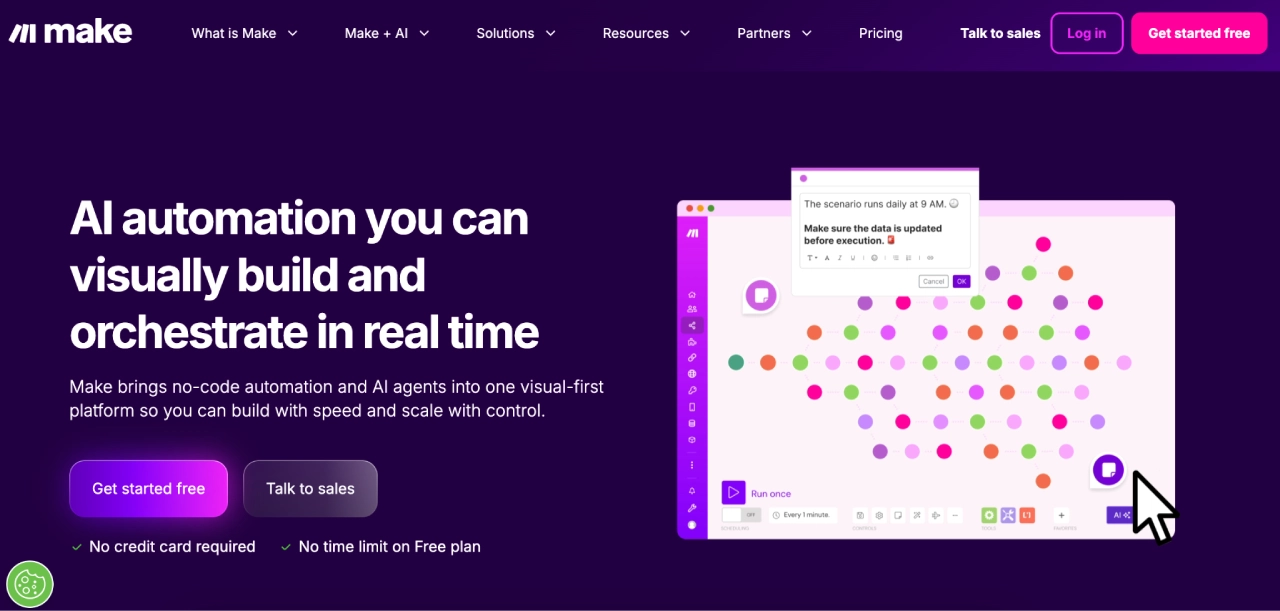
As the agency hits 10 to 20 clients, the manual work of "connecting the dots" begins to consume 30% or more of the team’s capacity. This is when agencies typically adopt middleware like Zapier or Make to bridge the gap between their CRM and project management tools.
Phase 3: The Optimized Stack
Mature agencies stop buying tools for the sake of features and start buying them for the sake of governance. They consolidate their tech, prioritize platforms with white-label capabilities, and demand seamless API integrations to ensure that no single piece of data requires manual entry.
Supporting Data: Selecting Your Core Components
To avoid the "cost-creep" trap, agencies must view their stack through the lens of operational roles. Below is a breakdown of essential categories and the current industry standards for 2026.
| Category | Primary Role | Industry Standard (Example) |
|---|---|---|
| Email Marketing | Client Communication | Campaign Monitor |
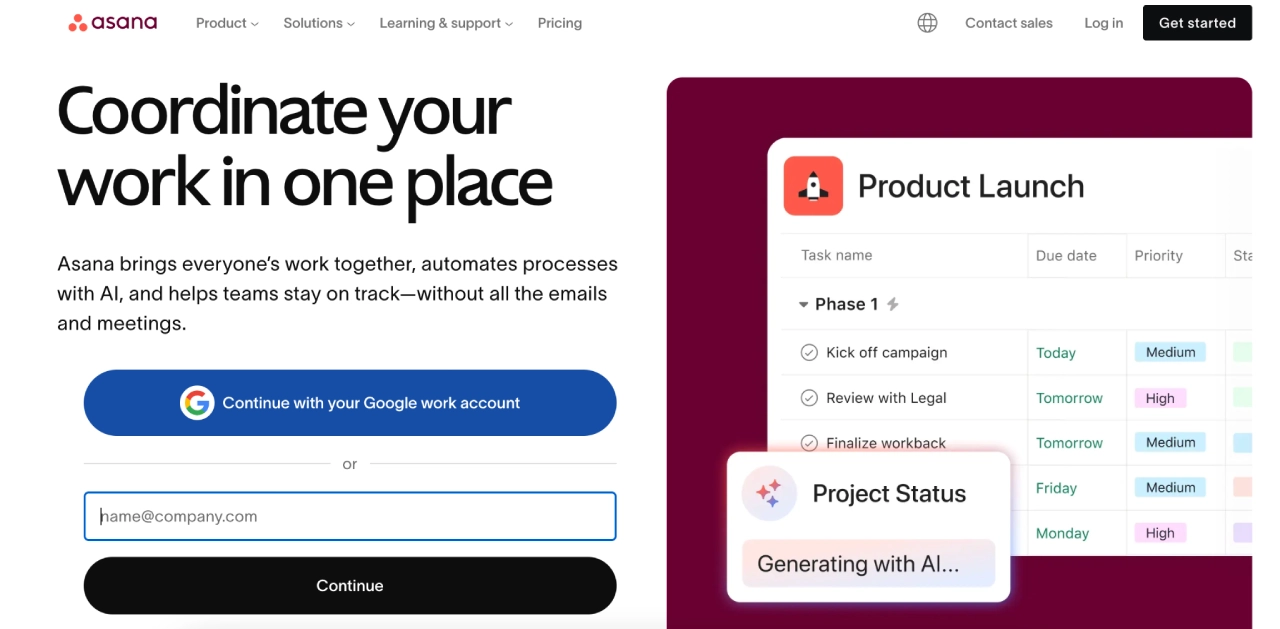
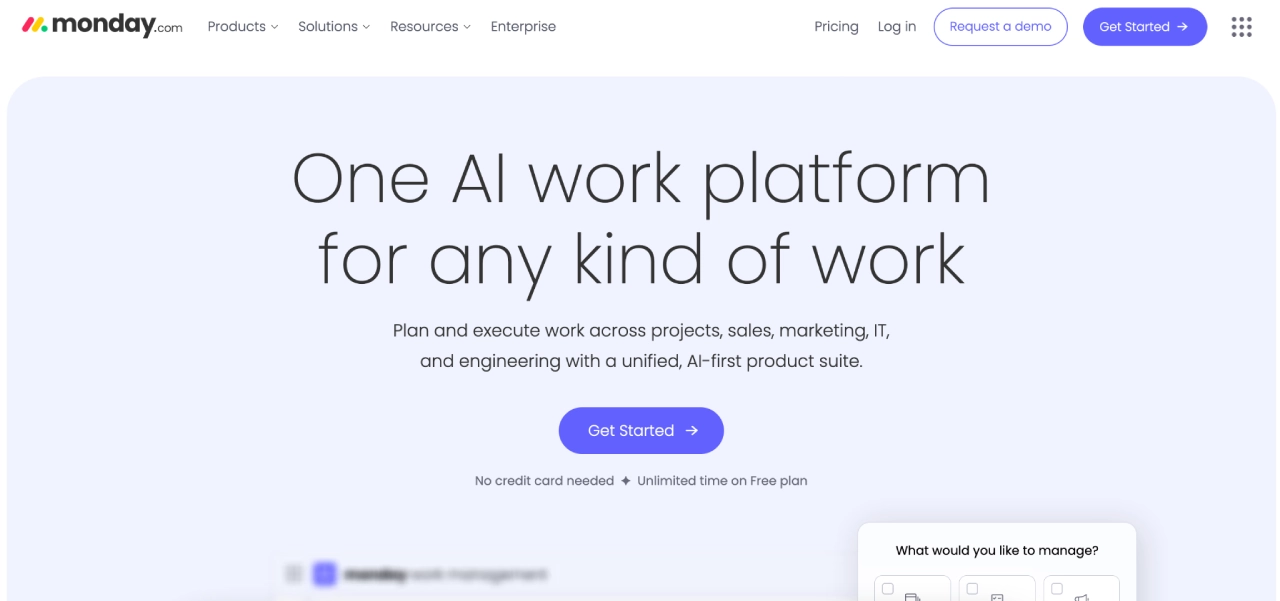
| Project Management | Workflow Delivery | Asana / monday.com |
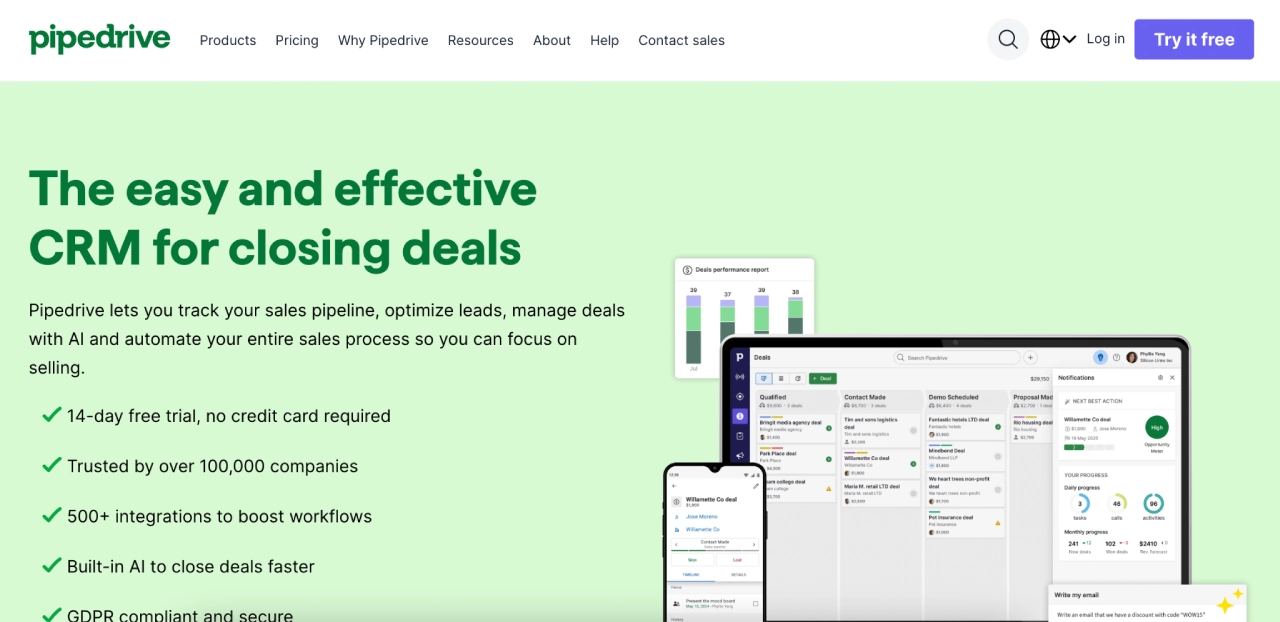
| CRM / Sales | Pipeline Management | HubSpot / Pipedrive |
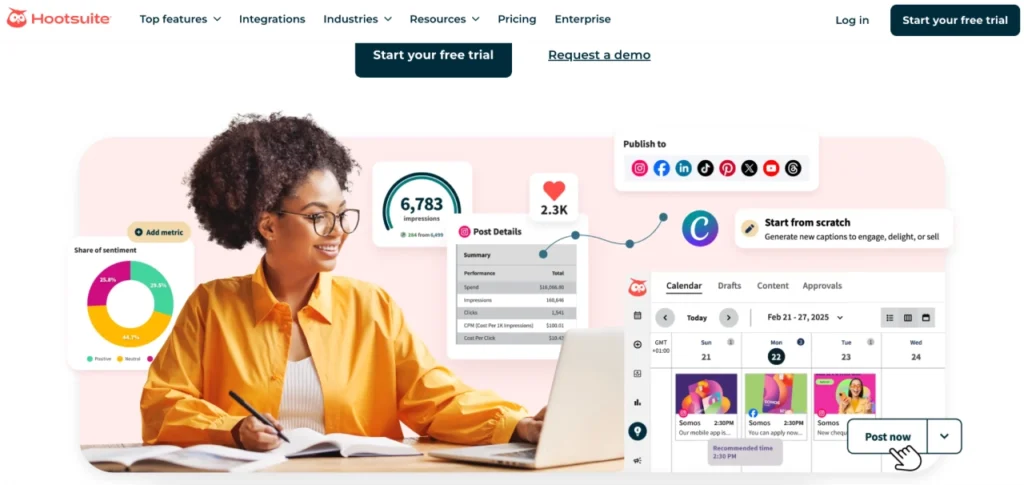
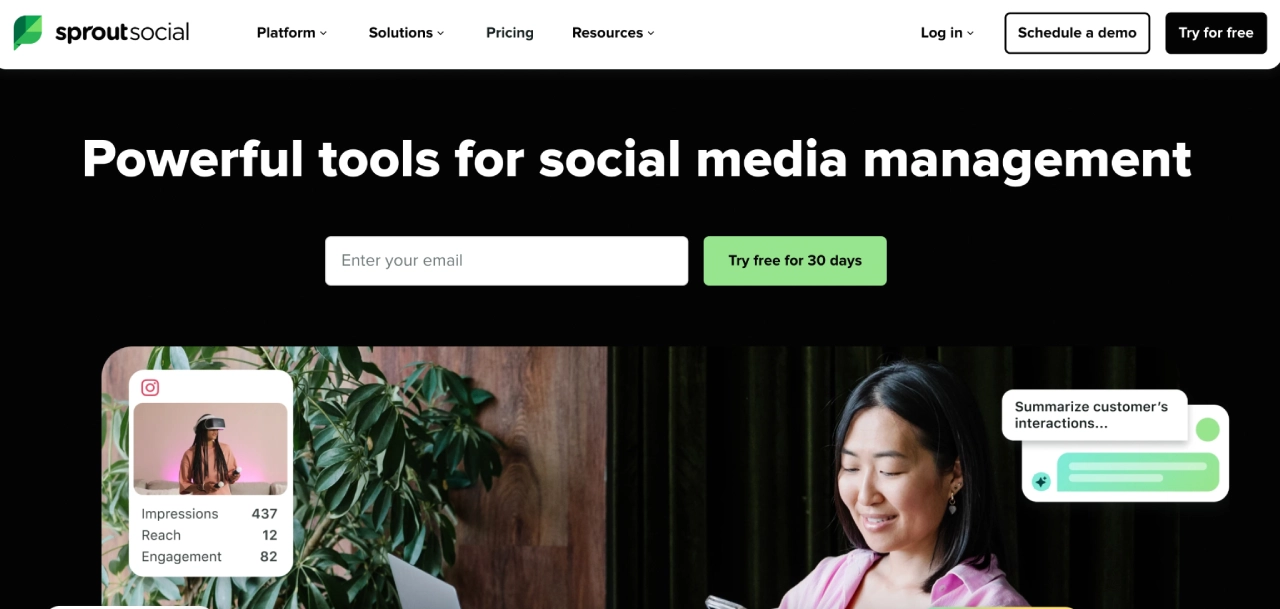
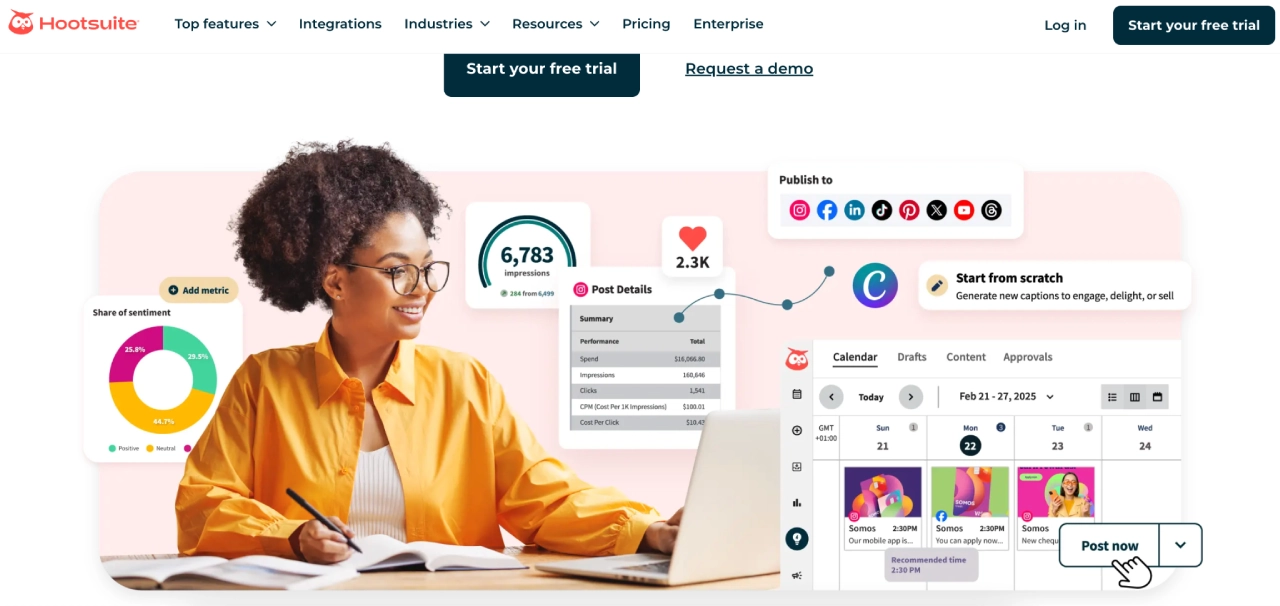
| Social Media | Brand Presence | Sprout Social / Hootsuite |
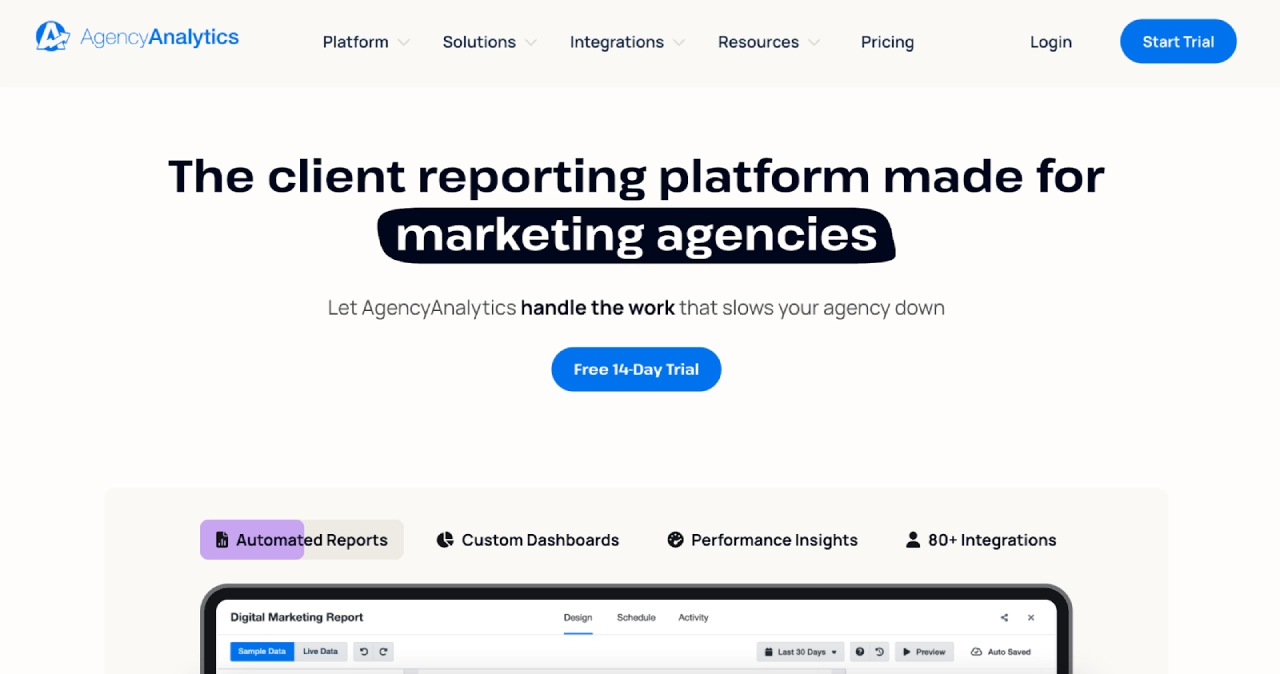
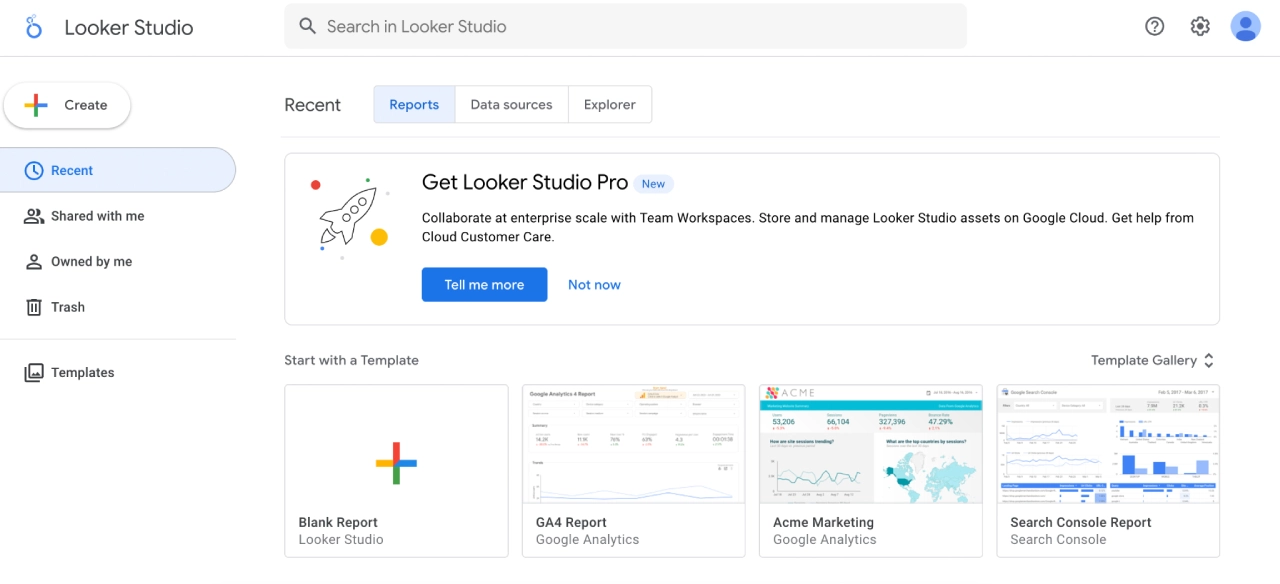
| Reporting | Performance Insights | AgencyAnalytics / Looker Studio |
| Automation | Interoperability | Zapier / Make |
Deep Dive: Why Email Marketing Remains the Agency Anchor
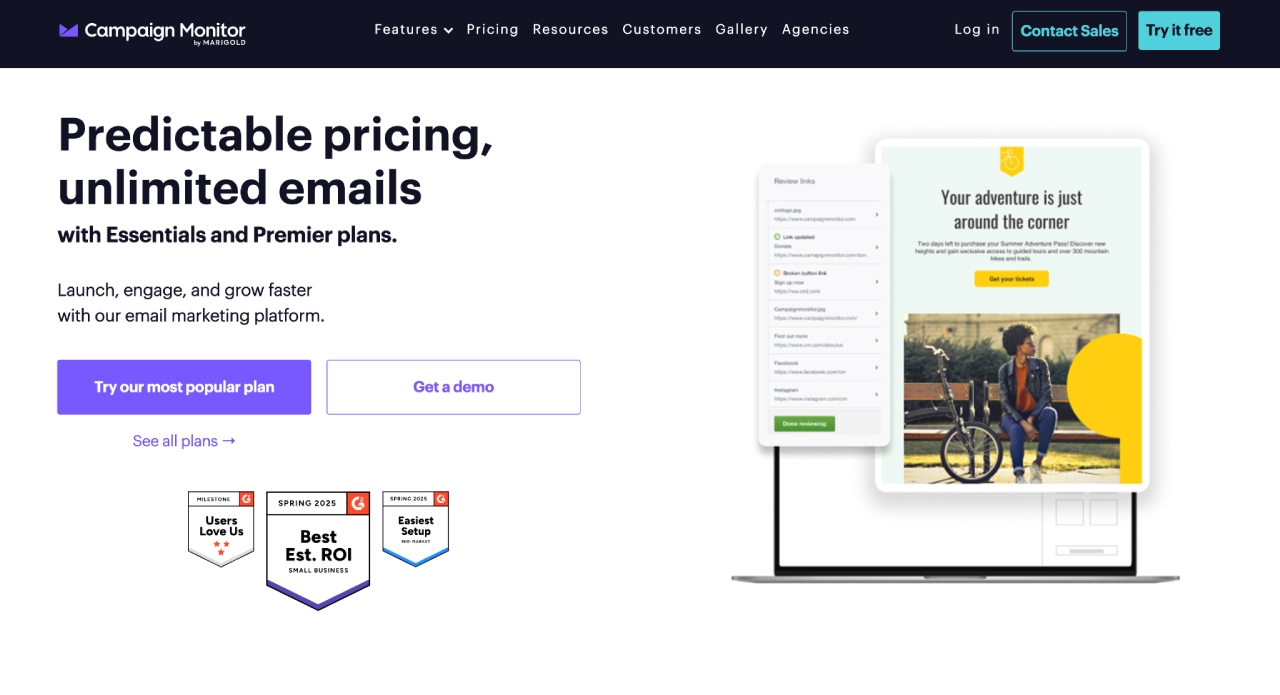
For agencies, email marketing is a unique service offering because it is highly standardized. Unlike social media algorithms that change daily, email remains a reliable, permission-based channel. Platforms like Campaign Monitor are specifically designed for the agency-to-client relationship. By offering multi-client dashboards and consolidated billing, they allow agencies to act as an "email command center," managing 50+ clients from a single portal without the overhead of disparate logins.
Implications for Agency Margins
The most overlooked aspect of an agency stack is the "Compounding Cost Effect." Software pricing models rarely grow in a straight line. They scale based on user seats, contact volumes, or the number of connected client accounts.
An agency that chooses a "cheap" tool that requires five hours of manual intervention per week is, in effect, paying for that tool at the hourly rate of a senior account manager. Conversely, a higher-priced platform that includes automated reporting can actually increase profit margins by reclaiming those hours for billable, strategic work.

The "Quick-Fit" Selection Matrix
- For the Early-Stage Agency: Focus on tools that offer "all-in-one" utility to keep costs low. Use a CRM and a project management tool, but avoid enterprise-tier software until the revenue justifies it.
- For the Reporting-Heavy Agency: Prioritize dedicated reporting platforms like AgencyAnalytics. The ability to pull data from multiple sources (SEO, PPC, Social) into one client-facing dashboard is the single greatest time-saver in the industry.
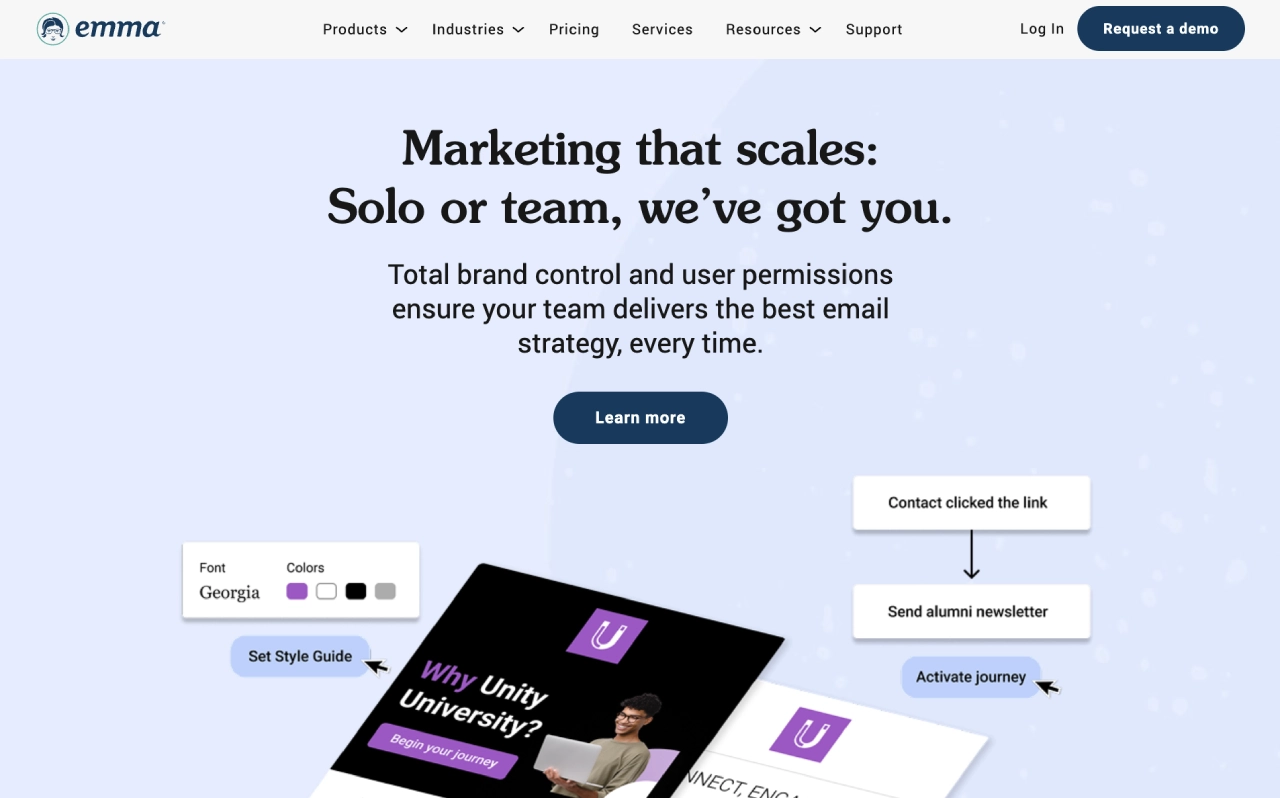
- For the Multi-Client, Governance-First Agency: Utilize tools with high-level permissioning and white-label features. If your agency manages 20+ clients, the risk of a mis-sent email or an incorrect report is a liability. Platforms like Emma or Campaign Monitor mitigate this risk through tiered access.
Strategic Recommendations: How to Build Your Stack
The following steps are designed to help agencies transition from a chaotic collection of apps to a unified, scalable system:
- Map the Workflow, Not the Feature: Before signing up for a new tool, write down the lifecycle of a deliverable from "client request" to "final approval." Only buy tools that support that specific path.
- Audit the "Hidden Tax": Review your monthly recurring software costs. Identify any tool where the majority of features go unused. If you are paying for an enterprise tier but only using the basic task management functions, downgrade immediately.
- Prioritize Interoperability: Ensure that every tool in your stack has a robust API or a native integration with your primary CRM and project management software.
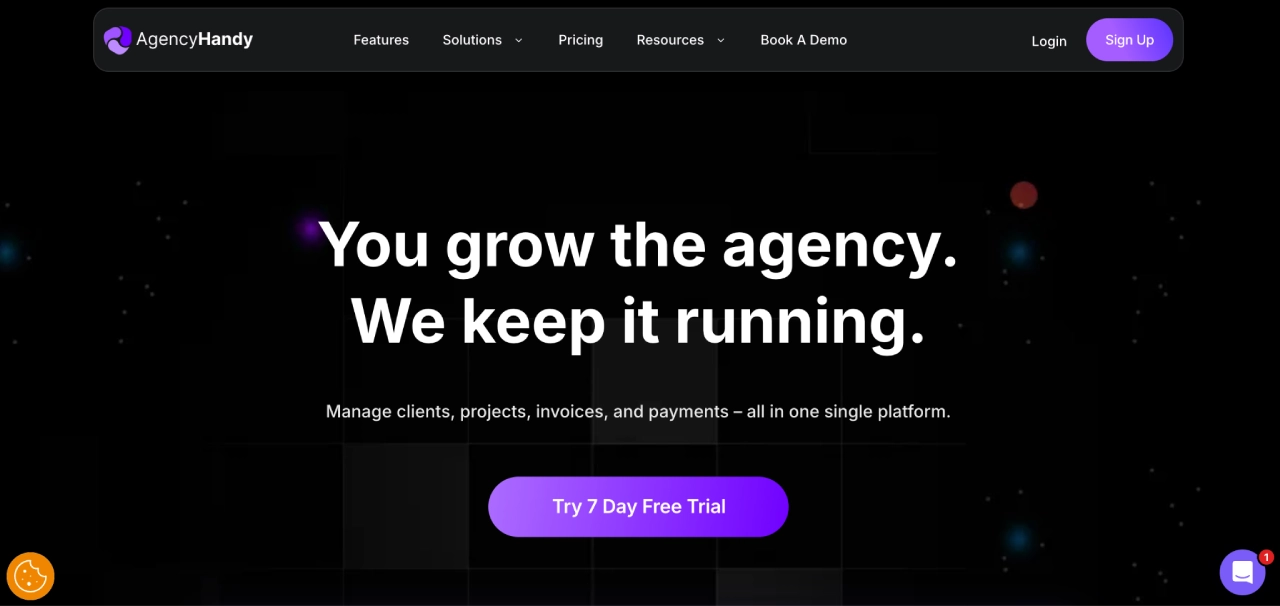
- Standardize the "Client Experience": Use a client portal (such as AgencyHandy) to act as the "Single Source of Truth." When clients know exactly where to go to see their billing, their project status, and their reports, communication overhead drops significantly.
The Contrarian View: Less is More
There is a common misconception that more tools equal more capability. In reality, the best agencies are those that achieve the most with the fewest moving parts. A small, well-integrated stack is easier to train employees on, easier to secure, and significantly easier to maintain.
If you are currently evaluating your tech stack, stop asking which tool has the most "bells and whistles." Instead, ask: Does this tool solve an operational bottleneck, or does it add another login to my team’s daily routine?
Conclusion: Turning Your Stack into a Competitive Advantage
Building a lean, agency-ready stack is an ongoing process of refinement. As your agency grows, the tools you use will either act as a catalyst for efficiency or an anchor on your bottom line. By focusing on multi-client management, automated workflows, and consolidated billing, you can move away from the "busywork" of agency life and back toward the high-value strategic work that keeps clients happy and profitable.
For those agencies still managing email marketing as a fragmented, one-off service, it is time to standardize. Integrating a purpose-built platform like Campaign Monitor into your core operations can turn a high-touch, error-prone task into a streamlined, high-margin revenue stream.
Remember: A successful agency stack isn’t one that impresses your peers with its complexity; it’s one that works so quietly in the background that your team forgets it’s there, leaving them free to focus entirely on the client.

Disclaimer: This article provides general information regarding marketing technology and should not be construed as financial, legal, or tax advice. Agencies should conduct their own due diligence and consult with professional advisors before making significant changes to their operational infrastructure.
