
Crazy Egg vs. Optimizely: A Comprehensive Strategic Guide to Website Optimization Platforms
Choosing the right digital experience platform is a pivotal decision for any growth-oriented team. As businesses shift toward data-driven decision-making, the debate between choosing an "all-in-one" solution like Crazy Egg and an enterprise-grade ecosystem like Optimizely has intensified. This analysis dissects the core capabilities, financial implications, and strategic utility of both platforms to help you determine which architecture aligns with your organization’s goals.
Main Facts: Defining the Two Archetypes
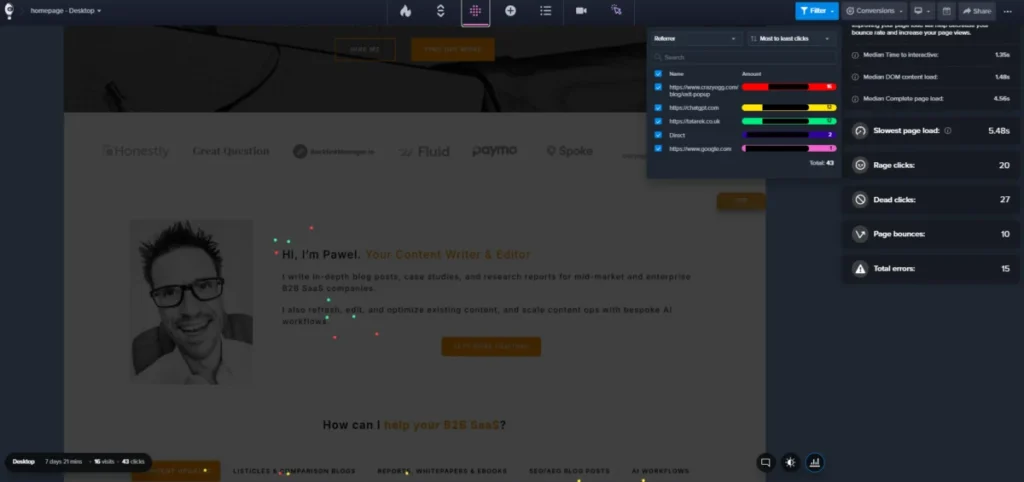
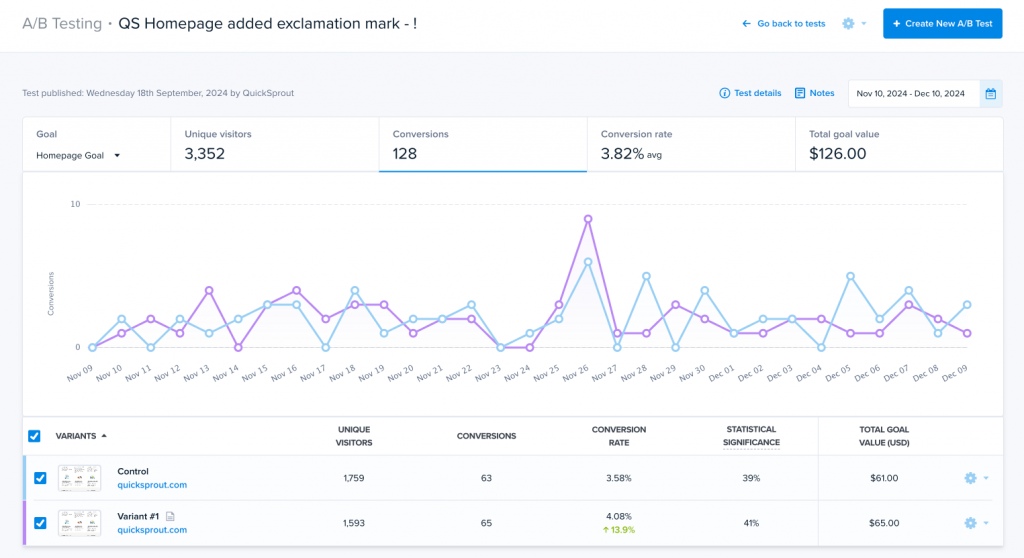
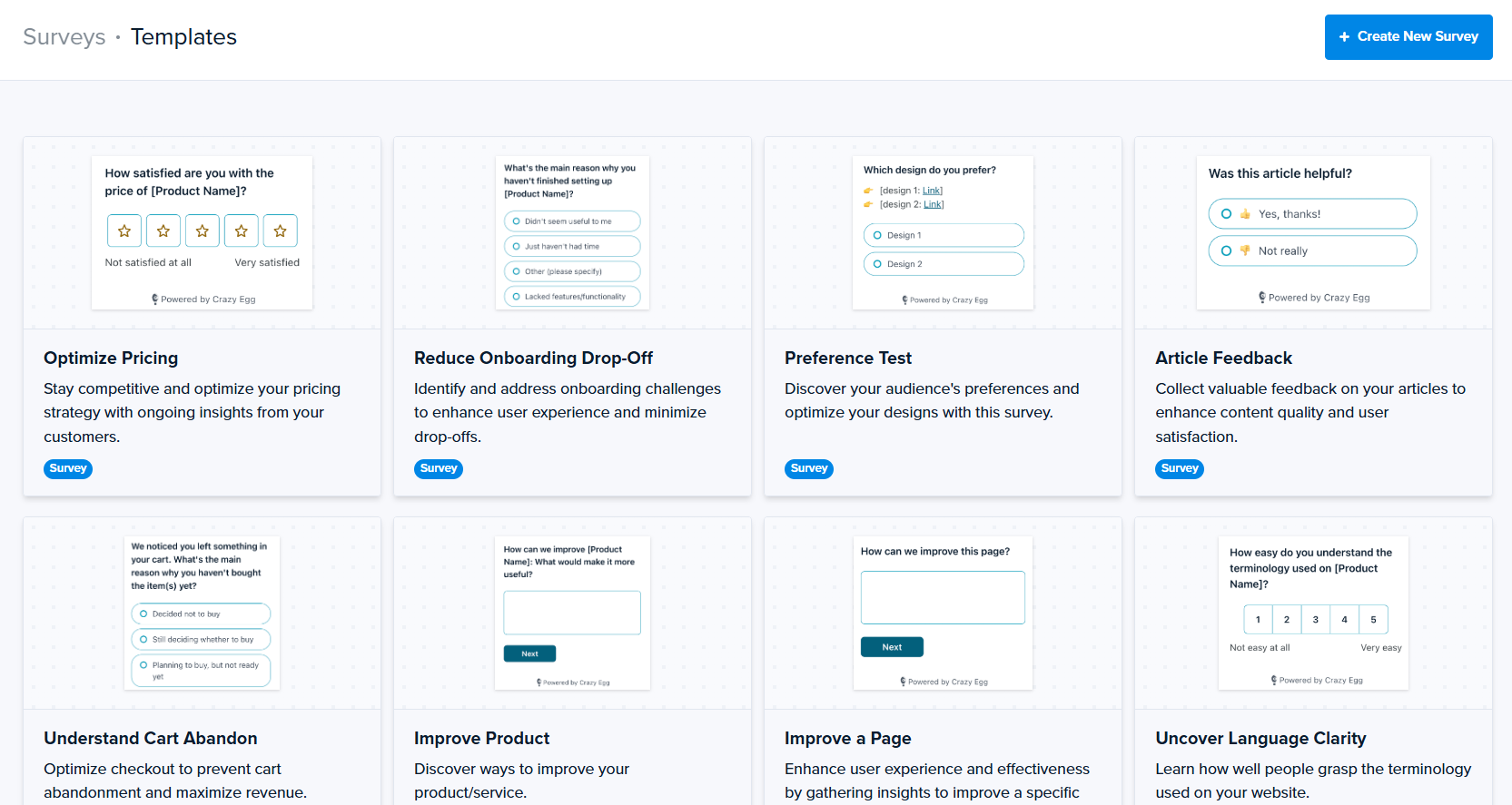
The fundamental difference between these two platforms lies in their philosophy of delivery. Crazy Egg is designed as a cohesive, "all-in-one" optimization suite. It bundles A/B testing, heatmaps, session recordings, conversion funnels, and survey tools into a single, accessible subscription. It is built for teams that prioritize speed, ease of use, and immediate visibility into user behavior without the need for extensive developer intervention.
Optimizely, conversely, operates as a massive digital experience platform (DXP). It is architected for large-scale enterprise environments where experimentation is just one component of a broader infrastructure that includes Content Management Systems (CMS), Customer Data Platforms (CDP), and complex commerce engines. Optimizely excels in high-traffic, multi-environment settings that require server-side testing, multivariate experiments, and warehouse-native analytics.
Chronology and Market Evolution
The evolution of these platforms mirrors the broader maturation of the MarTech industry.
- Early Web Era: Initially, optimization was limited to basic A/B testing. Both platforms emerged during the early 2010s to help marketers move beyond simple page analytics.
- The Behavioral Shift: As UX became a primary conversion driver, the market demanded deeper insights. Crazy Egg leaned into this by integrating visual behavior tools (heatmaps and recordings) directly into the testing workflow.
- The Enterprise Consolidation Phase: Optimizely moved toward a "platform-first" approach, acquiring companies to build an ecosystem. Their transition toward "Agentic" workflows and AI-orchestrated CMS platforms reflects the modern enterprise need to unify content, commerce, and experimentation under one massive umbrella.
- The AI Integration: Both platforms have recently introduced AI-native features. Crazy Egg’s AI focuses on synthesizing behavioral data into plain-English recommendations, while Optimizely’s "Opal" platform focuses on complex agent orchestration across various business units.
Comparative Deep Dive: Feature Breakdown
1. Experimentation and Testing
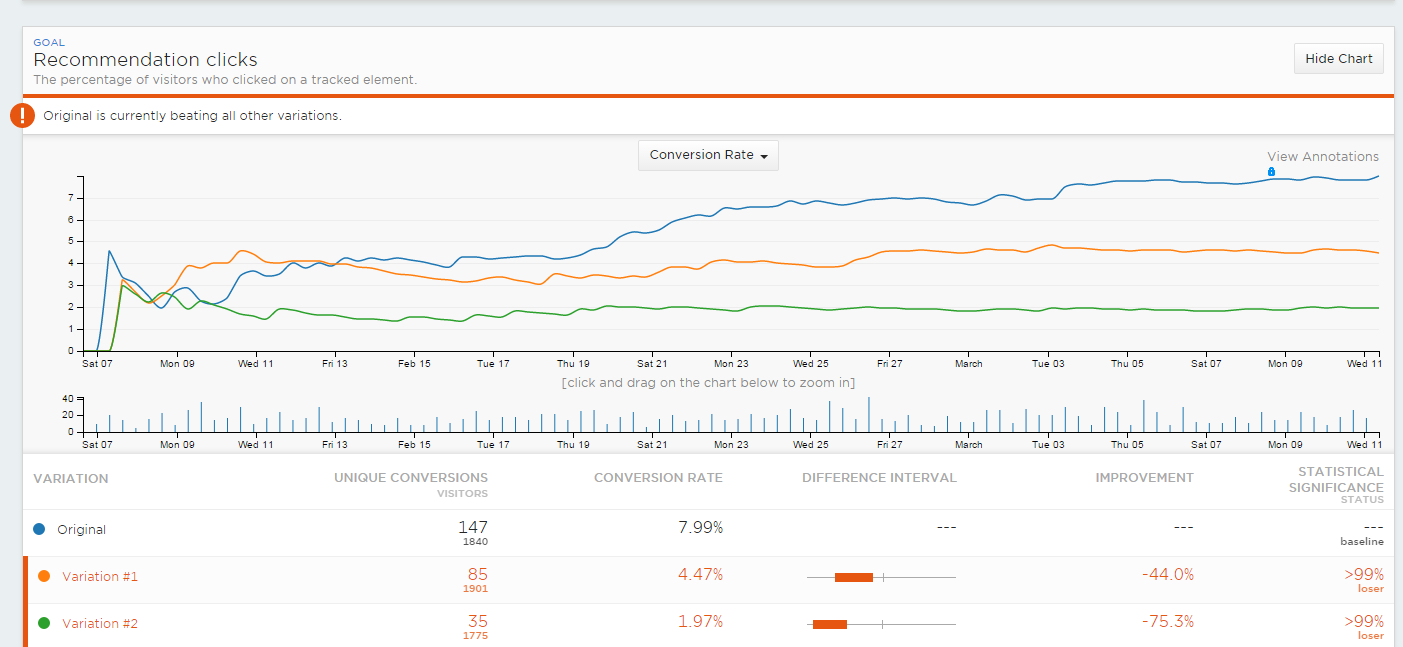
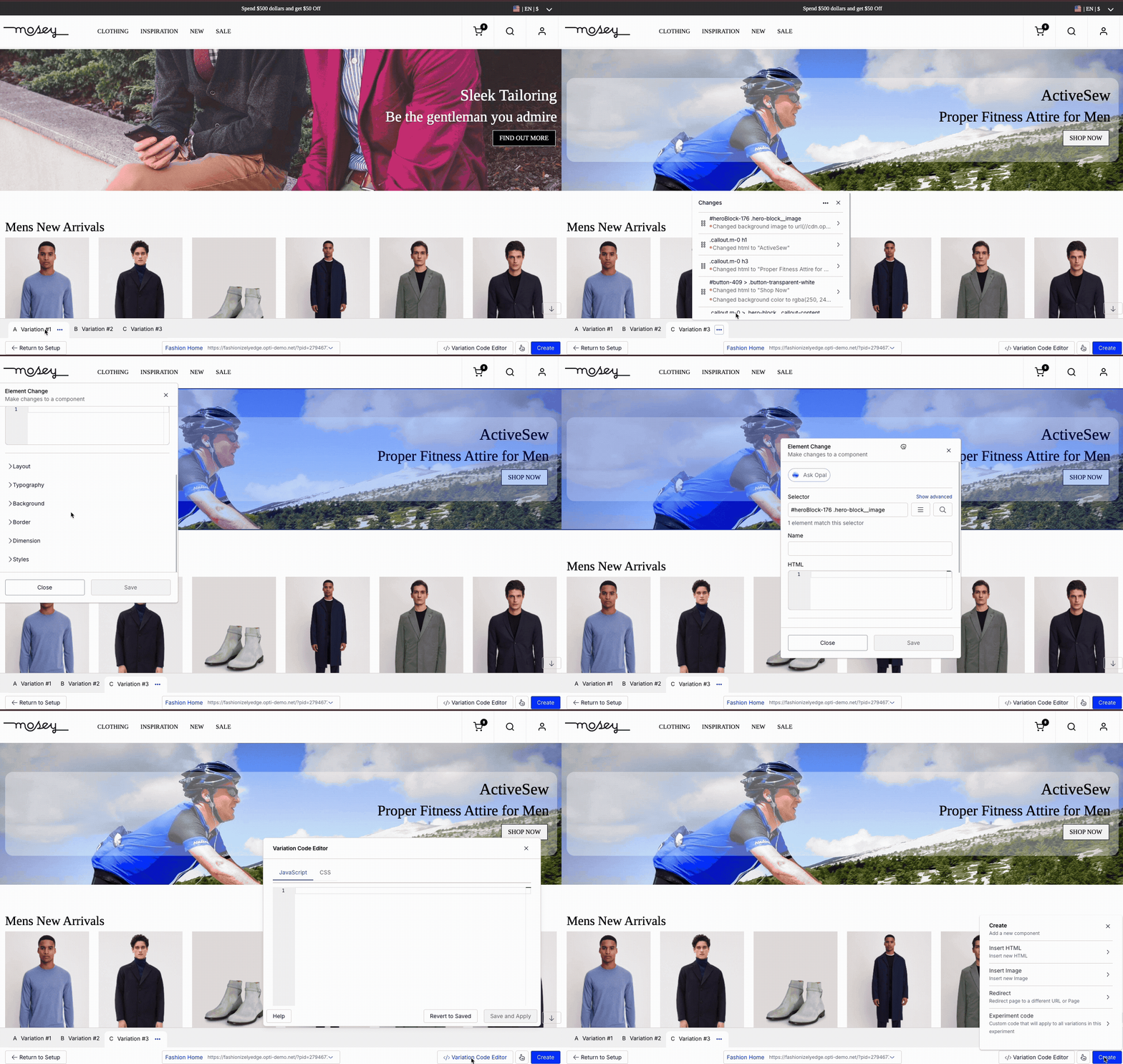
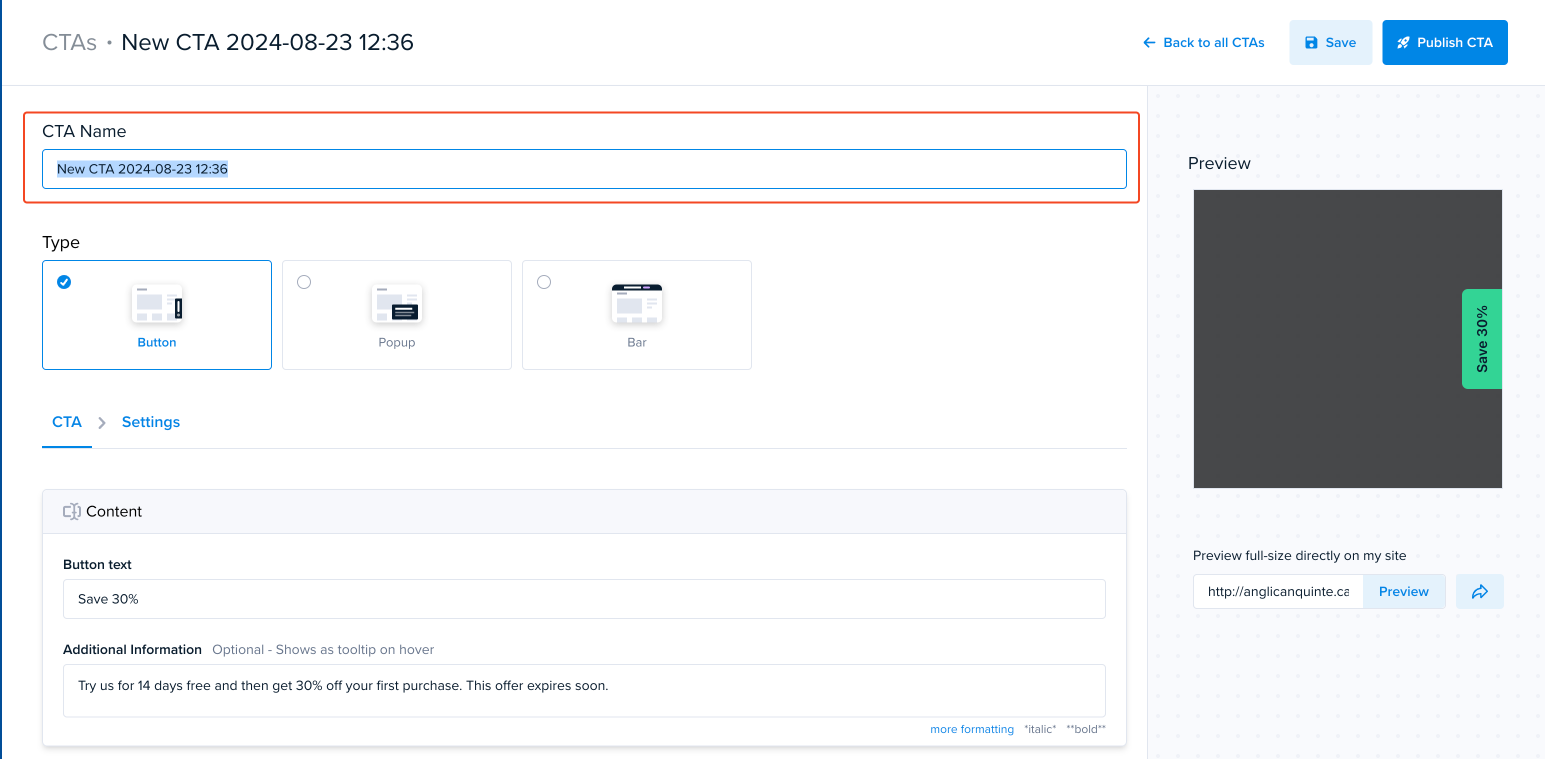
Crazy Egg provides a streamlined visual editor that empowers marketers to launch A/B and split-URL tests without code. Its "Multi-Arm Bandit" (MAB) testing is a standout, automatically shifting traffic to winning variants to protect conversion rates during the test.
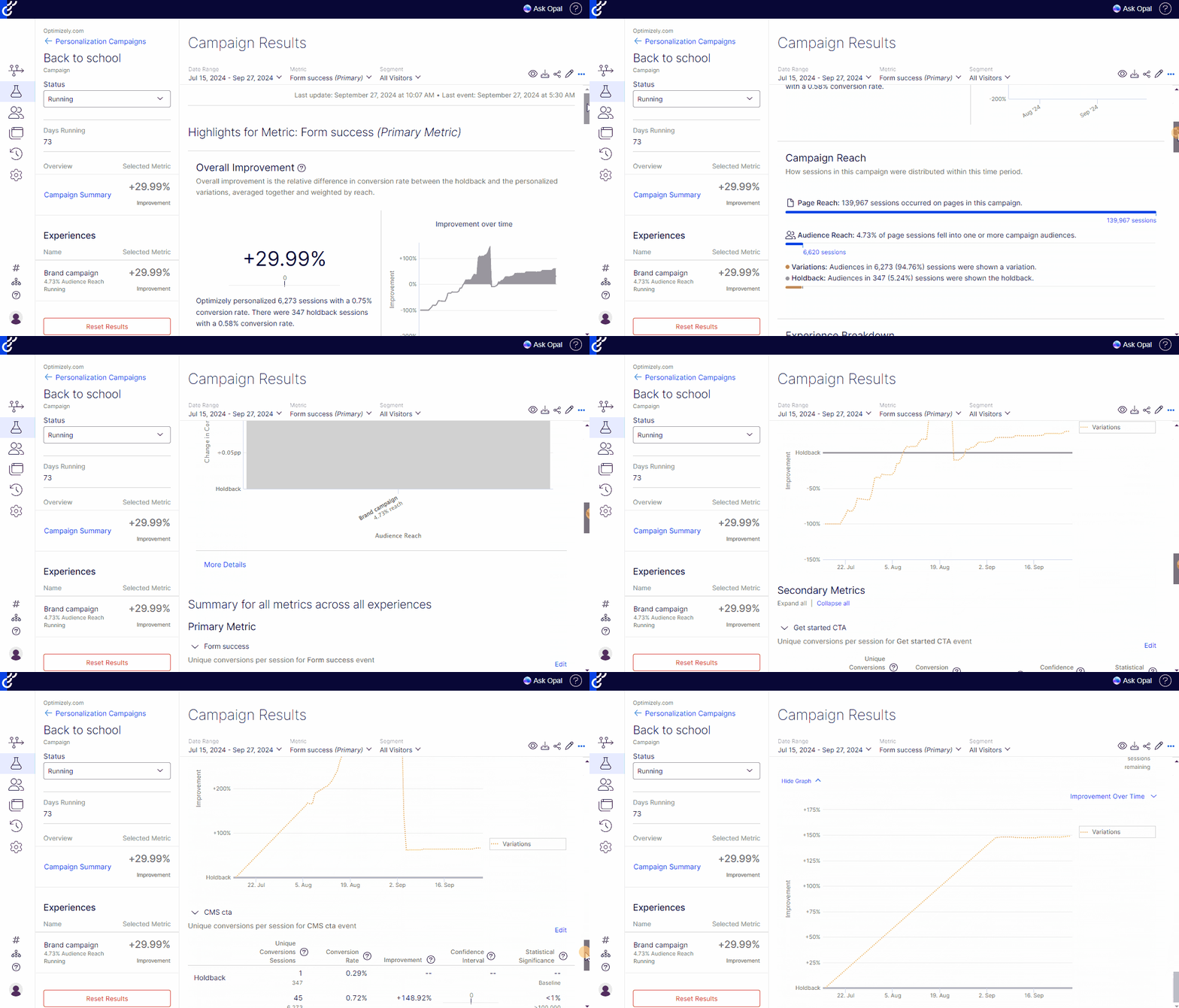
Optimizely’s Web Experimentation is significantly more robust. It supports multivariate testing, multi-page experiments, and server-side testing via feature flags. It is built for teams that have dedicated engineering resources and the traffic volume to handle complex, mutually exclusive experiments that avoid the "flicker" and conflict issues common in simpler tools.
2. Behavioral Insights and Voice of Customer
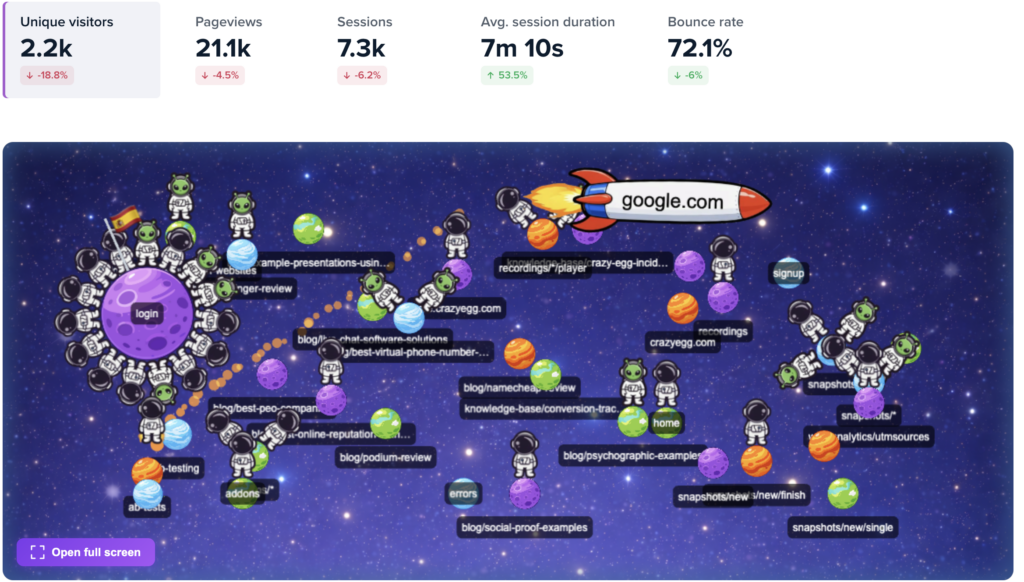
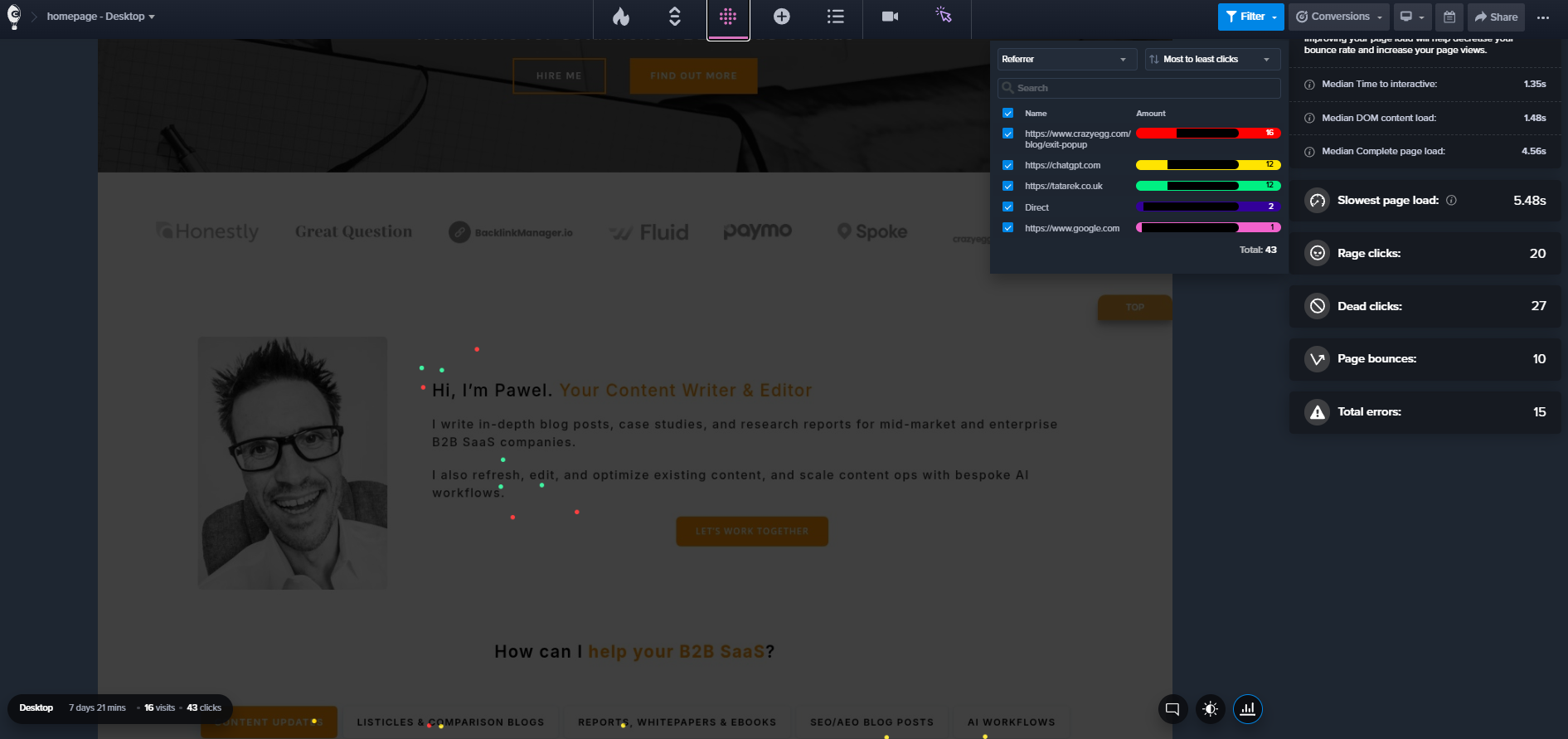
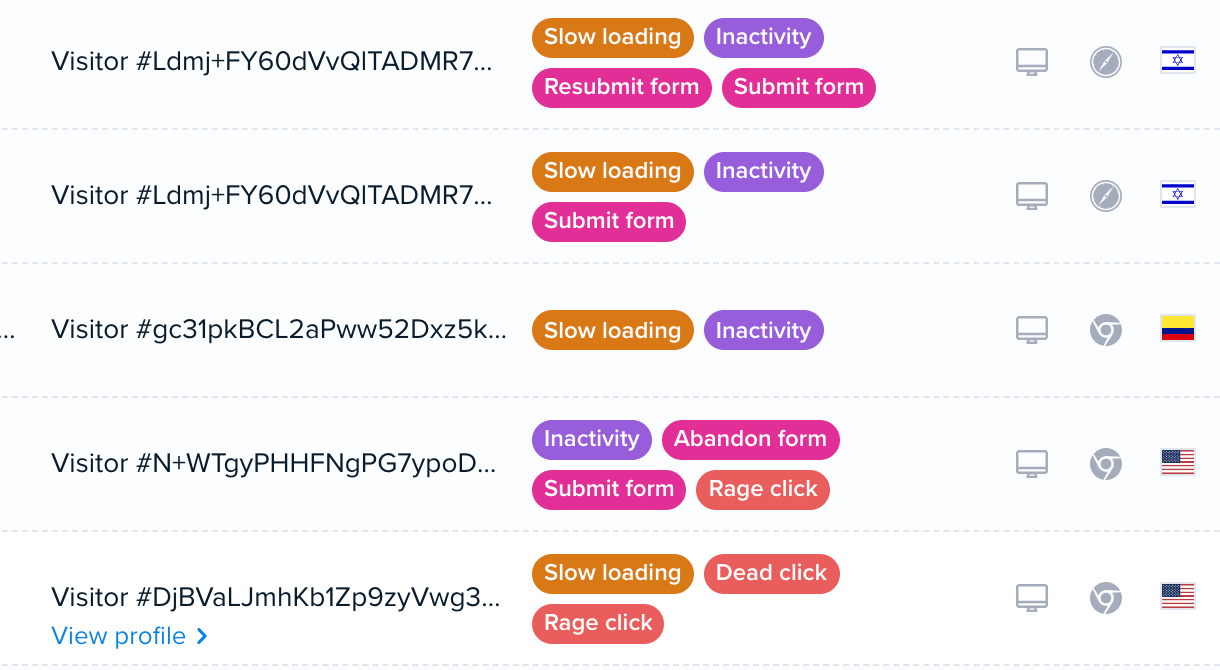
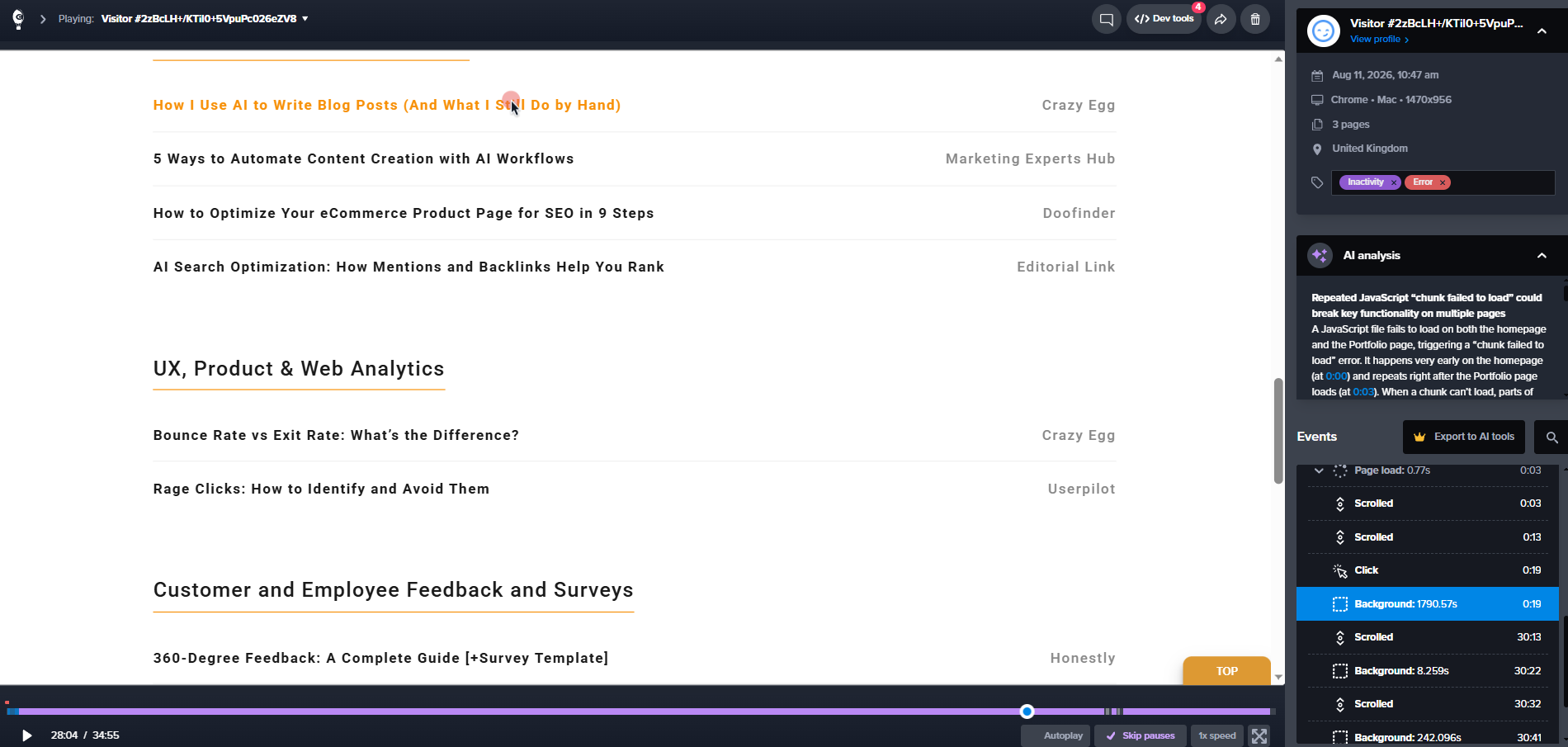
This is where the two platforms diverge most sharply. Crazy Egg includes native heatmaps, session recordings, and surveys. These tools are not just "added on"—they are deeply integrated. For example, a survey response can be linked to a specific session recording, allowing teams to watch exactly what a frustrated user was doing when they submitted a negative rating.
Optimizely lacks these native features. To get heatmaps or recordings within an Optimizely environment, teams must integrate third-party tools. While Optimizely’s "Opal" agent can interpret heatmap images from third parties to generate test ideas, it is a secondary, indirect workflow compared to the native, real-time data flow in Crazy Egg.
3. Analytics and Reporting
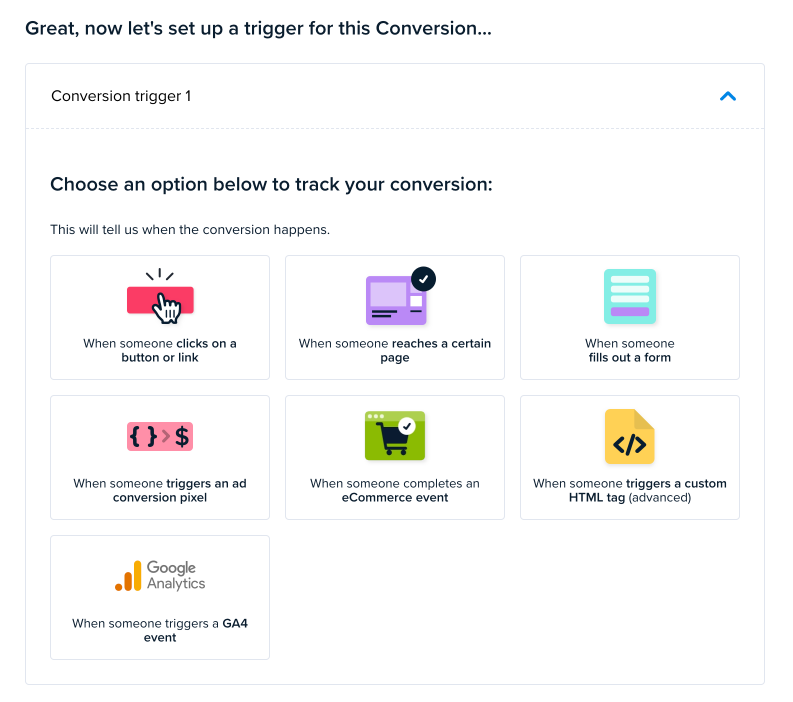
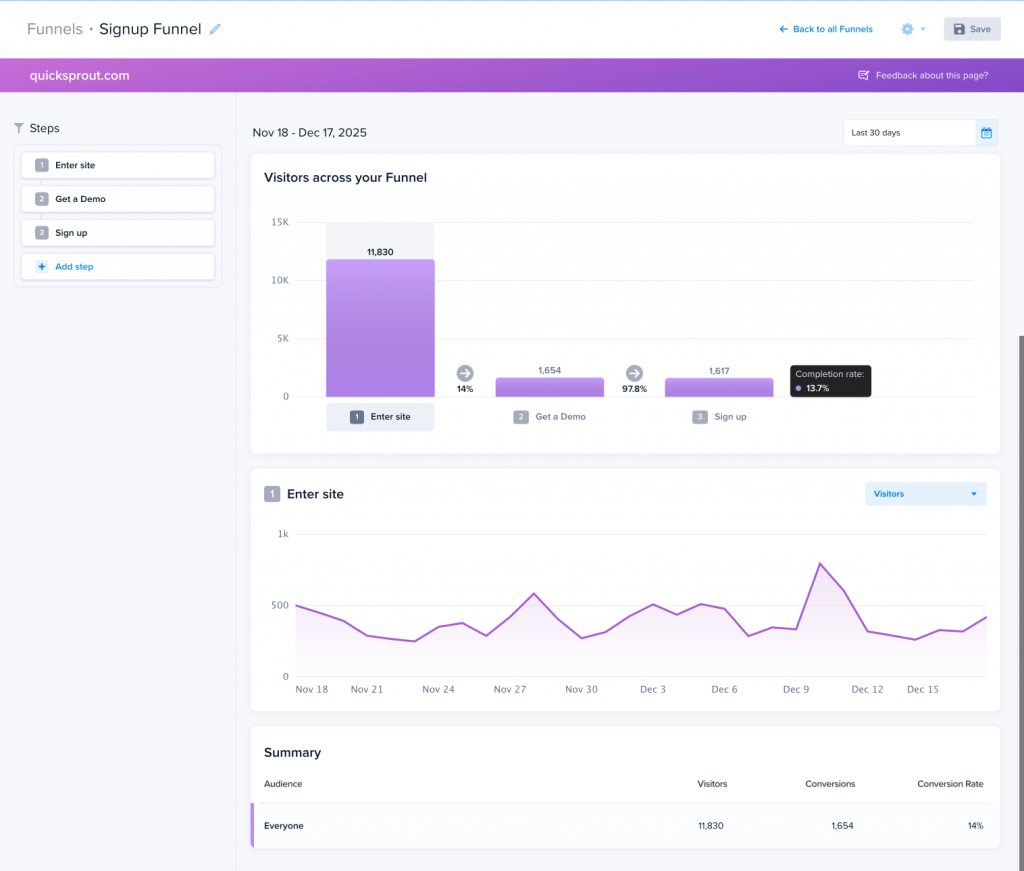
Crazy Egg offers a "three-layer" analytics approach: Web Analytics (traffic metrics), Conversion Analytics (goal tracking), and Conversion Funnels (journey visualization). Its integration with GA4 is seamless, allowing for granular segment filtering.
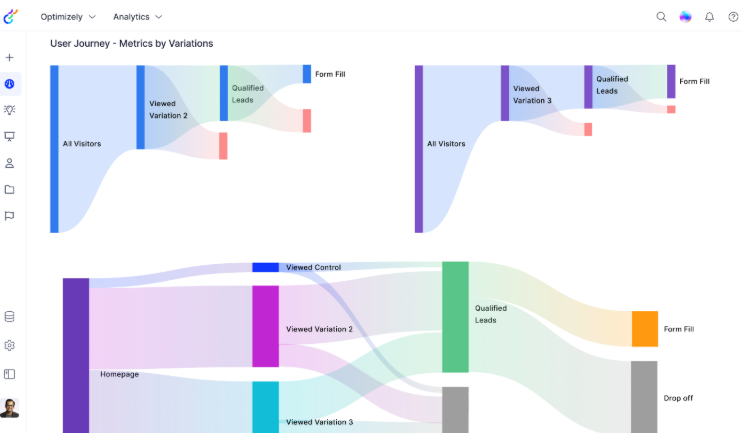
Optimizely, however, relies on its warehouse-native analytics product for deeper insights. It provides multi-touch attribution and complex customer journey path analysis. While superior for data-science-heavy organizations, it shifts the burden of data modeling onto the client, requiring significantly more internal technical expertise to set up and maintain.
Official Stances and Strategic Implications
The Case for Crazy Egg (Efficiency and Agility)
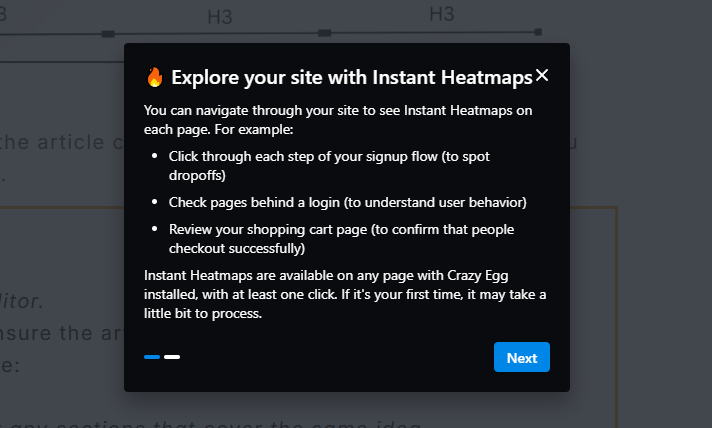
Crazy Egg’s strategic value proposition is time-to-insight. By offering an all-in-one suite, it eliminates the "silo effect" where a team might have one tool for heatmaps, another for testing, and another for analytics. For mid-market companies or fast-moving growth teams, the ability to launch a test, monitor heatmaps for that specific variant, and gather user feedback via surveys—all in one dashboard—is an operational superpower.
The Case for Optimizely (Enterprise Scale and Integration)
Optimizely’s strategic value lies in consolidation and depth. If an organization already uses Optimizely for its CMS, DAM, and Commerce, adding Web Experimentation creates a unified digital experience. It is the platform of choice for global enterprises that need to manage thousands of variations across multiple regions and require stringent, ISO-certified security protocols and deep API-first connectivity.
Supporting Data: The Financial Reality
The financial models of these two platforms are fundamentally different:
| Metric | Crazy Egg | Optimizely |
|---|---|---|
| Pricing Transparency | Publicly listed ($29–$599/mo) | Quote-only (Custom/Enterprise) |
| Median Contract | Self-serve annual billing | $50k–$80k+ (Experimentation only) |
| Implementation | Days (via one script) | Months ($50k–$200k+ in services) |
| Renewal Terms | Standard annual | 3–7% annual escalators common |
The "hidden" costs of Optimizely are the professional services required for implementation and the need to license multiple products (Personalization, Analytics, CMS) to achieve a "full" experience. Conversely, Crazy Egg’s transparent pricing model makes it predictable for CFOs and department heads, removing the friction of long-term contract negotiations.
Implications for Future Growth
When deciding between these two, leadership must weigh the "Cost of Complexity" against the "Cost of Capability."
- The Complexity Risk: Optimizely requires a dedicated "Optimization Team." If your organization lacks the headcount to manage a sophisticated experimentation program, the platform’s power becomes an underutilized, expensive burden.
- The Capability Gap: If your growth strategy relies on advanced server-side experimentation or complex multi-touch attribution across a global commerce stack, Crazy Egg will eventually hit a ceiling. It is not built to be a global DXP; it is built to be the best conversion optimization tool on the market.
Final Verdict
Choose Crazy Egg if: You are an agile team or a growing enterprise that values speed, ease of use, and a consolidated workflow. If you want to see exactly how your users behave and test changes without hiring a team of engineers, Crazy Egg is the clear choice.
Choose Optimizely if: You are an enterprise-level organization with complex, multi-site architecture, deep engineering resources, and a need for server-side testing or warehouse-native analytics. If you are already invested in the broader Optimizely ecosystem (CMS, Commerce, CDP), the platform offers a unified depth that is difficult to replicate with separate tools.

In the final analysis, your choice should be dictated by your optimization maturity. Start with the platform that fits your current operational reality—not the one that promises capabilities you aren’t yet prepared to manage. If you are leaning toward the all-in-one efficiency of Crazy Egg, the path to implementation is short, and the 30-day free trial offers a low-risk opportunity to validate its impact on your conversion funnel immediately.
