
The Agency Operational Audit: How to Choose the Right CRM for Scalable Growth
For many digital agencies, the mantra "Pick a CRM and the rest will follow" is a dangerous fallacy. In reality, a poorly vetted CRM implementation often acts as a silent growth killer. When onboarding slows down, pipelines become fragmented, and client communications scatter across disparate tools, the true cost isn’t the software subscription—it’s the "operational drag" caused by constant context switching, inconsistent data, and clunky team handoffs.
As agencies navigate the complex landscape of 2026, the challenge lies in selecting a platform that does more than just store contact information. To scale effectively, agencies need systems that standardize the client lifecycle, provide visibility into project health, and integrate seamlessly with their communication stack.
The Reality of Agency Operations
"CRM" is an abstract term until it is mapped to the daily reality of agency work. For a modern agency, a CRM is the command center for the entire client lifecycle. Specifically, agencies rely on these platforms to:
- Standardize Onboarding: Automatically trigger workflows when a deal is closed, ensuring consistent asset collection, access request protocols, and kickoff scheduling.
- Bridge Sales and Delivery: Eliminate the "black box" between the sales team and the delivery team by centralizing scopes, expectations, and project timelines.
- Manage Financial Health: Provide real-time visibility into pipeline capacity, revenue forecasting, and at-risk accounts.
- Streamline Reporting: Replace the manual, time-consuming process of building quarterly reports with automated dashboards that pull from a single source of truth.
- Automate Renewals: Shift from manual tracking to automated alerts and nurture sequences that protect recurring revenue.
A Comparative Analysis: Top CRMs for Agencies in 2026
When evaluating tools, agencies must look beyond generic "contact management" and stress-test platforms against these operational requirements. Below are the leading contenders for the current market, categorized by their primary strengths.
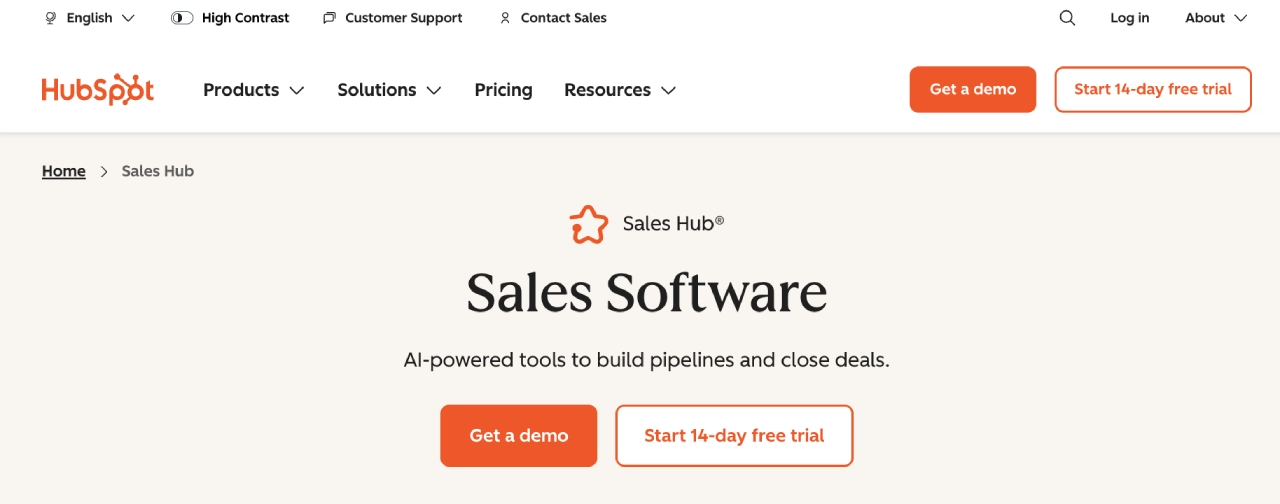
1. HubSpot Sales Hub – Best for Scaling Multi-Service Agencies
HubSpot remains the gold standard for agencies that need to balance user-friendliness with enterprise-grade power. With its robust native email capabilities and extensive integration ecosystem, it excels at handling multi-service lines.
- Pros: Deep automation, world-class reporting, and a massive app marketplace.
- Cons: Professional and Enterprise tiers carry a significant price tag and often require dedicated onboarding time.
2. Pipedrive – Best for Sales-Centric Teams
For agencies that prioritize the speed and clarity of the sales process, Pipedrive offers a clean, visual-first approach. It minimizes friction for sales reps, allowing them to focus on conversion rather than data entry.
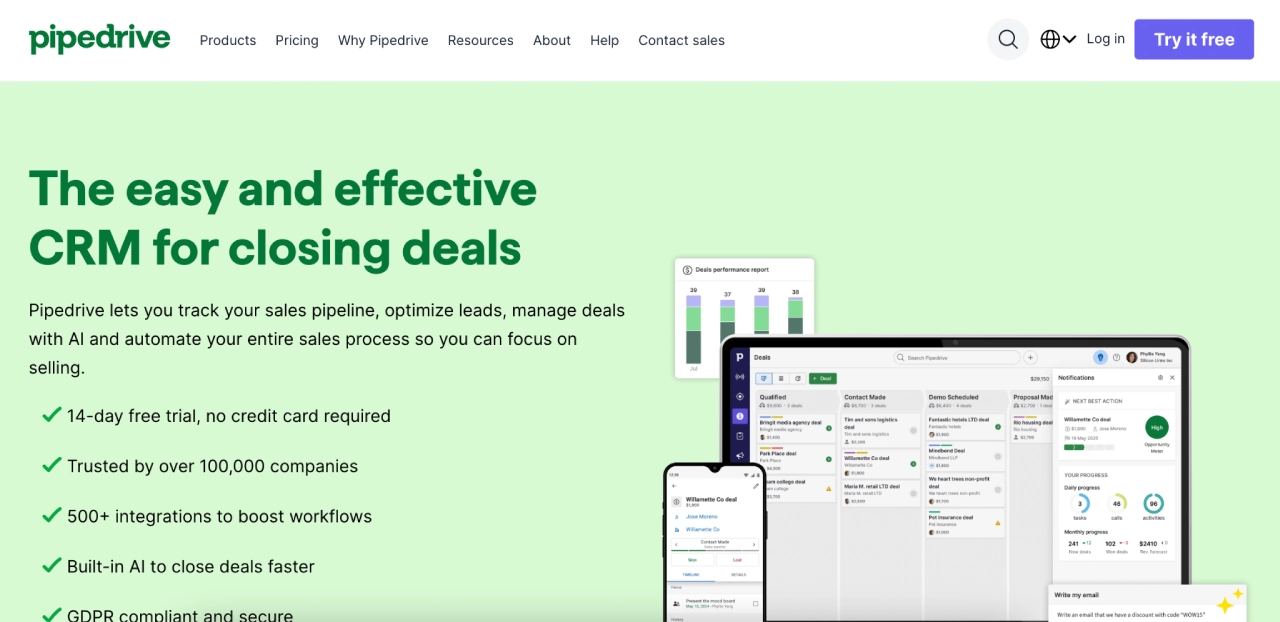
- Pros: Highly intuitive interface and excellent visual pipeline management.
- Cons: Limited native marketing features; advanced automation requires higher-tier plans.
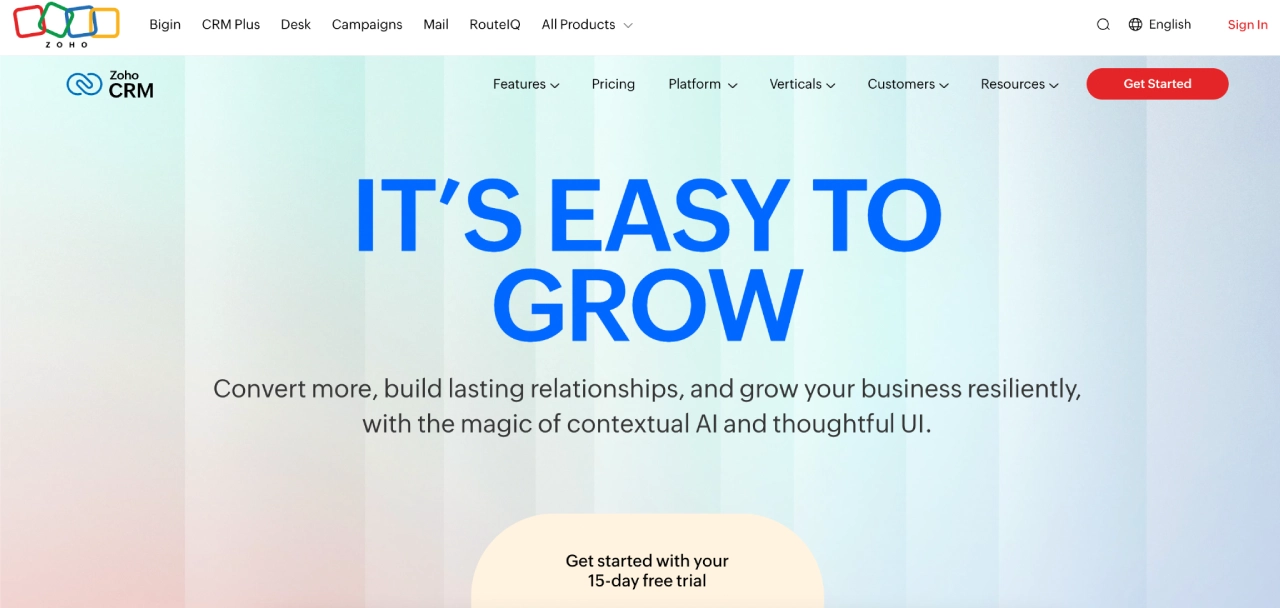
3. Zoho CRM – Best for Customization and Value
Zoho offers a "best-of-both-worlds" scenario for agencies that need high levels of customization without the enterprise-tier cost. With features like the AI-powered assistant "Zia" and deep journey orchestration, it is a powerhouse for mid-sized teams.
- Pros: Highly flexible; broad feature set available at competitive price points.
- Cons: The interface can feel cluttered, and the initial setup is a significant time investment.
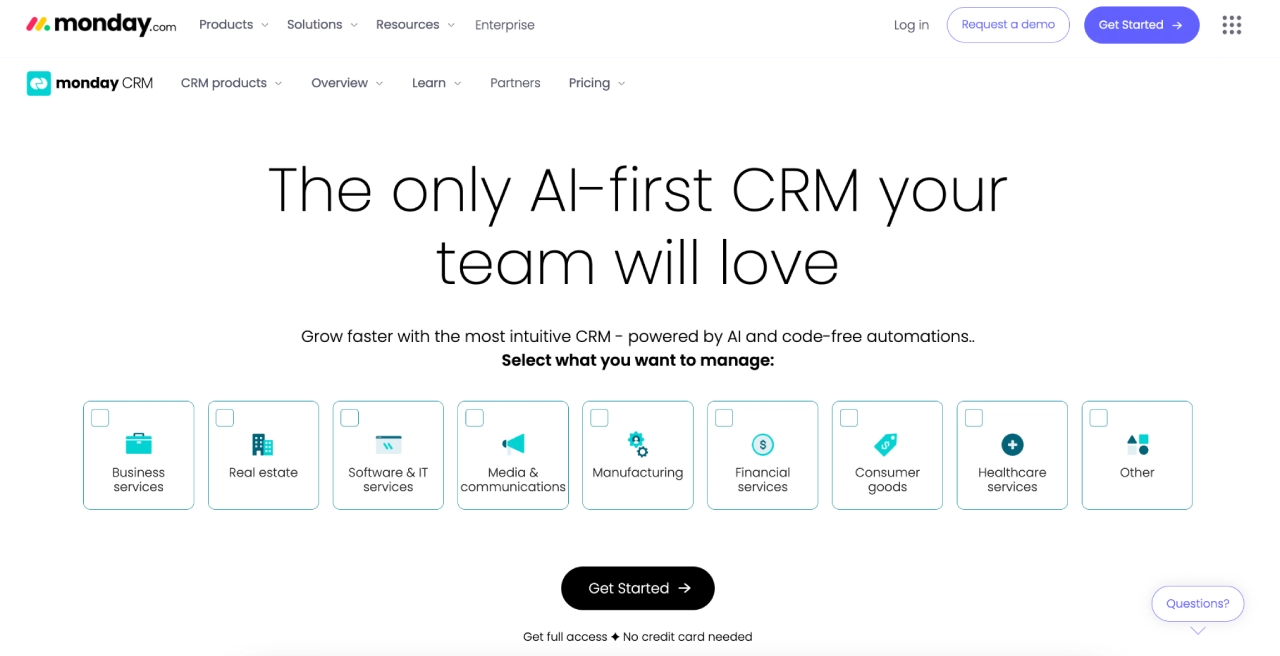
4. monday sales CRM – Best for "Work + CRM" Collaboration
By building its CRM on a Work OS platform, monday.com allows sales, accounts, and project management teams to collaborate in the same space.
- Pros: Exceptional for cross-department visibility; no-code automation is highly accessible.
- Cons: Costs scale quickly as you add users and advanced automation features.
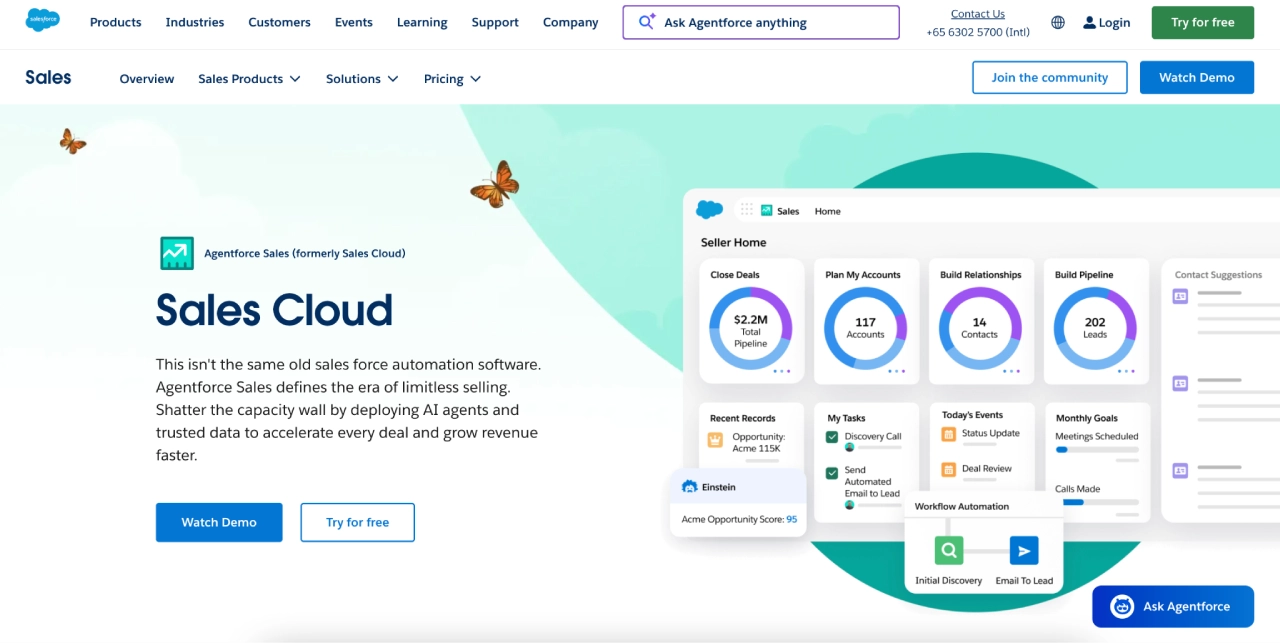
5. Salesforce Sales Cloud – The Enterprise Standard
For agencies with complex governance needs, strict compliance requirements, or multi-layered approval processes, Salesforce remains the industry leader.
- Pros: Unlimited customization potential; robust security and enterprise-grade forecasting.
- Cons: High total cost of ownership; usually requires a dedicated administrator or consultant to manage.
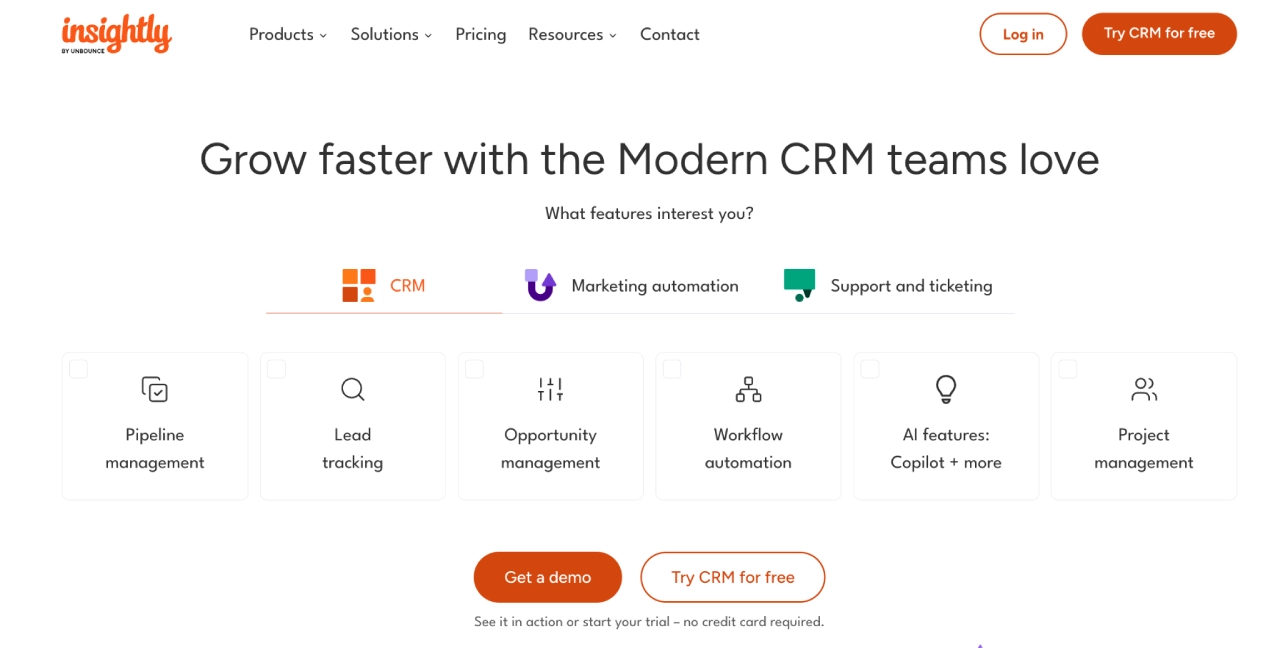
(Note: Additional solutions such as Insightly, Podio, Apptivo, Productive.io, EngageBay, and Stackby offer specialized niches ranging from built-in project management to spreadsheet-database flexibility.)
The 4C Evaluation Model for Agencies
To objectively score potential CRMs, agencies should employ the "4C Model." This framework moves beyond feature lists to assess how a tool actually impacts daily operations:
- Clarity: How easily can your team and your clients understand the status of a project? Is the pipeline visual, and are the stages intuitive?
- Collaboration: Does the tool facilitate communication between sales, account managers, and project delivery teams? Does it support role-based permissions to protect sensitive client data?
- Customization: Can the platform adapt to your agency’s specific workflows, or are you being forced to change your business model to fit the software?
- Connectivity: Does the tool integrate deeply with your existing stack (e.g., Campaign Monitor for email, project management software, and accounting tools)?
The Strategic Role of Communication: The Campaign Monitor Advantage
A CRM is the repository of your data, but your communication stack is the voice of your agency. Regardless of the CRM you choose, pairing it with Campaign Monitor provides a critical advantage: the ability to execute reliable, brand-consistent client communications at scale.
While the CRM handles the "who, when, and how much," Campaign Monitor handles the "what"—the actual touchpoints that nurture relationships.
Playbook: The CRM + Campaign Monitor Synergy
- Onboarding: When a CRM marks a deal as "Closed/Won," use an automated trigger to start a personalized onboarding journey in Campaign Monitor, walking the client through asset collection.
- Weekly Status: Keep your CRM as the single source of truth for project health, but use Campaign Monitor to send a branded, professional weekly status summary to the client.
- QBR Prep: 30 days before a Quarterly Business Review, trigger an automated task in your CRM. Then, use Campaign Monitor to send a data-backed preview of the QBR to the client, increasing engagement and setting expectations.
- Renewal Nurture: Use CRM data (renewal dates, usage levels) to trigger a personalized retention sequence that identifies at-risk accounts early.
Avoiding the "Red Flags" of CRM Adoption
Agencies often fall into the trap of purchasing software that looks great in a demo but fails in production. Before committing to a contract, be wary of these common warning signs:

- Lack of Role-Based Permissions: If you cannot granularly control what a contractor or a client can see, you will inevitably create security risks.
- One-Way Integrations: If a CRM requires manual CSV exports to move data into your project management or billing tools, it is not a solution; it is a bottleneck.
- Rigid Volume Caps: Ensure the platform scales with your client roster. Many CRMs look affordable until you reach a specific contact limit, triggering a massive price hike.
- No Clear Migration Path: If a vendor cannot provide a structured, guided plan for importing your existing data, the operational burden of the switch will fall entirely on your team.
Implications for Long-Term Growth
The decision to switch or upgrade your CRM should never be taken lightly. If your team is struggling, first conduct an internal audit: are the issues stemming from the software, or from broken internal processes? If the problem is "workflow fundamentals," switching to a new CRM will simply relocate your dysfunction to a new, more expensive interface.
However, when an agency has outgrown its manual processes, the move to a specialized CRM—integrated with a professional email marketing suite like Campaign Monitor—is the catalyst for predictable growth.
By standardizing your pipelines, automating the "busy work" of status updates and renewals, and ensuring that your team is speaking the same language, you shift your agency from a reactive service provider to a proactive partner. Ultimately, the best CRM is the one that disappears into the background, allowing your team to focus on what they do best: delivering exceptional results for your clients.
