
The AI Marketing Revolution: Scaling Strategy and Substance in 2026
The narrative surrounding Artificial Intelligence in marketing has shifted. In previous years, the conversation centered on "saving time"—the novelty of generating a quick email or a social media caption. Today, in 2026, the conversation has matured into a discussion of fundamental structural change. AI tools are no longer merely efficiency plays; they are the architectural foundation for brands looking to achieve deep personalization, rapid execution, and data-driven precision at a scale that was previously impossible for human teams alone.
For marketing agencies and in-house teams, the real expense in 2026 is no longer the subscription fee for a software suite. The true cost is the "opportunity tax"—the hours bled away by manual data entry, the generic messaging that fails to convert, and the high-stakes decisions made without the benefit of real-time predictive analytics. As the landscape grows more competitive, those who leverage AI are pulling ahead by executing faster, personalizing deeper, and optimizing their funnels in a continuous, automated loop.
The Evolution of Marketing Efficiency: A 2026 Chronology
The trajectory of AI integration in marketing has accelerated rapidly over the last 24 months.
- 2024 (The Era of Generative Curiosity): Marketing teams began experimenting with LLMs (Large Language Models) to draft blog posts and social captions. Most efforts were siloed, disjointed, and lacked brand consistency.
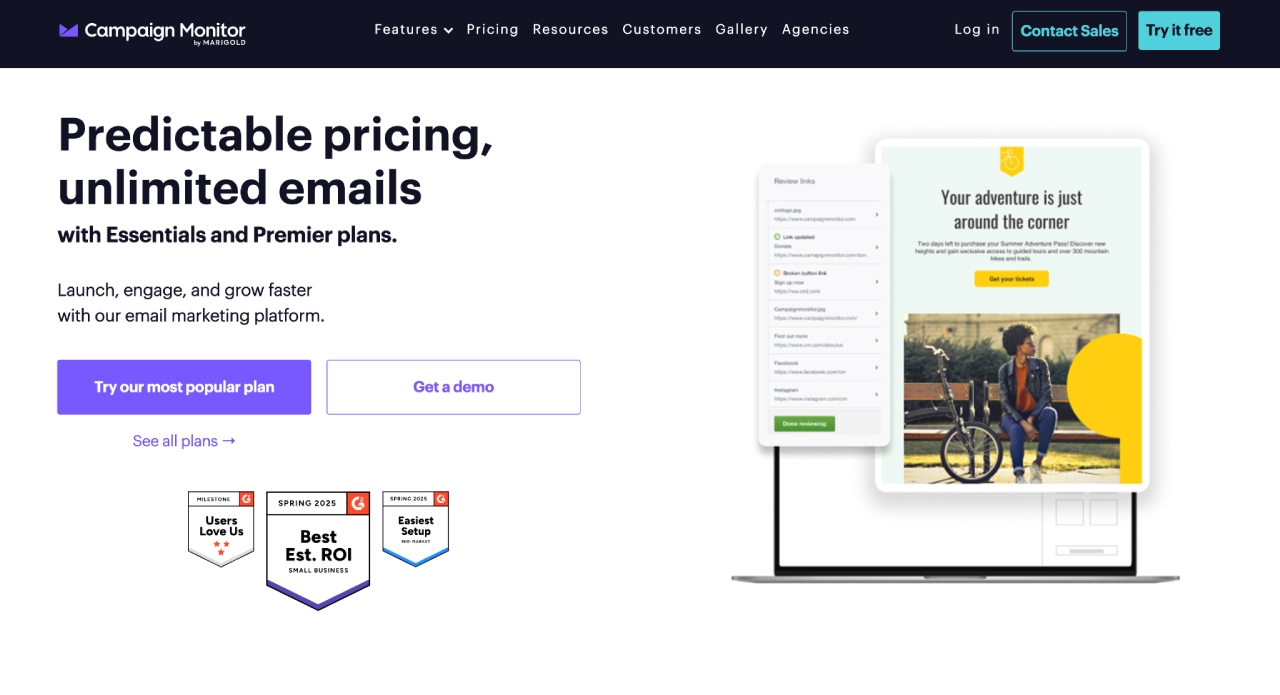
- 2025 (The Integration Phase): Tools like Campaign Monitor, HubSpot, and Salesforce began baking AI directly into the CRM and ESP infrastructure. The focus shifted from "creation" to "orchestration," where AI began managing automated customer journeys and dynamic content blocks.
- 2026 (The Era of Autonomous Orchestration): We have reached the current state of maturity. AI is now embedded in the full stack—from onsite popups and SMS cart recovery to predictive attribution modeling and complex, multi-channel workflow automation. The focus is now on the "3P Model": Performance, Personalization, and Precision.
Supporting Data: Why AI is No Longer Optional
The business case for AI is no longer theoretical. Recent performance data from industry leaders underscores the tangible ROI of AI-driven marketing workflows:
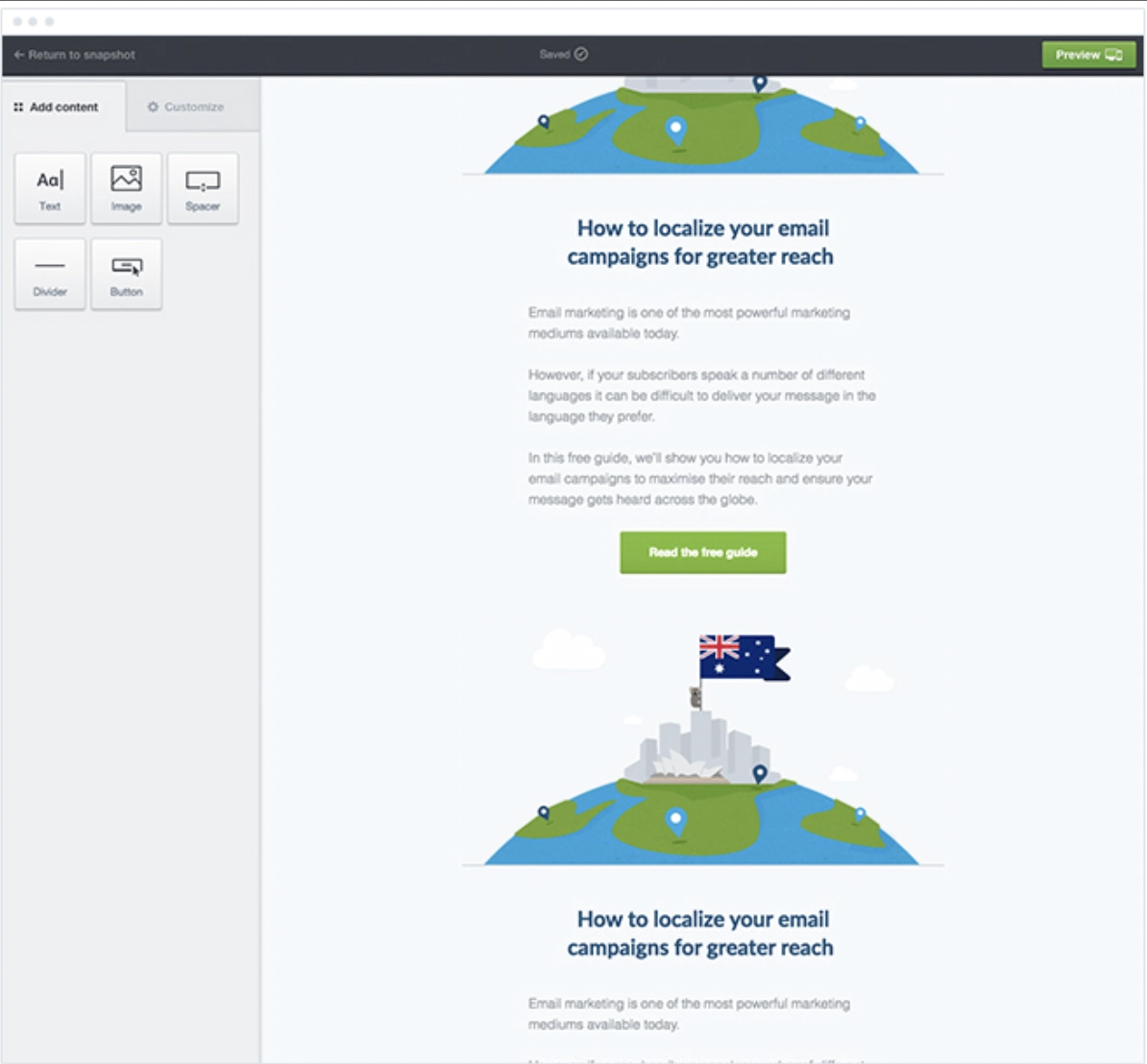
- Conversion Growth: Brands utilizing advanced segmentation and dynamic content, such as Campaign Monitor users, have reported massive uplifts. For instance, global e-commerce retailers have seen upwards of a 20% increase in total online sales by shifting to AI-driven personalized sends.
- Engagement Metrics: Personalized content, when scaled via AI, typically yields a 10% or higher increase in engagement rates compared to static, batch-and-blast emails.
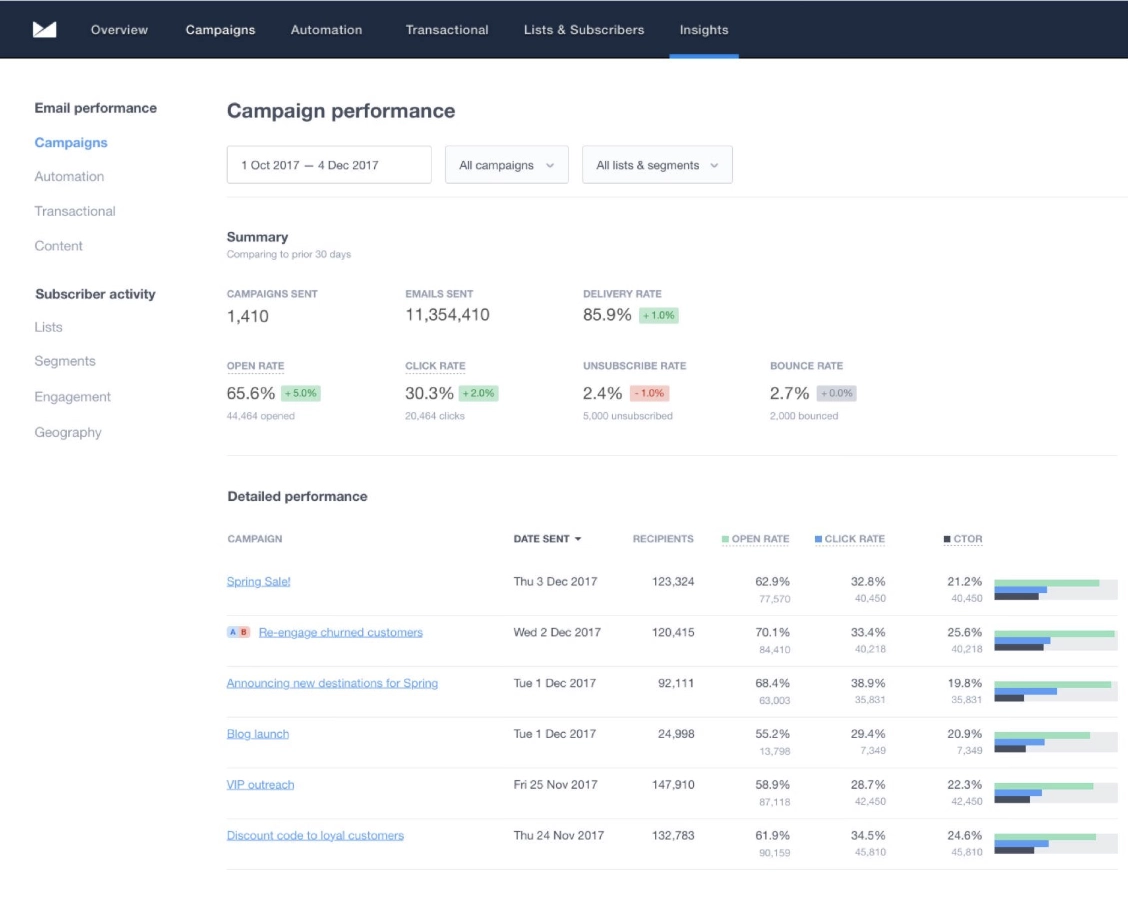
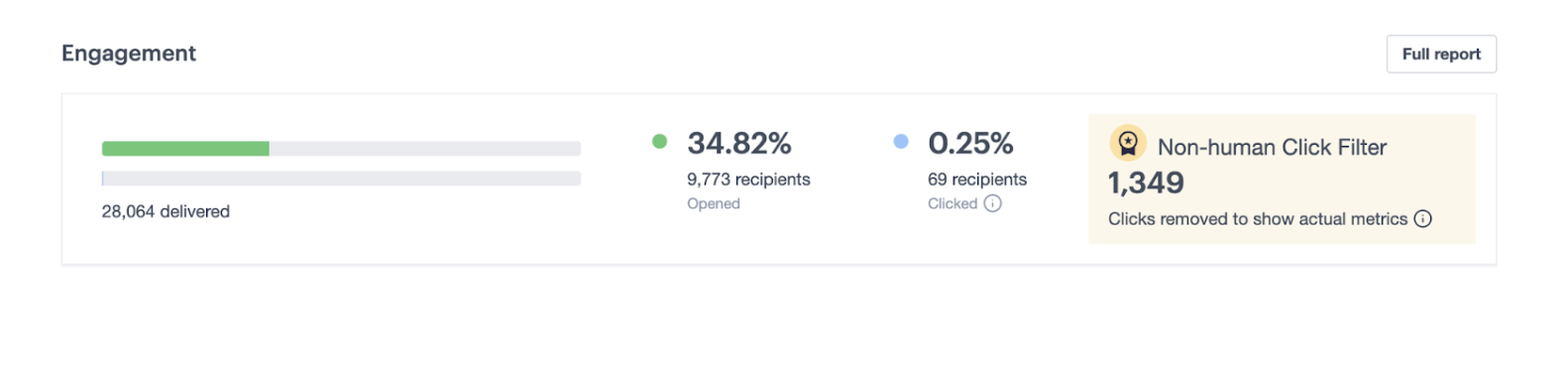
- Operational Velocity: By automating the "boring" parts of marketing—such as bot-click filtering, template maintenance, and lead scoring—teams report a 30-50% reduction in time-to-market for new campaigns.
Categorizing the AI Marketing Landscape (2026)
To navigate the crowded market of tools, it is helpful to group technologies by their primary impact on the business.
1. Email and Customer Journey Orchestration
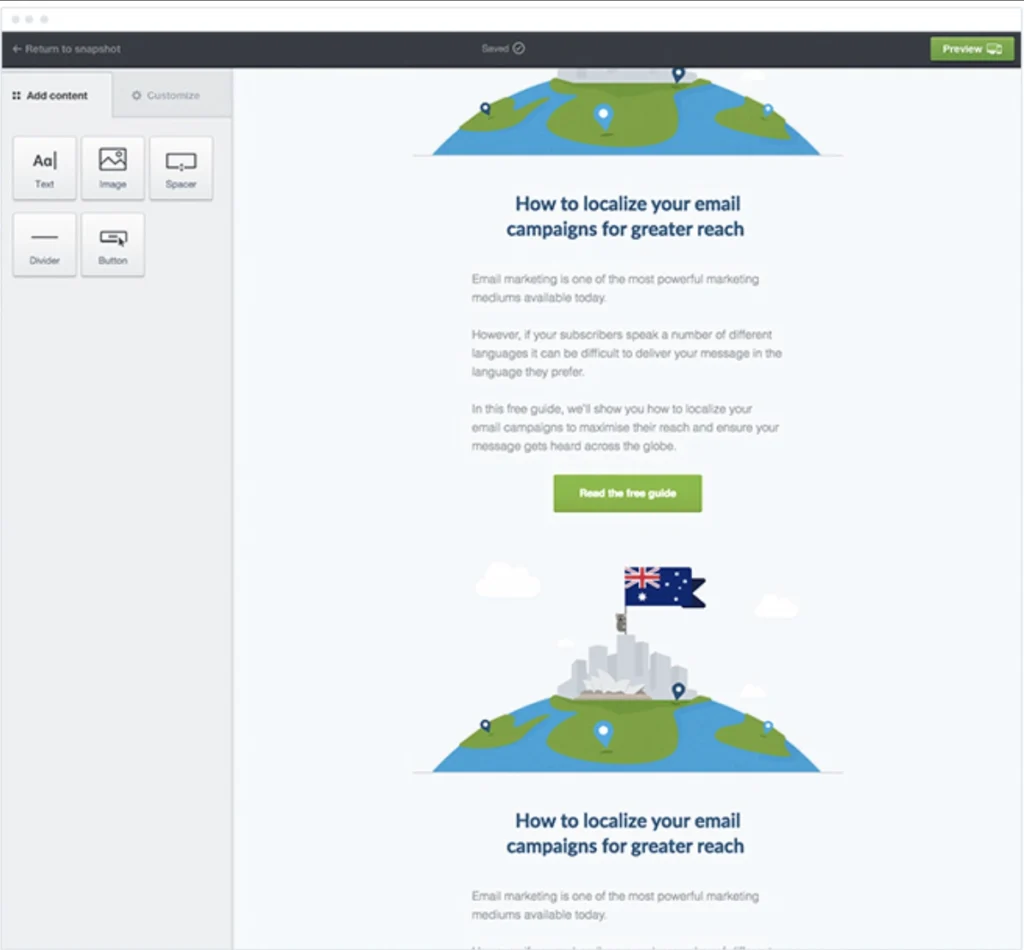
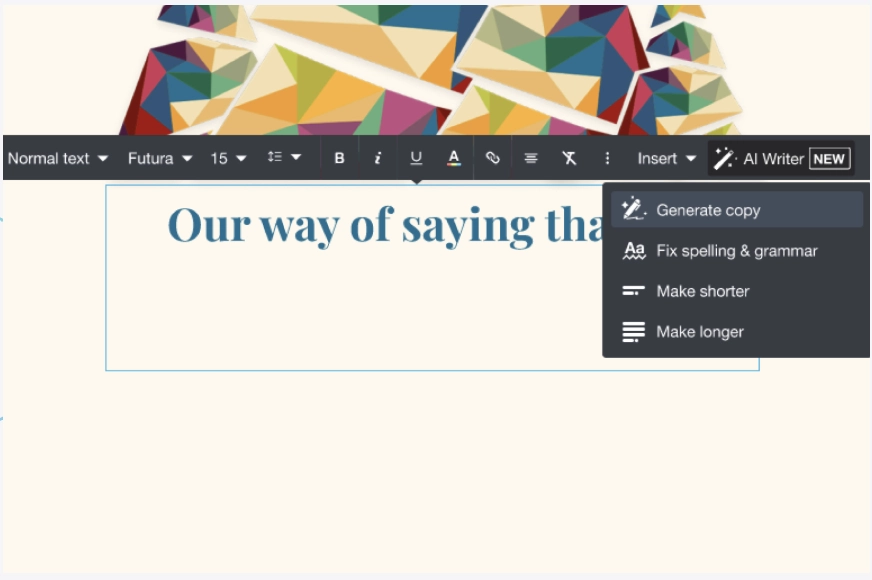
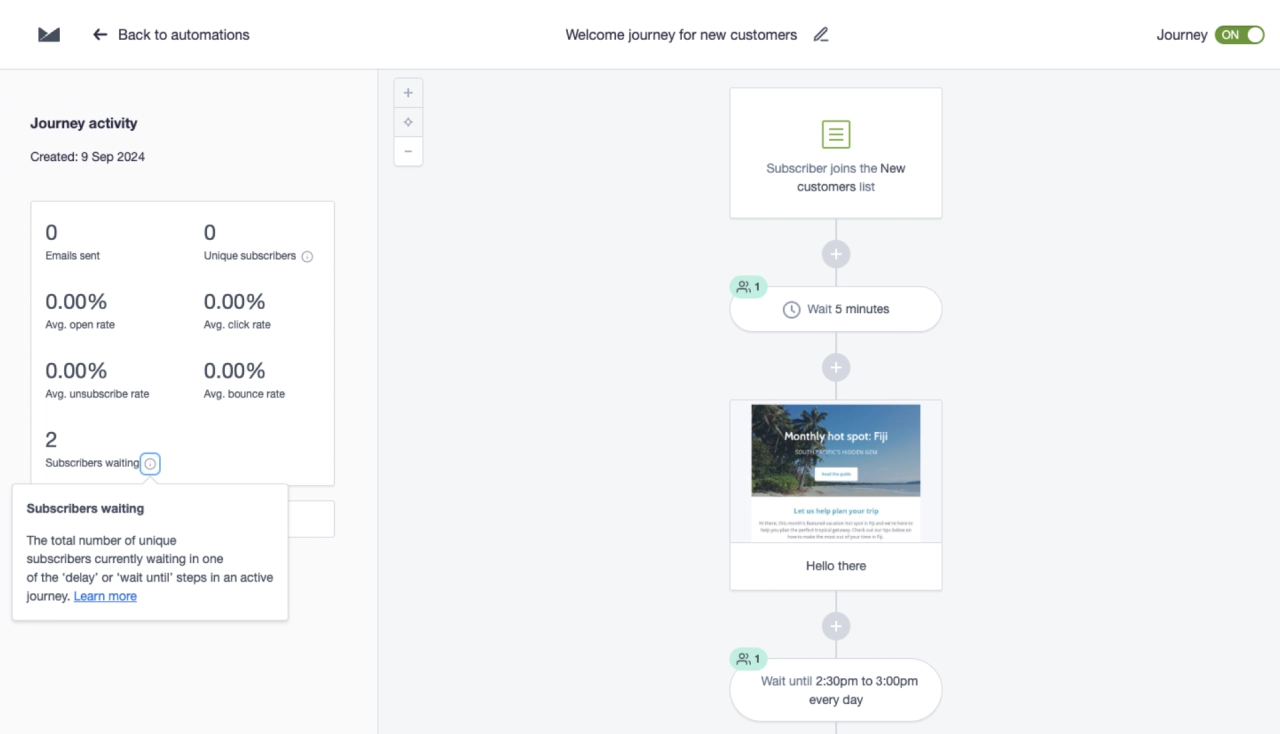
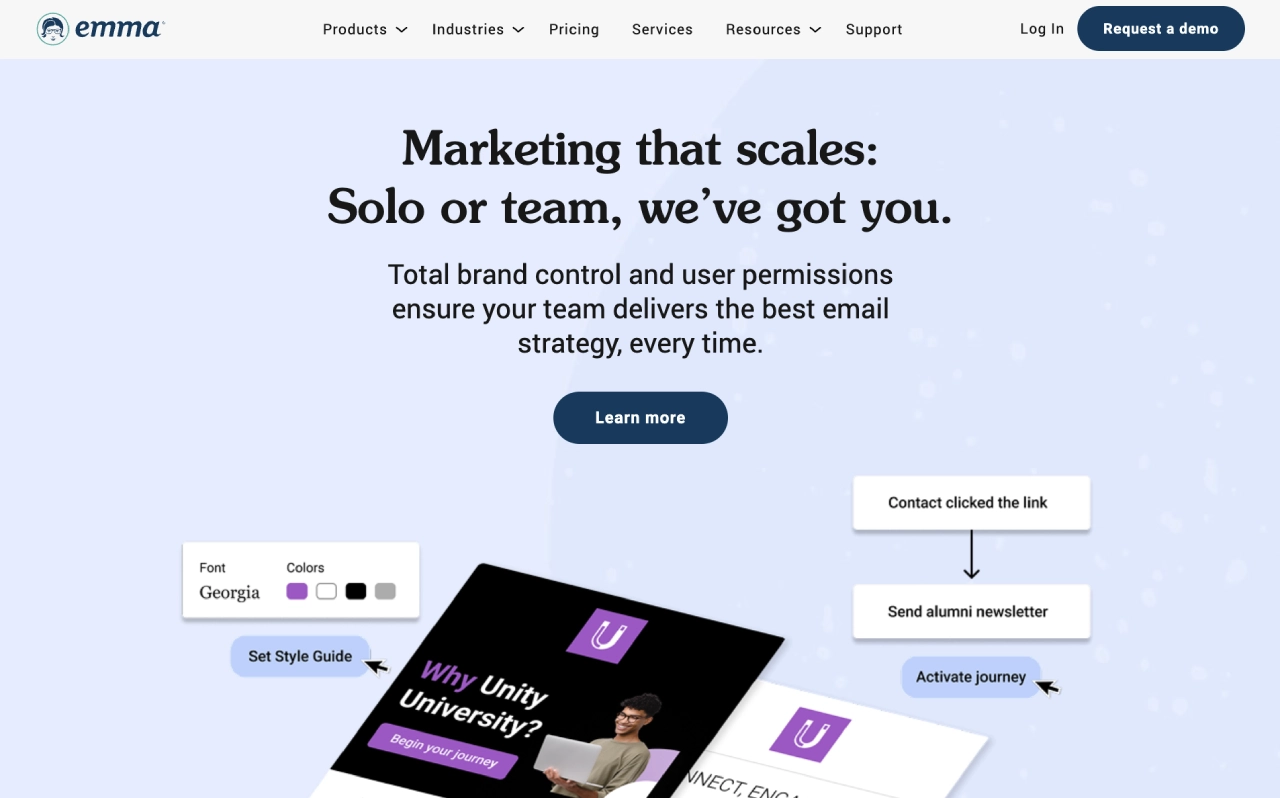
Platforms like Campaign Monitor and Emma are the engines of the modern marketing department. They have moved beyond simple "email sending" to become intelligence hubs. By utilizing AI Writers for copy, dynamic content blocks for hyper-personalization, and automated journey mapping, these platforms ensure that brands maintain a human feel at a machine-like scale.
2. Content Creation and SEO
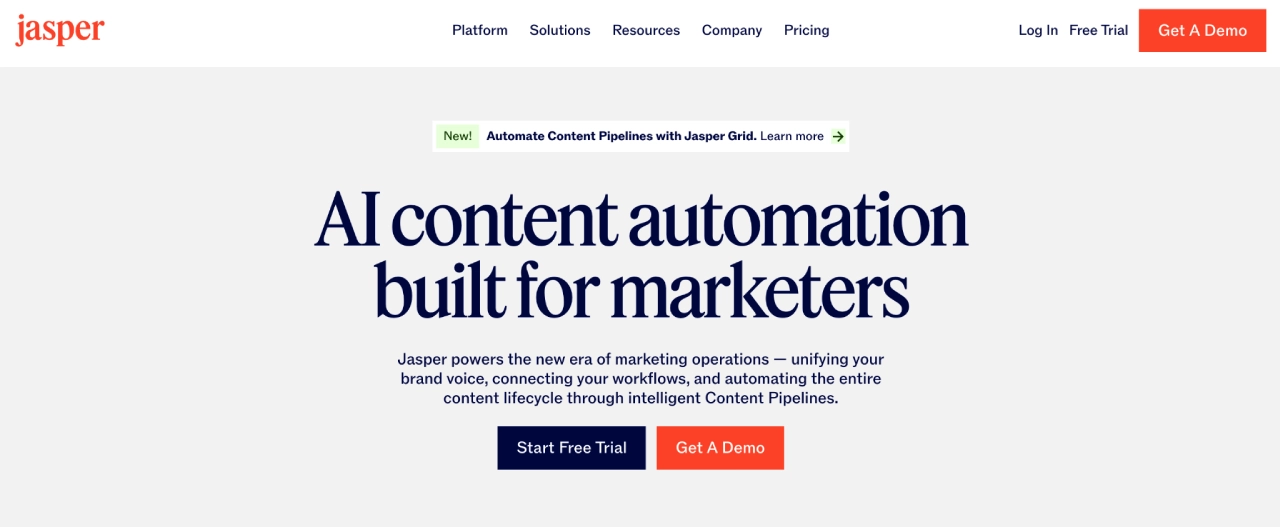
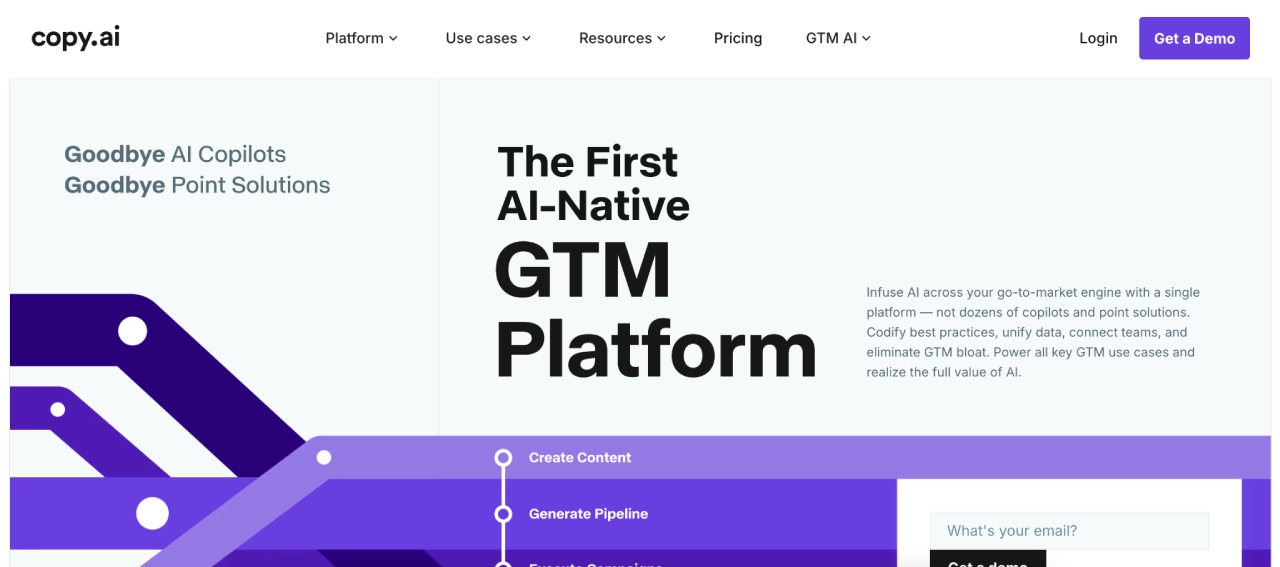
For agencies and large content teams, Jasper and Copy.ai remain the gold standard for long-form consistency. They ensure that "Brand Voice" is not a suggestion, but a technical constraint. Meanwhile, Clearscope acts as the intelligence layer for SEO, ensuring that every piece of content published is optimized for the semantic search patterns of 2026.
3. SMS and Conversational Commerce
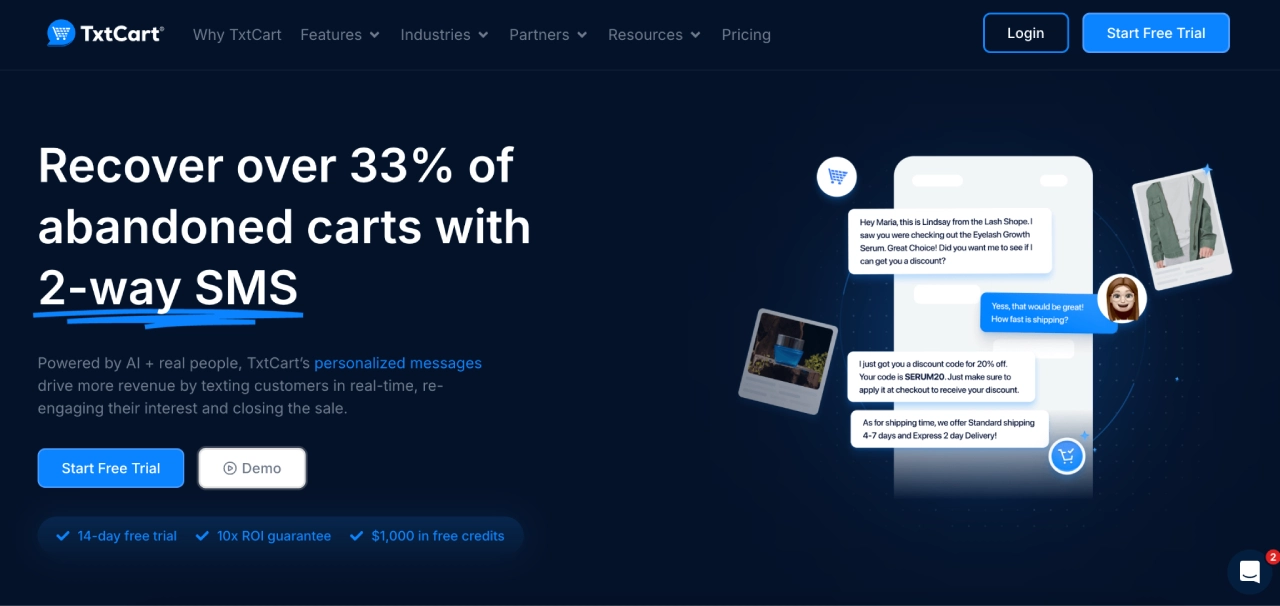
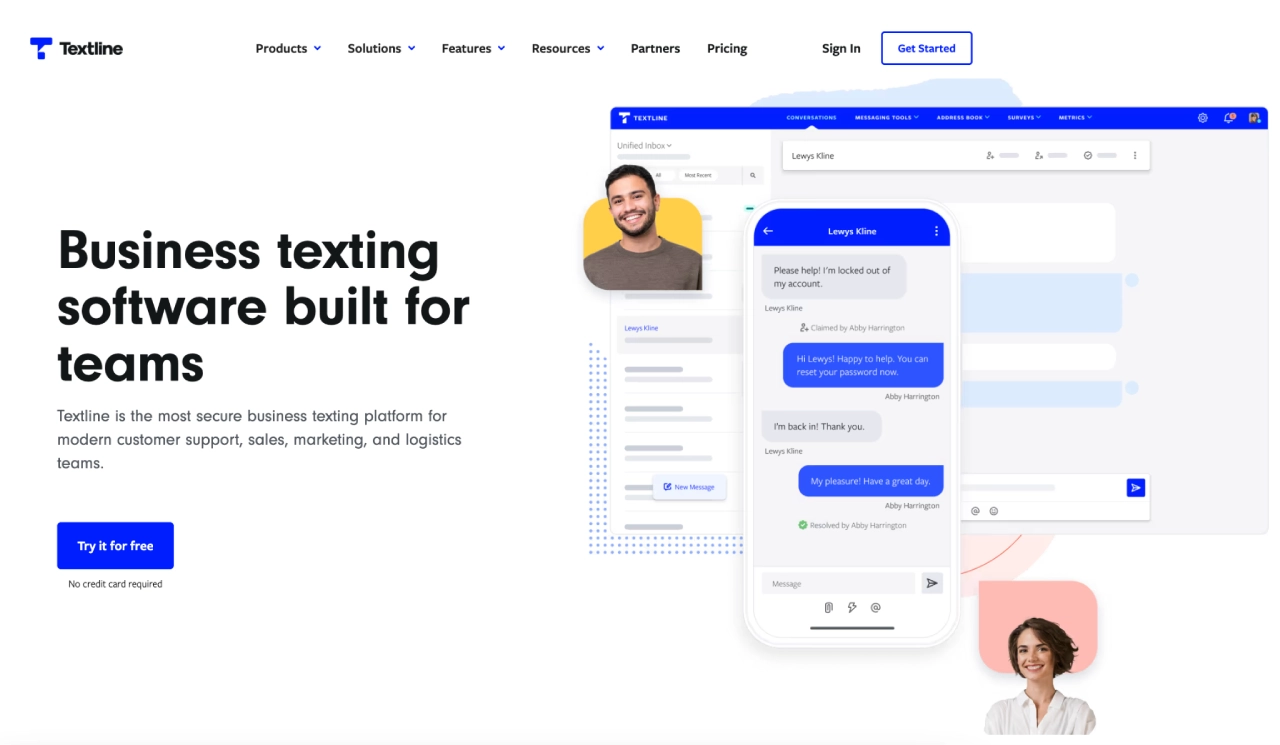
The shift toward conversational marketing is led by tools like TxtCart and Textline. These platforms utilize AI agents to handle the "dirty work" of cart recovery and customer support. By treating SMS as a two-way dialogue rather than a broadcast channel, brands can recover high-intent revenue that would otherwise be lost.
4. Analytics and Growth Intelligence
If you cannot measure it, you cannot optimize it. Atlas AI provides the attribution modeling needed to understand which creative assets actually drive revenue, while Heatmap.com bridges the gap between UX and bottom-line profit, identifying exactly which page elements prevent conversion.
Official Perspectives: The Human-AI Hybrid Model
While the technology is undeniably powerful, the consensus among industry experts is that human oversight remains the final arbiter of quality. AI is an exceptional "first-draft" engine, but it lacks the nuance of brand strategy and the emotional intelligence required for high-stakes communication.
Industry leaders suggest a "Human-in-the-Loop" workflow:
- AI Ideation: Use tools like ChatGPT or Copy.ai to generate campaign structures and initial drafts.
- Human Curation: Creative directors and strategists refine the tone, ensuring it aligns with the brand’s specific ethos.
- AI Execution: Deploy the content through automated journeys, allowing the AI to optimize send times and segment-specific adjustments.
- Human Review: Regularly audit the performance data to ensure the AI isn’t "drifting" into repetitive or off-brand territory.
Strategic Implications for Modern Teams
The implications of this shift are profound. We are moving toward an era where the size of your team matters less than the intelligence of your "stack."
The 7-Point Selection Framework
When choosing tools for your organization, avoid the trap of "shiny object syndrome." Apply this strict selection framework:
- Integration Fit: Does the tool communicate natively with your CRM, ESP, and Analytics suite? Avoid anything that requires manual CSV uploads.
- Brand Alignment: Can the AI learn your brand voice, or does it require you to spend hours "fixing" the output?
- Problem-First Mapping: Does the tool solve a bottleneck, or does it simply add another dashboard to check?
- Data Compliance: In an era of strict privacy regulations, ensure your AI partner handles zero-party and first-party data with enterprise-grade security.
- Scalability: Does the cost model grow linearly with your revenue, or does it punish you for success?
- ROI Visibility: Is the tool’s contribution to revenue directly measurable?
- Usability: If your team needs a Ph.D. to operate the software, it will become shelf-ware within six months.
Conclusion: The Path Forward
The "slow way" of launching campaigns—manually drafting, manually segmenting, and manually analyzing—is quickly becoming a competitive disadvantage. As we look toward the remainder of 2026 and beyond, the winners will be those who treat AI as a force multiplier for their existing strategy.
Whether it is the Australian Red Cross using Campaign Monitor to drive a 75% increase in conversions through smarter segmentation, or an agile DTC brand using TxtCart to automate a 24/7 sales team, the evidence is clear: the technology is ready. The question for your team is no longer "what can AI do?" but rather, "what can we accomplish now that the heavy lifting is off our plates?"
The future of marketing is not about choosing between human intuition and machine speed—it is about the seamless integration of both. By focusing on the 3P model—Performance, Personalization, and Precision—you can ensure your brand remains relevant, responsive, and relentlessly effective.
