
The Invisible Web: How AI Agents Are Rewiring Digital Interaction and Why Your Site Might Be Invisible
The digital landscape is undergoing a tectonic shift. We have moved beyond the era of passive consumption, where users visit websites to read content or perform manual tasks. We are now in the age of the "AI Agent"—autonomous software entities capable of navigating the web, interacting with interfaces, and executing complex workflows on behalf of human users. From ChatGPT and Claude to specialized browser-based agents, these tools are generating more than 50 billion website requests every single day.
For businesses, this represents a fundamental challenge: the web was built for human eyes and mouse clicks, not for automated agents. As these agents attempt to parse, interpret, and act upon your digital storefronts, they are frequently hitting walls. Understanding the "agentic journey" is no longer a niche technical SEO concern—it is a business-critical requirement for the next decade of internet commerce.
The Six-Step Anatomy of an Agentic Interaction
To understand why so many AI agents fail to complete tasks on modern websites, one must look at the technical pipeline they traverse. The process is not merely a "fetch"; it is a complex sequence of discovery, access, rendering, parsing, authentication, and action.
1. Discovery and Navigation: Mapping the Labyrinth
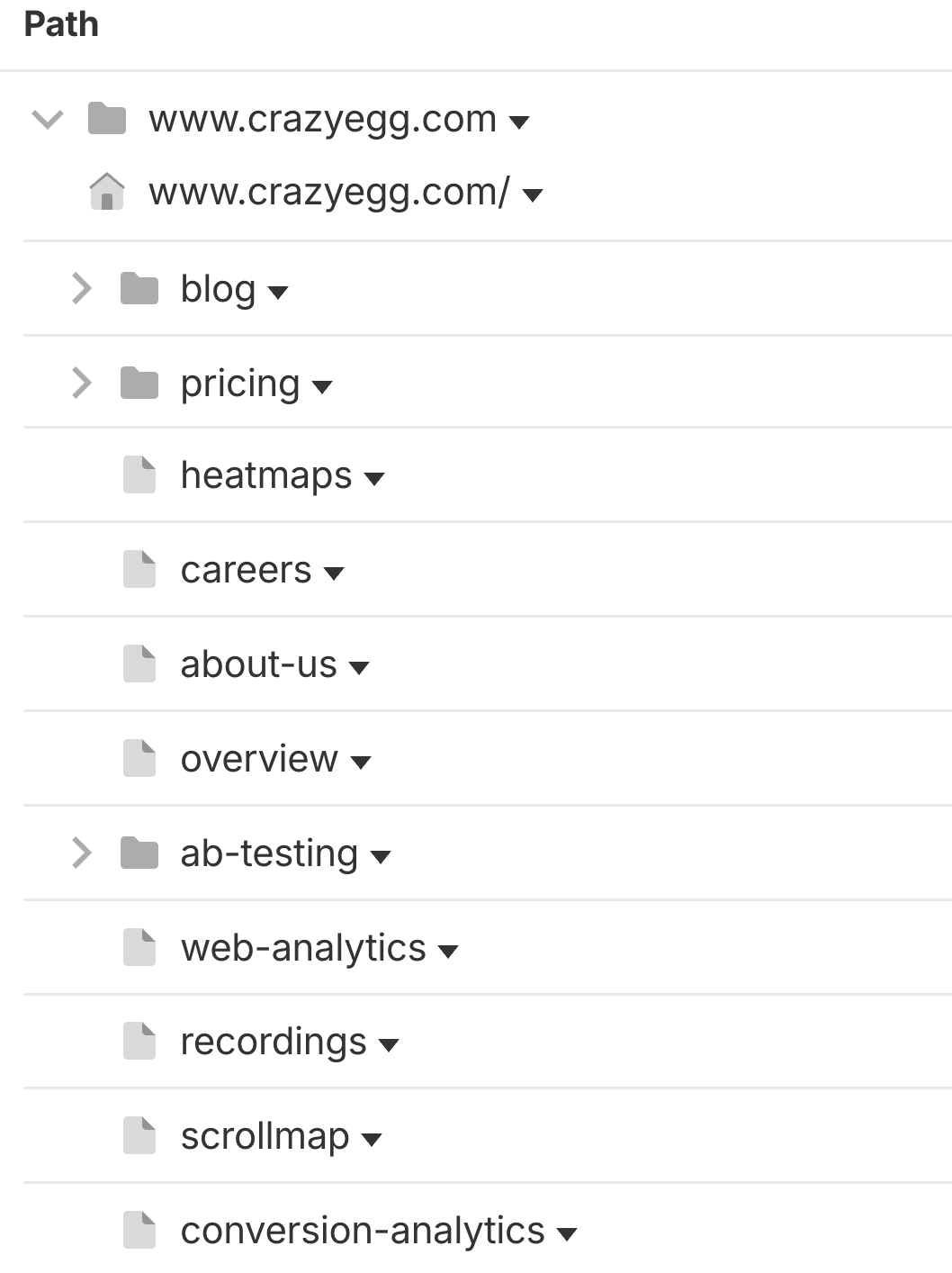
Before an agent can perform a task, it must first understand the topography of your site. Agents rely on traditional infrastructure—XML sitemaps, robots.txt files, and internal linking hierarchies. If your site architecture is opaque or relies on complex JavaScript-driven menus that fail to link properly, an agent may effectively see your site as a single, isolated homepage.
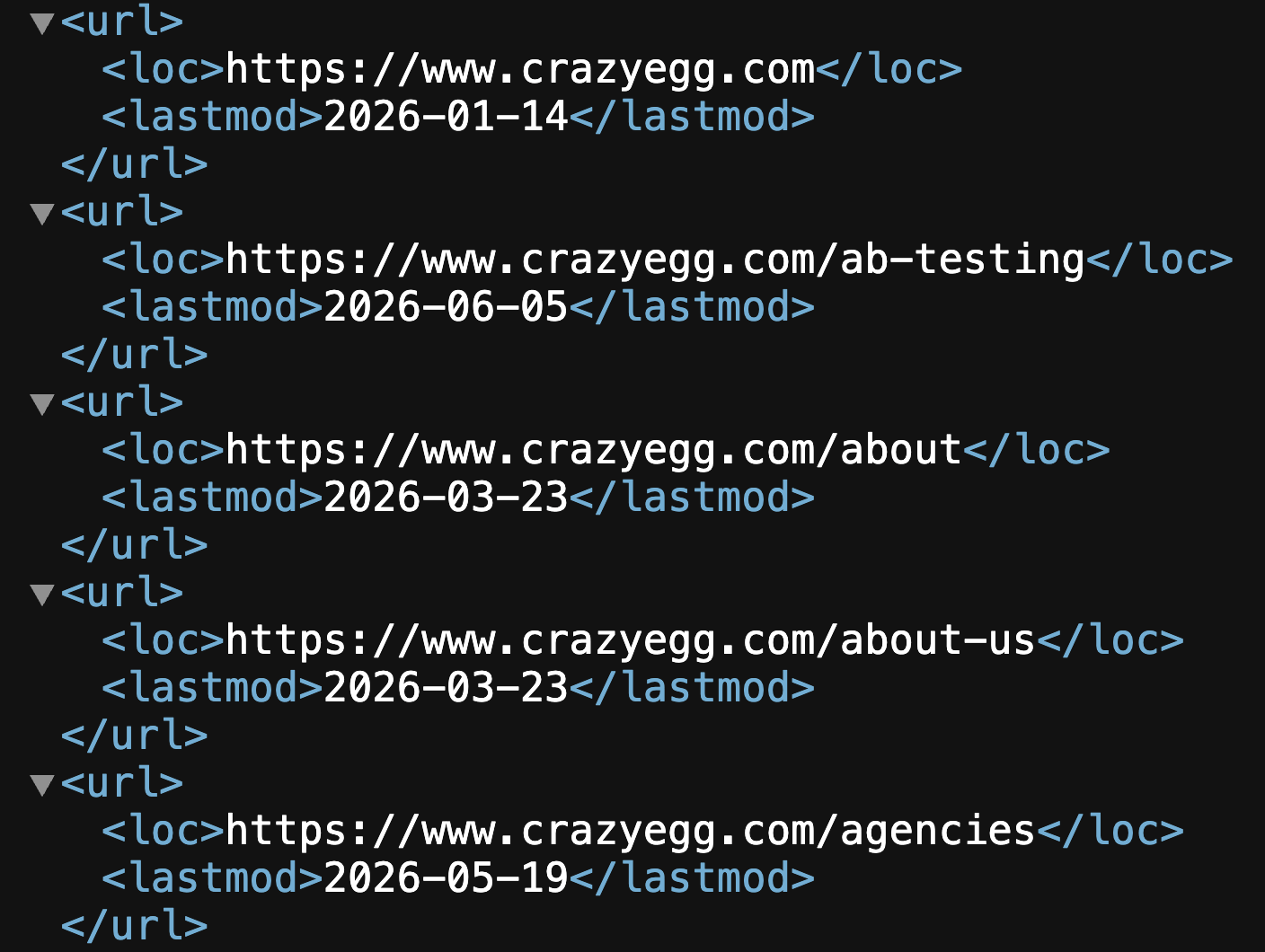
Recent testing by industry analysts suggests that even sophisticated models like ChatGPT struggle to navigate deep product hierarchies. The fix, ironically, is a return to web fundamentals: maintain clean, crawlable XML sitemaps and ensure your navigation is built on standard HTML links rather than complex, hover-based interactive states that lack semantic structure.
2. Access and Fetching: The Gatekeeper Problem
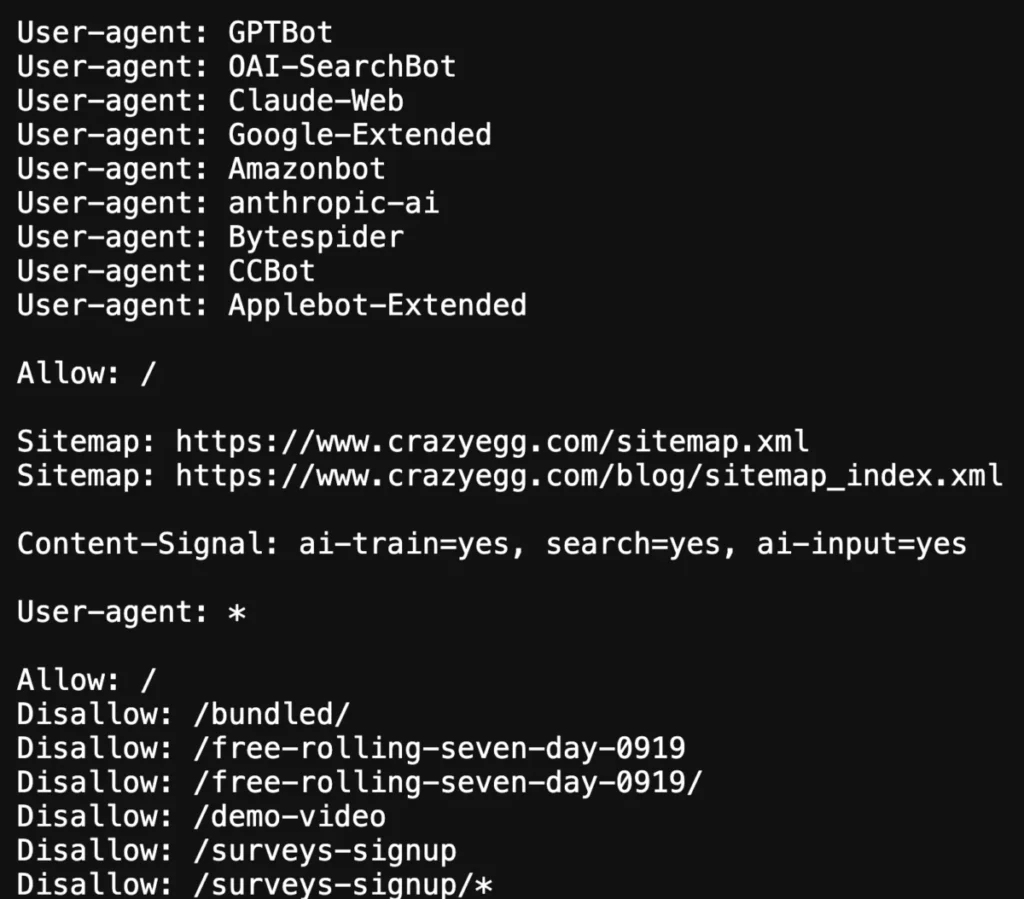
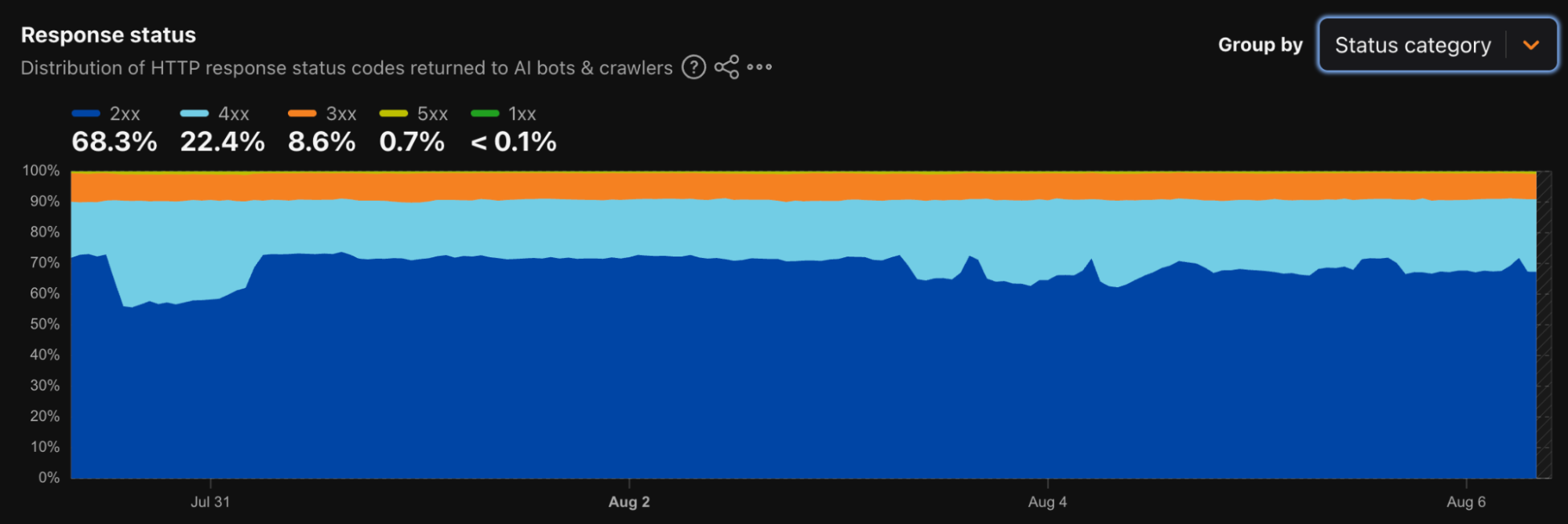
Once an agent finds your site, it must pass through your security layers. For humans, this involves a quick CAPTCHA or a seamless load. For bots, this is a minefield. Cloudflare’s AI Insights report highlights that roughly 22% of all AI crawler requests are rejected by default bot-management protocols.
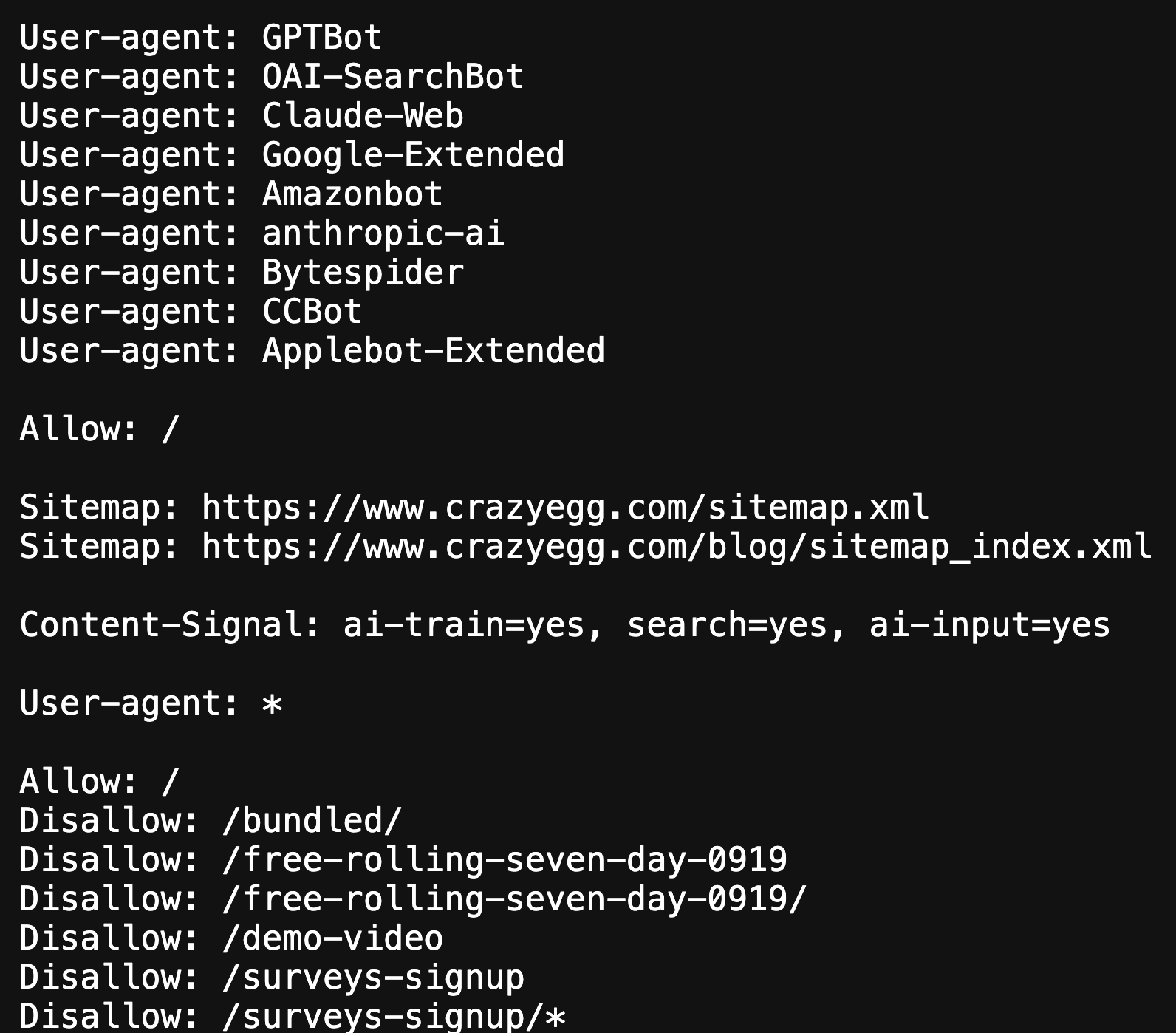
In controlled studies, nearly 41% of e-commerce sites blocked AI readiness scanners entirely. While protection is necessary, indiscriminate "wildcard" blocking is counterproductive. The key to future-proofing is to implement granular allow-listing for verified AI user-agents. If your site is wasting 35% of its server resources on 404 errors for incoming bots—a common finding in recent analyses—you are not just blocking AI; you are actively degrading your site’s operational efficiency.
3. Rendering: Seeing Beyond the Shell
The "rendering gap" is perhaps the most significant hurdle in the agentic web. Most AI agents do not execute JavaScript; they read raw HTML. If your site is built using heavy client-side rendering (CSR), the content an agent sees is essentially an empty shell.
While Google’s Gemini is an exception due to its access to Google’s massive rendering infrastructure, other major models are effectively blind to client-side content. To ensure visibility, developers must pivot toward server-side rendering (SSR) or, at a minimum, implement robust pre-rendering for critical content. If the content isn’t in the initial HTML response, it effectively does not exist for the majority of the AI-driven internet.
4. Parsing: The Accessibility Tree
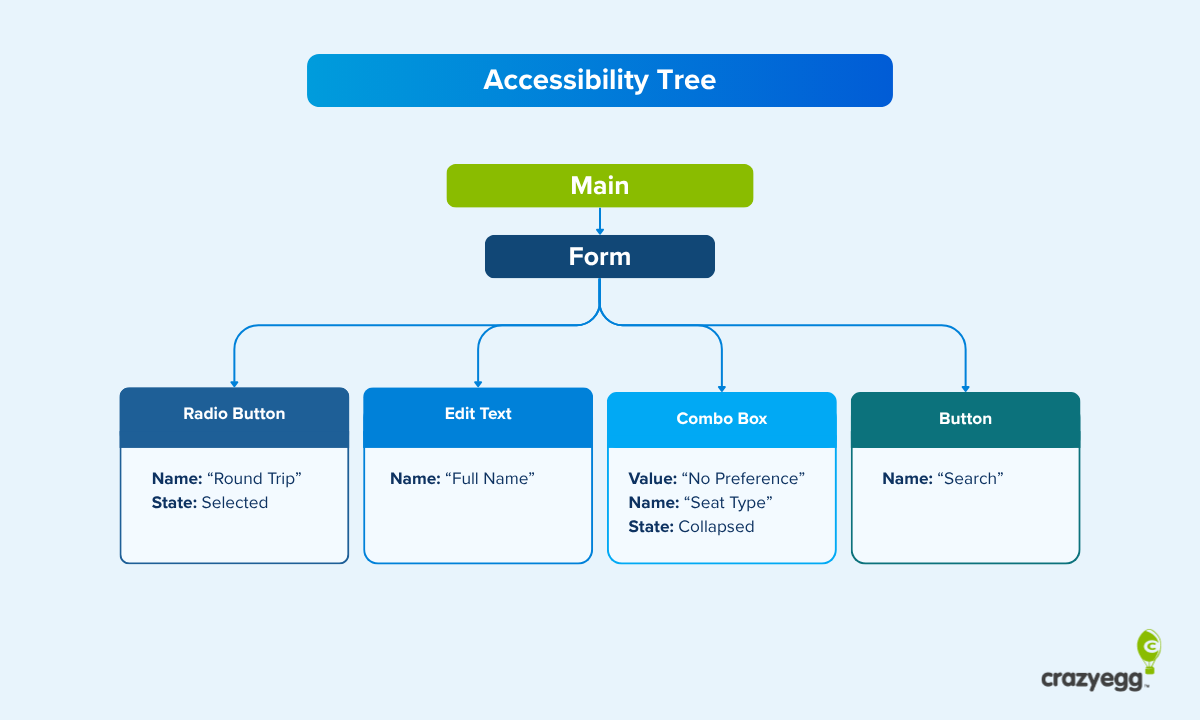
Once an agent has the HTML, it must interpret the meaning. This is where the "Accessibility Tree" becomes the primary interface. AI agents treat web pages similarly to screen readers used by the visually impaired. They navigate through semantic HTML—proper headings, buttons, and form labels—rather than generic <div> containers.
Research presented at CHI 2026 confirms that when an AI is restricted to keyboard-only navigation—the same logic used by screen readers—its task success rate can drop by nearly 50%. This proves that semantic markup is not just a "nice-to-have" for accessibility compliance; it is the fundamental language that allows AI to comprehend your site’s intent.
5. Authentication: The Security Bottleneck
The most high-value tasks—managing subscriptions, checking order histories, or accessing personalized dashboards—require authentication. Currently, most sites lack a standardized way for an agent to log in securely. This often forces users to provide their raw passwords to third-party tools, a practice that contributes to the 71% of organizations reporting identity-related breaches in 2026.
Emerging standards like OAuth discovery and "Web Bot Auth" are designed to solve this. Web Bot Auth allows an agent to cryptographically prove its identity, removing the need for password sharing. Adopting these protocols is essential for any platform looking to offer a secure "agent-first" experience without compromising user security.
6. Content Interaction: The Final Frontier
The final step is the action itself: submitting a form, confirming a booking, or checking out. Currently, the web is optimized for human-driven mouse interactions. However, a new wave of "agentic commerce protocols" is beginning to standardize how transactions are executed. Until these protocols reach mass adoption, the responsibility lies with site owners to ensure that form fields are clearly labeled and that the interaction flow is predictable and linear.

Supporting Data and Industry Trends
The friction between the current web and the AI-driven future is quantified by several key metrics:
- Traffic Volume: Over 50 billion daily requests are now originating from AI agents, representing a significant shift in server-side load and bandwidth consumption.
- Rejection Rates: Industry-wide, 22% of requests from AI crawlers are blocked. This represents a lost opportunity for discovery and integration.
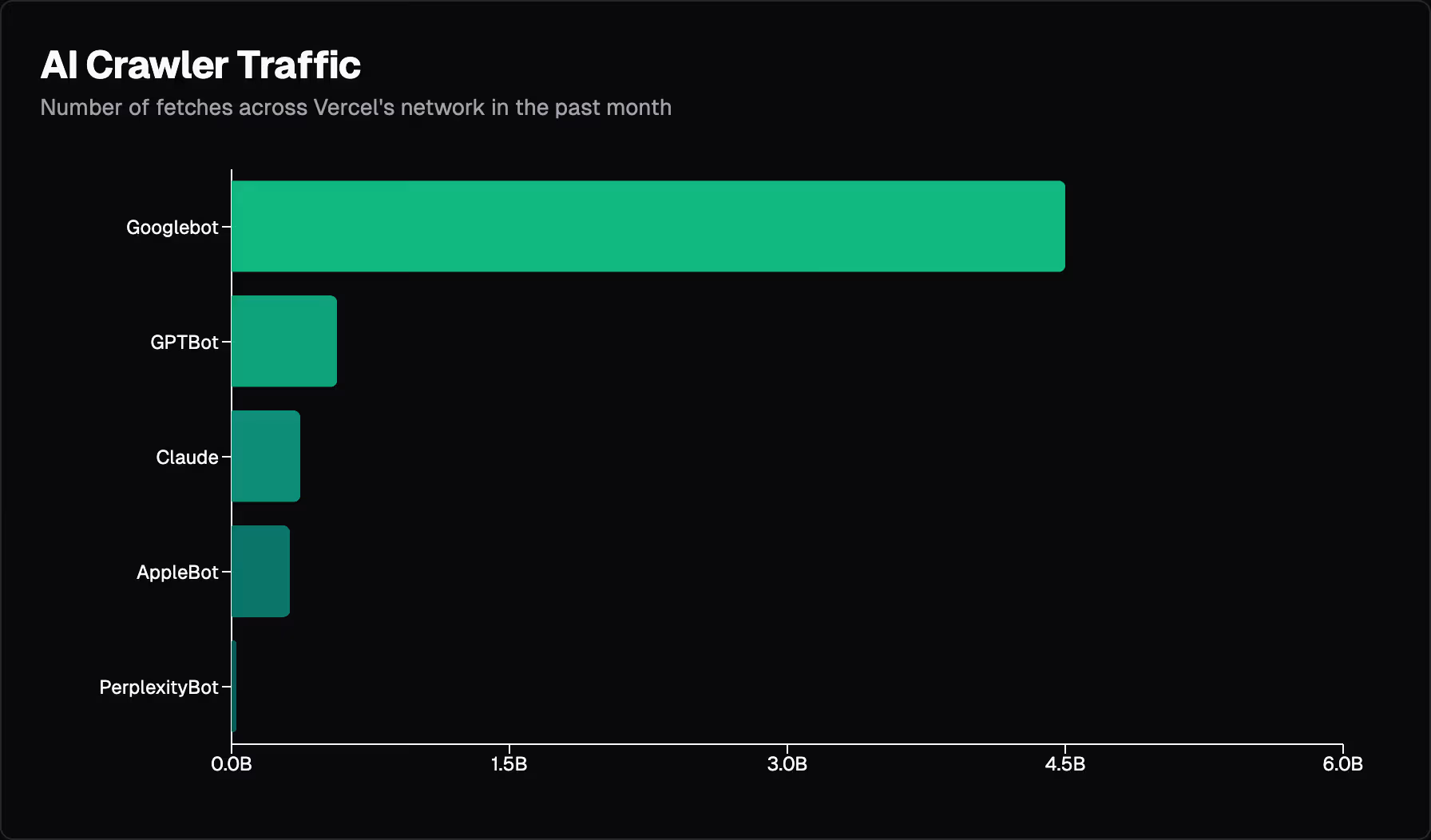
- The "404" Tax: Analysis of Vercel’s network indicates that up to 35% of AI fetch attempts on some platforms end in 404 errors, indicating a massive failure in site-to-agent communication.
- Performance Decay: A study from UC Berkeley and the University of Michigan demonstrated that AI task success rates plummet from 78% to 42% when the agent is forced to rely solely on keyboard-navigable structures, highlighting the criticality of semantic code.
Official Responses and Strategic Implications
Major tech entities are responding in kind. OpenAI has explicitly confirmed that its "Atlas" agent architecture prioritizes ARIA tags to interpret page structure, while organizations like Amazon, Akamai, and Mastercard are co-developing the Web Bot Auth standards to create a safer, more predictable environment for automated transactions.
The Strategic Shift
For businesses, the implication is clear: the era of "human-only" web design is ending. The companies that will thrive in the next decade are those that treat AI agents as "first-class citizens" of the web.
This does not require reinventing your stack, but it does require a return to technical fundamentals. By prioritizing semantic HTML, embracing server-side rendering, and adopting modern authentication protocols, you are not just catering to bots. You are making your website more resilient, more accessible to human users with disabilities, and more performant for everyone.
As the web continues to evolve from a series of static pages into a dynamic, agent-interoperable ecosystem, your site’s ability to "speak" to these agents will determine its relevance in the search results and marketplaces of tomorrow. The time to audit your site for agent-readiness is not in the future—it is today.
