
The Art of the Click: A Comprehensive Guide to Mastering Ecommerce Conversion Rate Optimization
In the hyper-competitive digital marketplace, the difference between a thriving online business and a struggling storefront often comes down to a few percentage points. This gap is bridged by Conversion Rate Optimization (CRO)—a methodical, data-driven process designed to identify where potential customers abandon their journey and implement strategic fixes to ensure they reach the "Thank You" page.
As global ecommerce continues to mature, the focus has shifted from merely driving traffic to maximizing the value of existing visitors. This guide explores the mechanics of identifying funnel leaks and the high-impact strategies used by industry leaders to convert browsers into buyers.
The Core Fundamentals of CRO
Ecommerce CRO is not an exercise in guesswork; it is a systematic diagnostic approach. The primary objective is to eliminate "friction"—any element on a website that confuses, distracts, or hinders a user from completing a transaction.
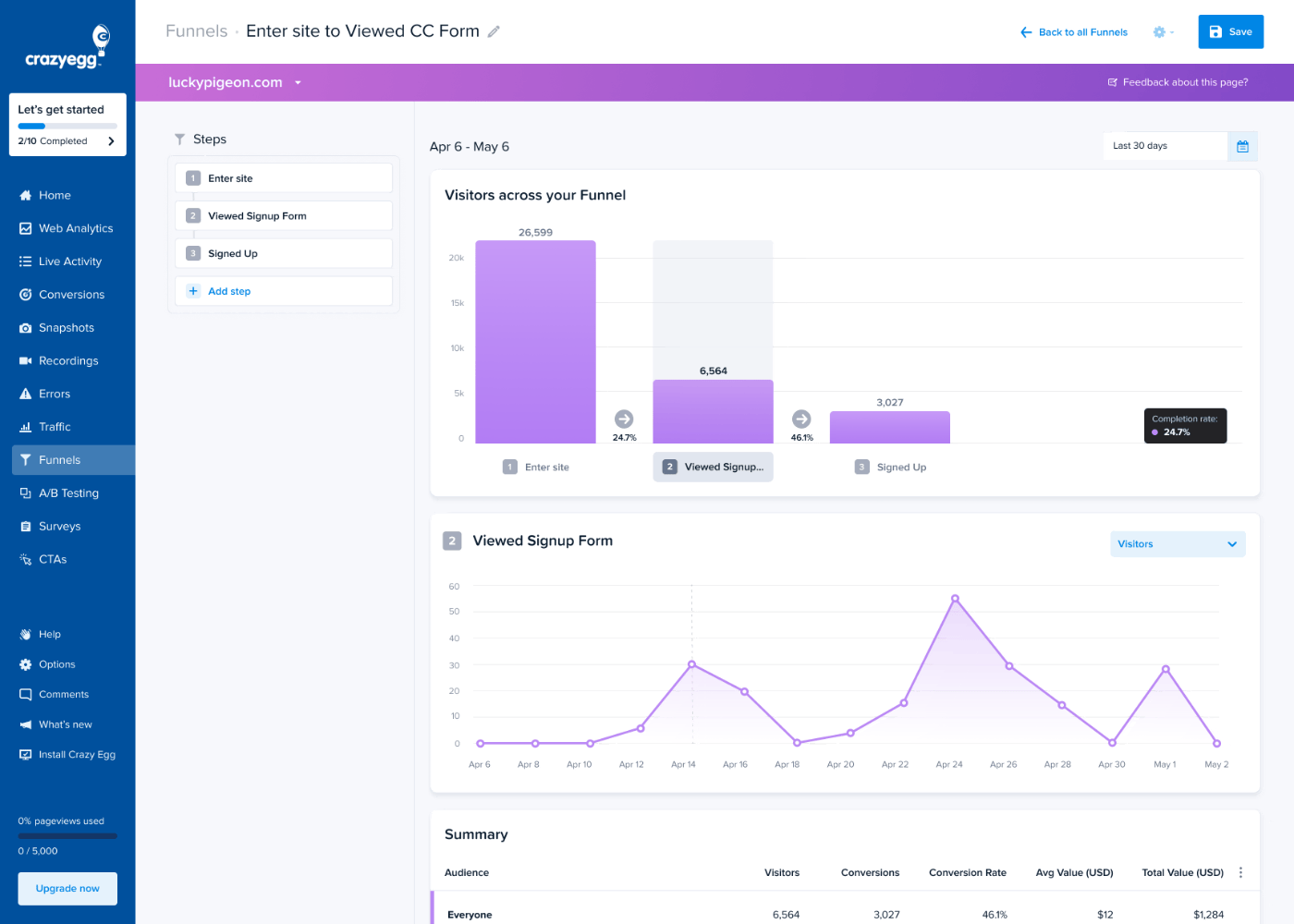
The process begins with the "funnel." By visualizing the path from the homepage to the checkout, businesses can pinpoint exactly where the drop-off occurs. Whether it is a lack of trust, a confusing navigation structure, or technical hurdles in the payment gateway, CRO provides the framework to diagnose and solve these issues.
Chronology of a Conversion Leak: Identifying the Problems
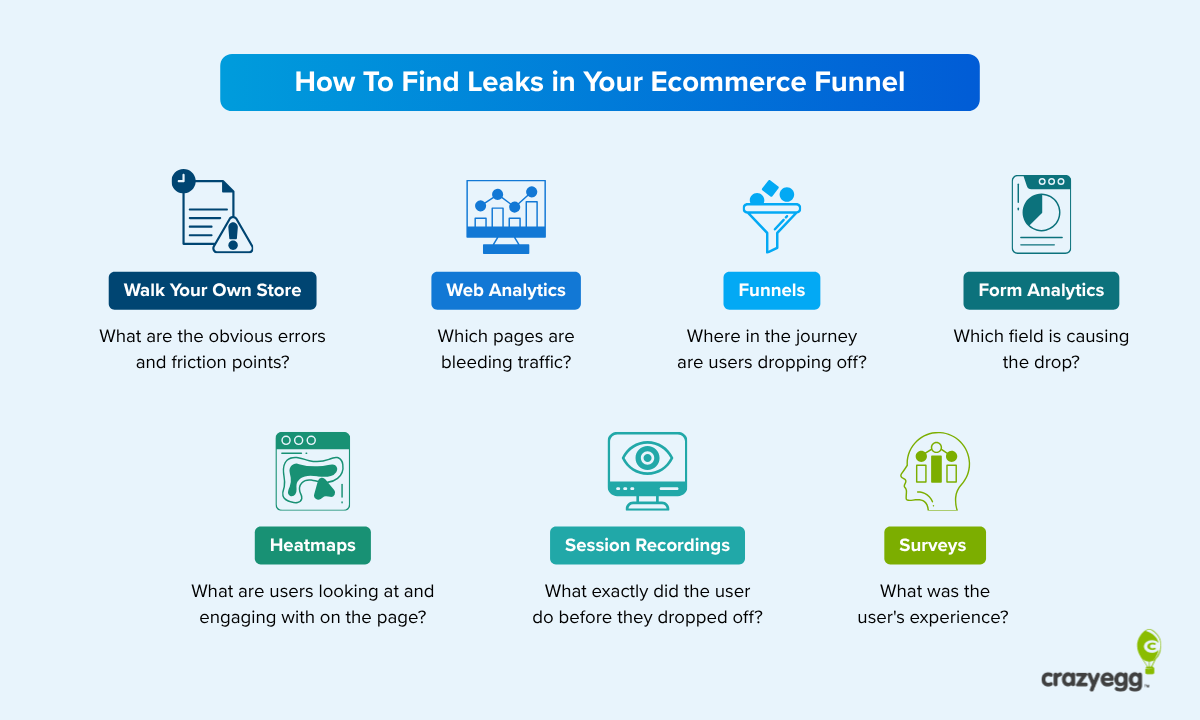
Before you can fix your store, you must see it through the eyes of your customer. Experts suggest a chronological audit of the user experience to detect where the "leaks" originate.
1. The "First Impression" Audit
Before relying on automated tools, stakeholders should manually navigate their own store. This "boots-on-the-ground" approach—walking through the site from landing to checkout—often reveals glaringly obvious issues, such as broken links or non-responsive mobile menus, that automated reports might overlook.
2. Quantitative Analysis: Web Analytics
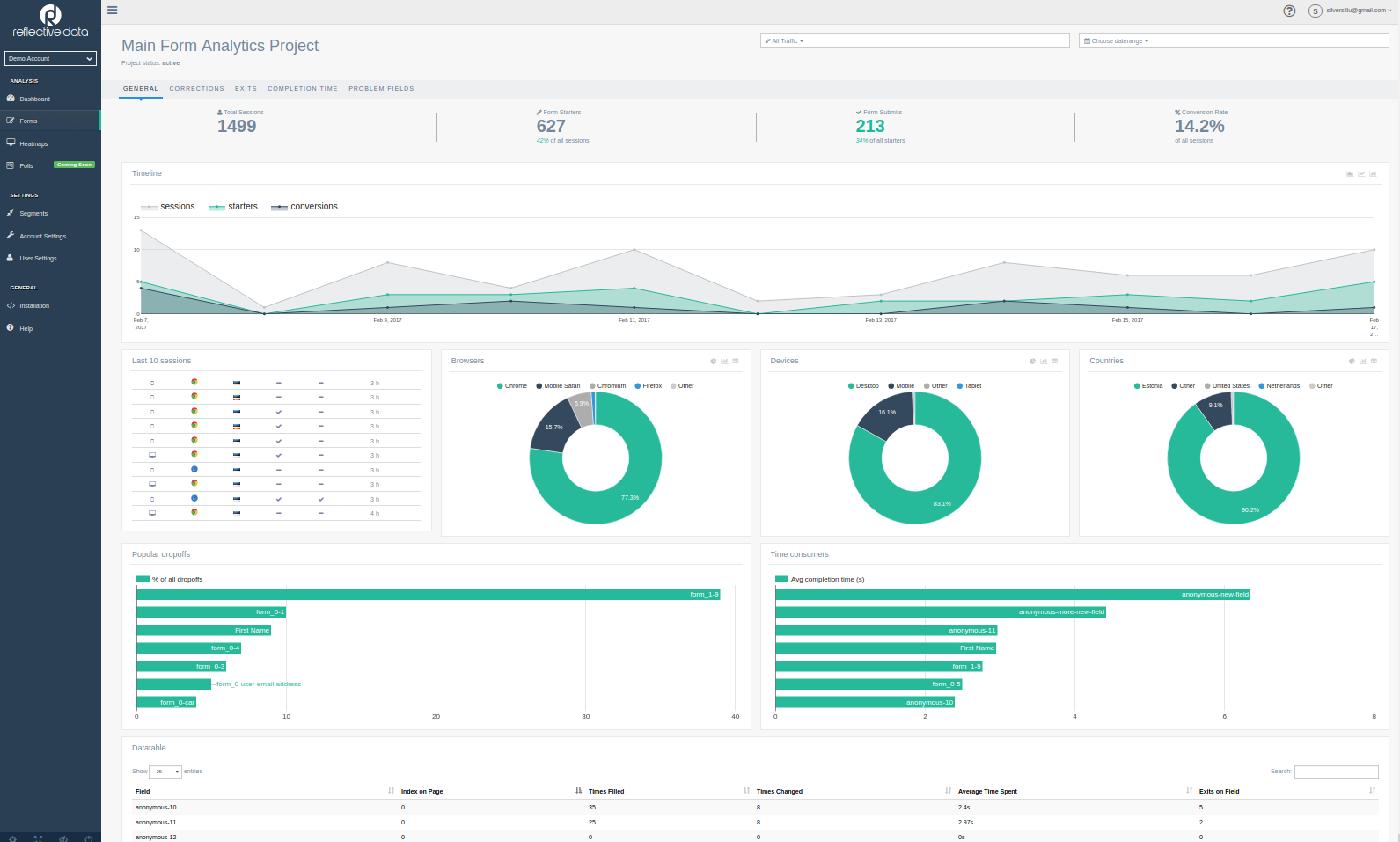
Once the manual walk-through is complete, it is time to turn to the data. Two metrics are paramount:
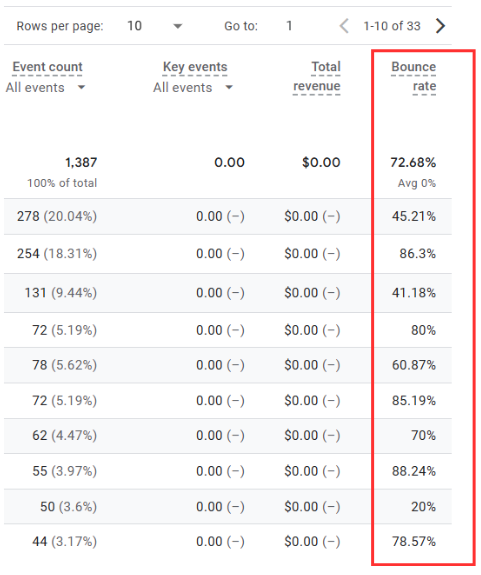
- Bounce Rate: The percentage of users who leave after viewing only one page. A high bounce rate often signals a disconnect between the ad promise and the landing page experience.
- Exit Rate: This tracks the specific page from which users depart your site. If a product page has a disproportionately high exit rate, it may suggest poor product descriptions, insufficient visuals, or sticker shock regarding price.
3. Visualizing Behavior: Heatmaps and Session Recordings
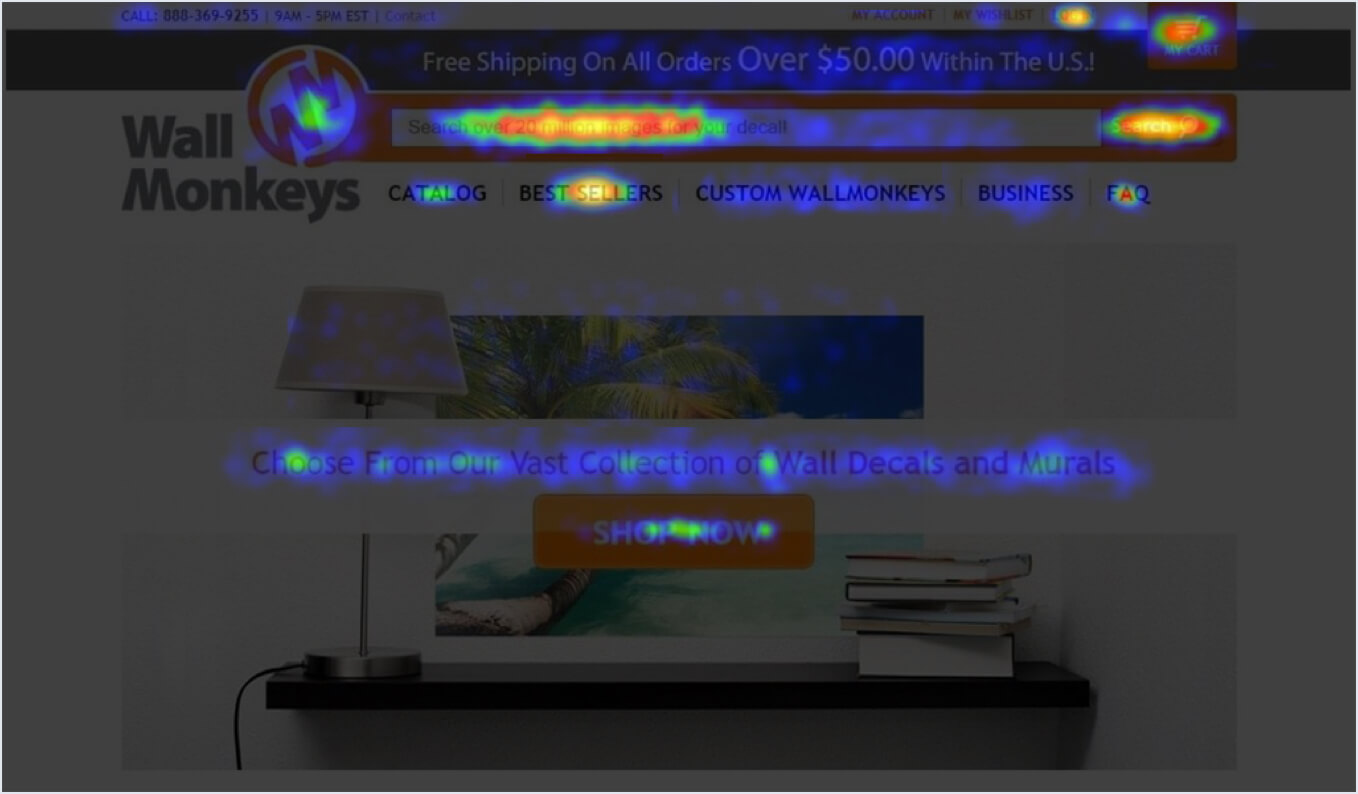
Numbers tell you what is happening; behavior tools tell you why. Heatmaps reveal scroll depth and click patterns, showing which elements—such as a specific CTA button or a search bar—are actually capturing user attention. Session recordings, conversely, provide a granular playback of individual user journeys, helping teams identify exactly where a user might encounter a technical glitch or a confusing UI element.
4. Direct Feedback: The Role of Surveys
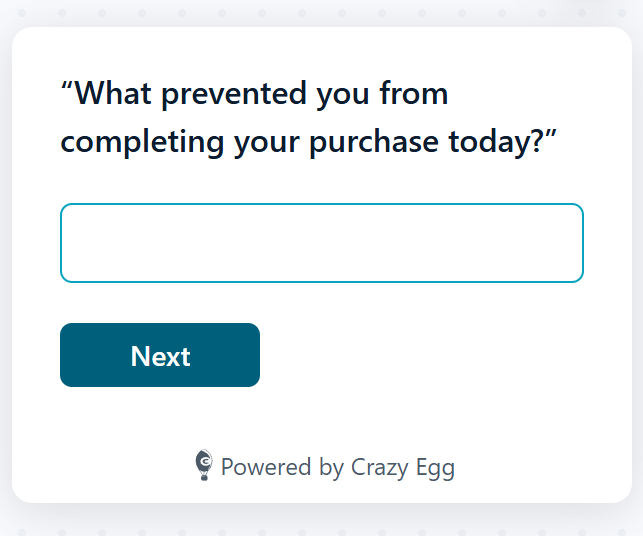
Sometimes, the best way to understand a user is to ask them. Exit-intent surveys—triggered when a user moves to close their browser tab—can capture invaluable qualitative data. Asking a simple question like, "What prevented you from completing your purchase today?" can provide actionable insights into price sensitivity or missing information that analytics alone cannot reveal.
Supporting Data: Why CRO Matters
The financial stakes of CRO are significant. According to recent industry benchmarks, search-driven visitors account for a massive 44% of revenue despite representing only 24% of total traffic. These users are high-intent and represent the "low-hanging fruit" for optimization.
Furthermore, friction in the checkout process is a silent revenue killer. Research from Baymard (2025) indicates that nearly 40% of cart abandonments are caused by unexpected shipping and tax charges revealed too late in the process. When trust is at stake, the data is equally stark: 19% of shoppers abandon carts due to security concerns, reinforcing the need for visible trust signals, such as SSL badges, clear return policies, and recognized payment gateways.
14 Strategies to Plug the Funnel Leaks
Once the leaks are identified, a structured strategy must be implemented. Here are the 14 pillars of modern ecommerce optimization:
Optimizing Discovery
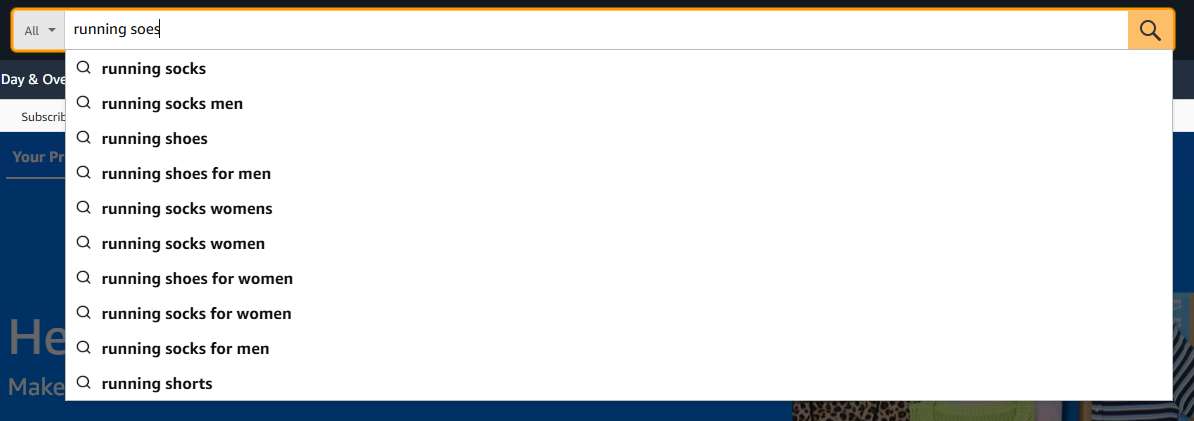
- Search Intelligence: Implement AI-powered search (e.g., Algolia or Doofinder) that handles typos, synonyms, and partial matches.
- Intuitive Navigation: Use customer interviews to determine the exact terminology shoppers use to describe products, then map your site categories to that vocabulary.
Enhancing the Product Page
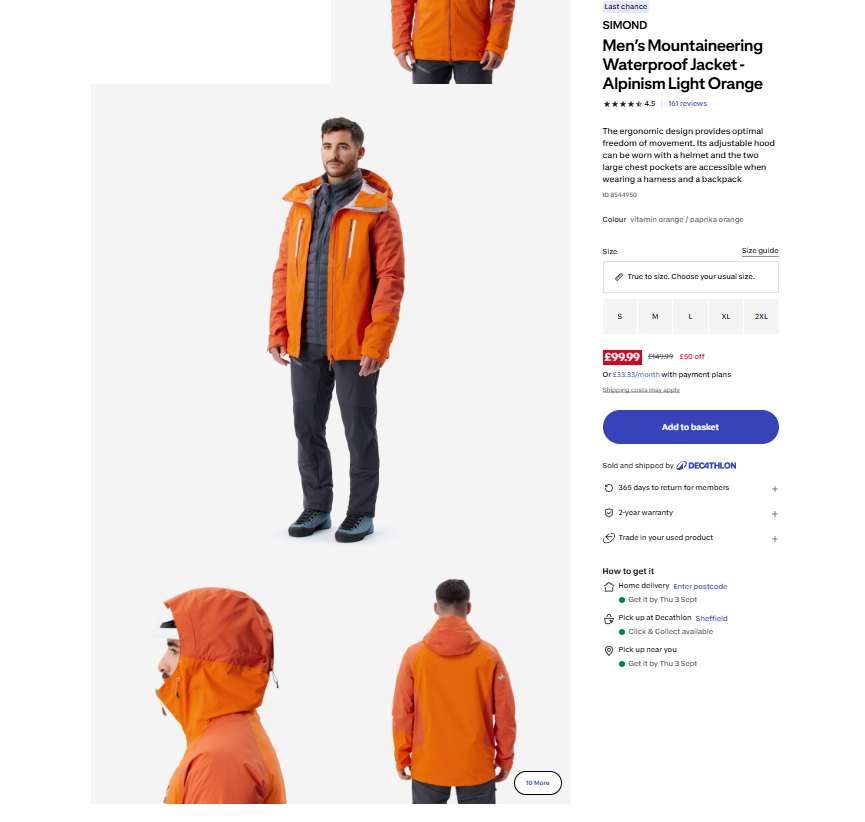
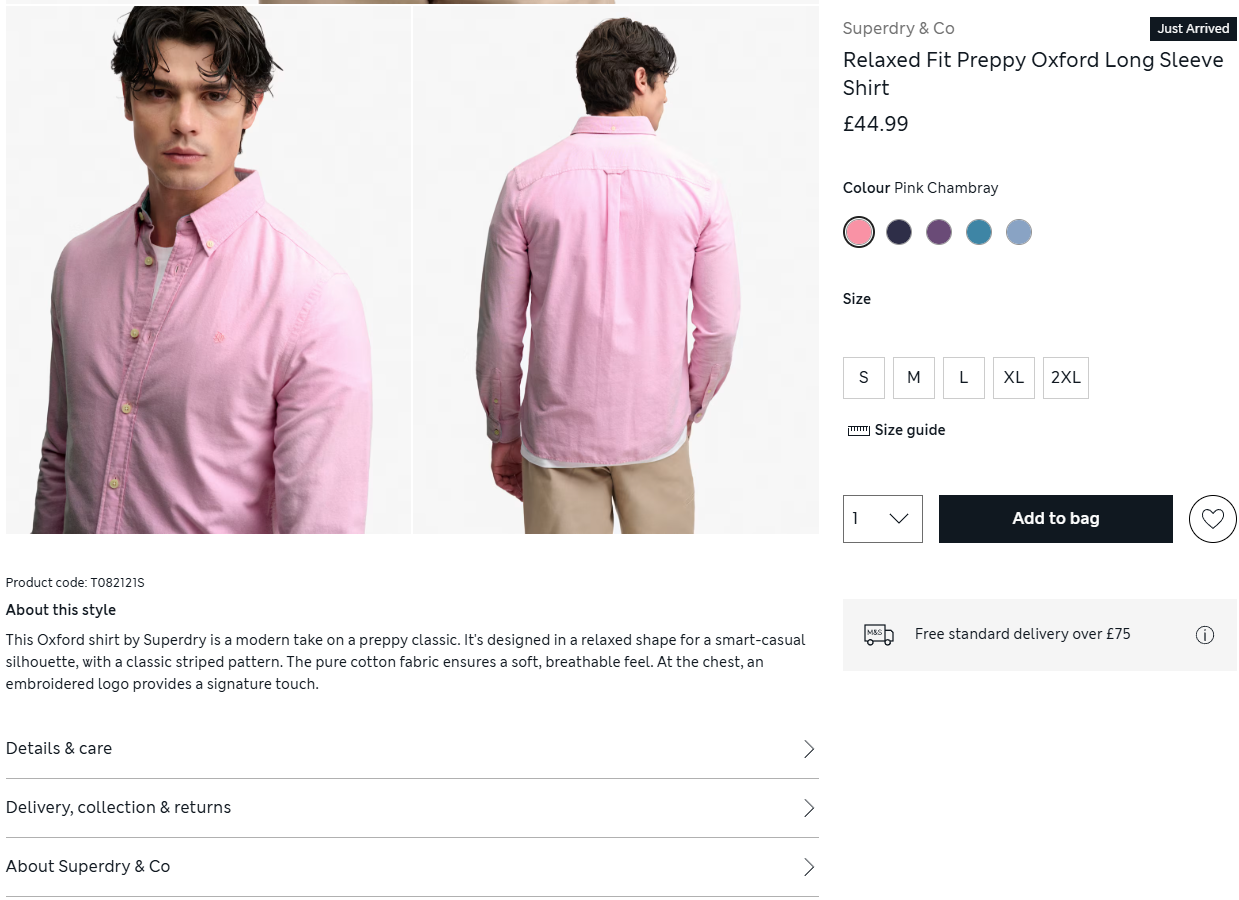
- Visual Excellence: High-resolution imagery from multiple angles is non-negotiable. 61% of shoppers cite visuals as the most important element on a product page.
- Detailed Descriptions: Provide specs, sizing guides, and material information. Detailed content not only boosts confidence but reduces return rates by ensuring the product meets expectations.
- Trust Signals: Display customer reviews, security badges, and clear guarantees prominently.
- Transparent Pricing: Display estimated taxes and shipping costs as early as possible to prevent "sticker shock" at the final checkout stage.
Streamlining Cart and Checkout
- Guest Checkout: Never force account creation. Offer it as an optional step post-purchase.
- Single Sign-On (SSO): Allow users to sign in via Apple, Google, or Facebook to reduce friction.
- Form Optimization: Keep checkout forms to 7–8 fields. Use address autocomplete to minimize manual typing.
- Progress Indicators: On multi-step checkouts, always show the user where they are in the process.
Payment and Recovery
- Localized Payments: Offer payment methods specific to your audience (e.g., iDEAL for the Netherlands, BLIK for Poland).
- Abandoned Cart Recovery: Utilize a multi-channel approach—email, SMS, and push notifications—to re-engage users.
- Performance Speed: Ensure pages load under 2.5 seconds. Speed is a direct factor in user retention.
- Mobile-First Design: With mobile traffic often exceeding 70%, ensure the entire checkout flow is fully optimized for touch interfaces.
Official Industry Perspectives
Industry analysts consistently emphasize that CRO is not a project; it is a culture. "Ecommerce conversion optimization is a continuous loop," notes the industry consensus. The most successful retailers treat optimization as an iterative cycle: identify, hypothesize, test, and analyze.
When a change is implemented, it must be measured against a control group to determine its true impact. Tools like A/B testing are essential for ensuring that changes—such as moving a button or changing a headline—are actually driving revenue rather than just changing the aesthetic.
Implications for the Future of Ecommerce
The implications of ignoring CRO are clear: businesses that fail to optimize will inevitably see their Customer Acquisition Costs (CAC) rise while their Return on Ad Spend (ROAS) diminishes. As the digital landscape becomes more crowded, the winners will be those who provide the most seamless, transparent, and trustworthy shopping experience.
By shifting the focus toward the "micro-conversions"—the small steps that lead a user toward the final checkout—brands can build a sustainable, high-converting ecosystem. Whether you are a boutique store or a global enterprise, the path to growth lies in the details.
Frequently Asked Questions (FAQ)
What is a "good" conversion rate?
While 2.5–3% is the industry standard, it varies wildly. Luxury goods may see 0.5%, while pet care supplies often see upwards of 7%. Always benchmark against your specific vertical.
How do I calculate my conversion rate?
Divide the number of conversions by the total number of sessions, then multiply by 100. If you have 150 orders from 5,000 sessions, your conversion rate is 3%.
What is the difference between a macro and micro conversion?
A macro conversion is the final purchase. Micro conversions are the milestones along the way, such as signing up for a newsletter, adding an item to a wishlist, or viewing a product video.
Why does Amazon have such high conversion rates?
Amazon benefits from extreme customer trust, one-click ordering (SSO), and a highly optimized search engine, which sets a high bar for independent retailers. Success in the modern era requires bringing these same "frictionless" elements to your own storefront.
