

Mastering the Digital Pulse: A Comprehensive Guide to Social Media Data Collection
In the modern digital economy, social media has evolved from a simple networking tool into the world’s largest focus group. With over three billion active users on platforms like Facebook alone, the volume of data generated daily is staggering. However, for marketing teams and enterprise organizations, the challenge is no longer a lack of information—it is the difficulty of filtering the noise to find actionable intelligence.
Effective social media data collection is the systematic process of gathering, cleaning, and analyzing digital signals to inform business strategy. Whether you are tracking performance on your own channels or monitoring the public conversation at large, the ability to turn raw metrics into strategic decisions is what separates market leaders from those merely posting into the void.

The Architecture of Data: First-Party vs. Publicly Available Signals
Social media data generally falls into two primary buckets, each requiring different handling and strategic approaches.
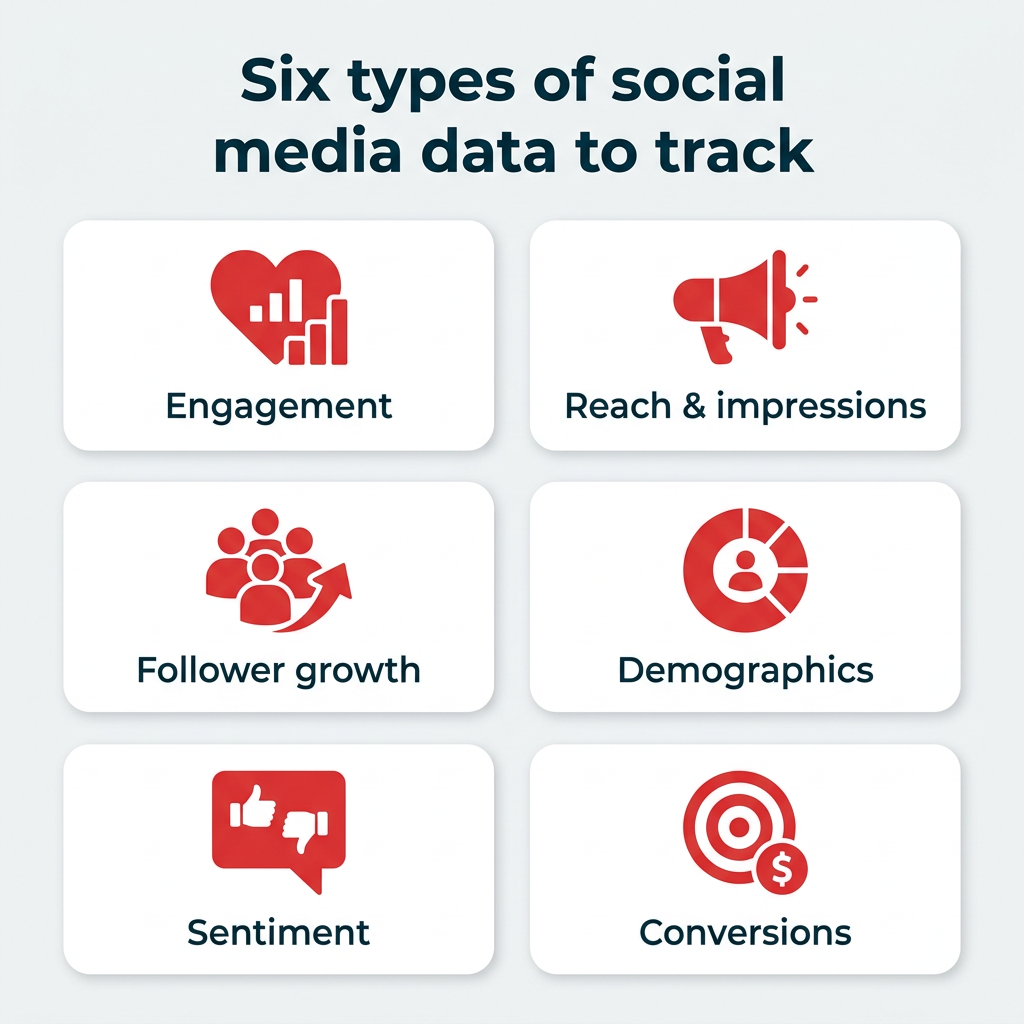
First-Party Data refers to the information you own and control. This includes the metrics generated by your own accounts: reach, engagement rates, click-throughs, and follower demographics. Because this data is provided directly by the platforms—often via APIs or internal analytics dashboards—it is highly reliable and essential for measuring your return on investment (ROI).

Publicly Available Data encompasses the broader landscape. This includes hashtags, mentions, industry-wide trends, and customer sentiment expressed on third-party channels. This data is the lifeblood of social listening. While first-party data tells you what your audience is doing on your page, public data reveals what they are thinking when they aren’t interacting with you directly. This "honest signal" is often the most valuable indicator of brand health and emerging market shifts.
The Triad of Data Mastery: Collection, Mining, and Extraction
To use social media data effectively, teams must differentiate between three distinct operational phases:
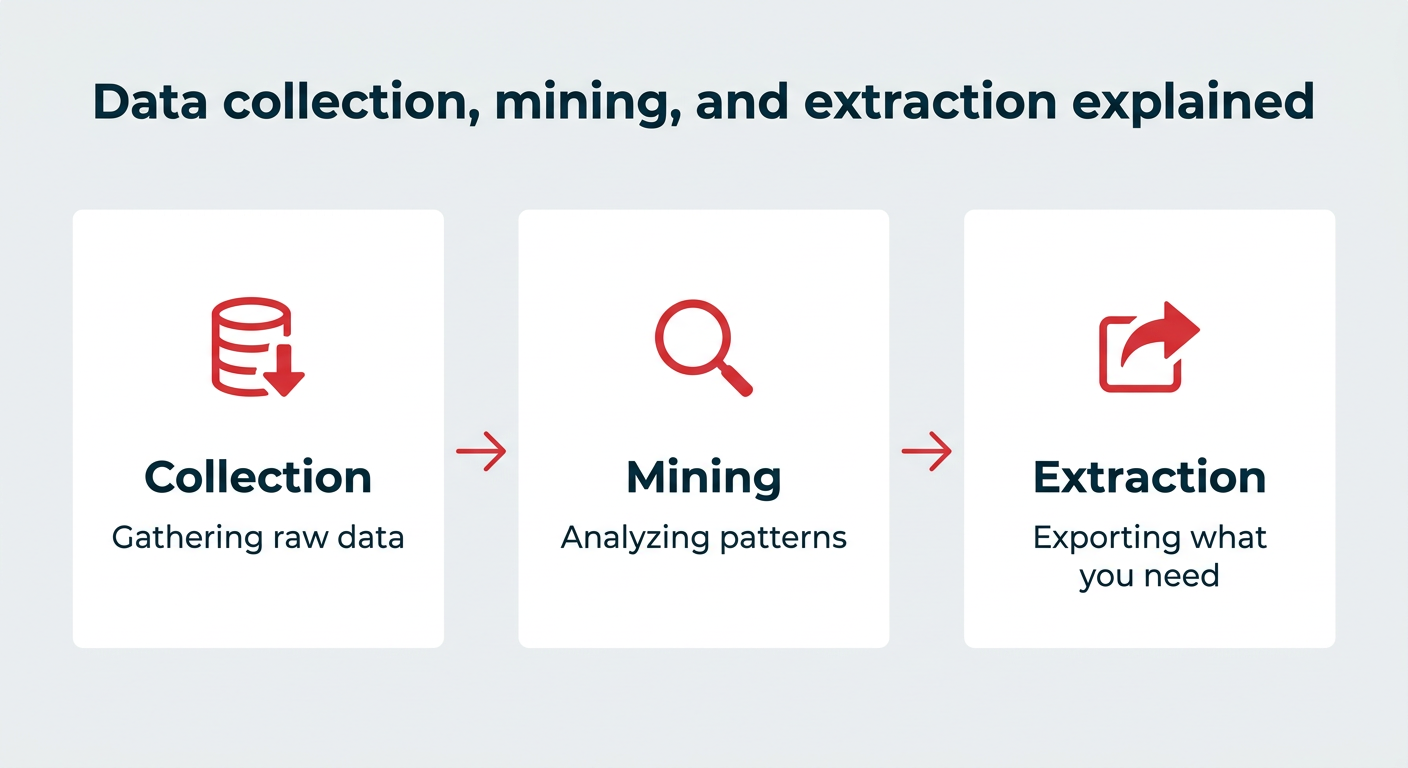
- Data Collection: The act of gathering raw information. This might involve pulling engagement metrics from Meta Business Suite or tracking mentions of a brand keyword across X (formerly Twitter).
- Data Mining: The analytical layer. Once the data is collected, mining involves searching for patterns. For example, identifying that "How-to" Reels consistently generate 30% more saves than static product images is a result of effective data mining.
- Data Extraction: The final refinement. This is the process of isolating specific, relevant data points to populate executive reports or CRM systems, stripping away the irrelevant "fluff" to leave only what matters for decision-making.
Platform-Specific Landscapes: What Can You Actually See?
While platforms collect vast amounts of behavioral, device, and location data to power their algorithms, they only share a filtered, anonymized subset with marketers.
- Meta (Facebook & Instagram): These platforms remain the gold standard for connecting social activity to bottom-line results. Through the Conversions API and native dashboards, they provide a straight line from engagement to on-site purchase.
- LinkedIn: The premier choice for B2B marketers. Unlike other networks, LinkedIn provides "firmographics"—data on the seniority, industry, and job function of your followers.
- TikTok: A hub for attention metrics. Because the algorithm prioritizes interest over social graph, TikTok analytics focus heavily on watch time, completion rates, and the velocity of trending sounds.
- YouTube: For long-form content, YouTube offers the most granular retention data, allowing creators to pinpoint the exact second a viewer loses interest.
Strategic Implications: Moving Beyond "Gut Feelings"
The primary goal of social media data collection is to eliminate guesswork. Without data, a social media strategy is merely a collection of hunches. With it, you can answer critical business questions:
- What content formats drive the highest conversion rates?
- How does our brand sentiment compare to our closest competitors?
- At what time of day is our audience most receptive to product launches?
For enterprise teams, this data serves as a "single source of truth," aligning marketing, sales, and customer support departments under one data-backed playbook.
The Regulatory Framework: Compliance as a Design Requirement
As global privacy standards evolve, data collection is no longer a "move fast and break things" environment. Compliance is mandatory.
Key Privacy Regulations
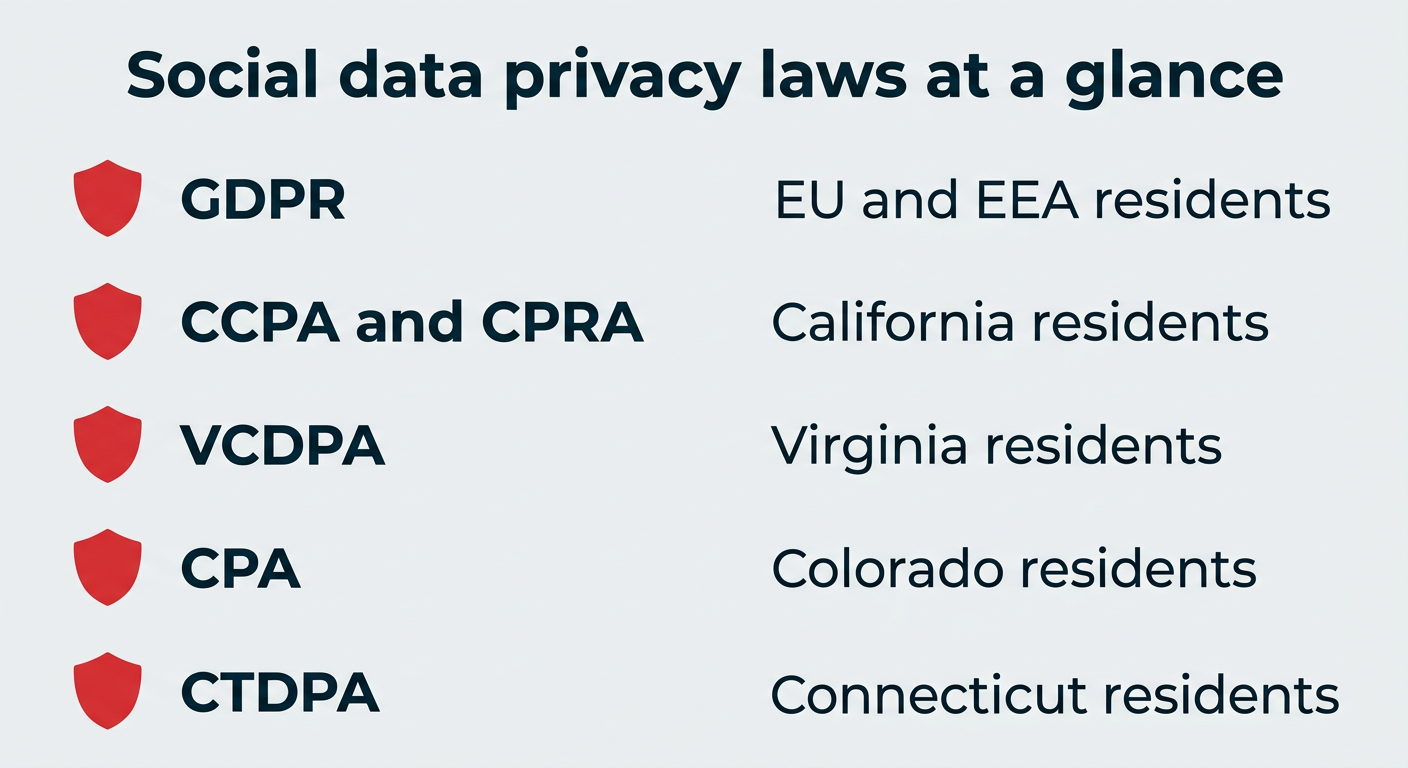
Organizations must navigate a complex web of laws, including:
- GDPR (Europe): Mandates strict transparency and user consent for data processing.
- CCPA/CPRA (California): Grants consumers rights to know what data is collected and to opt out of the sale of that information.
- State-Level Acts (Virginia, Colorado, Connecticut): These laws increasingly require companies to conduct data protection assessments and provide consumers with access to their own data.
Ethical Practice: Legal compliance is the floor, not the ceiling. Ethical brands go further by practicing data minimization (collecting only what is necessary), ensuring storage security, and maintaining clear, honest policies regarding how user data influences advertising and content targeting.
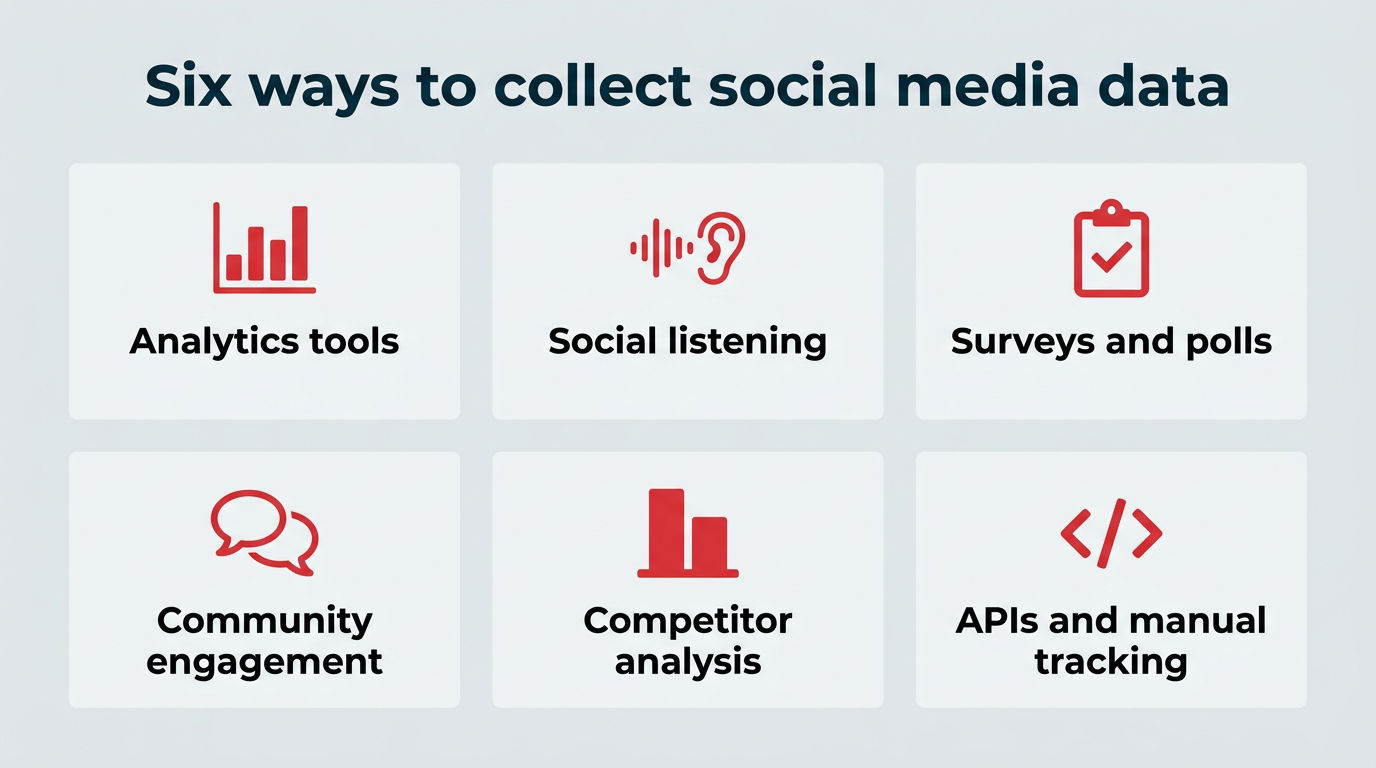
Methodology: Six Ways to Collect Social Data
- Built-in Analytics: The best starting point. Native tools (YouTube Studio, LinkedIn Analytics) are free and highly accurate for platform-specific performance.
- Social Listening: Tools that track keywords and sentiment across the web. This provides the qualitative context that numbers often miss.
- Surveys and Polls: A direct method to capture stated preferences. Whether through Instagram Story polls or third-party tools like Typeform, these provide the "why" behind the "what."
- Community Engagement: Simply tracking the comments, DMs, and user-generated content (UGC) is a goldmine for product feedback and brand perception.
- Competitive Benchmarking: Monitoring your competitors’ growth and content success provides a roadmap for what works in your specific niche.
- APIs and Custom Integration: For large enterprises, using platform APIs to pipe social data into CRMs like Salesforce or BI tools like Tableau allows for deep, cross-departmental analysis.
The AI Revolution in Data Interpretation
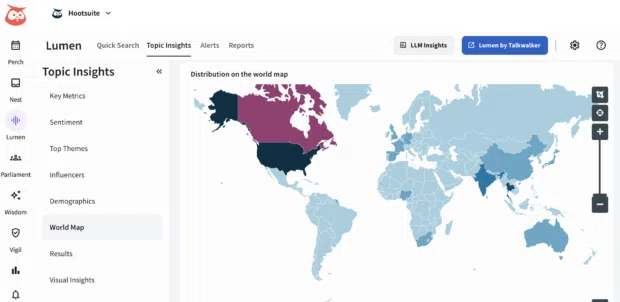
Artificial Intelligence has fundamentally changed the bottleneck of data collection. In the past, the challenge was gathering the data; today, the challenge is interpreting it. AI tools, such as the Lumen app integrated into the Hootsuite Social OS, can now monitor millions of conversations in real-time, flagging anomalies and sentiment shifts before a human analyst would even notice.
However, a word of caution: AI is probabilistic. Sentiment classification, while powerful, requires periodic human oversight to ensure that nuances—like sarcasm or industry-specific slang—are correctly categorized.

Expert Insights: The Vessi Strategy
Taylor Knight, Social Media Manager at Vessi, emphasizes that data collection must be tied to specific post objectives. "You can’t always have a post that is record-breaking across all metrics," Knight notes. "Identify the purpose behind a post and judge performance based on those goals, not just vanity metrics like likes."
Her team follows a "Zoom-Out" methodology:
- Micro-Level: Reviewing individual post data for immediate feedback.
- Macro-Level: Monthly reporting to identify long-term patterns and trends.
- Cross-Functional Sharing: Using visual reports to show other marketing departments which content is driving organizational goals.
Conclusion: From Metrics to Momentum
Social media data collection is the bridge between creative effort and business impact. By establishing a system to collect, mine, and analyze your social signals, you move from reactive posting to proactive growth. Whether you are a small business tracking engagement in a spreadsheet or an enterprise team leveraging AI-driven listening tools, the core principle remains the same: Track the right things, learn from them, and make your next move smarter than your last.
In an age where attention is the most valuable currency, data is your map. Don’t just collect it—use it to build a strategy that resonates, converts, and endures.
