

The Pulse of the Digital Conversation: Mastering Social Media Monitoring in 2026
In an era where global social networks host over 5.75 billion users, the digital landscape has become a volatile, high-speed ecosystem of opinion, critique, and brand opportunity. For modern businesses, simply maintaining a social media presence is no longer sufficient. To survive and thrive, organizations must transition from passive broadcasting to active, real-time engagement. This is where social media monitoring—the systematic practice of tracking mentions, hashtags, and keywords—becomes the cornerstone of a winning strategy.

Understanding the Core: Monitoring vs. Listening
While the terms are often used interchangeably, industry experts draw a clear distinction between "monitoring" and "listening."

Social media monitoring is inherently tactical and reactive. It is the practice of keeping a finger on the pulse of the digital conversation, identifying specific brand mentions, product queries, or customer complaints as they happen. Its primary goal is speed: catching a service issue before it snowballs or engaging with a happy customer in the moment.
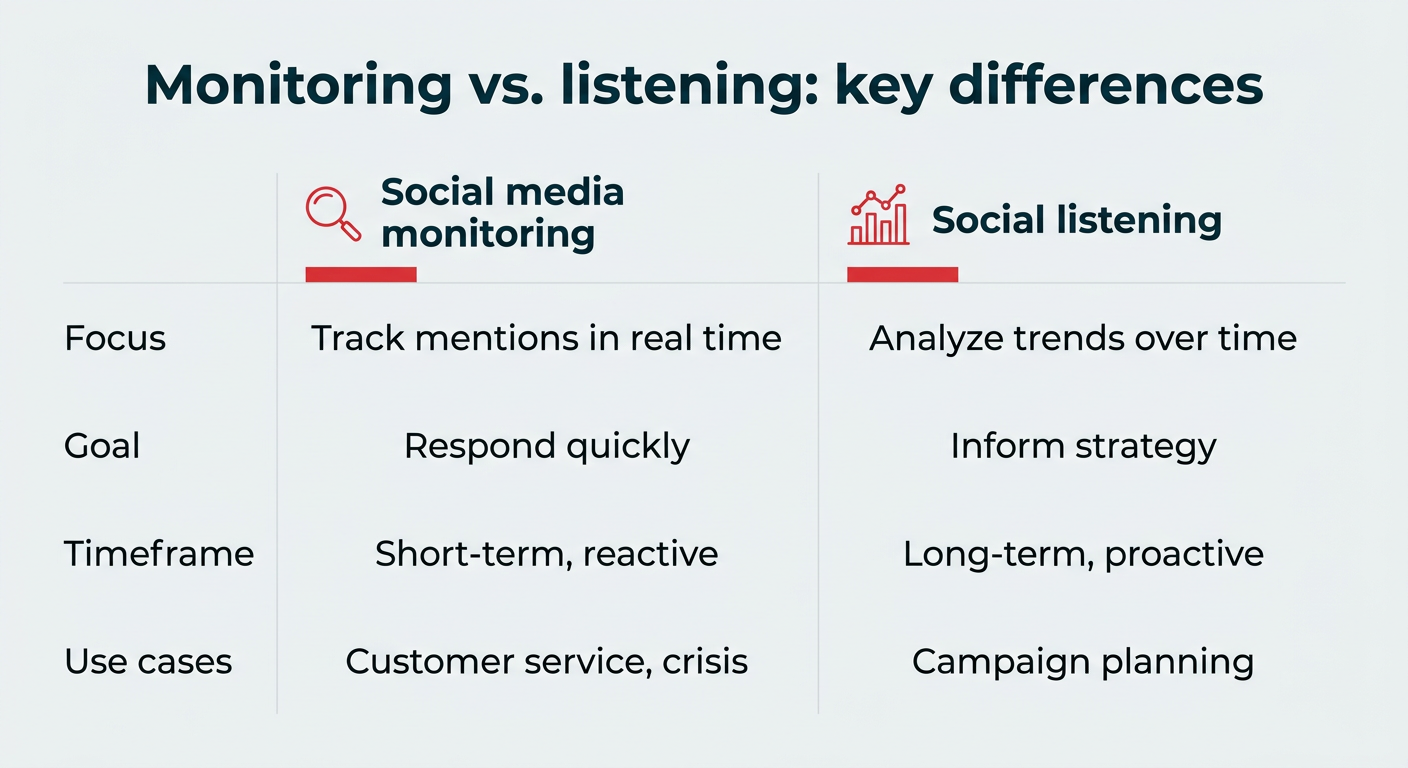
Social listening, conversely, is a strategic and proactive endeavor. It involves the analysis of aggregate data to identify broader trends, sentiment shifts, and market patterns. While monitoring asks, "What is being said about us right now?", listening asks, "What does this data mean for our future business strategy?" The most effective organizations leverage both, using monitoring to handle the "micro" interactions and listening to guide the "macro" vision.
The Strategic Imperative: Why Monitoring Matters
The integration of robust monitoring tools into a marketing stack is no longer a luxury; it is a defensive and offensive necessity. According to Katelyn Rhoades, founder of Enfluence Marketing Studio, these tools are the bridge between raw data and actionable decision-making.
"These tools provide valuable insights into customer sentiment, brand reputation, and competitor activity," Rhoades explains. "They also help identify emerging trends, potential crises, and influencer marketing partnerships, all of which are crucial for a successful social media strategy."
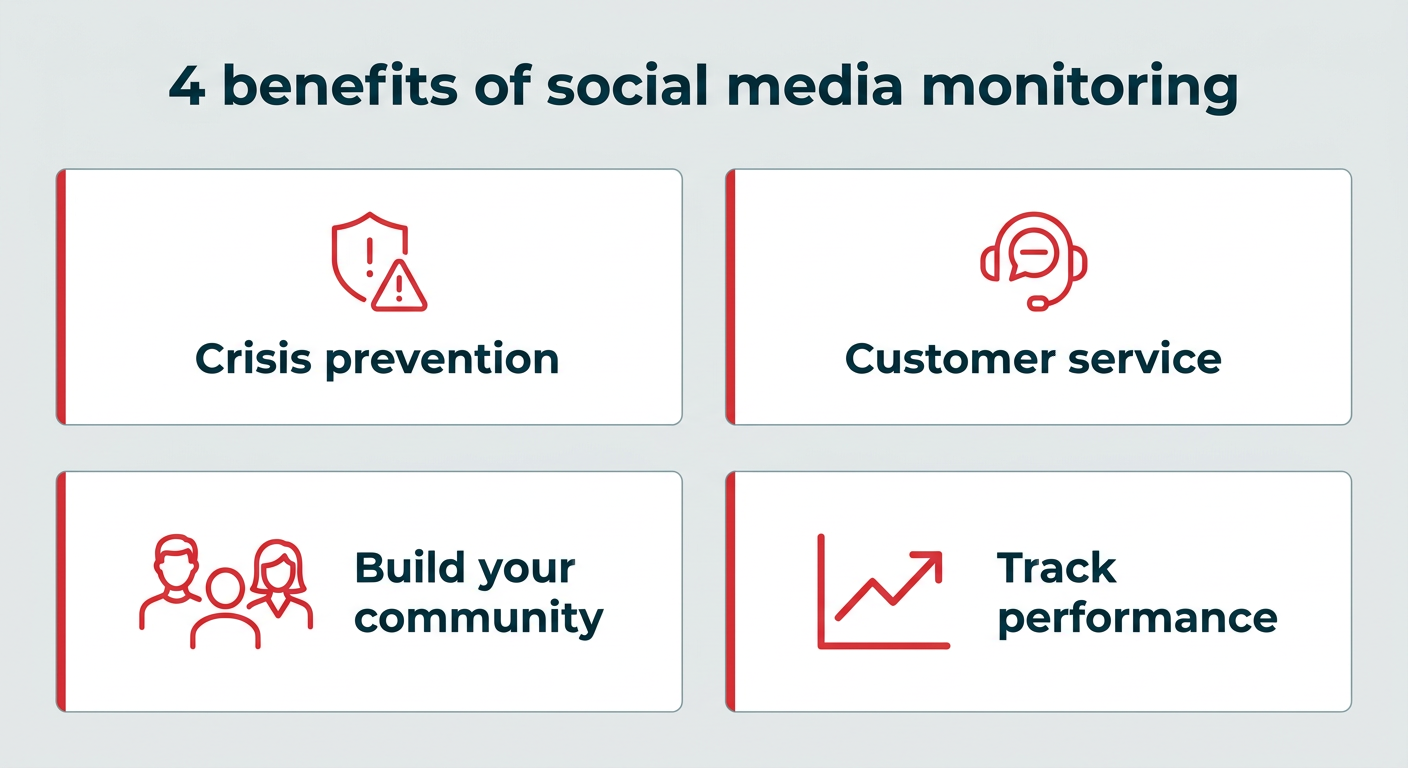
The benefits of a disciplined monitoring regimen can be categorized into four primary pillars:
1. Crisis Prevention and Management
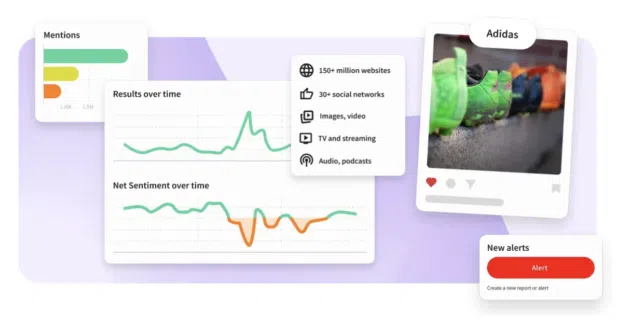
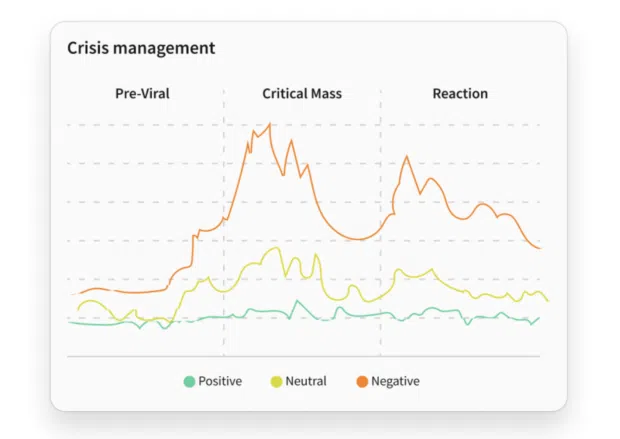
In the age of viral social media, a single customer complaint can escalate into a full-blown PR crisis within hours. Real-time alerts allow brand managers to intervene at the earliest sign of friction. By detecting negative sentiment spikes, companies can pivot their messaging or address product issues before they reach a tipping point.
2. Elevated Customer Service
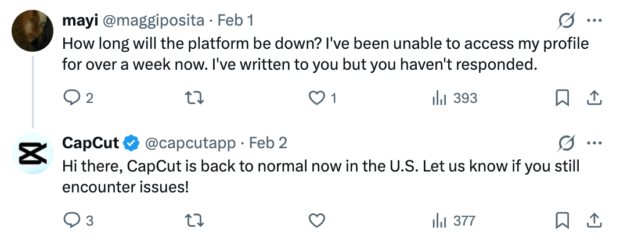
Modern consumers expect near-instantaneous responses on social platforms. Monitoring tools ensure that no question or complaint goes unnoticed, transforming public social channels into efficient customer support hubs. This responsiveness not only resolves issues but serves as a public demonstration of a brand’s commitment to its customers.
3. Community Cultivation
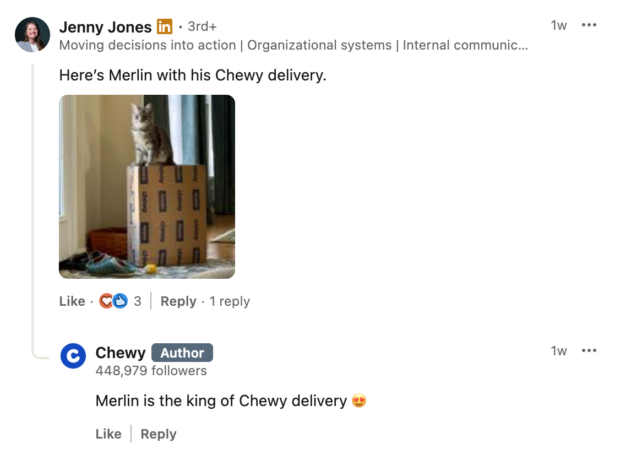
Alienore Lanson, Senior Account Manager at MG Empower, highlights that monitoring is a catalyst for community building. "Effective social media monitoring lets brands be responsive to their audience’s pain points," Lanson says. "By actively engaging with their audience and providing valuable content, brands can build and sustain deeper connections, enhancing loyalty."
4. Real-Time Performance Tracking
Aaron White, CEO of Outbound.com, emphasizes the utility of monitoring for tactical adjustments. By tracking performance in real time, marketers can optimize ad spend and content strategy on the fly based on how the audience is actually reacting, rather than waiting for end-of-month reports.

Choosing the Right Arsenal: A Comparative Overview
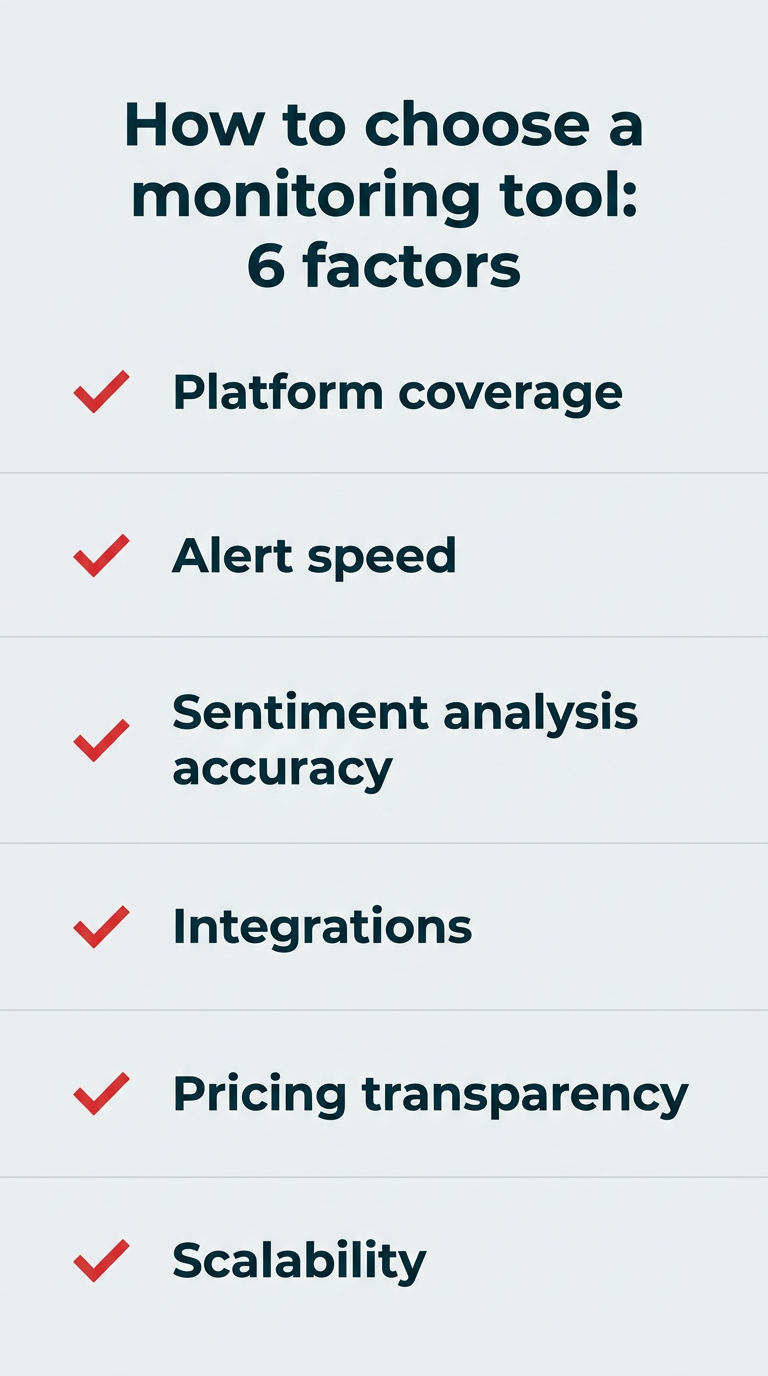
Selecting the right tool depends heavily on the scale of the organization and the depth of insight required. The market currently offers a spectrum of solutions, ranging from all-in-one management platforms to enterprise-grade intelligence suites.
The Top Contenders
- Perch by Hootsuite: An ideal choice for teams that require a unified workflow. By combining monitoring with publishing and reporting, Perch allows marketers to act on insights without leaving their dashboard. The "Quick Search" feature is a standout, providing immediate trend discovery.
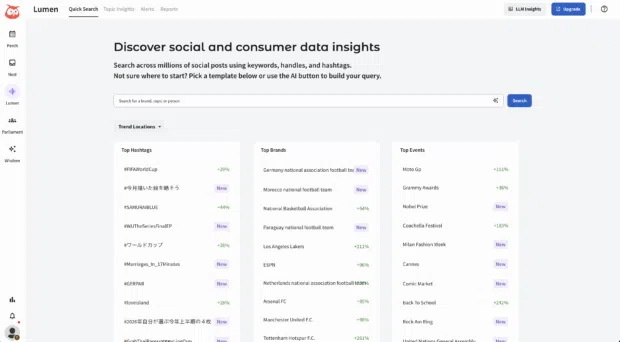
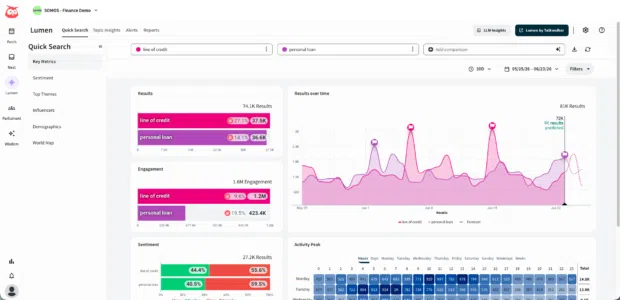
- Lumen by Talkwalker: Engineered for the enterprise, Lumen provides advanced intelligence across blogs, forums, news sites, and social networks. Its ability to map conversation clusters and identify key influencers makes it a powerhouse for large-scale PR teams.
- Brand24: Recognized for its ability to score the reach and importance of each mention, Brand24 is a top-tier choice for reputation management, offering an AI-driven approach to prioritizing engagement.
- Brandwatch: With a massive data pool and 48 boolean operators, Brandwatch is designed for teams that require deep historical data and sophisticated filtering.
- Mention: A go-to for lean teams, Mention provides excellent historical tracking (up to two years) and a user-friendly interface that simplifies complex PR monitoring.
Expert Strategies for Effective Execution
Having the right software is only half the battle. To truly benefit from social media monitoring, teams must adopt a rigorous, human-centric process.

1. The Always-On Mindset
Monitoring cannot be a sporadic task. As Lanson notes, treating it as an "always-on" activity is the only way to gain a true understanding of audience behavior. Consistency allows brands to distinguish between temporary "noise" and genuine, long-term shifts in sentiment.

2. Keyword Customization
A common mistake is tracking only the brand name. A comprehensive monitoring strategy must include:

- Branded Terms: Product names, company executives, and branded hashtags.
- Industry Terms: Broad keywords related to the space to capture top-of-funnel interest.
- Competitor Names: A necessity for benchmarking and identifying gaps in the market.
3. The "Human Touch" Requirement
Despite the sophistication of AI, it cannot replace human judgment. As Forrester predicts, companies that rely too heavily on automated, customer-facing AI risk eroding consumer trust. The human marketer is essential for interpreting the context behind the data. A spike in mentions might look like a crisis on a dashboard, but a human marketer can quickly discern if it is a playful trend or a genuine product failure.

Implications for the Future of Marketing
The trajectory of social media monitoring is clear: it is moving toward greater integration and deeper predictive capability. As we move through 2026, the brands that win will be those that view social data not just as a way to "keep up," but as a primary source of business intelligence.

The implication for marketing leaders is that the role of the "Social Media Manager" is evolving into that of a "Data Strategist." The ability to parse through millions of conversations to find the signal in the noise is becoming a high-value skill set.

Furthermore, as emerging platforms like Bluesky and niche forums gain traction, the need for tools that offer comprehensive, multi-platform coverage will only grow. Organizations that fail to monitor these "fringe" conversations risk being blindsided by new trends or competitor movements that originate outside the traditional social giants.

Conclusion: Turning Data into Dialogue
Social media monitoring is the bedrock of modern brand management. It allows companies to remain agile, empathetic, and informed in a digital world that rarely sleeps. By choosing the right tools, implementing a consistent monitoring routine, and ensuring that human intuition remains at the center of all analysis, businesses can turn the vast, chaotic stream of social media conversation into a powerful engine for growth and community.

As you evaluate your current strategy, remember the 5-5-5 rule: spend five minutes liking, five minutes commenting, and five minutes sharing content daily. Use your monitoring tools to make those fifteen minutes the most targeted and effective moments of your day. In the end, the most successful brands aren’t just the loudest—they are the ones listening the closest.
