
Beyond the Algorithm: How Top Bloggers Use Radical Personalization to Build Loyal Communities
In an era where artificial intelligence can generate thousands of words in seconds and search engine optimization (SEO) has become a technical science, many bloggers find themselves trapped in a paradox. They produce perfectly structured content, adhere to every keyword best practice, and master the technical nuances of their publishing platforms—yet their growth remains stagnant. They are doing everything “right,” but their traffic remains a revolving door of transient visitors.
The missing ingredient is rarely a technical fix or a new plugin; it is the human element. The difference between a blog that is instantly forgotten and one that cultivates a devoted, long-term audience is often personality.
By analyzing the strategies of ten industry-leading creators, we can distill the essential elements of building a personal brand that resonates in an increasingly automated digital landscape.
The Anatomy of Connection: Why Personality Outperforms Optimization
For years, the blogging industry prioritized volume and search rankings. However, as the digital ecosystem becomes saturated, users are increasingly seeking authenticity. Readers no longer just look for information; they look for a guide, a voice, and a perspective they can trust.
A blog without personality is merely a utility. A blog with personality is a destination. Personalization acts as a bridge between the creator and the consumer, transforming a passive reader into an active member of a community. When a reader identifies with the person behind the screen, they are more likely to return, share, and ultimately trust the creator’s recommendations.
Case Studies in Personalization
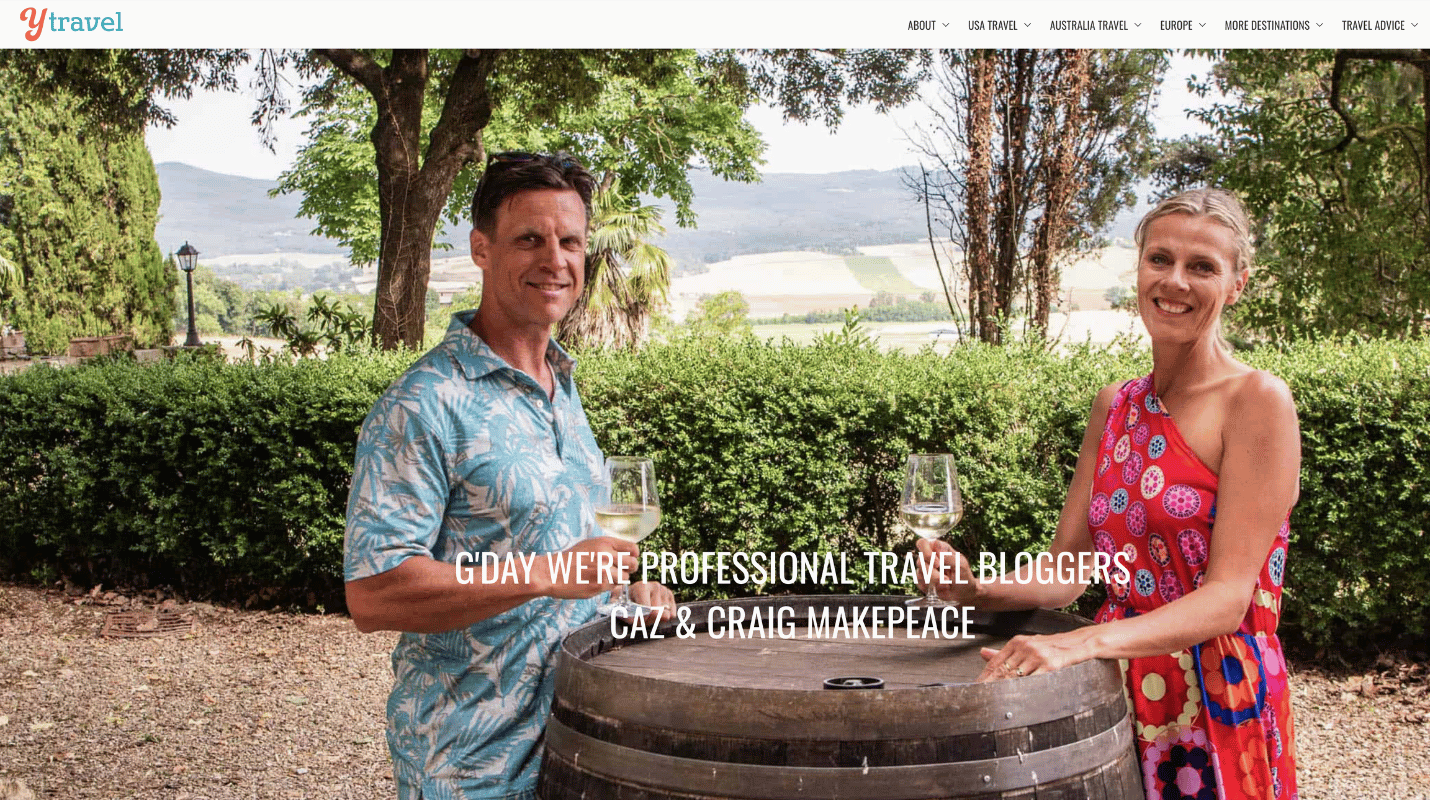
1. Visual Storytelling: The YTravel Approach
For niches like travel, food, and fashion, photography is the primary vehicle for storytelling. Caz and Craig of YTravel understand that their audience isn’t just looking for hotel reviews; they are looking for an experience they can vicariously live through. By mixing candid, relatable family snapshots with high-quality destination photography, they humanize their journey.
- Implication: When you document your life, don’t just show the finished product. Show the messy reality. Whether it is a travel disaster or a quiet morning, these moments build trust.
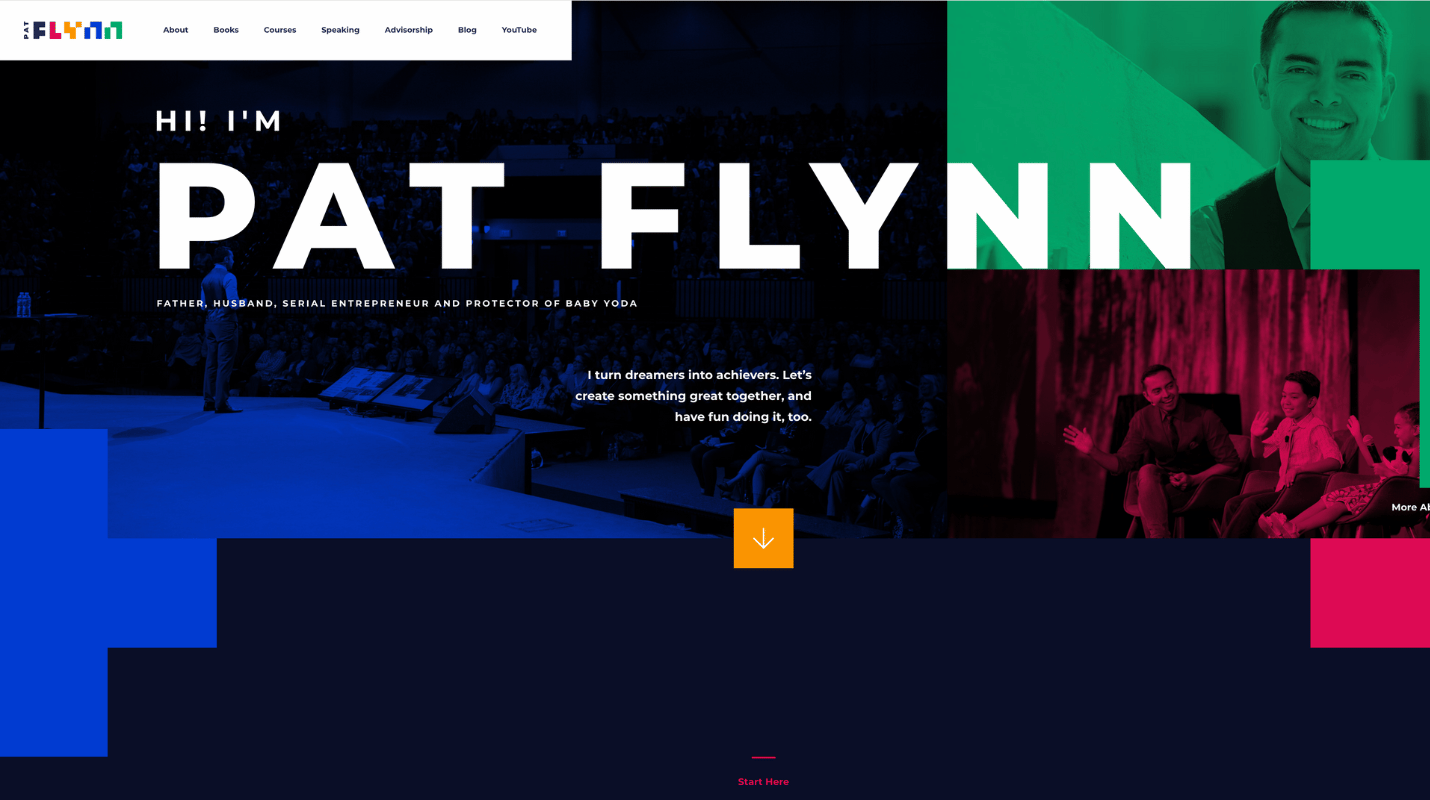
2. The Power of Identity: Pat Flynn’s "Human-First" Branding
Pat Flynn of Smart Passive Income doesn’t hide behind a corporate logo. His site is a masterclass in transparency. By clearly stating his roles—father, husband, and entrepreneur—and punctuating his bio with self-deprecating humor (like his tongue-in-cheek title as "Protector of Baby Yoda"), he lowers the barrier to entry for his audience.
- Lesson: Professionalism does not require rigidity. Sharing your personal values and hobbies makes you relatable, which is the foundation of authority.
3. Audacity and Authenticity: The Shannon Kelly White Strategy
Not every brand is for everyone. Shannon Kelly White proves that having a strong, polarizing tone can actually accelerate community growth. By utilizing a specific, unfiltered voice—including salty language—she effectively "filters" her audience. Those who stay are deeply aligned with her brand, while those who are repelled are simply not her target demographic.
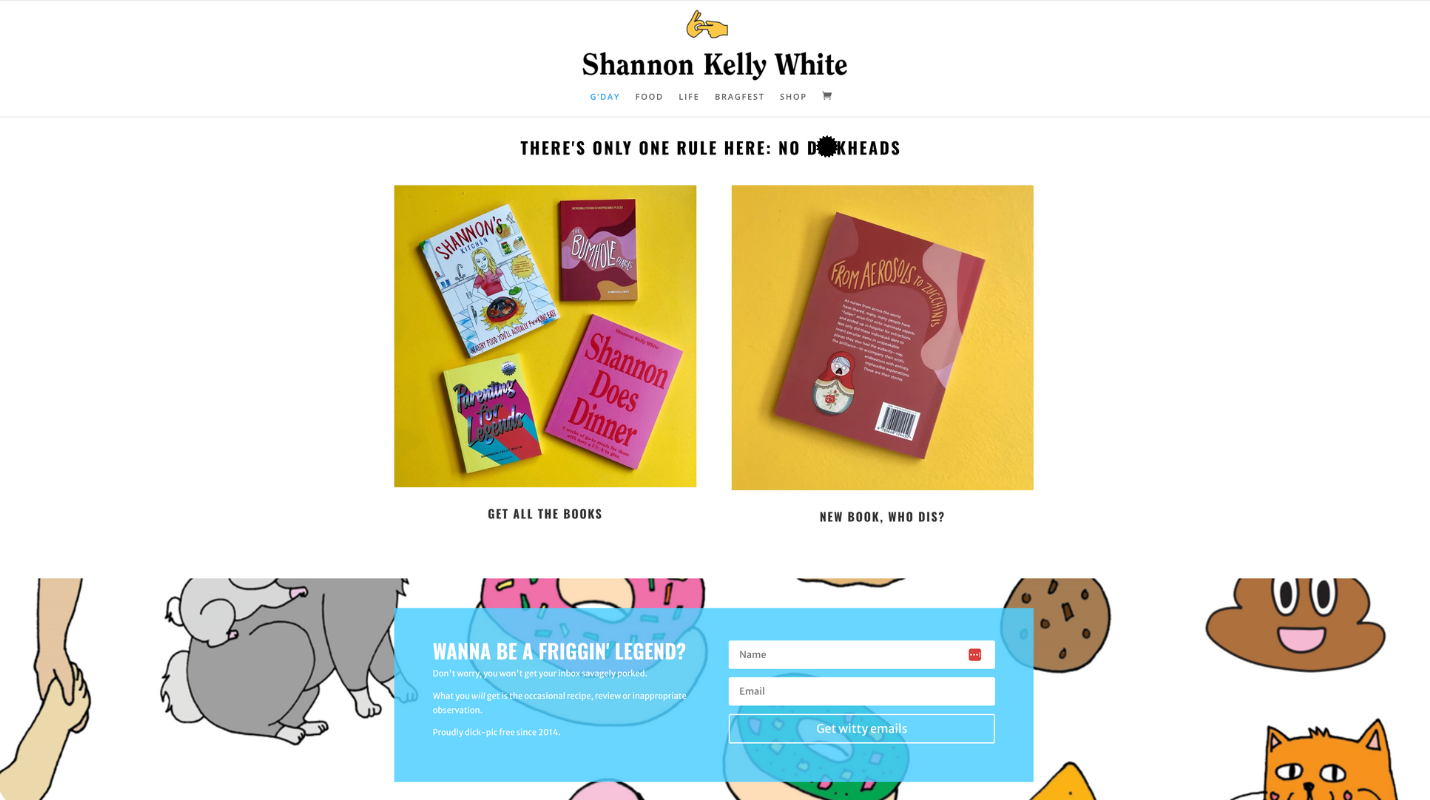
- Implication: Trying to appeal to everyone is the fastest way to appeal to no one. A distinct voice creates a "tribe" of loyalists.
4. Visual Signatures: Ramsey’s Custom Illustrations
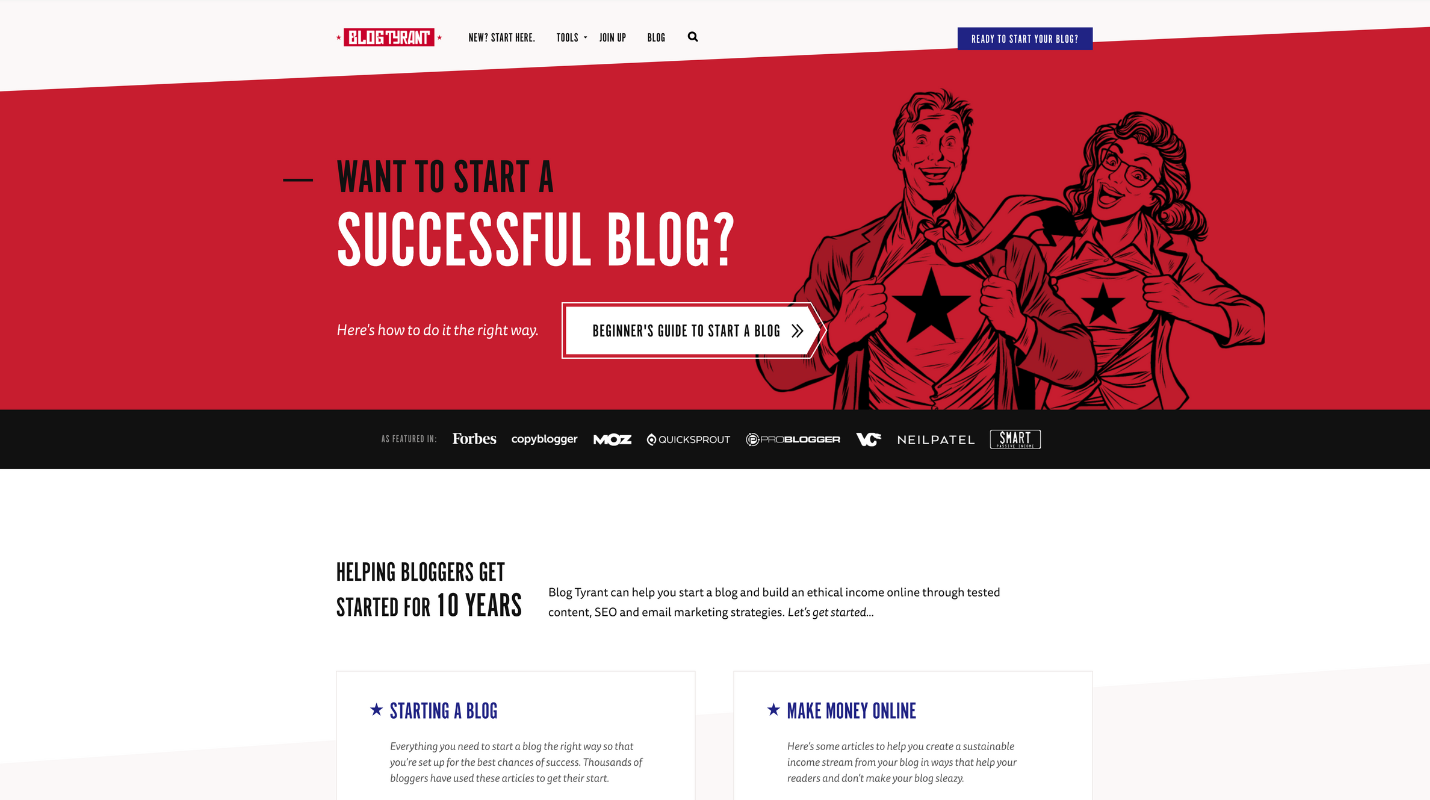
Ramsey from Blog Tyrant uses a consistent superhero avatar to anchor his brand identity. This illustration acts as a visual shorthand for his blog, appearing on everything from social media headers to lead magnets.
- Lesson: Use visual assets that are uniquely yours. Stock photos can be used by anyone; custom illustrations belong solely to your brand.
5. The "About" Page as a Conversion Tool
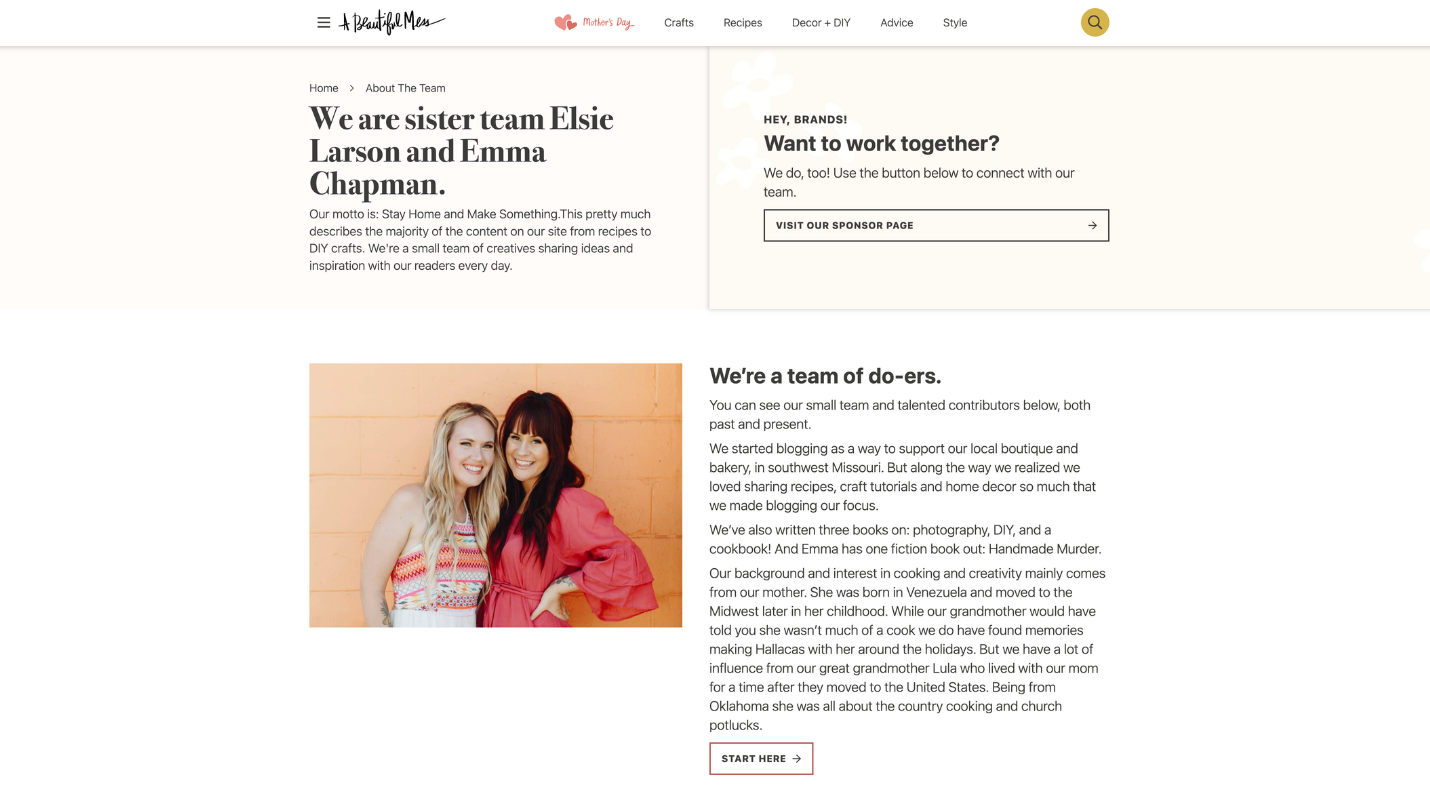
Elsie and Emma of A Beautiful Mess treat their "About" page not as a biography, but as a brand mission statement. They recognize that if a reader likes a post, their next move is to find out who wrote it.
- Strategy: Your About page should be your strongest piece of copy. It should clearly articulate who you are, why you do what you do, and—most importantly—what the reader gains by sticking around.
6. Cross-Platform Cohesion: The Chris Ducker Model
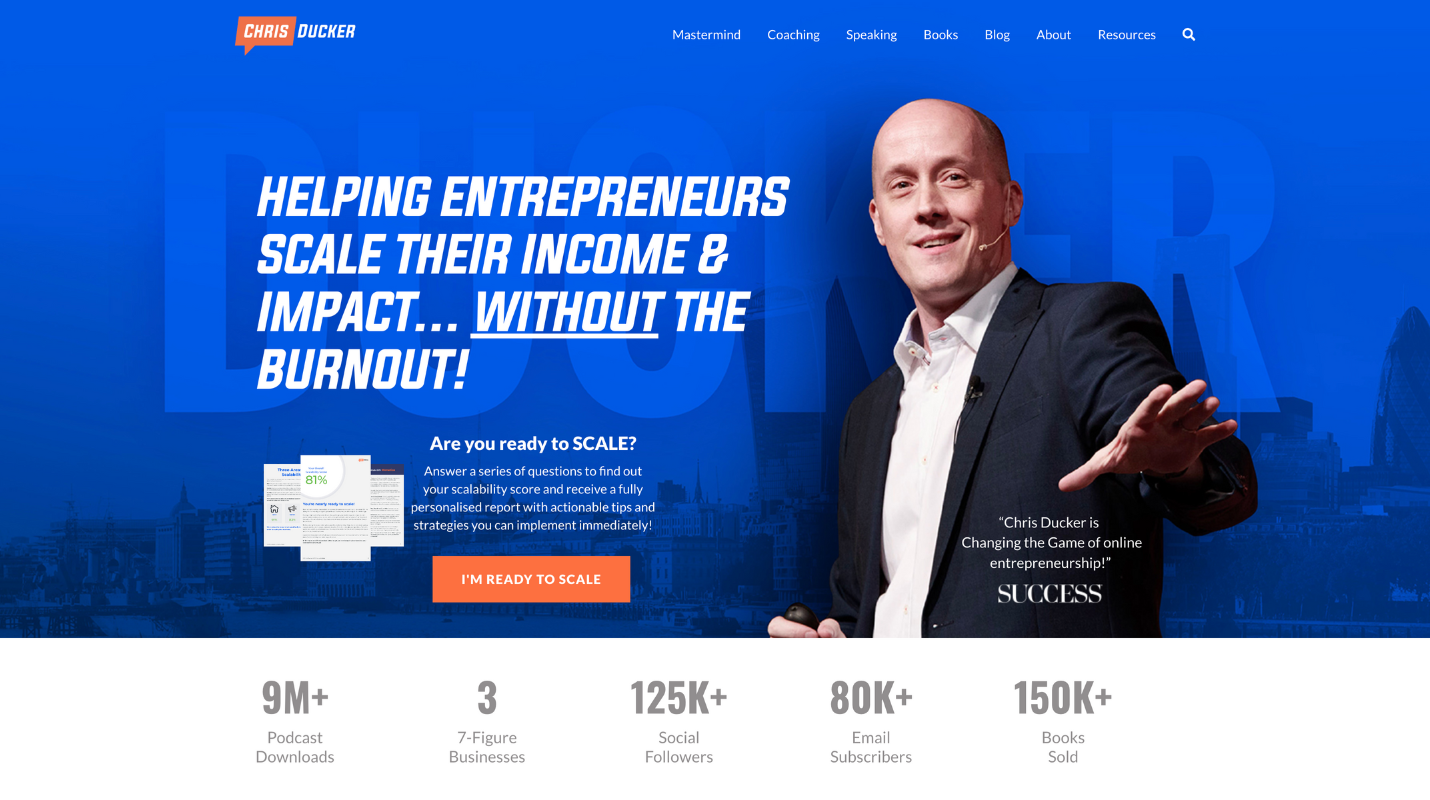
Chris Ducker demonstrates the importance of "brand ubiquity." By using the exact same headshot and branding elements across his blog, LinkedIn, Twitter, and email newsletters, he ensures that his brand identity is instantly recognizable, regardless of where a follower encounters him.
7. Chromatic Psychology: Jadah Sellner’s Color Palette
Color theory is often overlooked by solo creators, yet Jadah Sellner uses it to create an immersive experience. The color of her clothing in her photography, the site’s accent colors, and the typography all work in harmony to create a cohesive mood.
8. The Sharp Brand Statement: James Schramko’s Precision
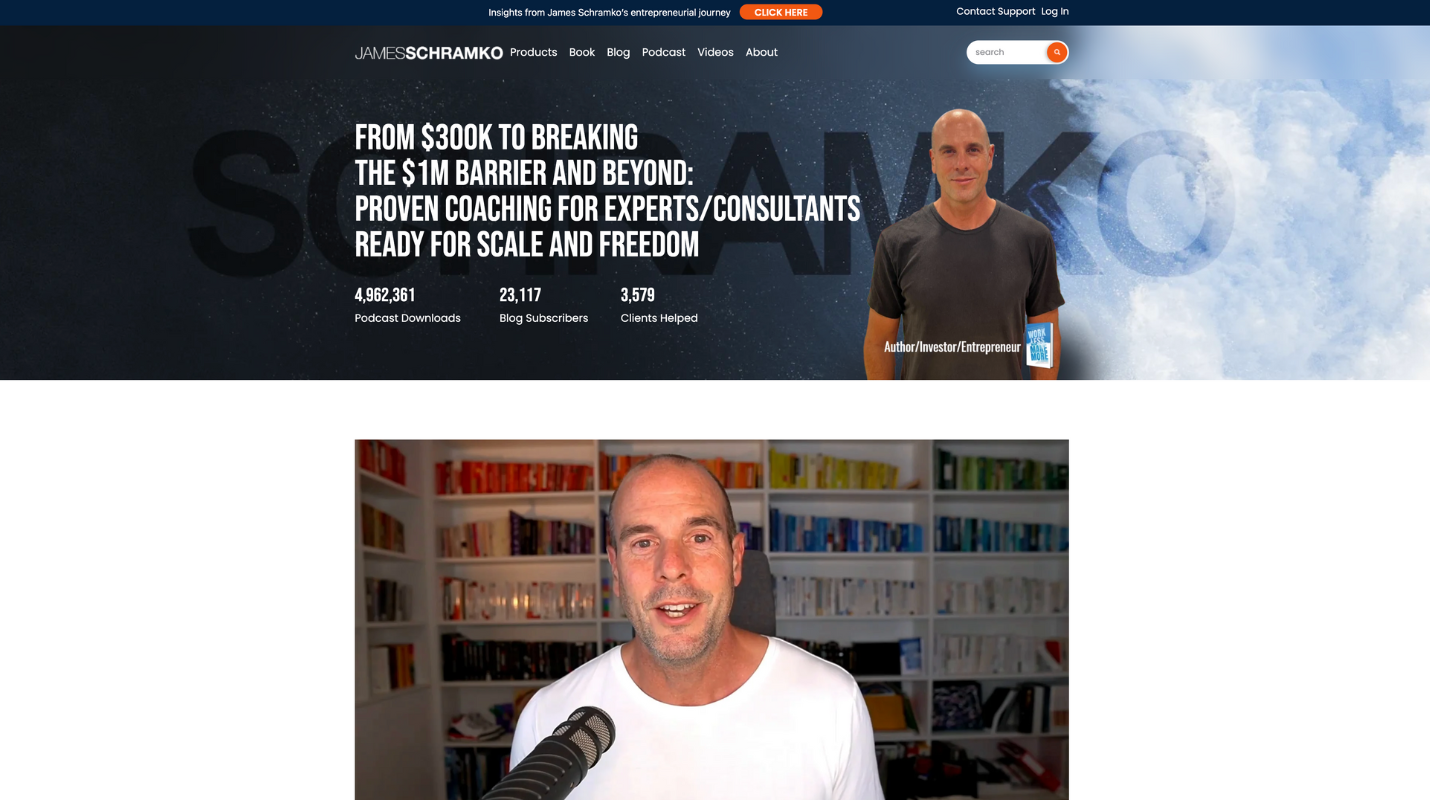
On SuperFastBusiness, James Schramko avoids fluff. His homepage immediately identifies his services and, crucially, the exact type of client he serves. This helps him attract high-quality leads while simultaneously turning away those who aren’t a fit.
9. Call-to-Action Efficiency: The Kelly Exeter Method
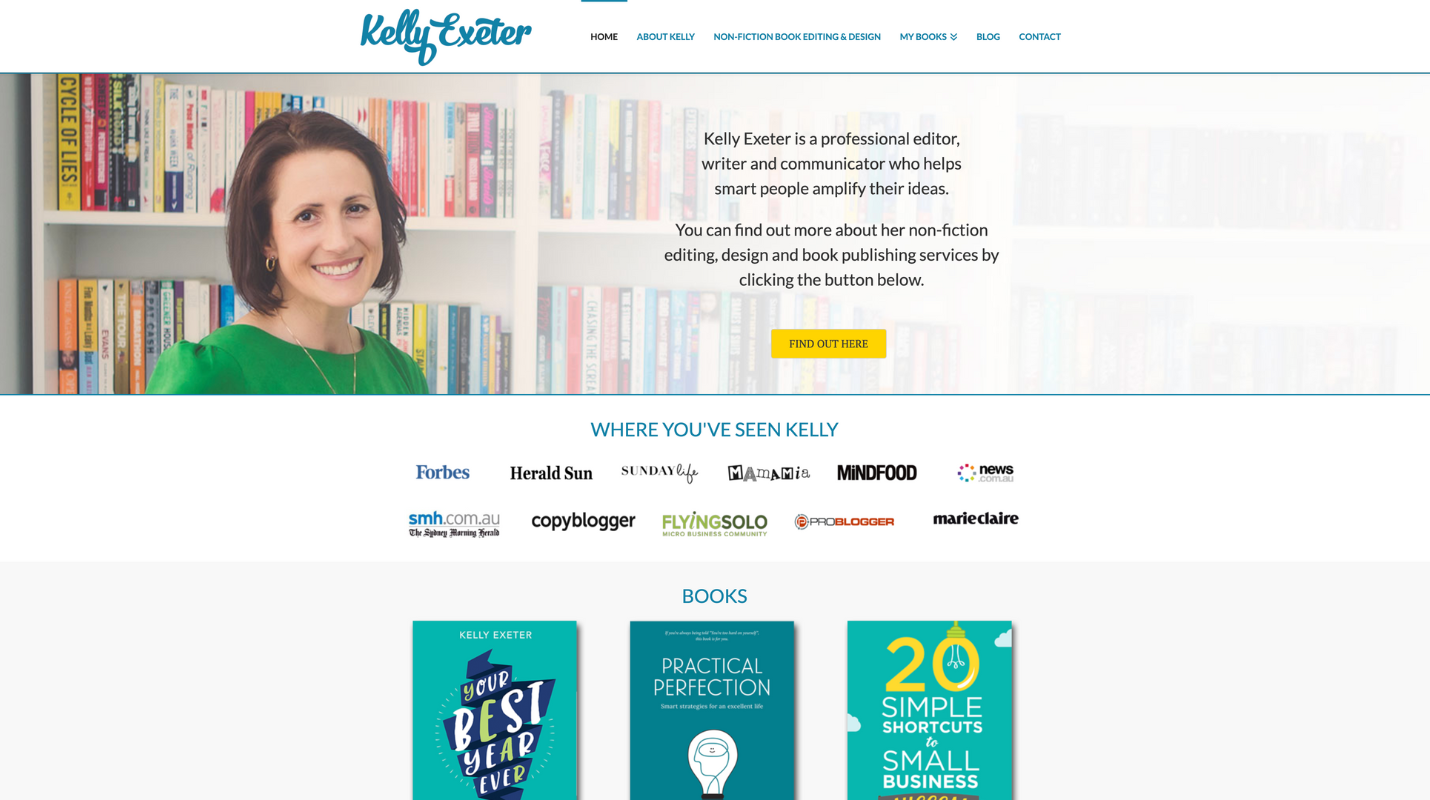
Kelly Exeter’s success lies in her ability to cut through the noise. She uses clear, concise taglines that follow the "I help X do Y" formula. By removing complex, multi-step subscription funnels in favor of direct, value-driven calls to action, she respects her reader’s time.
10. Audience Segmentation: Emily’s "Puttylike" Quiz
Emily at Puttylike masterfully defines her audience by giving them a label: "Multipotentialite." By creating a quiz that allows readers to self-identify, she turns a first-time visitor into a member of a community. This is a powerful psychological tactic—people love to understand their own nature, and you can be the one to provide that clarity.
Data and Implications: The ROI of Personality
While "personality" feels like a soft metric, the data suggests it has concrete business implications. Engagement metrics—such as average time on page, return visitor rates, and email open rates—are consistently higher for creators who infuse their content with a human touch.
The Evolution of the Blogging Landscape
In the mid-2000s, blogging was about information distribution. Today, it is about community leadership. The shift is largely due to the rise of social media and the decline of the "impersonal authority." When readers can comment, reply, and interact with the person behind the brand, the perceived value of the content increases.
Risks and Responses
Critics often argue that being too personal invites scrutiny or opens the door to criticism. This is a valid concern. The "official response" from top creators is almost universal: Boundaries are essential. Personalization does not mean total exposure. It means sharing the parts of your life and personality that are relevant to your mission and your audience’s needs.
Implementing Change: A Step-by-Step Roadmap
If you find that your blog is lacking the "spark" mentioned in these case studies, consider the following roadmap to revitalize your brand:
- Audit Your Visuals: Are you using generic stock photography? Swap them for images that reflect your personal journey or custom graphics that carry your brand’s DNA.
- Define Your "Tribal" Language: What words or phrases define your niche? Don’t be afraid to use them, even if they polarize the casual reader.
- Refine Your Bio: Review your "About" page. Does it talk more about you, or about how you help the reader? Shift the focus to the reader’s transformation.
- Simplify Your CTAs: Ask yourself: if a new reader visits my site, do they know exactly what to do next? If the answer is "no," simplify your call to action.
- Create a Self-Identification Hook: How can you help your readers feel like they "belong" to your group? A quiz, a unique term for your followers, or a shared challenge can foster a deep sense of community.
Conclusion
The era of the faceless, purely utilitarian blog is drawing to a close. As technology lowers the barrier to entry for content production, the value of human connection only increases. By incorporating these ten strategies, you aren’t just improving your blog’s design or copy—you are building an identity.
The question for every blogger is no longer "How do I rank higher?" but "How do I connect deeper?" Your personality is your greatest competitive advantage; it is the one thing that cannot be automated, scraped, or replicated by an algorithm. Embrace it, refine it, and let it lead the way.
