
The Era of "Vibe": How AI is Reshaping Software Development and Marketing Strategy
In the rapidly evolving landscape of artificial intelligence, a new, somewhat amorphous term has captured the collective imagination of Silicon Valley and the global marketing community: "Vibe." More than just a fleeting buzzword, "vibe" has become a shorthand for a fundamental shift in how humans interact with machines, moving away from rigid syntax and toward fluid, intent-driven creation.
While the term "agentic" dominated the conversation in late 2024, "vibe" has emerged as the defining ethos of 2025. It represents a departure from traditional technical gatekeeping, favoring intuition, iterative experimentation, and the sheer velocity of AI-powered output. As this trend permeates both software engineering and marketing, industry leaders are grappling with a core question: Is this the democratization of creativity, or a reckless abandonment of technical rigor?
The Genesis of Vibe Coding
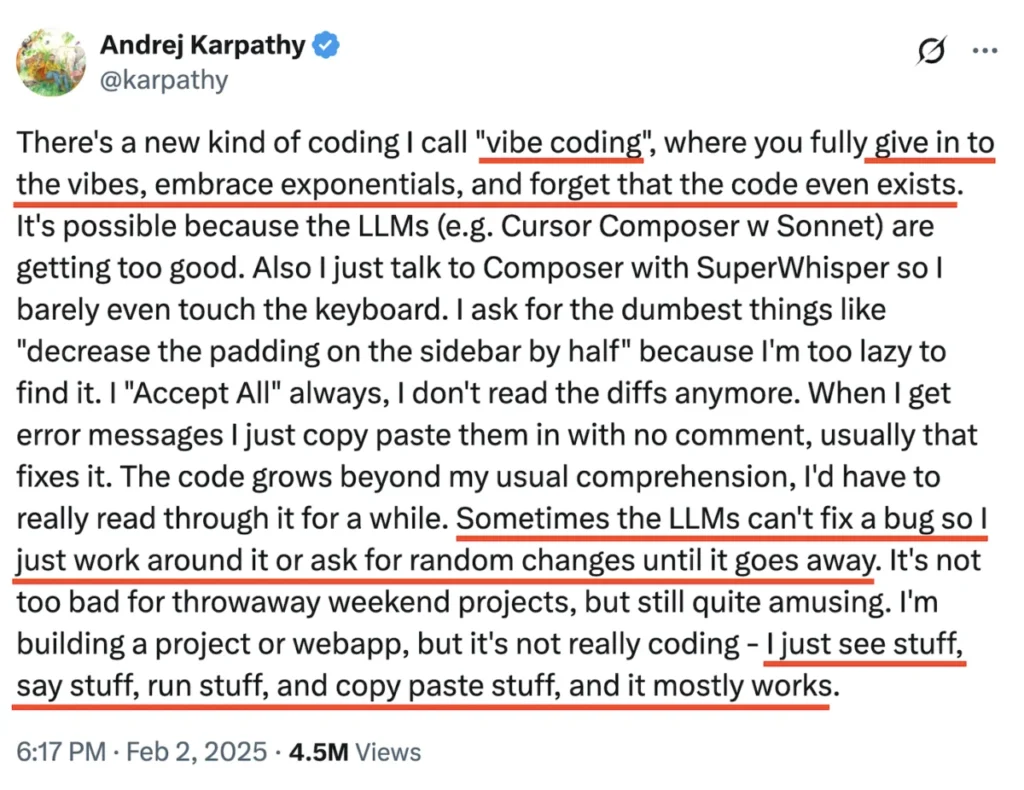
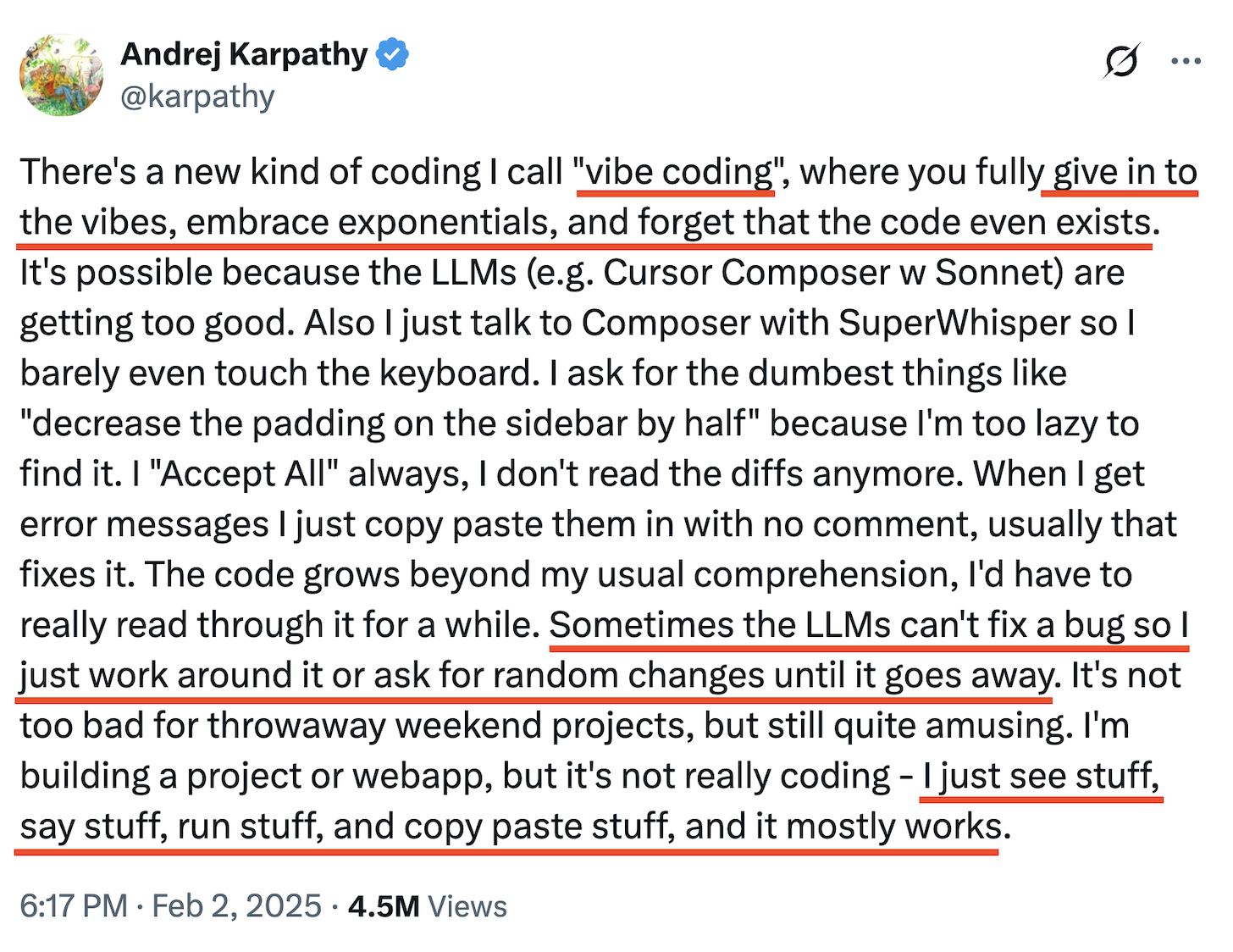
The phenomenon of "vibe coding" was crystallized by Andrej Karpathy, a founding member of OpenAI and a luminary in the field of artificial intelligence. In a widely shared post on the X platform, Karpathy articulated a new workflow: "I just see stuff, say stuff, run stuff, and copy paste stuff, and it mostly works."
This statement was not merely a casual observation; it was a manifesto for a new generation of development. Vibe coding bypasses the traditional necessity of writing syntactically perfect code, instead relying on natural language conversations with Large Language Model (LLM)-powered assistants. For the end-user, the focus shifts from the "how" of implementation to the "what" of imagination.
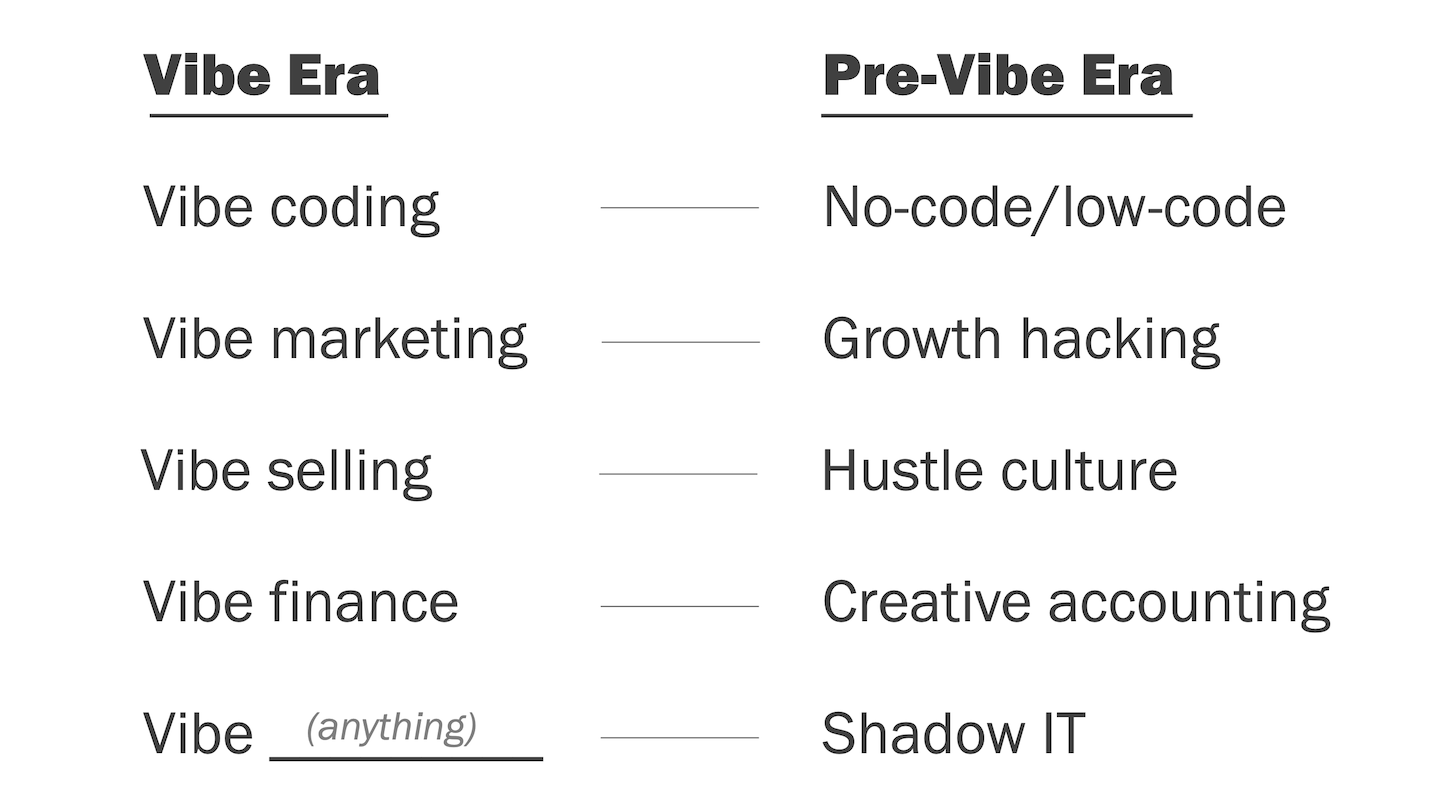
This approach serves as a radical evolution of the no-code/low-code movement that defined the previous decade. By stripping away the technical barriers to entry, vibe coding allows individuals to build functional software applications through dialogue. While critics—particularly those steeped in traditional software engineering—argue that "it mostly works" is an insufficient standard for production-grade software, the momentum behind the movement is undeniable.
A Chronology of the Vibe Movement
The ascent of "vibe" as a professional paradigm can be mapped through several key milestones over the past year:
- Late 2024: The emergence of specialized platforms like Lovable signals a market appetite for rapid, AI-assisted development. Lovable would go on to achieve $100 million in Annual Recurring Revenue (ARR) in just eight months, a testament to the speed at which this new paradigm is being adopted.
- Early 2025: Andrej Karpathy’s seminal post provides the industry with a name for the phenomenon, sparking widespread debate about the future of software engineering.
- Mid-2025: SaaS industry commentator Jason Lemkin publicly documents his 100-hour journey into vibe coding an application using Replit. His transparent accounts of both "joys and frustrations" provide a realistic look at the limitations and potential of the practice.
- August 2025: The discourse expands beyond engineering as marketers begin adopting "vibe marketing," attempting to apply the same principles of rapid iteration to GTM (Go-to-Market) strategies.
The Lemkin Scale: Quantifying the "Vibe"
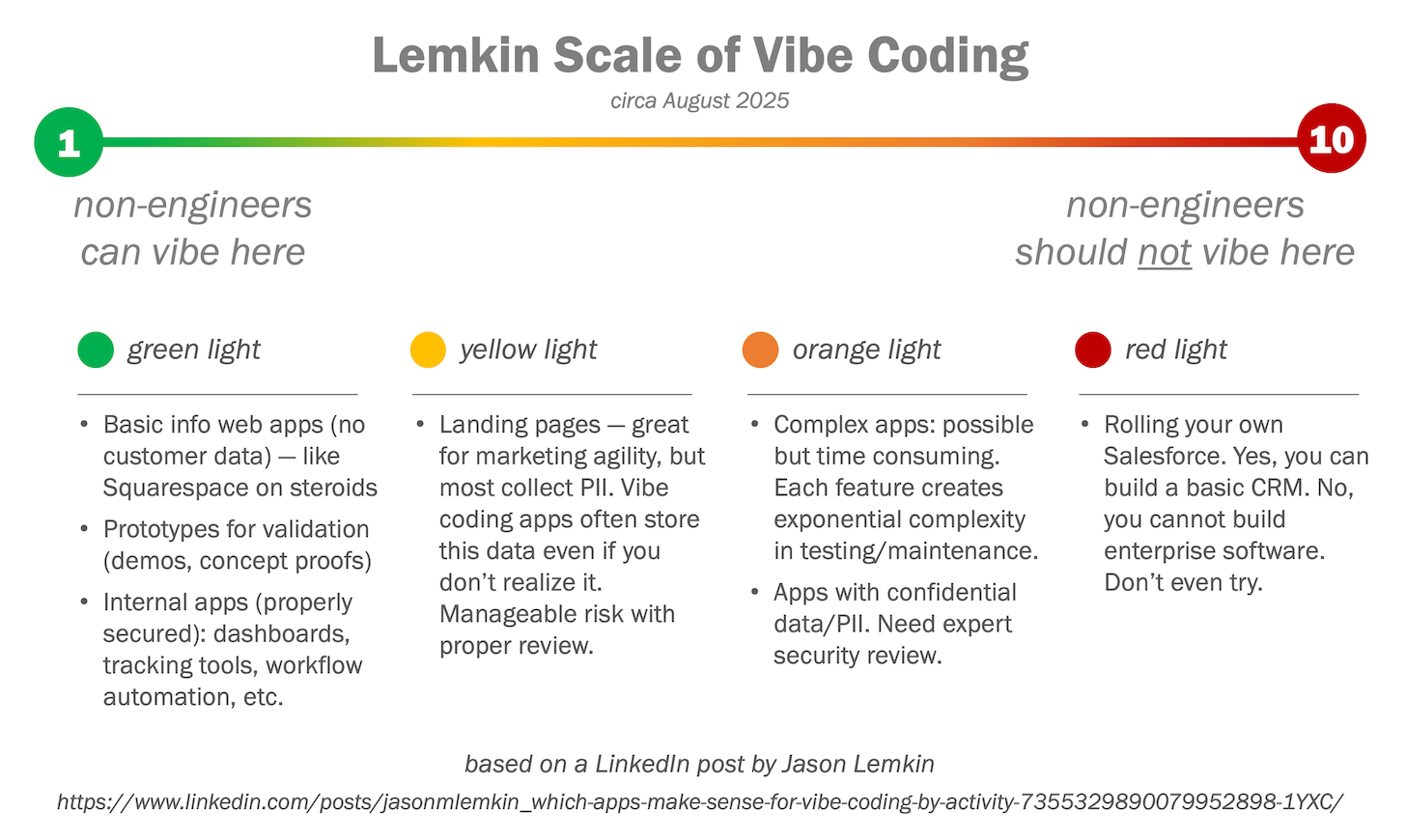
As non-engineers continue to test the limits of what they can build via AI, the need for a framework to measure feasibility has become apparent. The "Lemkin Scale of Vibe Coding" serves as a heuristic for this purpose. Ranging from 1 (highly viable for non-engineers) to 10 (a "here-be-dragons" territory requiring significant expertise), the scale provides a snapshot of the current state of AI capability.
"Green light" projects—such as internal dashboards, personal productivity tools, or simple workflows—sit at the lower end of the spectrum. These are tasks where the margin for error is high and the complexity is low. Conversely, "red light" projects—such as rebuilding complex enterprise software like Salesforce from the ground up—sit at the extreme end.
It is crucial to note that this scale is not static. As AI models improve, the "red light" projects of today will inevitably shift toward the "green light" side of the scale. What requires a seasoned developer today may be well within the grasp of a casual user by this time next year. This "shifting left" of complexity is the primary engine driving the rapid growth of the AI application ecosystem.
Vibe Marketing: The New Frontier of Growth
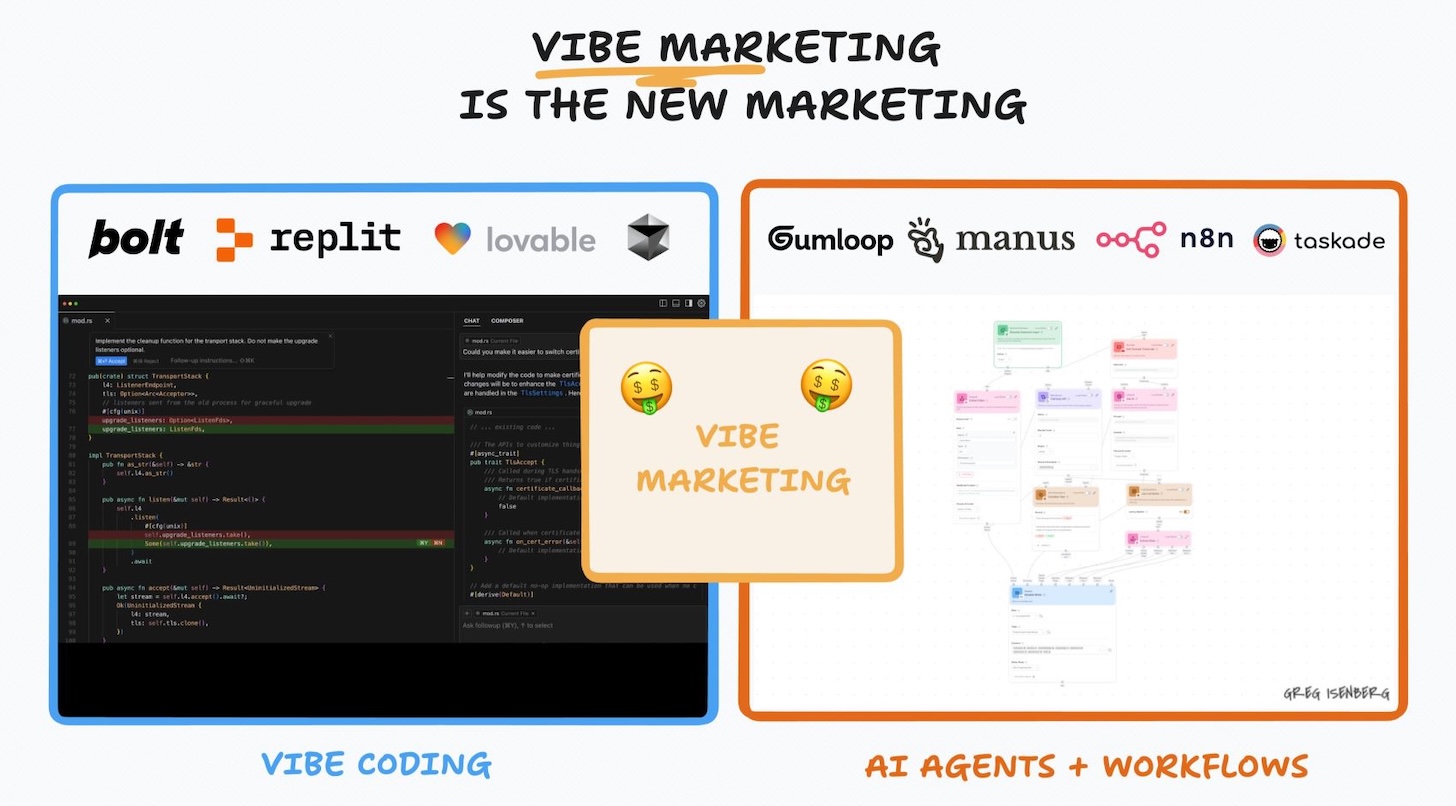
With the success of vibe coding, it was inevitable that the concept would bleed into the marketing sphere. Greg Isenberg is widely credited with coining the term "vibe marketing," framing it as the intersection of AI agents, automated workflows, and individual creative agency.
In this context, a "vibe marketer" is a professional empowered by AI to achieve outcomes that previously required a cross-functional team of specialists. By leveraging AI to handle the "heavy lifting"—data mining, content generation, and technical implementation—the marketer becomes a curator of ideas.
Defining the "Vibe" in Marketing
There is a tension between two definitions of vibe marketing. One perspective views it through the lens of pure automation: a "marketing operating system" that is structured, governed, and highly efficient. The other perspective, which aligns more closely with the spirit of Karpathy’s original concept, views vibe marketing as a philosophy of "Big Experimentation."
In this more nuanced view, vibe marketing is about the freedom to pursue curiosity. It is the ability to ask, "What if we tried this?" and having the capability to test that hypothesis within minutes rather than weeks. By utilizing AI to mine data warehouses, segment audiences, and deploy micro-campaigns, marketers can foster a culture of rapid innovation.
Implications for Modern Organizations
The shift toward a "vibe-centric" culture carries profound implications for organizational structure and governance.
1. The Rise of the GTM Engineer
We are witnessing the emergence of the "GTM Engineer"—a hybrid role that combines traditional marketing savvy with the technical capabilities of a developer. These professionals are not necessarily writing code from scratch, but they are orchestrating the AI tools that build the infrastructure of their campaigns. Organizations that empower these individuals by providing the right "scaffolding"—permission management, data security, and brand guardrails—will be the ones that out-innovate their competitors.
2. The Shift from Volume to Velocity
If the Big Data era was defined by the volume and variety of data, the "Vibe Era" is defined by the velocity of experimentation. Success in this new landscape is not measured by the size of a database, but by the number of high-quality experiments a team can run in a given timeframe. The goal is to identify winning ideas quickly and jettison duds with minimal cost.
3. The Human Element
The greatest risk in the vibe movement is the potential to lose the human connection. Automated content generation and email outreach can easily become a digital version of "Spam, Spam, Spam." The true challenge for marketers is to ensure that their "vibe" resonates with the human needs of the customer. The machine may handle the production, but the human must handle the empathy.
Conclusion: The Summer of Vibes and Beyond
Is "vibe" a lasting term, or just a linguistic fad of the mid-2020s? It is likely the latter. The word itself carries a certain "hokey" quality that may not survive the inevitable professionalization of these tools. However, the underlying shift toward AI-enabled, intent-driven creation is here to stay.
Whether we call it "vibe coding," "agentic workflows," or "Big Experimentation," the reality is that the barriers between ideation and execution are collapsing. For the developer, it means a new way to build software. For the marketer, it means a new way to engage with the market.
As we navigate this "Summer of Vibes," the imperative for professionals is clear: do not get hung up on the terminology. Instead, focus on the creative power that these tools unlock. By building the necessary guardrails and fostering a culture of curiosity, organizations can harness this new energy to drive unprecedented levels of innovation. The "vibe" is, at its core, the unleashing of human creativity—and that is a trend worth betting on.
